Productive without burning out: Why more is less
Checking off tasks won't fix chronic stress. Learn how to protect your brain's focus and use a recovery protocol to move from exhaustion to flourishing.

Best quote from Productive without burning out: Why more is less
Rest is a strategic tool; it’s not something you do after you’ve finished everything, it’s what enables you to finish everything.
Generated by diachenkobohdan
How can I be productive without burning out?

Frequently Asked Questions
Chronic stress is not just an emotional state; it causes physical damage to the "hardware" of the brain. Specifically, it can damage the prefrontal cortex, which is the area responsible for essential executive functions like focus, planning, and decision-making. This explains why people experiencing burnout often struggle with "uncharacteristic errors," such as typos or missed deadlines, and find it difficult to feel effective even after a short break.
While time is a fixed resource of 24 hours, energy is a variable resource that fluctuates based on physical, emotional, mental, and spiritual factors. Traditional time management often fails because it encourages people to fill every hour regardless of their internal state. Energy management suggests performing an "Energy Audit" to identify natural peaks and valleys, then scheduling high-intensity "Deep Work" during peak energy windows and saving "Shallow Work," like administrative tasks, for energy valleys.
To protect cognitive hardware, individuals should establish boundaries in four specific areas. Schedule Boundaries involve learning to say "no" to extra tasks when at capacity. Emotional Boundaries use transition rituals to prevent work stress from bleeding into home life. Technology Boundaries involve disabling notifications and ending the "always-on" culture during off-hours. Finally, Physical Boundaries ensure that basic needs, such as taking 15-minute breaks and eating nutritious meals, are prioritized rather than skipped as a "badge of honor."
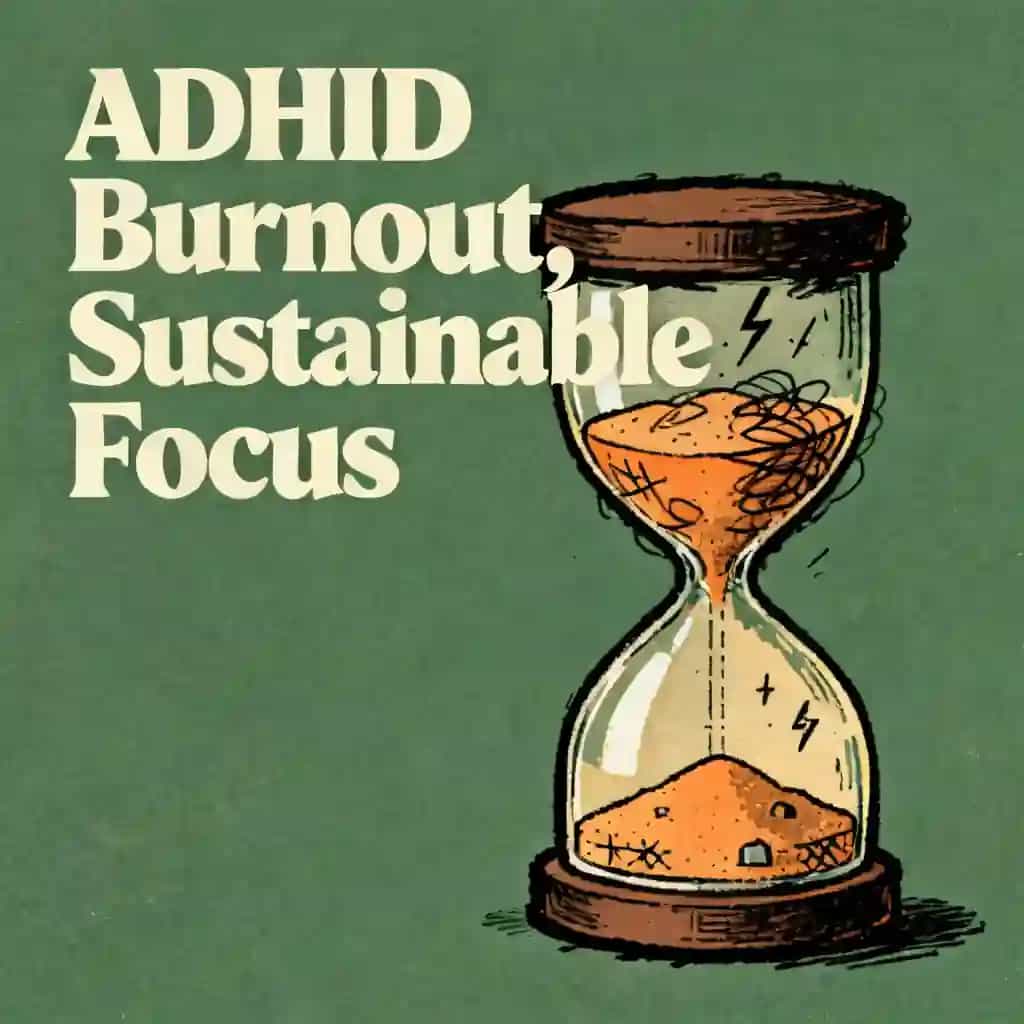
Recovery from deep burnout requires a structured 4-Phase Protocol rather than a simple vacation. Phase One is "Rest," focusing on full disengagement and lowering cortisol for one to two weeks. Phase Two is "Stabilize," where low-intensity routines are rebuilt. Phase Three is the "Ramp," where focused work is increased very gradually—by only 30 to 60 minutes per week. Finally, Phase Four is "Sustain," which involves implementing long-term structural changes to work habits to prevent a relapse.
A Buffer Block is a 30-minute period of unscheduled time placed after a deep work sprint. It acts as the "secret sauce" of a productive schedule by absorbing the inevitable chaos of the workday, such as meetings that run late or urgent incoming requests. Without these blocks, a single delay can cause a "domino effect" that collapses the entire day's schedule, leading to increased stress and a sense of losing control.
From Columbia University alumni built in San Francisco
BeFreed Brings Together A Global Community Of Curious Minds


"Instead of endless scrolling, I just hit play on BeFreed. It saves me so much time."


"I never knew where to start with nonfiction—BeFreed’s book lists turned into podcasts gave me a clear path."


"Perfect balance between learning and entertainment. Finished ‘Thinking, Fast and Slow’ on my commute this week."
"Crazy how much I learned while walking the dog. BeFreed = small habits → big gains."
"Reading used to feel like a chore. Now it’s just part of my lifestyle."

"Feels effortless compared to reading. I’ve finished 6 books this month already."
"BeFreed turned my guilty doomscrolling into something that feels productive and inspiring."

"BeFreed turned my commute into learning time. 20-min podcasts are perfect for finishing books I never had time for."
"BeFreed replaced my podcast queue. Imagine Spotify for books — that’s it. 🙌"

"It is great for me to learn something from the book without reading it."
"The themed book list podcasts help me connect ideas across authors—like a guided audio journey."
"Makes me feel smarter every time before going to work"
From Columbia University alumni built in San Francisco
BeFreed Brings Together A Global Community Of Curious Minds
"Instead of endless scrolling, I just hit play on BeFreed. It saves me so much time."
"I never knew where to start with nonfiction—BeFreed’s book lists turned into podcasts gave me a clear path."
"Perfect balance between learning and entertainment. Finished ‘Thinking, Fast and Slow’ on my commute this week."
"Crazy how much I learned while walking the dog. BeFreed = small habits → big gains."
"Reading used to feel like a chore. Now it’s just part of my lifestyle."
"Feels effortless compared to reading. I’ve finished 6 books this month already."
"BeFreed turned my guilty doomscrolling into something that feels productive and inspiring."
"BeFreed turned my commute into learning time. 20-min podcasts are perfect for finishing books I never had time for."
"BeFreed replaced my podcast queue. Imagine Spotify for books — that’s it. 🙌"
"It is great for me to learn something from the book without reading it."
"The themed book list podcasts help me connect ideas across authors—like a guided audio journey."
"Makes me feel smarter every time before going to work"
"Instead of endless scrolling, I just hit play on BeFreed. It saves me so much time."
"I never knew where to start with nonfiction—BeFreed’s book lists turned into podcasts gave me a clear path."
"Perfect balance between learning and entertainment. Finished ‘Thinking, Fast and Slow’ on my commute this week."
"Crazy how much I learned while walking the dog. BeFreed = small habits → big gains."
"Reading used to feel like a chore. Now it’s just part of my lifestyle."
"Feels effortless compared to reading. I’ve finished 6 books this month already."
"BeFreed turned my guilty doomscrolling into something that feels productive and inspiring."
"BeFreed turned my commute into learning time. 20-min podcasts are perfect for finishing books I never had time for."
"BeFreed replaced my podcast queue. Imagine Spotify for books — that’s it. 🙌"
"It is great for me to learn something from the book without reading it."
"The themed book list podcasts help me connect ideas across authors—like a guided audio journey."
"Makes me feel smarter every time before going to work"
"Instead of endless scrolling, I just hit play on BeFreed. It saves me so much time."
"I never knew where to start with nonfiction—BeFreed’s book lists turned into podcasts gave me a clear path."
"Perfect balance between learning and entertainment. Finished ‘Thinking, Fast and Slow’ on my commute this week."
"Crazy how much I learned while walking the dog. BeFreed = small habits → big gains."
"Reading used to feel like a chore. Now it’s just part of my lifestyle."
"Feels effortless compared to reading. I’ve finished 6 books this month already."
"BeFreed turned my guilty doomscrolling into something that feels productive and inspiring."
"BeFreed turned my commute into learning time. 20-min podcasts are perfect for finishing books I never had time for."
"BeFreed replaced my podcast queue. Imagine Spotify for books — that’s it. 🙌"
"It is great for me to learn something from the book without reading it."
"The themed book list podcasts help me connect ideas across authors—like a guided audio journey."
"Makes me feel smarter every time before going to work"