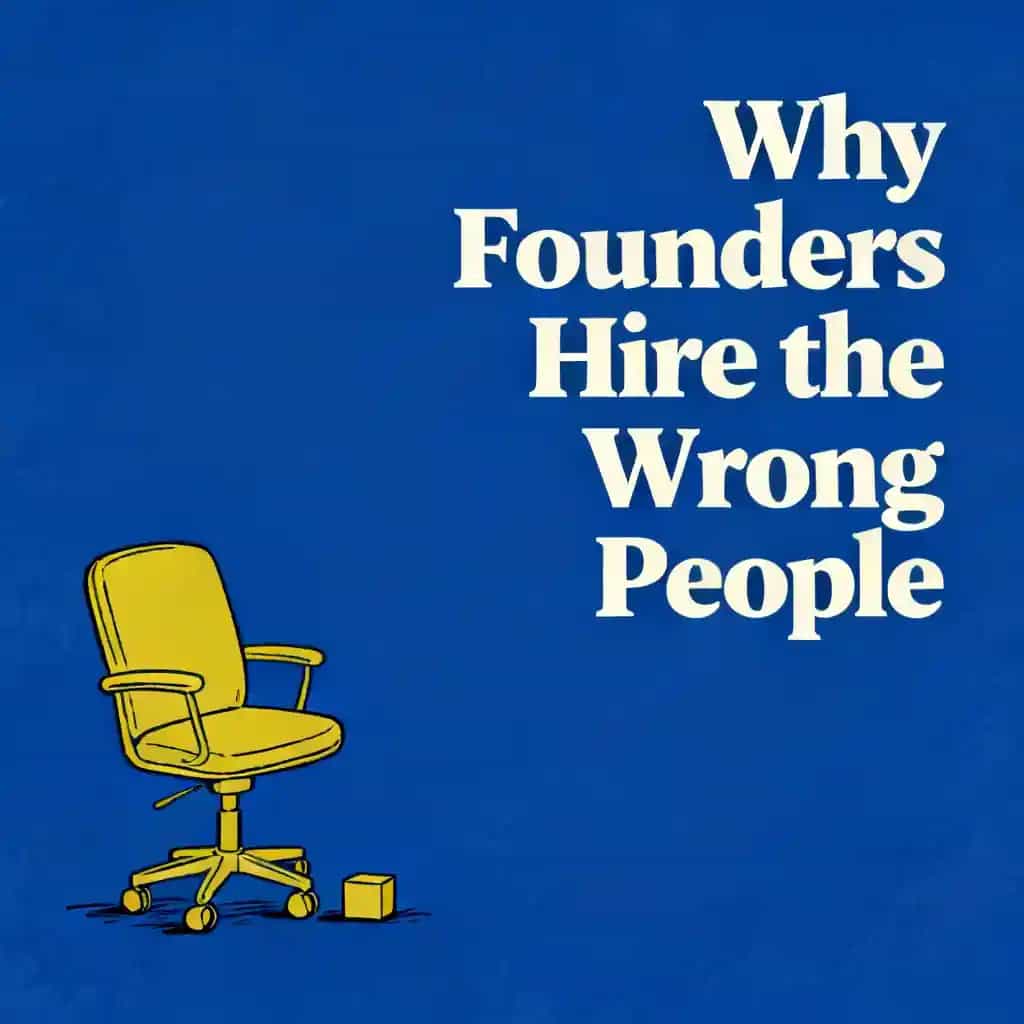
Mastering People Skills: Recruiting, Negotiation, and Networking
Master essential people skills including recruiting, negotiation, and conflict resolution. Learn to read people, build networks, and inspire others effectively.

Best quote from Mastering People Skills: Recruiting, Negotiation, and Networking
People skills aren't soft skills—they’re core strategic skills. They’re the operating system for everything else we do.
Generated by Piyush
People Skills - Recruiting, Reading People, Motivating and Inspiring, Conflict Resolution, Negotiation, Network Building

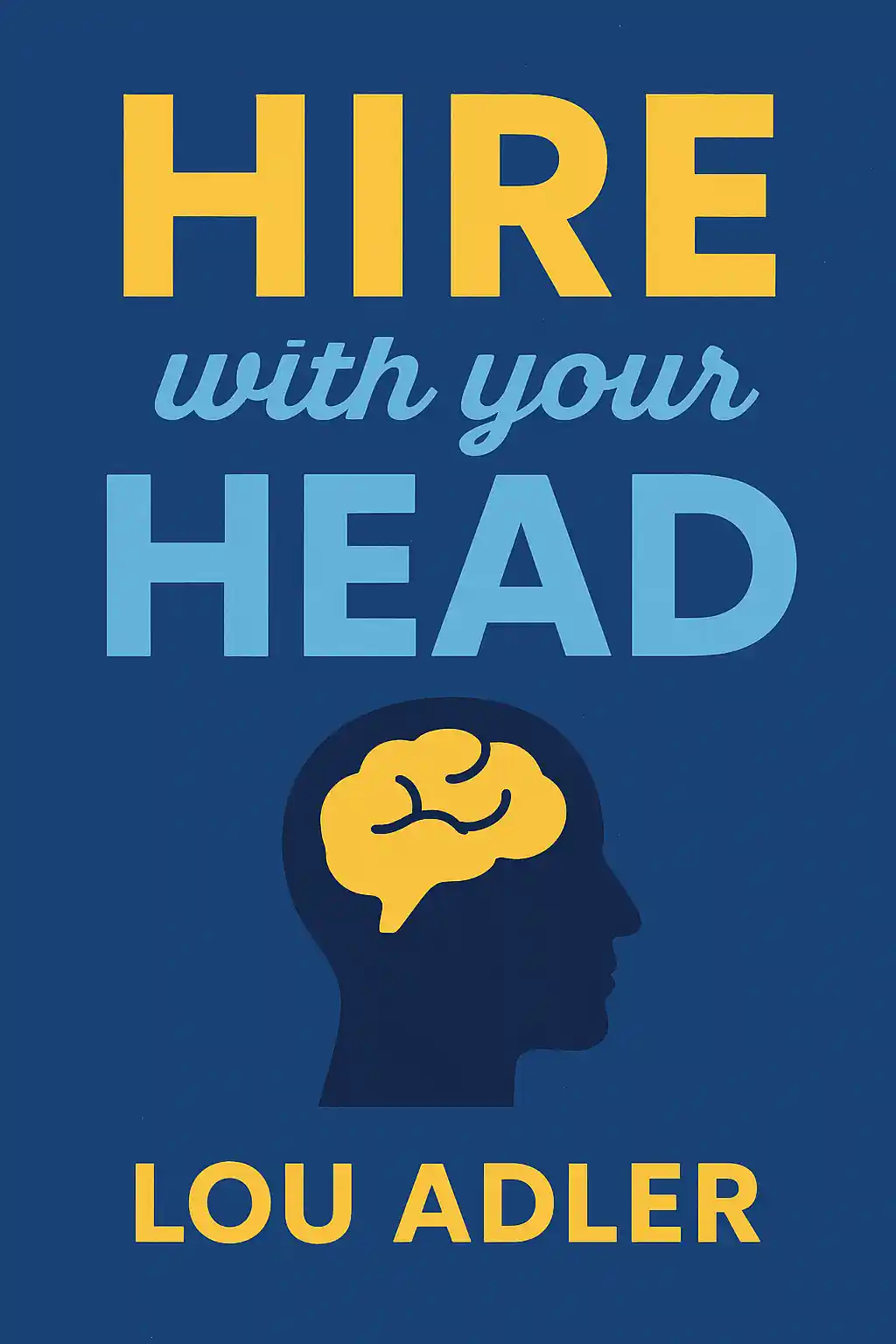

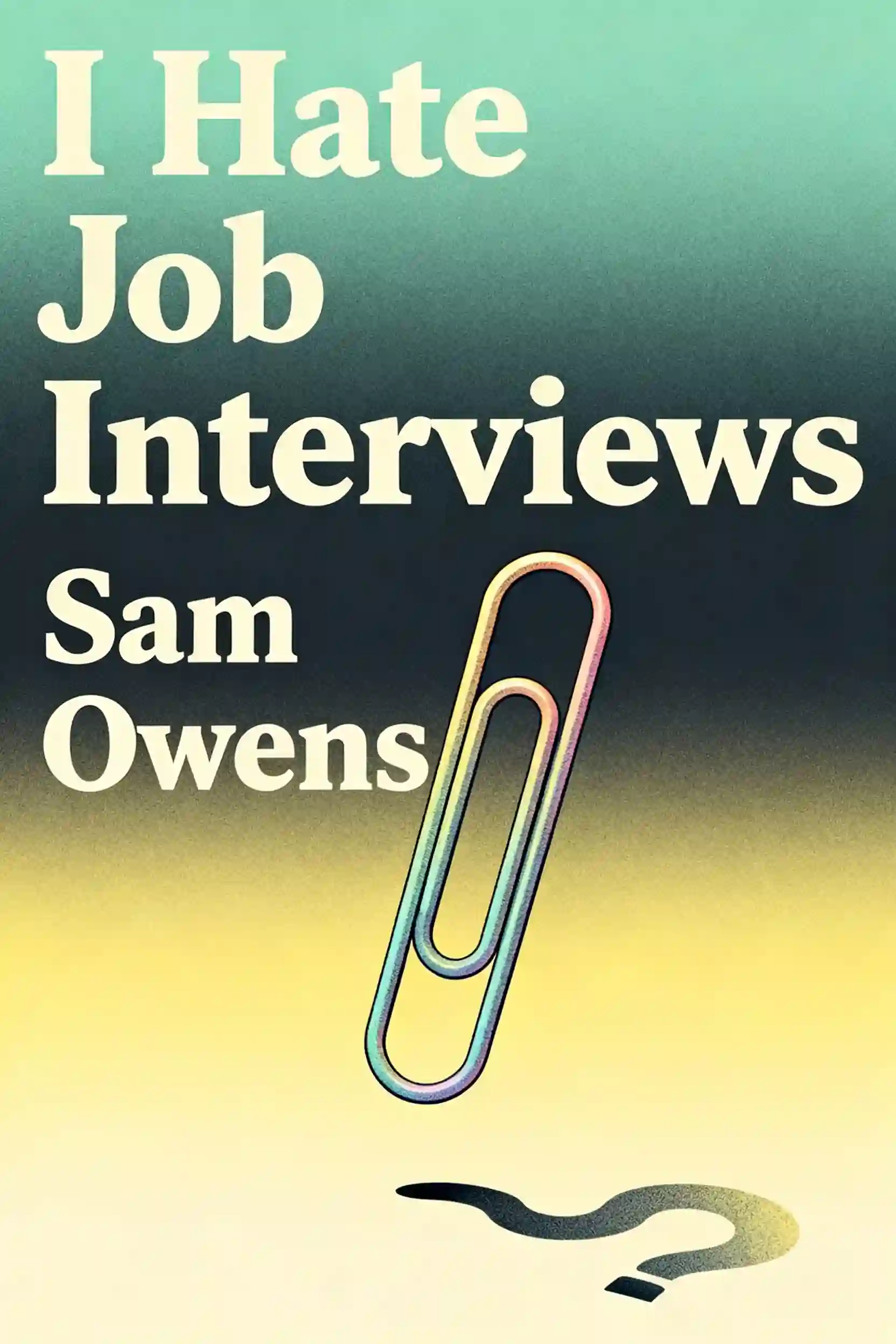
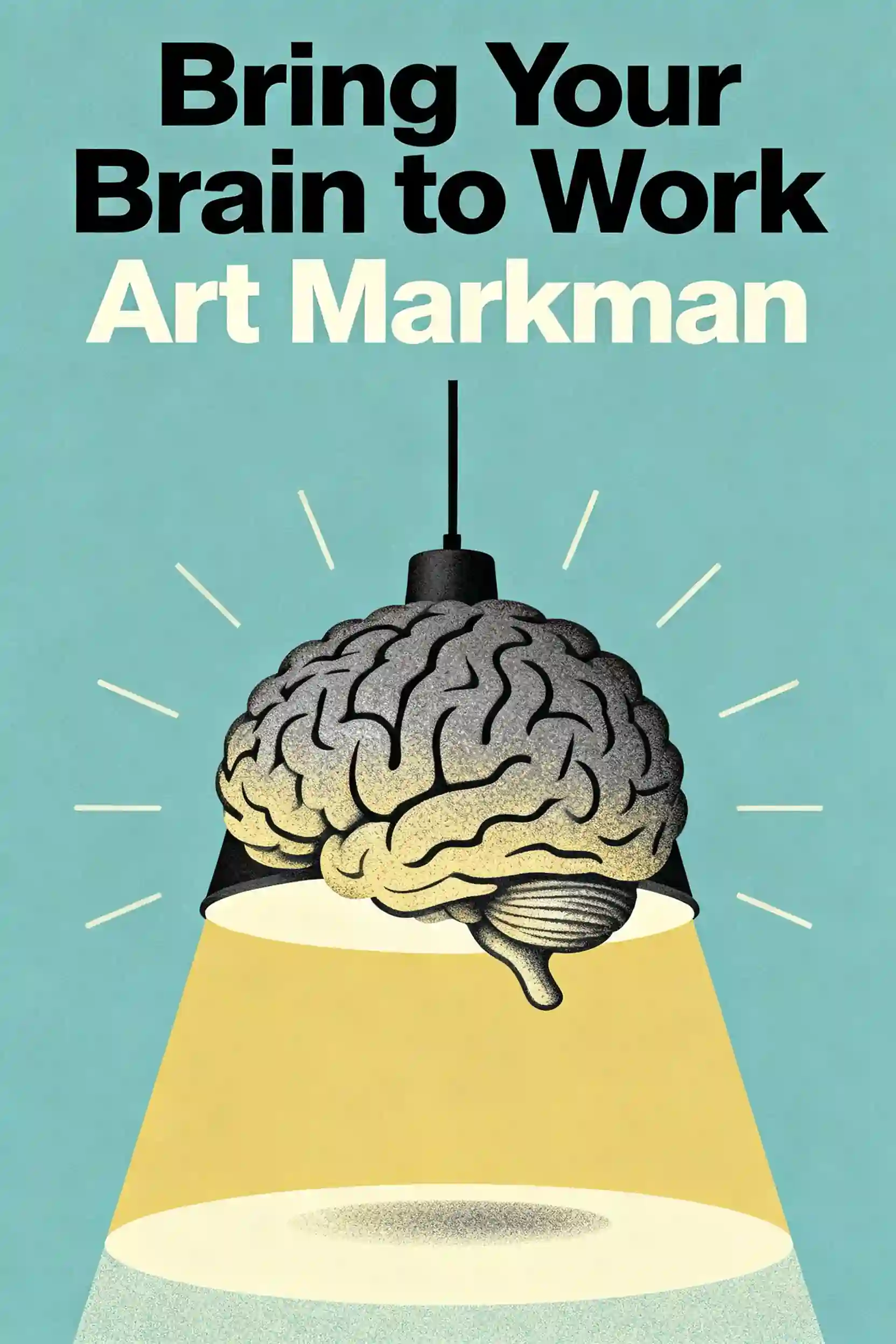

Frequently Asked Questions
Mastering people skills involves a diverse set of competencies including effective recruiting, high-stakes negotiation, and strategic network building. It also requires the ability to read people accurately to understand their motivations and resolve conflicts before they escalate. By focusing on these areas, individuals can improve their professional relationships, lead teams more effectively, and create a collaborative environment that fosters long-term success and mutual growth.
Improving recruiting and network building starts with developing a keen sense for reading people and understanding their unique strengths. Effective networking is about building genuine connections rather than just collecting contacts, while successful recruiting focuses on identifying talent that aligns with organizational goals. By honing your communication and negotiation skills, you can attract top-tier talent and expand your professional circle with meaningful, high-value relationships.
Conflict resolution and negotiation rely heavily on active listening and the ability to remain calm under pressure. To resolve disputes effectively, you must be able to read the room and identify the underlying interests of all parties involved. Using persuasive people skills allows you to find common ground and reach mutually beneficial agreements. These techniques are essential for maintaining harmony within teams and securing successful outcomes in complex business dealings.
Motivating and inspiring others requires a deep understanding of what drives individuals and the ability to communicate a compelling vision. By utilizing strong people skills, leaders can connect with their team members on a personal level, fostering a sense of purpose and commitment. This involves recognizing achievements, providing constructive feedback, and using negotiation skills to align individual goals with the broader mission of the organization, ultimately driving higher performance.
From Columbia University alumni built in San Francisco
"Instead of endless scrolling, I just hit play on BeFreed. It saves me so much time."


"I never knew where to start with nonfiction—BeFreed’s book lists turned into podcasts gave me a clear path."


"Perfect balance between learning and entertainment. Finished ‘Thinking, Fast and Slow’ on my commute this week."
"Crazy how much I learned while walking the dog. BeFreed = small habits → big gains."
"Reading used to feel like a chore. Now it’s just part of my lifestyle."

"Feels effortless compared to reading. I’ve finished 6 books this month already."
"BeFreed turned my guilty doomscrolling into something that feels productive and inspiring."

"BeFreed turned my commute into learning time. 20-min podcasts are perfect for finishing books I never had time for."
"BeFreed replaced my podcast queue. Imagine Spotify for books — that’s it. 🙌"

"It is great for me to learn something from the book without reading it."
"The themed book list podcasts help me connect ideas across authors—like a guided audio journey."
"Makes me feel smarter every time before going to work"
From Columbia University alumni built in San Francisco
"Instead of endless scrolling, I just hit play on BeFreed. It saves me so much time."
"I never knew where to start with nonfiction—BeFreed’s book lists turned into podcasts gave me a clear path."
"Perfect balance between learning and entertainment. Finished ‘Thinking, Fast and Slow’ on my commute this week."
"Crazy how much I learned while walking the dog. BeFreed = small habits → big gains."
"Reading used to feel like a chore. Now it’s just part of my lifestyle."
"Feels effortless compared to reading. I’ve finished 6 books this month already."
"BeFreed turned my guilty doomscrolling into something that feels productive and inspiring."
"BeFreed turned my commute into learning time. 20-min podcasts are perfect for finishing books I never had time for."
"BeFreed replaced my podcast queue. Imagine Spotify for books — that’s it. 🙌"
"It is great for me to learn something from the book without reading it."
"The themed book list podcasts help me connect ideas across authors—like a guided audio journey."
"Makes me feel smarter every time before going to work"
"Instead of endless scrolling, I just hit play on BeFreed. It saves me so much time."
"I never knew where to start with nonfiction—BeFreed’s book lists turned into podcasts gave me a clear path."
"Perfect balance between learning and entertainment. Finished ‘Thinking, Fast and Slow’ on my commute this week."
"Crazy how much I learned while walking the dog. BeFreed = small habits → big gains."
"Reading used to feel like a chore. Now it’s just part of my lifestyle."
"Feels effortless compared to reading. I’ve finished 6 books this month already."
"BeFreed turned my guilty doomscrolling into something that feels productive and inspiring."
"BeFreed turned my commute into learning time. 20-min podcasts are perfect for finishing books I never had time for."
"BeFreed replaced my podcast queue. Imagine Spotify for books — that’s it. 🙌"
"It is great for me to learn something from the book without reading it."
"The themed book list podcasts help me connect ideas across authors—like a guided audio journey."
"Makes me feel smarter every time before going to work"
"Instead of endless scrolling, I just hit play on BeFreed. It saves me so much time."
"I never knew where to start with nonfiction—BeFreed’s book lists turned into podcasts gave me a clear path."
"Perfect balance between learning and entertainment. Finished ‘Thinking, Fast and Slow’ on my commute this week."
"Crazy how much I learned while walking the dog. BeFreed = small habits → big gains."
"Reading used to feel like a chore. Now it’s just part of my lifestyle."
"Feels effortless compared to reading. I’ve finished 6 books this month already."
"BeFreed turned my guilty doomscrolling into something that feels productive and inspiring."
"BeFreed turned my commute into learning time. 20-min podcasts are perfect for finishing books I never had time for."
"BeFreed replaced my podcast queue. Imagine Spotify for books — that’s it. 🙌"
"It is great for me to learn something from the book without reading it."
"The themed book list podcasts help me connect ideas across authors—like a guided audio journey."
"Makes me feel smarter every time before going to work"