Neural Resilience: The Biology of Stress Scars and DNA
Explore how early-life stress physically alters DNA packaging. Learn about WashU Medicine's research on neural resilience and how to update your stress response.
Best quote from Neural Resilience: The Biology of Stress Scars and DNA
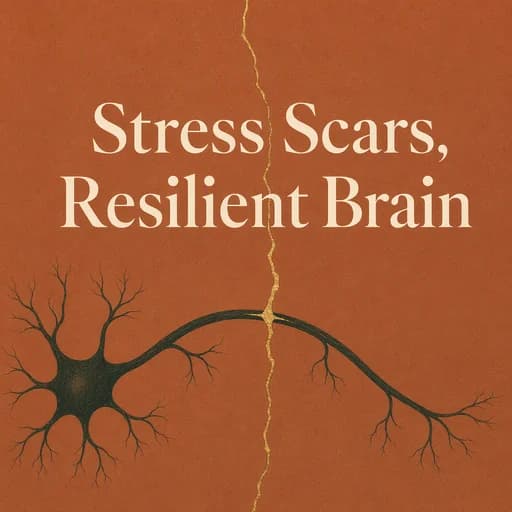
Resilience is not a personality trait you are born with; it is a neural architecture you install. Your past isn't just a memory; it is a molecular setting in your cells that dictates how you react to the world today.
Generated by Romeo
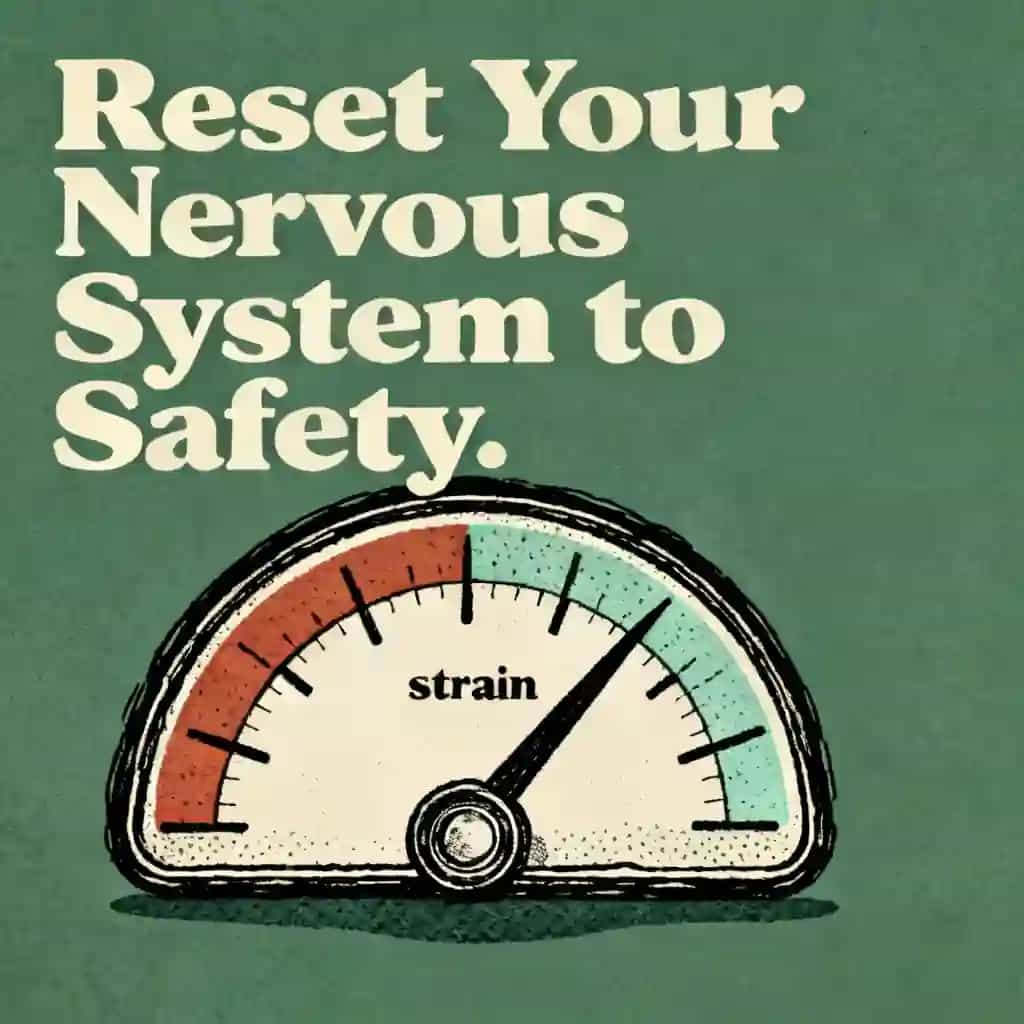
Teach me a resilience framework for handling life challenges without getting hijacked by old stress patterns. Use WashU Medicine’s Aug. 7 study on how early-life stress leaves molecular “scars” in brain cells as a case study, and give me 3 reset tactics.






Frequently Asked Questions
Neural Resilience refers to the biological architecture that determines how an individual adapts to pressure. According to recent research from WashU Medicine, resilience is not a character trait but a molecular setting within our brain cells. By understanding how early-life stress creates physical marks on our DNA, we can begin to update this biological operating system to better handle future setbacks and improve our overall stress response.
Early-life stress acts as a physical force that changes how DNA is packaged inside brain cells. Researchers use the analogy of a slinky: in stable conditions, the slinky is tightly coiled, keeping stress-responsive genes turned off. However, severe stress stretches this genetic slinky open. This structural change makes it much easier for the brain to activate stress responses later in life, effectively leaving a biological scar at the molecular level.
Yes, the biological impact of stress is not a fixed trait. Because the changes in DNA packaging function like an operating system rather than a permanent hardware failure, they can be updated. Understanding the specific biological mechanisms and epigenetics behind these stress scars is the first step toward building Neural Resilience. This shift in perspective moves the focus from willpower to biological adaptation and cellular recovery.
From Columbia University alumni built in San Francisco
"Instead of endless scrolling, I just hit play on BeFreed. It saves me so much time."


"I never knew where to start with nonfiction—BeFreed’s book lists turned into podcasts gave me a clear path."


"Perfect balance between learning and entertainment. Finished ‘Thinking, Fast and Slow’ on my commute this week."
"Crazy how much I learned while walking the dog. BeFreed = small habits → big gains."
"Reading used to feel like a chore. Now it’s just part of my lifestyle."

"Feels effortless compared to reading. I’ve finished 6 books this month already."
"BeFreed turned my guilty doomscrolling into something that feels productive and inspiring."

"BeFreed turned my commute into learning time. 20-min podcasts are perfect for finishing books I never had time for."
"BeFreed replaced my podcast queue. Imagine Spotify for books — that’s it. 🙌"

"It is great for me to learn something from the book without reading it."
"The themed book list podcasts help me connect ideas across authors—like a guided audio journey."
"Makes me feel smarter every time before going to work"
 Ask ChatGPT
 Ask Claude
From Columbia University alumni built in San Francisco
"Instead of endless scrolling, I just hit play on BeFreed. It saves me so much time."
"I never knew where to start with nonfiction—BeFreed’s book lists turned into podcasts gave me a clear path."
"Perfect balance between learning and entertainment. Finished ‘Thinking, Fast and Slow’ on my commute this week."
"Crazy how much I learned while walking the dog. BeFreed = small habits → big gains."
"Reading used to feel like a chore. Now it’s just part of my lifestyle."
"Feels effortless compared to reading. I’ve finished 6 books this month already."
"BeFreed turned my guilty doomscrolling into something that feels productive and inspiring."
"BeFreed turned my commute into learning time. 20-min podcasts are perfect for finishing books I never had time for."
"BeFreed replaced my podcast queue. Imagine Spotify for books — that’s it. 🙌"
"It is great for me to learn something from the book without reading it."
"The themed book list podcasts help me connect ideas across authors—like a guided audio journey."
"Makes me feel smarter every time before going to work"
"Instead of endless scrolling, I just hit play on BeFreed. It saves me so much time."
"I never knew where to start with nonfiction—BeFreed’s book lists turned into podcasts gave me a clear path."
"Perfect balance between learning and entertainment. Finished ‘Thinking, Fast and Slow’ on my commute this week."
"Crazy how much I learned while walking the dog. BeFreed = small habits → big gains."
"Reading used to feel like a chore. Now it’s just part of my lifestyle."
"Feels effortless compared to reading. I’ve finished 6 books this month already."
"BeFreed turned my guilty doomscrolling into something that feels productive and inspiring."
"BeFreed turned my commute into learning time. 20-min podcasts are perfect for finishing books I never had time for."
"BeFreed replaced my podcast queue. Imagine Spotify for books — that’s it. 🙌"
"It is great for me to learn something from the book without reading it."
"The themed book list podcasts help me connect ideas across authors—like a guided audio journey."
"Makes me feel smarter every time before going to work"
"Instead of endless scrolling, I just hit play on BeFreed. It saves me so much time."
"I never knew where to start with nonfiction—BeFreed’s book lists turned into podcasts gave me a clear path."
"Perfect balance between learning and entertainment. Finished ‘Thinking, Fast and Slow’ on my commute this week."
"Crazy how much I learned while walking the dog. BeFreed = small habits → big gains."
"Reading used to feel like a chore. Now it’s just part of my lifestyle."
"Feels effortless compared to reading. I’ve finished 6 books this month already."
"BeFreed turned my guilty doomscrolling into something that feels productive and inspiring."
"BeFreed turned my commute into learning time. 20-min podcasts are perfect for finishing books I never had time for."
"BeFreed replaced my podcast queue. Imagine Spotify for books — that’s it. 🙌"
"It is great for me to learn something from the book without reading it."
"The themed book list podcasts help me connect ideas across authors—like a guided audio journey."
"Makes me feel smarter every time before going to work"


![[cfcb4192-1fb1-405a-b4b5-8ff318513879:c0000] [6] Mood Disorders and the Neurotransmitter Networks-NE and GABA (Compressed).pdf p1-1](/_next/image?url=https%3A%2F%2Fd1y2du6z1jfm9e.cloudfront.net%2Fassets%2Fpodcast%2Fpurple.png&w=1024&q=50)
![[cfcb4192-1fb1-405a-b4b5-8ff318513879:c0001] [6] Mood Disorders and the Neurotransmitter Networks-NE and GABA (Compressed).pdf p1-1](/_next/image?url=https%3A%2F%2Fd1y2du6z1jfm9e.cloudfront.net%2Fassets%2Fpodcast%2Fyellow.png&w=1024&q=50)




![[f2435294-c0d9-41be-9439-38b154147088:c0000] [6] Mood Disorders (Compressed).pdf p1-1](/_next/image?url=https%3A%2F%2Fd1y2du6z1jfm9e.cloudfront.net%2Fassets%2Fpodcast%2Fgreen.png&w=1024&q=50)