The Genetic Slinky: How Early Adversity Rewires Anxiety Circuits
Discover how the SETD7 enzyme and the 'Genetic Slinky' effect rewire anxiety circuits after early-life adversity, based on new research in the journal Neuron.
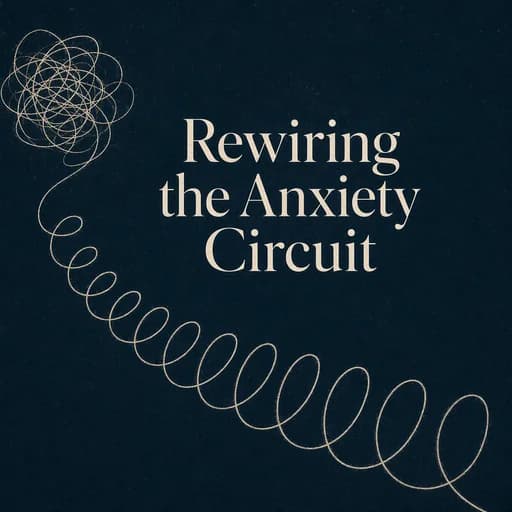
Best quote from The Genetic Slinky: How Early Adversity Rewires Anxiety Circuits
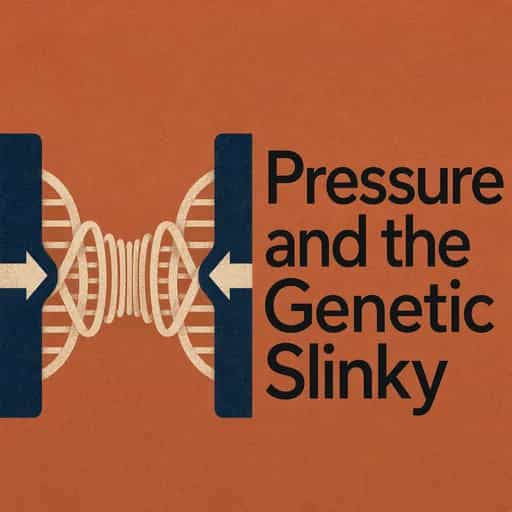
Early-life adversity doesn't just leave a psychological mark—it leaves a 'physical scar' inside the neurons that process reward and threat, acting like a hand that pulls your 'genetic slinky' open and leaves your stress genes exposed.
Generated by Freedee_F41D7C1B
Teach me a practical framework for calming anxiety without over-identifying with it. Use the Aug. 7 finding on early stress altering dopamine stress circuits as a case study, and give me 3 cue→response rules plus one journaling prompt.






Frequently Asked Questions
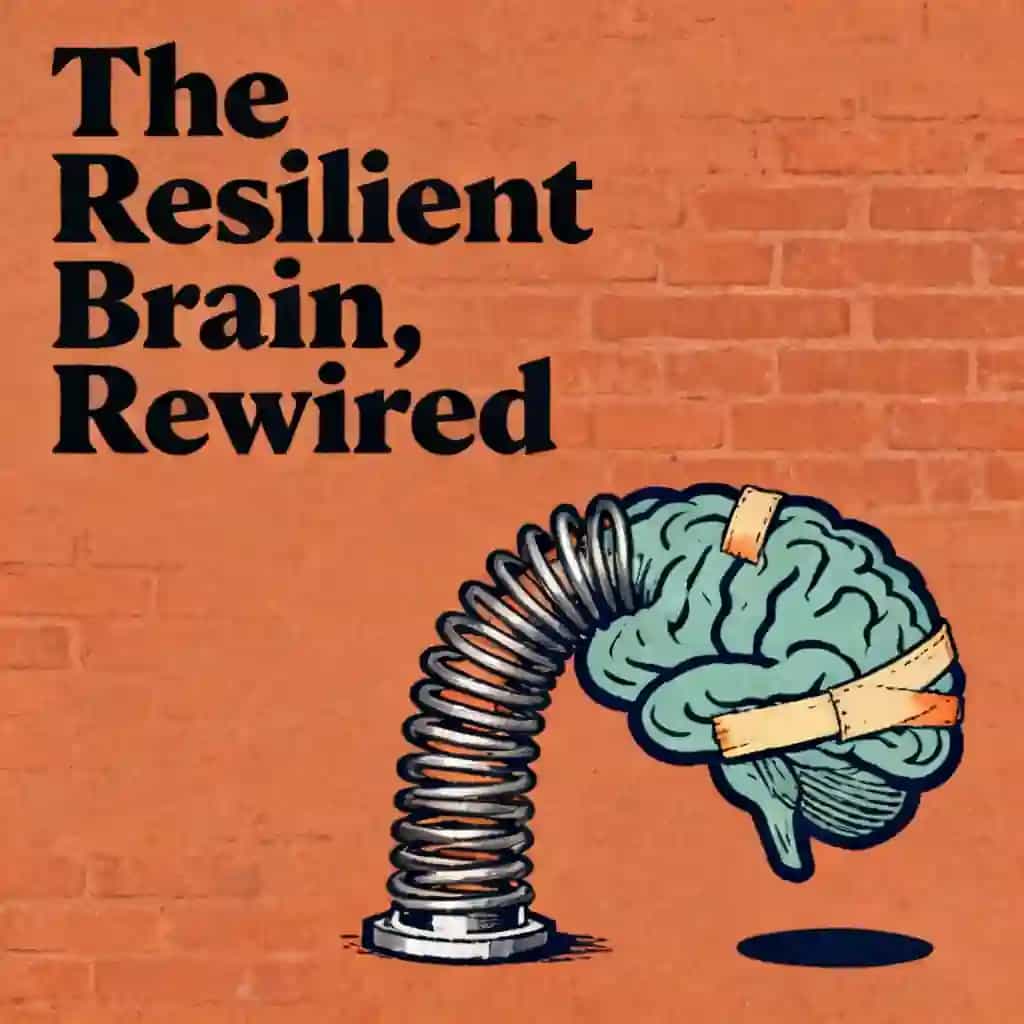
The 'Genetic Slinky' is a metaphor used by researchers at Washington University School of Medicine and Princeton University to describe DNA packaging. In a typical brain, the slinky is coiled tight, keeping stress-responsive genes turned off. However, early-life adversity can cause this slinky to stretch out, exposing genes that make the brain's alarm system more reactive to threats and hardship later in life.
According to the study published in the journal Neuron, the SETD7 enzyme acts like a hand that pulls the genetic slinky open. In individuals who experienced childhood stress, such as household dysfunction or violence, SETD7 uncoils the DNA. This physical change leaves a 'physical scar' inside neurons, making the anxiety circuit more vulnerable and easily activated by stress during adulthood.
This research provides physical evidence that early-life adversity fundamentally rewires the brain's reward and threat processing centers. Rather than being a matter of willpower, the study shows that severe childhood stress creates a physical vulnerability in genetic packaging. This discovery shifts the mental health conversation by proving that a reactive 'alarm system' is a result of biological changes in the brain's circuitry.
From Columbia University alumni built in San Francisco
"Instead of endless scrolling, I just hit play on BeFreed. It saves me so much time."


"I never knew where to start with nonfiction—BeFreed’s book lists turned into podcasts gave me a clear path."


"Perfect balance between learning and entertainment. Finished ‘Thinking, Fast and Slow’ on my commute this week."
"Crazy how much I learned while walking the dog. BeFreed = small habits → big gains."
"Reading used to feel like a chore. Now it’s just part of my lifestyle."

"Feels effortless compared to reading. I’ve finished 6 books this month already."
"BeFreed turned my guilty doomscrolling into something that feels productive and inspiring."

"BeFreed turned my commute into learning time. 20-min podcasts are perfect for finishing books I never had time for."
"BeFreed replaced my podcast queue. Imagine Spotify for books — that’s it. 🙌"

"It is great for me to learn something from the book without reading it."
"The themed book list podcasts help me connect ideas across authors—like a guided audio journey."
"Makes me feel smarter every time before going to work"
 Ask ChatGPT
 Ask Claude
From Columbia University alumni built in San Francisco
"Instead of endless scrolling, I just hit play on BeFreed. It saves me so much time."
"I never knew where to start with nonfiction—BeFreed’s book lists turned into podcasts gave me a clear path."
"Perfect balance between learning and entertainment. Finished ‘Thinking, Fast and Slow’ on my commute this week."
"Crazy how much I learned while walking the dog. BeFreed = small habits → big gains."
"Reading used to feel like a chore. Now it’s just part of my lifestyle."
"Feels effortless compared to reading. I’ve finished 6 books this month already."
"BeFreed turned my guilty doomscrolling into something that feels productive and inspiring."
"BeFreed turned my commute into learning time. 20-min podcasts are perfect for finishing books I never had time for."
"BeFreed replaced my podcast queue. Imagine Spotify for books — that’s it. 🙌"
"It is great for me to learn something from the book without reading it."
"The themed book list podcasts help me connect ideas across authors—like a guided audio journey."
"Makes me feel smarter every time before going to work"
"Instead of endless scrolling, I just hit play on BeFreed. It saves me so much time."
"I never knew where to start with nonfiction—BeFreed’s book lists turned into podcasts gave me a clear path."
"Perfect balance between learning and entertainment. Finished ‘Thinking, Fast and Slow’ on my commute this week."
"Crazy how much I learned while walking the dog. BeFreed = small habits → big gains."
"Reading used to feel like a chore. Now it’s just part of my lifestyle."
"Feels effortless compared to reading. I’ve finished 6 books this month already."
"BeFreed turned my guilty doomscrolling into something that feels productive and inspiring."
"BeFreed turned my commute into learning time. 20-min podcasts are perfect for finishing books I never had time for."
"BeFreed replaced my podcast queue. Imagine Spotify for books — that’s it. 🙌"
"It is great for me to learn something from the book without reading it."
"The themed book list podcasts help me connect ideas across authors—like a guided audio journey."
"Makes me feel smarter every time before going to work"
"Instead of endless scrolling, I just hit play on BeFreed. It saves me so much time."
"I never knew where to start with nonfiction—BeFreed’s book lists turned into podcasts gave me a clear path."
"Perfect balance between learning and entertainment. Finished ‘Thinking, Fast and Slow’ on my commute this week."
"Crazy how much I learned while walking the dog. BeFreed = small habits → big gains."
"Reading used to feel like a chore. Now it’s just part of my lifestyle."
"Feels effortless compared to reading. I’ve finished 6 books this month already."
"BeFreed turned my guilty doomscrolling into something that feels productive and inspiring."
"BeFreed turned my commute into learning time. 20-min podcasts are perfect for finishing books I never had time for."
"BeFreed replaced my podcast queue. Imagine Spotify for books — that’s it. 🙌"
"It is great for me to learn something from the book without reading it."
"The themed book list podcasts help me connect ideas across authors—like a guided audio journey."
"Makes me feel smarter every time before going to work"