Health Benefits of Lifting Weights: Strength Training for Longevity
Discover the health benefits of lifting weights. Learn how strength training improves metabolic health, bone density, and longevity through resistance training.

Best quote from Health Benefits of Lifting Weights: Strength Training for Longevity
Your muscles are actually the largest endocrine organ in your body, acting as an internal pharmacy that releases a cocktail of signaling molecules to rewire how you age and sharpen your mind.
Generated by Marc
Health benefits of lifting weights

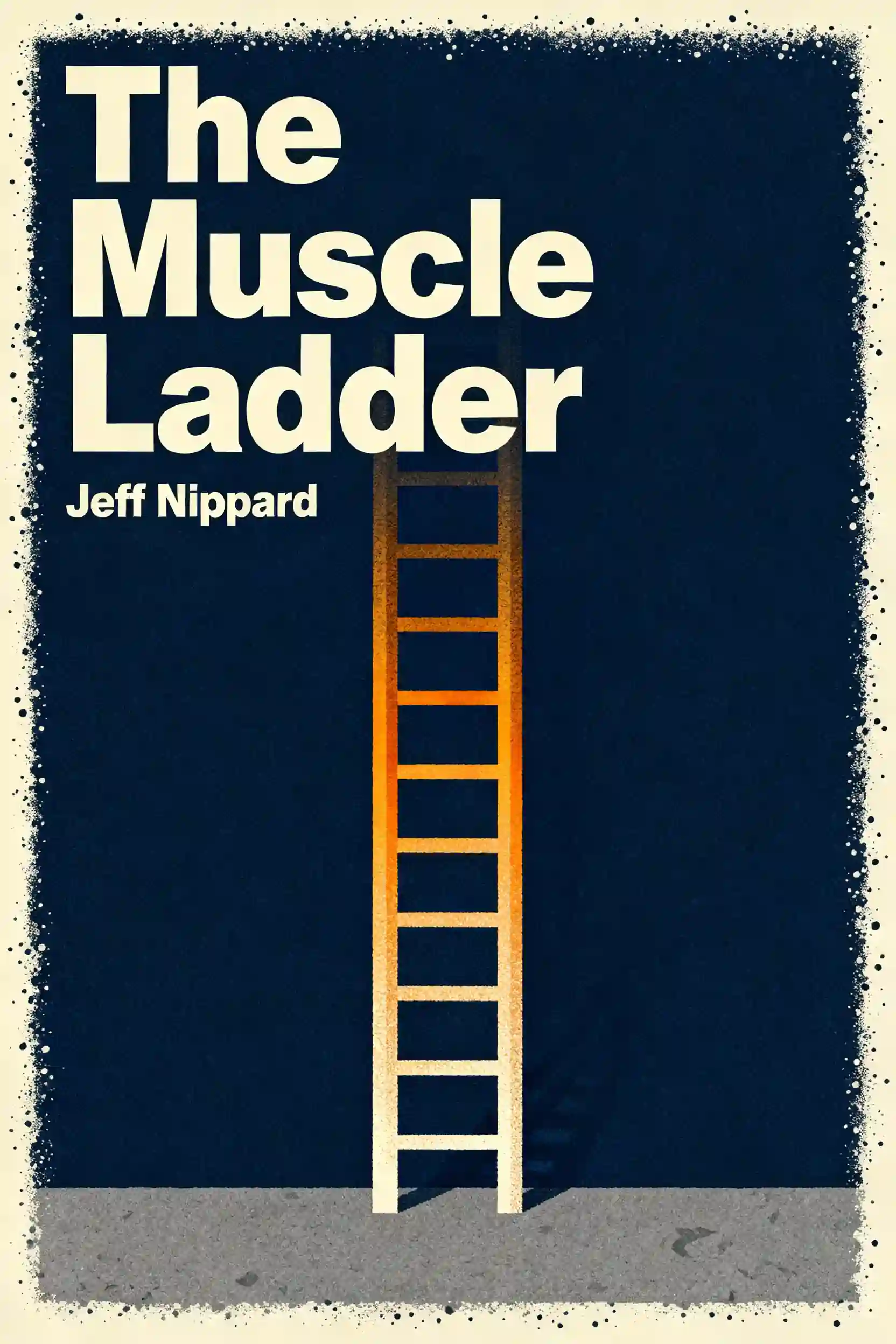
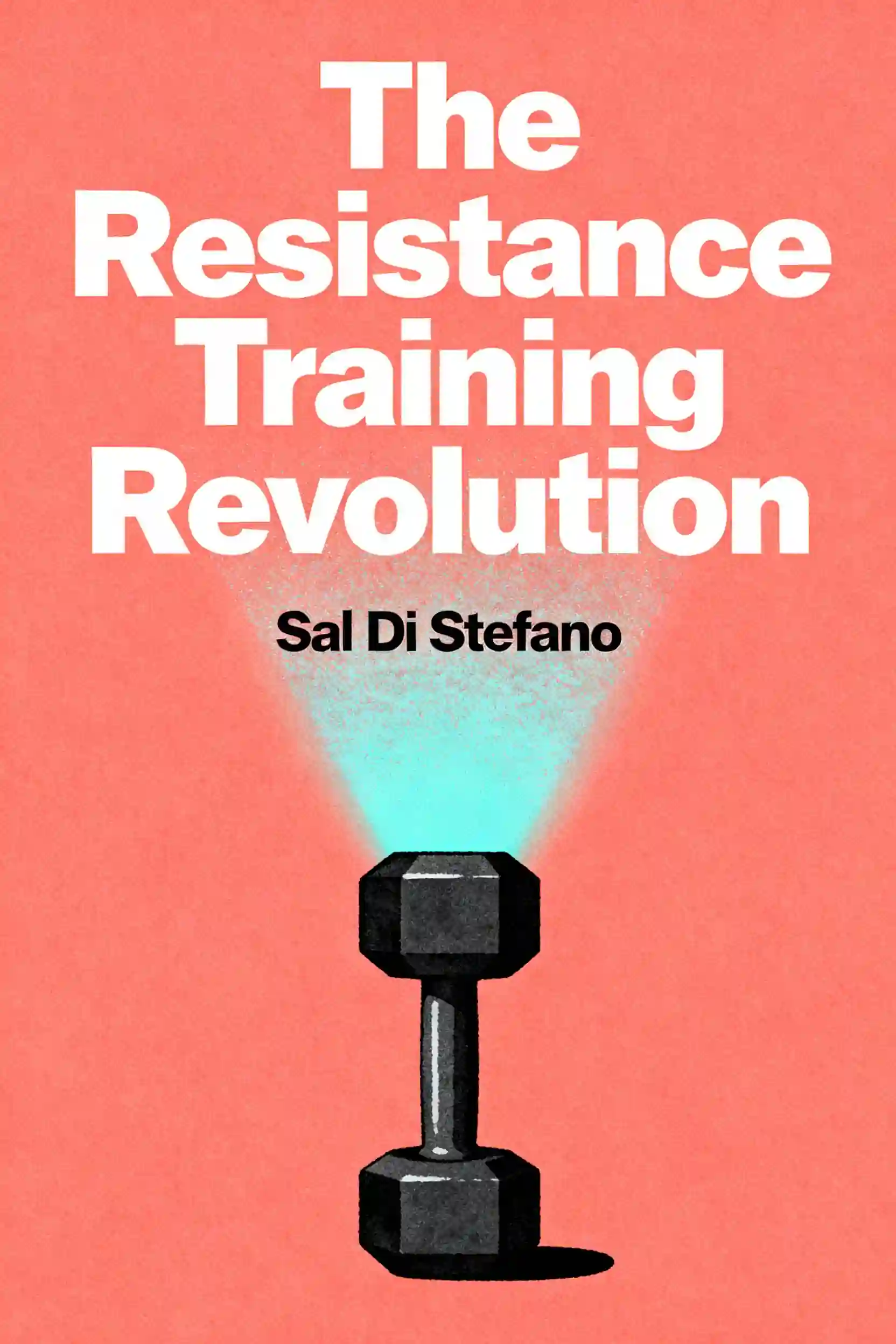
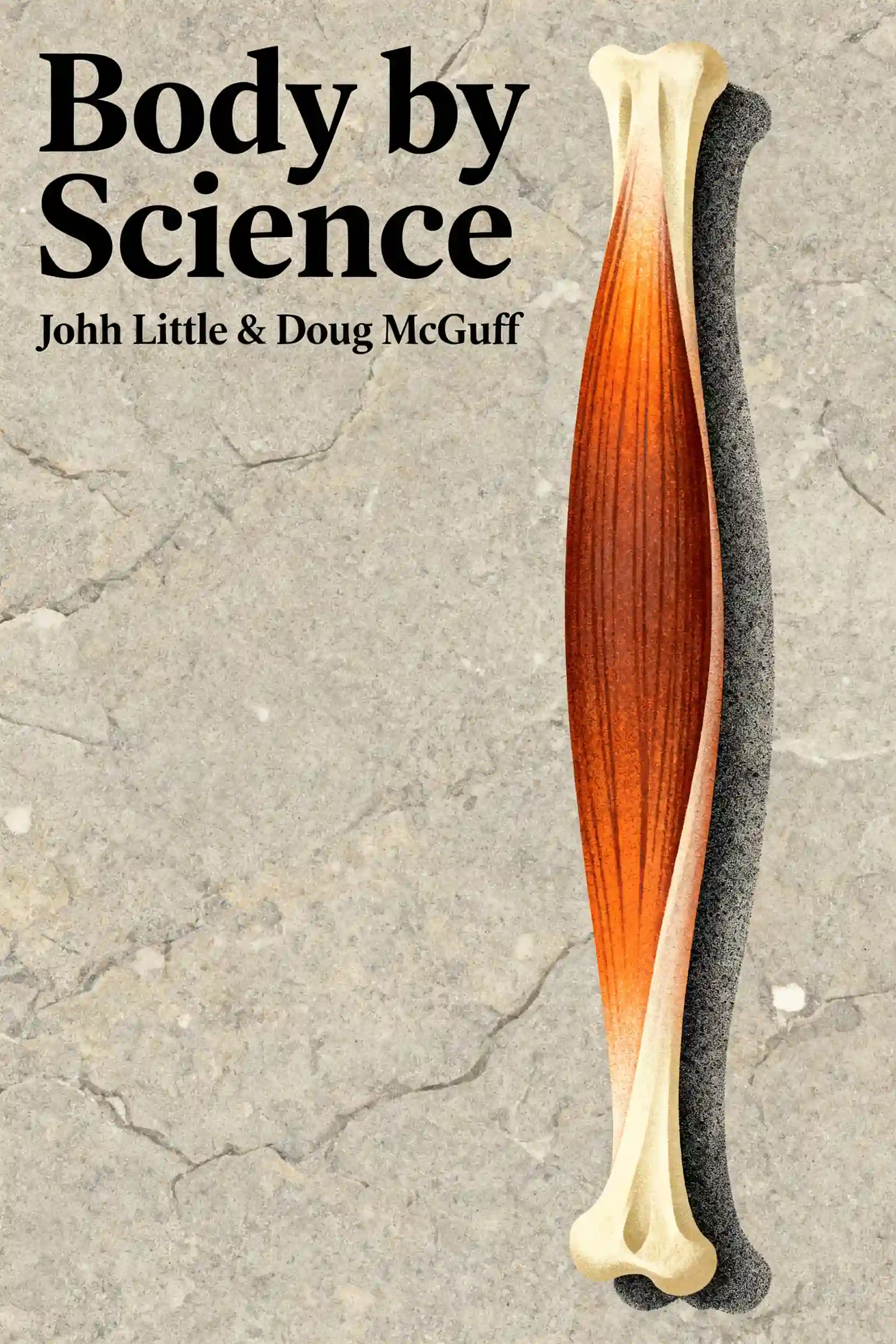
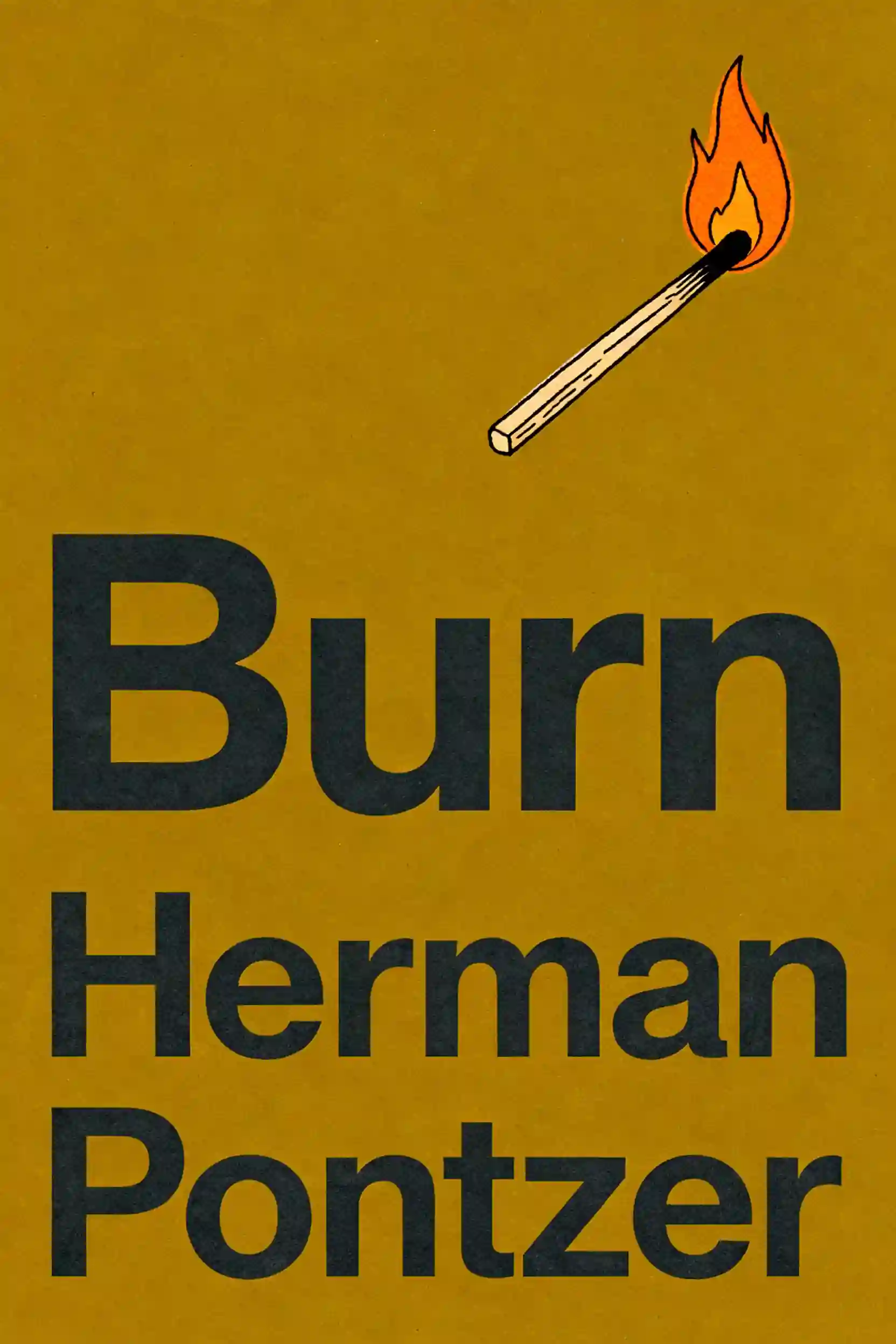

Frequently Asked Questions
Lifting weights offers extensive health benefits that go beyond simple muscle building. Engaging in regular strength training improves metabolic health by increasing your resting metabolic rate and enhancing insulin sensitivity. Additionally, resistance training is crucial for increasing bone density, which helps prevent fractures and osteoporosis as you age. By incorporating weightlifting into your routine, you support long-term physical function and overall longevity.
Strength training is a key pillar of longevity because it preserves skeletal muscle mass and physical independence. As we age, natural muscle loss can lead to frailty; however, consistent resistance training mitigates this decline. By maintaining strength, you reduce the risk of falls and chronic diseases, ensuring a higher quality of life. Research suggests that the metabolic and cardiovascular improvements from lifting weights are essential for a longer, healthier lifespan.
Yes, resistance training is one of the most effective ways to boost metabolic health. When you lift weights, you build lean muscle tissue, which is more metabolically active than fat, meaning you burn more calories even at rest. This process helps regulate blood sugar levels and improves the body's ability to process nutrients. Consistent weightlifting for health can lead to better weight management and a reduced risk of metabolic syndrome.
Weightlifting for health is highly effective for strengthening the skeletal system. When you perform resistance training, the mechanical stress placed on the bones stimulates osteoblasts, the cells responsible for bone synthesis. This process increases bone density and structural integrity over time. For individuals looking to protect their skeletal health, lifting weights is a proven strategy to combat age-related bone loss and maintain a strong frame.
From Columbia University alumni built in San Francisco
"Instead of endless scrolling, I just hit play on BeFreed. It saves me so much time."


"I never knew where to start with nonfiction—BeFreed’s book lists turned into podcasts gave me a clear path."


"Perfect balance between learning and entertainment. Finished ‘Thinking, Fast and Slow’ on my commute this week."
"Crazy how much I learned while walking the dog. BeFreed = small habits → big gains."
"Reading used to feel like a chore. Now it’s just part of my lifestyle."

"Feels effortless compared to reading. I’ve finished 6 books this month already."
"BeFreed turned my guilty doomscrolling into something that feels productive and inspiring."

"BeFreed turned my commute into learning time. 20-min podcasts are perfect for finishing books I never had time for."
"BeFreed replaced my podcast queue. Imagine Spotify for books — that’s it. 🙌"

"It is great for me to learn something from the book without reading it."
"The themed book list podcasts help me connect ideas across authors—like a guided audio journey."
"Makes me feel smarter every time before going to work"
From Columbia University alumni built in San Francisco
"Instead of endless scrolling, I just hit play on BeFreed. It saves me so much time."
"I never knew where to start with nonfiction—BeFreed’s book lists turned into podcasts gave me a clear path."
"Perfect balance between learning and entertainment. Finished ‘Thinking, Fast and Slow’ on my commute this week."
"Crazy how much I learned while walking the dog. BeFreed = small habits → big gains."
"Reading used to feel like a chore. Now it’s just part of my lifestyle."
"Feels effortless compared to reading. I’ve finished 6 books this month already."
"BeFreed turned my guilty doomscrolling into something that feels productive and inspiring."
"BeFreed turned my commute into learning time. 20-min podcasts are perfect for finishing books I never had time for."
"BeFreed replaced my podcast queue. Imagine Spotify for books — that’s it. 🙌"
"It is great for me to learn something from the book without reading it."
"The themed book list podcasts help me connect ideas across authors—like a guided audio journey."
"Makes me feel smarter every time before going to work"
"Instead of endless scrolling, I just hit play on BeFreed. It saves me so much time."
"I never knew where to start with nonfiction—BeFreed’s book lists turned into podcasts gave me a clear path."
"Perfect balance between learning and entertainment. Finished ‘Thinking, Fast and Slow’ on my commute this week."
"Crazy how much I learned while walking the dog. BeFreed = small habits → big gains."
"Reading used to feel like a chore. Now it’s just part of my lifestyle."
"Feels effortless compared to reading. I’ve finished 6 books this month already."
"BeFreed turned my guilty doomscrolling into something that feels productive and inspiring."
"BeFreed turned my commute into learning time. 20-min podcasts are perfect for finishing books I never had time for."
"BeFreed replaced my podcast queue. Imagine Spotify for books — that’s it. 🙌"
"It is great for me to learn something from the book without reading it."
"The themed book list podcasts help me connect ideas across authors—like a guided audio journey."
"Makes me feel smarter every time before going to work"
"Instead of endless scrolling, I just hit play on BeFreed. It saves me so much time."
"I never knew where to start with nonfiction—BeFreed’s book lists turned into podcasts gave me a clear path."
"Perfect balance between learning and entertainment. Finished ‘Thinking, Fast and Slow’ on my commute this week."
"Crazy how much I learned while walking the dog. BeFreed = small habits → big gains."
"Reading used to feel like a chore. Now it’s just part of my lifestyle."
"Feels effortless compared to reading. I’ve finished 6 books this month already."
"BeFreed turned my guilty doomscrolling into something that feels productive and inspiring."
"BeFreed turned my commute into learning time. 20-min podcasts are perfect for finishing books I never had time for."
"BeFreed replaced my podcast queue. Imagine Spotify for books — that’s it. 🙌"
"It is great for me to learn something from the book without reading it."
"The themed book list podcasts help me connect ideas across authors—like a guided audio journey."
"Makes me feel smarter every time before going to work"