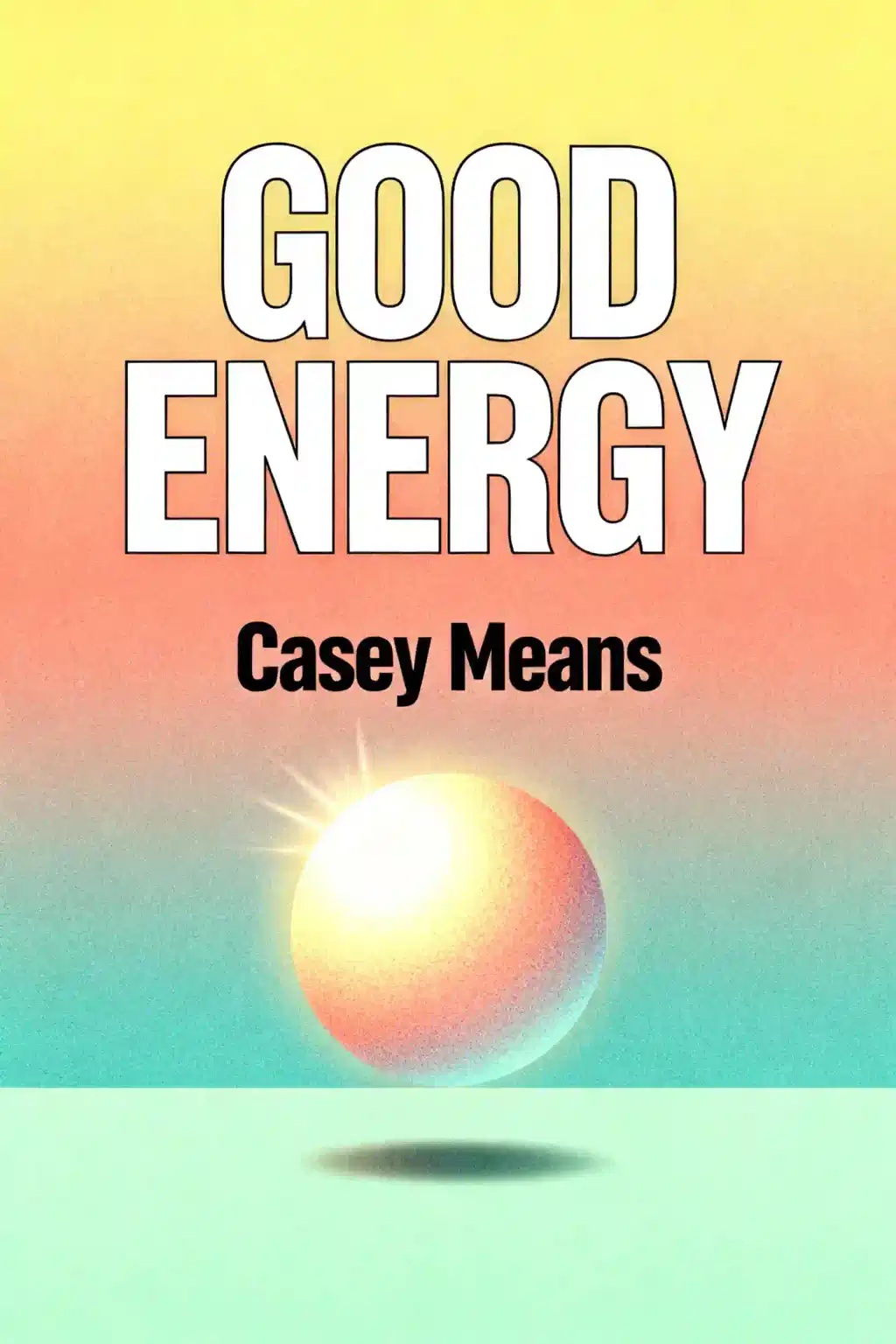
Good Energy by Casey Means Summary

Overview of Good Energy
Dr. Casey Means' "Good Energy" revolutionizes health by unveiling the metabolic roots of chronic disease. Endorsed by Dr. David Perlmutter as "game-changing," this four-week roadmap connects cellular health to spiritual wellness. Could understanding your mitochondria be the missing key to vibrant living?
- Metabolic health is the root cause of 90% of chronic diseases today.
- Swap ultra-processed foods for fiber-rich whole foods to boost cellular energy.
- Track five key biomarkers to prevent disease before symptoms appear.
- Industrial seed oils create "bad energy" by increasing inflammation and oxidative stress.
- Prioritize sleep and sunlight exposure to reset metabolic circadian rhythms.
- Mitochondrial dysfunction drives conditions from depression to Alzheimer's through energy collapse.
- Casey Means' four-week plan gradually replaces processed foods with ancestral nutrition.
- Probiotics and fermented foods heal gut lining to improve nutrient absorption.
- Chronic stress creates metabolic chaos through elevated cortisol and blood sugar.
- Good Energy eating combines protein fats and fiber at every meal.
- Environmental toxins in plastics and cosmetics disrupt hormonal metabolic signals.
- Walking after meals significantly improves blood sugar control and energy.
About the Author of Good Energy
Dr. Casey Means, Stanford-trained physician and New York Times bestselling author of Good Energy: The Surprising Connection Between Metabolism and Limitless Health, is a leading voice in metabolic health and preventive medicine. A co-founder of Levels—a health technology company pioneering real-time metabolic monitoring—she bridges cutting-edge science with practical strategies for reversing chronic disease through nutrition and lifestyle changes. Her work, rooted in functional medicine principles, challenges conventional healthcare paradigms by emphasizing root-cause solutions over symptom management.
Means’ insights stem from her clinical training at Stanford Medical School and her decision to leave traditional surgery to address systemic gaps in chronic disease prevention. She regularly contributes to The Wall Street Journal and Forbes, and her appearances on The Joe Rogan Experience and Tucker Carlson Today have amplified her message to millions. Her newsletter and active social media channels (@drcaseyskitchen) offer science-backed health optimization tools.
Good Energy debuted as a #1 New York Times bestseller, cementing Means’ role as a trusted authority in the metabolic health movement. The book’s actionable framework has influenced policy discussions, including advisory roles in national health initiatives.
FAQs About Good Energy
What is Good Energy by Dr. Casey Means about?
Good Energy explores how metabolic dysfunction—the body’s inability to efficiently convert food into energy—underlies chronic diseases like diabetes, heart disease, and anxiety. Dr. Casey Means argues that optimizing cellular energy production through diet, sleep, stress management, and environmental adjustments can prevent and reverse these conditions. The book combines scientific research, patient stories, and practical strategies, including a four-week plan and recipes.
Who should read Good Energy?
This book is ideal for individuals seeking to address chronic health issues holistically, those interested in preventive medicine, or anyone curious about metabolic health. It’s particularly valuable for readers who prefer actionable advice over symptom management, offering tools like biomarker tracking, dietary guidelines, and lifestyle tweaks.
What are the key concepts in Good Energy?
Key ideas include:
- Metabolic health as the foundation of overall wellness.
- Mitochondrial function’s role in energy production and disease prevention.
- The Four-Pillar framework: food, movement, sleep, and environmental factors.
- Using biomarker testing (e.g., blood glucose, inflammation markers) to personalize health strategies.
How does Good Energy differ from other health books?
Unlike symptom-focused approaches, Good Energy targets root causes by linking chronic diseases to cellular energy production. It emphasizes self-monitoring through wearable tech and lab tests, and rejects one-size-fits-all diets in favor of metabolic flexibility principles.
What actionable steps does Good Energy recommend?
Dr. Means suggests:
- Prioritizing whole, unprocessed foods.
- Aligning meals with circadian rhythms (e.g., time-restricted eating).
- Incorporating daily movement (e.g., walks, resistance training).
- Using cold/heat exposure and stress-reduction techniques to boost resilience.
What biomarkers does Good Energy highlight?
The book identifies five critical biomarkers: blood glucose, insulin sensitivity, inflammation markers (e.g., CRP), lipid profiles, and mitochondrial function. Optimal ranges for these indicators are detailed alongside guidance on testing and interpretation.
Does Good Energy include recipes or meal plans?
Yes, it provides 30 metabolism-supportive recipes focused on whole foods, healthy fats, and low glycemic ingredients. Examples include nutrient-dense salads, protein-rich dishes, and snacks designed to stabilize energy levels.
How does Good Energy address modern healthcare limitations?
Dr. Means critiques conventional medicine’s focus on symptom management over root causes. She advocates for patient empowerment through self-tracking and lifestyle changes, highlighting cases where metabolic interventions resolved chronic issues like migraines and infertility.
What role do mitochondria play in Good Energy’s thesis?
Mitochondria are framed as the “powerhouses” driving cellular energy. Dysfunctional mitochondria—impacted by poor diet, toxins, or stress—produce “bad energy,” leading to disease. The book offers strategies to enhance mitochondrial efficiency, such as antioxidant-rich diets and reducing oxidative stress.
Can Good Energy help with weight loss?
Yes, by addressing insulin resistance and inflammation—key metabolic drivers of weight gain. The book advocates for low-sugar diets, strength training, and improved sleep to regulate hormones like leptin and ghrelin.
What tools does Good Energy recommend for self-monitoring?
Dr. Means suggests continuous glucose monitors (CGMs), at-home blood test kits, and wearable devices to track sleep and activity. These tools help users identify personal triggers for metabolic dysfunction and measure progress.
How does Good Energy approach mental health?
It links anxiety and depression to metabolic imbalances, such as insulin resistance and gut inflammation. Strategies like anti-inflammatory diets, sunlight exposure, and mindfulness are proposed to support both brain and metabolic health.
Is Good Energy backed by scientific research?
Yes, it cites over 1,000 studies linking metabolic health to chronic diseases. Dr. Means also integrates data from her work at Levels, a metabolic health company, showing real-world impacts of lifestyle interventions.
Feel the book through the author's voice
Turn knowledge into engaging, example-rich insights
Capture key ideas in a flash for fast learning
Enjoy the book in a fun and engaging way
Key Themes in Good Energy
Quotes from Good Energy
These connections aren't coincidental-they're causal.
Our children are experiencing an unprecedented metabolic health crisis.
The medical system is structured around financial incentives.
Americans continue getting sicker.
Characters in Good Energy
Quick Summary Mode - Read or listen to Good Energy Summary in 9 Minutes

Break down key ideas from Good Energy into bite-sized takeaways to understand how innovative teams create, collaborate, and grow.

Flash Card Mode - Top 11 Insights from Good Energy in a Nutshell

Distill Good Energy into rapid-fire memory cues that highlight key principles of candor, teamwork, and creative resilience.

Fun Mode - Good Energy Lessons Told Through 24-Min Stories

Experience Good Energy through vivid storytelling that turns innovation lessons into moments you'll remember and apply.
Personalize Mode - Read or listen to Good Energy Summary in 0 Minutes

Ask anything, pick the voice, and co-create insights that truly resonate with you.

From Columbia University alumni built in San Francisco
"Instead of endless scrolling, I just hit play on BeFreed. It saves me so much time."


"I never knew where to start with nonfiction—BeFreed’s book lists turned into podcasts gave me a clear path."


"Perfect balance between learning and entertainment. Finished ‘Thinking, Fast and Slow’ on my commute this week."
"Crazy how much I learned while walking the dog. BeFreed = small habits → big gains."
"Reading used to feel like a chore. Now it’s just part of my lifestyle."

"Feels effortless compared to reading. I’ve finished 6 books this month already."
"BeFreed turned my guilty doomscrolling into something that feels productive and inspiring."

"BeFreed turned my commute into learning time. 20-min podcasts are perfect for finishing books I never had time for."
"BeFreed replaced my podcast queue. Imagine Spotify for books — that’s it. 🙌"

"It is great for me to learn something from the book without reading it."
"The themed book list podcasts help me connect ideas across authors—like a guided audio journey."
"Makes me feel smarter every time before going to work"
From Columbia University alumni built in San Francisco
"Instead of endless scrolling, I just hit play on BeFreed. It saves me so much time."
"I never knew where to start with nonfiction—BeFreed’s book lists turned into podcasts gave me a clear path."
"Perfect balance between learning and entertainment. Finished ‘Thinking, Fast and Slow’ on my commute this week."
"Crazy how much I learned while walking the dog. BeFreed = small habits → big gains."
"Reading used to feel like a chore. Now it’s just part of my lifestyle."
"Feels effortless compared to reading. I’ve finished 6 books this month already."
"BeFreed turned my guilty doomscrolling into something that feels productive and inspiring."
"BeFreed turned my commute into learning time. 20-min podcasts are perfect for finishing books I never had time for."
"BeFreed replaced my podcast queue. Imagine Spotify for books — that’s it. 🙌"
"It is great for me to learn something from the book without reading it."
"The themed book list podcasts help me connect ideas across authors—like a guided audio journey."
"Makes me feel smarter every time before going to work"
"Instead of endless scrolling, I just hit play on BeFreed. It saves me so much time."
"I never knew where to start with nonfiction—BeFreed’s book lists turned into podcasts gave me a clear path."
"Perfect balance between learning and entertainment. Finished ‘Thinking, Fast and Slow’ on my commute this week."
"Crazy how much I learned while walking the dog. BeFreed = small habits → big gains."
"Reading used to feel like a chore. Now it’s just part of my lifestyle."
"Feels effortless compared to reading. I’ve finished 6 books this month already."
"BeFreed turned my guilty doomscrolling into something that feels productive and inspiring."
"BeFreed turned my commute into learning time. 20-min podcasts are perfect for finishing books I never had time for."
"BeFreed replaced my podcast queue. Imagine Spotify for books — that’s it. 🙌"
"It is great for me to learn something from the book without reading it."
"The themed book list podcasts help me connect ideas across authors—like a guided audio journey."
"Makes me feel smarter every time before going to work"
"Instead of endless scrolling, I just hit play on BeFreed. It saves me so much time."
"I never knew where to start with nonfiction—BeFreed’s book lists turned into podcasts gave me a clear path."
"Perfect balance between learning and entertainment. Finished ‘Thinking, Fast and Slow’ on my commute this week."
"Crazy how much I learned while walking the dog. BeFreed = small habits → big gains."
"Reading used to feel like a chore. Now it’s just part of my lifestyle."
"Feels effortless compared to reading. I’ve finished 6 books this month already."
"BeFreed turned my guilty doomscrolling into something that feels productive and inspiring."
"BeFreed turned my commute into learning time. 20-min podcasts are perfect for finishing books I never had time for."
"BeFreed replaced my podcast queue. Imagine Spotify for books — that’s it. 🙌"
"It is great for me to learn something from the book without reading it."
"The themed book list podcasts help me connect ideas across authors—like a guided audio journey."
"Makes me feel smarter every time before going to work"

Get the Good Energy summary as a free PDF or EPUB. Print it or read offline anytime.