L'IA passe à l'action : des milliards aux agents autonomes
Face à la course aux armements entre OpenAI et Anthropic, découvrez comment les agents autonomes transforment vos workflows pour piloter vos outils.

Best quote from L'IA passe à l'action : des milliards aux agents autonomes
On passe de l'IA qui discute à l'IA qui agit : avec le 'computer use', le modèle ne se contente plus de cracher du texte, il voit votre écran et interagit avec le système d'exploitation comme un humain le ferait.

This audio lesson was created by a BeFreed community member
Ai. News



Frequently Asked Questions
Unlike older models that only generate text, GPT-5.4 features native "computer use" which allows it to interact directly with an operating system. It "sees" the screen through rapid screenshots, identifies buttons and text fields, and simulates mouse clicks and keyboard strokes. This allows the AI to perform complex workflows across different software—like opening Excel, running formulas, and sending emails—without needing specific APIs or connectors for each application.
In recent benchmarks like OSWorld-Verified, which tests navigation and software manipulation on a PC, GPT-5.4 achieved a score of 75%, officially surpassing the average human score of 72.4%. Additionally, in high-level multidisciplinary reasoning tests such as "Humanity's Last Exam," models like Claude Opus 4.6 are now outperforming humans and previous AI versions, demonstrating a more structured "brain" for complex legal or biochemical analysis.
Under the European AI Act effective August 2026, AI used for recruitment or employee evaluation is classified as "High Risk," requiring strict documentation and human oversight. French labor law also dictates that any AI monitoring must be proportionate; permanent surveillance is prohibited. Furthermore, employees have a "right to an explanation," meaning employers cannot make 100% automated decisions that impact a career—a human must be able to explain the reasoning behind an AI's suggestion.
The script emphasizes a "golden rule": never input confidential data, client files, or trade secrets into public or free versions of AI like ChatGPT or Claude. Once data is sent to these public models, the user loses control over it, which can lead to dismissal for professional misconduct. Instead, businesses should deploy "Enterprise" or "Pro" versions that offer secure, sandboxed environments compliant with data protection standards like GDPR and SOC2.
Adaptive Thinking is a feature in models like Claude Opus 4.6 that allows the AI to scale its reasoning depth based on the complexity of the task. For simple questions, it responds quickly to save resources; for complex bugs or architecture, it "pushes" its reflection time. Similarly, GPT-5.4 uses a "Thinking" architecture that displays its reasoning plan, allowing users to correct it mid-task, which has resulted in an 18% reduction in errors and nearly 50% savings in energy and token costs.
Discover more

Learn AI agents for personal productivity
As digital workloads increase, manual task management is becoming a bottleneck for high-performers. This plan is designed for professionals and creators who want to leverage autonomous AI agents to reclaim their time and automate complex workflows.

Deploy Your 24/7 AI Employee
In an era of information overload, leveraging autonomous AI agents is essential for maintaining peak productivity. This plan is ideal for entrepreneurs and tech-savvy professionals looking to automate their daily operations with a secure, self-improving digital employee.
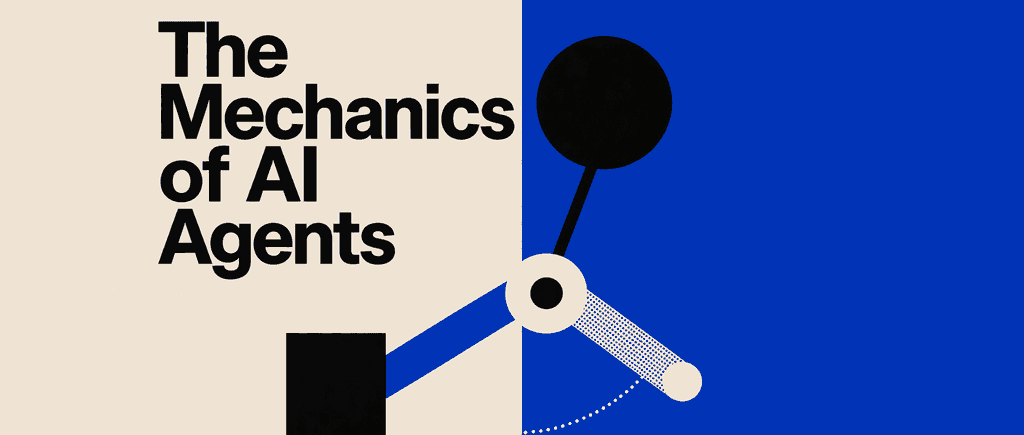
The Mechanics of AI Agents
As AI shifts from passive tools to active collaborators, understanding their underlying mechanics is essential for developers and architects. This plan is designed for technical professionals looking to build scalable, cost-effective, and highly autonomous agentic systems.

AI agent for software development
As software engineering shifts toward automation, mastering AI agents is becoming a critical skill for modern developers. This plan is ideal for programmers looking to transition from traditional development to building autonomous, intelligent systems using Python and neural networks.

From Chatting to Automated Workflows
As AI evolves from simple chat interfaces to proactive assistants, professionals must learn to integrate these tools into existing data environments and strategic processes. This plan is ideal for business analysts, managers, and operations leads looking to automate repetitive tasks and scale their strategic output using autonomous agents.

Build and Monetize AI Agents
As businesses rush to integrate AI, the demand for specialized autonomous agents is skyrocketing. This plan is ideal for developers and entrepreneurs looking to bridge the gap between basic chatbots and profitable AI automation agencies.
Master AI, Build & Orchestrate Agents
As AI evolves from simple chat interfaces to autonomous workflows, mastering agent orchestration is becoming a critical skill for modern developers. This plan is ideal for engineers and architects looking to transition from theory to building scalable, multi-agent systems for the enterprise.

Agentic AI Architecture and Implementation
As businesses shift from static chatbots to autonomous systems, mastering agentic architecture has become a critical skill for AI engineers. This plan is designed for developers and architects looking to build scalable, memory-aware, and collaborative multi-agent environments for real-world applications.
From Columbia University alumni built in San Francisco
"Instead of endless scrolling, I just hit play on BeFreed. It saves me so much time."


"I never knew where to start with nonfiction—BeFreed’s book lists turned into podcasts gave me a clear path."


"Perfect balance between learning and entertainment. Finished ‘Thinking, Fast and Slow’ on my commute this week."
"Crazy how much I learned while walking the dog. BeFreed = small habits → big gains."
"Reading used to feel like a chore. Now it’s just part of my lifestyle."

"Feels effortless compared to reading. I’ve finished 6 books this month already."
"BeFreed turned my guilty doomscrolling into something that feels productive and inspiring."

"BeFreed turned my commute into learning time. 20-min podcasts are perfect for finishing books I never had time for."
"BeFreed replaced my podcast queue. Imagine Spotify for books — that’s it. 🙌"

"It is great for me to learn something from the book without reading it."
"The themed book list podcasts help me connect ideas across authors—like a guided audio journey."
"Makes me feel smarter every time before going to work"
From Columbia University alumni built in San Francisco
"Instead of endless scrolling, I just hit play on BeFreed. It saves me so much time."
"I never knew where to start with nonfiction—BeFreed’s book lists turned into podcasts gave me a clear path."
"Perfect balance between learning and entertainment. Finished ‘Thinking, Fast and Slow’ on my commute this week."
"Crazy how much I learned while walking the dog. BeFreed = small habits → big gains."
"Reading used to feel like a chore. Now it’s just part of my lifestyle."
"Feels effortless compared to reading. I’ve finished 6 books this month already."
"BeFreed turned my guilty doomscrolling into something that feels productive and inspiring."
"BeFreed turned my commute into learning time. 20-min podcasts are perfect for finishing books I never had time for."
"BeFreed replaced my podcast queue. Imagine Spotify for books — that’s it. 🙌"
"It is great for me to learn something from the book without reading it."
"The themed book list podcasts help me connect ideas across authors—like a guided audio journey."
"Makes me feel smarter every time before going to work"
"Instead of endless scrolling, I just hit play on BeFreed. It saves me so much time."
"I never knew where to start with nonfiction—BeFreed’s book lists turned into podcasts gave me a clear path."
"Perfect balance between learning and entertainment. Finished ‘Thinking, Fast and Slow’ on my commute this week."
"Crazy how much I learned while walking the dog. BeFreed = small habits → big gains."
"Reading used to feel like a chore. Now it’s just part of my lifestyle."
"Feels effortless compared to reading. I’ve finished 6 books this month already."
"BeFreed turned my guilty doomscrolling into something that feels productive and inspiring."
"BeFreed turned my commute into learning time. 20-min podcasts are perfect for finishing books I never had time for."
"BeFreed replaced my podcast queue. Imagine Spotify for books — that’s it. 🙌"
"It is great for me to learn something from the book without reading it."
"The themed book list podcasts help me connect ideas across authors—like a guided audio journey."
"Makes me feel smarter every time before going to work"
"Instead of endless scrolling, I just hit play on BeFreed. It saves me so much time."
"I never knew where to start with nonfiction—BeFreed’s book lists turned into podcasts gave me a clear path."
"Perfect balance between learning and entertainment. Finished ‘Thinking, Fast and Slow’ on my commute this week."
"Crazy how much I learned while walking the dog. BeFreed = small habits → big gains."
"Reading used to feel like a chore. Now it’s just part of my lifestyle."
"Feels effortless compared to reading. I’ve finished 6 books this month already."
"BeFreed turned my guilty doomscrolling into something that feels productive and inspiring."
"BeFreed turned my commute into learning time. 20-min podcasts are perfect for finishing books I never had time for."
"BeFreed replaced my podcast queue. Imagine Spotify for books — that’s it. 🙌"
"It is great for me to learn something from the book without reading it."
"The themed book list podcasts help me connect ideas across authors—like a guided audio journey."
"Makes me feel smarter every time before going to work"