Self Compassion And Empathy Skills: episode overview
In this BeFreed audio guide, we explore how to navigate difficult conversations by practicing self-compassion and empathy. You will learn how to pause before reacting, assume good intent, and use reflective listening to improve your everyday interpersonal relationships.
Create Your Podcast in a Click
Generated by John
Input question
How to develop empathy even during challenging moments when I'm overcome by shame and guilt
Host voices

What you'll learn about self compassion and empathy skills
- 1
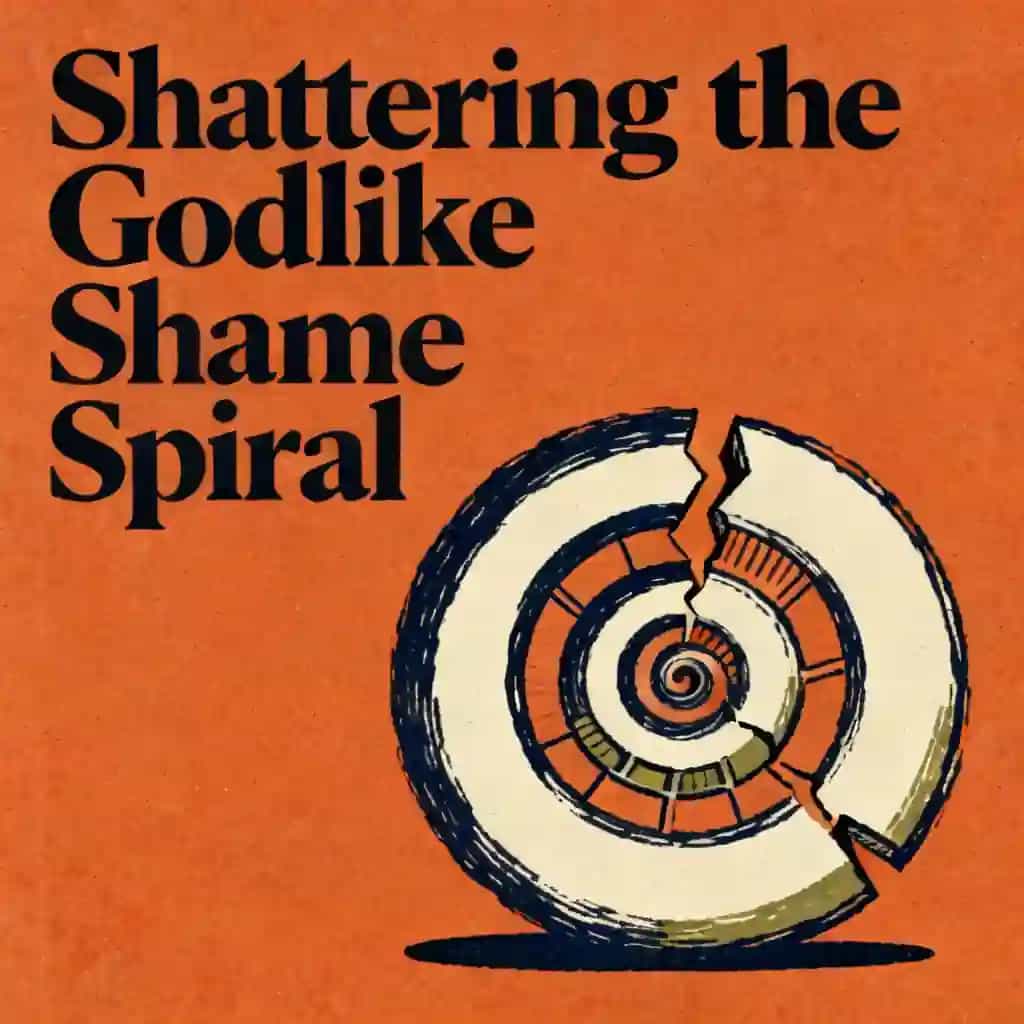
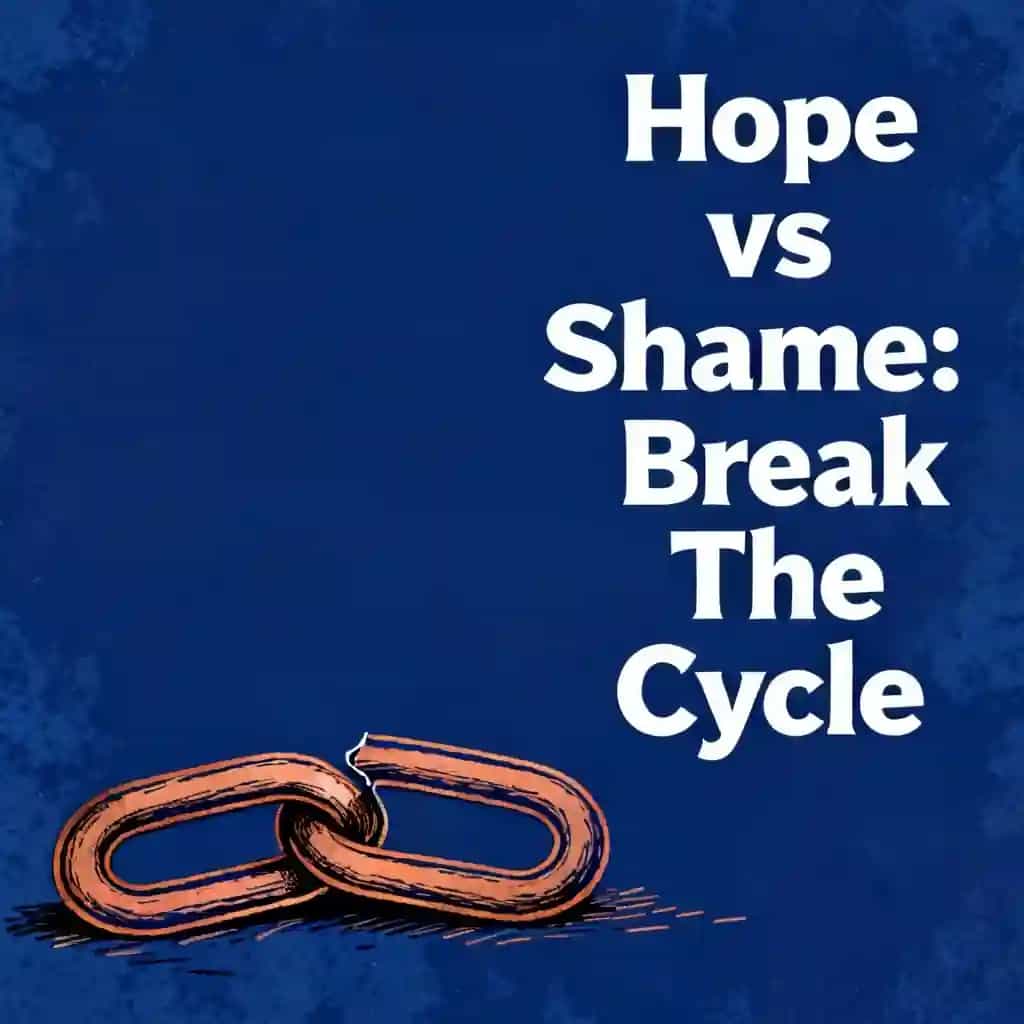
Breaking the Shame Spiral
 00:0000:00
Nia: You know, Lena, I was thinking about how we often get stuck in those "I’m a terrible person" spirals, and it’s just so heavy. It feels like this permanent label we can't scrub off. Lena: It really is. And what’s fascinating is that research from experts like Brené Brown shows that shame actually requires three specific things to survive: secrecy, silence, and judgment. It’s like a weed that only grows in the dark. Nia: That makes so much sense. I mean, we think we're just "feeling bad," but there's that huge distinction between "I did something bad"—which is guilt—and "I *am* bad," which is shame. Lena: Exactly! Guilt can actually be a bridge to empathy and repair, while shame just makes us want to disappear or lash out. Today, we’re looking at how to break that silence and move toward self-compassion. Nia: Let’s explore how we can actually shift that internal narrative.
- 2
The Inner Critic as a Trauma Shield
Nia: So, if shame is this weed that grows in the dark, my first instinct is usually to just pull it out as fast as I can. But it’s never that simple, is it? It feels like there’s this voice in my head—the Inner Critic—that just won't let go. It’s constantly pointing out every flaw. Lena: That voice is so loud for a reason. What’s really eye-opening from the research on Complex PTSD and chronic trauma is that the Inner Critic isn't just there to be mean. It actually started as a survival strategy—a way for a child to make sense of a world that didn't feel safe. Nia: Wait, so you’re saying that being incredibly hard on ourselves is actually a way of trying to stay safe? That sounds so backwards. Lena: It does, right? But think about it from a child's perspective. If a caregiver is neglectful or hurtful, a child can’t really accept that the person they depend on for survival is the problem. That’s too terrifying. So, they use what’s called the moral defense—they conclude, "I must be the bad one." If the problem is "me," then there’s a sliver of hope that if I can just be perfect or "good enough," I can change the outcome and finally be safe. Nia: Wow. So the Inner Critic is basically an internalized version of an old survival manual. It’s trying to predict and prevent pain by beating us to the punch—criticizing us before anyone else can. Lena: Precisely. It’s a trauma structure. And because it’s tied to survival, you can't just argue it away with logic. Standard CBT often struggles here because you aren't just dealing with a "distorted thought"—you’re dealing with a deeply held identity that was forged in the fire of chronic stress. Nia: It makes so much sense why it feels so visceral. It’s not just a thought—it’s a body state. I can feel my chest tighten just thinking about it. Lena: That somatic piece is huge. Shame has a physiological signature—the heat in the face, the urge to shrink, the physical impulse to disappear. When we're in that state, our "thinking brain" actually starts to shut down. We’re running on pure instinct.
- 3
Mapping the Gap Between Actions and Identity
Nia: Okay, so if we're running on instinct and our brain is offline, how do we even start to move toward empathy? It feels like I'm trying to build a bridge while a storm is blowing me off the ledge. Lena: The first step is often just naming it—what experts call "naming it to tame it." Simply saying, "This is shame," or "I'm in a shame spiral," creates a tiny bit of space between you and the emotion. It’s like stepping back from a painting so you can actually see what’s on the canvas. Nia: And then we have to deal with that distinction we mentioned earlier—the "I did" versus the "I am." I’ve heard that even though they feel similar, they lead to totally different places. Lena: They really do. June Tangney, a researcher at George Mason University, has done some incredible work on this. Her data shows that guilt—feeling bad about a specific action—is actually adaptive. People who are prone to guilt are more likely to apologize, take responsibility, and show empathy toward others. Nia: Because if I just "did" something bad, I can fix it. I can make amends. But if I "am" bad, there’s no fix for that. Lena: Exactly. Shame is a "global" attribution. It covers your whole self. And because it’s so painful, it actually makes us *less* empathic toward others. We get so consumed by our own sense of defectiveness that we lose the capacity to see the person we might have hurt. We’re too busy hiding. Nia: It’s like we’re so wrapped up in our own "I’m a monster" narrative that we can't actually show up for the people we care about. So, how do we pivot? How do we take that heavy "I am" and turn it back into "I did"? Lena: It’s about values refinement. Instead of seeing shame as proof that you’re broken, we can start to see it as a very intense, very loud signal that you’ve tripped over one of your own core values. If you didn't care about being a kind person, you wouldn't feel that specific sting when you’re mean. The shame is actually a map of what you truly value.
- Chapter 4
The Power of the Third Brain Approach
Nia: I love that idea—that shame is actually a map of our values. But when I’m in the middle of it, I’m not exactly a great cartographer. My internal compass is spinning wildly. Lena: That’s where the concept of the "Third Brain" comes in. It’s basically the idea of using an external partner—like a therapist, a trusted friend, or even an AI assistant—to hold the analytical frame when your own brain is too overwhelmed by the shame response to think clearly. Nia: So, instead of trying to figure it out alone in the dark, I bring it into the light with someone else? Lena: Right. Shame thrives in secrecy. When you describe the event to someone else, they can help you separate the behavior from your identity. They can ask the questions you can't ask yourself in that moment—like, "Is this thought one hundred percent true?" or "What would you say to a friend who did the same thing?" Nia: It’s like having a spotter at the gym. They aren't lifting the weight for you, but they’re making sure you don't get crushed by it. Lena: That’s a perfect analogy. And as you do this repeatedly, you can actually start to build a "shame inventory." Over months, you might notice patterns. Maybe you always feel shame around productivity, or around being "too much" in relationships. That inventory reveals your load-bearing walls—the things that are non-negotiable in your identity. Nia: So, instead of the shame being this random attack, it becomes data. It tells me, "Hey, mentorship really matters to you, and you feel like you failed at it today." Lena: And once you have that data, you can move to the structural question: "What conditions made it hard to live that value?" Maybe you were exhausted, or you were behind on a deadline. It shifts the conversation from "Why am I a failure?" to "How can I build a better system to support my values next time?" Nia: It’s moving from self-punishment to system-building. That feels so much more empowering than just sitting in the dirt feeling terrible.
Chapter 5Somatic Soothing and the Nervous System
Nia: We’ve talked a lot about the mental shifts, but you mentioned earlier that shame is a "body event." If my body is in a state of survival panic, I’m guessing no amount of "data analysis" is going to work until I calm down. Lena: You’ve hit the nail on the head. Paul Gilbert, who developed Compassion-Focused Therapy, talks about how shame activates our threat-detection system. It’s the same system that evolved to respond to being cast out of the tribe—which, for our ancestors, was a death sentence. Nia: So my brain literally thinks I’m going to die because I made a mistake at work? No wonder it feels so intense! Lena: Exactly! You can't think your way out of a startle reflex. You have to soothe the nervous system first to bring the "thinking brain" back online. This is where self-compassion gestures come in. It might feel a little "woo-woo" at first, but placing a hand on your heart or giving yourself a gentle rub on the arm can actually signal to your nervous system that you are safe. Nia: It’s like being the kind parent to your own "younger self" that’s currently freaking out. Lena: Precisely. And once you’re below that "level seventy" of emotional intensity—where you can actually think again—you can start to use your five senses to ground yourself. What can you smell? What can you hear? This pulls you out of the internal shame loop and back into the present moment. Nia: I’ve tried that "five-four-three-two-one" grounding technique before. It really does help to just focus on the physical world when the internal world is a mess. Lena: It’s a literal circuit breaker. And once the circuit is broken, you can begin the work of self-compassion. Kristin Neff, a leading researcher in this area, says self-compassion has three parts: being kind to yourself instead of judging, recognizing that suffering is a "common humanity"—everyone messes up—and mindfulness. Nia: I think the "common humanity" part is what I struggle with the most. When I’m ashamed, I feel like the *only* person who has ever been this broken. Lena: That’s exactly what shame wants you to believe! It wants to isolate you. But the truth is, everyone has these moments. Connecting with that reality is the first step toward empathy—both for yourself and for the world around you.
Chapter 6The Practical Playbook for Challenging Moments
Nia: Okay, so let’s get practical. If someone is listening right now and they’re starting to feel that sinking feeling—that "I’m a bad person" spiral—what’s the step-by-step playbook? Lena: First, **Notice and Name**. Catch it early. Say out loud, "This is shame," or "I'm having a shame spiral." That simple act of labeling reduces the intensity. It gives you that bit of space we talked about. Nia: Step two: **Soothe the Body**. Before you try to solve the problem, take a breath. Use a self-compassion gesture—hand on the heart, a soft touch—and engage your five senses to get your nervous system back into a safe zone. Lena: Step three: **Distinguish Identity from Action**. Ask yourself, "Is this about what I *did* or who I *am*?" Try to shift the focus back to the behavior. If you snapped at someone, that’s a behavior you can address. It doesn't mean you are an inherently "bad" person. Nia: Step four: **Identify the Violated Value**. Ask, "What does this pain tell me about what I care about?" If you’re ashamed of being dishonest, it’s because you value integrity. Use the shame as fuel to refine that value. Lena: Step five: **Reach Out**. Don’t let it sit in the dark. Share it with a "safe" person—someone who has earned the right to hear your story. Let them reflect back your worthiness when you can't see it yourself. Nia: And step six: **Take Restorative Action**. If there’s a repair to be made, make it. Apologize sincerely, without excuses. Focusing on the repair replaces the rumination. It gives you something productive to do with that energy. Lena: And finally, **Challenge the Inner Critic**. When that voice says, "You’re pathetic," answer back with a compassionate, factual response. "I made a mistake, but I am doing my best to learn from it. This mistake does not define my entire existence." Nia: It’s a lot of work, but it feels like the path to actually being a more empathic, connected person. Instead of hiding, we’re actually using our mistakes to grow.
Chapter 7Healing through Relational Connection
Nia: You know, everything we’ve talked about today really points back to the idea that we can’t do this entirely alone. If shame is learned in relationships—like with those early caregivers we mentioned—it has to be healed in relationships, too. Lena: That is so true. In clinical settings, they often say the therapeutic relationship itself is the primary intervention. It’s not just the techniques; it’s the experience of being "seen" and "fully known"—flaws and all—and still being accepted. Nia: That’s the ultimate antidote to the "if they knew the real me, they’d leave" belief. Lena: Exactly. And while therapy is a structured place for that, we can also find it in our deep friendships and support groups. It’s about building a "secure attachment" with ourselves and with others. It’s learning that relationships can actually survive imperfection and conflict. Nia: I think about "rupture and repair." As a kid, maybe a mistake meant a permanent break in the relationship. But as adults, we can learn that we can mess up, apologize, fix it, and the bond can actually be *stronger* because of it. Lena: That’s a huge shift for someone with CPTSD. Experiencing a repair that actually works shatters the shame-based belief that you’re "too much" or "too broken" for connection. It’s a slow process of rewiring the brain to believe in its own worthiness. Nia: It really is a revolution, isn't it? Choosing to treat yourself with kindness after a lifetime of being told—or telling yourself—that you’re not enough. Lena: It’s the most radical act of healing there is. It’s not about being perfect; it’s about learning to be human. And being human means having flaws, making mistakes, and still being deserving of love and belonging. Nia: I think that’s a message we all need to hear a little more often. It takes the pressure off "fixing" ourselves and lets us focus on simply "being" with ourselves.
Chapter 8A Final Reflection on Worthiness
Lena: As we wrap things up today, I want to leave everyone with one final thought. Shame is going to happen—it’s a natural human emotion. But it doesn't have to be the final word on who you are. Nia: Right. It’s a signal, not a sentence. If you can start to see that heavy feeling as an invitation to look at your values—and as a reminder to be a little bit kinder to yourself—then the shame has already lost its power to destroy you. Lena: I’d love for everyone listening to just take a second and think about one thing your "Inner Critic" has been hammering you for lately. Can you try, just for a moment, to look at that through the lens of a value you care about? If you’re feeling "bad" because you missed a deadline, is it because you actually value reliability? Nia: And if you can find that value, can you offer yourself just a tiny bit of the empathy you’d give a friend in the same boat? It’s a small step, but it’s where the healing starts. Lena: It really is. Thank you so much for joining us on this journey today. It’s not easy work, but it’s so, so worth it. Nia: Absolutely. Take care of yourselves, everyone. Remember that your mistakes are a part of your story, but they aren't the whole story. You are worthy of empathy, especially in those moments when it’s hardest to find. Lena: Thank you for listening and reflecting with us. Be well.
What people search for about self compassion and empathy skills
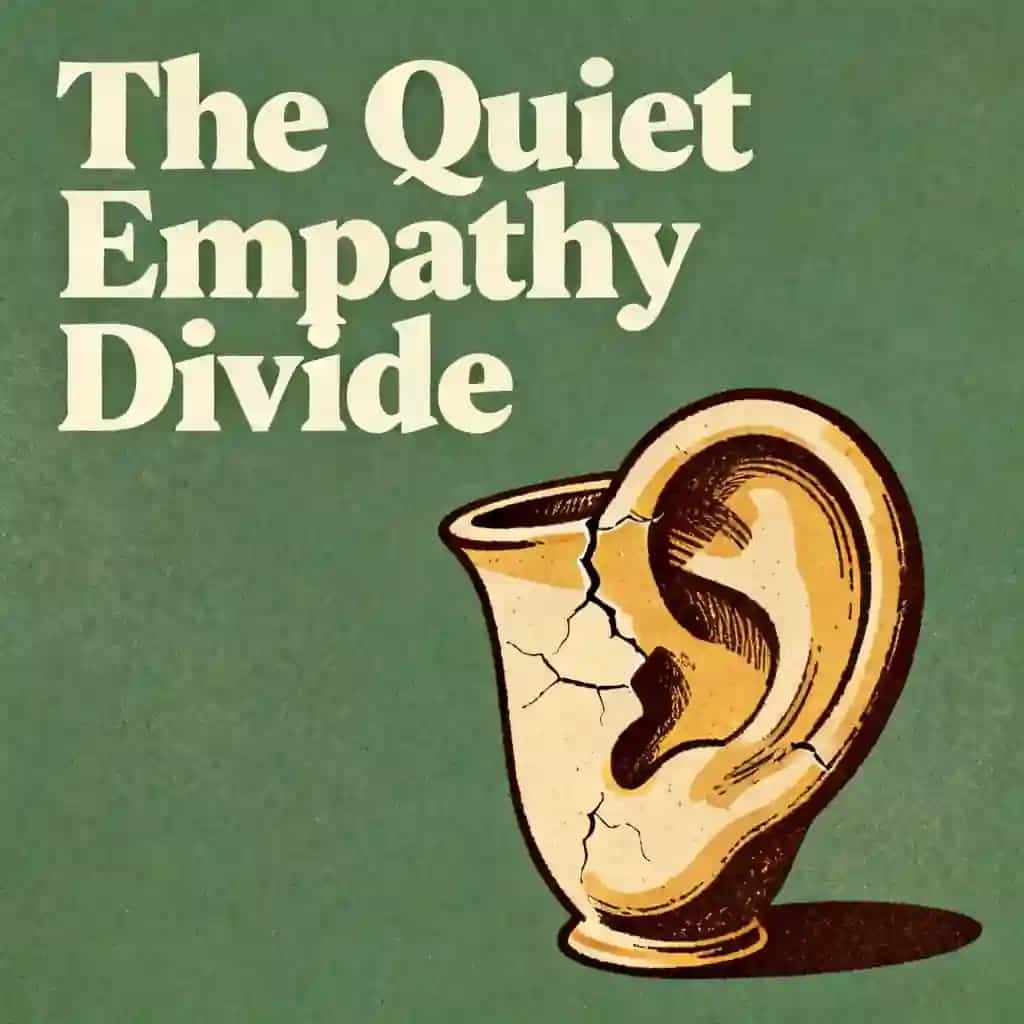
When exploring this topic, listeners often look for actionable ways to build both self-empathy and empathy for others. Common themes include understanding the difference between self-compassion and empathy, finding practical examples for adults, and learning how to repair misunderstandings respectfully during emotionally charged conflicts.
A practical guide to self compassion and empathy skills
Developing these skills involves simple but intentional practices in our daily interactions.
Perspective-taking in difficult conversations
Adopting another person's perspective helps you interpret their words with curiosity rather than defensiveness. Ask open questions and try to understand what motivates them, which can keep conversations productive.
Repairing misunderstandings respectfully
Repair is a crucial interpersonal skill. When miscommunications happen, pause, take accountability for your part, and address the issue directly. Acknowledge that you might be missing something to foster harmony.
Practicing self-empathy
Self-compassion means treating yourself with the same kindness you would offer a friend. Honor your own needs and acknowledge your feelings without blaming or shaming yourself when conflicts arise.
Best quote from How to build empathy when you're feeling shame
Shame is a global attribution that covers your whole self, but we can start to see it as an intense signal that you’ve tripped over one of your own core values. If you didn't care about being a good person, you wouldn't feel that specific sting; the shame is actually a map of what you truly value.
Knowledge sources











FAQ
Yes, self-compassion involves self-empathy, which means being aware of your own feelings and treating yourself with kindness rather than blame during difficult moments.
Examples of perspective taking include asking open questions to understand someone's underlying motivations, pausing to consider how they might interpret your words, and approaching a disagreement with curiosity rather than defensiveness.
Overcoming a misunderstanding involves pausing before reacting, assuming good intent, and addressing the issue directly. You can repair the conversation by taking accountability and acknowledging that you might be missing part of the picture.
From Columbia University alumni built in San Francisco
"Instead of endless scrolling, I just hit play on BeFreed. It saves me so much time."


"I never knew where to start with nonfiction—BeFreed’s book lists turned into podcasts gave me a clear path."


"Perfect balance between learning and entertainment. Finished ‘Thinking, Fast and Slow’ on my commute this week."
"Crazy how much I learned while walking the dog. BeFreed = small habits → big gains."
"Reading used to feel like a chore. Now it’s just part of my lifestyle."

"Feels effortless compared to reading. I’ve finished 6 books this month already."
"BeFreed turned my guilty doomscrolling into something that feels productive and inspiring."

"BeFreed turned my commute into learning time. 20-min podcasts are perfect for finishing books I never had time for."
"BeFreed replaced my podcast queue. Imagine Spotify for books — that’s it. 🙌"

"It is great for me to learn something from the book without reading it."
"The themed book list podcasts help me connect ideas across authors—like a guided audio journey."
"Makes me feel smarter every time before going to work"
From Columbia University alumni built in San Francisco
"Instead of endless scrolling, I just hit play on BeFreed. It saves me so much time."
"I never knew where to start with nonfiction—BeFreed’s book lists turned into podcasts gave me a clear path."
"Perfect balance between learning and entertainment. Finished ‘Thinking, Fast and Slow’ on my commute this week."
"Crazy how much I learned while walking the dog. BeFreed = small habits → big gains."
"Reading used to feel like a chore. Now it’s just part of my lifestyle."
"Feels effortless compared to reading. I’ve finished 6 books this month already."
"BeFreed turned my guilty doomscrolling into something that feels productive and inspiring."
"BeFreed turned my commute into learning time. 20-min podcasts are perfect for finishing books I never had time for."
"BeFreed replaced my podcast queue. Imagine Spotify for books — that’s it. 🙌"
"It is great for me to learn something from the book without reading it."
"The themed book list podcasts help me connect ideas across authors—like a guided audio journey."
"Makes me feel smarter every time before going to work"
"Instead of endless scrolling, I just hit play on BeFreed. It saves me so much time."
"I never knew where to start with nonfiction—BeFreed’s book lists turned into podcasts gave me a clear path."
"Perfect balance between learning and entertainment. Finished ‘Thinking, Fast and Slow’ on my commute this week."
"Crazy how much I learned while walking the dog. BeFreed = small habits → big gains."
"Reading used to feel like a chore. Now it’s just part of my lifestyle."
"Feels effortless compared to reading. I’ve finished 6 books this month already."
"BeFreed turned my guilty doomscrolling into something that feels productive and inspiring."
"BeFreed turned my commute into learning time. 20-min podcasts are perfect for finishing books I never had time for."
"BeFreed replaced my podcast queue. Imagine Spotify for books — that’s it. 🙌"
"It is great for me to learn something from the book without reading it."
"The themed book list podcasts help me connect ideas across authors—like a guided audio journey."
"Makes me feel smarter every time before going to work"
"Instead of endless scrolling, I just hit play on BeFreed. It saves me so much time."
"I never knew where to start with nonfiction—BeFreed’s book lists turned into podcasts gave me a clear path."
"Perfect balance between learning and entertainment. Finished ‘Thinking, Fast and Slow’ on my commute this week."
"Crazy how much I learned while walking the dog. BeFreed = small habits → big gains."
"Reading used to feel like a chore. Now it’s just part of my lifestyle."
"Feels effortless compared to reading. I’ve finished 6 books this month already."
"BeFreed turned my guilty doomscrolling into something that feels productive and inspiring."
"BeFreed turned my commute into learning time. 20-min podcasts are perfect for finishing books I never had time for."
"BeFreed replaced my podcast queue. Imagine Spotify for books — that’s it. 🙌"
"It is great for me to learn something from the book without reading it."
"The themed book list podcasts help me connect ideas across authors—like a guided audio journey."
"Makes me feel smarter every time before going to work"






![[2603.15245] Practicing with Language Models Cultivates Human Empathic Communication](/_next/image?url=https%3A%2F%2Fd1y2du6z1jfm9e.cloudfront.net%2Fassets%2Fpodcast%2Fyellow.png&w=1024&q=50)