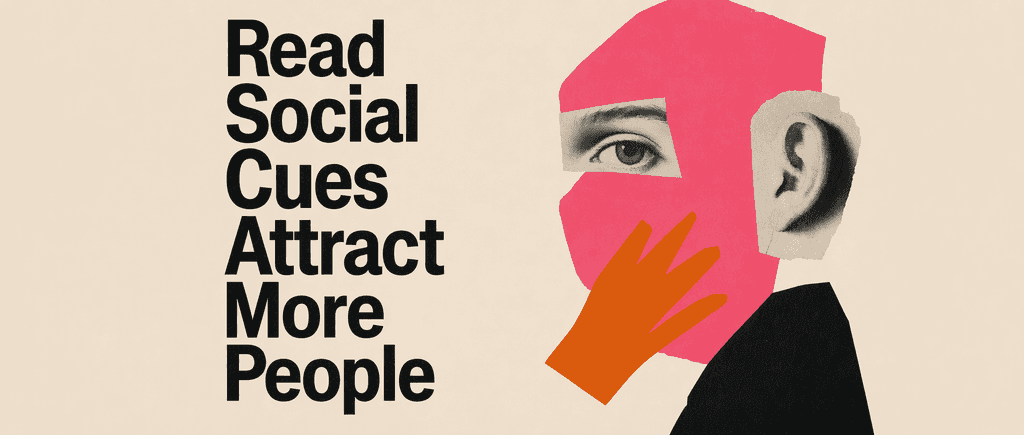
The Silent Empathy Gap: Why We Fail to Express Support
Explore the silent empathy gap and why we often fail to express support. Learn how to bridge the divide between feeling empathy and communicating it effectively.

Best quote from The Silent Empathy Gap: Why We Fail to Express Support
Communication isn't just about the words; it's about making that internal bridge visible to the other person. We treat it like a personality trait rather than a practiced skill, but the reality is that effective communication requires intentional, daily practice to get those muscles to respond.
Generated by Victoria
I want to improve my communication skills.

![[2603.15245] Practicing with Language Models Cultivates Human Empathic Communication](https://d1y2du6z1jfm9e.cloudfront.net/assets/podcast/yellow.png)




Frequently Asked Questions
The silent empathy effect is a specific phenomenon where an individual genuinely feels empathy internally but systematically fails to express it in a visible way. While you may feel supportive on the inside, the other person often remains feeling alone because that internal bridge hasn't been communicated. This gap occurs when we assume our internal feelings are obvious to others, even though we haven't voiced them or demonstrated them through active listening.
Expressing empathy is difficult because many people treat communication as an inherent personality trait rather than a practiced skill. When faced with someone in pain, it is common to freeze, offer generic phrases, or try to fix the problem immediately instead of sharing the internal feeling of empathy. Bridging this gap requires intentional practice to ensure that the support you feel internally is actually felt by the person you are trying to comfort.
Improving interpersonal communication requires shifting your mindset to view it as a skill similar to playing an instrument or cooking. It involves moving beyond 'winging it' and instead engaging in intentional, daily practice to build your communication muscles. By focusing on emotional intelligence and active listening, you can learn to make your internal empathy visible, ensuring your words and actions accurately reflect the support you feel for others.
From Columbia University alumni built in San Francisco
"Instead of endless scrolling, I just hit play on BeFreed. It saves me so much time."


"I never knew where to start with nonfiction—BeFreed’s book lists turned into podcasts gave me a clear path."


"Perfect balance between learning and entertainment. Finished ‘Thinking, Fast and Slow’ on my commute this week."
"Crazy how much I learned while walking the dog. BeFreed = small habits → big gains."
"Reading used to feel like a chore. Now it’s just part of my lifestyle."

"Feels effortless compared to reading. I’ve finished 6 books this month already."
"BeFreed turned my guilty doomscrolling into something that feels productive and inspiring."

"BeFreed turned my commute into learning time. 20-min podcasts are perfect for finishing books I never had time for."
"BeFreed replaced my podcast queue. Imagine Spotify for books — that’s it. 🙌"

"It is great for me to learn something from the book without reading it."
"The themed book list podcasts help me connect ideas across authors—like a guided audio journey."
"Makes me feel smarter every time before going to work"
From Columbia University alumni built in San Francisco
"Instead of endless scrolling, I just hit play on BeFreed. It saves me so much time."
"I never knew where to start with nonfiction—BeFreed’s book lists turned into podcasts gave me a clear path."
"Perfect balance between learning and entertainment. Finished ‘Thinking, Fast and Slow’ on my commute this week."
"Crazy how much I learned while walking the dog. BeFreed = small habits → big gains."
"Reading used to feel like a chore. Now it’s just part of my lifestyle."
"Feels effortless compared to reading. I’ve finished 6 books this month already."
"BeFreed turned my guilty doomscrolling into something that feels productive and inspiring."
"BeFreed turned my commute into learning time. 20-min podcasts are perfect for finishing books I never had time for."
"BeFreed replaced my podcast queue. Imagine Spotify for books — that’s it. 🙌"
"It is great for me to learn something from the book without reading it."
"The themed book list podcasts help me connect ideas across authors—like a guided audio journey."
"Makes me feel smarter every time before going to work"
"Instead of endless scrolling, I just hit play on BeFreed. It saves me so much time."
"I never knew where to start with nonfiction—BeFreed’s book lists turned into podcasts gave me a clear path."
"Perfect balance between learning and entertainment. Finished ‘Thinking, Fast and Slow’ on my commute this week."
"Crazy how much I learned while walking the dog. BeFreed = small habits → big gains."
"Reading used to feel like a chore. Now it’s just part of my lifestyle."
"Feels effortless compared to reading. I’ve finished 6 books this month already."
"BeFreed turned my guilty doomscrolling into something that feels productive and inspiring."
"BeFreed turned my commute into learning time. 20-min podcasts are perfect for finishing books I never had time for."
"BeFreed replaced my podcast queue. Imagine Spotify for books — that’s it. 🙌"
"It is great for me to learn something from the book without reading it."
"The themed book list podcasts help me connect ideas across authors—like a guided audio journey."
"Makes me feel smarter every time before going to work"
"Instead of endless scrolling, I just hit play on BeFreed. It saves me so much time."
"I never knew where to start with nonfiction—BeFreed’s book lists turned into podcasts gave me a clear path."
"Perfect balance between learning and entertainment. Finished ‘Thinking, Fast and Slow’ on my commute this week."
"Crazy how much I learned while walking the dog. BeFreed = small habits → big gains."
"Reading used to feel like a chore. Now it’s just part of my lifestyle."
"Feels effortless compared to reading. I’ve finished 6 books this month already."
"BeFreed turned my guilty doomscrolling into something that feels productive and inspiring."
"BeFreed turned my commute into learning time. 20-min podcasts are perfect for finishing books I never had time for."
"BeFreed replaced my podcast queue. Imagine Spotify for books — that’s it. 🙌"
"It is great for me to learn something from the book without reading it."
"The themed book list podcasts help me connect ideas across authors—like a guided audio journey."
"Makes me feel smarter every time before going to work"