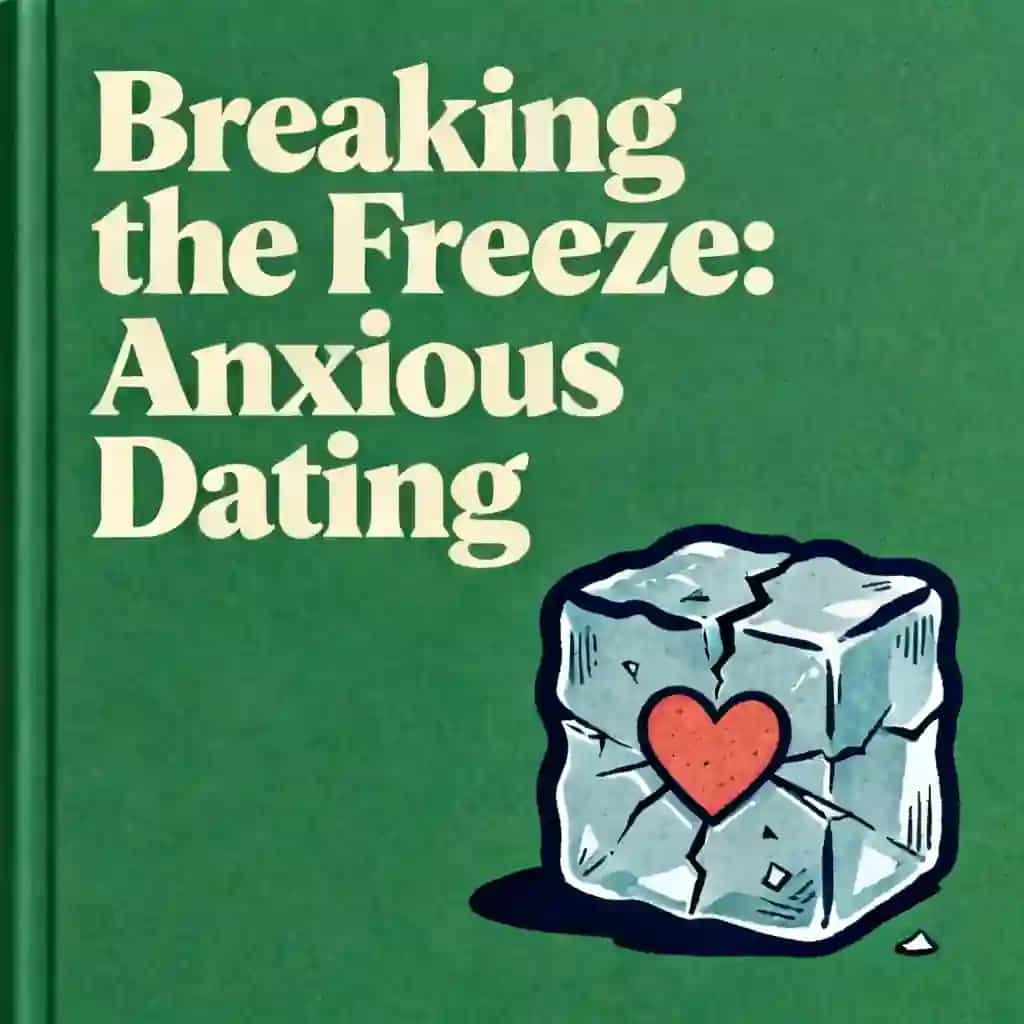
Breaking Free from Anxious Attachment Patterns
Discover why your loving behaviors might be pushing partners away and learn to transform anxious attachment into secure, lasting relationships through understanding your nervous system and building healthy boundaries.

Best quote from Breaking Free from Anxious Attachment Patterns
Anxious attachment isn't actually about loving too much. It's about a hypervigilant mechanism that developed to scan for dangers in relationships; your system is trying to protect you.

This audio lesson was created by a BeFreed community member
I recently went through a break up. I want to understand an anxious attachment, stop over giving and build a secure long-term relationship. 

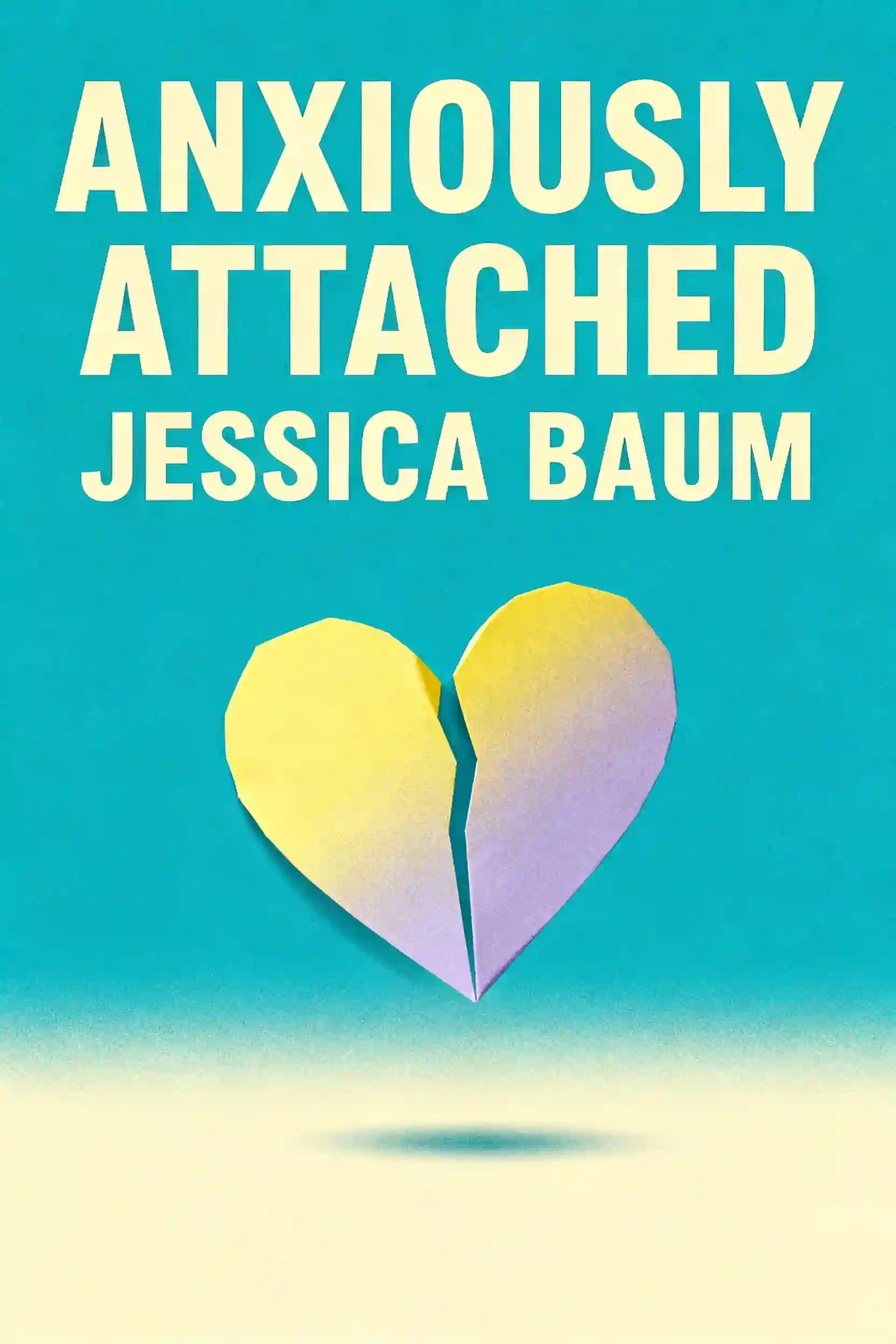
![Facing Codependence [ABRIDGED]](https://d1y2du6z1jfm9e.cloudfront.net/covers/1d91cc59-653c-487c-bb06-0a03ac09820d/image_resized.webp)
Discover more
Break the Anxious-Avoidant Trap
This plan is essential for individuals or couples caught in the exhausting cycle of pursuit and withdrawal. It provides practical somatic and behavioral tools for anyone looking to transform defensive patterns into a secure, lasting emotional connection.

Overcome anxious attachment
Anxious attachment affects millions of people, causing relationship anxiety, fear of abandonment, and dependency on partner validation. This learning plan is essential for anyone who struggles with clinginess, overthinking in relationships, or losing themselves trying to keep their partner happy. By addressing the neurological and psychological roots of attachment anxiety, learners gain practical tools to build secure, fulfilling relationships.

Break the Cycle of Unavailable Love
This plan is essential for anyone who feels stuck in a loop of chasing emotionally distant partners and mistaking instability for passion. It provides a roadmap for healing childhood wounds and shifting from anxious attachment toward secure, fulfilling relationships.

Break free from limerent obsession patterns
This plan is designed for individuals who feel trapped in cycles of obsessive longing or emotionally draining relationships. It provides a science-backed roadmap to healing attachment wounds and reclaiming emotional autonomy from codependent patterns.

Attachment theory fearful avoidants
This plan is designed for individuals who struggle with the push-pull dynamic of fearful avoidance and past trauma. It offers a practical roadmap for anyone seeking to stabilize their emotional health and build secure, lasting intimacy.

Secure attachment style
Attachment styles formed in childhood profoundly impact how we connect, communicate, and maintain relationships throughout our lives. This learning plan is ideal for anyone struggling with relationship anxiety, emotional avoidance, or recurring relationship patterns, as well as those seeking to deepen existing connections and create more fulfilling partnerships.

Heal attachment & OCD for better bonds
This learning plan is designed for individuals who struggle with anxiety, OCD, or insecure attachment patterns that interfere with romantic relationships and personal happiness. It combines clinical psychology, attachment theory, and mindfulness practices to address both individual mental health and relationship dynamics. Whether you're experiencing relationship difficulties, managing intrusive thoughts, or seeking to break cycles from past relationships, this integrated approach provides tools for both personal healing and building secure, fulfilling partnerships.

From Bracing to Breathing
This plan is essential for survivors of emotional abuse seeking to untangle their true identity from trauma-induced defense mechanisms. It is designed for anyone struggling with avoidant attachment or chronic hypervigilance who wants to restore a sense of safety and flow in their relationships.
From Columbia University alumni built in San Francisco
"Instead of endless scrolling, I just hit play on BeFreed. It saves me so much time."


"I never knew where to start with nonfiction—BeFreed’s book lists turned into podcasts gave me a clear path."


"Perfect balance between learning and entertainment. Finished ‘Thinking, Fast and Slow’ on my commute this week."
"Crazy how much I learned while walking the dog. BeFreed = small habits → big gains."
"Reading used to feel like a chore. Now it’s just part of my lifestyle."

"Feels effortless compared to reading. I’ve finished 6 books this month already."
"BeFreed turned my guilty doomscrolling into something that feels productive and inspiring."

"BeFreed turned my commute into learning time. 20-min podcasts are perfect for finishing books I never had time for."
"BeFreed replaced my podcast queue. Imagine Spotify for books — that’s it. 🙌"

"It is great for me to learn something from the book without reading it."
"The themed book list podcasts help me connect ideas across authors—like a guided audio journey."
"Makes me feel smarter every time before going to work"
From Columbia University alumni built in San Francisco
"Instead of endless scrolling, I just hit play on BeFreed. It saves me so much time."
"I never knew where to start with nonfiction—BeFreed’s book lists turned into podcasts gave me a clear path."
"Perfect balance between learning and entertainment. Finished ‘Thinking, Fast and Slow’ on my commute this week."
"Crazy how much I learned while walking the dog. BeFreed = small habits → big gains."
"Reading used to feel like a chore. Now it’s just part of my lifestyle."
"Feels effortless compared to reading. I’ve finished 6 books this month already."
"BeFreed turned my guilty doomscrolling into something that feels productive and inspiring."
"BeFreed turned my commute into learning time. 20-min podcasts are perfect for finishing books I never had time for."
"BeFreed replaced my podcast queue. Imagine Spotify for books — that’s it. 🙌"
"It is great for me to learn something from the book without reading it."
"The themed book list podcasts help me connect ideas across authors—like a guided audio journey."
"Makes me feel smarter every time before going to work"
"Instead of endless scrolling, I just hit play on BeFreed. It saves me so much time."
"I never knew where to start with nonfiction—BeFreed’s book lists turned into podcasts gave me a clear path."
"Perfect balance between learning and entertainment. Finished ‘Thinking, Fast and Slow’ on my commute this week."
"Crazy how much I learned while walking the dog. BeFreed = small habits → big gains."
"Reading used to feel like a chore. Now it’s just part of my lifestyle."
"Feels effortless compared to reading. I’ve finished 6 books this month already."
"BeFreed turned my guilty doomscrolling into something that feels productive and inspiring."
"BeFreed turned my commute into learning time. 20-min podcasts are perfect for finishing books I never had time for."
"BeFreed replaced my podcast queue. Imagine Spotify for books — that’s it. 🙌"
"It is great for me to learn something from the book without reading it."
"The themed book list podcasts help me connect ideas across authors—like a guided audio journey."
"Makes me feel smarter every time before going to work"
"Instead of endless scrolling, I just hit play on BeFreed. It saves me so much time."
"I never knew where to start with nonfiction—BeFreed’s book lists turned into podcasts gave me a clear path."
"Perfect balance between learning and entertainment. Finished ‘Thinking, Fast and Slow’ on my commute this week."
"Crazy how much I learned while walking the dog. BeFreed = small habits → big gains."
"Reading used to feel like a chore. Now it’s just part of my lifestyle."
"Feels effortless compared to reading. I’ve finished 6 books this month already."
"BeFreed turned my guilty doomscrolling into something that feels productive and inspiring."
"BeFreed turned my commute into learning time. 20-min podcasts are perfect for finishing books I never had time for."
"BeFreed replaced my podcast queue. Imagine Spotify for books — that’s it. 🙌"
"It is great for me to learn something from the book without reading it."
"The themed book list podcasts help me connect ideas across authors—like a guided audio journey."
"Makes me feel smarter every time before going to work"




![How to Develop a Secure Attachment Style as an Adult [According to a Therapist] - Madison Square Psychotherapy](/_next/image?url=https%3A%2F%2Fd1y2du6z1jfm9e.cloudfront.net%2Fassets%2Fpodcast%2Fyellow.png&w=1024&q=50)