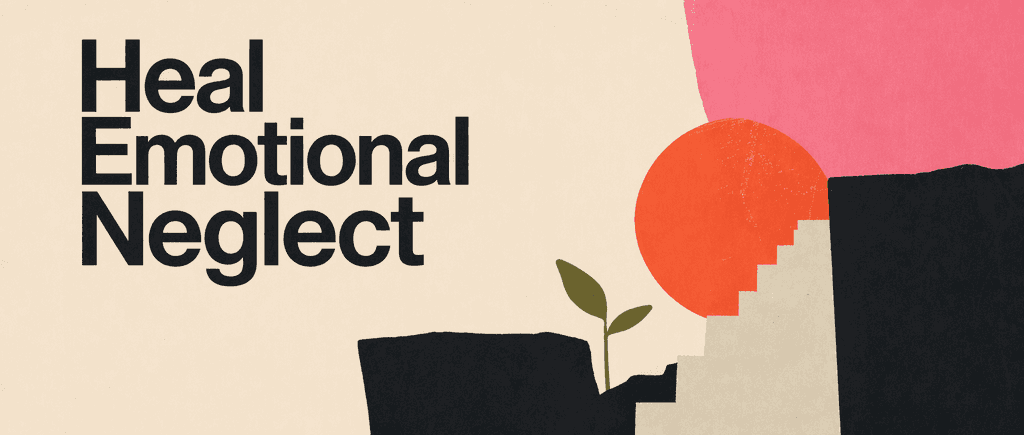
Understanding Attachment Styles, Polarity, and Female Nature
Explore how to identify attachment styles, heal childhood wounds, and master the dynamics of polarity and female nature to build stronger, deeper relationships.

Best quote from Understanding Attachment Styles, Polarity, and Female Nature
Our attachment styles aren't fixed character traits; they’re survival strategies we wired into our bodies before we even had language. It’s a paradigm shift to stop seeing these as flaws and start seeing them as connection strategies.
Generated by Jay
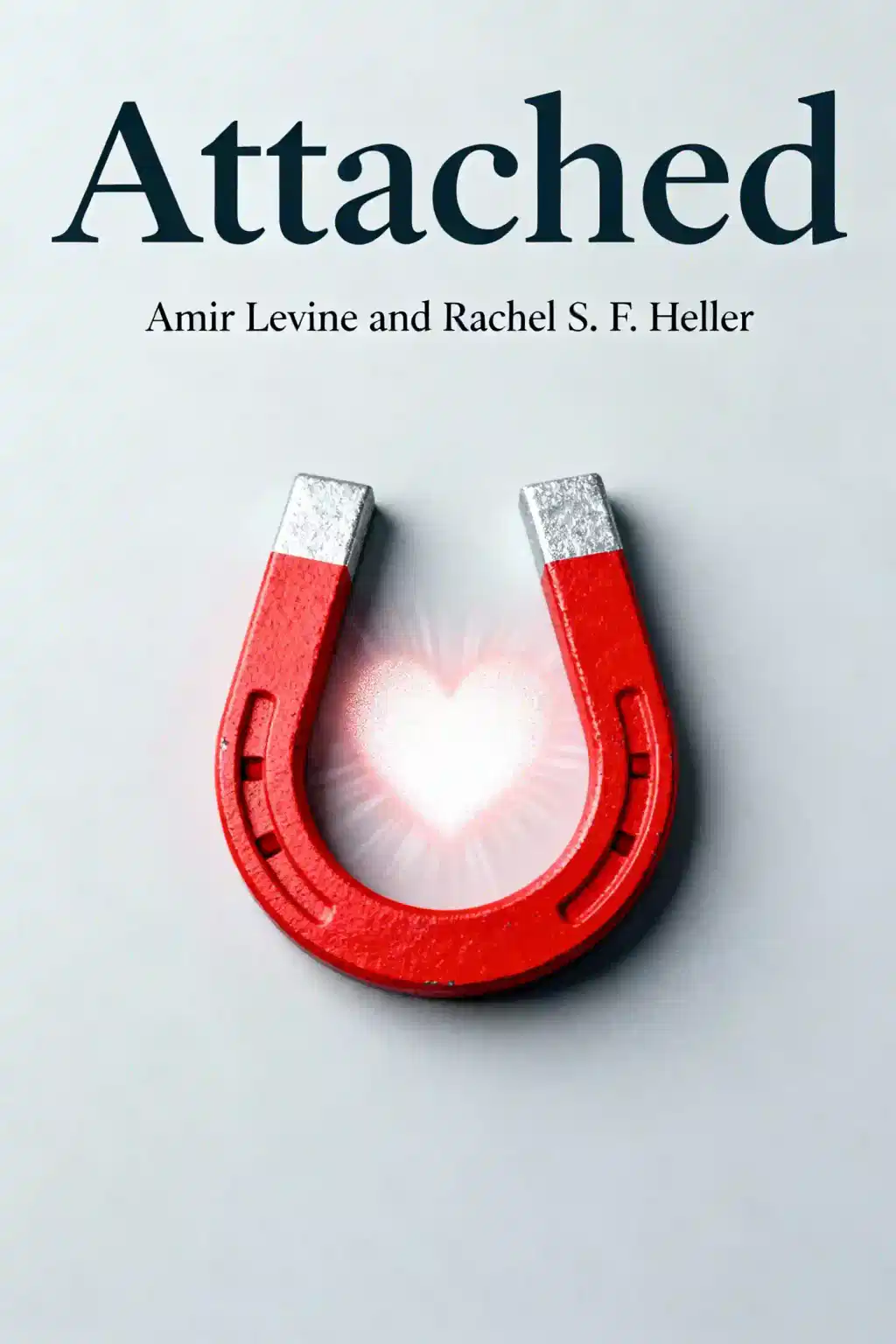
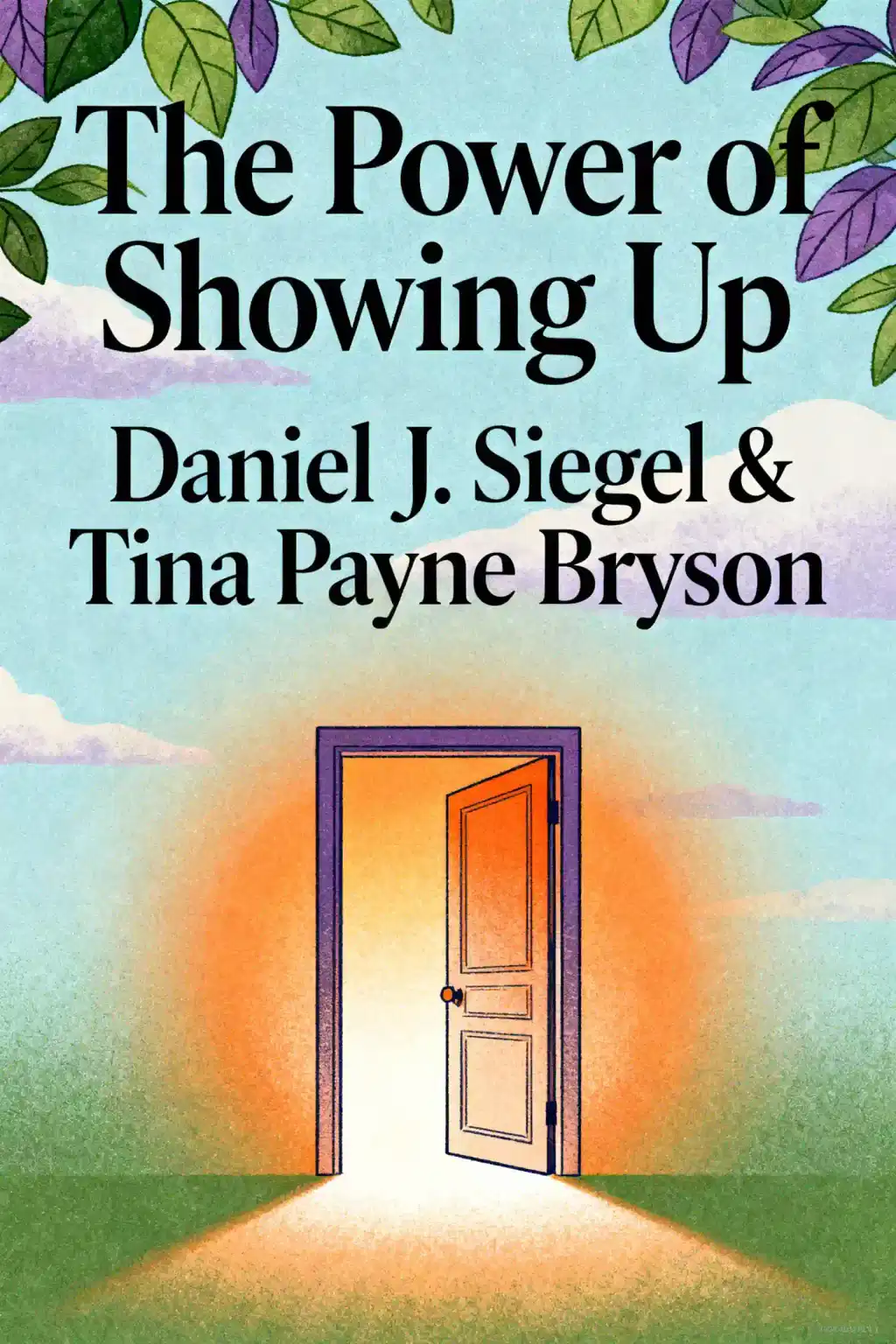
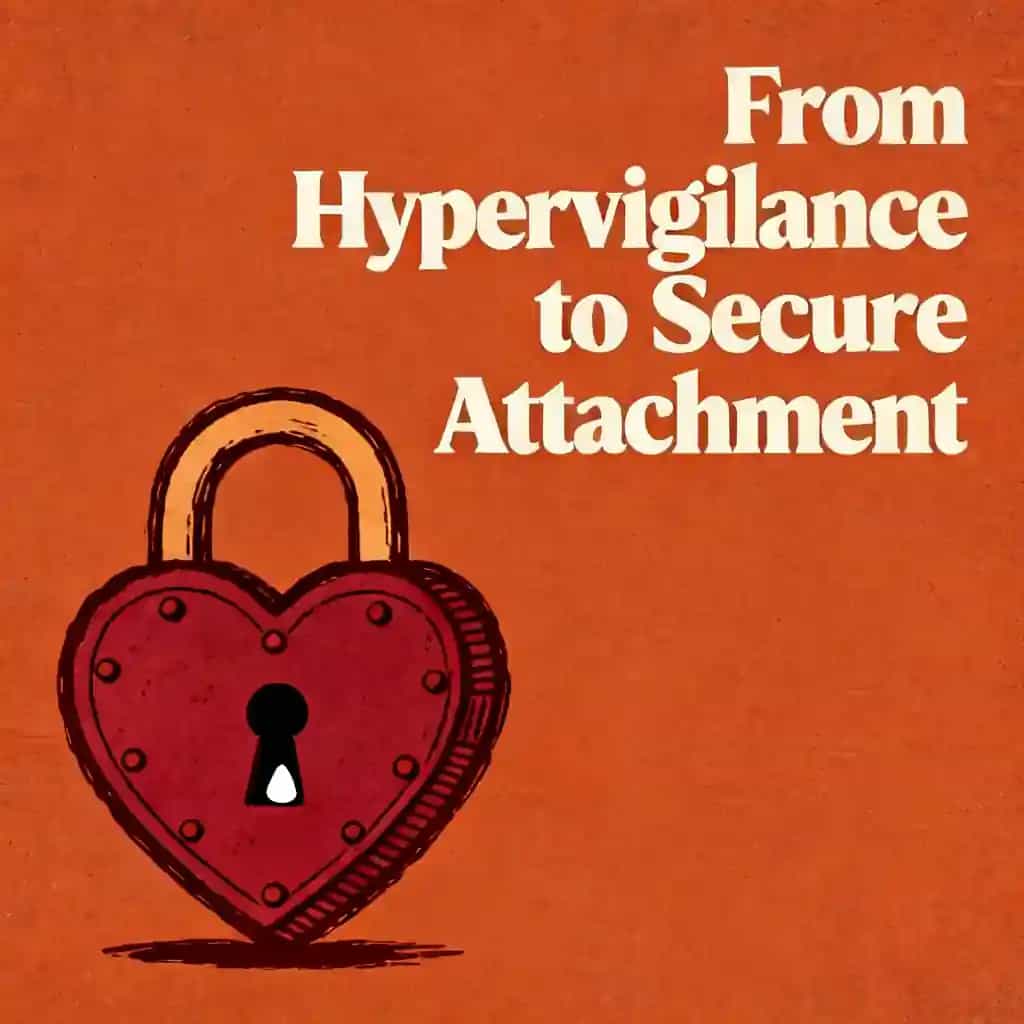
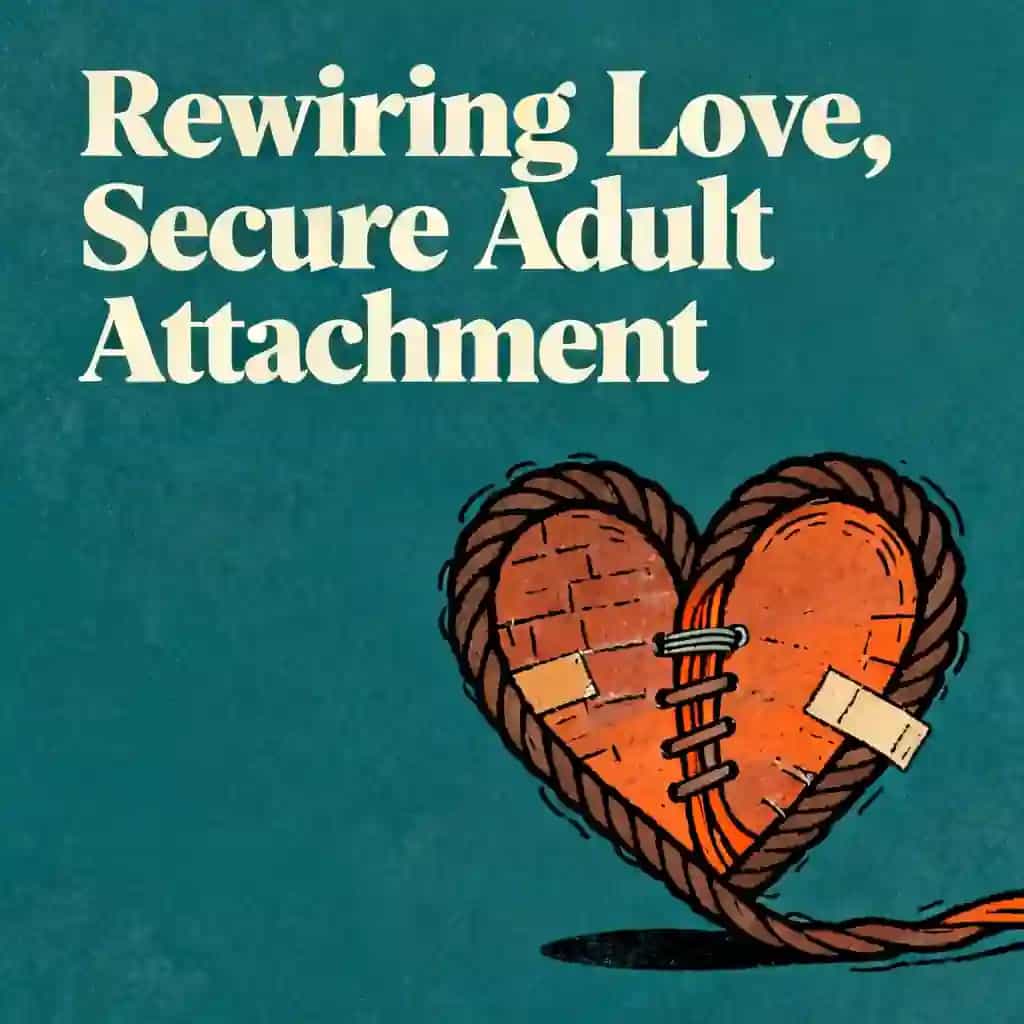
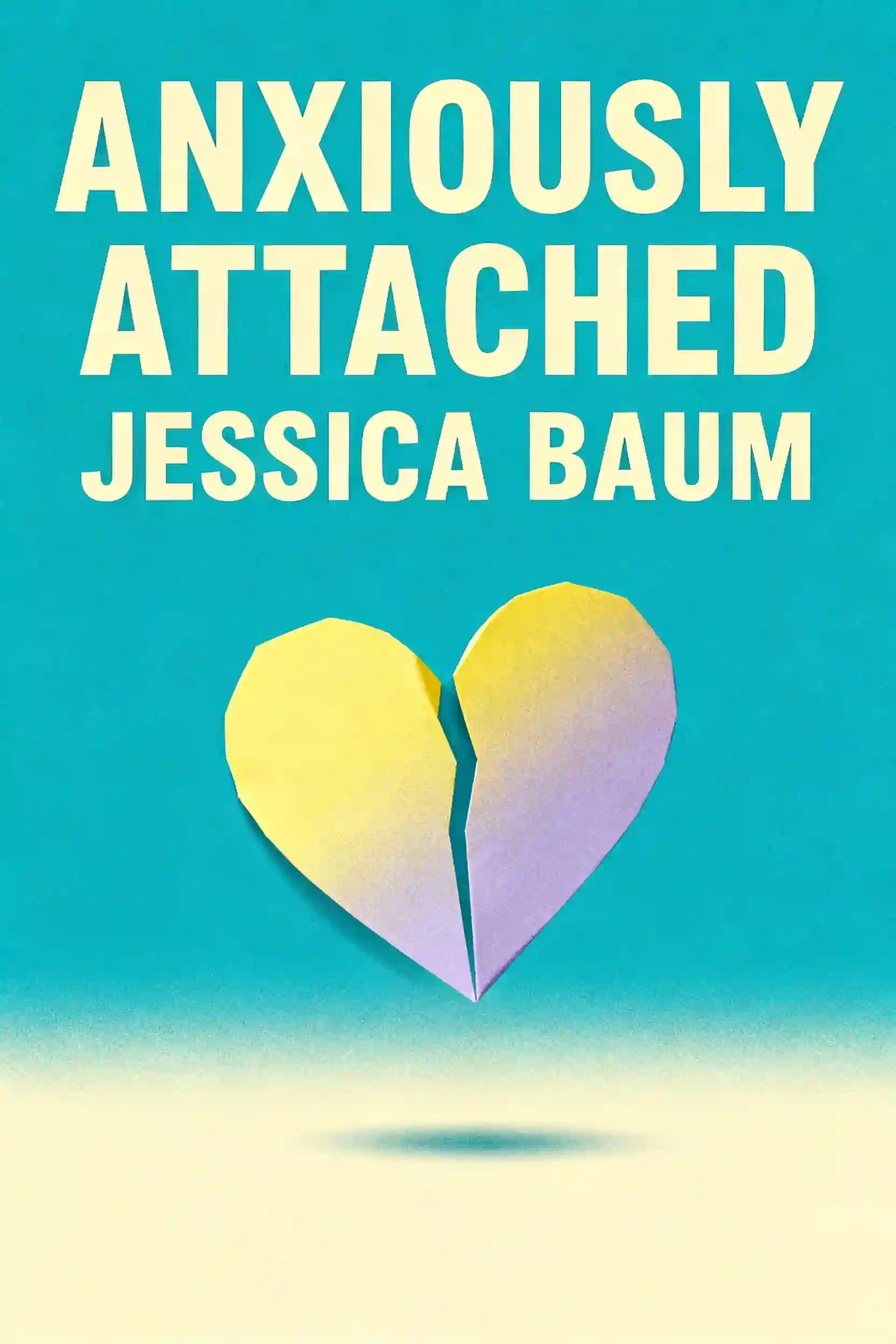
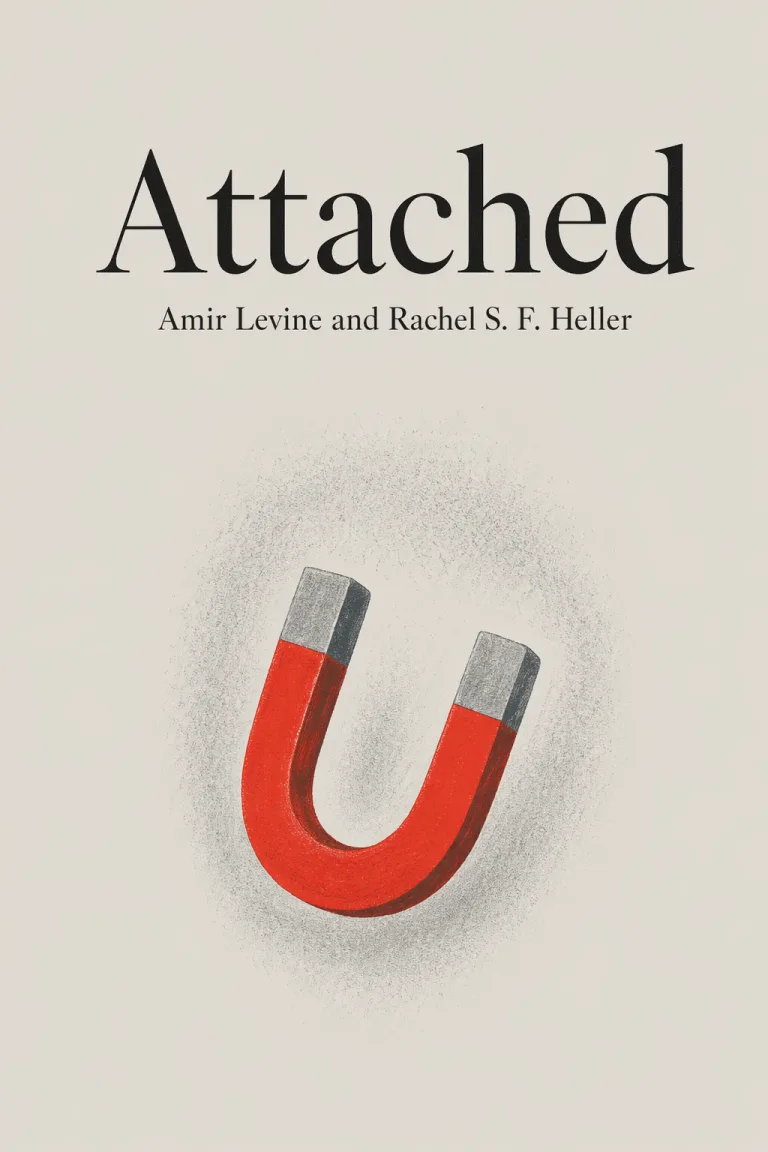
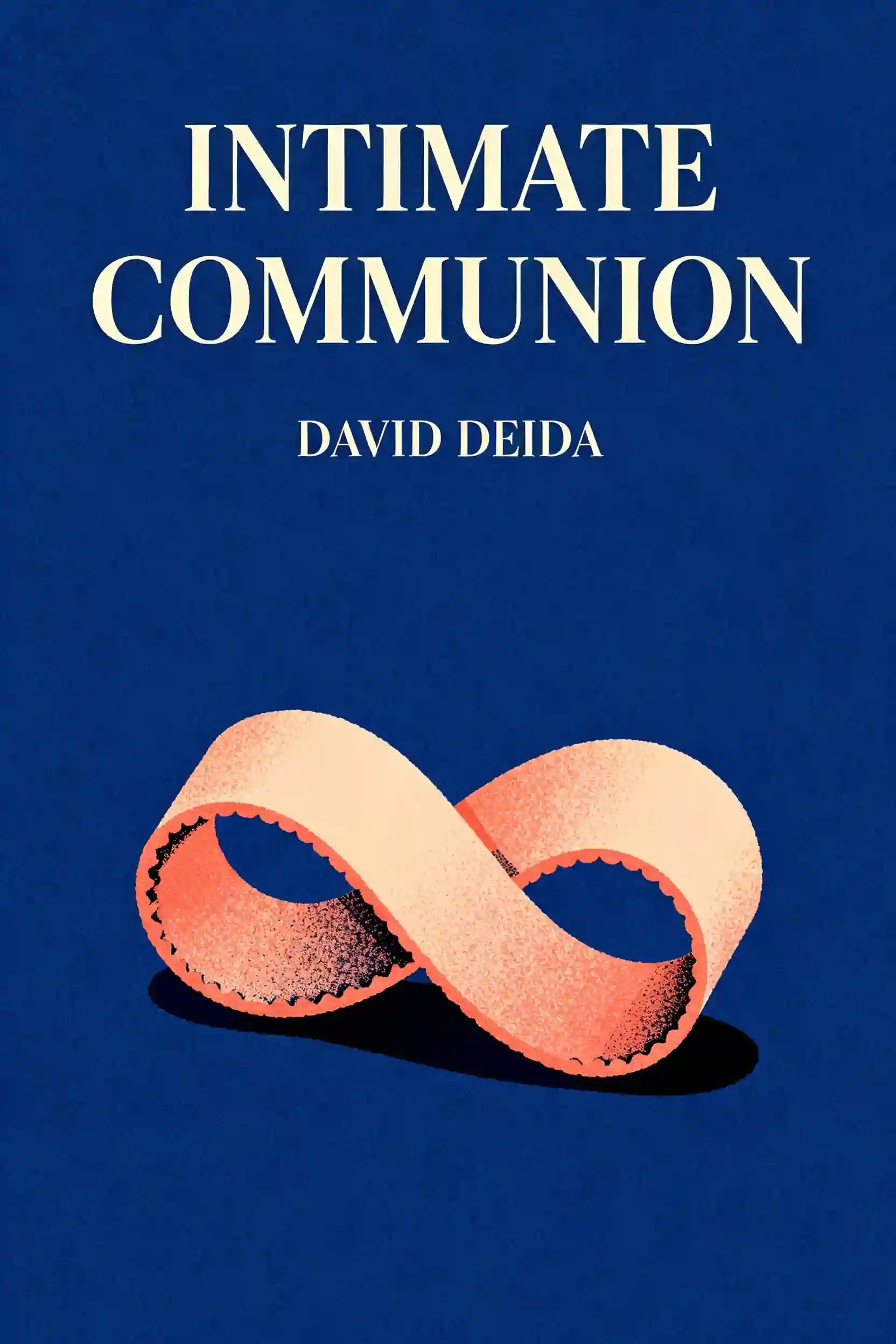
Teach me about learning your partners attachment style. Learn about healing your own childhood wounds. Teach me about attraction and polarity. Teach me about female nature and what they seek.

Frequently Asked Questions
Attachment styles are often formed by early experiences and childhood wounds, influencing how you connect with partners as an adult. By healing childhood trauma, you can move toward a more secure attachment style, allowing for healthier communication and emotional stability. Understanding your partner's specific style helps you navigate their needs and triggers, leading to a more compassionate and resilient relationship dynamic.
Polarity refers to the balance of masculine and feminine energies within a relationship that creates a natural spark of attraction. When both partners understand how to lean into their core energies, it fosters a magnetic pull that keeps the relationship vibrant and exciting. Mastering polarity involves recognizing these differences and using them to maintain long-term chemistry and mutual respect between partners.
Understanding female nature involves learning what women fundamentally seek in a partner, such as security, emotional depth, and strong leadership. By recognizing these natural inclinations, you can better align your behavior with what fosters genuine attraction and trust. This knowledge is not about manipulation, but about creating a foundation where both individuals feel understood and valued within the relationship dynamics.
Yes, healing childhood trauma is essential for breaking negative patterns that often repeat in romantic life. When you address your childhood wounds, you become less reactive and more intentional in how you choose and interact with partners. This inner work allows you to approach relationship attraction from a place of wholeness rather than a place of lack, leading to more fulfilling and stable connections.
From Columbia University alumni built in San Francisco
"Instead of endless scrolling, I just hit play on BeFreed. It saves me so much time."


"I never knew where to start with nonfiction—BeFreed’s book lists turned into podcasts gave me a clear path."


"Perfect balance between learning and entertainment. Finished ‘Thinking, Fast and Slow’ on my commute this week."
"Crazy how much I learned while walking the dog. BeFreed = small habits → big gains."
"Reading used to feel like a chore. Now it’s just part of my lifestyle."

"Feels effortless compared to reading. I’ve finished 6 books this month already."
"BeFreed turned my guilty doomscrolling into something that feels productive and inspiring."

"BeFreed turned my commute into learning time. 20-min podcasts are perfect for finishing books I never had time for."
"BeFreed replaced my podcast queue. Imagine Spotify for books — that’s it. 🙌"

"It is great for me to learn something from the book without reading it."
"The themed book list podcasts help me connect ideas across authors—like a guided audio journey."
"Makes me feel smarter every time before going to work"
From Columbia University alumni built in San Francisco
"Instead of endless scrolling, I just hit play on BeFreed. It saves me so much time."
"I never knew where to start with nonfiction—BeFreed’s book lists turned into podcasts gave me a clear path."
"Perfect balance between learning and entertainment. Finished ‘Thinking, Fast and Slow’ on my commute this week."
"Crazy how much I learned while walking the dog. BeFreed = small habits → big gains."
"Reading used to feel like a chore. Now it’s just part of my lifestyle."
"Feels effortless compared to reading. I’ve finished 6 books this month already."
"BeFreed turned my guilty doomscrolling into something that feels productive and inspiring."
"BeFreed turned my commute into learning time. 20-min podcasts are perfect for finishing books I never had time for."
"BeFreed replaced my podcast queue. Imagine Spotify for books — that’s it. 🙌"
"It is great for me to learn something from the book without reading it."
"The themed book list podcasts help me connect ideas across authors—like a guided audio journey."
"Makes me feel smarter every time before going to work"
"Instead of endless scrolling, I just hit play on BeFreed. It saves me so much time."
"I never knew where to start with nonfiction—BeFreed’s book lists turned into podcasts gave me a clear path."
"Perfect balance between learning and entertainment. Finished ‘Thinking, Fast and Slow’ on my commute this week."
"Crazy how much I learned while walking the dog. BeFreed = small habits → big gains."
"Reading used to feel like a chore. Now it’s just part of my lifestyle."
"Feels effortless compared to reading. I’ve finished 6 books this month already."
"BeFreed turned my guilty doomscrolling into something that feels productive and inspiring."
"BeFreed turned my commute into learning time. 20-min podcasts are perfect for finishing books I never had time for."
"BeFreed replaced my podcast queue. Imagine Spotify for books — that’s it. 🙌"
"It is great for me to learn something from the book without reading it."
"The themed book list podcasts help me connect ideas across authors—like a guided audio journey."
"Makes me feel smarter every time before going to work"
"Instead of endless scrolling, I just hit play on BeFreed. It saves me so much time."
"I never knew where to start with nonfiction—BeFreed’s book lists turned into podcasts gave me a clear path."
"Perfect balance between learning and entertainment. Finished ‘Thinking, Fast and Slow’ on my commute this week."
"Crazy how much I learned while walking the dog. BeFreed = small habits → big gains."
"Reading used to feel like a chore. Now it’s just part of my lifestyle."
"Feels effortless compared to reading. I’ve finished 6 books this month already."
"BeFreed turned my guilty doomscrolling into something that feels productive and inspiring."
"BeFreed turned my commute into learning time. 20-min podcasts are perfect for finishing books I never had time for."
"BeFreed replaced my podcast queue. Imagine Spotify for books — that’s it. 🙌"
"It is great for me to learn something from the book without reading it."
"The themed book list podcasts help me connect ideas across authors—like a guided audio journey."
"Makes me feel smarter every time before going to work"