Get respect as a quiet person without being invisible
Stop being dismissed as cold. Learn why people misread your silence and how to set firm boundaries that command respect while staying true to yourself.

Best quote from Get respect as a quiet person without being invisible
Your silence is not a void; it's a shield. It's about being 'present' without necessarily being 'vocal' and understanding that your internal world is more stable than their external drama.
Generated by Anna
IgetwhyI’mnotclosewithmanypeople,especiallymyclassmateorboysclassmate.I’mintroverted,quiet,andcanseemcold.Idon’tminddistance,butIhatefeeling invisible.Somearerudeandjudgmental,likewhatthe hell?WhenIaskedmyfriendtocomewithme,she refused,toldmetoasksomeoneelse,andthey exchangedlooksandeyerolls.Thatpissedmeoff.I’d ratherthesayitstraight.Idontknowhatfriendmeantoher.Theyshouldkeepinmindthat I’mnot“nerdy".Istaysilent,butIknowalot.Theyshoulnotmesswithme.I justwantrespect,andI'llgiveittoo

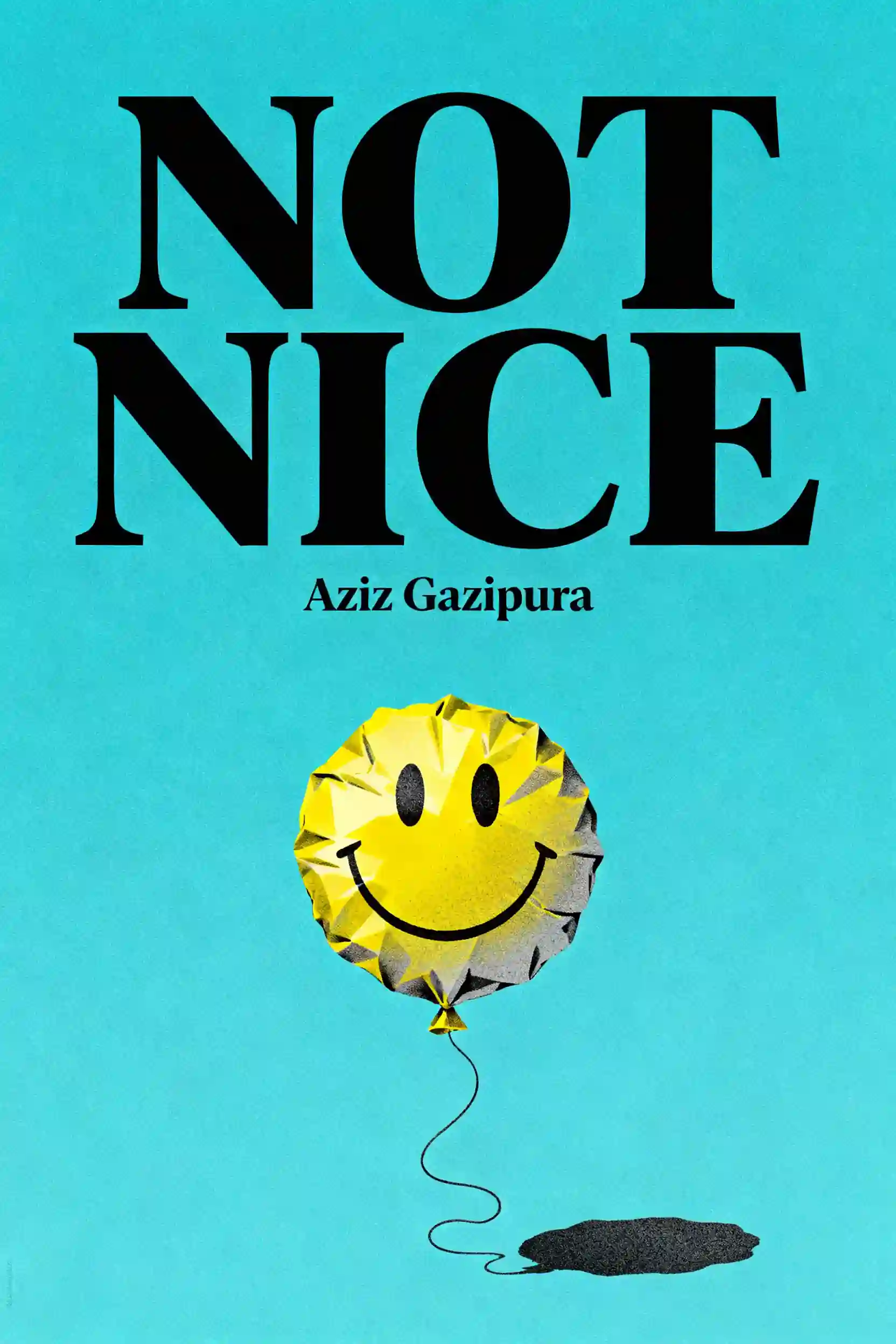
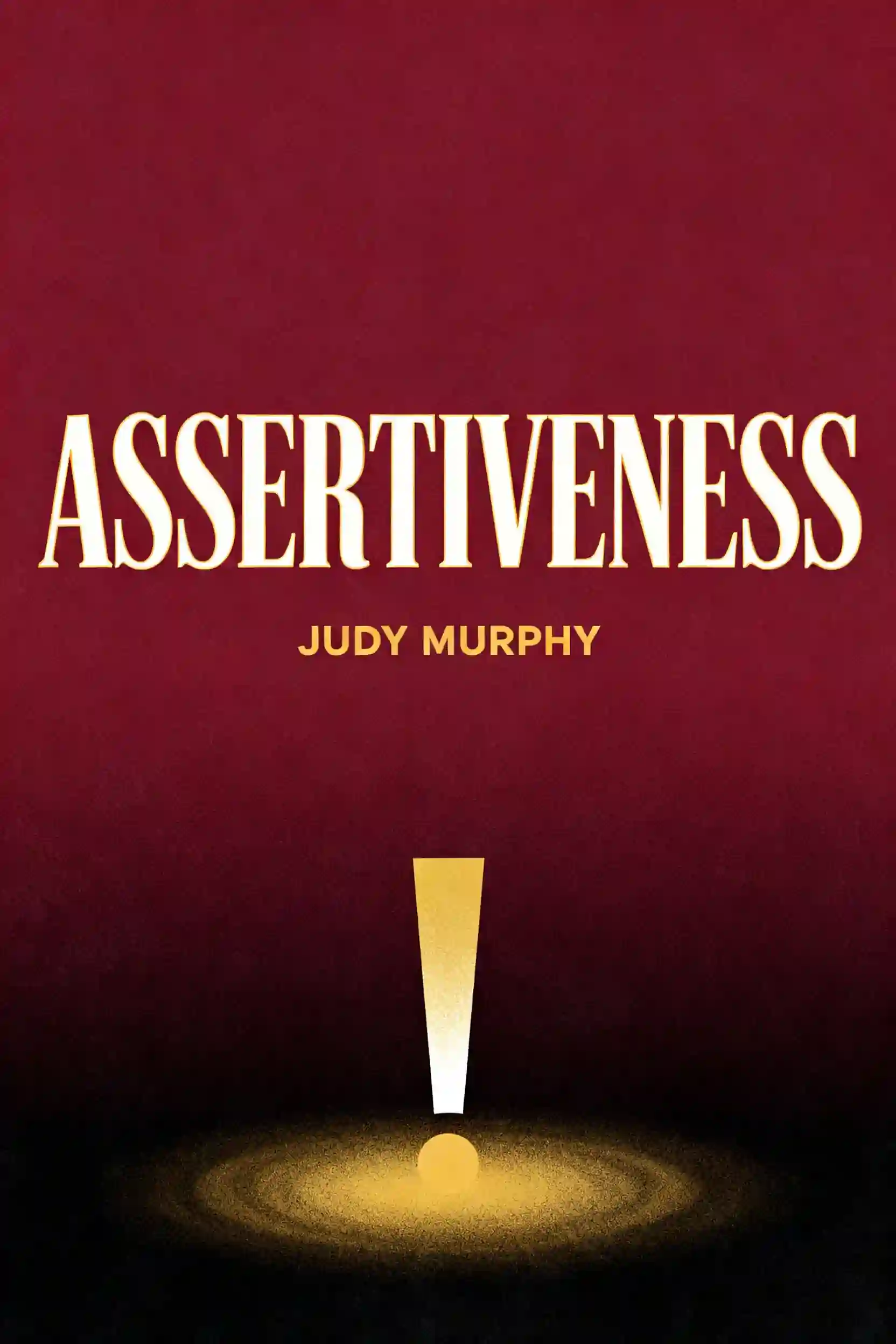
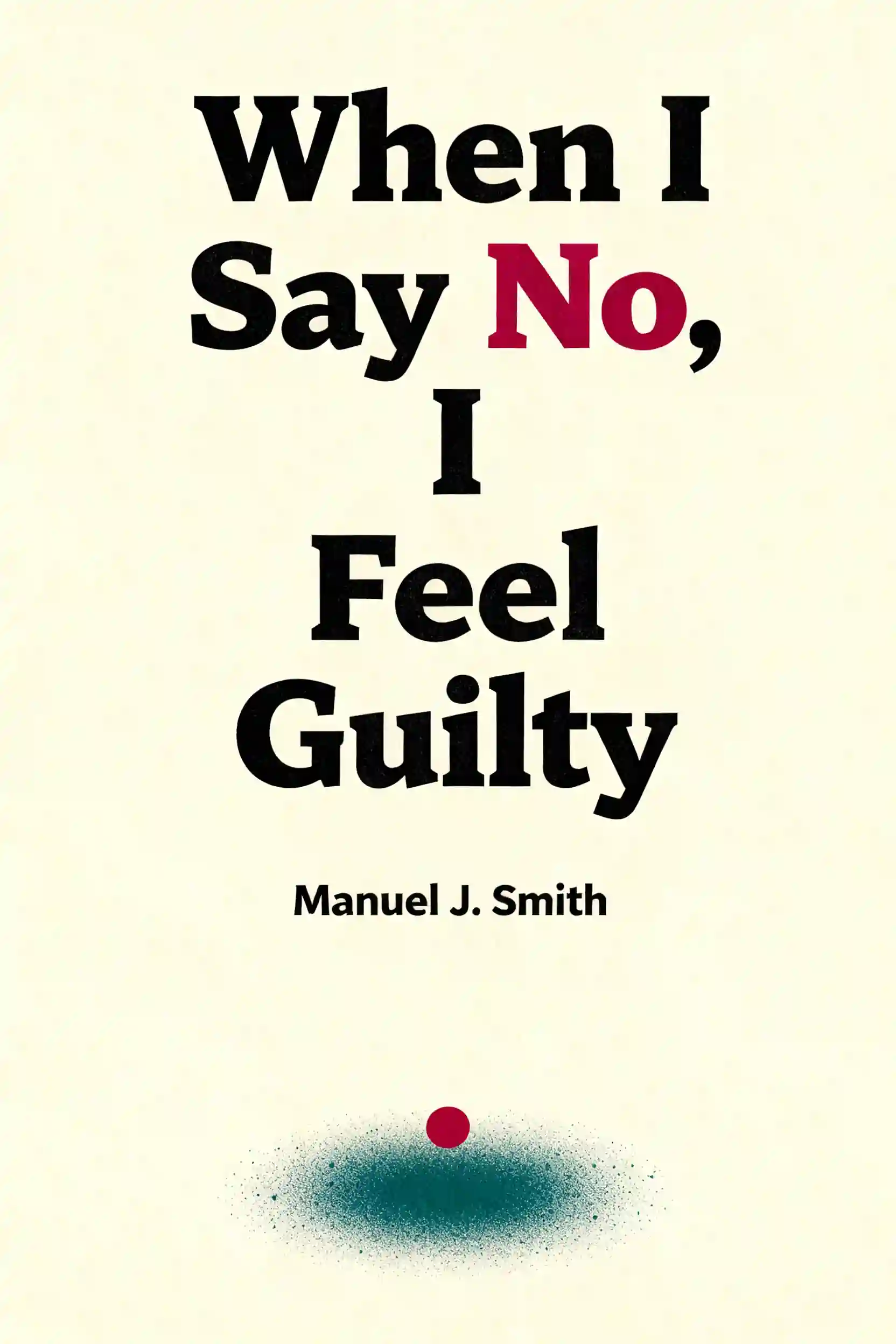
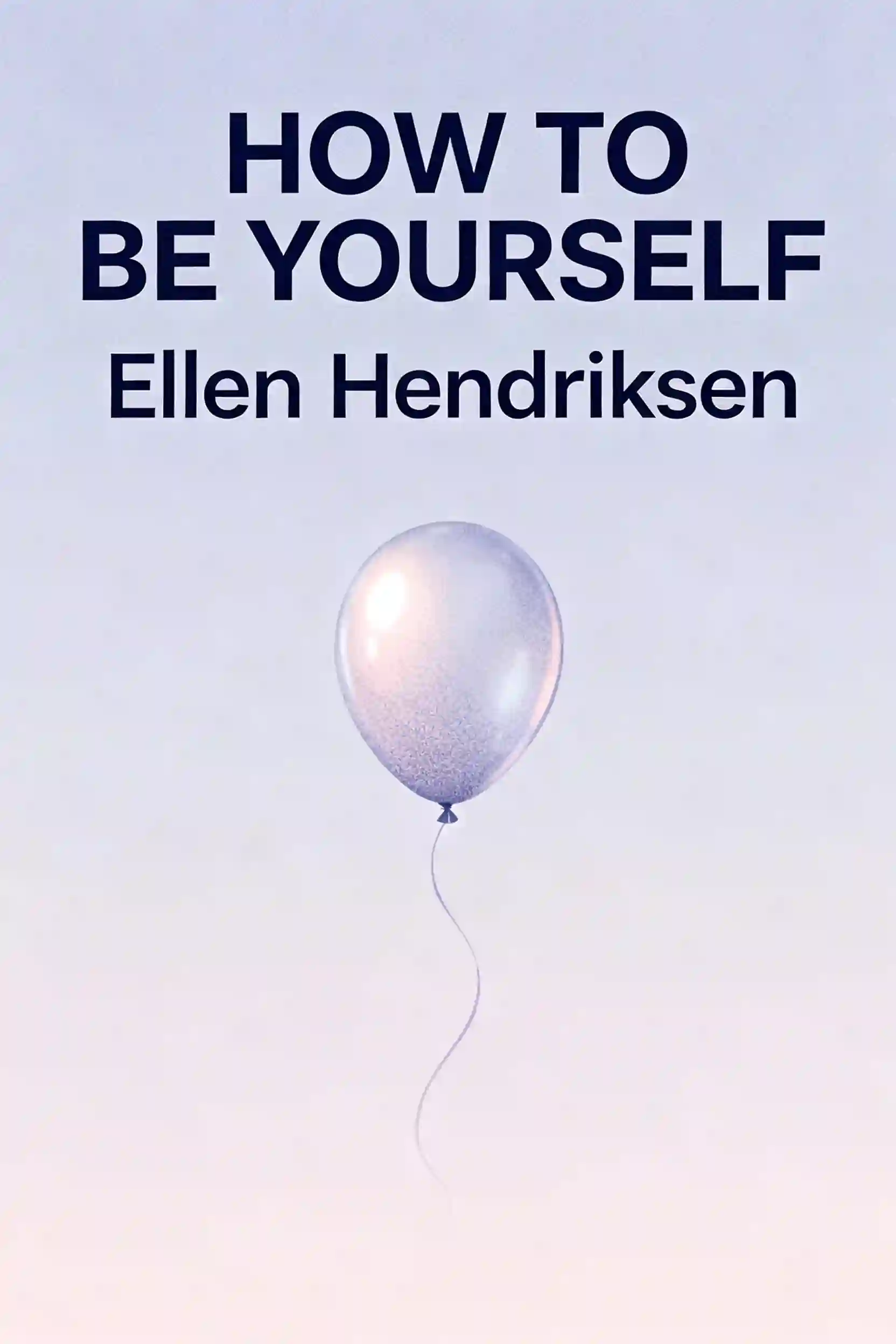
Frequently Asked Questions
This is known as a perception gap, supported by a 2022 study in the Journal of Personality which found that observers consistently rate quiet people as less warm. This misunderstanding occurs because while a quiet person is often highly engaged internally—processing information and synthesizing observations—their lack of constant outward validation can make others feel insecure. When people feel watched but not "joined" in social interaction, they often interpret that silence as a judgmental or "cold" stance rather than a different processing style.
Relational aggression refers to covert social tactics used to exclude or harm others, such as the silent treatment, eye-rolling, or "social gatekeeping." Research shows that these forms of social rejection are not just "typical drama"; they actually activate the same regions of the brain as physical pain. In social hierarchies, these behaviors are often used as status signals to distance the group from someone perceived as different, effectively using inclusion as a form of currency to maintain a "velvet ladder" of social rank.
Respect can be earned through "competence" and "micro-participation" rather than loudness. Instead of trying to dominate a conversation, an introvert can use their deep processing skills to act as a "Clarifier" or "Summarizer," dropping one well-timed, high-quality insight that shows they have been paying attention. This shatters the "invisible" stereotype by proving they are intellectually present. Additionally, using a "1-1-1 plan"—preparing one example, one question, and one concept ahead of time—allows a quiet person to contribute meaningfully on their own terms.
The most effective response is "polite indifference" or "emotional regulation." Since bullies often seek a reaction to gain power over your emotional state, responding with a calm, neutral word like "Interesting" can render their comment powerless. Another strategy is to "name the dynamic" by asking a direct, non-aggressive question such as, "That comment was pretty judgmental; why did you feel the need to say that?" This puts the "hot potato" back in their lap and signals that you are observant and unshakeable, rather than a vulnerable target.
From Columbia University alumni built in San Francisco
"Instead of endless scrolling, I just hit play on BeFreed. It saves me so much time."


"I never knew where to start with nonfiction—BeFreed’s book lists turned into podcasts gave me a clear path."


"Perfect balance between learning and entertainment. Finished ‘Thinking, Fast and Slow’ on my commute this week."
"Crazy how much I learned while walking the dog. BeFreed = small habits → big gains."
"Reading used to feel like a chore. Now it’s just part of my lifestyle."

"Feels effortless compared to reading. I’ve finished 6 books this month already."
"BeFreed turned my guilty doomscrolling into something that feels productive and inspiring."

"BeFreed turned my commute into learning time. 20-min podcasts are perfect for finishing books I never had time for."
"BeFreed replaced my podcast queue. Imagine Spotify for books — that’s it. 🙌"

"It is great for me to learn something from the book without reading it."
"The themed book list podcasts help me connect ideas across authors—like a guided audio journey."
"Makes me feel smarter every time before going to work"
 Ask ChatGPT
 Ask Claude
From Columbia University alumni built in San Francisco
"Instead of endless scrolling, I just hit play on BeFreed. It saves me so much time."
"I never knew where to start with nonfiction—BeFreed’s book lists turned into podcasts gave me a clear path."
"Perfect balance between learning and entertainment. Finished ‘Thinking, Fast and Slow’ on my commute this week."
"Crazy how much I learned while walking the dog. BeFreed = small habits → big gains."
"Reading used to feel like a chore. Now it’s just part of my lifestyle."
"Feels effortless compared to reading. I’ve finished 6 books this month already."
"BeFreed turned my guilty doomscrolling into something that feels productive and inspiring."
"BeFreed turned my commute into learning time. 20-min podcasts are perfect for finishing books I never had time for."
"BeFreed replaced my podcast queue. Imagine Spotify for books — that’s it. 🙌"
"It is great for me to learn something from the book without reading it."
"The themed book list podcasts help me connect ideas across authors—like a guided audio journey."
"Makes me feel smarter every time before going to work"
"Instead of endless scrolling, I just hit play on BeFreed. It saves me so much time."
"I never knew where to start with nonfiction—BeFreed’s book lists turned into podcasts gave me a clear path."
"Perfect balance between learning and entertainment. Finished ‘Thinking, Fast and Slow’ on my commute this week."
"Crazy how much I learned while walking the dog. BeFreed = small habits → big gains."
"Reading used to feel like a chore. Now it’s just part of my lifestyle."
"Feels effortless compared to reading. I’ve finished 6 books this month already."
"BeFreed turned my guilty doomscrolling into something that feels productive and inspiring."
"BeFreed turned my commute into learning time. 20-min podcasts are perfect for finishing books I never had time for."
"BeFreed replaced my podcast queue. Imagine Spotify for books — that’s it. 🙌"
"It is great for me to learn something from the book without reading it."
"The themed book list podcasts help me connect ideas across authors—like a guided audio journey."
"Makes me feel smarter every time before going to work"
"Instead of endless scrolling, I just hit play on BeFreed. It saves me so much time."
"I never knew where to start with nonfiction—BeFreed’s book lists turned into podcasts gave me a clear path."
"Perfect balance between learning and entertainment. Finished ‘Thinking, Fast and Slow’ on my commute this week."
"Crazy how much I learned while walking the dog. BeFreed = small habits → big gains."
"Reading used to feel like a chore. Now it’s just part of my lifestyle."
"Feels effortless compared to reading. I’ve finished 6 books this month already."
"BeFreed turned my guilty doomscrolling into something that feels productive and inspiring."
"BeFreed turned my commute into learning time. 20-min podcasts are perfect for finishing books I never had time for."
"BeFreed replaced my podcast queue. Imagine Spotify for books — that’s it. 🙌"
"It is great for me to learn something from the book without reading it."
"The themed book list podcasts help me connect ideas across authors—like a guided audio journey."
"Makes me feel smarter every time before going to work"