From Primates to People: Our Evolutionary Story
Explore the six-million-year journey of human evolution, from walking upright to building civilizations. Discover how language, cooperation, and other uniquely human traits emerged to shape our species.

Best quote from From Primates to People: Our Evolutionary Story
We are the first species in Earth's history that can consciously reflect on its own evolution and actively participate in directing its future development. That's both an incredible opportunity and an enormous responsibility.

This audio lesson was created by a BeFreed community member
Evolution of humans from primate ancestors to modern civilizations including analysis of specific human characteristics like language, cooperation, ownership, etc

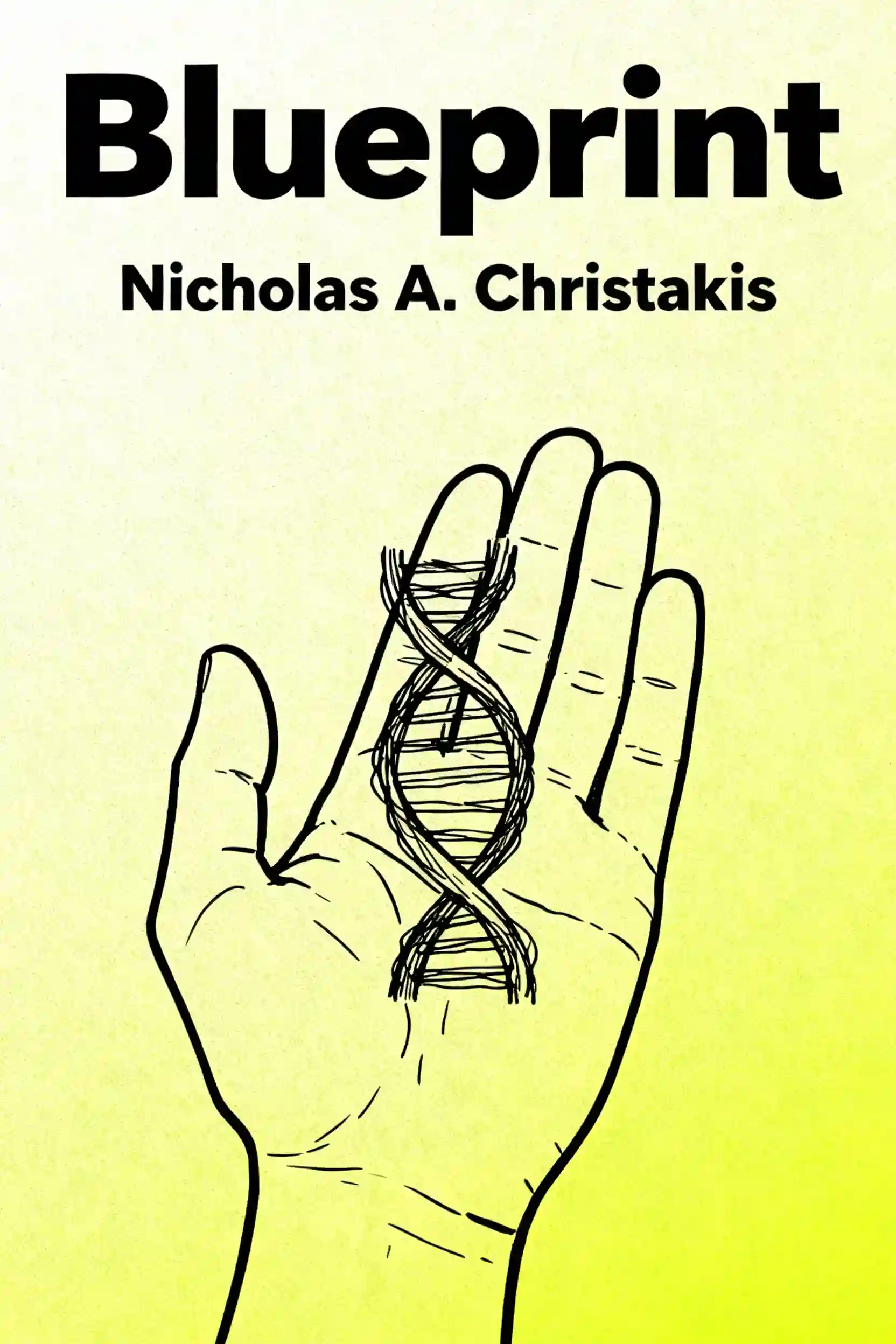
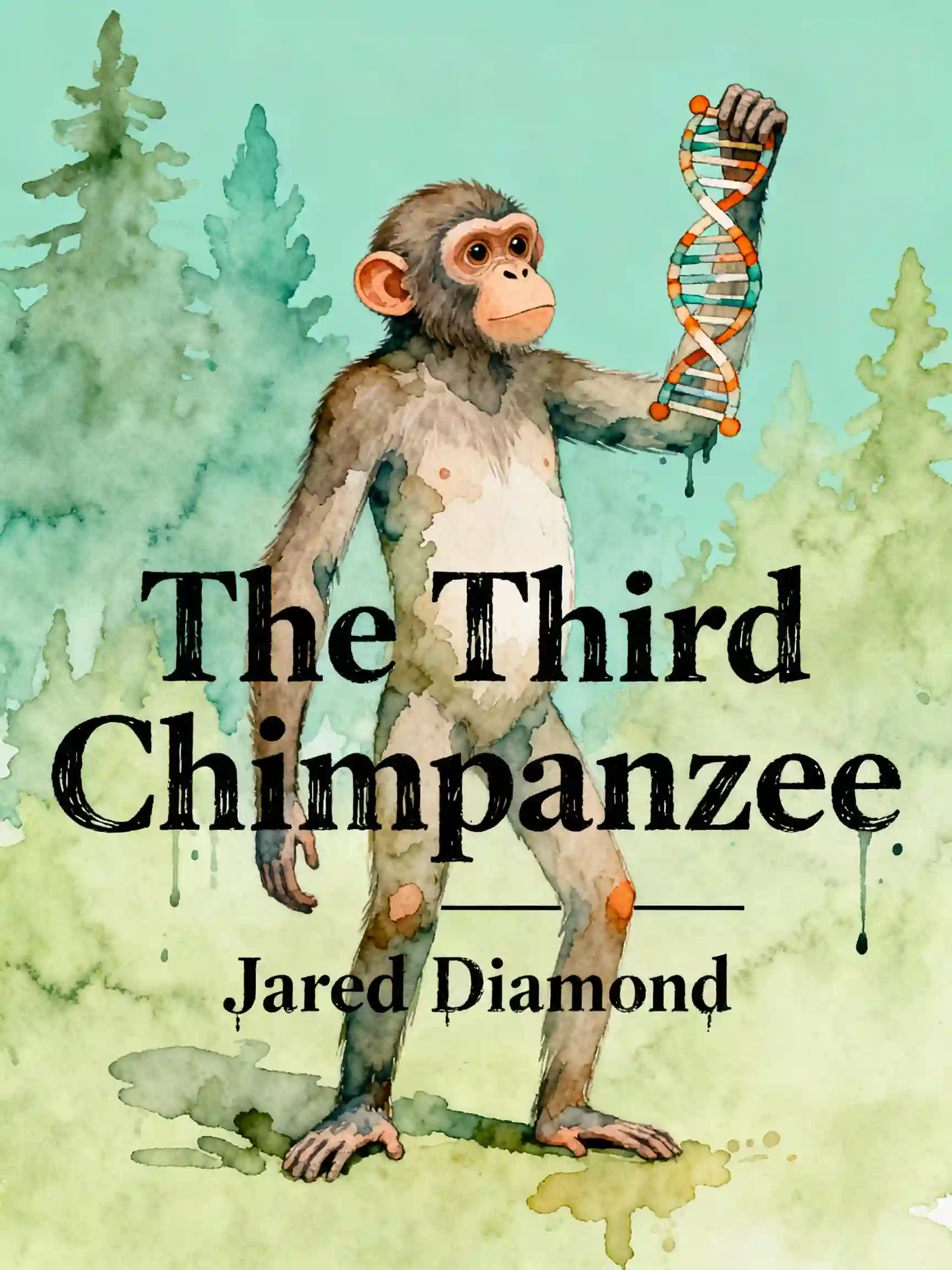
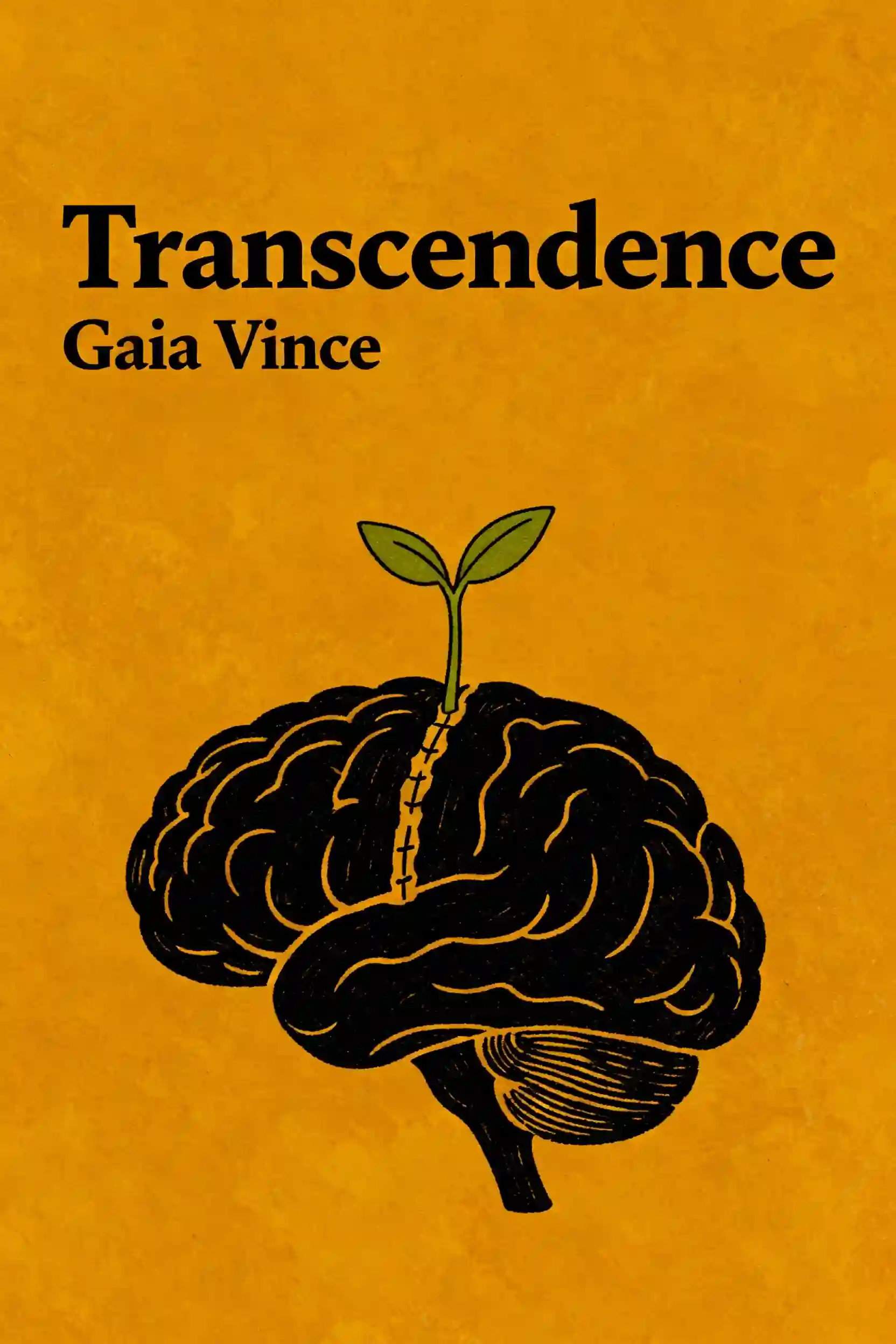
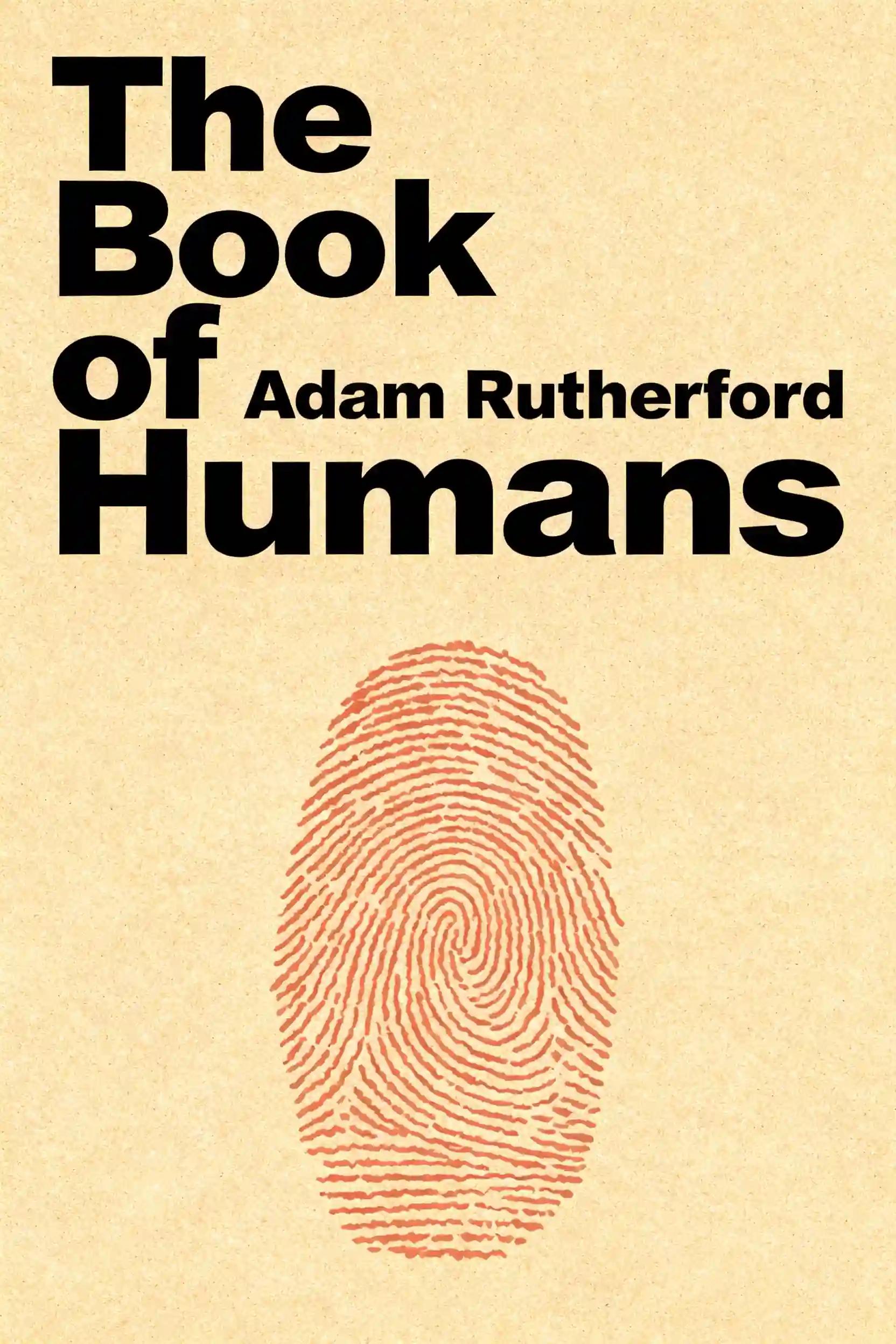
Discover more

The Human Journey: From Foragers to Global Citizens
This learning plan offers a comprehensive overview of human history, tracing our path from biological roots to modern industrial society. It is ideal for lifelong learners and students seeking to understand the historical forces and cultural shifts that shaped our current global civilization.

The Rise of Sapiens
This plan offers a profound look at the cognitive and structural shifts that defined humanity's trajectory. It is ideal for history enthusiasts and curious minds seeking to understand how collective beliefs and scientific breakthroughs shaped the modern world.

Explore Human Mind, Culture & History
This plan bridges the gap between biological evolution and cultural history to explain what truly makes us human. It is ideal for curious minds seeking to understand the intersection of neuroscience, anthropology, and sociology.

Evolutionary Psychology
This learning plan is essential for anyone seeking to understand the biological foundations of human behavior and why our ancient brains often clash with modern environments. It is particularly beneficial for students of psychology, marketers, and individuals interested in self-improvement and better decision-making.

The Evolution of the Built Environment
This learning plan provides a comprehensive overview of how human design has shaped our world across centuries. It is ideal for aspiring architects, history enthusiasts, and urban planners looking to understand the structural and spiritual evolution of our cities.

Explore global societal evolution over time
This comprehensive history curriculum is essential for anyone seeking to understand the forces that shaped our modern world and continue to influence contemporary society. It's perfect for curious learners who want context for current events, students building foundational knowledge, professionals in fields like policy or journalism, or anyone interested in humanity's remarkable journey. By examining patterns across millennia, you'll gain invaluable perspective on where we've been and insight into where we might be heading.

Dawn of the Ice Age Hunters
This plan offers a deep dive into the pivotal era when human survival evolved into sophisticated cultural expression. It is ideal for history enthusiasts and anthropology students eager to understand how Ice Age innovations laid the groundwork for modern civilization.

History
This learning plan equips you with essential frameworks for understanding how humanity arrived at our current moment and where we might be headed. It's ideal for anyone seeking to make sense of current events, develop critical thinking skills, or simply understand the forces that have shaped human civilization across millennia.
From Columbia University alumni built in San Francisco
"Instead of endless scrolling, I just hit play on BeFreed. It saves me so much time."


"I never knew where to start with nonfiction—BeFreed’s book lists turned into podcasts gave me a clear path."


"Perfect balance between learning and entertainment. Finished ‘Thinking, Fast and Slow’ on my commute this week."
"Crazy how much I learned while walking the dog. BeFreed = small habits → big gains."
"Reading used to feel like a chore. Now it’s just part of my lifestyle."

"Feels effortless compared to reading. I’ve finished 6 books this month already."
"BeFreed turned my guilty doomscrolling into something that feels productive and inspiring."

"BeFreed turned my commute into learning time. 20-min podcasts are perfect for finishing books I never had time for."
"BeFreed replaced my podcast queue. Imagine Spotify for books — that’s it. 🙌"

"It is great for me to learn something from the book without reading it."
"The themed book list podcasts help me connect ideas across authors—like a guided audio journey."
"Makes me feel smarter every time before going to work"
From Columbia University alumni built in San Francisco
"Instead of endless scrolling, I just hit play on BeFreed. It saves me so much time."
"I never knew where to start with nonfiction—BeFreed’s book lists turned into podcasts gave me a clear path."
"Perfect balance between learning and entertainment. Finished ‘Thinking, Fast and Slow’ on my commute this week."
"Crazy how much I learned while walking the dog. BeFreed = small habits → big gains."
"Reading used to feel like a chore. Now it’s just part of my lifestyle."
"Feels effortless compared to reading. I’ve finished 6 books this month already."
"BeFreed turned my guilty doomscrolling into something that feels productive and inspiring."
"BeFreed turned my commute into learning time. 20-min podcasts are perfect for finishing books I never had time for."
"BeFreed replaced my podcast queue. Imagine Spotify for books — that’s it. 🙌"
"It is great for me to learn something from the book without reading it."
"The themed book list podcasts help me connect ideas across authors—like a guided audio journey."
"Makes me feel smarter every time before going to work"
"Instead of endless scrolling, I just hit play on BeFreed. It saves me so much time."
"I never knew where to start with nonfiction—BeFreed’s book lists turned into podcasts gave me a clear path."
"Perfect balance between learning and entertainment. Finished ‘Thinking, Fast and Slow’ on my commute this week."
"Crazy how much I learned while walking the dog. BeFreed = small habits → big gains."
"Reading used to feel like a chore. Now it’s just part of my lifestyle."
"Feels effortless compared to reading. I’ve finished 6 books this month already."
"BeFreed turned my guilty doomscrolling into something that feels productive and inspiring."
"BeFreed turned my commute into learning time. 20-min podcasts are perfect for finishing books I never had time for."
"BeFreed replaced my podcast queue. Imagine Spotify for books — that’s it. 🙌"
"It is great for me to learn something from the book without reading it."
"The themed book list podcasts help me connect ideas across authors—like a guided audio journey."
"Makes me feel smarter every time before going to work"
"Instead of endless scrolling, I just hit play on BeFreed. It saves me so much time."
"I never knew where to start with nonfiction—BeFreed’s book lists turned into podcasts gave me a clear path."
"Perfect balance between learning and entertainment. Finished ‘Thinking, Fast and Slow’ on my commute this week."
"Crazy how much I learned while walking the dog. BeFreed = small habits → big gains."
"Reading used to feel like a chore. Now it’s just part of my lifestyle."
"Feels effortless compared to reading. I’ve finished 6 books this month already."
"BeFreed turned my guilty doomscrolling into something that feels productive and inspiring."
"BeFreed turned my commute into learning time. 20-min podcasts are perfect for finishing books I never had time for."
"BeFreed replaced my podcast queue. Imagine Spotify for books — that’s it. 🙌"
"It is great for me to learn something from the book without reading it."
"The themed book list podcasts help me connect ideas across authors—like a guided audio journey."
"Makes me feel smarter every time before going to work"