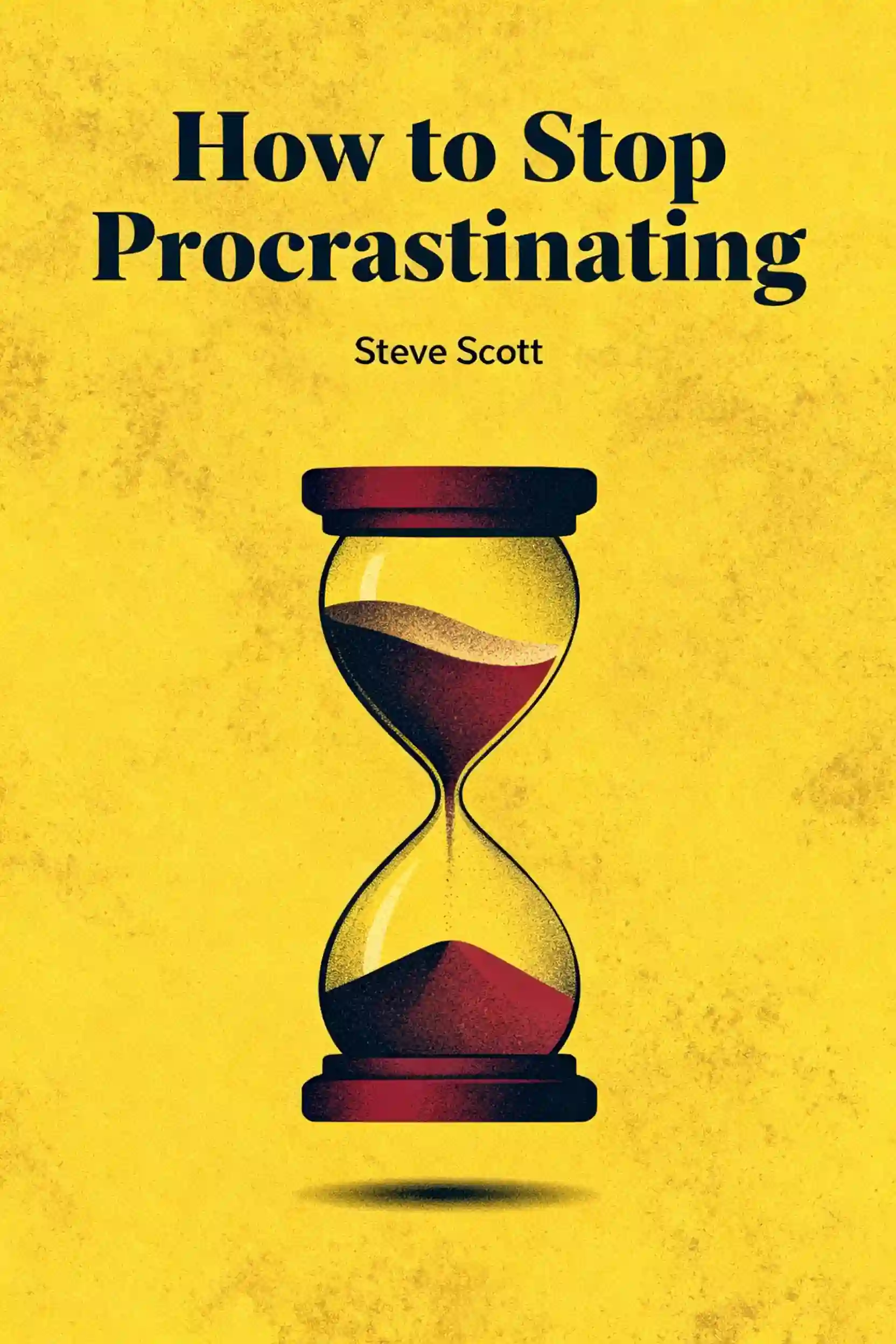
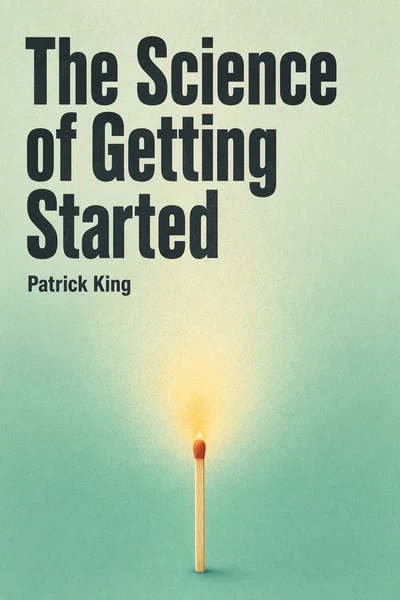
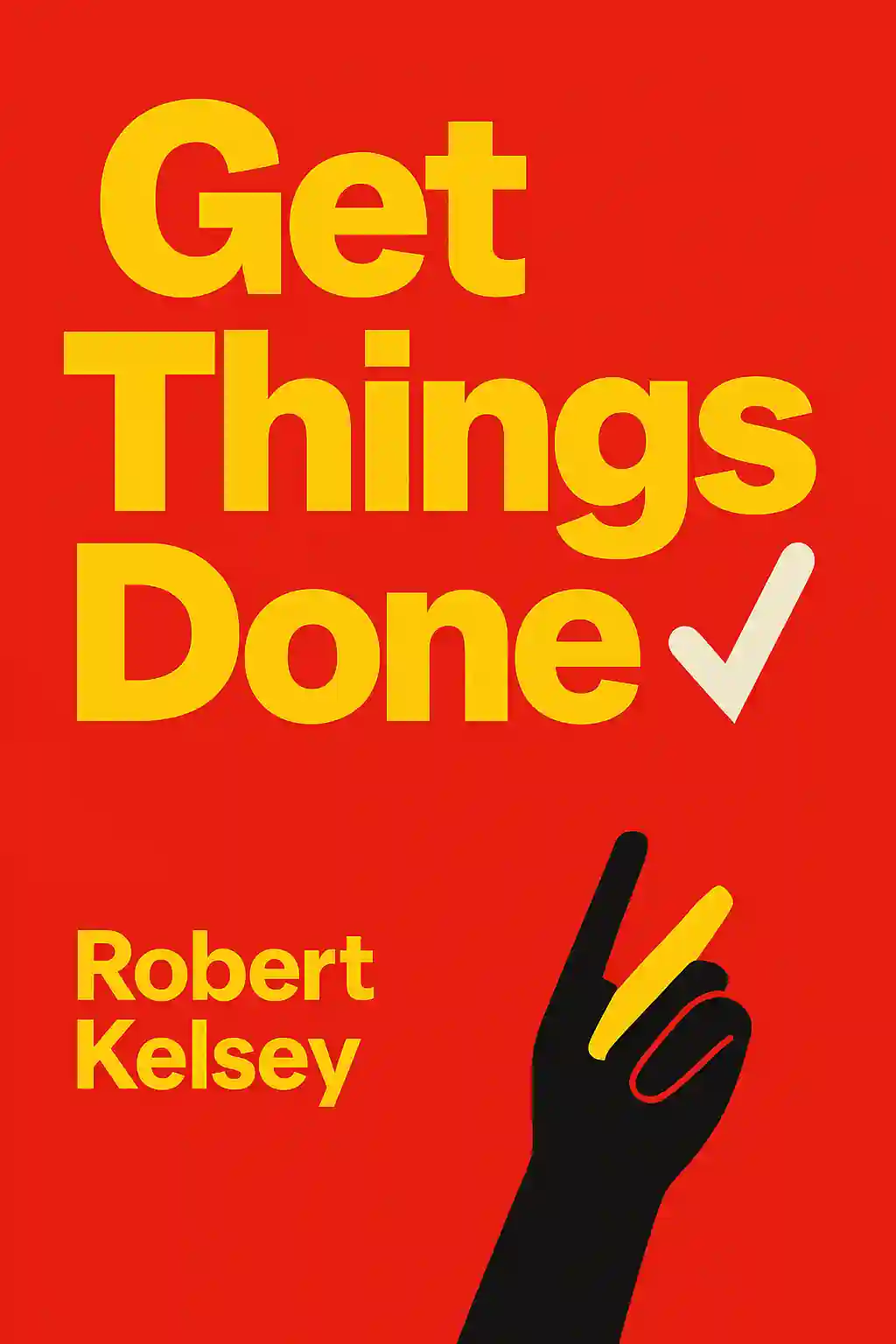
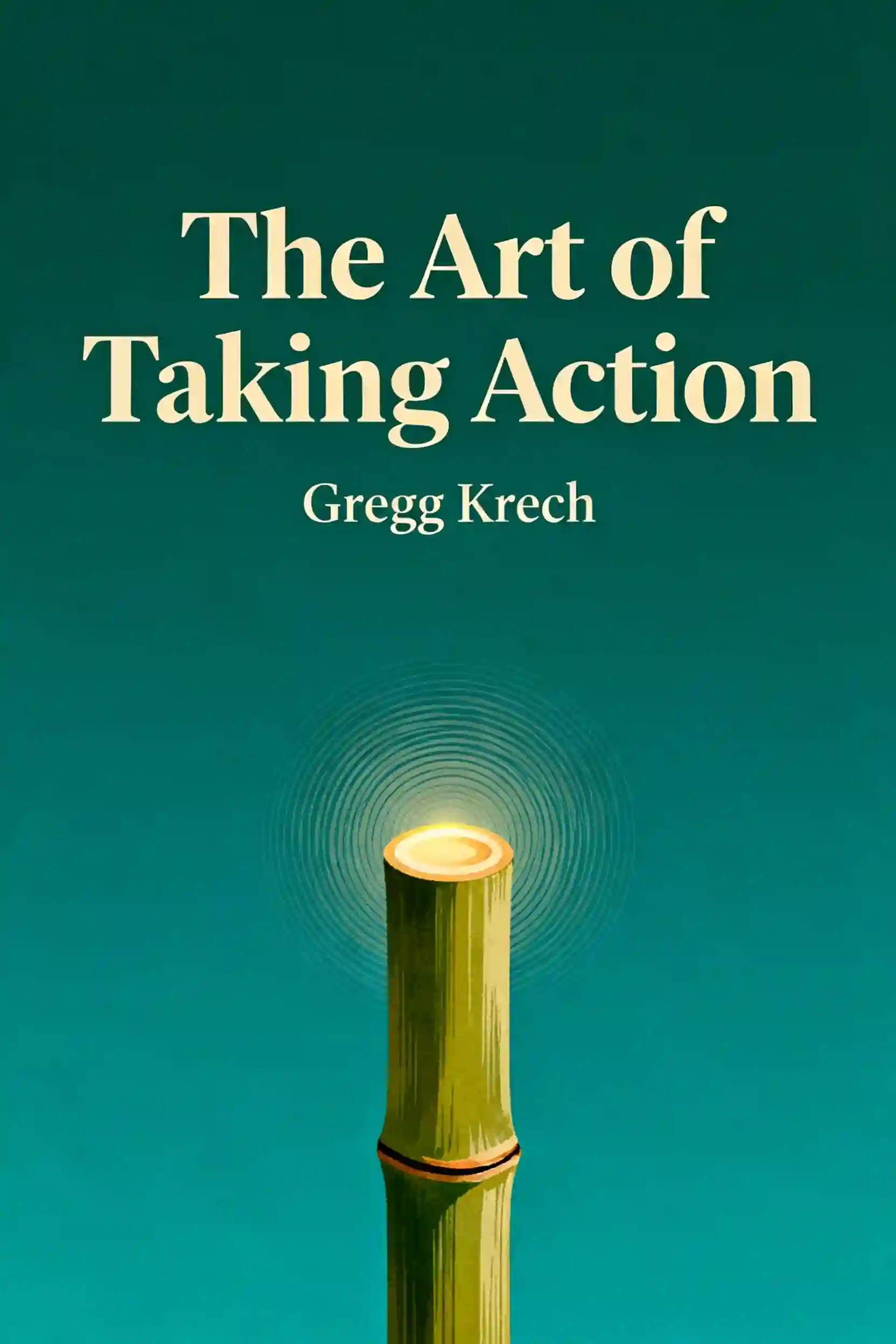
Struggling to finish your tasks? Learn why your brain resists your to-do list and how to use simple systems to bridge the gap between intent and action.
Best quote from Follow through on your to-do list more consistently
“
Procrastination isn't about being bad at managing time—it’s about being overwhelmed by the negative emotions a task triggers. You don't have to love the task; you just have to lower the 'threat level' so your brain stops running away.
”
Y
Generated by Yamz
Input question
how to follow through with my to do lists
Host voices
Nia
Blythe
Knowledge sources
Frequently Asked Questions
According to the script, your brain does not view a to-do list as a simple set of logistical tasks; instead, the limbic system often perceives large or vague tasks as a threat. When you face a daunting project, the brain's pain centers, such as the insula cortex, can actually light up. This triggers a "mood repair" response where you instinctively reach for distractions like social media or coffee to find short-term relief from the physiological discomfort caused by the task.
The Two-Minute Rule suggests that any new habit or daunting task should be scaled down to something that takes less than two minutes to start. The goal is to master the "art of showing up" by creating a gateway habit, such as putting on running shoes instead of committing to a full run. This works because it lowers the "activation energy" required to begin; once you are in motion, Newton’s First Law of Motion applies to the brain, making it much easier to continue the work than it was to start it.
Implementation Intention is a strategy that replaces vague goals with highly specific "If-Then" plans. Research mentioned in the script shows that people who define exactly when, where, and how they will act are two to three times more likely to follow through. By deciding in advance that "If it is 7:00 PM at the kitchen table, then I will research three hotels," you remove the cognitive burden of decision-making in the moment, making the action feel pre-loaded and automatic.
Self-compassion is essential because procrastination is an issue of emotion regulation rather than a lack of willpower. When you criticize yourself harshly for procrastinating, you create negative emotions like shame and anxiety, which triggers the brain to seek further distractions for "mood repair." By practicing self-forgiveness, you lower your stress hormones and allow the logical prefrontal cortex to stay in charge, making it easier to get back on track without falling into a "shame spiral."
Environment Design is the practice of organizing your surroundings to make good habits have zero friction and bad habits have high friction. Since willpower is limited, it is more effective to change your environment—such as putting your phone in another room or placing a journal on top of the coffee maker. By making distractions just annoying enough to access and making desired tasks the path of least resistance, you reduce the constant need for self-control.
From Columbia University alumni | built in San Francisco
BeFreed Brings Together A Global Community Of Curious Minds
4.7
avg rating
7.84k+ App Rating
BeFreed Community
Seriously I haven’t even explored this app fully yet but from using it the last few days I am so impressed... BeFreed is on a different level from any other learning app I have used. This makes it ultra engaging and can actually improve your concentration which is great for all the doom scrollers!
@ladyInfinity
I bought BeFreed exactly 23 days ago, and I have used it every single day since. It has completely embedded itself into my daily workflow and learning habit.
@jayallen
The truth is, the app has exceeded all my expectations. I can ask it to generate audio on any topic, whatever it may be, and the result is impressive. My professional field is a specialization in psychotherapy and it is multidisciplinary; however, the answers are very accurate.
@Raguipa
What I appreciate most is how much it's reduced my scrolling – I'm spending less time searching and more time absorbing information. The combination of full audiobooks, podcasts, the learning plans are brilliant.
@colonyofcreatorsNGO
I have been a PhotoReading Accelerated Learning Instructor for the past 24 years... books and reading and learning are my thing, and BeFreed has done a great job in providing an innovative approach to disseminating and delivering information in an easy to consume way.
@BeFreed user
It is not just a book summary app, I have used the 'fun reading' option and it's a much better summary and way to grasp ideas the traditional way, that alone is worth this deal.
@austinakon
I love this app. Used it for several days and I cannot stop listening. Such a great way to start.
@jcrules328
I really like the program; I have already tested it for around one month, and I feel that it's an amazing gem. It works so well because I can use BeFreed to create my own topics, and the voice is so good with unlimited choice of narrations.
@DanielCZ
Seriously I haven’t even explored this app fully yet but from using it the last few days I am so impressed... BeFreed is on a different level from any other learning app I have used. This makes it ultra engaging and can actually improve your concentration which is great for all the doom scrollers!
@ladyInfinity
I bought BeFreed exactly 23 days ago, and I have used it every single day since. It has completely embedded itself into my daily workflow and learning habit.
@jayallen
The truth is, the app has exceeded all my expectations. I can ask it to generate audio on any topic, whatever it may be, and the result is impressive. My professional field is a specialization in psychotherapy and it is multidisciplinary; however, the answers are very accurate.
@Raguipa
What I appreciate most is how much it's reduced my scrolling – I'm spending less time searching and more time absorbing information. The combination of full audiobooks, podcasts, the learning plans are brilliant.
@colonyofcreatorsNGO
I have been a PhotoReading Accelerated Learning Instructor for the past 24 years... books and reading and learning are my thing, and BeFreed has done a great job in providing an innovative approach to disseminating and delivering information in an easy to consume way.
@BeFreed user
It is not just a book summary app, I have used the 'fun reading' option and it's a much better summary and way to grasp ideas the traditional way, that alone is worth this deal.
@austinakon
I love this app. Used it for several days and I cannot stop listening. Such a great way to start.
@jcrules328
I really like the program; I have already tested it for around one month, and I feel that it's an amazing gem. It works so well because I can use BeFreed to create my own topics, and the voice is so good with unlimited choice of narrations.
@DanielCZ
I love the fact that I can get useful, condensed, information and ideas in a 8 - 15 minute podcast style audio. I'm not a general fan of podcasts because of all the fluff, but this cuts through all that.
@BeFreed user
I am finishing up my doctorate, and have to read a lot of unfamiliar material... With BeFreed, you simply enter a prompt, and the app finds source material for you and generates an audio podcast. I find the process in BeFreed to be more streamlined than NotebookLM.
@Brad
I often search YouTube for something to listen to whilst making breakfast, when I'm out walking, commuting, etc, and BeFreed has provided an even more targeted approach, without the adverts and the fluff!
@BeFreed user
The absolute best part about this platform is its versatility. There is literally no subject that is off-topic. It handles whatever you throw at it... It is rare to find an learning tool with zero limitations that actually delivers on its promises.
@jayallen
BeFreed is fantastic. The user-friendly design means I spend less time navigating and more time learning. The mix of audiobooks, podcasts, and learning plans is a genius combo that has completely changed my daily routine.
@BeFreed user
At the start I needed a while to understand how to create podcasts in italian language and boom! It is so great! I can ask to explain every argument and it does so well and so smartly!
@matteo77
BeFreed has become my daily app for audio books tools... What I like the most is the way you put your text and come with an audio that you can listen on the go.
@kotanzu1
I love the fact that I can get useful, condensed, information and ideas in a 8 - 15 minute podcast style audio. I'm not a general fan of podcasts because of all the fluff, but this cuts through all that.
@BeFreed user
I am finishing up my doctorate, and have to read a lot of unfamiliar material... With BeFreed, you simply enter a prompt, and the app finds source material for you and generates an audio podcast. I find the process in BeFreed to be more streamlined than NotebookLM.
@Brad
I often search YouTube for something to listen to whilst making breakfast, when I'm out walking, commuting, etc, and BeFreed has provided an even more targeted approach, without the adverts and the fluff!
@BeFreed user
The absolute best part about this platform is its versatility. There is literally no subject that is off-topic. It handles whatever you throw at it... It is rare to find an learning tool with zero limitations that actually delivers on its promises.
@jayallen
BeFreed is fantastic. The user-friendly design means I spend less time navigating and more time learning. The mix of audiobooks, podcasts, and learning plans is a genius combo that has completely changed my daily routine.
@BeFreed user
At the start I needed a while to understand how to create podcasts in italian language and boom! It is so great! I can ask to explain every argument and it does so well and so smartly!
@matteo77
BeFreed has become my daily app for audio books tools... What I like the most is the way you put your text and come with an audio that you can listen on the go.
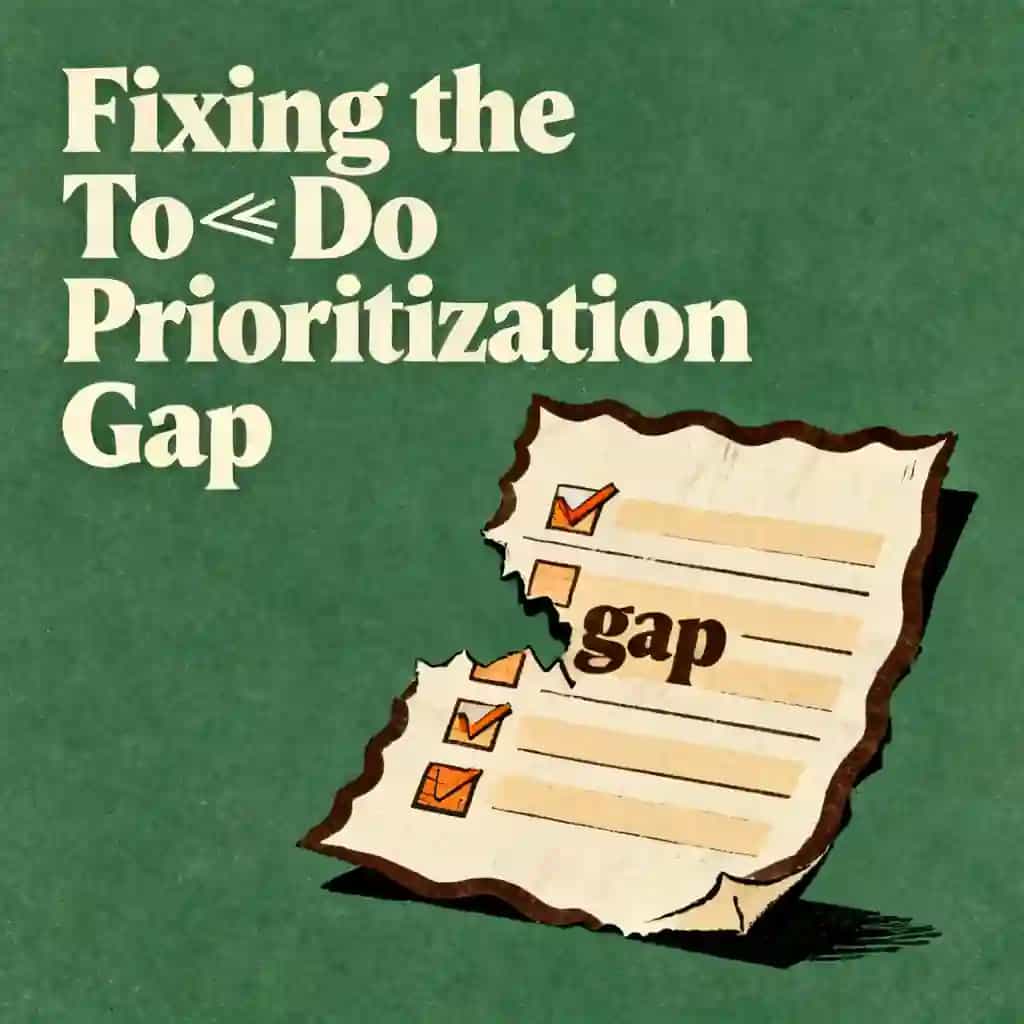
Struggling with a never-ending to-do list? Learn why time management isn't enough and how to escape the urgency trap to focus on what actually matters.
When work and life admin pile up, our brains prioritize urgency over importance. Learn to overcome cognitive overload and turn your list into progress.
To-do lists show you what to do, but not when to do it. Learn how to schedule tasks into a calendar to boost productivity and build a plan that sticks.
Struggling with a never-ending to-do list? Learn why your brain freezes under stress and how small pockets of stillness can help you reclaim your focus.