Fighting Your Way to Deeper Love
Discover why couples who never fight miss out on intimacy and learn research-backed strategies to transform conflict into connection with your boyfriend.

Best quote from Fighting Your Way to Deeper Love
Conflict doesn't have to be the enemy of intimacy—it can actually be the pathway to deeper connection when you approach it with curiosity, care, and a commitment to understanding each other.

This audio lesson was created by a BeFreed community member
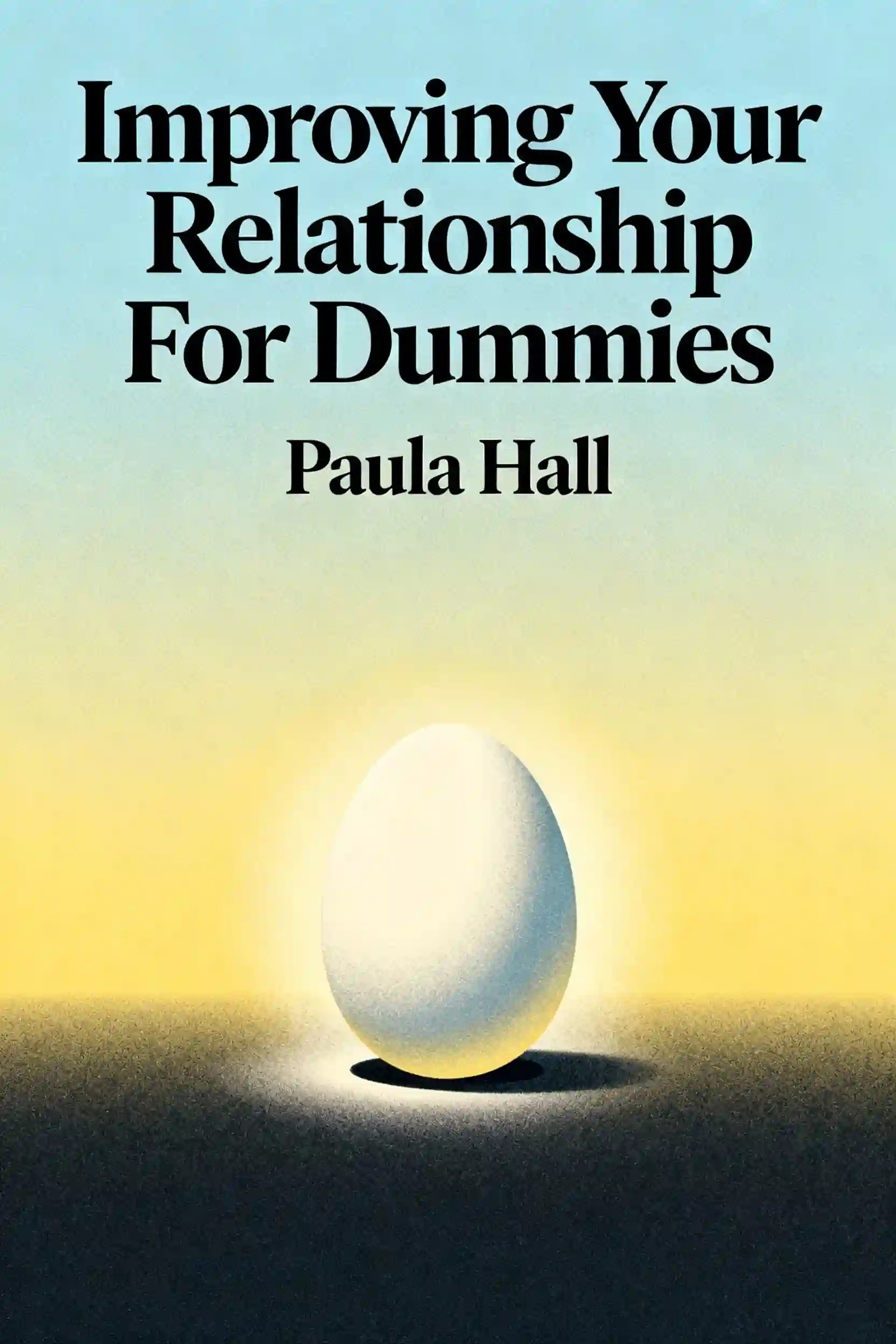
How to work on improving communication and conflict in your relationship with your boyfriend

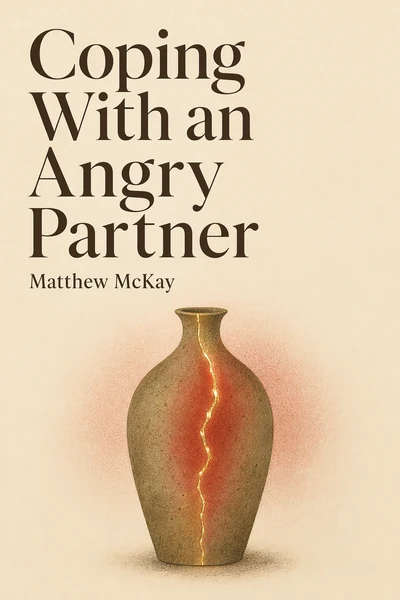
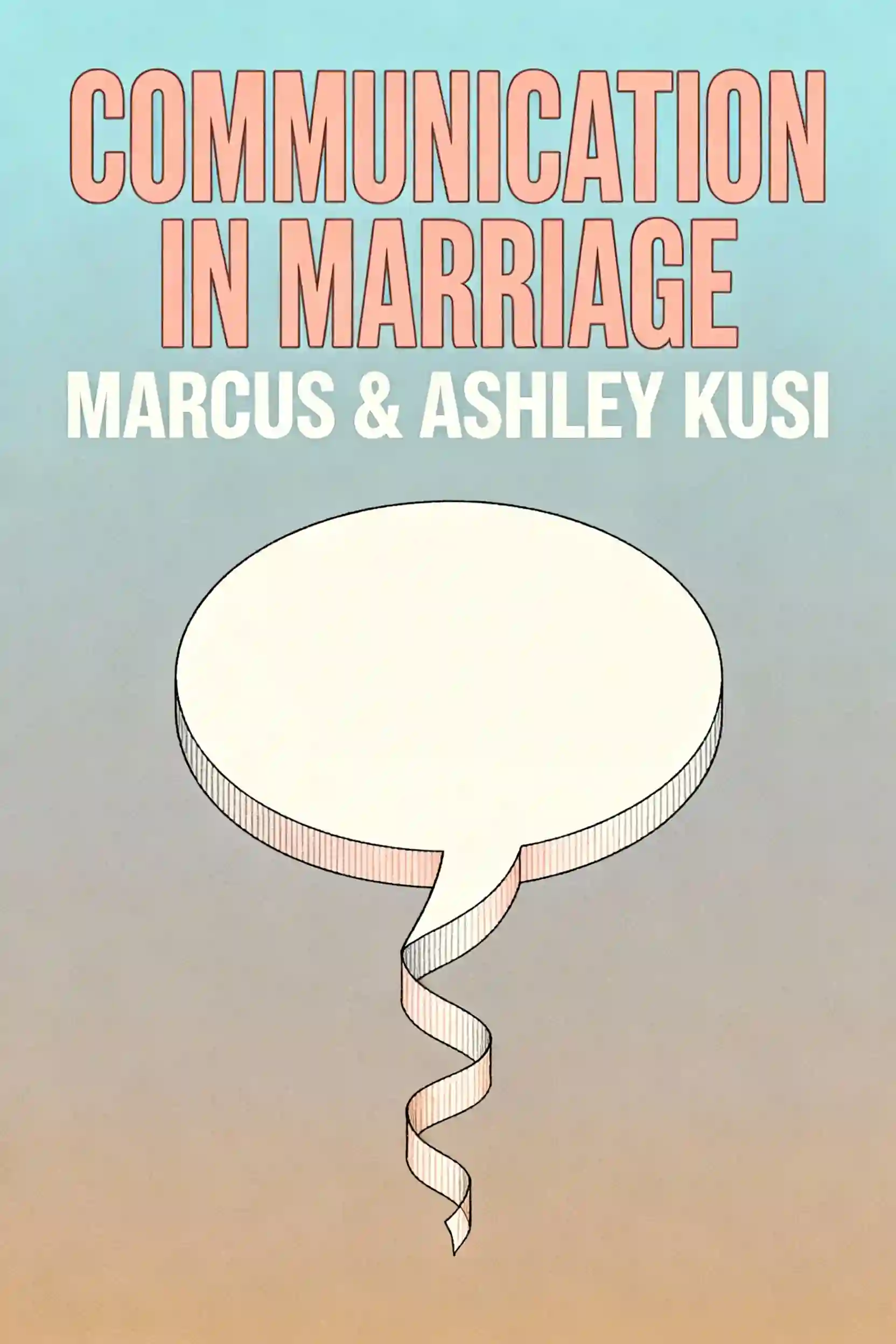
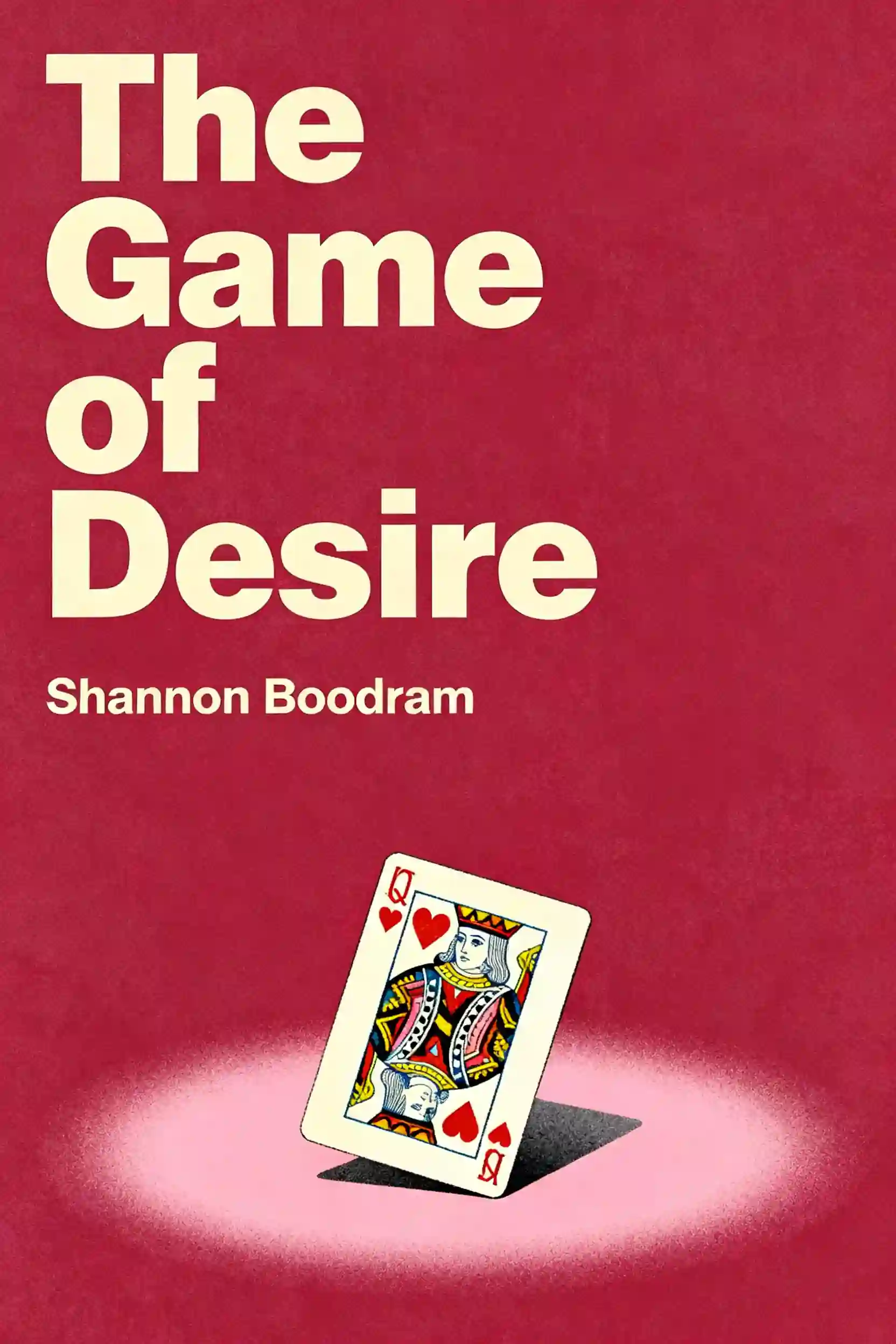
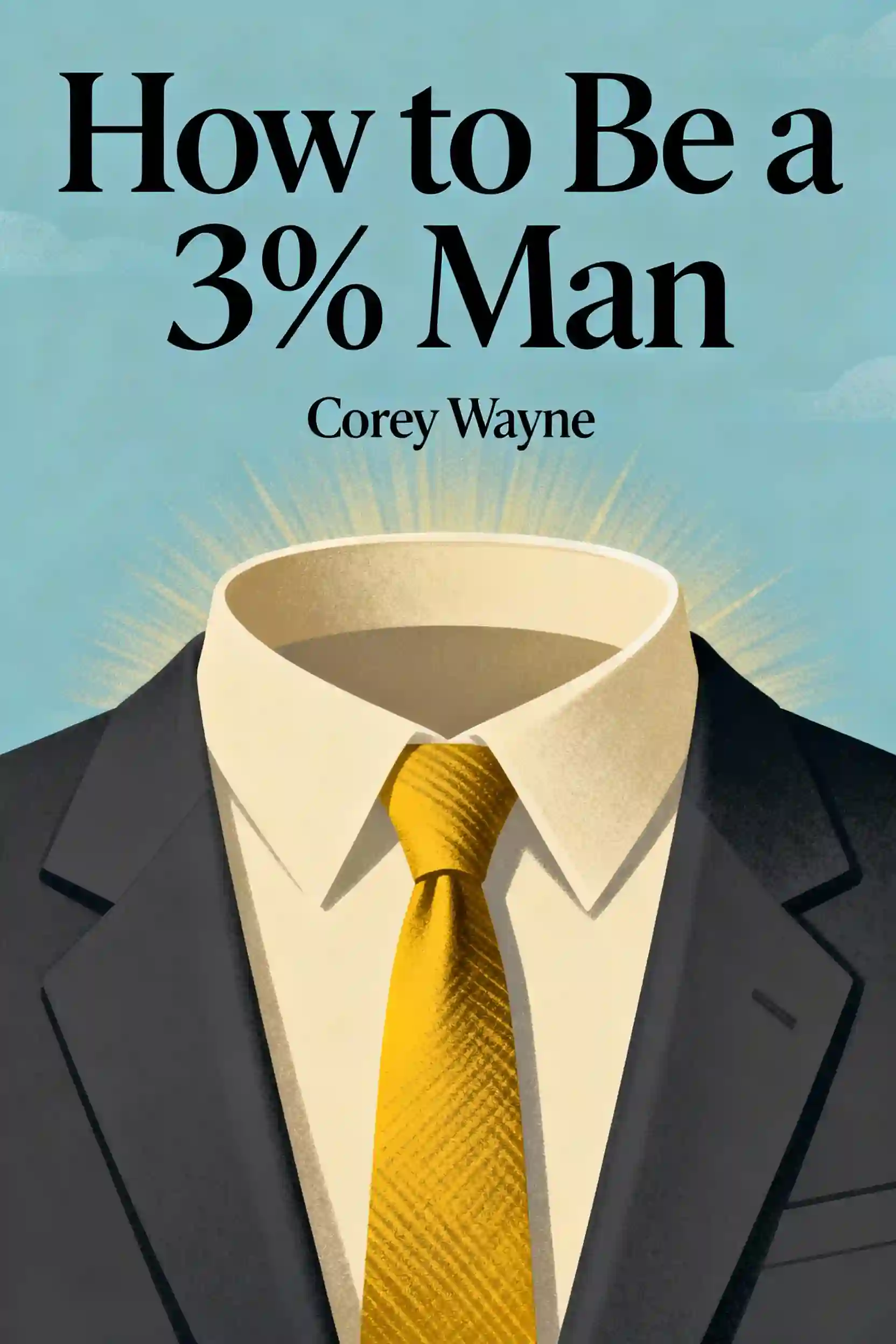
Discover more
Stop Fighting and Start Connecting
Conflict is inevitable in relationships, but how we handle it determines whether it damages or strengthens our connections. This learning plan provides practical tools for anyone struggling with recurring arguments, communication breakdowns, or the desire to build more authentic and resilient relationships.

Restore intimacy and affection in marriage
This plan is essential for couples feeling disconnected or stuck in cycles of conflict. It offers a science-based roadmap for those ready to move past surface-level interactions toward a deeply secure and passionate partnership.

Deepen Bond & Love with Fiancé
This learning plan is designed for engaged couples who want to move beyond wedding planning to build a resilient, lifelong partnership. It provides the psychological tools and practical rituals necessary to transition from a fiancé to a deeply connected spouse.

Deepen intimacy and emotional connection
This learning plan is designed for individuals and couples seeking to move beyond surface-level interactions and build profound, lasting bonds. It combines psychological insights with practical communication tools to help anyone overcome emotional barriers and foster authentic intimacy.

Build a Deep, Lasting & Healthy Relationship
This plan is essential for individuals and couples seeking to move beyond surface-level interactions toward a secure, science-based partnership. It is ideal for anyone looking to break negative cycles and master the practical skills required for a resilient, lifelong connection.

Bridge the Gap in Your Relationship
Many couples struggle because they react to physiological stress rather than the actual issue at hand. This plan is ideal for partners looking to break toxic argument cycles by understanding the biological and emotional mechanics of conflict.

Grow Together: The Science of Lasting Connection
This plan is essential for couples or individuals looking to move beyond surface-level romance toward a resilient, science-based partnership. It is ideal for those seeking practical habits to navigate conflict and build lasting emotional intimacy.
Rebuild marriage connection and intimacy
This plan is designed for couples seeking to move beyond surface-level interactions and rediscover their spark. It provides a science-backed framework for partners who want to replace repetitive conflict with genuine emotional security and lasting intimacy.
From Columbia University alumni built in San Francisco
"Instead of endless scrolling, I just hit play on BeFreed. It saves me so much time."


"I never knew where to start with nonfiction—BeFreed’s book lists turned into podcasts gave me a clear path."


"Perfect balance between learning and entertainment. Finished ‘Thinking, Fast and Slow’ on my commute this week."
"Crazy how much I learned while walking the dog. BeFreed = small habits → big gains."
"Reading used to feel like a chore. Now it’s just part of my lifestyle."

"Feels effortless compared to reading. I’ve finished 6 books this month already."
"BeFreed turned my guilty doomscrolling into something that feels productive and inspiring."

"BeFreed turned my commute into learning time. 20-min podcasts are perfect for finishing books I never had time for."
"BeFreed replaced my podcast queue. Imagine Spotify for books — that’s it. 🙌"

"It is great for me to learn something from the book without reading it."
"The themed book list podcasts help me connect ideas across authors—like a guided audio journey."
"Makes me feel smarter every time before going to work"
From Columbia University alumni built in San Francisco
"Instead of endless scrolling, I just hit play on BeFreed. It saves me so much time."
"I never knew where to start with nonfiction—BeFreed’s book lists turned into podcasts gave me a clear path."
"Perfect balance between learning and entertainment. Finished ‘Thinking, Fast and Slow’ on my commute this week."
"Crazy how much I learned while walking the dog. BeFreed = small habits → big gains."
"Reading used to feel like a chore. Now it’s just part of my lifestyle."
"Feels effortless compared to reading. I’ve finished 6 books this month already."
"BeFreed turned my guilty doomscrolling into something that feels productive and inspiring."
"BeFreed turned my commute into learning time. 20-min podcasts are perfect for finishing books I never had time for."
"BeFreed replaced my podcast queue. Imagine Spotify for books — that’s it. 🙌"
"It is great for me to learn something from the book without reading it."
"The themed book list podcasts help me connect ideas across authors—like a guided audio journey."
"Makes me feel smarter every time before going to work"
"Instead of endless scrolling, I just hit play on BeFreed. It saves me so much time."
"I never knew where to start with nonfiction—BeFreed’s book lists turned into podcasts gave me a clear path."
"Perfect balance between learning and entertainment. Finished ‘Thinking, Fast and Slow’ on my commute this week."
"Crazy how much I learned while walking the dog. BeFreed = small habits → big gains."
"Reading used to feel like a chore. Now it’s just part of my lifestyle."
"Feels effortless compared to reading. I’ve finished 6 books this month already."
"BeFreed turned my guilty doomscrolling into something that feels productive and inspiring."
"BeFreed turned my commute into learning time. 20-min podcasts are perfect for finishing books I never had time for."
"BeFreed replaced my podcast queue. Imagine Spotify for books — that’s it. 🙌"
"It is great for me to learn something from the book without reading it."
"The themed book list podcasts help me connect ideas across authors—like a guided audio journey."
"Makes me feel smarter every time before going to work"
"Instead of endless scrolling, I just hit play on BeFreed. It saves me so much time."
"I never knew where to start with nonfiction—BeFreed’s book lists turned into podcasts gave me a clear path."
"Perfect balance between learning and entertainment. Finished ‘Thinking, Fast and Slow’ on my commute this week."
"Crazy how much I learned while walking the dog. BeFreed = small habits → big gains."
"Reading used to feel like a chore. Now it’s just part of my lifestyle."
"Feels effortless compared to reading. I’ve finished 6 books this month already."
"BeFreed turned my guilty doomscrolling into something that feels productive and inspiring."
"BeFreed turned my commute into learning time. 20-min podcasts are perfect for finishing books I never had time for."
"BeFreed replaced my podcast queue. Imagine Spotify for books — that’s it. 🙌"
"It is great for me to learn something from the book without reading it."
"The themed book list podcasts help me connect ideas across authors—like a guided audio journey."
"Makes me feel smarter every time before going to work"