How to Make Up After a Fight With Your Fiance: Relationship Advice

How to make up after a fight with your fiancé: episode overview
Navigating disagreements during your engagement can be challenging, but it is also an opportunity to strengthen your relationship foundation. This BeFreed audio episode explores how to make up after a fight with your fiancé by focusing on healthy communication, active listening, and mutual empathy. We discuss how to step away when heated, the right way to apologize, and strategies for moving past the conflict constructively.
Create Your Podcast in a Click
Generated by Rusty James
Input question
How do I make up after a fight with fiance
Host voices

What you'll learn about conflict resolution for engaged couples
- 1
The Heavy Silence After the Storm
 00:0000:00
Lena: Hey everyone. I’m so glad you’re here with us today because we’re diving into something that is—honestly—just plain exhausting. You know that specific, heavy feeling in your chest after a massive fight with your fiancé? Maybe it was about the wedding guest list, or whose turn it was to do the dishes, or something as big as how you’re going to handle money for the rest of your lives. You’re sitting in separate rooms, the silence is deafening, and there’s that nagging, scary thought in the back of your mind: "Are we breaking something we can’t fix?" Miles: It’s a brutal place to be, Lena. Especially when you’re engaged. There’s this added pressure that everything is supposed to be "blissful" right now, so when a big rupture happens, it feels like a personal failure. But here’s the thing—and this is research-backed—the fact that you’re even looking for a way to make up, that you’re listening to this right now, actually means your relationship has a lot of "good fight" left in it. Couples who have checked out don’t look for ways to repair. They just stop trying. Lena: That’s such a relief to hear. So, fighting isn't necessarily the "beginning of the end"? Miles: Not at all. Dr. John Gottman—who has basically spent four decades watching couples in his "Love Lab"—found that the frequency of fights doesn't actually predict if a couple stays together. He can predict a breakup with over 90% accuracy, but it’s not based on *if* you fight. It’s based on *how* you fight and, more importantly, how you repair afterward. Lena: Okay, so today is all about that "how." We’re going to move past the "I’m sorry" and look at the actual science of making up. We’ve got insights from the Gottman Institute, Emotionally Focused Therapy, and some really practical steps to take when you’re currently in that "argument hangover" phase. Miles: Exactly. We’re going to break down why you’re actually fighting—spoiler: it’s almost never about the dishes—how to spot the "Four Horsemen" that can sabotage your connection, and the exact scripts you can use to start the healing process today, April 15, 2026. Lena: I love that. Because when you’re in the middle of it, your brain just freezes. You need a map. So, let’s start by looking at what’s really going on beneath the surface of that blow-up.
- 2
Why It Was Never Really About the Dishes
Miles: You know, Lena, I was reading this fascinating breakdown of recurring arguments. You know the one—the fight you’ve had fifteen times already. On the surface, it’s about chores, or screen time, or the in-laws. But the research shows the topic is almost always a decoy. Lena: A decoy? That makes sense. I mean, nobody actually gets *that* angry about a cereal bowl left on the counter, right? There has to be something deeper. Miles: Exactly. Dr. Sue Johnson, who created Emotionally Focused Therapy, says every argument is really about one of two things: either you’re failing to connect, or you’re failing to manage how you deal with that failure to connect. Underneath the "dishes fight," there’s usually a question like: "Do you see me?" or "Am I a priority to you?" Lena: Oh, wow. So if I’m snapping at my fiancé because he’s on his phone again, I’m not actually writing a dissertation on the dangers of blue light. I’m really asking, "Am I interesting enough to hold your attention?" Miles: Precisely. Or if you’re fighting about money, it might actually be about security, or a need for respect and equality in the partnership. When we don't realize these are the "hidden" needs, we try to solve the problem with a chore chart or a budget app. But if the real issue is feeling unseen, no chore chart in the world is going to make that sick feeling in your stomach go away. Lena: It’s like trying to put a band-aid on a broken leg. You’re treating the wrong thing. And the source materials mention this "Stress Spillover" effect, too. Sometimes we aren't even mad at our partner; we’re just depleted from work or life, and they’re the "safest" person to fall apart in front of. Miles: Right, and that’s a dangerous trap because it leads to what researcher Dr. Howard Markman calls "erosion." It’s the slow wearing away of all that lovely engagement-period goodwill through hundreds of these minor disappointments that never get addressed. We let the resentment accumulate until a forgotten gallon of milk becomes a "proxy war" for six months of feeling unappreciated. Lena: So, the first step in making up is realizing what the war was actually about. It’s about looking past the "what" and finding the "why." But once the fight has already happened—once the door has been slammed—how do we actually stop the cycle? Miles: Well, to stop the cycle, you have to understand the anatomy of the "Fight Cycle" itself. Usually, it starts with a trigger—an emotional wound—that leads to a reaction, which causes escalation, then withdrawal, and finally an "uneasy peace" where nothing is actually resolved. To break that, we have to look at how we communicate in the heat of the moment. That’s where things usually go off the rails.
- 3
Identifying the Four Horsemen in Your Living Room
Lena: Okay, Miles, let’s get into the "Four Horsemen." I’ve heard this term before, and it sounds pretty ominous. These are the four communication patterns that Gottman says can predict a relationship’s failure, right? Miles: Yeah, it’s a heavy name for a reason. But the good news is, once you recognize them, you can use the research-backed "antidotes" to stop them. The first one is Criticism. This is different from a complaint. A complaint is about a specific behavior. Criticism is an attack on your partner’s character. It’s the "You always" and "You never." Lena: Right, like saying "You’re so selfish, you never think of me" instead of "I felt hurt when you changed the plans without asking." Miles: Exactly. The antidote there is the Gentle Start-Up. You focus on your feelings and a specific need. "I feel frustrated when..." instead of "You are..." Lena: And then there’s Contempt. The sources say this is the single biggest predictor of divorce. That’s terrifying. Miles: It is. Contempt is Criticism’s meaner older brother. It’s when you communicate from a place of superiority—mocking, eye-rolling, or using hostile humor. It’s basically telling your partner they’re beneath you. And get this—Gottman found that couples who use contempt frequently actually get sick more often! Their immune systems weaken because of the chronic stress. Lena: That is wild. So the antidote is building a culture of appreciation? Basically, catching your partner doing something right instead of just focusing on the wrong? Miles: Spot on. Then we have Defensiveness, which is basically the "Yeah, but..." response. You’re playing the victim or counter-attacking to avoid responsibility. The antidote? Taking responsibility for even just a tiny 10% of the problem. Just saying, "You’re right, I should have called," can completely disarm a fight. Lena: I struggle with that one. It’s so hard to admit you’re wrong when you feel like you’re 90% right! But I guess that 10% is the bridge back to each other. What’s the final one? Miles: Stonewalling. This is when one person just shuts down. They go silent, walk away, or give the "Fine, whatever." Usually, it’s because they are "physiologically flooded"—their heart rate is over 100 beats per minute and their brain has literally gone into fight-or-flight mode. They can’t process information anymore. Lena: So they aren't just being difficult; their body is actually in a state of emergency. Miles: Exactly. And the antidote isn't "forcing" them to talk. It’s Physiological Self-Soothing. You have to take a break. But—and this is the key for making up—you have to tell your partner you’re coming back. You don’t just vanish. You say, "I’m overwhelmed and I need 20 minutes to calm down so I can actually hear you. Let’s talk at 7:00." Lena: That makes so much sense. It transforms "I’m ignoring you" into "I’m protecting our conversation by taking a time-out." It’s such a small shift, but I can see how it changes everything.
- Chapter 4
The Science of the Twenty-Minute Reset
**Miles:** You know, Lena, we really need to talk about that 20-minute rule because it’s not just a suggestion—it’s biological. When you’re in a fight with your fiancé and your heart is pounding, your face feels hot, and you can only think of mean things to say? You are "flooded." **Lena:** I know that feeling all too well. It’s like my brain just turns off and my "inner teenager" takes the wheel. **Miles:** That’s actually exactly what’s happening! Your prefrontal cortex—the part of the brain that handles empathy and logic—literally goes offline. Your body thinks you’re being attacked by a saber-toothed tiger, not having a disagreement about wedding flowers. And the research is clear: it takes a *minimum* of 20 minutes for those stress hormones to clear out of your system. **Lena:** So when people say "don't go to bed angry," they might be giving bad advice? Because if you’re flooded at midnight, trying to "work it out" might just lead to more damage. **Miles:** Totally. If you’re flooded, you *should* go to bed—or at least take that 20-minute break. But you have to do the break correctly. The source materials warn against "rehearsing" during the break. If you spend those 20 minutes thinking of the perfect comeback or stewing about how wrong they are, your heart rate stays high and the break is useless. **Lena:** Oh, man. I am so guilty of that. I call it "building my case" in my head. **Miles:** We all do! But for a real "make-up" to happen, you have to use that time to genuinely calm down. Listen to music, go for a walk, do some deep breathing. You want to get your body back to a "baseline" where you can actually feel curiosity again. **Lena:** I love the "20-Minute Reset" structure mentioned in the sources. The first seven minutes are just for breathing and walking away. Then the next eight are for self-soothing—doing something unrelated to the fight. And the last five minutes are for reflection: "What am I actually feeling?" and "What might my fiancé be feeling?" **Miles:** It’s a game-changer. It shifts the goal from "winning the argument" to "repairing the connection." And once you’re calm, you can actually use those "Soft Start-ups" we talked about. Instead of "Why do you always leave your shoes there?", you can say, "I feel overwhelmed when the house is messy. Could we find a spot for those?" **Lena:** It sounds so simple when we talk about it here, but it takes so much discipline in the moment. It’s about realizing that "winning" a fight against your fiancé is actually losing, because you’re hurting the person who is supposed to be on your team. **Miles:** That’s the "team" mindset. If one person loses, the relationship loses. So the 20-minute break is actually a gift you give the relationship. It’s saying, "I care about us enough to stop me from saying something I’ll regret."
Chapter 5Owning Your Ten Percent
**Lena:** Okay, Miles, let’s talk about one of the hardest parts of making up: taking responsibility. The source materials mention this concept of "Owning Your 10%," and it really hit home for me. Even if you feel like your fiancé was 90% in the wrong, you still have that 10% that belongs to you. **Miles:** It’s a powerful perspective shift. Maybe you’re right about the core issue, but was your delivery harsh? Did you pick the worst possible time to bring it up—like right when they walked in the door from work? Did you ignore the signs that they were already stressed? **Lena:** Right. It’s like, "I know I shouldn't have raised this right before bed—that wasn't fair to you." Just saying that one sentence can completely change the energy in the room. It’s like a "reset" button. **Miles:** Exactly. It signals that you aren't trying to "win." It signals that you’re looking for a resolution. And the cool thing is, when you own your part, it usually gives your partner the "emotional space" to own theirs. It’s hard for someone to stay defensive when the other person is saying, "Hey, I messed up this part of it." **Lena:** It’s that vulnerability, right? We’re so afraid that if we admit to our 10%, the other person will use it as ammunition. But in a healthy relationship—one that’s headed toward marriage—that vulnerability is actually the "glue." **Miles:** And the sources emphasize that when you apologize, you have to avoid the word "but." "I’m sorry I yelled, *but* you were being annoying" isn't an apology. It’s just another attack disguised as one. A real repair attempt is: "I’m sorry I yelled. That wasn't the way I wanted to talk to you." Period. Full stop. **Lena:** No "buts" allowed! I love that. And it’s also about "Accepting Influence." Gottman found that relationships where one partner refuses to consider the other’s perspective have an 81% chance of failing. 81 percent! **Miles:** That is a staggering number. Accepting influence doesn't mean you agree with everything. it just means you’re willing to say, "I hadn't thought about it that way. Let me reconsider." It’s treating your fiancé’s opinion as having real value, even when it’s different from yours. **Lena:** It’s about being a "team" rather than two individuals fighting for dominance. If I’m always "right," then my partner is always "wrong," and who wants to be married to someone who always makes them feel wrong? **Miles:** Not me! And that leads us to the actual "Repair Process." Once you’ve calmed down and you’re ready to own your 10%, how do you actually have the "aftermath" conversation without falling back into the hole?
Chapter 6The Five-Step Aftermath Conversation
**Lena:** This is where the rubber meets the road. We’ve calmed down, we’ve had our 20-minute reset, we’re ready to own our 10%. Now we’re sitting on the couch together. How do we actually "process" the fight? **Miles:** The sources give us a really clear five-step process for this. Step one is **Calm Your Body First**, which we’ve covered—don't even start this until you’re both at baseline. Step two is **Take Responsibility**. Start with what you got wrong. "I know I was overly critical earlier." **Lena:** Okay, simple enough. What’s step three? **Miles:** Step three is **Share Your Experience Without Blame**. This is huge. Instead of saying, "You made me feel like garbage," you say, "During the fight, I felt lonely and misunderstood." You’re describing the "weather" inside your own heart, not accusing them of causing the storm. **Lena:** I like that. It’s much harder to argue with someone’s feelings than it is to argue with an accusation. If you say "I felt sad," I can’t really say "No you didn't." **Miles:** Exactly. Then Step four is **Validate Your Partner's Experience**. This is the one people skip because they think validation equals agreement. It doesn't! You can say, "I can see why you felt dismissed when I walked away. That must have been really hard." You aren't saying you were *wrong* to walk away—maybe you were flooded—but you’re acknowledging the *impact* it had on them. **Lena:** "Impact over intent." That’s a phrase I hear a lot. I might not have *intended* to hurt you, but I did, and I need to acknowledge that. **Miles:** Precisely. And the final step, Step five, is **Discuss One Concrete Change**. This isn't a sweeping promise like "I’ll never get mad again." It’s a realistic commitment for next time. Like, "Next time I feel overwhelmed, I’ll tell you I need a 20-minute break instead of just going silent." **Lena:** That feels so much more doable. It’s like you’re building a "manual" for how to handle each other. And it reminds me of the "Mindful Apology" we saw in the sources: Own, Repair, Improve. "I did X, I’m sorry for the mess it made, and here’s how I’m going to try to do Y better next time." **Miles:** And the partner’s job is to **Forgive**. To say, "Thank you for owning that. I appreciate it, and I forgive you." Then, the "Begin Again" ritual—a hug, a kiss, or even a high-five. Just something to signal to both your nervous systems that the "war" is over and you’re back on the same side. **Lena:** I love the high-five idea. It’s a little silly, but it breaks that tension, doesn't it? It says, "We’re okay. We’re still 'us'."
Chapter 7The Magic Ratio and the Emotional Bank Account
**Miles:** You know, Lena, all this talk about fighting and repairing makes me think about what happens *between* the fights. Because making up is a lot easier when you’ve got a "buffer" of good feelings to draw from. **Lena:** Right! The "Magic Ratio." I was fascinated by this. For every one negative interaction during a conflict, stable and happy couples have at least *five* positive ones. **Miles:** A 5-to-1 ratio! That’s the "Gold Standard." It means that in the heat of a fight, if you can still throw in a bit of humor, or a "repair attempt" like a gentle touch or an "I know this is hard for us," you’re far more likely to stay together. But to have those things available during a fight, you have to be making "deposits" into your "Emotional Bank Account" every single day. **Lena:** "Emotional Bank Account." I love that analogy. So, every time I ask my fiancé about his day and actually listen, or give him a compliment, or help with a chore without being asked—that’s a deposit? **Miles:** Exactly. And every time you have a fight, or ignore a "bid" for connection, that’s a withdrawal. If your account is overdrawn, even a small fight can feel like a total bankruptcy. But if your account is full, you can handle a "withdrawal" because you know there’s still plenty of love and respect left in the bank. **Lena:** This is why those "daily expressions of appreciation" are so important. It’s not just "being nice." It’s actually "relationship insurance." The sources say to express genuine appreciation daily. Not just "thanks for the coffee," but "I really appreciate how hard you’re working on this project, I know it’s stressful." **Miles:** And it builds resilience. When you have that 5-to-1 ratio, you aren't as afraid of conflict. You know that "we" are bigger than "this argument." You can afford to be curious instead of defensive because you feel secure. **Lena:** It’s also interesting that "perpetual problems" exist. The sources mention that 69% of relationship conflicts are about things that will *never* be fully resolved—personality differences, fundamental habits. Happy couples don't try to "fix" those; they just learn to dialogue about them with humor and acceptance. **Miles:** That’s such a huge relief. You don't have to change your fiancé’s entire personality to have a great marriage. You just have to change how you talk about those differences. It’s about moving from "gridlock" to "dialogue." **Lena:** So, making up after a fight isn't just about the fight itself. It’s about the culture you’re building every day. It’s about making sure that when the storm hits, your "house" is strong enough to handle it.
Chapter 8Setting Ground Rules Before the Next Storm
**Miles:** Okay, Lena, let’s talk about being proactive. The absolute worst time to decide how you’re going to fight is when you’re already screaming at each other. You need "Fighting Ground Rules" established during a calm, connected moment. **Lena:** It’s like having an emergency evacuation plan. You don't want to be reading the manual while the house is on fire. What kind of rules are we talking about? **Miles:** The sources suggest some really great ones. Number one: **No name-calling, ever.** Period. It’s a total deal-breaker. Number two: **No bringing up the past.** If you’ve already resolved a fight about the 2024 Thanksgiving dinner, it shouldn't be weaponized in a fight about the 2026 wedding guest list. **Lena:** Oh, that "kitchen sinking" is so tempting though! You’re mad about one thing, so you just throw in everything else you’re mad about. But it just makes the current problem impossible to solve. **Miles:** Exactly. Another great rule is **No fighting via text.** Important, emotional conversations need to happen face-to-face—or at least over the phone—so you can hear tone and see body language. Texts are just a breeding ground for misunderstanding. **Lena:** And the "Time-out" rule. Either person can call a time-out, and the other person *must* respect it, as long as there’s a commitment to return. **Miles:** Right. And **No threats of leaving or divorce as leverage.** That’s "Emotional Terrorism." It destroys the "safety" of the relationship. You want to know that even when you’re fighting, the foundation is secure. **Lena:** I also love the idea of a **Weekly Check-in**. Just 20 minutes, "The State of Us." It gives you a designated space to bring up those little irritations *before* they turn into a volcano. It takes away the "urgency" to fight right now because you know you have a "scheduled" time to be heard. **Miles:** It’s all about creating "structure" for the difficult stuff. If you have a framework, you don't have to rely on your "emotional maturity" in the heat of the moment—which, let’s be honest, usually deserts us when we’re mad! **Lena:** It really does. So, sit down with your fiancé this weekend—when things are good—and write these down. Put them on the fridge if you have to. It’s not "unromantic"; it’s actually one of the most loving things you can do for your future marriage.
Chapter 9A Practical Playbook for Reconnecting
**Miles:** We’ve covered a lot of theory, Lena, but I want to give our listeners some real "boots on the ground" tools for right now. If you’re sitting there today, April 15, 2026, and you’re still feeling the "hangover" from a fight, what do you actually *do*? **Lena:** I love a good playbook. Let’s start with some "Repair Phrases." These are the "emergency scripts" you can use mid-fight or right after. Instead of "You’re not listening!", try "I don't feel like we’re hearing each other right now. Can we slow down?" **Miles:** Or instead of "You’re overreacting!", try "I can see this is really important to you. Help me understand." See the shift there? You’re moving from "judgment" to "curiosity." Curiosity is the "kryptonite" of conflict. **Lena:** It really is. And if you’re the one who needs to initiate the repair, keep it simple. "I’m sorry," "Can we start over?", or even "I don't want to fight with you. I want to be on the same team." **Miles:** And don't forget the physical touch. Sometimes, when words are just too hard, putting a hand on their shoulder or asking for a hug can communicate "safety" in a way that a thousand words can’t. It tells their nervous system, "I’m still here. You’re safe with me." **Lena:** So, here’s the 30-day plan the sources suggest: **Week 1 is just Observe.** Don't try to change anything. Just notice your "Fight Cycle." Who pursues? Who withdraws? Which "Horsemen" are showing up? **Miles:** Awareness is 50% of the battle. **Week 2: Start Soft.** Focus entirely on how you *open* difficult conversations. Practice that "I feel... about... I need..." formula. **Week 3: Practice Repair.** The next time a tiny friction happens, try one repair phrase. Use that 20-minute break. **Lena:** And **Week 4: Build the Habit.** Start that weekly 20-minute check-in. Make it a ritual. Order pizza, sit on the couch, and just talk about what’s working and what needs a little "tune-up." **Miles:** It’s about "small things often." You don't need a massive relationship overhaul. You just need a few new habits that you practice consistently. And remember, the goal isn't "perfection." It’s "recovery." The best couples aren't the ones who never fight; they’re the ones who are the "best" at making up. **Lena:** That is so encouraging. It takes the pressure off. We’re allowed to be messy, as long as we’re willing to "clean up the lemonade" together.
Chapter 10Closing Reflections: Turning Conflict into Connection
**Lena:** So, as we wrap things up today, Miles, I’m thinking about that quote from the sources: "Every argument a couple has is really about one of two things: either you are failing to connect, or you are failing to manage how you deal with the failure to connect." **Miles:** It’s such a profound way to look at it. Conflict isn't a "sign of a bad relationship." It’s actually an opportunity to surface unmet needs and build deeper intimacy. When you successfully navigate a big fight with your fiancé, you aren't just "getting back to normal." You’re actually building "resilience." You’re proving to yourselves that you can handle the hard stuff. **Lena:** And that’s exactly what marriage is, right? It’s two people who keep showing up, even when it’s hard, and even when they’ve said the wrong thing. It’s about choosing "repair over resentment." **Miles:** So, to our listener who is feeling that "post-fight" exhaustion right now: take a deep breath. The fact that you’re here, looking for a way back to your partner, is a beautiful thing. It means the love is there. Now, just pick *one* thing we talked about today. Maybe it’s owning your 10%, or maybe it’s calling a 20-minute time-out the next time things get heated. **Lena:** Just one small step. You don't have to fix the whole relationship today. You just have to make one "repair attempt." Reach out. Be curious. Remind them—and yourself—that you’re on the same team. **Miles:** Well said, Lena. I think we’ll leave it there. For everyone listening, we hope this gives you a bit of a "map" through the fog of your next disagreement. **Lena:** Thank you so much for spending this time with us. Take a moment to reflect on your own "10%" today, and maybe—just maybe—try out one of those "soft start-ups" later tonight. You’ve got this. **Miles:** Take care of each other. Reflect on what you’ve heard, and we’ll see you in the next one.
What people search for about resolving conflict with a fiancé
When engaged couples experience friction, they often look for practical strategies to repair the relationship. Common searches include romantic ways to make up, how to apologize effectively, and ways to reconnect after a long-distance argument. People want to know how to navigate the cooling-off period and how to express remorse without assigning blame.
A practical guide to making up after a fight with your fiancé
Successfully repairing your relationship after an argument involves several key steps. First, it is perfectly acceptable to walk away and take time to cool down if the discussion becomes heated. When you reconvene, focus on active listening rather than preparing your defense. Directly express your thoughts and feelings without blaming your partner. A sincere apology should acknowledge the impact of your actions—for example, saying 'I see why what I did hurt you' rather than 'I'm sorry you felt that way.' Remember to stick to one argument at a time and prioritize understanding over winning.
Best quote from How to Make Up After a Fight With Your Fiance: Relationship Advice
The best couples aren't the ones who never fight; they’re the ones who are the best at making up.
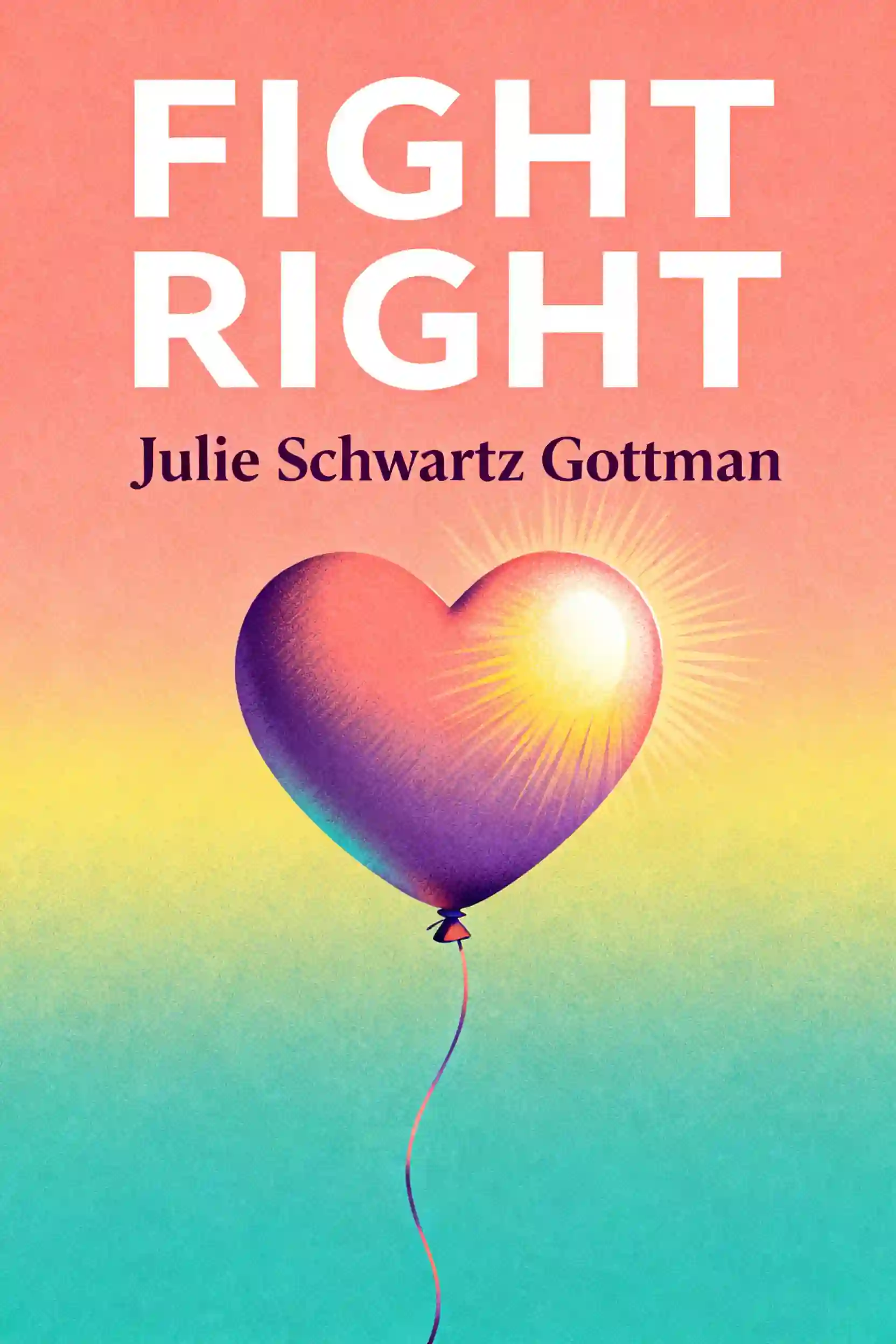
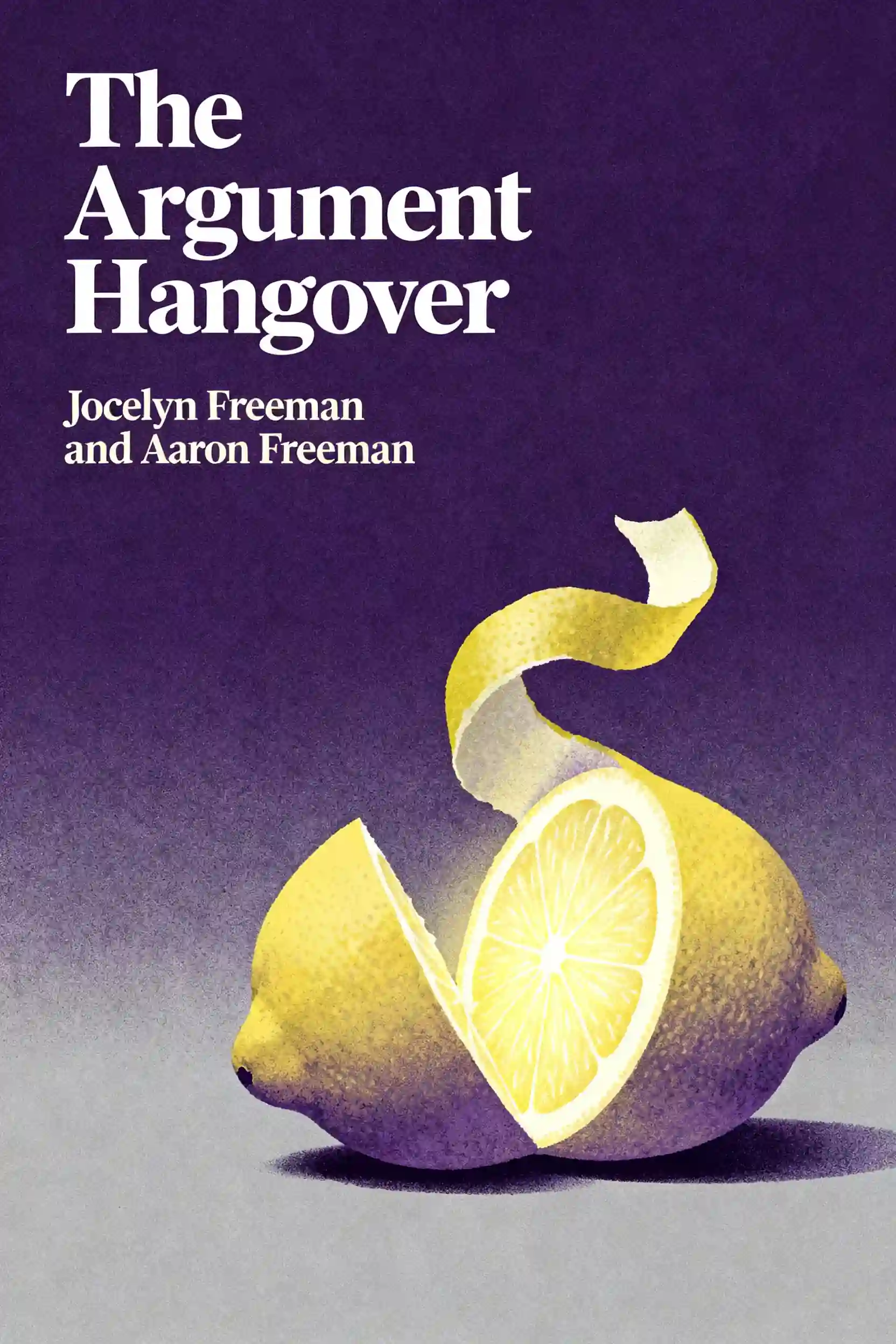
Knowledge sources




FAQ
The 3-day rule generally suggests giving each other up to three days of space after a major argument to cool down and process emotions before attempting to resolve the issue. However, the exact time needed varies by couple; the key is ensuring both partners are calm enough to engage in healthy communication.
The 7-7-7 rule is a relationship pacing concept that encourages couples to go on a date every 7 days, take a weekend getaway every 7 weeks, and go on a longer vacation every 7 months. It is designed to maintain connection and prioritize the relationship, which can help buffer against future conflicts.
Fixing a relationship after a fight requires mutual understanding, empathy, and active listening. Start by taking time to cool off if needed. Then, sit down and directly express your feelings without assigning blame. Offer a genuine apology for your part in the conflict, focusing on how your actions impacted your partner.
From Columbia University alumni built in San Francisco
"Instead of endless scrolling, I just hit play on BeFreed. It saves me so much time."


"I never knew where to start with nonfiction—BeFreed’s book lists turned into podcasts gave me a clear path."


"Perfect balance between learning and entertainment. Finished ‘Thinking, Fast and Slow’ on my commute this week."
"Crazy how much I learned while walking the dog. BeFreed = small habits → big gains."
"Reading used to feel like a chore. Now it’s just part of my lifestyle."

"Feels effortless compared to reading. I’ve finished 6 books this month already."
"BeFreed turned my guilty doomscrolling into something that feels productive and inspiring."

"BeFreed turned my commute into learning time. 20-min podcasts are perfect for finishing books I never had time for."
"BeFreed replaced my podcast queue. Imagine Spotify for books — that’s it. 🙌"

"It is great for me to learn something from the book without reading it."
"The themed book list podcasts help me connect ideas across authors—like a guided audio journey."
"Makes me feel smarter every time before going to work"
From Columbia University alumni built in San Francisco
"Instead of endless scrolling, I just hit play on BeFreed. It saves me so much time."
"I never knew where to start with nonfiction—BeFreed’s book lists turned into podcasts gave me a clear path."
"Perfect balance between learning and entertainment. Finished ‘Thinking, Fast and Slow’ on my commute this week."
"Crazy how much I learned while walking the dog. BeFreed = small habits → big gains."
"Reading used to feel like a chore. Now it’s just part of my lifestyle."
"Feels effortless compared to reading. I’ve finished 6 books this month already."
"BeFreed turned my guilty doomscrolling into something that feels productive and inspiring."
"BeFreed turned my commute into learning time. 20-min podcasts are perfect for finishing books I never had time for."
"BeFreed replaced my podcast queue. Imagine Spotify for books — that’s it. 🙌"
"It is great for me to learn something from the book without reading it."
"The themed book list podcasts help me connect ideas across authors—like a guided audio journey."
"Makes me feel smarter every time before going to work"
"Instead of endless scrolling, I just hit play on BeFreed. It saves me so much time."
"I never knew where to start with nonfiction—BeFreed’s book lists turned into podcasts gave me a clear path."
"Perfect balance between learning and entertainment. Finished ‘Thinking, Fast and Slow’ on my commute this week."
"Crazy how much I learned while walking the dog. BeFreed = small habits → big gains."
"Reading used to feel like a chore. Now it’s just part of my lifestyle."
"Feels effortless compared to reading. I’ve finished 6 books this month already."
"BeFreed turned my guilty doomscrolling into something that feels productive and inspiring."
"BeFreed turned my commute into learning time. 20-min podcasts are perfect for finishing books I never had time for."
"BeFreed replaced my podcast queue. Imagine Spotify for books — that’s it. 🙌"
"It is great for me to learn something from the book without reading it."
"The themed book list podcasts help me connect ideas across authors—like a guided audio journey."
"Makes me feel smarter every time before going to work"
"Instead of endless scrolling, I just hit play on BeFreed. It saves me so much time."
"I never knew where to start with nonfiction—BeFreed’s book lists turned into podcasts gave me a clear path."
"Perfect balance between learning and entertainment. Finished ‘Thinking, Fast and Slow’ on my commute this week."
"Crazy how much I learned while walking the dog. BeFreed = small habits → big gains."
"Reading used to feel like a chore. Now it’s just part of my lifestyle."
"Feels effortless compared to reading. I’ve finished 6 books this month already."
"BeFreed turned my guilty doomscrolling into something that feels productive and inspiring."
"BeFreed turned my commute into learning time. 20-min podcasts are perfect for finishing books I never had time for."
"BeFreed replaced my podcast queue. Imagine Spotify for books — that’s it. 🙌"
"It is great for me to learn something from the book without reading it."
"The themed book list podcasts help me connect ideas across authors—like a guided audio journey."
"Makes me feel smarter every time before going to work"