EQ Over IQ: Mastering Your Emotional Intelligence
Discover why emotional intelligence is the true engine of success. Learn the four pillars of EQ to better manage stress, read social cues, and build resilient relationships.

Best quote from EQ Over IQ: Mastering Your Emotional Intelligence
Self-awareness is the ability to accurately perceive your own emotions in the moment; it is the foundation that allows you to move from being a victim of your moods to being the manager of them.
Generated by Lucky
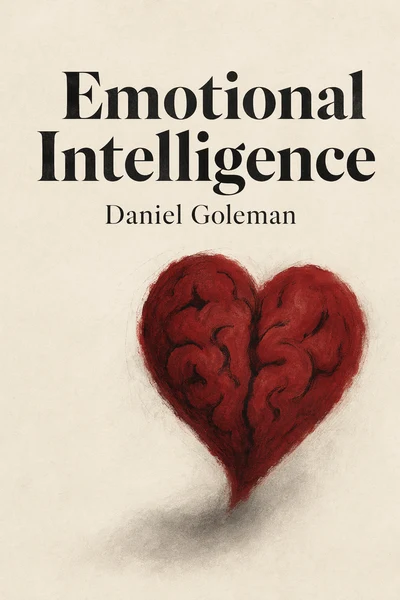
Emotional intelligence

Frequently Asked Questions
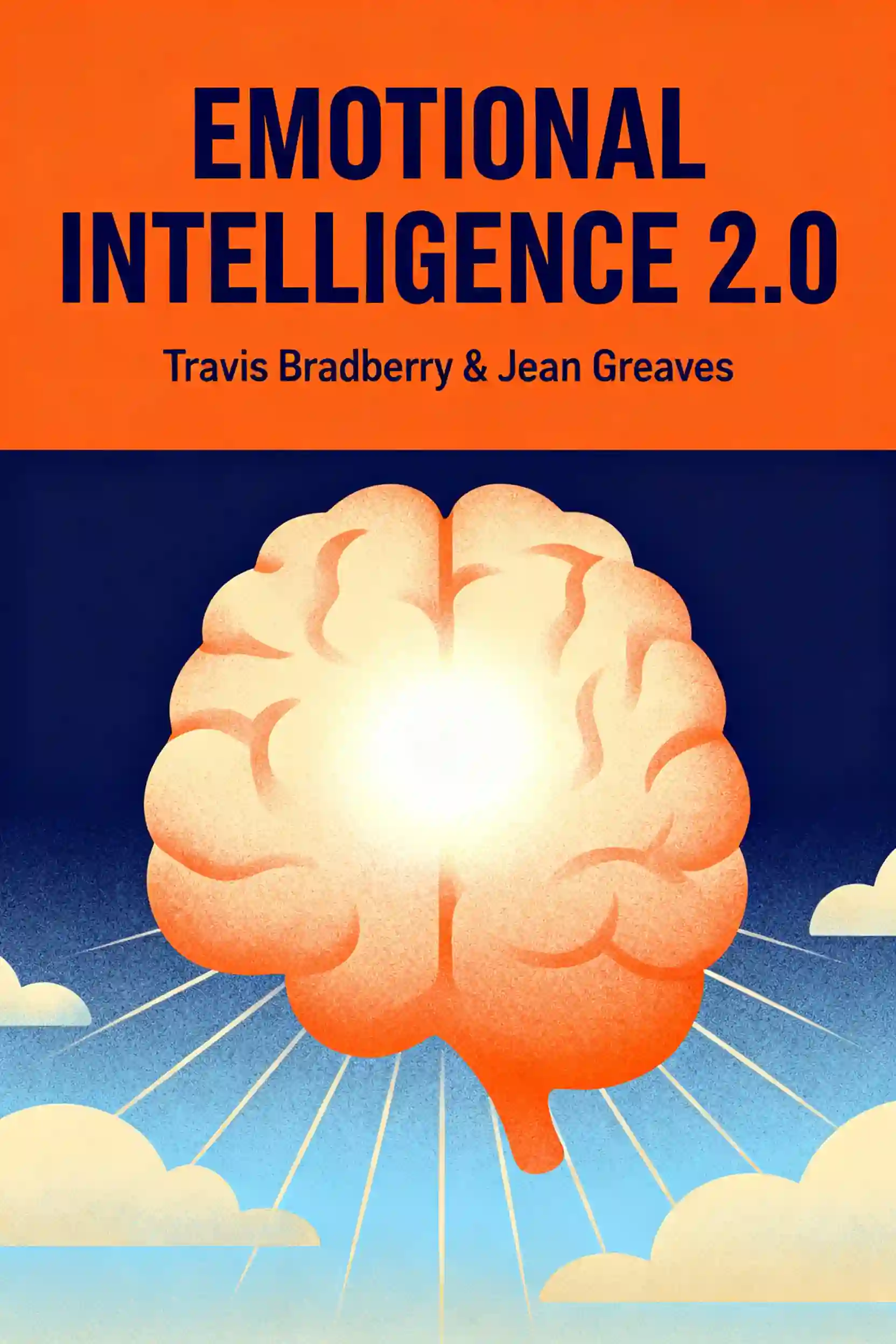
While IQ (Intelligence Quotient) measures academic and intellectual ability, EQ (Emotional Intelligence) is the ability to recognize, understand, and manage your own emotions while also influencing the emotions of others. The script highlights that while IQ might help you get into college or secure a job, EQ is what helps you manage the stress of exams or navigate complex social dynamics in the workplace. Research suggests that EQ is a powerful predictor of success, with 83 percent of top performers possessing high personal competence skills.
Self-awareness is the ability to accurately perceive your emotions as they happen and understand your tendencies across different situations. It is considered the foundation because you cannot manage or regulate emotions that you haven't first identified. Despite most people believing they are self-aware, research by Tasha Eurich suggests only 10 to 15 percent of people actually are. Developing this skill requires leaning into the discomfort of acknowledging weaknesses and understanding the relationship between how you feel and how you behave.
Self-management, or self-regulation, is not about "locking down" or hiding feelings like a robot; rather, it is about staying flexible and directing your behavior positively. It involves the "intentional responding" to a situation rather than a knee-jerk reaction. This skill allows a person to put momentary impulses on hold to pursue larger goals, often utilizing techniques like "the pause"—taking a breath during a conflict to decide how to speak rather than lashing out.
Social awareness is the essence of empathy, requiring a person to pick up on non-verbal cues like facial expressions and body language to understand another person's perspective. To do this effectively, one must prevent their own thoughts and feelings from clouding their observations. High social awareness allows individuals to understand the "undercurrents" and power dynamics in a room, making it a critical skill for leadership and building inclusive environments.
Emotional intelligence is a malleable skill that can be developed at any time through deliberate practice and feedback. The script suggests practical exercises such as journaling to track emotional themes, practicing active listening, and seeking constructive feedback from others to identify blind spots. Because EQ is a lifelong practice, research indicates that perceived emotional intelligence can continue to develop and improve until at least the age of fifty.
From Columbia University alumni built in San Francisco
"Instead of endless scrolling, I just hit play on BeFreed. It saves me so much time."


"I never knew where to start with nonfiction—BeFreed’s book lists turned into podcasts gave me a clear path."


"Perfect balance between learning and entertainment. Finished ‘Thinking, Fast and Slow’ on my commute this week."
"Crazy how much I learned while walking the dog. BeFreed = small habits → big gains."
"Reading used to feel like a chore. Now it’s just part of my lifestyle."

"Feels effortless compared to reading. I’ve finished 6 books this month already."
"BeFreed turned my guilty doomscrolling into something that feels productive and inspiring."

"BeFreed turned my commute into learning time. 20-min podcasts are perfect for finishing books I never had time for."
"BeFreed replaced my podcast queue. Imagine Spotify for books — that’s it. 🙌"

"It is great for me to learn something from the book without reading it."
"The themed book list podcasts help me connect ideas across authors—like a guided audio journey."
"Makes me feel smarter every time before going to work"
From Columbia University alumni built in San Francisco
"Instead of endless scrolling, I just hit play on BeFreed. It saves me so much time."
"I never knew where to start with nonfiction—BeFreed’s book lists turned into podcasts gave me a clear path."
"Perfect balance between learning and entertainment. Finished ‘Thinking, Fast and Slow’ on my commute this week."
"Crazy how much I learned while walking the dog. BeFreed = small habits → big gains."
"Reading used to feel like a chore. Now it’s just part of my lifestyle."
"Feels effortless compared to reading. I’ve finished 6 books this month already."
"BeFreed turned my guilty doomscrolling into something that feels productive and inspiring."
"BeFreed turned my commute into learning time. 20-min podcasts are perfect for finishing books I never had time for."
"BeFreed replaced my podcast queue. Imagine Spotify for books — that’s it. 🙌"
"It is great for me to learn something from the book without reading it."
"The themed book list podcasts help me connect ideas across authors—like a guided audio journey."
"Makes me feel smarter every time before going to work"
"Instead of endless scrolling, I just hit play on BeFreed. It saves me so much time."
"I never knew where to start with nonfiction—BeFreed’s book lists turned into podcasts gave me a clear path."
"Perfect balance between learning and entertainment. Finished ‘Thinking, Fast and Slow’ on my commute this week."
"Crazy how much I learned while walking the dog. BeFreed = small habits → big gains."
"Reading used to feel like a chore. Now it’s just part of my lifestyle."
"Feels effortless compared to reading. I’ve finished 6 books this month already."
"BeFreed turned my guilty doomscrolling into something that feels productive and inspiring."
"BeFreed turned my commute into learning time. 20-min podcasts are perfect for finishing books I never had time for."
"BeFreed replaced my podcast queue. Imagine Spotify for books — that’s it. 🙌"
"It is great for me to learn something from the book without reading it."
"The themed book list podcasts help me connect ideas across authors—like a guided audio journey."
"Makes me feel smarter every time before going to work"
"Instead of endless scrolling, I just hit play on BeFreed. It saves me so much time."
"I never knew where to start with nonfiction—BeFreed’s book lists turned into podcasts gave me a clear path."
"Perfect balance between learning and entertainment. Finished ‘Thinking, Fast and Slow’ on my commute this week."
"Crazy how much I learned while walking the dog. BeFreed = small habits → big gains."
"Reading used to feel like a chore. Now it’s just part of my lifestyle."
"Feels effortless compared to reading. I’ve finished 6 books this month already."
"BeFreed turned my guilty doomscrolling into something that feels productive and inspiring."
"BeFreed turned my commute into learning time. 20-min podcasts are perfect for finishing books I never had time for."
"BeFreed replaced my podcast queue. Imagine Spotify for books — that’s it. 🙌"
"It is great for me to learn something from the book without reading it."
"The themed book list podcasts help me connect ideas across authors—like a guided audio journey."
"Makes me feel smarter every time before going to work"