Emotional Intelligence: Mastering the Science of Feelings and Connections
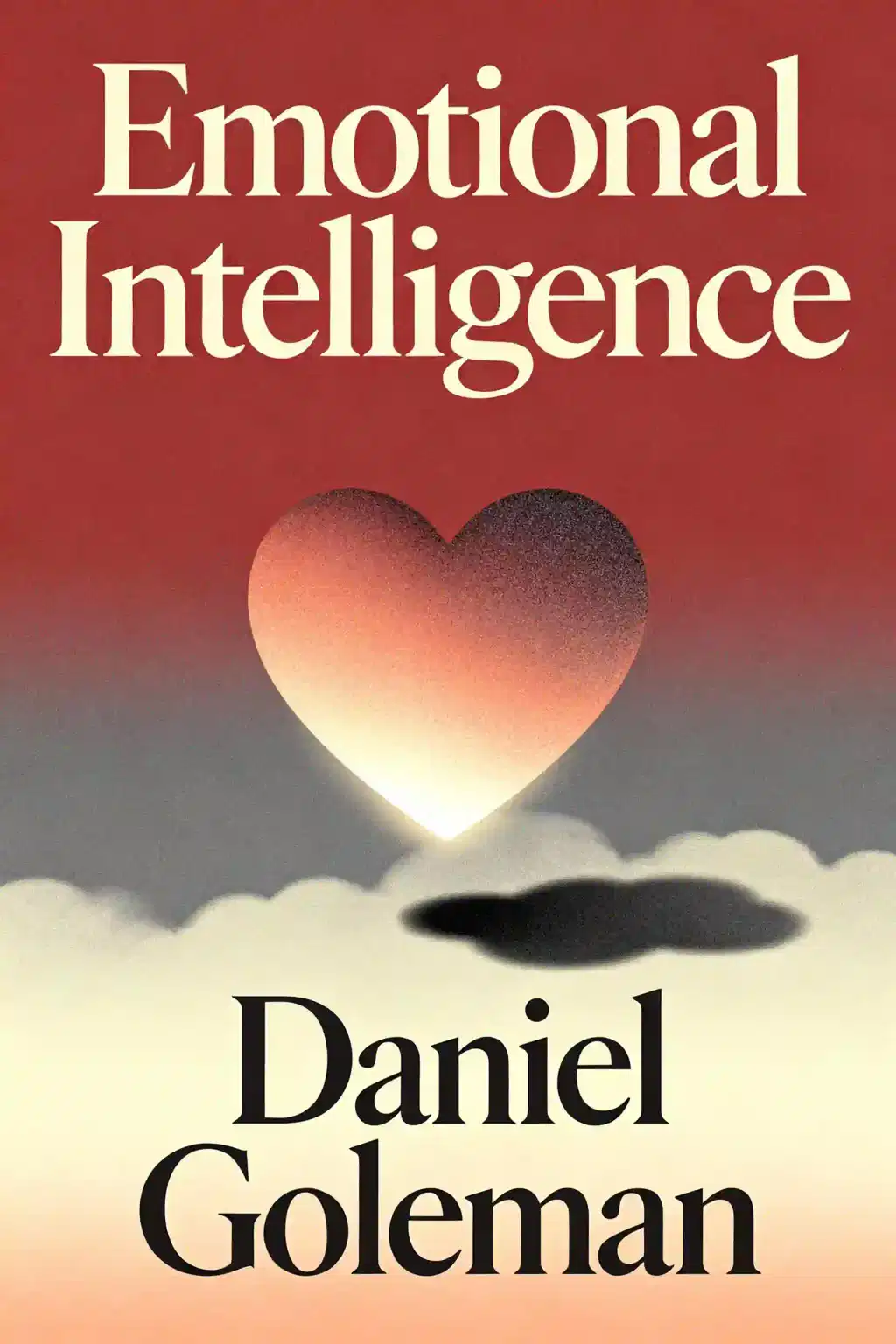
Discover how trainable emotional intelligence transforms relationships and careers. Drawing from Daniel Goleman, Lisa Feldman Barrett, and Satya Nadella's insights, this episode reveals how your brain constructs emotions and provides a 30-day plan to build EI skills that boost performance and deepen connections.

Best quote from Emotional Intelligence: Mastering the Science of Feelings and Connections
You aren't at the mercy of your emotions—your brain creates them. Change the concepts and context you use, and you can change your emotional experience.

This audio lesson was created by a BeFreed community member
How can I increase my emotional intelligence?






Discover more

Emotional intelligence
Emotional intelligence is often a greater predictor of professional and personal success than technical skill or IQ. This plan is ideal for aspiring leaders and individuals looking to improve their interpersonal relationships and emotional resilience.

The Science of Steady Connection
In an era of constant reactivity, mastering emotional regulation and interpersonal trust is a critical skill for any leader or collaborator. This plan is ideal for professionals seeking to improve their emotional intelligence and build more stable, productive relationships.

Lead with Connection
In today's fast-paced work environment, technical skill is often overshadowed by the need for high emotional intelligence and relational trust. This plan is designed for emerging leaders and managers who want to reduce workplace friction and master the art of difficult conversations. By focusing on both daily rapport and psychological triggers, learners can transform their leadership style from transactional to transformational.

Learn to identify & express my emotions
Emotional awareness is a foundational life skill that impacts everything from personal relationships to professional success and mental health. This learning plan is ideal for anyone who feels overwhelmed by their emotions, struggles to articulate how they feel, or wants to develop greater self-awareness and emotional resilience. Whether you're navigating stress, seeking personal growth, or wanting to improve your communication and leadership abilities, understanding and naming your emotions is an essential starting point.

Build Unshakable Emotional Literacy
This plan is essential for professionals and individuals who feel overwhelmed by their emotional impulses or social anxieties. It provides the tools to replace knee-jerk reactivity with mindful presence, making it ideal for those seeking to lead with authenticity and composure.
Relationships & Communication
Strong relationships are the foundation of a fulfilling life, yet most of us never receive formal training in the essential skills of connection, communication, and emotional intelligence. This learning plan is ideal for anyone who wants to deepen their existing relationships, navigate conflicts more effectively, or understand the psychology behind what makes connections truly meaningful and lasting.

Be more magnetic
In an increasingly digital world, the ability to command a room and connect deeply with others is a rare competitive advantage. This plan is ideal for professionals and leaders looking to enhance their influence and social mastery through authentic presence and emotional intelligence.

The Psychology of Social Intelligence
In an era of digital noise, the ability to accurately read people and manage high-stakes interactions is a critical competitive advantage. This plan is designed for leaders and professionals who want to master the hidden dynamics of human behavior to build trust and resolve friction.
From Columbia University alumni built in San Francisco
"Instead of endless scrolling, I just hit play on BeFreed. It saves me so much time."


"I never knew where to start with nonfiction—BeFreed’s book lists turned into podcasts gave me a clear path."


"Perfect balance between learning and entertainment. Finished ‘Thinking, Fast and Slow’ on my commute this week."
"Crazy how much I learned while walking the dog. BeFreed = small habits → big gains."
"Reading used to feel like a chore. Now it’s just part of my lifestyle."

"Feels effortless compared to reading. I’ve finished 6 books this month already."
"BeFreed turned my guilty doomscrolling into something that feels productive and inspiring."

"BeFreed turned my commute into learning time. 20-min podcasts are perfect for finishing books I never had time for."
"BeFreed replaced my podcast queue. Imagine Spotify for books — that’s it. 🙌"

"It is great for me to learn something from the book without reading it."
"The themed book list podcasts help me connect ideas across authors—like a guided audio journey."
"Makes me feel smarter every time before going to work"
From Columbia University alumni built in San Francisco
"Instead of endless scrolling, I just hit play on BeFreed. It saves me so much time."
"I never knew where to start with nonfiction—BeFreed’s book lists turned into podcasts gave me a clear path."
"Perfect balance between learning and entertainment. Finished ‘Thinking, Fast and Slow’ on my commute this week."
"Crazy how much I learned while walking the dog. BeFreed = small habits → big gains."
"Reading used to feel like a chore. Now it’s just part of my lifestyle."
"Feels effortless compared to reading. I’ve finished 6 books this month already."
"BeFreed turned my guilty doomscrolling into something that feels productive and inspiring."
"BeFreed turned my commute into learning time. 20-min podcasts are perfect for finishing books I never had time for."
"BeFreed replaced my podcast queue. Imagine Spotify for books — that’s it. 🙌"
"It is great for me to learn something from the book without reading it."
"The themed book list podcasts help me connect ideas across authors—like a guided audio journey."
"Makes me feel smarter every time before going to work"
"Instead of endless scrolling, I just hit play on BeFreed. It saves me so much time."
"I never knew where to start with nonfiction—BeFreed’s book lists turned into podcasts gave me a clear path."
"Perfect balance between learning and entertainment. Finished ‘Thinking, Fast and Slow’ on my commute this week."
"Crazy how much I learned while walking the dog. BeFreed = small habits → big gains."
"Reading used to feel like a chore. Now it’s just part of my lifestyle."
"Feels effortless compared to reading. I’ve finished 6 books this month already."
"BeFreed turned my guilty doomscrolling into something that feels productive and inspiring."
"BeFreed turned my commute into learning time. 20-min podcasts are perfect for finishing books I never had time for."
"BeFreed replaced my podcast queue. Imagine Spotify for books — that’s it. 🙌"
"It is great for me to learn something from the book without reading it."
"The themed book list podcasts help me connect ideas across authors—like a guided audio journey."
"Makes me feel smarter every time before going to work"
"Instead of endless scrolling, I just hit play on BeFreed. It saves me so much time."
"I never knew where to start with nonfiction—BeFreed’s book lists turned into podcasts gave me a clear path."
"Perfect balance between learning and entertainment. Finished ‘Thinking, Fast and Slow’ on my commute this week."
"Crazy how much I learned while walking the dog. BeFreed = small habits → big gains."
"Reading used to feel like a chore. Now it’s just part of my lifestyle."
"Feels effortless compared to reading. I’ve finished 6 books this month already."
"BeFreed turned my guilty doomscrolling into something that feels productive and inspiring."
"BeFreed turned my commute into learning time. 20-min podcasts are perfect for finishing books I never had time for."
"BeFreed replaced my podcast queue. Imagine Spotify for books — that’s it. 🙌"
"It is great for me to learn something from the book without reading it."
"The themed book list podcasts help me connect ideas across authors—like a guided audio journey."
"Makes me feel smarter every time before going to work"