Die Psychologie der Anziehung: Mimik verstehen
Entdecke die universelle Sprache der Korpersprache und Gesichtsausdrucke. Von FBI-Techniken bis zu Neurowissenschaft - lerne die geheimen Signale der Anziehung zu lesen und authentische Verbindungen aufzubauen.


This audio lesson was created by a BeFreed community member
Die Psychologie der Anziehung: Mimik und Körpersprache verstehen

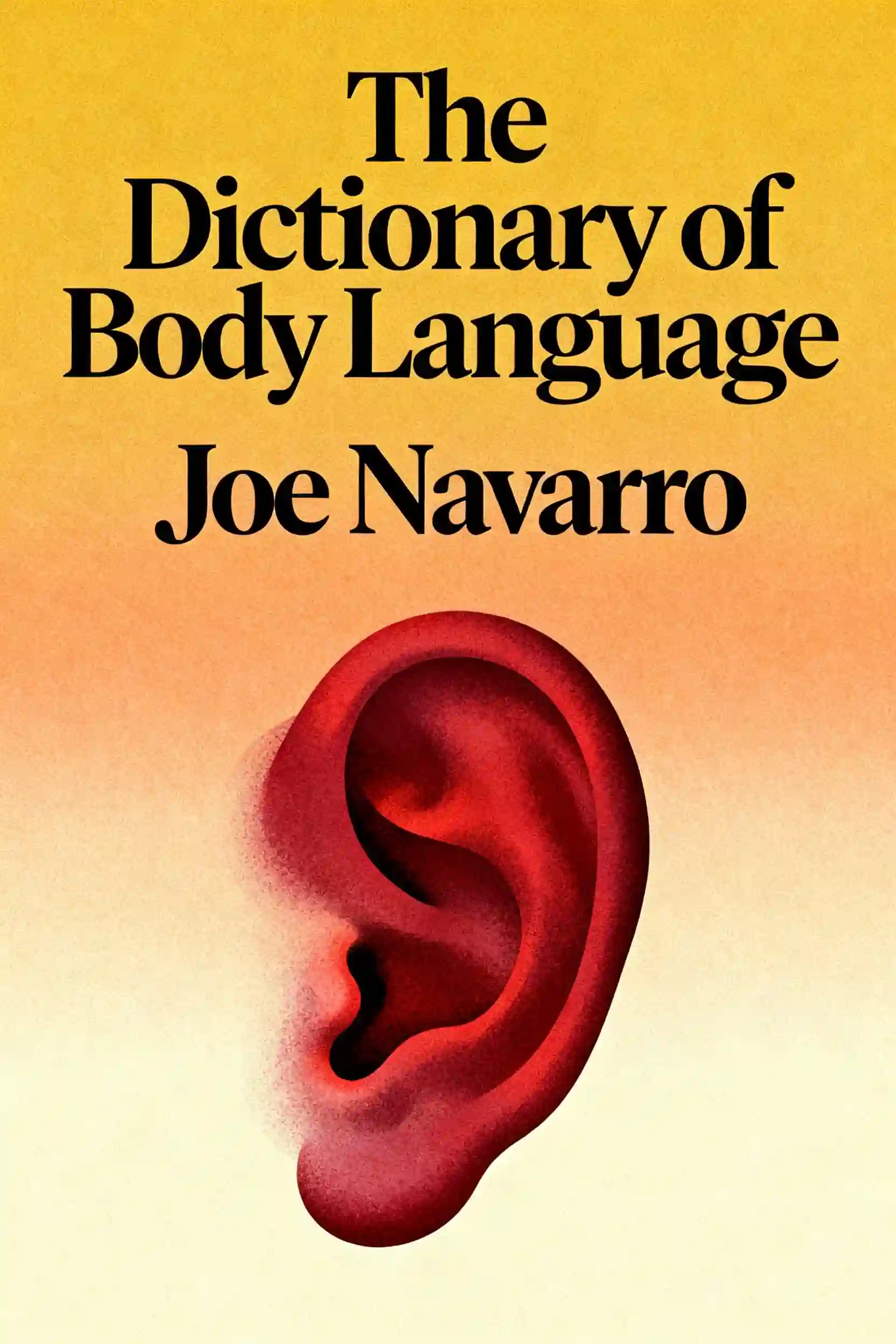
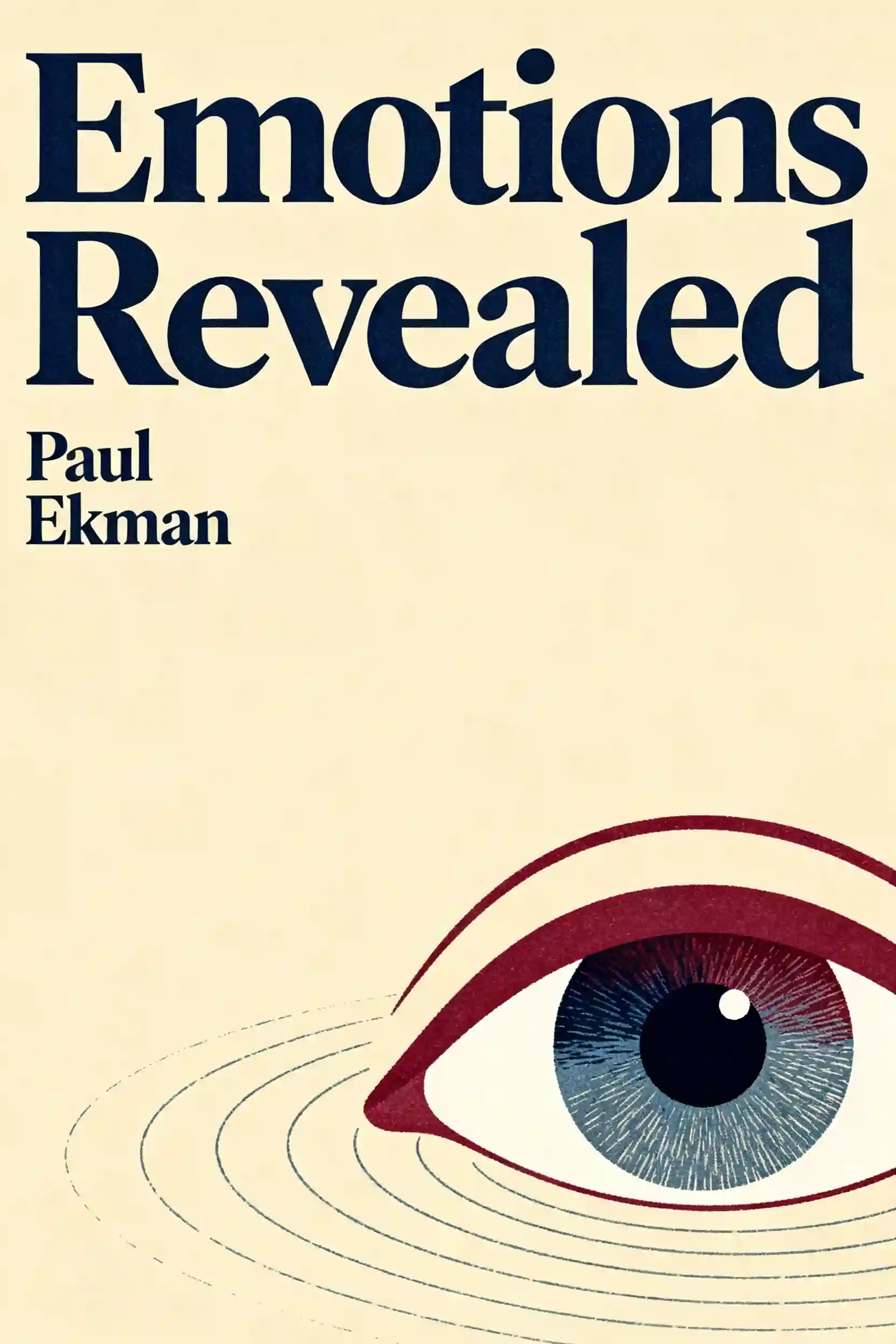



Discover more

Learn Psychology, Body Language & Attraction
This plan is essential for anyone looking to master the unspoken rules of social interaction and human connection. It is ideal for professionals, leaders, and individuals seeking to enhance their influence, read people accurately, and build authentic charisma.

Psychologie der unbewussten Beeinflussung
Dieses Training ist essenziell für Führungskräfte und Kommunikationsprofis, die die unsichtbaren Mechanismen der Entscheidungsfindung verstehen wollen. Es vermittelt fundierte psychologische Strategien, um Emotionen zu regulieren und Mitmenschen ethisch sowie überzeugend zu beeinflussen.

Psychologie des Alltags: Verhalten verstehen
Dieses Lernprogramm bietet tiefe Einblicke in die Mechanismen, die unser Denken und Handeln im Verborgenen steuern. Es richtet sich an alle, die ihre Selbstreflexion schärfen, soziale Interaktionen besser verstehen und ihre Entscheidungsqualität im Privat- und Berufsleben nachhaltig steigern möchten.

Psychologie et codes de la séduction
Ce parcours s'adresse à toute personne souhaitant comprendre les mécanismes profonds de l'attraction humaine au-delà des clichés. Il combine l'analyse comportementale et la psychologie relationnelle pour construire des liens solides, de la première rencontre à la vie de couple.

Menschen lesen und sicher handeln
In einer komplexen Arbeitswelt ist die Fähigkeit, menschliches Verhalten zu entschlüsseln und Manipulation zu erkennen, ein entscheidender Erfolgsfaktor. Dieser Lernplan richtet sich an Führungskräfte und Verhandler, die ihre psychologische Sicherheit und kommunikative Souveränität stärken wollen.

Psychology of Attraction & Deep Intimacy
Modern dating and long-term partnerships often fail due to a lack of understanding of biological drivers and emotional blueprints. This plan is essential for individuals seeking to move beyond superficial connections by applying psychological research and proven relationship science to their personal lives.

Intro Attraction Psychology
This learning plan combines evolutionary psychology, neuroscience, and behavioral research to demystify human attraction and social dynamics. It's ideal for anyone seeking to improve their dating life, build stronger relationships, or understand the science behind human connection, whether you're re-entering the dating world, struggling with social confidence, or simply curious about the psychological mechanisms that drive romantic attraction.

Understand the Science of Attraction
This plan bridges the gap between biological research and social intelligence, offering a roadmap to understanding human desire. It is ideal for individuals looking to improve their dating lives, strengthen existing bonds, or master the psychological nuances of interpersonal communication.
From Columbia University alumni built in San Francisco
"Instead of endless scrolling, I just hit play on BeFreed. It saves me so much time."


"I never knew where to start with nonfiction—BeFreed’s book lists turned into podcasts gave me a clear path."


"Perfect balance between learning and entertainment. Finished ‘Thinking, Fast and Slow’ on my commute this week."
"Crazy how much I learned while walking the dog. BeFreed = small habits → big gains."
"Reading used to feel like a chore. Now it’s just part of my lifestyle."

"Feels effortless compared to reading. I’ve finished 6 books this month already."
"BeFreed turned my guilty doomscrolling into something that feels productive and inspiring."

"BeFreed turned my commute into learning time. 20-min podcasts are perfect for finishing books I never had time for."
"BeFreed replaced my podcast queue. Imagine Spotify for books — that’s it. 🙌"

"It is great for me to learn something from the book without reading it."
"The themed book list podcasts help me connect ideas across authors—like a guided audio journey."
"Makes me feel smarter every time before going to work"
From Columbia University alumni built in San Francisco
"Instead of endless scrolling, I just hit play on BeFreed. It saves me so much time."
"I never knew where to start with nonfiction—BeFreed’s book lists turned into podcasts gave me a clear path."
"Perfect balance between learning and entertainment. Finished ‘Thinking, Fast and Slow’ on my commute this week."
"Crazy how much I learned while walking the dog. BeFreed = small habits → big gains."
"Reading used to feel like a chore. Now it’s just part of my lifestyle."
"Feels effortless compared to reading. I’ve finished 6 books this month already."
"BeFreed turned my guilty doomscrolling into something that feels productive and inspiring."
"BeFreed turned my commute into learning time. 20-min podcasts are perfect for finishing books I never had time for."
"BeFreed replaced my podcast queue. Imagine Spotify for books — that’s it. 🙌"
"It is great for me to learn something from the book without reading it."
"The themed book list podcasts help me connect ideas across authors—like a guided audio journey."
"Makes me feel smarter every time before going to work"
"Instead of endless scrolling, I just hit play on BeFreed. It saves me so much time."
"I never knew where to start with nonfiction—BeFreed’s book lists turned into podcasts gave me a clear path."
"Perfect balance between learning and entertainment. Finished ‘Thinking, Fast and Slow’ on my commute this week."
"Crazy how much I learned while walking the dog. BeFreed = small habits → big gains."
"Reading used to feel like a chore. Now it’s just part of my lifestyle."
"Feels effortless compared to reading. I’ve finished 6 books this month already."
"BeFreed turned my guilty doomscrolling into something that feels productive and inspiring."
"BeFreed turned my commute into learning time. 20-min podcasts are perfect for finishing books I never had time for."
"BeFreed replaced my podcast queue. Imagine Spotify for books — that’s it. 🙌"
"It is great for me to learn something from the book without reading it."
"The themed book list podcasts help me connect ideas across authors—like a guided audio journey."
"Makes me feel smarter every time before going to work"
"Instead of endless scrolling, I just hit play on BeFreed. It saves me so much time."
"I never knew where to start with nonfiction—BeFreed’s book lists turned into podcasts gave me a clear path."
"Perfect balance between learning and entertainment. Finished ‘Thinking, Fast and Slow’ on my commute this week."
"Crazy how much I learned while walking the dog. BeFreed = small habits → big gains."
"Reading used to feel like a chore. Now it’s just part of my lifestyle."
"Feels effortless compared to reading. I’ve finished 6 books this month already."
"BeFreed turned my guilty doomscrolling into something that feels productive and inspiring."
"BeFreed turned my commute into learning time. 20-min podcasts are perfect for finishing books I never had time for."
"BeFreed replaced my podcast queue. Imagine Spotify for books — that’s it. 🙌"
"It is great for me to learn something from the book without reading it."
"The themed book list podcasts help me connect ideas across authors—like a guided audio journey."
"Makes me feel smarter every time before going to work"