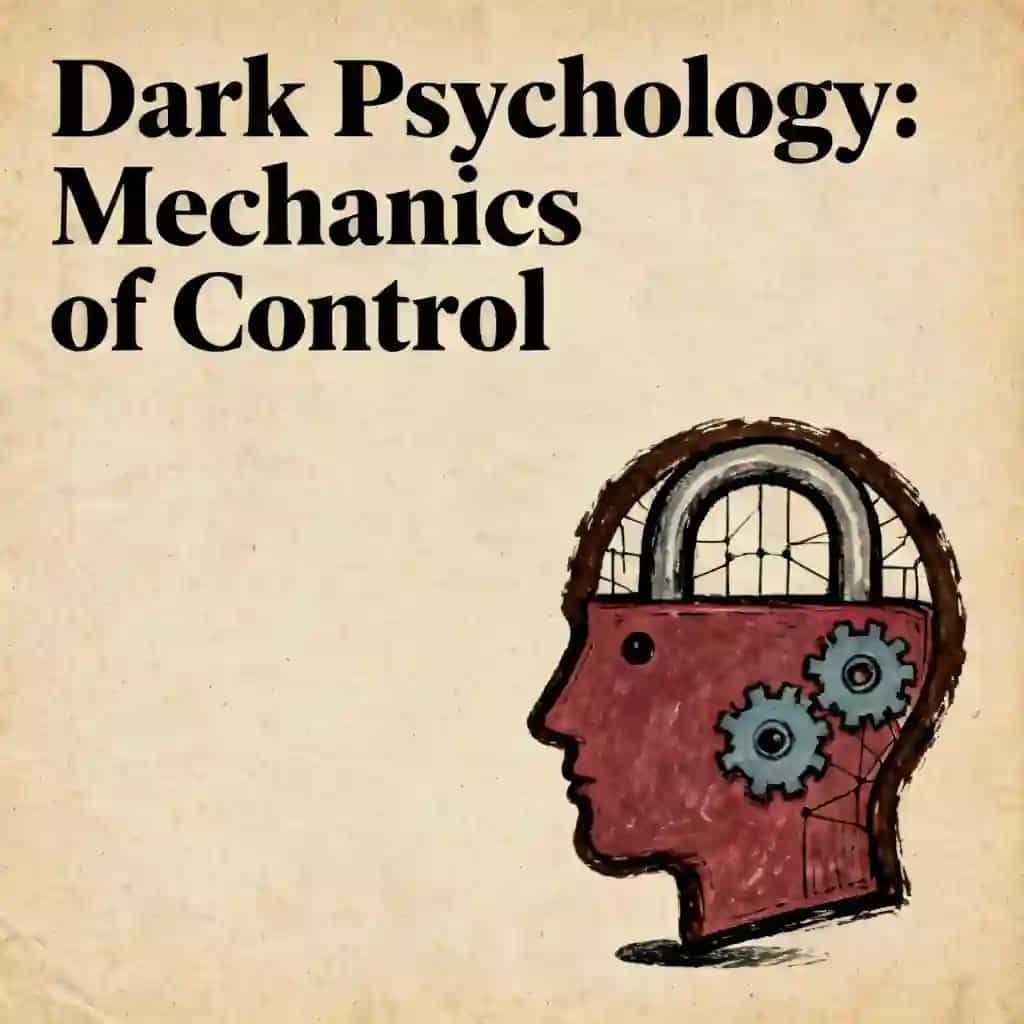
This episode decodes the 'dark triad' personality traits behind manipulation techniques, not to practice them but to recognize and defend against them while building authentic connections instead.

Dark psychology techniques are specifically designed to overwhelm your analytical brain and trigger emotional responses, creating an 'amygdala hijack' where you react out of fear or urgency rather than careful thinking.
I wanna learn how to control people and manipulate people. He’s a dark psychology. I wanna learn how to read them. Read their minds. Read their thoughts. Read their body language. I wanna learn how to get what I want in any situation.


From Columbia University alumni built in San Francisco
"Instead of endless scrolling, I just hit play on BeFreed. It saves me so much time."
"I never knew where to start with nonfiction—BeFreed’s book lists turned into podcasts gave me a clear path."
"Perfect balance between learning and entertainment. Finished ‘Thinking, Fast and Slow’ on my commute this week."
"Crazy how much I learned while walking the dog. BeFreed = small habits → big gains."
"Reading used to feel like a chore. Now it’s just part of my lifestyle."
"Feels effortless compared to reading. I’ve finished 6 books this month already."
"BeFreed turned my guilty doomscrolling into something that feels productive and inspiring."
"BeFreed turned my commute into learning time. 20-min podcasts are perfect for finishing books I never had time for."
"BeFreed replaced my podcast queue. Imagine Spotify for books — that’s it. 🙌"
"It is great for me to learn something from the book without reading it."
"The themed book list podcasts help me connect ideas across authors—like a guided audio journey."
"Makes me feel smarter every time before going to work"
From Columbia University alumni built in San Francisco

Lena: Hey there, welcome to today's episode! I've been thinking about something that's been all over social media lately—this whole "dark psychology" trend. People are obsessed with learning how to read minds and manipulate others. It's kind of disturbing, isn't it?
Miles: It really is, Lena. And what's fascinating is how many people don't realize that dark psychology isn't just some internet fad—it's actually rooted in what psychologists call the "dark triad" of personality traits: narcissism, psychopathy, and Machiavellianism.
Lena: Wait, the dark triad? That sounds like something from a villain's handbook!
Miles: You're not far off! These traits essentially allow someone to manipulate others without feeling any guilt or remorse. What's scary is that studies show about 1% of the general population might qualify as having these traits in combination.
Lena: That's actually more people than I would have expected. You know what's weird? I've noticed so many courses and books marketing these skills as if they're just another self-improvement tool. Like, "Learn how to control the frame and engineer decisions!"
Miles: Exactly! And that's the concerning part—these techniques aren't theoretical. They're actively being used against people every day through tactics like gaslighting, love bombing, and what experts call "choice restriction."
Lena: So we're basically doing an episode on how to spot when someone's trying to mess with your head?
Miles: That's right, but also understanding why these techniques work in the first place. Because once you recognize the psychological triggers being exploited, you become much harder to manipulate. Let's dive into the most common dark psychology techniques and how they're designed to bypass your rational thinking.
Miles: So here's what's really interesting about dark psychology—it's not about having some supernatural power to read minds. It's about understanding basic human vulnerabilities that we all share.
Lena: What do you mean by vulnerabilities?
Miles: Well, think about it this way. We all have psychological needs—the need to belong, to feel valued, to avoid loss. Dark psychology essentially weaponizes these normal human drives. For instance, one of the most powerful techniques is called "intermittent reinforcement."
Lena: That sounds very clinical. What does it actually look like?
Miles: It's like slot machines, right? Sometimes you get rewarded, sometimes you don't, but the unpredictability keeps you hooked. In relationships, this might look like someone showering you with attention and affection, then suddenly becoming cold and distant, then warm again.
Lena: Oh wow, that's actually really common in toxic relationships, isn't it?
Miles: Exactly! And here's the kicker—research shows this creates stronger psychological bonds than consistent positive treatment. Your brain literally becomes addicted to trying to recreate those high moments.
Lena: That's terrifying. So they're basically hijacking our reward system?
Miles: That's exactly right. Another foundation is what psychologists call "cognitive load manipulation." When someone overwhelms you with information, rapid-fire questions, or complex scenarios, your brain's ability to think critically gets compromised.
Lena: So you're more likely to just go along with whatever they're suggesting because you can't process it all?
Miles: Precisely. It's like when someone at a car dealership starts throwing numbers at you—monthly payments, interest rates, trade-in values, warranties—all at once. Your brain can't keep up, so you rely on their guidance instead of your own judgment.
Lena: Now, one thing that really caught my attention in the research was this whole idea about reading micro-expressions. People seem obsessed with becoming human lie detectors.
Miles: Oh, this is fascinating stuff, Lena. Micro-expressions are these incredibly brief facial expressions—we're talking about movements that last maybe a twenty-fifth of a second. They supposedly reveal true emotions before someone can consciously control their expression.
Lena: So like, if someone says they're happy but their face shows anger for just a split second?
Miles: Exactly! Paul Ekman's research identified seven universal expressions—anger, fear, disgust, contempt, happiness, sadness, and surprise. The theory is that these leak out before we can put on our social mask.
Lena: But here's what I'm wondering—if these are so quick, how can anyone actually use this in real conversations?
Miles: That's the million-dollar question! The truth is, most people can't reliably detect these expressions without extensive training. Even trained professionals only achieve about 70% accuracy. But here's where it gets manipulative—some people use the *appearance* of being able to read micro-expressions to intimidate others.
Lena: Wait, so they're basically bluffing?
Miles: Often, yes! They might say something like, "I can see you're not being completely honest with me," based on nothing more than a hunch. But because people believe micro-expressions are this foolproof system, they often confess or become more compliant.
Lena: That's so sneaky! So they're using our belief in their abilities against us?
Miles: Absolutely. And here's another angle—some manipulators deliberately display false micro-expressions to appear more trustworthy or sympathetic. They've essentially learned to fake the very signals that are supposed to be unfakeable.
Lena: This is making me paranoid about every facial expression I make!
Miles: Don't be! The key is understanding that while micro-expressions exist, they're just one piece of a much larger puzzle. Context matters enormously, and jumping to conclusions based on a fleeting expression is usually more revealing about the observer than the observed.
Miles: Let's talk about what's actually happening in your brain when someone's trying to influence you. This gets really interesting from a neuroscience perspective.
Lena: Oh, I love the brain stuff! Lay it on me.
Miles: So when we're being influenced, there's this battle happening between two systems in our brain. There's the fast, emotional system—what researchers call System 1—and the slow, analytical system—System 2.
Lena: So like, gut reaction versus careful thinking?
Miles: Exactly! And here's the thing—dark psychology techniques are specifically designed to overwhelm System 2 and trigger System 1 responses. They want you reacting emotionally, not thinking analytically.
Lena: How do they do that?
Miles: Time pressure is a big one. "This offer expires in ten minutes!" Fear triggers are another—"If you don't act now, you'll miss out forever!" These create what neuroscientists call an "amygdala hijack," where your emotional brain takes over.
Lena: So that fight-or-flight response kicks in?
Miles: Right! And when you're in that state, you're not carefully weighing pros and cons. You're just trying to resolve the uncomfortable feeling as quickly as possible. That's when people make decisions they later regret.
Lena: This explains so much about impulse buying and those high-pressure sales tactics.
Miles: Absolutely! But here's what's really insidious—some manipulators have learned to trigger these states while appearing completely calm and reasonable themselves. They'll say something like, "I'm just trying to help you see what's best for you," while simultaneously creating artificial urgency and scarcity.
Lena: So they're pushing our panic buttons while pretending to be our friend?
Miles: That's a perfect way to put it. And the scary part is, the more stressed and overwhelmed you become, the more you start to rely on their "calm guidance" to navigate the situation they created.
Lena: I want to dive into something that seems to be everywhere these days—this obsession with "reading" people through their body language. It feels like everyone thinks they're a detective now.
Miles: You've hit on something really important, Lena. Body language reading has become this weird cultural phenomenon where people think they can decode someone's entire personality from how they sit or where they look.
Lena: And I'm guessing it's not that simple?
Miles: Not even close! Real body language analysis is about understanding stress levels and comfort zones, not mind reading. For example, when someone crosses their arms, it could mean they're defensive—or they could just be cold, or that's how they naturally feel comfortable sitting.
Lena: So all those articles about "10 body language signs someone is lying" are basically garbage?
Miles: Most of them, yeah! What's actually useful is understanding baseline behavior. Like, if someone who normally makes lots of eye contact suddenly starts avoiding your gaze, that's worth noting. But you can't just apply universal rules to everyone.
Lena: Okay, but how do manipulators use this knowledge?
Miles: Great question! They often use it in two ways. First, they'll claim to "read" your body language to make you feel exposed and vulnerable. "I can tell you're not comfortable with this decision"—even if you weren't showing any particular signs.
Lena: So they're basically gaslighting you about your own body language?
Miles: Exactly! And second, they'll deliberately use their own body language to influence you. Like maintaining intense eye contact to appear more trustworthy, or using open gestures while delivering manipulative messages.
Lena: That's so calculated. It's like they're performing sincerity.
Miles: That's a brilliant way to put it! And here's the kicker—research shows that when someone's verbal message conflicts with their body language, we tend to believe the body language. So manipulators can say terrible things while using reassuring physical cues, and people often focus more on the cues than the words.
Lena: This is making me realize how much manipulation happens below the conscious level.
Miles: Absolutely. The most effective manipulators aren't the obvious ones—they're the ones who've mastered appearing genuine while systematically undermining your ability to think clearly.
Lena: Okay, so we've talked about all these dark tactics, but I keep thinking—there has to be a better way to be persuasive without being manipulative, right?
Miles: Absolutely, Lena! This is where ethical influence comes in, and it's actually more effective in the long run than manipulation. The key difference is that ethical influence aims to create genuine win-win situations.
Lena: What does that look like in practice?
Miles: Well, instead of creating artificial scarcity, you provide genuine value. Instead of overwhelming someone with information, you help them understand their options clearly. Instead of triggering fear responses, you build authentic trust through consistency and transparency.
Lena: So it's about actually caring about the other person's wellbeing?
Miles: Exactly! Take reciprocity, for example. Dark psychology might use fake favors or gifts with strings attached. Ethical influence involves genuinely helping someone without expectation, which naturally creates positive feelings and trust.
Lena: That makes sense. But doesn't that take longer than just manipulating someone?
Miles: In the short term, maybe. But manipulation burns bridges and creates enemies. People eventually figure out they've been manipulated, and then they not only stop trusting you—they actively warn others about you.
Lena: Whereas ethical influence builds lasting relationships?
Miles: Right! And here's something interesting—when you focus on genuinely understanding someone's needs and helping them meet those needs, you often discover solutions that benefit everyone more than you initially imagined.
Lena: It's like the difference between taking from someone versus creating something together?
Miles: That's a beautiful way to put it! Ethical influence is collaborative rather than exploitative. You're not trying to get something from someone—you're trying to create something valuable with them.
Lena: And I imagine that feels completely different on the receiving end too.
Miles: Absolutely. When someone uses ethical influence, you feel respected and empowered. When someone manipulates you, even if you can't pinpoint why, something feels off. Your gut tells you something's wrong.
Lena: Alright, so for everyone listening who's thinking, "How do I protect myself from all this stuff?"—what's the practical playbook here?
Miles: Great question! The first and most important thing is developing what I call "decision hygiene." This means creating space between stimulus and response, especially for important decisions.
Lena: What does that look like day-to-day?
Miles: Simple things like saying, "Let me think about it overnight" or "I'd like to discuss this with my partner first." Manipulators hate this because it gives your analytical brain time to catch up with your emotional brain.
Lena: So basically, slow down the process?
Miles: Exactly! Another key strategy is learning to recognize your own emotional triggers. When do you feel most vulnerable to influence? When you're stressed? Lonely? Excited? Once you know your patterns, you can be extra careful during those times.
Lena: That's really smart. What about in the moment when you suspect someone's trying to manipulate you?
Miles: Pay attention to how the conversation makes you feel. Are you feeling pressured? Confused? Like you need to decide right now? Those are red flags. Trust that uncomfortable feeling in your gut—it's often your subconscious picking up on manipulation tactics before your conscious mind does.
Lena: So our intuition is actually a pretty good defense system?
Miles: It really is! And here's another practical tip—ask yourself, "What would I decide if I had all the time in the world and no pressure?" If that answer is different from what you're being pushed toward, that's a major warning sign.
Lena: I love that question. What about dealing with people who claim they can read your mind or body language?
Miles: Call their bluff! Ask them to be specific about what they're seeing and what it means. Real experts will give you detailed, context-sensitive explanations. Manipulators will usually just double down with vague statements or try to make you feel bad for questioning them.
Lena: So basically, don't be afraid to push back?
Miles: Absolutely. Remember, someone who genuinely has your best interests at heart won't mind you taking time to think or asking clarifying questions. It's the people with hidden agendas who get frustrated when you slow things down.
Lena: As we bring this to a close, I keep thinking about something you said earlier—that the most effective influence is actually about creating genuine connections. Can you expand on that?
Miles: Absolutely, Lena. Here's what I've learned from studying both dark psychology and ethical influence—authenticity is actually the most powerful force in human interaction. When you're genuinely interested in understanding someone and helping them succeed, it creates a completely different dynamic.
Lena: How so?
Miles: Well, think about the people in your life who have the most influence over you. They're probably not the ones using manipulation tactics. They're the ones who've consistently shown they care about your wellbeing, right?
Lena: That's so true! My most trusted advisors are people who've sometimes told me things I didn't want to hear because they knew it was best for me.
Miles: Exactly! That's authentic influence. And here's the beautiful thing—when you operate from a place of genuine care and respect, you don't need to learn complicated manipulation tactics. People naturally want to work with you and support you.
Lena: It's like the difference between forcing a door open and having someone invite you in?
Miles: Perfect analogy! And for our listeners who might be thinking, "But what about those people who seem to get ahead by being manipulative?"—remember that success built on manipulation is usually temporary and comes at a huge personal cost.
Lena: Right, because you can't maintain those fake relationships forever.
Miles: Exactly. Plus, living that way is exhausting. When you're authentic, you don't have to remember which version of yourself you presented to which person. You can just be you.
Lena: So the real superpower isn't learning to manipulate people—it's learning to connect with them authentically?
Miles: That's beautifully put, Lena. And the ironic thing is, authentic connection often gets you what you want more effectively than manipulation ever could, because it's based on mutual benefit rather than exploitation.
Lena: Well, this has been such an eye-opening conversation. To everyone listening, thank you for joining us on this deep dive into the psychology of influence. We'd love to hear your thoughts and experiences—have you encountered these manipulation tactics? How did you handle them?
Miles: And remember, the goal isn't to become paranoid about every interaction, but to develop the awareness and confidence to recognize when someone isn't operating with your best interests at heart. Trust your instincts, take your time with important decisions, and never be afraid to ask questions.
Lena: Until next time, stay curious and stay authentic!