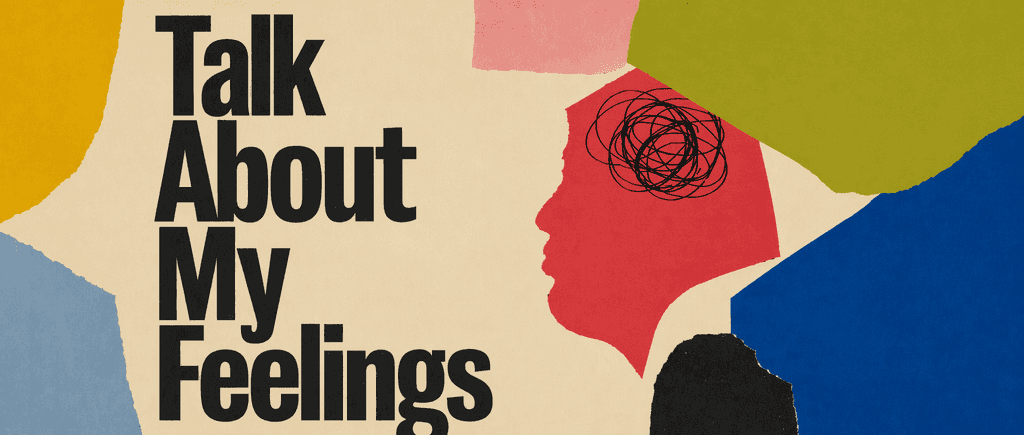
How To Stop Withholding Affection When Upset: episode overview
When conflict strikes in a relationship, it is common to pull away. This BeFreed audio episode unpacks the complex dynamic of emotional standoffs, helping you understand why you might isolate yourself or withhold affection even when you deeply crave connection. We explore the paradox of emotional stubbornness and provide actionable self-awareness skills to help you break the cycle of distancing and safely re-engage with your partner.
Create Your Podcast in a Click
Generated by Sarah
Input question
How to not let my emotions ruin my time with my husband. When I'm upset with him I find it hard to show him affection, even though all I want is affection. He will give me a little and it's like I'm too stubborn to give the love back
Host voices

What you'll learn about overcoming emotional stubbornness
- 1
The Emotional Standoff Paradox
 00:0000:00
Lena: Hey Miles, I was thinking about something I hear from so many couples. This idea that when they're upset with their partner, they actually pull away emotionally—even though deep down, what they really want is closeness and affection. It's like this frustrating paradox, right? Miles: Oh absolutely. It's one of those relationship patterns that feels so contradictory but is incredibly common. The Gottman Institute actually found that emotional disconnection is often a gradual drift that happens over time without one defining moment. It starts with those missed bids for attention or affection. Lena: Right! And what's fascinating is how this creates this cycle where the person wants affection but can't give it when they're upset. They become almost... stubborn about it? Miles: Exactly. It's like an emotional gridlock. You're hurt, so you withdraw, but that withdrawal prevents the very connection that would help heal the hurt. And what's really interesting is that according to Gottman's research, couples who stay together long-term actually turn toward their partner's bids for emotional connection about 86% of the time, while those who eventually divorce only do so about 33% of the time. Lena: That's a huge difference! So it's not just about feeling better in the moment—how we respond to these emotional disconnections actually shapes the entire future of our relationships. Let's explore what's really happening beneath the surface when we find ourselves stuck in this emotional standoff...
- 2
The Fear Behind the Wall
Miles: You know, when we dig deeper into this emotional standoff, what we're really looking at is a fear response disguised as stubbornness. I was reading about this concept from attachment research, and it's fascinating how our nervous system actually perceives emotional vulnerability as a threat when we're already feeling hurt. Lena: That makes so much sense. So when someone is upset with their partner, their brain is essentially saying "protect yourself" rather than "reach out for connection." But here's what I find really interesting—how does this connect to what we know about emotional regulation in relationships? Miles: Well, the research shows that when we're in a state of emotional flooding—that's when your heart rate goes above 100 beats per minute—our ability to think clearly and respond with empathy literally shuts down. The prefrontal cortex, which handles our higher-order thinking, goes offline. So in those moments when you most need affection, your brain is least equipped to give it. Lena: Right, and this is where that whole "I want affection but I can't give it back" cycle really takes hold. It's not actually stubbornness—it's biology working against connection. But Miles, what about the partner who's trying to offer that little bit of affection? What's happening for them in this dynamic? Miles: That's where it gets really complex. Often, the partner offering affection is also operating from their own attachment wounds. They might be what attachment theory calls "anxiously attached"—they're trying to repair the connection because disconnection feels threatening to them too. But when their bid for closeness gets rejected, it can trigger their own protective responses. Lena: So we've got two people, both potentially triggered, both trying to protect themselves in different ways. One withdraws, one pursues, and neither strategy actually creates the safety they both need. It's like they're speaking different emotional languages. Miles: Exactly. And here's what's crucial to understand—this isn't about one person being right or wrong. The Gottman Method research shows us that about 69% of relationship problems are actually perpetual, meaning they're based on fundamental differences between partners. The key isn't solving every conflict, but learning to dialogue about these differences without getting stuck in these protective patterns. Lena: That's such an important reframe. So instead of seeing this as "my partner is being difficult" or "I'm being too stubborn," we can start to see it as two people whose nervous systems are trying to keep them safe in ways that actually create more distance. Miles: Right. And when we understand that both the withdrawal and the pursuit are attempts at self-protection, we can start to approach these moments with more compassion—both for our partner and for ourselves. The goal isn't to override these protective instincts, but to create enough safety that they don't need to be so activated. Lena: Which brings us to something really practical for our listeners. How do we actually start to recognize when we're in this protective mode? Because I think a lot of people don't even realize they're doing it until they're already deep in the pattern. Miles: That's such a good question. One of the most effective tools is learning to recognize your own physiological signs of flooding. Some people feel it in their chest—that tight, constricted feeling. Others notice their breathing getting shallow, or tension in their jaw or shoulders. The key is catching it early, before you're fully flooded. Lena: And once you recognize it, then what? Because in those moments, it can feel almost impossible to shift gears emotionally. Miles: This is where the research on self-soothing becomes crucial. Dr. Gottman found that taking a break—at least 20 minutes—allows your nervous system to calm down enough for your prefrontal cortex to come back online. But here's the key: you have to use that time for actual soothing, not rehearsing your grievances or building your case against your partner. Lena: So it's not just about time—it's about what you do with that time. What does effective self-soothing actually look like? Miles: It can be different for everyone, but the research points to activities that activate your parasympathetic nervous system—the part that helps you rest and digest. Deep breathing, gentle movement, listening to calming music, or even just focusing on your five senses. The goal is to get your heart rate back down below 100 beats per minute. Lena: I love how concrete that is. And I imagine once you're in that calmer state, you're actually capable of both receiving and giving affection again? Miles: Absolutely. When your nervous system is regulated, you can access empathy, curiosity, and genuine care for your partner. But here's what's really important—this isn't about forcing yourself to be affectionate when you don't feel it. It's about creating the conditions where authentic affection can emerge naturally. Lena: That distinction is so important. Because I think a lot of people try to push through their emotional walls, and that often backfires. It sounds like what you're describing is more about removing the barriers so that your natural capacity for connection can flow. Miles: Exactly. And this connects to something really profound about relationships—when we're operating from a place of emotional safety rather than protection, we naturally want to connect with our partners. The affection and care are already there; they just get blocked by our survival responses.
- 3
Breaking the Pursuit-Withdraw Dance
Lena: So let's talk about what this looks like in real time. I think a lot of our listeners are probably recognizing themselves in this pattern—either as the person withdrawing or the one pursuing. Miles, can you walk us through what this dance typically looks like? Miles: Absolutely. Picture this: Sarah comes home after a difficult day and shares something vulnerable with her partner, Jake. Maybe she's feeling overwhelmed at work or hurt by something a friend said. She's making what Gottman calls a "bid for connection"—she's reaching out for emotional support. Lena: Right, and this is such a crucial moment. Because how Jake responds here literally shapes the trajectory of their evening, maybe even their relationship. Miles: Exactly. Now, if Jake is distracted, stressed, or maybe dealing with his own emotional stuff, he might give what feels like a neutral response. Something like "Oh, that sounds tough" without really engaging. He's not being intentionally hurtful, but Sarah experiences this as a rejection of her bid. Lena: And that's where the emotional standoff begins, isn't it? Sarah wanted connection, didn't get it, and now she's hurt. So when Jake later reaches out—maybe he tries to give her a hug or asks if she wants to watch a movie together—she's not emotionally available to receive it. Miles: Right. Sarah's nervous system is now in protective mode. She might say "I'm fine" when she's clearly not, or she might accept the hug but remain emotionally distant. Jake feels this distance and it triggers his own insecurity. Maybe he thinks "She's mad at me" or "Nothing I do is ever enough." Lena: So now Jake starts pursuing harder, trying to break through Sarah's wall. He might ask repeatedly if she's okay, or try to fix whatever he thinks he did wrong. But the more he pursues, the more overwhelmed Sarah feels, so she withdraws further. Miles: And this is where that stubbornness the listener mentioned really shows up. Sarah wants Jake's affection, but she can't receive it because her protective system is still activated. She might even feel angry at herself for not being able to just "get over it" and be loving back. Lena: This is so painful because both people are trying to connect, but their strategies are actually creating more disconnection. What does the research tell us about breaking out of this cycle? Miles: One of the most powerful insights from Emotionally Focused Therapy is understanding that both the pursuit and the withdrawal are protest behaviors. They're both saying "I need you, but I don't feel safe with you right now." When couples can start to see the fear underneath their partner's behavior, everything shifts. Lena: So instead of Sarah seeing Jake's questions as pressure, she might recognize that he's actually anxious about their connection. And instead of Jake seeing Sarah's withdrawal as rejection, he might understand that she's feeling emotionally unsafe. Miles: Exactly. And here's where the concept of "turning toward" becomes so important. The research shows that happy couples don't avoid conflict or negative emotions—they turn toward each other even in difficult moments. But turning toward doesn't mean pursuing harder or trying to force connection. Lena: What does it look like then? Because I think this is where a lot of people get confused. How do you turn toward someone who's withdrawn without becoming the pursuer in this dance? Miles: It's about offering presence without demand. Instead of "Are you okay? What's wrong? Talk to me," it might sound like "I can see you're hurting. I'm here when you're ready." It's an invitation rather than a pursuit. Lena: That's such a subtle but important distinction. You're still showing care and availability, but you're not trying to pull the person out of their protective state. You're respecting their need for emotional space while staying connected. Miles: Right. And for the withdrawing partner, turning toward might mean sharing what's actually happening inside instead of saying "I'm fine." It could be as simple as "I'm feeling hurt right now and I need a few minutes, but I don't want to push you away." Lena: I love that because it maintains connection while honoring the need for space. It's like saying "I'm withdrawing right now, but it's not about rejecting you—it's about taking care of myself so I can come back to us." Miles: Exactly. And this is where emotional intelligence becomes so crucial. Both partners need to develop the ability to recognize their own emotional states and communicate about them clearly, even when—especially when—they're feeling vulnerable or hurt. Lena: But Miles, let's be honest with our listeners. This is really hard to do in the moment when you're triggered. How do people actually develop this capacity? Miles: That's such an important question. The research on neuroplasticity tells us that we can literally rewire our brains through practice, but it takes repetition and patience. One technique that's particularly effective is what's called "emotional labeling"—simply naming what you're feeling as you're feeling it. Lena: So instead of getting caught up in the story about why you're feeling it or what your partner should do differently, you just pause and notice "I'm feeling hurt right now" or "I'm feeling anxious about our connection." Miles: Right. And when you can name the emotion, you're engaging your prefrontal cortex, which helps regulate the emotional centers of your brain. It's like creating a little space between you and the emotion so you can respond rather than react. Lena: And I imagine this also helps your partner understand what's happening for you, rather than them having to guess or assume. Miles: Absolutely. When Sarah can say "I'm feeling hurt because I needed emotional support earlier and didn't feel like I got it," that gives Jake something concrete to respond to. He's not trying to decode her withdrawal or fix some mystery problem. Lena: Which brings us to something really important about repair. Because even when couples get caught in this dance, it's not the end of the world, right? The research shows that it's not about avoiding these patterns completely, but about how quickly and effectively you can repair when they happen. Miles: That's exactly right. Dr. Gottman's research found that masters of relationships aren't couples who never fight or never get triggered. They're couples who can repair quickly and effectively. They have what he calls "repair attempts"—ways of interrupting the negative cycle and getting back to connection. Lena: So for our listeners who are recognizing themselves in this pattern, the goal isn't perfection. It's developing the skills to notice when you're in the dance and having tools to step out of it before it escalates.
- Chapter 4
The Neuroscience of Emotional Walls
**Miles:** You know, Lena, I think it's really important for our listeners to understand what's actually happening in their brains when they're in this emotional standoff. Because once you understand the neuroscience, you realize this isn't a character flaw—it's literally how our brains are wired to protect us. **Lena:** Absolutely. And I think this can be so liberating for people who beat themselves up for not being able to just "snap out of it" emotionally. So walk us through what's actually happening neurologically when someone wants affection but can't give it back. **Miles:** Well, it starts with something called the amygdala hijack. The amygdala is this small, almond-shaped structure in your brain that's constantly scanning for threats. When you're emotionally hurt by your partner, your amygdala doesn't distinguish between physical and emotional threats—it just knows you're in danger. **Lena:** So even though logically you know your partner isn't going to physically harm you, your brain is responding as if they might? **Miles:** Exactly. And when the amygdala is activated, it triggers the release of stress hormones like cortisol and adrenaline. These hormones literally shut down the prefrontal cortex—the part of your brain responsible for empathy, compassion, and rational thinking. It's like your emotional intelligence goes offline. **Lena:** Which explains why in those moments, even when your partner is trying to be sweet or affectionate, you just can't access those warm, loving feelings. It's not that they're not there—they're just temporarily unavailable. **Miles:** Right. And here's what's really fascinating—the research shows that this stress response can last much longer than we realize. Even after the immediate trigger is over, it can take 20 minutes or more for your nervous system to fully reset. During that time, you're literally not capable of the kind of emotional flexibility that healthy relationships require. **Lena:** That's such important information because I think a lot of people expect themselves to bounce back immediately. They think "Okay, we talked about it, now I should be able to be loving again." But their biology is working against them. **Miles:** Exactly. And this is where understanding the difference between your emotional brain and your rational brain becomes crucial. Your rational brain might know that your partner loves you and was trying to help. But your emotional brain is still in protection mode, creating what feels like an impenetrable wall around your heart. **Lena:** So when someone says they feel "stubborn" about not being able to give affection back, they're actually describing a neurological state, not a character trait. **Miles:** That's exactly right. And here's where it gets even more complex—this protective response is often shaped by our earliest attachment experiences. If you grew up in an environment where emotional expression was unsafe or where love was inconsistent, your amygdala becomes hypervigilant to any signs of emotional threat. **Lena:** So some people's nervous systems are just more sensitive to these relationship ruptures because of their history? **Miles:** Absolutely. The research on attachment styles shows us that people with anxious or avoidant attachment patterns often have nervous systems that are either hyperactivated or hypoactivated in response to relationship stress. They're either flooding with emotion or shutting down completely. **Lena:** Which means that for some of our listeners, this pattern might be happening more frequently or intensely than for others, not because they're doing anything wrong, but because their nervous system learned early on that relationships can be dangerous. **Miles:** Right. And this is where self-compassion becomes so important. When you understand that your emotional walls are actually your nervous system trying to protect you, you can start to work with them rather than against them. **Lena:** What does that look like practically? How do you work with your nervous system rather than trying to override it? **Miles:** Well, first it's about recognizing the early warning signs. Maybe you notice your chest getting tight, or your breathing becoming shallow, or your thoughts starting to race. These are signals that your amygdala is getting activated, and it's time to intervene before you're fully flooded. **Lena:** So it's like catching the wave before it crashes, rather than trying to swim back to shore after you're already underwater. **Miles:** That's a perfect analogy. And once you notice those early signs, the research shows that certain techniques can help regulate your nervous system. Deep breathing activates your vagus nerve, which signals to your brain that you're safe. Progressive muscle relaxation can help discharge the physical tension that comes with stress hormones. **Lena:** I love how concrete these tools are. But Miles, what about when you're already flooded? When you're already in that state where you can't access empathy or warmth? What then? **Miles:** That's when you need to be really honest about your limitations. The kindest thing you can do for both yourself and your partner is to recognize when you're not emotionally available and communicate that clearly. Something like "I can see you're trying to connect with me, and I want to be able to receive that, but I'm still feeling flooded right now." **Lena:** That's so much better than pretending to be okay or forcing yourself to be affectionate when you're not genuinely feeling it. It maintains honesty in the relationship while acknowledging what's actually happening. **Miles:** Exactly. And here's what's beautiful about this approach—when you're honest about your emotional state without blaming your partner, it actually creates more intimacy, not less. You're letting them see what's really happening for you instead of putting up a wall or a fake smile. **Lena:** And I imagine this also helps your partner not take your emotional unavailability personally. They can understand that it's about your nervous system's response to feeling hurt, not about them being unlovable or doing something wrong. **Miles:** That's exactly right. When both partners understand the neuroscience of emotional flooding, they can start to see these moments as opportunities for co-regulation rather than evidence of relationship problems. **Lena:** What do you mean by co-regulation? **Miles:** Co-regulation is when one person's calm, regulated nervous system helps soothe another person's activated nervous system. It's like emotional contagion, but in a positive direction. When your partner is flooded, your calm presence can actually help their amygdala settle down. **Lena:** So instead of getting activated yourself when your partner is withdrawn, you can be a stabilizing force that helps them return to emotional availability? **Miles:** Exactly. But this requires the regulated partner to resist the urge to pursue or fix. Co-regulation happens through presence, not pressure. It's about being a safe harbor while your partner's storm passes. **Lena:** This is such a different way of thinking about these difficult moments. Instead of seeing emotional walls as something to break down, you're seeing them as temporary protection that will naturally dissolve when safety is restored. **Miles:** Right. And the research consistently shows that couples who understand this neurological reality have much more compassion for each other during conflict and recover much more quickly from relationship ruptures.
Chapter 5The Attachment Lens: Why Some Walls Are Higher
**Lena:** Miles, I want to dig deeper into something you mentioned earlier about attachment styles, because I think this is where a lot of our listeners might start to understand why this pattern feels so intense or familiar for them. Can you help us understand how our early experiences shape these emotional walls? **Miles:** Absolutely. Attachment theory gives us such a clear framework for understanding why some people build higher walls than others. Essentially, our earliest relationships—usually with our caregivers—teach our nervous system what to expect from close connections. **Lena:** So if you grew up with caregivers who were consistently responsive and emotionally available, your nervous system learns that relationships are generally safe. But if your early experiences were inconsistent or emotionally unsafe, your brain develops different strategies for protection. **Miles:** Exactly. And here's what's fascinating—these strategies made perfect sense in the context where they developed. A child who learns to withdraw emotionally might have had caregivers who were overwhelmed by emotions or who used emotional expression as a weapon. Withdrawing was actually a smart survival strategy. **Lena:** Right, so the same emotional wall that protected you as a child can become problematic in adult relationships where your partner isn't actually a threat. But your nervous system doesn't know that—it's still operating from those early protective patterns. **Miles:** That's exactly right. And this shows up differently depending on your attachment style. People with avoidant attachment often learned early on that emotional needs were burdensome or dangerous. So when they're hurt in adult relationships, their instinct is to shut down and handle things alone. **Lena:** Which can feel really confusing for their partners, especially if their partner has more of an anxious attachment style and interprets that withdrawal as rejection or abandonment. **Miles:** Right. And people with anxious attachment often had caregivers who were inconsistent—sometimes responsive, sometimes not. So they learned to amplify their emotional expressions to get attention. When they're hurt, they might pursue connection more intensely, which can overwhelm an avoidant partner and cause them to withdraw further. **Lena:** So we're back to that pursuit-withdraw dance, but now we can see how it's rooted in these early survival strategies. Both people are trying to get their attachment needs met, but their strategies trigger each other's protective responses. **Miles:** Exactly. And here's where it gets really interesting—the research shows that about 60% of adults have secure attachment, meaning they generally feel comfortable with intimacy and don't worry excessively about relationships. But that leaves 40% of adults with some form of insecure attachment. **Lena:** So for a significant portion of our listeners, these intense emotional walls and the difficulty giving and receiving affection when hurt might be connected to these deeper attachment patterns. **Miles:** Right. And understanding this can be incredibly liberating because it helps people realize that their responses aren't character flaws—they're adaptive strategies that served them well at one point but might not be serving their adult relationships. **Lena:** Let's get specific about what this looks like. If someone has avoidant attachment and they're in this emotional standoff with their partner, what might be happening internally for them? **Miles:** Well, when an avoidant person gets hurt, their nervous system might be saying something like "Don't depend on others, you'll just get disappointed" or "Handle this yourself, it's safer that way." So even when their partner offers affection, it can feel threatening because it requires vulnerability and dependence. **Lena:** And that's where that stubbornness comes in—it's not really stubbornness, it's their attachment system protecting them from the vulnerability of accepting comfort from someone who just hurt them. **Miles:** Exactly. And for someone with anxious attachment, the internal experience might be more like "I need to make sure they still love me" or "If I don't get reassurance right now, this relationship might be over." So they might desperately want their partner's affection but simultaneously be hypervigilant to any signs that it's not genuine or sufficient. **Lena:** So they're caught in this impossible bind where they need the affection to feel secure, but their anxiety makes it hard to actually receive and trust that affection when it's offered. **Miles:** Right. And here's what's really important for our listeners to understand—these attachment patterns aren't fixed. The research on neuroplasticity shows us that our brains can form new neural pathways throughout our lives. We can literally rewire our attachment system through new, corrective relationship experiences. **Lena:** That's so hopeful. But what does that process actually look like? How do you start to change these deep-seated patterns? **Miles:** It starts with awareness. When you can recognize your attachment triggers and understand where they come from, you create space between the trigger and your response. Instead of automatically withdrawing or pursuing, you can pause and ask "Is this response serving my adult relationship, or is it protecting me from a childhood wound?" **Lena:** So it's about bringing consciousness to these unconscious patterns. But Miles, that sounds really hard to do in the heat of the moment when you're already triggered. **Miles:** It is hard, and it takes practice. But here's where having a secure partner can be incredibly healing. When someone consistently responds to your attachment fears with patience and reassurance rather than criticism or abandonment, your nervous system slowly learns that this relationship is different. **Lena:** So the partner can actually become a healing agent in the relationship, helping to rewire those old attachment patterns through consistent, secure responses. **Miles:** Exactly. But it requires both people to understand what's happening. The secure partner needs to resist taking the attachment behaviors personally, and the insecure partner needs to be willing to risk vulnerability even when their system is telling them it's dangerous. **Lena:** And what if both partners have insecure attachment styles? Can they still heal together? **Miles:** Absolutely, but it often requires more conscious effort and sometimes professional support. Two people with insecure attachment can trigger each other's wounds more frequently, but they can also understand each other's struggles in ways that secure people might not. **Lena:** I imagine there's something powerful about being with someone who truly gets why relationships feel scary or overwhelming sometimes. **Miles:** Right. And when both partners are committed to healing and growth, they can create what researchers call "earned security"—they can develop secure attachment patterns through their relationship, even if they didn't start out that way. **Lena:** So for our listeners who are recognizing themselves in these attachment patterns, the message is that change is possible, but it requires patience, awareness, and often a willingness to seek support. **Miles:** Exactly. And it's important to remember that healing attachment wounds isn't just about improving your romantic relationship—it affects every relationship in your life. When you can stay emotionally available during conflict, when you can ask for what you need without shame, when you can offer comfort without losing yourself—these skills transform all your connections. **Lena:** That's such an important point. This work isn't just about fixing a problem in your marriage—it's about becoming the kind of person who can create and maintain secure, loving relationships throughout your life.
Chapter 6Practical Strategies for Emotional Reconnection
**Lena:** Alright Miles, I know our listeners are probably thinking "This all makes sense, but what do I actually DO when I'm in the middle of one of these emotional standoffs?" Let's get really practical about tools and strategies that can help in the moment. **Miles:** That's exactly what I was hoping we'd get to. Because understanding the why is crucial, but people need concrete steps they can take when they're feeling that wall go up between them and their partner. **Lena:** So let's start with the person who's feeling withdrawn—the one who wants affection but can't seem to give it back. What's the first step when you recognize you're in that state? **Miles:** The very first thing is what I call "name it to tame it." This comes from Dr. Dan Siegel's work on emotional regulation. Simply saying to yourself "I'm feeling flooded right now" or "My protective wall is up" begins to activate your prefrontal cortex and create some space between you and the emotion. **Lena:** So you're not trying to change the feeling immediately, you're just acknowledging what's happening. That seems so simple, but I imagine it's actually quite powerful. **Miles:** It really is. And then the next step is communicating this to your partner in a way that maintains connection rather than creating more distance. Instead of "I'm fine" or "Leave me alone," try something like "I'm feeling emotionally flooded right now, and I need some time to regulate, but I don't want to shut you out." **Lena:** I love that because it's honest about what's happening while also reassuring your partner that the withdrawal isn't about rejecting them. You're taking responsibility for your emotional state without making them the enemy. **Miles:** Exactly. And here's a key piece—give them a timeframe. "I need about 20 minutes to calm down, and then I'd like to try connecting again." This prevents the withdrawal from becoming indefinite, which can feel abandoning to your partner. **Lena:** That's so important because I think a lot of people withdraw and then just... stay withdrawn. They don't circle back to repair or reconnect. **Miles:** Right. And during that break, it's crucial to actually do something soothing rather than rehearsing your grievances or building a case against your partner. The research is clear that ruminating during breaks actually increases flooding rather than decreasing it. **Lena:** So what does effective self-soothing look like? Give us some specific techniques. **Miles:** Well, anything that activates your parasympathetic nervous system. Deep breathing is probably the most accessible—try breathing in for four counts, holding for four, and exhaling for six. The longer exhale specifically activates the calm-down response. **Lena:** And what about physical techniques? **Miles:** Progressive muscle relaxation can be really helpful. Tense and then relax different muscle groups, starting with your shoulders and working your way down. Some people find that gentle movement helps—walking, stretching, or even just shaking out their hands and arms to discharge the stress energy. **Lena:** I've also heard that cold water can be helpful for emotional regulation. **Miles:** Absolutely. Splashing cold water on your face or holding an ice cube activates what's called the dive response, which quickly slows your heart rate and activates your parasympathetic nervous system. It's one of the fastest ways to interrupt emotional flooding. **Lena:** These are such practical tools. Now what about the partner who's on the receiving end of the withdrawal? What can they do to support the process without making things worse? **Miles:** This is where the concept of "holding space" becomes so important. The natural impulse when your partner withdraws is to either pursue harder or withdraw yourself. But the most helpful response is to offer calm presence without pressure. **Lena:** What does that look like in practice? **Miles:** It might sound like "I can see you're struggling right now. I'm here when you're ready, and I'm not going anywhere." Then actually follow through on that—don't keep asking if they're okay or trying to fix the situation. **Lena:** So you're communicating availability and stability without adding pressure to perform emotionally. **Miles:** Exactly. And here's something that might seem counterintuitive—sometimes the most loving thing you can do is give your partner space to feel their feelings without trying to make them feel better immediately. **Lena:** That's hard though, especially if you're someone who wants to help or fix things. How do you resist that urge to make everything okay right now? **Miles:** It helps to remember that your partner's ability to self-regulate is actually a gift to the relationship. When you allow them to work through their emotions and come back to you from a genuine place, rather than a pressured place, the reconnection is much more authentic and lasting. **Lena:** And I imagine it also builds their confidence in their own emotional regulation skills, which benefits the relationship long-term. **Miles:** Absolutely. Now, once both people have had time to regulate, the repair process is crucial. This isn't just about moving on and pretending nothing happened—it's about actually healing the rupture that occurred. **Lena:** What does effective repair look like? **Miles:** It starts with both people taking responsibility for their part without defending or explaining. The person who was withdrawn might say "I can see that my pulling away hurt you, and I'm sorry. I was feeling overwhelmed and didn't know how to stay connected." The other partner might say "I can see that I was pressuring you when you needed space, and that probably made you feel less safe with me." **Lena:** So it's about acknowledging the impact on each other without getting into who was right or wrong. **Miles:** Exactly. And then it's about making specific requests for the future. "Next time I'm feeling flooded, I'd like to be able to say I need a break without you thinking I'm rejecting you." Or "Next time you need space, I'd like you to give me a timeframe so I don't worry that you're pulling away permanently." **Lena:** These conversations sound like they require a lot of emotional maturity and skill. What if couples are struggling to have these kinds of discussions without them turning into arguments? **Miles:** That's where having some structure can really help. The Gottman Institute has a specific protocol called "Aftermath of a Fight" that guides couples through this repair process step by step. It helps prevent the conversation from becoming another fight. **Lena:** And what if someone finds themselves in this pattern repeatedly? Like they keep having these emotional standoffs despite their best efforts? **Miles:** That's often a sign that there are deeper attachment wounds or unresolved issues that need professional support. Sometimes individual therapy can help someone understand their protective patterns better, and sometimes couples therapy can help both partners learn new ways of connecting during difficult moments. **Lena:** I think that's such an important point. This isn't about being perfect or never having these struggles. It's about developing the skills to work through them more effectively over time. **Miles:** Right. And remember, every couple has their own unique dynamic. What works for one couple might not work for another. The key is finding approaches that honor both people's emotional needs while building more connection and safety over time.
Chapter 7When Repair Becomes Possible
**Lena:** You know, Miles, I think there's something really beautiful that happens when couples start to understand these patterns and develop these skills. It's like they create this space where repair becomes not just possible, but almost inevitable. Can you talk about what that shift looks like? **Miles:** That's such a beautiful way to put it, Lena. What you're describing is what researchers call "relational resilience"—the ability to not just survive conflicts, but to actually grow stronger through them. When couples understand the neuroscience and attachment dynamics we've been discussing, they stop seeing emotional walls as relationship threats and start seeing them as information. **Lena:** Right, so instead of "My partner is shutting me out again," it becomes "My partner's nervous system is activated and they need support to regulate." That's such a different starting point for how you respond. **Miles:** Exactly. And here's what's fascinating—when the pursuing partner stops pursuing and the withdrawing partner feels safe enough to stay connected to their feelings without shutting down, something magical happens. The natural flow of empathy and affection can actually return. **Lena:** Because you're not fighting against each other's protective systems anymore. You're working with them. **Miles:** Right. And this is where that original paradox our listener described—wanting affection but not being able to give it back—starts to resolve itself. When someone feels truly seen and understood in their emotional struggle, rather than pressured to perform differently, their heart naturally begins to soften. **Lena:** I imagine this requires a lot of patience though. How do couples maintain hope during this process when change might feel slow? **Miles:** That's such an important question because lasting change in relationship patterns doesn't happen overnight. But here's what couples often discover—even small shifts create positive feedback loops. When one person responds differently to their partner's withdrawal, even once, it can create a moment of "Oh, this feels different" that starts to rewire both people's expectations. **Lena:** So it's not about completely eliminating these patterns, but about changing how you move through them? **Miles:** Exactly. Dr. Sue Johnson, who developed Emotionally Focused Therapy, talks about couples learning to "dance differently." The music might be the same—you might still have triggers, you might still sometimes withdraw or pursue—but you're dancing together instead of stepping on each other's toes. **Lena:** I love that metaphor. And what does it look like when couples are dancing together through these difficult moments? **Miles:** Well, let's imagine Sarah and Jake from our earlier example, but now they've developed some of these skills. Sarah comes home feeling overwhelmed, makes a bid for connection, and Jake is distracted and gives a minimal response. Sarah feels that familiar hurt starting to rise. **Lena:** So far it's the same pattern. But now what's different? **Miles:** Now Sarah has the awareness to notice "Oh, I'm feeling that wall going up. My attachment system is getting activated." Instead of withdrawing completely, she might say "Jake, when I shared about my day and you seemed distracted, I felt disconnected from you. I'm noticing I want to pull away, but I'd rather stay close." **Lena:** So she's naming what's happening internally while also making a direct request for connection. That's so much more vulnerable than just shutting down. **Miles:** Right. And Jake, instead of getting defensive or trying to fix things, might respond with "Oh, I can see how that felt disconnecting. I was thinking about work, but you're more important than that. Can you tell me about your day again? I want to really hear you." **Lena:** And because Sarah feels truly seen and responded to, her nervous system can start to settle. She doesn't need to build that protective wall because the threat—feeling unseen and unimportant—has been addressed. **Miles:** Exactly. And here's what's beautiful—when Sarah feels safe, her natural capacity for warmth and affection toward Jake returns. She's not forcing herself to be loving; she genuinely feels loving because her attachment needs are being met. **Lena:** So the affection that she couldn't access when she was hurt becomes naturally available when she feels secure again. **Miles:** Right. And this creates what attachment researchers call a "positive cycle." Instead of withdrawal leading to more withdrawal, vulnerability leads to responsiveness, which leads to more vulnerability, which deepens the connection. **Lena:** But Miles, what happens when couples try this and it doesn't work perfectly the first time? Because I imagine there's a learning curve here. **Miles:** Oh absolutely. And this is where self-compassion becomes crucial. Learning to dance differently takes practice. Sometimes Sarah might still withdraw even when she knows better. Sometimes Jake might still get defensive even though he understands the pattern. **Lena:** So it's about progress, not perfection. **Miles:** Exactly. And here's what couples often discover—even failed attempts at doing things differently create more intimacy than not trying at all. When Sarah says "I tried to stay open with you, but I ended up shutting down anyway, and I'm sorry," that's still a form of vulnerability that brings them closer. **Lena:** Because she's letting Jake see her struggle rather than hiding behind the wall. **Miles:** Right. And often Jake's response to that kind of honesty is increased tenderness and understanding, which helps Sarah's nervous system learn that vulnerability is safe in this relationship. **Lena:** This is making me think about something—how important is it for both partners to be working on these patterns together? Can change happen if only one person is doing this work? **Miles:** That's a really important question. While it's definitely easier when both people are aware and working together, one person changing their dance steps can actually shift the entire dynamic. If the pursuing partner stops pursuing, the withdrawing partner often naturally starts to move toward connection. **Lena:** Because you're breaking the cycle that was keeping both people stuck. **Miles:** Exactly. But it does require the person who's changing to be really committed to their new response, even when their partner doesn't immediately change theirs. It can take time for someone to trust that the dance has really changed. **Lena:** And I imagine it's important to celebrate the small victories along the way—those moments when you do manage to stay connected during conflict or when repair happens more quickly than usual. **Miles:** Absolutely. Acknowledging progress reinforces the new patterns and helps both people stay motivated during the learning process. Even something as simple as "I noticed we worked through that disagreement without either of us shutting down completely" can be really powerful. **Lena:** Because it helps both people see that change is actually happening, even if it's gradual. **Miles:** Right. And over time, these new patterns become more natural and automatic. What once required tremendous conscious effort starts to become the default way of relating during conflict.
Chapter 8The Ripple Effects of Emotional Courage
**Miles:** Lena, as we've been talking about these patterns and how to change them, I keep thinking about something that goes beyond just solving the immediate problem of emotional walls. When couples learn to stay emotionally available during conflict, it creates ripple effects that transform their entire relationship. **Lena:** That's such an important point. Because we've been focusing on these moments of emotional standoff, but really we're talking about developing a completely different way of being in relationship with each other. **Miles:** Exactly. When someone learns to say "I'm feeling hurt and I want to withdraw, but I'm going to try to stay open instead," they're not just solving a communication problem. They're developing what I think of as emotional courage—the willingness to stay vulnerable even when it feels risky. **Lena:** And that kind of courage is contagious, isn't it? When one person takes the risk to stay open during a difficult moment, it often inspires the other person to match that level of vulnerability. **Miles:** Absolutely. The research on emotional contagion shows us that emotions literally spread between people, especially people who are close to each other. When you bring calm presence to a heated moment, or when you choose vulnerability over protection, your partner's nervous system starts to mirror that state. **Lena:** So by working on your own emotional patterns, you're actually creating the conditions for your partner to feel safer and more open as well. **Miles:** Right. And this is where these skills start to impact areas of the relationship that might seem completely unrelated to conflict. When couples know they can navigate emotional storms together, they become more willing to take risks in other areas—they might have more honest conversations about their dreams, their fears, their sexual needs, their career aspirations. **Lena:** Because they trust that even if those conversations bring up difficult emotions, they have the skills to work through them together. **Miles:** Exactly. It creates what researchers call "relational safety"—the deep knowing that this relationship can handle the full range of human experience, not just the easy parts. **Lena:** And I imagine this impacts their children too, if they have them. Kids are always watching how their parents handle conflict and emotion. **Miles:** Oh, absolutely. Children learn their relationship templates primarily from watching their parents. When kids see their parents stay connected during disagreements, when they witness repair and vulnerability and emotional courage, they internalize those patterns as normal and healthy. **Lena:** So by learning to break these emotional standoff patterns, parents are literally rewiring their children's attachment systems and giving them tools for healthier relationships throughout their lives. **Miles:** That's exactly right. And it goes beyond just romantic relationships. These skills—staying emotionally available during conflict, communicating about your internal experience, offering empathy instead of defensiveness—these translate to friendships, work relationships, parenting relationships. **Lena:** It's like learning a new language for navigating all of your close connections. **Miles:** That's a perfect way to put it. And here's something else that happens—when people develop these skills, they often report feeling more like themselves in their relationships. They're not constantly managing their partner's emotions or walking on eggshells or hiding parts of themselves to keep the peace. **Lena:** Because they can trust that their authentic emotions and needs will be met with understanding rather than defensiveness or withdrawal. **Miles:** Right. And this creates space for what Dr. John Gottman calls "emotional intimacy"—the ability to truly know and be known by another person. When you're not spending energy managing emotional walls and pursuing and withdrawing, that energy becomes available for deeper connection. **Lena:** I'm thinking about our listeners who might be feeling overwhelmed by all of this. Like, "This sounds great in theory, but my relationship feels so stuck right now. How do I even begin to create these changes?" **Miles:** That's such a valid concern. And I think the key is starting small and being patient with the process. You don't have to completely transform your relationship overnight. Sometimes it starts with just noticing your patterns without trying to change them yet. **Lena:** So the first step might just be awareness—recognizing "Oh, I'm doing that thing where I withdraw when I'm hurt" or "I'm pursuing again when my partner needs space." **Miles:** Exactly. And then maybe the next step is sharing that awareness with your partner. "I noticed I shut down yesterday when we were talking about money. I think I felt criticized and my protective wall went up." That kind of self-reflection, shared openly, can be incredibly connecting. **Lena:** Because you're letting your partner see your internal process rather than just your external behavior. **Miles:** Right. And often partners respond to that kind of vulnerability with curiosity and care rather than defensiveness. It's hard to stay mad at someone who's genuinely reflecting on their patterns and trying to understand themselves better. **Lena:** And I imagine this process also helps people develop more self-compassion. When you understand that your emotional walls are protective strategies that made sense at some point, you can stop judging yourself so harshly for having them. **Miles:** Absolutely. Self-compassion is crucial for lasting change. When you can say "Of course I withdraw when I'm hurt—that kept me safe growing up" instead of "I'm so messed up for shutting down," you create the internal safety needed to try new responses. **Lena:** And that self-compassion probably makes it easier to extend compassion to your partner when they're struggling with their own patterns too. **Miles:** Exactly. When you truly understand that everyone's relationship patterns developed for good reasons, even when they're not serving the relationship now, it becomes easier to respond to your partner's struggles with curiosity rather than criticism. **Lena:** Miles, as we start to wrap up, I want to acknowledge something for our listeners. This work isn't easy, and it's okay if it feels overwhelming or if change feels slow. Relationships are some of the most complex and vulnerable parts of being human. **Miles:** That's so important to say. And I want our listeners to know that seeking support—whether that's individual therapy, couples counseling, or even just reading books about relationships—isn't a sign of failure. It's a sign of commitment to growth and to the people you love. **Lena:** And remember, the goal isn't to never have conflict or to never feel hurt in your relationships. The goal is to develop the skills to move through those difficult moments with more connection and less damage to the relationship. **Miles:** Right. Every couple will face emotional storms. The question is whether you'll weather them alone, behind your individual walls, or whether you'll learn to hold onto each other even when the winds are strong.
Chapter 9Building Your Emotional Toolkit
**Lena:** Before we close, Miles, I want to make sure our listeners leave with some concrete tools they can start using right away. We've covered a lot of theory and understanding, but what are the most practical, actionable strategies someone can implement this week? **Miles:** That's perfect, Lena. Let's create what I like to call an "emotional toolkit"—specific techniques that people can reach for when they find themselves in that familiar pattern of wanting connection but feeling unable to give or receive it. **Lena:** I love that. So let's start with the immediate moment when someone recognizes they're building that emotional wall. What's the very first tool they should reach for? **Miles:** The STOP technique. When you notice your chest tightening, your thoughts racing, or that familiar urge to withdraw, literally say "STOP" to yourself—either out loud or internally. This interrupts the automatic pattern and creates a moment of choice. **Lena:** So you're essentially hitting a pause button on your nervous system's automatic response. **Miles:** Exactly. And then immediately follow it with what I call the "Body Check"—quickly scan from your head to your toes and notice where you're holding tension. Are your shoulders up by your ears? Is your jaw clenched? Is your breathing shallow? This brings awareness to your physical state. **Lena:** And why is the physical awareness so important? **Miles:** Because emotions live in the body first, before they become thoughts. When you can recognize the physical signs of emotional flooding early, you can intervene before you're completely overwhelmed. Plus, you can start to release that physical tension, which helps calm your nervous system. **Lena:** Okay, so we've got STOP and Body Check. What's next? **Miles:** The third tool is what I call "Name and Claim." Name what you're feeling—"I'm feeling hurt," "I'm feeling overwhelmed," "I'm feeling scared of disconnection"—and then claim your intention: "And I want to stay connected" or "And I want to work through this together." **Lena:** So you're acknowledging the difficult emotion while also stating your commitment to the relationship. That seems like it would help prevent the emotion from completely taking over. **Miles:** Exactly. It engages your prefrontal cortex and reminds you that you have choices, even when you're feeling flooded. Now, if someone is already past the point of being able to use these in-the-moment tools, they need what I call the "Reset Protocol." **Lena:** What does that look like? **Miles:** First, communicate your need for a break clearly and kindly: "I'm feeling flooded right now and need about 20 minutes to calm down. This isn't about rejecting you—I want to come back and connect better." Then actually take that break and use it for genuine self-soothing. **Lena:** And what are the most effective self-soothing techniques for this specific situation? **Miles:** The 4-7-8 breathing technique is incredibly effective. Breathe in for 4 counts, hold for 7, exhale for 8. Do this four times. The long exhale specifically activates your parasympathetic nervous system. You can also try what's called "bilateral stimulation"—cross your arms over your chest and alternately tap your shoulders with your hands. This helps integrate your emotional and rational brain. **Lena:** These are such specific, actionable tools. What about for the partner who's watching their loved one withdraw? What should they do during that 20-minute break? **Miles:** This is where the "Anchor Protocol" comes in. Instead of ruminating about what went wrong or planning what to say next, focus on anchoring yourself in calm presence. Do your own breathing exercises, remind yourself that your partner's withdrawal isn't about rejecting you, and prepare to welcome them back with openness rather than demands. **Lena:** So both people are using the break time to regulate their own nervous systems rather than building cases against each other. **Miles:** Exactly. And when you come back together, use what I call the "Soft Re-entry." Start with something like "I'm feeling calmer now and I want to understand what happened between us" rather than jumping right back into the original conflict. **Lena:** That seems like it would prevent you from just re-triggering each other immediately. **Miles:** Right. And here's a tool that's particularly helpful for people who struggle with that "stubbornness" around affection—the "Bridge Statement." When your partner offers affection and you can't quite receive it yet, try saying something like "I can see you're trying to connect with me, and I appreciate that. I'm not quite ready to be fully open yet, but I don't want you to stop trying." **Lena:** That's beautiful because it acknowledges your partner's efforts while being honest about your current emotional state. It keeps the door open rather than slamming it shut. **Miles:** Exactly. And for the longer-term work, I recommend what I call "Daily Emotional Check-ins." Spend five minutes each day sharing your emotional state with your partner—not problems to solve, just "Here's how I'm feeling today and here's what I need to feel supported." **Lena:** So you're building emotional intimacy and awareness during calm times, which probably makes it easier to navigate the stormy times. **Miles:** Absolutely. And finally, the "Gratitude Bridge"—even when you're feeling hurt or disconnected, try to find one thing you appreciate about your partner and share it. This isn't about bypassing difficult emotions, but about maintaining some connection to the love that's underneath the conflict. **Lena:** These tools seem like they address different phases of the emotional cycle—prevention, intervention, repair, and maintenance. **Miles:** That's exactly right. And here's what's important for our listeners to remember—you don't have to use all of these perfectly. Even using one or two consistently can start to shift your relationship patterns. **Lena:** And I imagine these tools get easier with practice, like any new skill. **Miles:** Absolutely. At first, you might only remember to use them after you've already been triggered. But over time, you'll start catching yourself earlier in the cycle, and eventually, some of these responses become more automatic. **Lena:** What would you say to someone who tries these tools and their partner doesn't respond positively right away? **Miles:** That's such an important question. Change in relationships often happens gradually, and sometimes one person changing their patterns can initially feel threatening to the other person. The key is to stay committed to your own growth without trying to control your partner's response. **Lena:** So you're changing your dance steps even if your partner hasn't learned the new dance yet. **Miles:** Exactly. And often, when one person consistently responds differently, it eventually invites the other person to try new responses too. But it requires patience and faith in the process. **Lena:** For listeners who want to go deeper with this work, what resources would you recommend? **Miles:** Dr. John Gottman's books, especially "The Seven Principles for Making Marriage Work," are excellent. Dr. Sue Johnson's "Hold Me Tight" is wonderful for understanding attachment dynamics. And if these patterns feel really entrenched, working with a couples therapist trained in Emotionally Focused Therapy or the Gottman Method can be incredibly helpful. **Lena:** The key message seems to be that these patterns are changeable, but it takes awareness, tools, and practice. **Miles:** And most importantly, it takes self-compassion and patience with the process. You're literally rewiring patterns that may have been decades in the making. That's brave, important work that deserves to be honored, even when it feels difficult. **Lena:** So to everyone listening who recognizes themselves in these patterns—you're not broken, you're not too difficult to love, and these struggles don't mean your relationship is doomed. They mean you're human beings learning to love each other better. **Miles:** That's exactly right. And every time you choose vulnerability over protection, every time you stay open when your instinct is to shut down, every time you offer empathy instead of defensiveness—you're not just healing your own relationship, you're contributing to a more emotionally intelligent, connected world.
Chapter 10Finding Your Way Back to Love
**Lena:** Miles, as we bring this conversation to a close, I keep thinking about that original question from our listener—how to not let emotions ruin time with their husband when they feel upset. And I think what we've discovered together is that it's not really about controlling emotions or forcing yourself to be affectionate when you don't feel it. **Miles:** No, it's about something much deeper and more sustainable than that. It's about understanding that those moments when you can't give love back—when you feel stubborn or walled off—those are actually opportunities for deeper intimacy if you know how to navigate them. **Lena:** Right. Because when you can be honest about your emotional state, when you can say "I'm hurt and I want to withdraw, but I also want to stay connected to you," you're actually being more intimate than if you just forced yourself to act loving. **Miles:** Exactly. And I think this speaks to a broader truth about relationships—that real intimacy isn't about being perfectly loving all the time. It's about being real with each other, especially during the difficult moments. **Lena:** And what we've learned from all this research is that couples who can stay emotionally available to each other during conflict, who can repair effectively after ruptures, who can understand each other's attachment needs—those couples don't just survive the hard times, they actually grow closer through them. **Miles:** That's the paradox of healthy relationships. The conflicts and emotional storms aren't obstacles to intimacy—they're actually pathways to deeper connection when you have the right tools and understanding. **Lena:** For our listener who's struggling with this pattern, I hope what she's heard today is that this isn't about being a better person or loving more. It's about understanding how her nervous system works, how her attachment style shows up, and how she can work with her natural responses rather than against them. **Miles:** And most importantly, that change is possible. Whether you're someone who withdraws when hurt, or someone who pursues when your partner withdraws, or someone caught in that painful cycle of wanting affection but not being able to give it—these patterns can shift with awareness, tools, and practice. **Lena:** The brain science is so hopeful here. Our neural pathways can literally change throughout our entire lives. Every time you respond differently to conflict, every time you choose vulnerability over protection, you're creating new neural connections that make those responses easier in the future. **Miles:** And remember, this isn't just about fixing problems. When couples learn to navigate emotional storms together, they create space for so much more joy, playfulness, and authentic connection in their daily lives. **Lena:** Because you're not spending all your energy managing emotional walls and pursuing and withdrawing. That energy becomes available for deeper intimacy, better communication, more fun together. **Miles:** Right. And the ripple effects extend far beyond your romantic relationship. These skills impact how you parent, how you show up in friendships, how you handle workplace conflicts. You're literally developing emotional intelligence that serves every area of your life. **Lena:** So to everyone who's been listening and recognizing themselves in these patterns—first, be gentle with yourself. These responses developed for good reasons, often to protect you in situations where protection was needed. **Miles:** And second, remember that seeking support isn't a sign of weakness or failure. Whether that's individual therapy to understand your attachment patterns, couples counseling to learn new communication skills, or even just reading books about relationships—that's all evidence of your commitment to growth and love. **Lena:** The goal isn't to never have conflict or never feel hurt in your relationships. The goal is to develop the capacity to move through those inevitable difficult moments with more connection and less damage to the relationship. **Miles:** And to remember that love isn't just a feeling—it's also a set of skills. Skills that can be learned, practiced, and improved throughout your lifetime. **Lena:** I think that's such a hopeful note to end on. That no matter where you are in your relationship journey, no matter what patterns you're struggling with, there are always opportunities to grow, to heal, to love more skillfully. **Miles:** Absolutely. And every small step you take toward staying open when your instinct is to close, toward offering empathy when you feel defensive, toward seeking understanding instead of being right—every one of those steps is an act of courage that creates more love in the world. **Lena:** Well, this has been such a rich conversation, Miles. I feel like we've really dug into something that affects so many relationships, and I hope our listeners feel more equipped to navigate these emotional challenges with compassion and wisdom. **Miles:** Me too, Lena. And I want to thank everyone who's been listening. We know that relationship conversations can bring up vulnerable feelings, and we're honored that you've spent this time with us exploring these important topics. **Lena:** If this episode resonated with you, we'd love to hear about it. You can reach out to us through our website or social media. Your stories and questions help us create content that's truly helpful for people navigating the beautiful, complex world of relationships. **Miles:** And remember, change takes time, and healing happens in relationship. Be patient with yourself, be curious about your patterns, and trust that every step toward greater emotional awareness and courage is moving you in the direction of deeper, more satisfying love. **Lena:** Until next time, take care of yourselves and each other. **Miles:** And keep learning, keep growing, and keep choosing love—even when, especially when, it feels challenging.
What people search for about withholding affection when upset
Many individuals struggle with the urge to pull away during a conflict. Search trends reveal that people frequently look for ways to overcome emotional stubbornness in relationships, asking questions like 'why do I push my partner away when I want connection?' and 'how to respond to emotional withholding.' This guide directly addresses the psychology behind these behaviors, focusing on emotional regulation rather than clinical diagnoses or guaranteed fixes.
A practical guide to stopping emotional withholding
Understanding the difference between needing space to process hurt and deliberately withholding affection is crucial. Often, pushing a partner away is a learned defense mechanism designed to protect against vulnerability. To break this emotional standoff, it requires a conscious shift toward emotional regulation. Start by acknowledging your own emotional state without judgment. Recognize that pulling away might be a protective instinct rather than a desire to punish. By focusing on open communication and holding yourself accountable to your relationship goals, you can gradually lower your defenses. This involves communicating your need for temporary space clearly, rather than simply shutting down, which helps prevent your partner from feeling abandoned while you process your emotions.
Continue learning about relationship communication
Deepen your understanding of emotional dynamics by exploring related BeFreed audio guides on relationship communication, managing conflict, and building emotional resilience.
Best quote from Breaking the Emotional Standoff
The goal isn't to override these protective instincts, but to create enough safety that they don't need to be so activated; when we understand that both withdrawal and pursuit are attempts at self-protection, we can approach these moments with compassion.
Knowledge sources


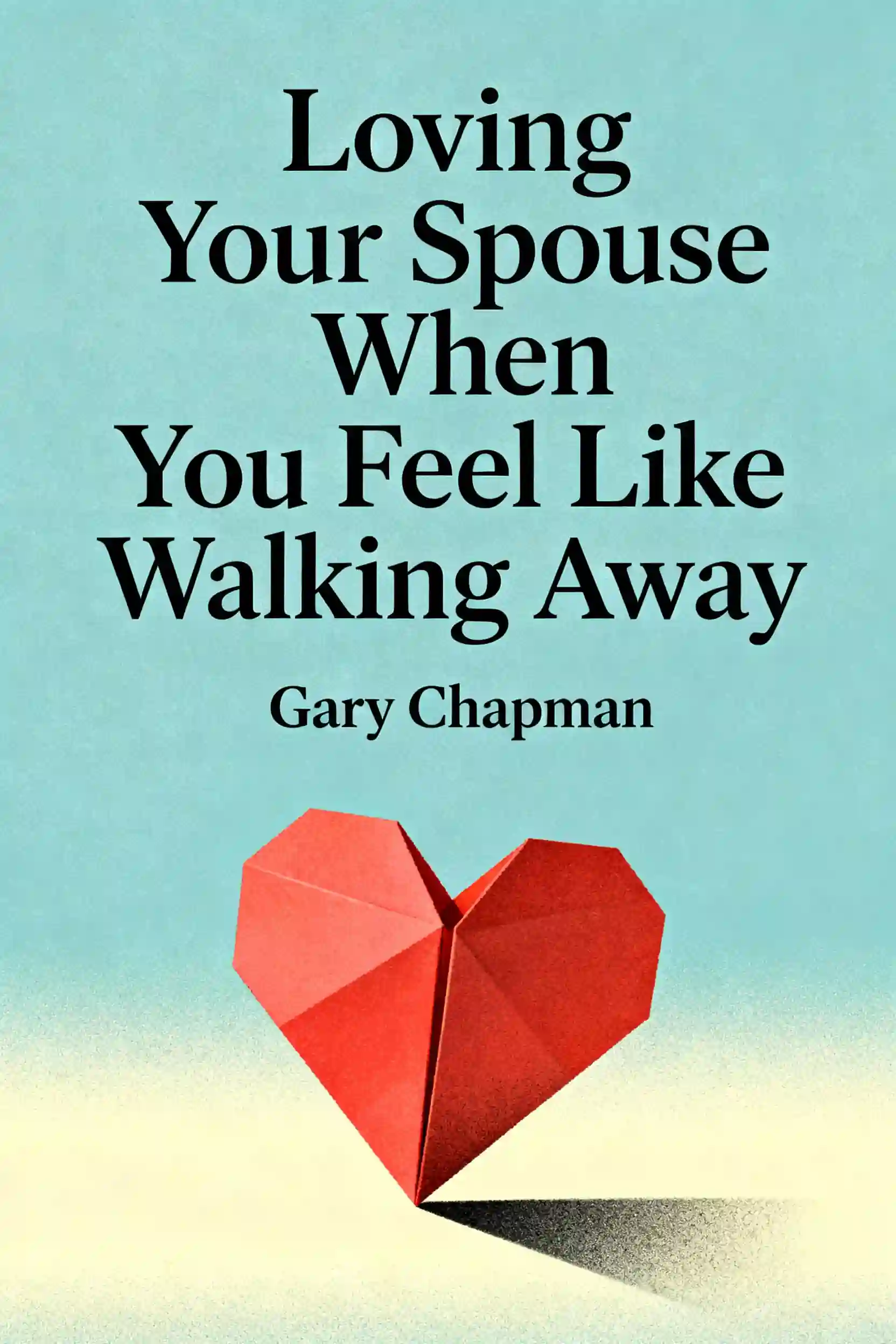


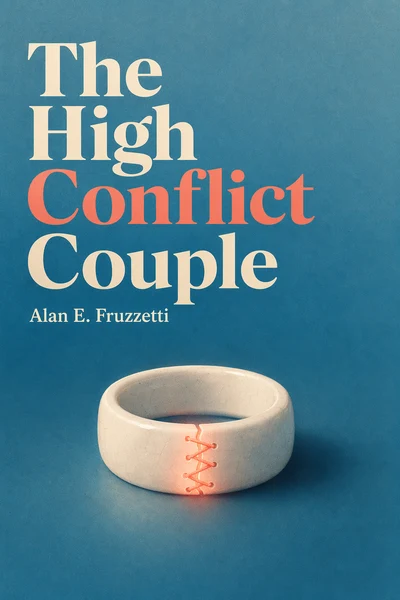
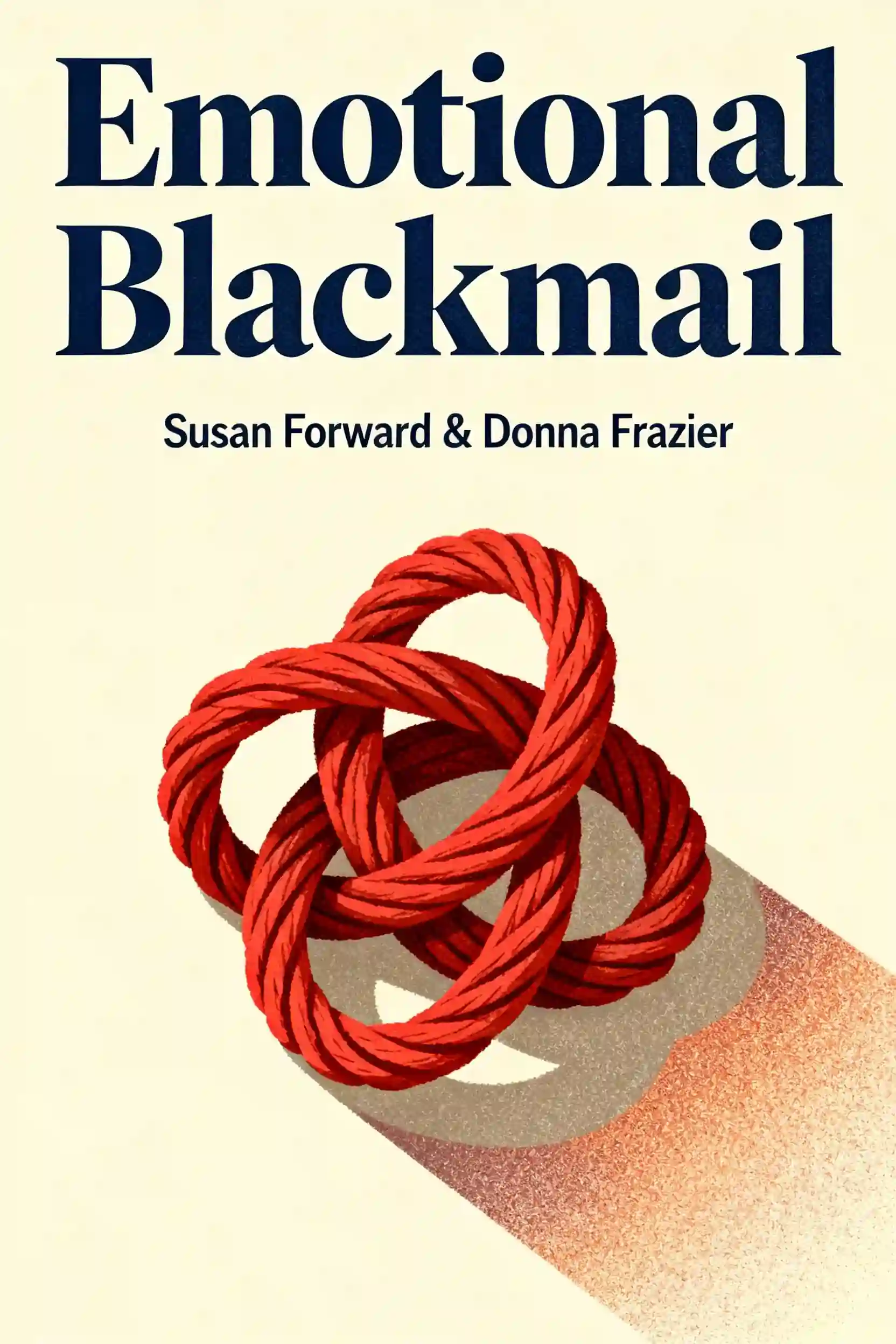








FAQ
Emotional withholding is when someone consciously or unconsciously restricts affection, communication, or emotional support, often as a defense mechanism during a conflict. It differs from taking healthy space, as withholding typically leaves the other partner feeling shut out.
People often withhold affection when angry as a way to protect themselves from vulnerability or to manage overwhelming emotions. While it can feel like a way to maintain control during a conflict, it usually stems from an unmet emotional need rather than a malicious desire to punish.
Bringing up a lack of intimacy requires a calm, non-confrontational setting. Focus on using 'I' statements to express how you feel rather than blaming your partner. Open communication about your desire to reconnect can help bridge the gap without triggering a defensive response.
From Columbia University alumni built in San Francisco
"Instead of endless scrolling, I just hit play on BeFreed. It saves me so much time."


"I never knew where to start with nonfiction—BeFreed’s book lists turned into podcasts gave me a clear path."


"Perfect balance between learning and entertainment. Finished ‘Thinking, Fast and Slow’ on my commute this week."
"Crazy how much I learned while walking the dog. BeFreed = small habits → big gains."
"Reading used to feel like a chore. Now it’s just part of my lifestyle."

"Feels effortless compared to reading. I’ve finished 6 books this month already."
"BeFreed turned my guilty doomscrolling into something that feels productive and inspiring."

"BeFreed turned my commute into learning time. 20-min podcasts are perfect for finishing books I never had time for."
"BeFreed replaced my podcast queue. Imagine Spotify for books — that’s it. 🙌"

"It is great for me to learn something from the book without reading it."
"The themed book list podcasts help me connect ideas across authors—like a guided audio journey."
"Makes me feel smarter every time before going to work"
From Columbia University alumni built in San Francisco
"Instead of endless scrolling, I just hit play on BeFreed. It saves me so much time."
"I never knew where to start with nonfiction—BeFreed’s book lists turned into podcasts gave me a clear path."
"Perfect balance between learning and entertainment. Finished ‘Thinking, Fast and Slow’ on my commute this week."
"Crazy how much I learned while walking the dog. BeFreed = small habits → big gains."
"Reading used to feel like a chore. Now it’s just part of my lifestyle."
"Feels effortless compared to reading. I’ve finished 6 books this month already."
"BeFreed turned my guilty doomscrolling into something that feels productive and inspiring."
"BeFreed turned my commute into learning time. 20-min podcasts are perfect for finishing books I never had time for."
"BeFreed replaced my podcast queue. Imagine Spotify for books — that’s it. 🙌"
"It is great for me to learn something from the book without reading it."
"The themed book list podcasts help me connect ideas across authors—like a guided audio journey."
"Makes me feel smarter every time before going to work"
"Instead of endless scrolling, I just hit play on BeFreed. It saves me so much time."
"I never knew where to start with nonfiction—BeFreed’s book lists turned into podcasts gave me a clear path."
"Perfect balance between learning and entertainment. Finished ‘Thinking, Fast and Slow’ on my commute this week."
"Crazy how much I learned while walking the dog. BeFreed = small habits → big gains."
"Reading used to feel like a chore. Now it’s just part of my lifestyle."
"Feels effortless compared to reading. I’ve finished 6 books this month already."
"BeFreed turned my guilty doomscrolling into something that feels productive and inspiring."
"BeFreed turned my commute into learning time. 20-min podcasts are perfect for finishing books I never had time for."
"BeFreed replaced my podcast queue. Imagine Spotify for books — that’s it. 🙌"
"It is great for me to learn something from the book without reading it."
"The themed book list podcasts help me connect ideas across authors—like a guided audio journey."
"Makes me feel smarter every time before going to work"
"Instead of endless scrolling, I just hit play on BeFreed. It saves me so much time."
"I never knew where to start with nonfiction—BeFreed’s book lists turned into podcasts gave me a clear path."
"Perfect balance between learning and entertainment. Finished ‘Thinking, Fast and Slow’ on my commute this week."
"Crazy how much I learned while walking the dog. BeFreed = small habits → big gains."
"Reading used to feel like a chore. Now it’s just part of my lifestyle."
"Feels effortless compared to reading. I’ve finished 6 books this month already."
"BeFreed turned my guilty doomscrolling into something that feels productive and inspiring."
"BeFreed turned my commute into learning time. 20-min podcasts are perfect for finishing books I never had time for."
"BeFreed replaced my podcast queue. Imagine Spotify for books — that’s it. 🙌"
"It is great for me to learn something from the book without reading it."
"The themed book list podcasts help me connect ideas across authors—like a guided audio journey."
"Makes me feel smarter every time before going to work"