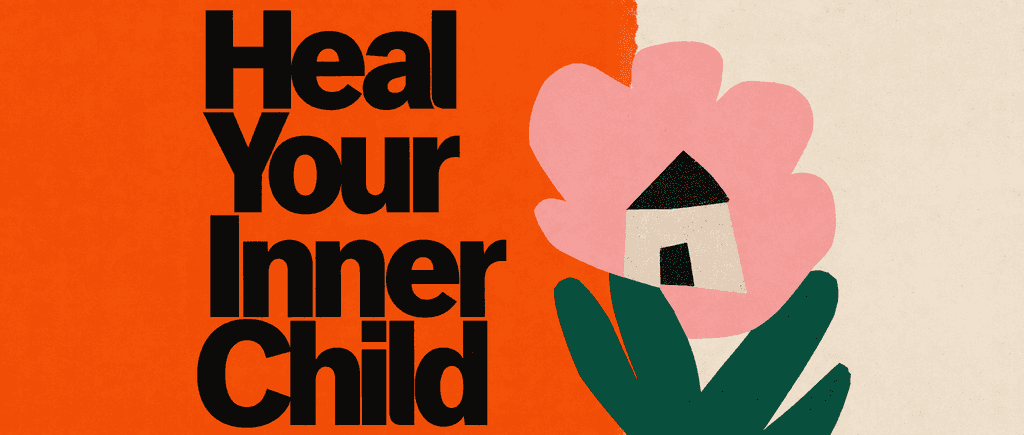
Breaking the Cycle: Healing Trauma to Love Again
Learn how to retrain your nervous system and dismantle protective barriers so you can fully embrace a healthy relationship without the weight of your past.

Best quote from Breaking the Cycle: Healing Trauma to Love Again
Your baggage is actually just your nervous system doing its job; these responses aren't character flaws, but brilliant adaptations your younger self created to survive.
Generated by Bethany
Relationship with my boyfriend and how to love him. Past relationship trauma is holding me back

Frequently Asked Questions
This occurs because trauma is a physiological event stored in the nervous system, not just a psychological one. Your amygdala, the brain's alarm system, can become stuck in a state of "hypervigilance," constantly scanning for danger even when your logical brain knows you are safe. This "protection mode" is a brilliant adaptation your body created to survive past toxicity, but it can misfire in the present, treating emotional intimacy or vulnerability as a physical threat.
Fawning is a survival strategy often linked to complex trauma where a person becomes extremely helpful, non-threatening, or people-pleasing to avoid conflict and stay safe. In a relationship, this might look like constantly apologizing for things that aren't your fault or scanning your partner's face for any hint of disapproval. While it was once a necessary skill to manage unstable people, in a healthy relationship, it prevents authentic connection because you are "performing" to stay safe rather than simply being yourself.
Sensate Focus is a technique used to de-couple physical touch from the expectation of sex, which can often be a trigger for survivors. It involves taking turns being a "giver" and "receiver" of touch on non-sexual areas, such as the arms or back, with the explicit agreement that it will not lead to anything further. This allows the survivor to maintain full control and stay present in their body without feeling the pressure of a "demand," which helps the nervous system slowly relearn that touch is safe.
The most important role for a partner during an emotional flashback—which is a sudden flood of feelings like shame or helplessness—is to be a steady, safe, and non-judgmental presence. Rather than trying to "fix" the emotion or taking the withdrawal personally, the partner should provide "co-regulation" by remaining calm and grounded. Simple statements like "I believe you" and "I am here with you" help the survivor's nervous system eventually find its way back to a state of safety.
In the context of healing, boundaries are not meant to shut people out, but to provide clear and kind instructions on how to love and respect you safely. For a survivor, setting a boundary—like asking for a twenty-minute pause during a heated talk—is an act of self-preservation that prevents the nervous system from becoming overwhelmed. When a partner respects these boundaries, it builds a "track record of safety," proving that the survivor's needs are valid and will not be punished.
From Columbia University alumni built in San Francisco
"Instead of endless scrolling, I just hit play on BeFreed. It saves me so much time."


"I never knew where to start with nonfiction—BeFreed’s book lists turned into podcasts gave me a clear path."


"Perfect balance between learning and entertainment. Finished ‘Thinking, Fast and Slow’ on my commute this week."
"Crazy how much I learned while walking the dog. BeFreed = small habits → big gains."
"Reading used to feel like a chore. Now it’s just part of my lifestyle."

"Feels effortless compared to reading. I’ve finished 6 books this month already."
"BeFreed turned my guilty doomscrolling into something that feels productive and inspiring."

"BeFreed turned my commute into learning time. 20-min podcasts are perfect for finishing books I never had time for."
"BeFreed replaced my podcast queue. Imagine Spotify for books — that’s it. 🙌"

"It is great for me to learn something from the book without reading it."
"The themed book list podcasts help me connect ideas across authors—like a guided audio journey."
"Makes me feel smarter every time before going to work"
From Columbia University alumni built in San Francisco
"Instead of endless scrolling, I just hit play on BeFreed. It saves me so much time."
"I never knew where to start with nonfiction—BeFreed’s book lists turned into podcasts gave me a clear path."
"Perfect balance between learning and entertainment. Finished ‘Thinking, Fast and Slow’ on my commute this week."
"Crazy how much I learned while walking the dog. BeFreed = small habits → big gains."
"Reading used to feel like a chore. Now it’s just part of my lifestyle."
"Feels effortless compared to reading. I’ve finished 6 books this month already."
"BeFreed turned my guilty doomscrolling into something that feels productive and inspiring."
"BeFreed turned my commute into learning time. 20-min podcasts are perfect for finishing books I never had time for."
"BeFreed replaced my podcast queue. Imagine Spotify for books — that’s it. 🙌"
"It is great for me to learn something from the book without reading it."
"The themed book list podcasts help me connect ideas across authors—like a guided audio journey."
"Makes me feel smarter every time before going to work"
"Instead of endless scrolling, I just hit play on BeFreed. It saves me so much time."
"I never knew where to start with nonfiction—BeFreed’s book lists turned into podcasts gave me a clear path."
"Perfect balance between learning and entertainment. Finished ‘Thinking, Fast and Slow’ on my commute this week."
"Crazy how much I learned while walking the dog. BeFreed = small habits → big gains."
"Reading used to feel like a chore. Now it’s just part of my lifestyle."
"Feels effortless compared to reading. I’ve finished 6 books this month already."
"BeFreed turned my guilty doomscrolling into something that feels productive and inspiring."
"BeFreed turned my commute into learning time. 20-min podcasts are perfect for finishing books I never had time for."
"BeFreed replaced my podcast queue. Imagine Spotify for books — that’s it. 🙌"
"It is great for me to learn something from the book without reading it."
"The themed book list podcasts help me connect ideas across authors—like a guided audio journey."
"Makes me feel smarter every time before going to work"
"Instead of endless scrolling, I just hit play on BeFreed. It saves me so much time."
"I never knew where to start with nonfiction—BeFreed’s book lists turned into podcasts gave me a clear path."
"Perfect balance between learning and entertainment. Finished ‘Thinking, Fast and Slow’ on my commute this week."
"Crazy how much I learned while walking the dog. BeFreed = small habits → big gains."
"Reading used to feel like a chore. Now it’s just part of my lifestyle."
"Feels effortless compared to reading. I’ve finished 6 books this month already."
"BeFreed turned my guilty doomscrolling into something that feels productive and inspiring."
"BeFreed turned my commute into learning time. 20-min podcasts are perfect for finishing books I never had time for."
"BeFreed replaced my podcast queue. Imagine Spotify for books — that’s it. 🙌"
"It is great for me to learn something from the book without reading it."
"The themed book list podcasts help me connect ideas across authors—like a guided audio journey."
"Makes me feel smarter every time before going to work"