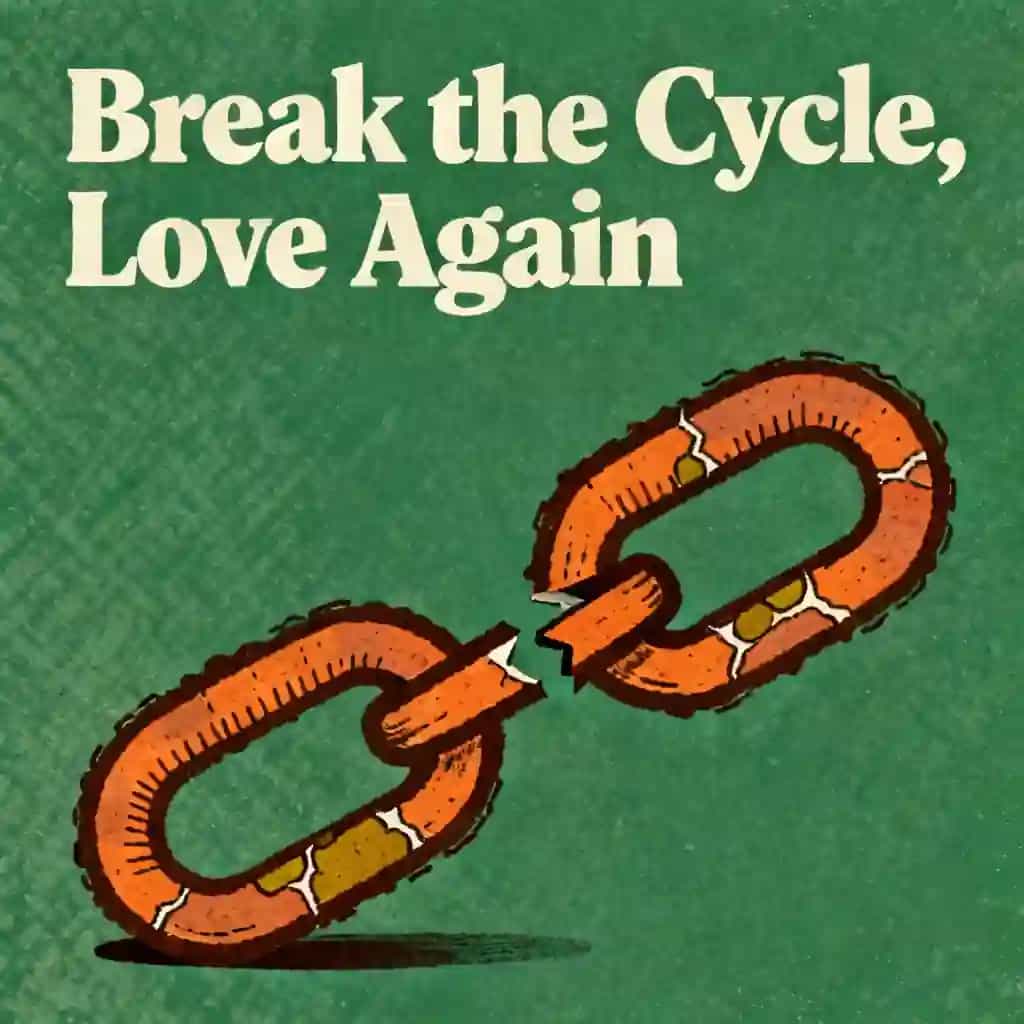
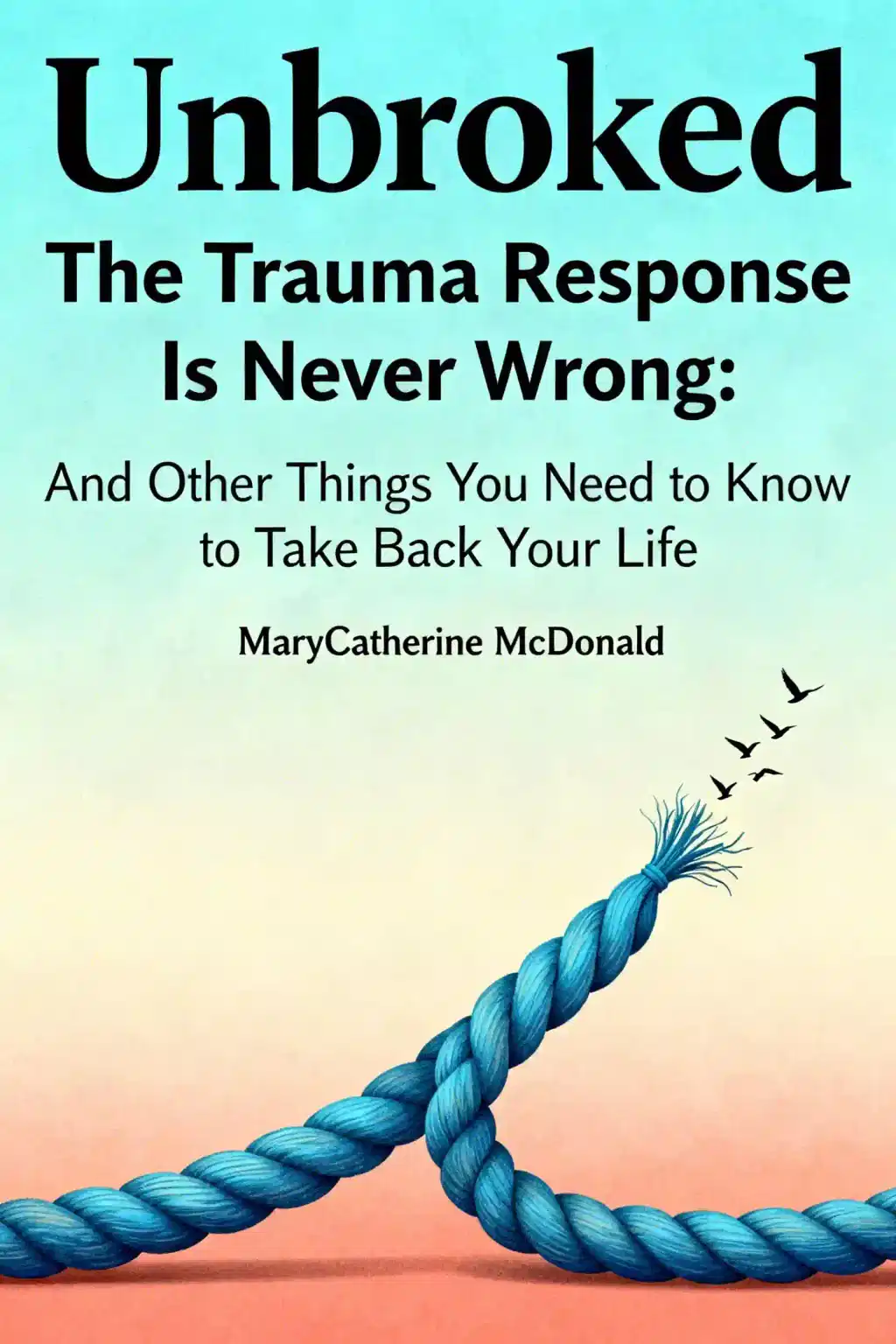
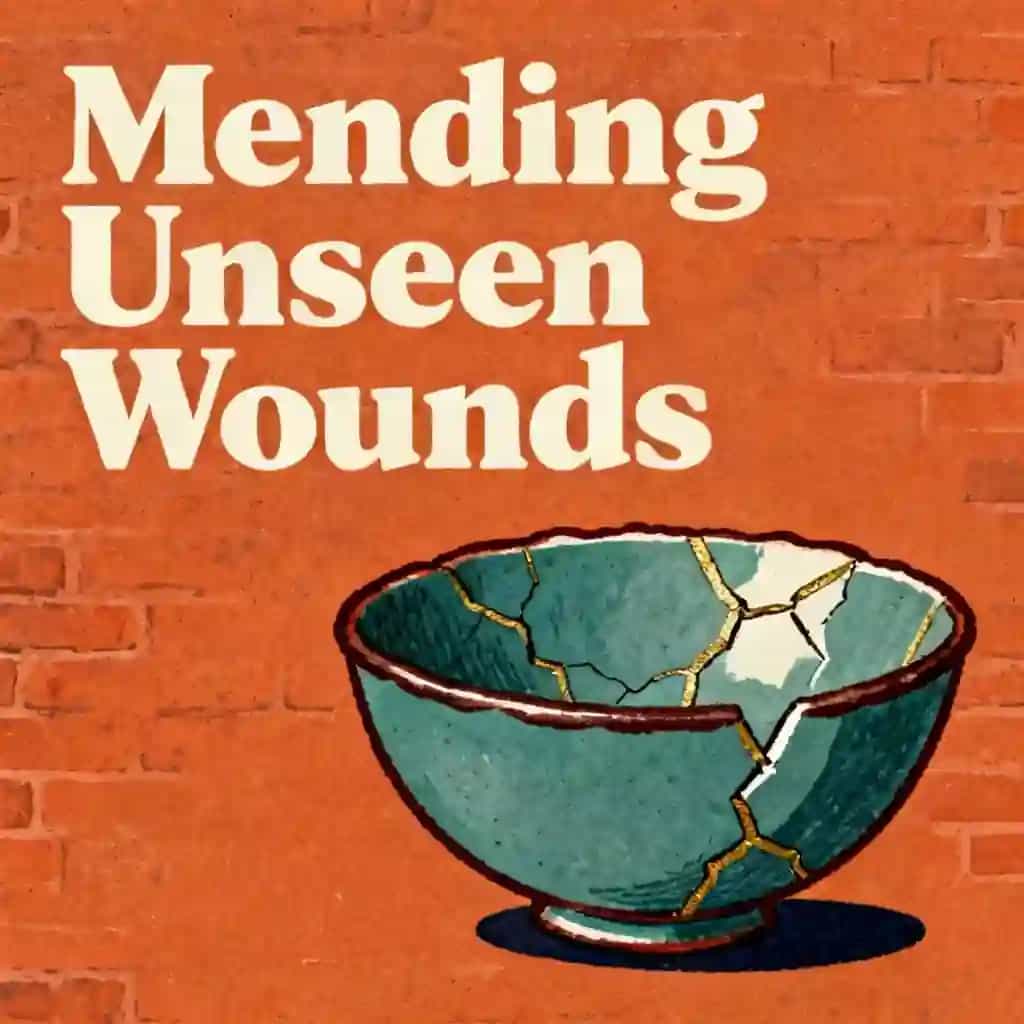
Explore how childhood experiences create unconscious patterns in adult relationships and discover practical steps to break trauma reenactment cycles. Learn to recognize triggers, heal your inner child, and build healthier connections.

None of this is our fault, but it becomes our responsibility to heal. These patterns we develop were actually incredibly smart survival strategies that our young minds created to help us navigate difficult situations.
trauma reenactment, adult relationships based on childhood trauma, and practical healing steps


From Columbia University alumni built in San Francisco
"Instead of endless scrolling, I just hit play on BeFreed. It saves me so much time."
"I never knew where to start with nonfiction—BeFreed’s book lists turned into podcasts gave me a clear path."
"Perfect balance between learning and entertainment. Finished ‘Thinking, Fast and Slow’ on my commute this week."
"Crazy how much I learned while walking the dog. BeFreed = small habits → big gains."
"Reading used to feel like a chore. Now it’s just part of my lifestyle."
"Feels effortless compared to reading. I’ve finished 6 books this month already."
"BeFreed turned my guilty doomscrolling into something that feels productive and inspiring."
"BeFreed turned my commute into learning time. 20-min podcasts are perfect for finishing books I never had time for."
"BeFreed replaced my podcast queue. Imagine Spotify for books — that’s it. 🙌"
"It is great for me to learn something from the book without reading it."
"The themed book list podcasts help me connect ideas across authors—like a guided audio journey."
"Makes me feel smarter every time before going to work"
From Columbia University alumni built in San Francisco

Lena: Hey everyone, welcome to this special BeFreed podcast! I'm Lena, and we're absolutely thrilled to dive into something that affects so many of us yet rarely gets talked about openly.
Nia: And I'm Nia! You know, Lena, when we started preparing for today's conversation about trauma reenactment and how childhood experiences shape our adult relationships, I kept thinking about how many people are walking around wondering why they keep ending up in the same patterns over and over again.
Lena: Exactly! And what's fascinating is that we often don't even realize we're doing it. It's like we're following this invisible script that was written when we were kids, and we're acting it out in our grown-up relationships without even knowing it.
Nia: So true! And that's exactly what we want to explore today-this whole phenomenon of trauma reenactment and how our earliest relationships, especially with our caregivers, create these blueprints that we carry into adulthood. I've been diving deep into Beverly Engel's work on helping clients overcome traumatic reenactment, and it's just eye-opening.
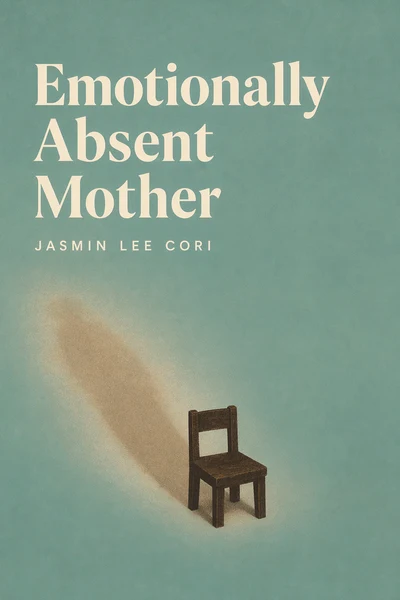
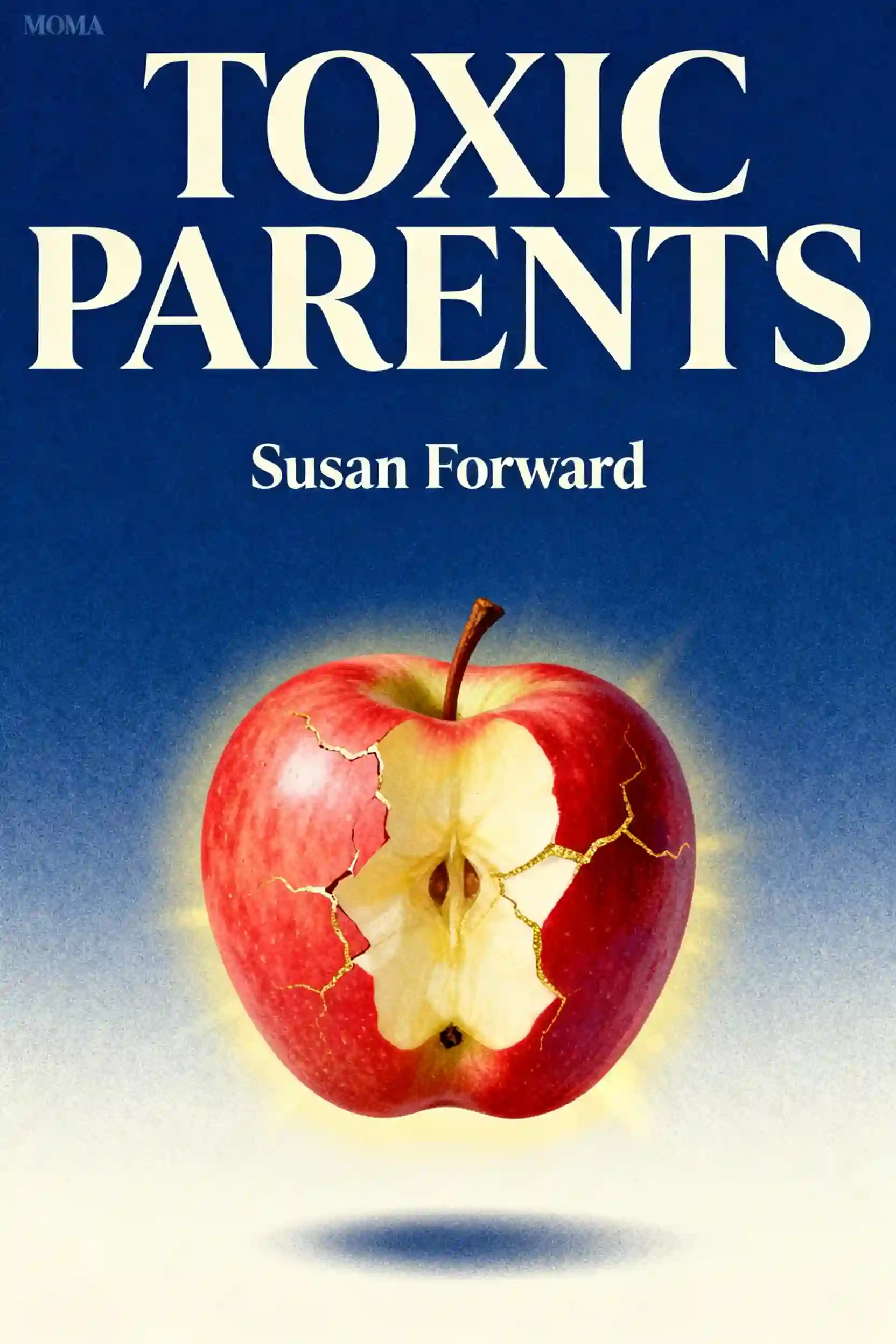
Lena: Right! And we're not just talking about one perspective here. We've got insights from multiple experts who've spent decades studying this. There's Jasmin Lee Cori's powerful work on "The Emotionally Absent Mother," which really gets into how emotional neglect creates these lasting wounds. Then we have Susan Forward's groundbreaking research on toxic parents and how that toxicity ripples through generations.
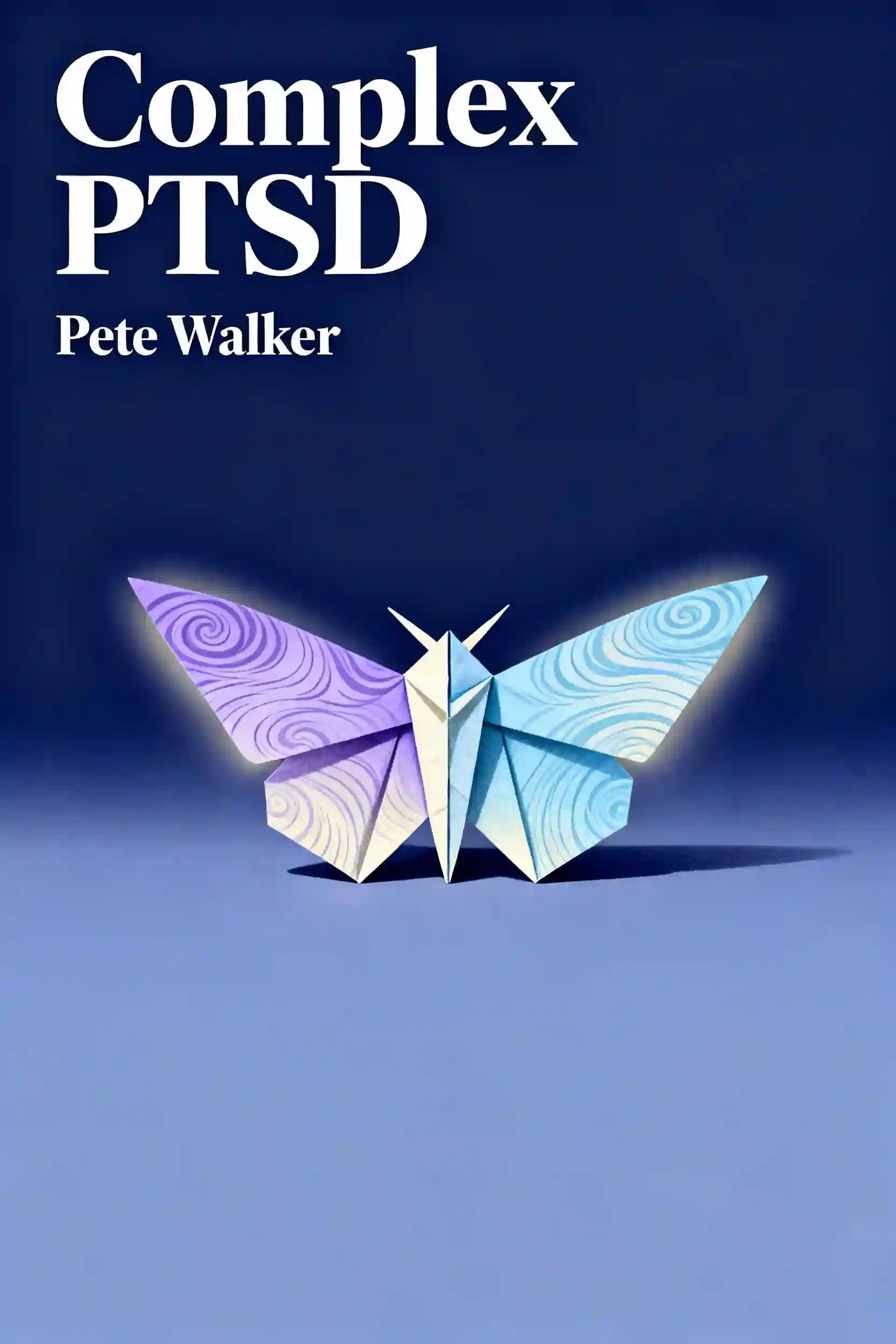
Nia: Don't forget Pete Walker's incredible insights on Complex PTSD! That book completely changed how I understand emotional flashbacks and those moments when we suddenly feel like we're eight years old again, even though we're fully grown adults. And the attachment theory research-it's like having a roadmap for understanding why we do what we do in relationships.
Lena: You know what strikes me most about all this research? It's that none of this is our fault, but it becomes our responsibility to heal. These patterns we develop-they're actually incredibly smart survival strategies that our young minds created to help us navigate difficult situations.
Nia: Absolutely! And I think that's such an important reframe for our listeners. When you understand that your brain was literally doing its job-protecting you-it takes away so much of that shame and self-blame that often comes with recognizing these patterns.
Lena: So let's start with the basics. Nia, when we talk about trauma reenactment, what exactly are we describing? Because I think a lot of people hear "trauma" and immediately think of dramatic, obvious events.
Nia: That's such a great point, Lena. Trauma reenactment-or what some experts call repetition compulsion-is this unconscious drive to recreate situations that mirror our early traumatic experiences. And here's the thing that really gets me: we're not doing this because we're gluttons for punishment. We're doing it because some part of us is still trying to "win" or resolve what happened when we were kids.
Lena: It's like our psyche is saying, "Okay, let me try this scenario again, but this time maybe I can get it right." Beverly Engel talks about this in her work-how people who were physically abused by their fathers often find themselves attracted to abusive partners, or how someone whose mother was emotionally distant keeps choosing emotionally unavailable people.
Nia: Exactly! And what's so heartbreaking is that it's completely unconscious. Nobody wakes up and thinks, "You know what? I'm going to find someone who treats me exactly like my critical parent did." But that's exactly what happens because these patterns are wired so deep in our brains.
Lena: The attachment research really explains why this happens, doesn't it? When we're children, our brains are literally forming these neural pathways based on our earliest relationships. Those pathways become like superhighways-the routes our brains automatically take when we're in relationships.
Nia: Yes! And it's during those first few years of life when most of these connections are being formed. So if your primary caregiver was inconsistent, or absent, or abusive, your brain learns to expect that from relationships. It becomes your "normal," even if it's incredibly painful.
Lena: What really struck me in the research is how Freud described this-he said that people who don't remember their trauma are "obliged to repeat the repressed material as a contemporary experience." It's like our bodies and our unconscious minds remember what our conscious minds have forgotten or blocked out.
Nia: That's so profound, isn't it? And it explains why sometimes people will say, "I don't remember any trauma from childhood," but then they're in these patterns of choosing partners who are emotionally unavailable or abusive. Their bodies remember, even if their minds don't.
Lena: I think it's really important for our listeners to understand that trauma isn't just the obvious stuff-the physical abuse or neglect that gets talked about more often. Emotional absence can be just as damaging, can't it?
Nia: Oh, absolutely. Jasmin Lee Cori's work on the emotionally absent mother really opened my eyes to this. She talks about how you can have a mother who's physically present-she feeds you, clothes you, takes you to school-but she's emotionally unavailable. Maybe she's depressed, or overwhelmed, or dealing with her own trauma.
Lena: And children interpret that absence so personally, don't they? They don't think, "Oh, mom is struggling with her own issues." They think, "I must not be worth loving" or "I must be too much trouble."
Nia: Exactly! Kids are naturally egocentric-not in a selfish way, but developmentally. Everything that happens feels like it's about them. So when mom is emotionally absent, the child's brain creates these stories: "I'm not lovable," "I'm too needy," "I have to be perfect to get attention."
Lena: And then we carry those stories into our adult relationships. I was reading about how Susan Forward describes this in her work on toxic parents-how children develop these core beliefs like "I am bad and my parents are good" or "I am weak and my parents are strong." These beliefs become the foundation for how we see ourselves in relationships.
Nia: That's such a crucial point. And what's particularly insidious is how these beliefs get reinforced over time. If you believe you're not worthy of love, you might unconsciously choose partners who confirm that belief. It's like your psyche is saying, "See? I knew I wasn't lovable."
Lena: The research on attachment styles really breaks this down in such a helpful way. When caregivers are consistently responsive and attuned, children develop secure attachment. But when caregivers are inconsistent, rejecting, or overwhelmed, children develop these insecure attachment styles that follow them into adulthood.
Nia: Right! And each attachment style has its own patterns of reenactment. Someone with anxious attachment might become clingy and desperate for reassurance, recreating that childhood feeling of never being sure if their caregiver would be there. Someone with avoidant attachment might push people away before they can be rejected, playing out that early experience of learning that closeness equals pain.
Lena: One thing that really fascinated me in Pete Walker's work on Complex PTSD is how trauma literally lives in our bodies. Can you talk about emotional flashbacks? Because I think a lot of people don't realize they're having them.
Nia: Oh my gosh, yes! Emotional flashbacks are so different from what most people think of when they hear "flashback." There's no visual component-no sudden images of past events. Instead, you're suddenly flooded with the feelings from childhood trauma. You might feel small, helpless, terrified, or overwhelmed, but you can't pinpoint why.
Lena: It's like being hijacked by your past, isn't it? You're a competent adult one moment, and then something triggers you-maybe your partner uses a certain tone of voice or gives you a look-and suddenly you're feeling like a scared child again.
Nia: Exactly! And the tricky part is that because there's no visual memory, people often don't recognize what's happening. They just know they feel terrible and they can't seem to think their way out of it. Walker talks about how these flashbacks can last anywhere from minutes to days if we don't know how to work with them.
Lena: The research on implicit memories really explains this, doesn't it? Trauma gets stored in our bodies and our emotional centers, not just in our thinking brains. So when we're triggered, our body remembers the danger even when our rational mind knows we're safe.
Nia: Yes! And this is where the reenactment patterns become so clear. If your body is carrying all this unresolved trauma, it's constantly scanning for familiar threats. So you might find yourself in relationships where you're always waiting for the other shoe to drop, or where you're hypervigilant about signs of rejection or abandonment.
Lena: Beverly Engel talks about how people experiencing reenactments often have this deep sense that "something happened" even when they can't remember specific events. Their symptoms-the nightmares, the triggers, the relationship patterns-are like their memories.
Nia: That's such a powerful way to think about it. Your body is telling you a story about what happened, even when your mind can't access the details. And often, what triggers you most is pointing toward what needs healing.
Lena: Let's talk about something that I think almost everyone can relate to-that harsh inner voice that seems to know exactly what to say to make us feel terrible about ourselves. Pete Walker calls this the "toxic inner critic," and it's not just regular self-doubt, is it?
Nia: No, it's so much more than that! The toxic inner critic is like having your harshest childhood critic living rent-free in your head. It's that internalized voice of a critical parent or caregiver, and it's relentless. Walker describes it as a "superego gone bad"-instead of helping you make good choices, it just attacks you constantly.
Lena: And the cruel irony is that this critic often developed as a protection mechanism, right? If you could criticize yourself first and be perfect, maybe you could avoid your parent's criticism or rejection.
Nia: Exactly! It's like your child-mind thought, "If I can just be perfect enough, if I can anticipate every possible mistake, maybe I'll finally be safe and loved." But of course, perfection is impossible, so the critic just gets meaner and more demanding over time.
Lena: What really gets me is how this inner critic affects our adult relationships. If you're constantly telling yourself you're not good enough, too needy, too much trouble, how can you possibly show up authentically with a partner?
Nia: Right! And it creates these self-fulfilling prophecies. If your inner critic is telling you that you're going to be abandoned, you might become clingy or push your partner away-behaviors that actually increase the likelihood of relationship problems. It's like the critic creates the very outcomes it claims to be protecting you from.
Lena: Susan Forward talks about this too in her work on toxic parents. She describes how children internalize their parents' criticism to the point where they can't tell the difference between their own thoughts and their parents' voices. The criticism becomes so automatic that they think it's just how their mind works.
Nia: And breaking free from that voice is such a crucial part of healing from trauma reenactment. Walker has all these techniques for shrinking the inner critic-things like thought-stopping, where you literally tell the critic "Stop!" or "No!" when it starts its attack.
Lena: It's like learning to be your own protective parent, isn't it? Instead of letting that critical voice run the show, you step in and defend yourself the way a good parent would defend their child.
Lena: Nia, I found Pete Walker's concept of the "4F" responses absolutely fascinating. Can you break down how children develop these different survival strategies when they're faced with overwhelming situations?
Nia: Oh, this is such important stuff! So Walker identifies four main ways that children respond to trauma when they can't escape it: fight, flight, freeze, and fawn. And here's what's really interesting-these aren't just temporary reactions. When children are stuck in traumatic situations over time, these responses actually become personality structures.
Lena: So it's like these survival strategies get hardwired into who we become as people. Can you walk us through each one?
Nia: Absolutely! So "fight" types respond to abandonment and trauma with anger and control. They use contempt and aggression to keep people at a distance because closeness feels dangerous. "Flight" types become these perpetual motion machines-they're always busy, always achieving, always moving because if they stop, they might feel the pain they're running from.
Lena: And then there's "freeze," which I think people sometimes don't recognize as a trauma response.
Nia: Yes! Freeze types withdraw completely. They've learned that connection equals danger, so they retreat into themselves. They might become depressed, isolated, or just completely shut down emotionally. And then there's "fawn," which is probably the most heartbreaking to me.
Lena: Why is that?
Nia: Because fawn types learn to survive by completely abandoning their own needs and boundaries to please others. They become these perfect people-pleasers who believe that relationships require total self-sacrifice. They think love means erasing yourself.
Lena: What's so tragic is that all of these strategies probably worked in childhood-they helped these kids survive impossible situations. But then they carry these same strategies into adult relationships where they're no longer necessary or helpful.
Nia: Exactly! A fight response might have protected you from an abusive parent, but it's going to create problems in an adult relationship with someone who actually loves you. A fawn response might have kept you safe from a narcissistic parent's rage, but it's going to prevent authentic intimacy as an adult.
Lena: And the research shows that often siblings in the same family will develop different responses, right? It's like each child finds their own survival niche.
Nia: Yes! Walker talks about how traumatizing families often unconsciously practice "divide and conquer." One child might become the perfect achiever, another might become the rebel, another might disappear into the background. Each child is trying to find a way to get their needs met or at least avoid further harm.
Lena: So how do people start to recognize these patterns in their own lives? Because I imagine a lot of our listeners are thinking, "This sounds familiar, but how do I know if I'm reenacting trauma?"
Nia: That's such a great question! Beverly Engel has this really helpful exercise where she asks people to start noticing what triggers them. She says to pay attention to the events, people, or sensory experiences that catapult you back into feeling small, scared, or overwhelmed.
Lena: So it's like becoming a detective of your own emotional responses?
Nia: Exactly! And she has this extensive list of common triggers for people who experienced childhood trauma. Things like feeling abandoned or rejected, criticism, someone being angry, being lied to, feeling ignored-all these situations that might remind you unconsciously of childhood experiences.
Lena: What I found really powerful in her work is how she reframes symptoms and triggers as memories. She tells clients, "Your symptoms and triggers are your memories." Even if you can't remember specific events, your body is remembering through these reactions.
Nia: That's so validating, isn't it? Instead of thinking, "Why am I so sensitive?" or "Why do I overreact to everything?" you can start to understand that these reactions are actually your psyche trying to communicate something important about your past.
Lena: And then there are the relationship patterns themselves. If you find yourself repeatedly attracted to emotionally unavailable people, or if you keep ending up in relationships where you feel like you're walking on eggshells, or if you're always the one doing all the emotional work-these could all be signs of reenactment.
Nia: Right! And it's not just about romantic relationships. These patterns show up in friendships, work relationships, even how we relate to ourselves. The attachment research shows that our early relationships create these templates for how we expect relationships to work.
Lena: Jasmin Lee Cori talks about how people who were undermothered often struggle with self-care and self-nurturing. They might work themselves to exhaustion, ignore their own needs, or have trouble accepting care from others because they never learned that they were worthy of nurturing.
Nia: And that's such a key point-it's not just about the relationships we choose, but how we treat ourselves. If you had parents who were critical, neglectful, or absent, you might have internalized the message that your needs don't matter or that you have to earn love through performance.
Lena: Okay, so we've talked about how these patterns develop and how to recognize them. But here's what I know our listeners really want to know-how do you heal from this? How do you break cycles that have been decades in the making?
Nia: That's the million-dollar question, isn't it? And the good news is that healing is absolutely possible, even from the deepest wounds. But it's not a quick fix-it's more like learning a whole new language of relating to yourself and others.
Lena: Pete Walker talks about healing happening across multiple dimensions-cognitive, emotional, spiritual, physical, and relational. It's not just about changing your thoughts or just feeling your feelings. It's this whole-person transformation.
Nia: Yes! And I love how he describes it as building a "keychain of techniques" rather than looking for one magic solution. Because different situations call for different tools, and what works for one person might not work for another.
Lena: Let's start with the cognitive piece. What does that look like in practice?
Nia: The cognitive work is really about understanding how your childhood experiences created these self-perpetuating trauma patterns. It's like getting a roadmap for your own psyche. You start to see how the messages you received as a child-"you're too much," "your needs don't matter," "love has to be earned"-became these core beliefs that drive your adult behavior.
Lena: And then there's the work of redirecting blame, right? Instead of "What's wrong with me?" it becomes "What happened to me?"
Nia: Exactly! That shift is huge. When you realize that your struggles aren't character defects but adaptive responses to difficult circumstances, it takes away so much shame. You start to see your younger self with compassion instead of criticism.
Lena: The emotional healing piece seems really important too. Walker talks about grieving childhood losses through angering, crying, verbal ventilating, and feeling. Can you say more about that?
Nia: This is where a lot of people get stuck because we're taught to avoid difficult emotions. But trauma healing requires actually feeling and moving through the emotions that got stuck when we were kids. Angering is about directing your rage at the people who hurt you instead of at yourself. Crying releases all that fear and sadness. Verbal ventilating is just what it sounds like-expressing those feelings out loud.
Lena: And "feeling" is about staying present with emotions without immediately trying to fix them or make them go away?
Nia: Yes! It's like learning to be with your emotions instead of being afraid of them. When you can stay present with difficult feelings, they actually move through you instead of getting stuck and creating symptoms.
Lena: One of the most beautiful concepts I encountered in this research is the idea of reparenting yourself. Nia, can you talk about what that means and how it works?
Nia: Oh, this is probably my favorite part of the healing process! Reparenting is about addressing those developmentally arrested needs of your inner child-particularly the need for love and protection that might not have been met when you were young.
Lena: It's like going back and giving your younger self what they needed, but doing it from your adult self?
Nia: Exactly! Walker breaks it down into self-mothering and self-fathering. Self-mothering is about developing self-compassion and unconditional love for yourself. It's learning to accept all parts of yourself-even the parts that feel messy or needy or imperfect.
Lena: And self-fathering is more about protection and boundaries?
Nia: Yes! Self-fathering is about developing your ability to protect yourself, to set boundaries, to stand up for yourself. Walker has this powerful technique where you imagine going back in time and protecting your child-self from whatever abuse or neglect you experienced.
Lena: That sounds intense but also incredibly healing.
Nia: It really is! You might imagine calling the authorities, or physically restraining an abuser, or just scooping up your child-self and taking them somewhere safe. It's a way of letting your inner child know that they now live in an adult body with much more power and resources.
Lena: Jasmin Lee Cori talks about this too in her work on emotional absence. She describes how people who were undermothered need to develop their own internal "Good Mother" figure-a source of unconditional love and nurturing that they can carry with them.
Nia: And what I love about her approach is that she acknowledges this isn't just a mental exercise. You have to let these feelings of love and acceptance actually penetrate your body, not just your mind. It's about creating new neural pathways of self-love to replace those old pathways of self-criticism.
Lena: The research on neuroplasticity is so hopeful here, isn't it? Our brains can literally rewire themselves throughout our lives. Those early trauma patterns aren't permanent.
Nia: Absolutely! And that's what makes all this work so worthwhile. You're not just healing your own wounds-you're also breaking the cycle for future generations. When you learn to love and protect yourself, you're much less likely to pass trauma patterns on to your children or other people in your life.
Lena: One thing that really stood out to me across all this research is how much emphasis there is on healing through relationship. It seems like trauma happens in relationship, and it heals in relationship too.
Nia: That's such a profound insight, Lena. Pete Walker says that "toxic shame cannot heal without relational help," and I think that's so important for people to understand. You can do a lot of self-work-and that's valuable-but ultimately, we need other people to truly heal.
Lena: But that can be really scary for trauma survivors, can't it? If your earliest relationships were the source of your wounds, trusting other people feels incredibly risky.
Nia: Absolutely! Many trauma survivors have learned that vulnerability equals danger. So the idea of opening up to another person-whether that's a therapist, a friend, or a romantic partner-can feel terrifying. But that's exactly why it's so healing when you find safe relationships.
Lena: Walker talks about "reparenting by committee," doesn't he? The idea that you don't need one perfect person to heal you, but rather a network of supportive relationships?
Nia: Yes! He describes these concentric circles of relationships-maybe you have one or two people in your inner circle where you can share your deepest vulnerabilities, and then wider circles of less intimate but still meaningful connections. Each relationship offers something different.
Lena: And for some people, that healing journey might start with books or therapy before they're ready to risk vulnerability with friends or romantic partners.
Nia: Exactly! He calls it "the community of books"-finding authors who model self-value and self-compassion. Sometimes reading someone else's story helps you recognize your own experiences and feel less alone, which can be the first step toward reaching out to actual people.
Lena: What about romantic relationships specifically? How do these patterns play out there, and how can couples work together when one or both partners are healing from childhood trauma?
Nia: That's such an important question because romantic relationships often trigger our deepest attachment wounds. The intimacy and vulnerability required for a healthy partnership can bring up all those old fears about abandonment, rejection, or being "too much."
Lena: And then you might find yourself reenacting those childhood patterns with your partner-maybe becoming clingy when they need space, or withdrawing when they try to get close.
Nia: Right! And if your partner doesn't understand what's happening, they might take it personally or react in ways that reinforce your fears. That's why education is so important. When both partners understand attachment styles and trauma responses, they can work together instead of against each other.
Lena: Let's get really practical here. For someone who's listening to this and recognizing themselves in these patterns, what are some concrete steps they can start taking today?
Nia: Great question! I think the first step is really just awareness-starting to notice your triggers and patterns without judgment. Beverly Engel suggests keeping a trigger journal where you write down situations that activate you and look for patterns over time.
Lena: And what about those emotional flashbacks that Pete Walker talks about? Are there ways to work with those in the moment?
Nia: Definitely! Walker has this whole protocol for managing flashbacks. First, you remind yourself that you're having a flashback-that these feelings belong to the past, not the present. Then you do some grounding techniques to bring yourself back into your adult body and your current reality.
Lena: What do grounding techniques look like?
Nia: Simple things, actually. Feeling your feet on the floor, noticing five things you can see around you, taking some deep breaths. Beverly Engel has this basic grounding exercise where you sit with your feet flat on the ground and really focus on that physical sensation while breathing and looking around the room.
Lena: It's about getting out of your head and back into your body and the present moment?
Nia: Exactly! Because during a flashback, you're essentially stuck in the past. Your nervous system thinks you're still that scared child in a dangerous situation. Grounding helps remind your system that you're actually a capable adult in a safe place.
Lena: What about working with that toxic inner critic? Are there daily practices for that?
Nia: Yes! Walker suggests thought-stopping techniques where you literally interrupt the critic's voice. When you notice it starting its attack, you can internally or even out loud say "Stop!" or "No!" It sounds simple, but it's actually retraining your brain to not automatically accept those critical thoughts.
Lena: And then there's the self-compassion piece, right? Learning to talk to yourself the way you would talk to a good friend or a child you love?
Nia: That's huge! Kristin Neff's research on self-compassion shows that treating yourself with kindness is actually more motivating than self-criticism. So instead of "You're such an idiot for making that mistake," you might say, "That was hard, and you're doing your best. What do you need right now?"
Lena: What about when someone is ready to start dating or working on their current relationship? How do you break those old patterns of attraction to unavailable or harmful partners?
Nia: This is where the attachment work becomes so practical. When you understand your attachment style, you can start to notice when you're being triggered by familiar but unhealthy dynamics. If you have an anxious attachment style, you might find yourself drawn to avoidant partners because that push-pull dynamic feels "normal."
Lena: But normal doesn't mean healthy, does it?
Nia: Not at all! In fact, for trauma survivors, what feels "normal" or "exciting" in relationships is often what's familiar from childhood-which might be chaos, inconsistency, or emotional unavailability. Healthy, stable love can actually feel boring or suspicious at first.
Lena: So part of the healing is learning to tolerate and even appreciate stability?
Nia: Yes! And learning to communicate your needs directly instead of expecting your partner to read your mind or meet needs they don't even know you have. If you grew up in a family where emotional needs were ignored or punished, you might never have learned how to ask for what you need.
Lena: Susan Forward talks about this in her work on toxic parents-how children learn to suppress their needs or express them indirectly through behavior instead of words.
Nia: Exactly! So as an adult, you might find yourself getting angry or withdrawn when your partner doesn't anticipate your needs, instead of just saying, "I'm feeling disconnected and would love some quality time together."
Lena: What about boundaries? That seems like such a crucial skill for people healing from childhood trauma.
Nia: Oh, boundaries are everything! But they're often really hard for trauma survivors because many of us learned that having boundaries meant being rejected or abandoned. If you had to be the "easy" child to get any love or attention, setting boundaries as an adult can feel terrifying.
Lena: How do people start to develop healthy boundaries?
Nia: I think it starts small-maybe saying no to a request that doesn't feel right, or asking for what you need in a low-stakes situation. And it helps to remember that boundaries aren't walls-they're more like gates. You're not shutting people out; you're creating conditions for healthier relationships.
Lena: As we start to wrap up our conversation, I'm curious about what full healing looks like. Is there a point where these patterns completely go away, or is it more about managing them better?
Nia: That's such a thoughtful question. I think healing is more of a spiral than a straight line. You don't just "get over" childhood trauma and never think about it again. But the patterns do become much less frequent and intense, and when they do show up, you have tools to work with them.
Lena: Pete Walker talks about emotional flashbacks going from lasting days to lasting minutes as people heal. That seems like such a significant improvement in quality of life.
Nia: Absolutely! And your capacity for intimacy and authentic connection grows tremendously. Many people who do this deep healing work end up with relationship skills that surpass those of people who never had to examine their patterns so closely.
Lena: There's something about having to work through your stuff that creates wisdom and empathy, isn't there?
Nia: Yes! Walker talks about how trauma survivors often become "supernormal" through their recovery work. They develop this incredible emotional intelligence and capacity for depth that comes from having to understand themselves so thoroughly.
Lena: And Jasmin Lee Cori mentions that many people who were undermothered become exceptional parents themselves because they're so determined to give their children what they missed.
Nia: That's one of the most beautiful aspects of this healing work-you're not just changing your own life, you're changing the trajectory for future generations. When you break these cycles in yourself, you're creating the possibility for your children, your partner, your friends to experience healthier relationships too.
Lena: What would you say to someone who's listening to this and feeling overwhelmed by the scope of healing that might be needed?
Nia: I would say that healing doesn't happen all at once, and you don't have to do it perfectly. Every small step matters. Every time you notice a pattern instead of just reacting, every time you speak to yourself with compassion instead of criticism, every time you reach out for support instead of isolating-all of that is healing.
Lena: And you don't have to do it alone. In fact, the research suggests you can't fully heal in isolation.
Nia: Exactly! Whether it's therapy, support groups, trusted friends, or even online communities-finding people who understand and support your healing journey is crucial. You deserved love and protection as a child, and you deserve it now as an adult.
Lena: Before we close, let's give our listeners some concrete takeaways they can start implementing right away. What would be your top recommendations for someone just beginning to recognize these patterns in their life?
Nia: I'd start with what Beverly Engel calls the "triggers list." Begin noticing what situations, people, or interactions consistently upset you more than seems warranted. Keep a simple journal for a week or two-just noting when you feel triggered and what was happening. Don't try to fix anything yet, just observe.
Lena: That's such a gentle way to begin. What about for people who are recognizing emotional flashbacks?
Nia: Pete Walker's flashback management steps are gold. When you notice you're feeling suddenly small, scared, or overwhelmed, try this: First, remind yourself "I'm having a flashback. These feelings are from the past." Then do some basic grounding-feel your feet on the floor, name five things you can see, take some deep breaths. Finally, speak to your inner child with compassion: "You're safe now. I'm here with you."
Lena: What about working with that inner critic that so many people struggle with?
Nia: Start practicing thought-stopping. When you notice that critical voice starting its attack, interrupt it. You can say "Stop!" internally, or even out loud if you're alone. Then try to replace the criticism with something more neutral or compassionate. Instead of "You're so stupid," try "You're learning" or "You're doing your best."
Lena: And for people who are in relationships-whether romantic, friendship, or family-what's one thing they can start doing differently?
Nia: Practice asking for what you need directly instead of hoping people will guess or getting upset when they don't meet unexpressed needs. Start small-maybe "I'd love to spend some quiet time together tonight" instead of getting angry when your partner doesn't automatically suggest it.
Lena: What about self-care? Because I know for many trauma survivors, taking care of themselves feels selfish or wrong.
Nia: This is huge! Start with basic self-mothering-speaking to yourself the way you would speak to a beloved child. When you make a mistake, instead of harsh self-criticism, try "That's okay, honey. Everyone makes mistakes. What do you need right now?" It might feel weird at first, but you're literally rewiring your brain for self-compassion.
Lena: And for people who are ready to seek professional help, what should they look for in a therapist?
Nia: Look for someone who understands trauma and attachment. Ask potential therapists about their experience with childhood trauma, attachment styles, or Complex PTSD. You want someone who won't just focus on changing your thoughts but who understands how trauma lives in the body and in relationships.
Lena: What about the people in your life who might not understand this healing work?
Nia: You don't need everyone to understand your journey. Focus on building relationships with people who can support your growth, even if that's just one person at first. And remember-you're not responsible for managing other people's discomfort with your healing. Some people might feel threatened when you start setting boundaries or changing patterns, but that's about them, not you.
Lena: Any final thoughts for someone who's feeling hopeless about ever changing these deep patterns?
Nia: Healing is possible. Your brain has neuroplasticity throughout your entire life, which means you can literally rewire these patterns. It takes time and patience, but thousands of people have broken free from even the most severe childhood trauma. You're not broken-you're wounded, and wounds can heal.
Lena: As we bring this conversation to a close, I'm struck by how much hope there is in this research. Even though childhood trauma can create such profound challenges, the capacity for healing and transformation is remarkable.
Nia: Absolutely! And what I find most beautiful is how this work isn't just about fixing problems-it's about reclaiming parts of yourself that got buried or hidden away. When you heal from childhood trauma, you're not becoming someone new. You're becoming who you were always meant to be.
Lena: That's such a powerful reframe. Instead of seeing yourself as damaged goods, you're recognizing that your authentic self is still there, just waiting to be rediscovered and nurtured.
Nia: Exactly! And the ripple effects are incredible. When you break these cycles in yourself, you're creating possibilities for healthier relationships not just in your own life, but for your children, your partner, your friends. You're literally changing the world, one relationship at a time.
Lena: For everyone listening, remember that recognizing these patterns is already a huge step. Your awareness is the beginning of your freedom. You didn't choose what happened to you as a child, but you can choose how you respond to it now.
Nia: And please be patient with yourself. Healing isn't linear, and it's not about being perfect. It's about gradually building new patterns of self-love, healthy boundaries, and authentic connection. Every small step matters.
Lena: Whether you're just beginning to recognize these patterns or you're deep in your healing journey, know that you're not alone. Millions of people are working to break these cycles, and there are resources, therapists, and communities ready to support you.
Nia: And remember-you deserved love and protection as a child, and you deserve it now. Your needs matter. Your healing matters. You matter.
Lena: On that note, we want to thank you for joining us for this important conversation. Keep asking those hard questions, keep being curious about your patterns, and most importantly, keep treating yourself with the compassion you would show a dear friend.
Nia: Until next time, stay curious, keep those questions coming, and remember that your healing journey is a gift not just to yourself, but to everyone whose life you touch.