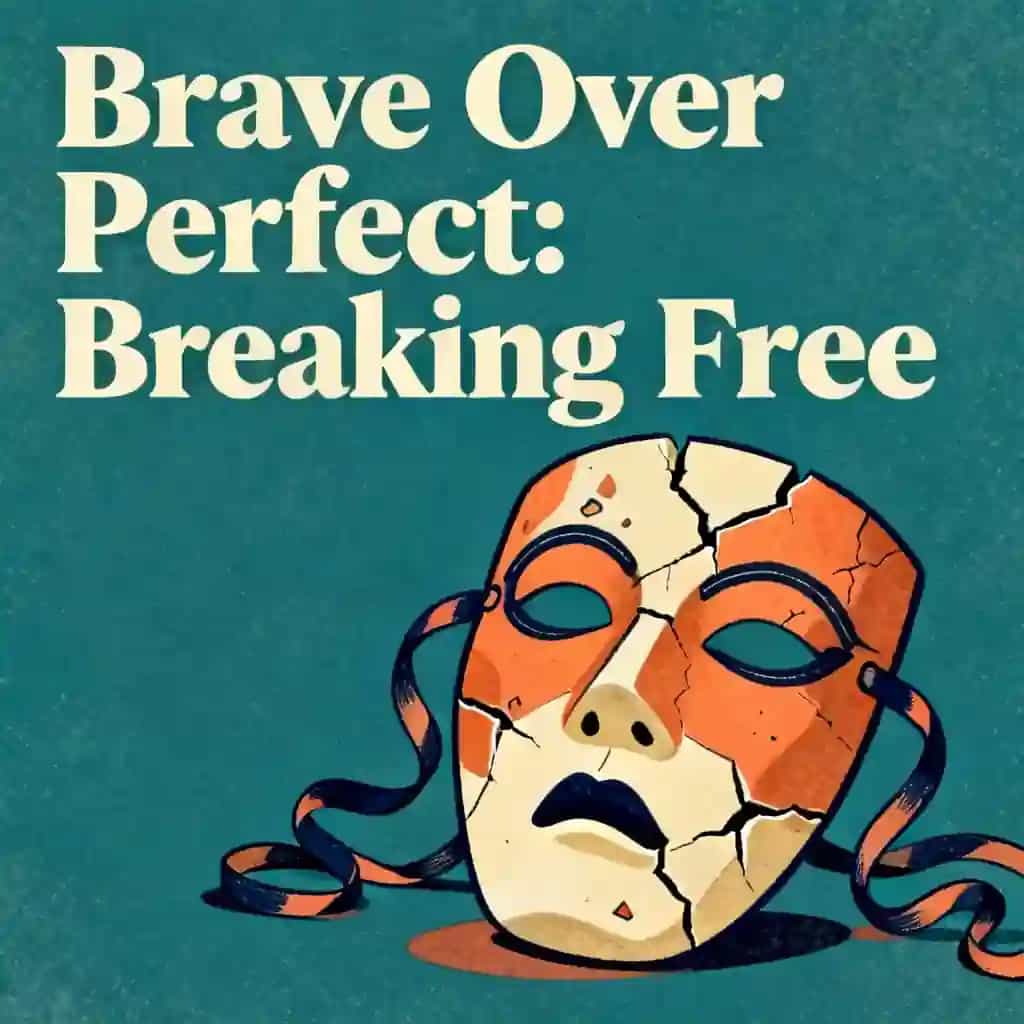
Breaking Free from the Perfectionism Trap
Discover why perfectionism actually reduces productivity and learn practical strategies to overcome the all-or-nothing mindset that keeps you stuck.

Best quote from Breaking Free from the Perfectionism Trap
Most people think perfectionism is about high standards, but the research shows it's actually about fear. The shift from 'I want this to be great' into 'This has to be perfect or I've failed as a person' is what creates the paralysis.

This audio lesson was created by a BeFreed community member
how to overcome perfectionism

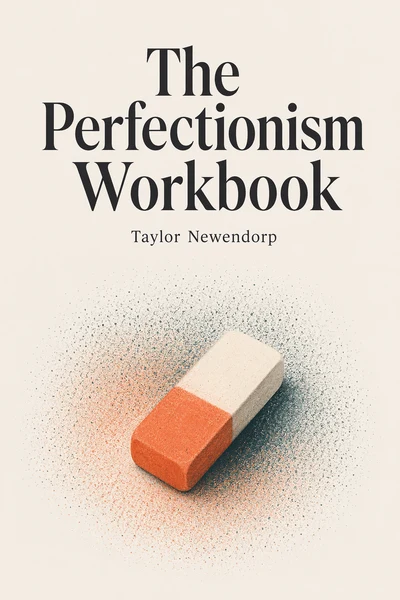
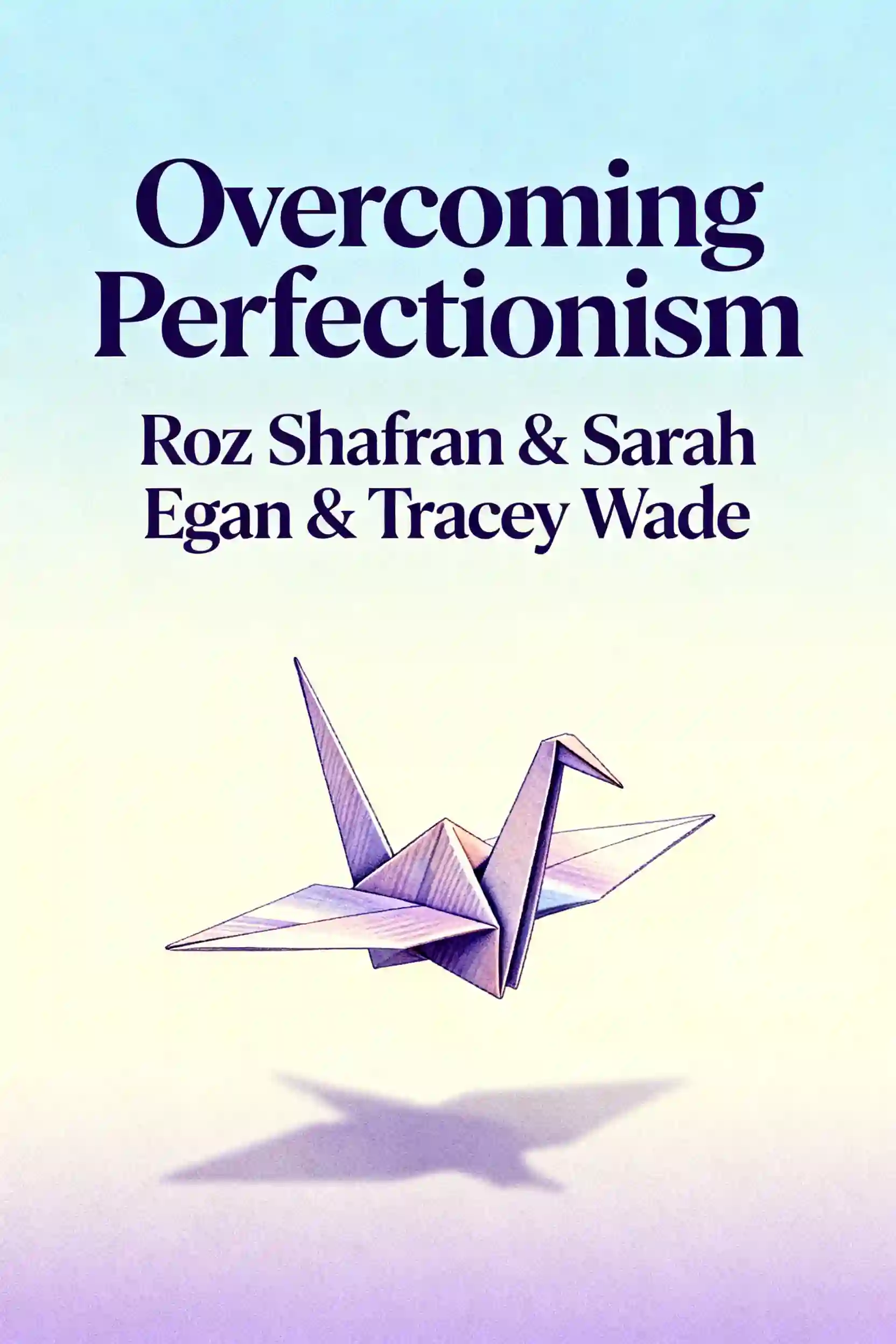
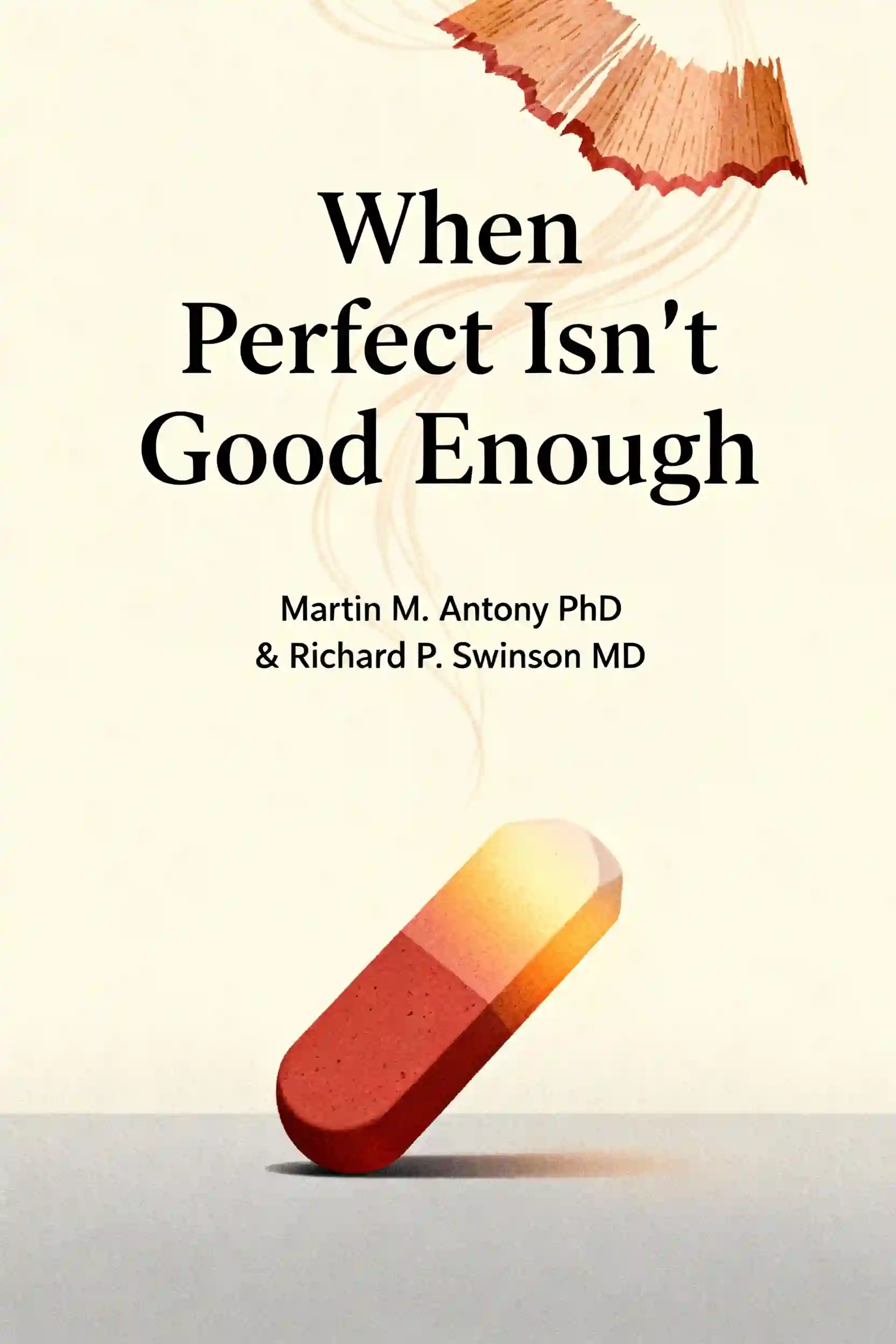
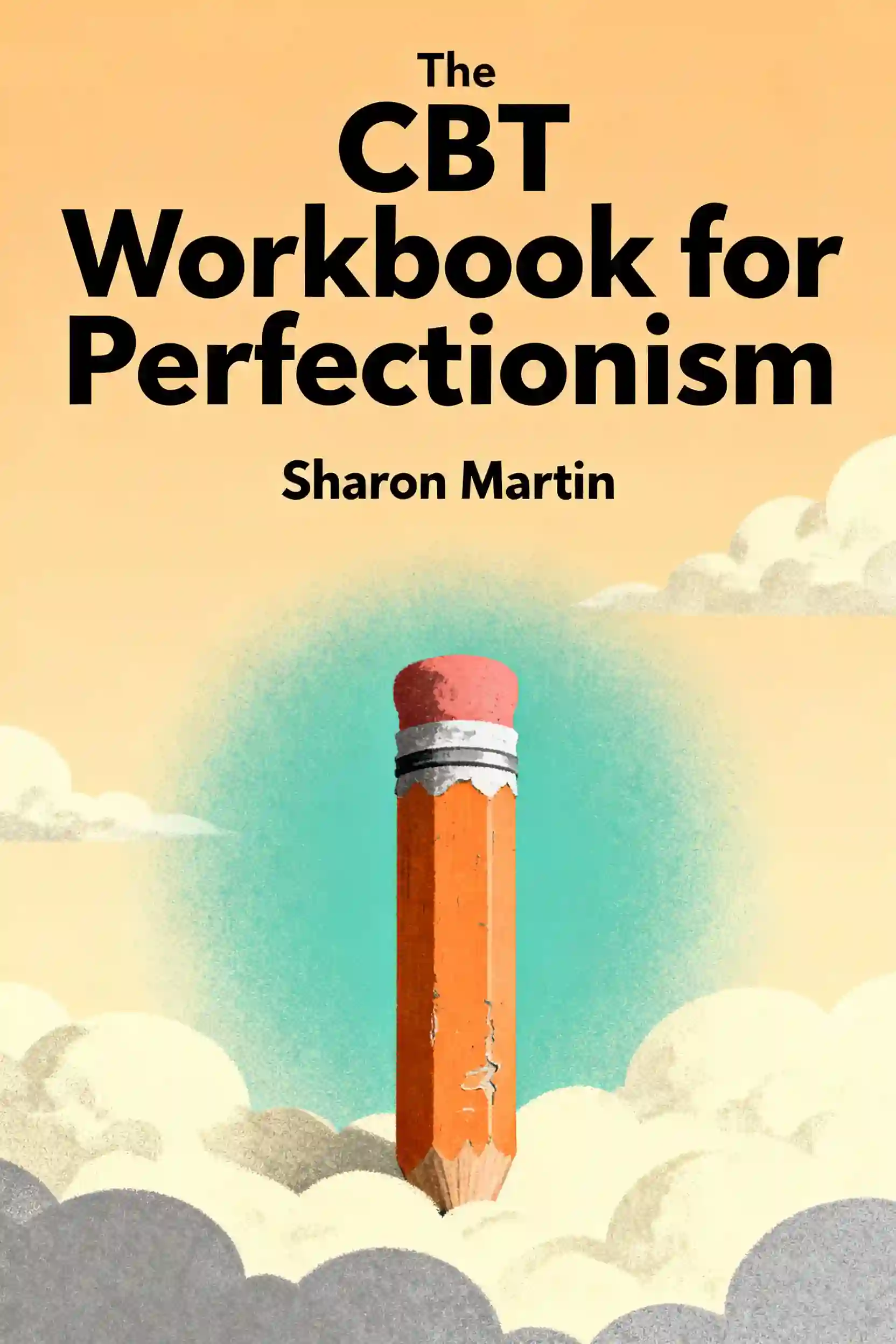
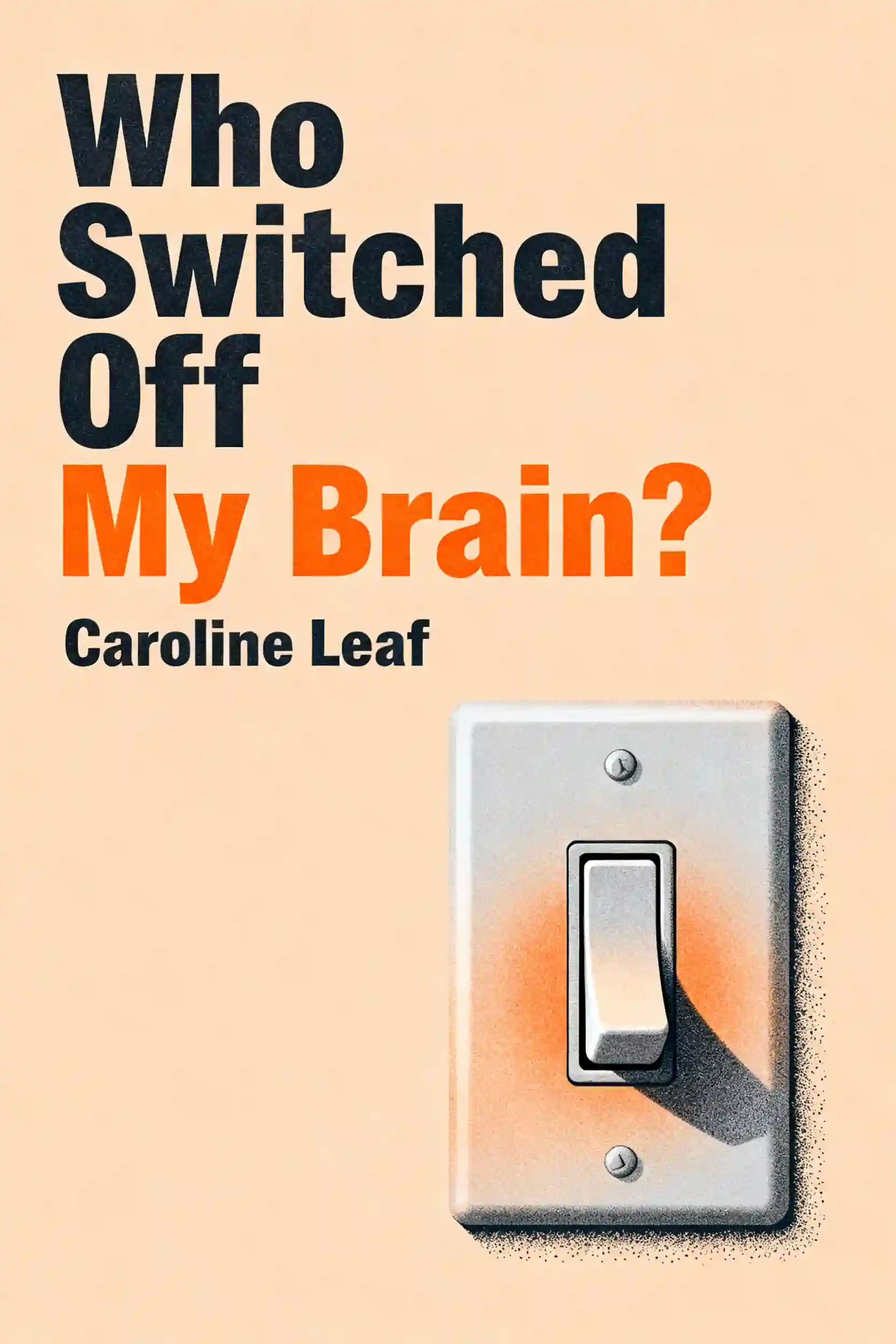
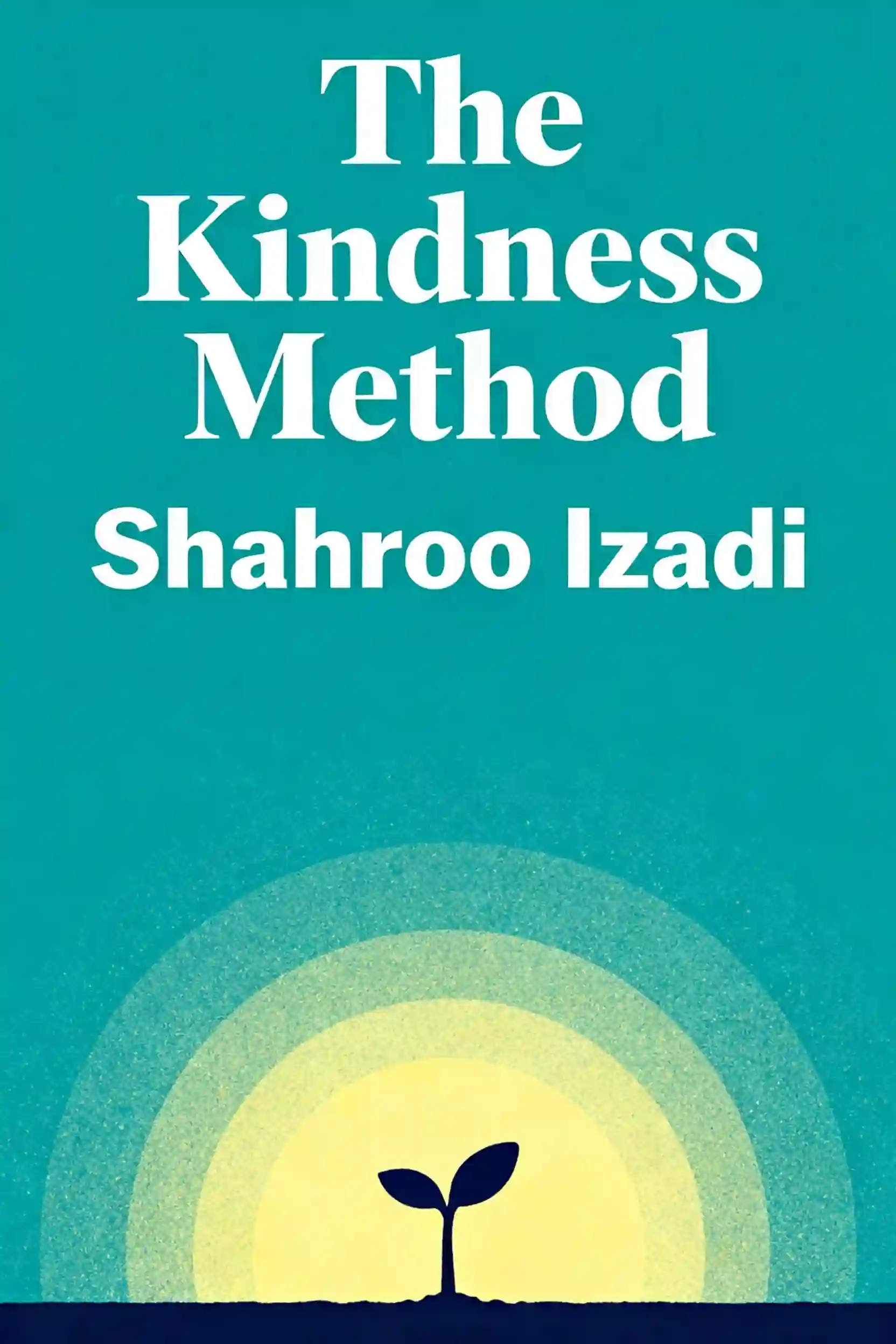
Discover more

Break the Freeze: From Perfectionism to Action
This plan is designed for high-achievers and creatives who find themselves stuck in cycles of overthinking and perfectionism. It provides the psychological insights and practical tools necessary to transition from mental paralysis to consistent, confident execution.

Stop the Self-Punishment Cycle
High achievers and perfectionists often fall into a trap where self-criticism becomes a barrier to progress rather than a motivator. This plan provides the tools to dismantle negative internal dialogues and build the resilience needed to face uncertainty without self-punishment.

Stop Overthinking and Start Doing
This plan is designed for chronic procrastinators and perfectionists who feel paralyzed by analysis. It provides a practical framework to bridge the gap between intention and action by addressing both neurological barriers and emotional triggers.

Breaking Free from Shame
This plan is essential for professionals and individuals whose growth is stalled by persistent self-doubt and social withdrawal. It provides actionable tools to dismantle toxic shame and replace it with grounded confidence and resilient connections.

Break the self-help dopamine trap
In an era of constant digital stimulation, many find themselves trapped in a loop of superficial self-improvement without real change. This plan is essential for anyone feeling overwhelmed by screen time or 'productivity porn' who wants to reclaim their focus and mental clarity.

Dismantle Your Inner Critic
This plan is essential for high-achievers and individuals struggling with perfectionism or chronic self-doubt. It provides a psychological roadmap to transform internal hostility into a supportive mindset, fostering both mental resilience and emotional well-being.

Break the Imposter Cycle
This plan is essential for high-achievers who feel like frauds despite their success. It provides psychological frameworks and actionable tools for professionals looking to master their inner critic and advance their careers with genuine confidence.

End self-help and success obsession
Modern culture often traps us in a cycle of endless self-improvement that leads to burnout rather than fulfillment. This plan is essential for high-achievers and wellness enthusiasts who feel exhausted by the pressure to constantly optimize every aspect of their lives.
From Columbia University alumni built in San Francisco
"Instead of endless scrolling, I just hit play on BeFreed. It saves me so much time."


"I never knew where to start with nonfiction—BeFreed’s book lists turned into podcasts gave me a clear path."


"Perfect balance between learning and entertainment. Finished ‘Thinking, Fast and Slow’ on my commute this week."
"Crazy how much I learned while walking the dog. BeFreed = small habits → big gains."
"Reading used to feel like a chore. Now it’s just part of my lifestyle."

"Feels effortless compared to reading. I’ve finished 6 books this month already."
"BeFreed turned my guilty doomscrolling into something that feels productive and inspiring."

"BeFreed turned my commute into learning time. 20-min podcasts are perfect for finishing books I never had time for."
"BeFreed replaced my podcast queue. Imagine Spotify for books — that’s it. 🙌"

"It is great for me to learn something from the book without reading it."
"The themed book list podcasts help me connect ideas across authors—like a guided audio journey."
"Makes me feel smarter every time before going to work"
From Columbia University alumni built in San Francisco
"Instead of endless scrolling, I just hit play on BeFreed. It saves me so much time."
"I never knew where to start with nonfiction—BeFreed’s book lists turned into podcasts gave me a clear path."
"Perfect balance between learning and entertainment. Finished ‘Thinking, Fast and Slow’ on my commute this week."
"Crazy how much I learned while walking the dog. BeFreed = small habits → big gains."
"Reading used to feel like a chore. Now it’s just part of my lifestyle."
"Feels effortless compared to reading. I’ve finished 6 books this month already."
"BeFreed turned my guilty doomscrolling into something that feels productive and inspiring."
"BeFreed turned my commute into learning time. 20-min podcasts are perfect for finishing books I never had time for."
"BeFreed replaced my podcast queue. Imagine Spotify for books — that’s it. 🙌"
"It is great for me to learn something from the book without reading it."
"The themed book list podcasts help me connect ideas across authors—like a guided audio journey."
"Makes me feel smarter every time before going to work"
"Instead of endless scrolling, I just hit play on BeFreed. It saves me so much time."
"I never knew where to start with nonfiction—BeFreed’s book lists turned into podcasts gave me a clear path."
"Perfect balance between learning and entertainment. Finished ‘Thinking, Fast and Slow’ on my commute this week."
"Crazy how much I learned while walking the dog. BeFreed = small habits → big gains."
"Reading used to feel like a chore. Now it’s just part of my lifestyle."
"Feels effortless compared to reading. I’ve finished 6 books this month already."
"BeFreed turned my guilty doomscrolling into something that feels productive and inspiring."
"BeFreed turned my commute into learning time. 20-min podcasts are perfect for finishing books I never had time for."
"BeFreed replaced my podcast queue. Imagine Spotify for books — that’s it. 🙌"
"It is great for me to learn something from the book without reading it."
"The themed book list podcasts help me connect ideas across authors—like a guided audio journey."
"Makes me feel smarter every time before going to work"
"Instead of endless scrolling, I just hit play on BeFreed. It saves me so much time."
"I never knew where to start with nonfiction—BeFreed’s book lists turned into podcasts gave me a clear path."
"Perfect balance between learning and entertainment. Finished ‘Thinking, Fast and Slow’ on my commute this week."
"Crazy how much I learned while walking the dog. BeFreed = small habits → big gains."
"Reading used to feel like a chore. Now it’s just part of my lifestyle."
"Feels effortless compared to reading. I’ve finished 6 books this month already."
"BeFreed turned my guilty doomscrolling into something that feels productive and inspiring."
"BeFreed turned my commute into learning time. 20-min podcasts are perfect for finishing books I never had time for."
"BeFreed replaced my podcast queue. Imagine Spotify for books — that’s it. 🙌"
"It is great for me to learn something from the book without reading it."
"The themed book list podcasts help me connect ideas across authors—like a guided audio journey."
"Makes me feel smarter every time before going to work"