Automating Email Sequences for Lead Nurturing and Conversions


Automated Email Sequences Strategy: episode overview
This BeFreed audio episode unpacks the core mechanics of an effective automated email sequences strategy. It focuses on the universal principles of lead nurturing and conversion optimization, helping you understand how to design automated flows that build relationships and recover lost sales without relying on specific platform tutorials.
Create Your Podcast in a Click
Generated by VIKASH KUMAR JAIN
Input question
Creating and automating email sequences to nurture leads, build trust, and drive conversions, including welcome emails, abandoned cart emails, and win-back campaigns.
Host voices

What you'll learn about automated email sequences
- 1
Stop Running on the Email Treadmill
 00:0000:00
Jackson: Nia, I was looking at my inbox this morning and realized I’m still sending every single marketing email manually. It feels like I’m running on a treadmill just to stay in place! Nia: You aren't alone, Jackson, but you’re definitely working harder than you need to. Get this: automated sequences actually generate over 220% more revenue per email than those manual ones you’re sweating over. Jackson: Wait, 220% more? That’s wild. Why such a massive jump? Nia: It’s all about timing. While manual emails hit everyone at once, automations reach people at their peak curiosity—like right after they opt-in or abandon a cart. In fact, a good welcome series can convert 23% of new subscribers into customers in just two weeks. Jackson: Okay, I’m sold on the "set it and forget it" life. Let’s explore how to build these sequences so they actually drive conversions while we sleep.
- 2
The Trigger System That Never Sleeps
Jackson: So Nia, we've established that the "set it and forget it" lifestyle is the dream, but I’ve got to be honest—the technical side of this still feels a bit like trying to program a VCR in the nineties. How does the software actually know when to fire off these emails without me hovering over the "send" button? Nia: It’s all about the triggers, Jackson. Think of a trigger as an "if-this-then-that" rule. It’s a digital tripwire. The most powerful ones are behavioral—meaning they react to what the subscriber is doing right now. For example, if someone downloads your lead magnet, that’s an action trigger. Boom—the system immediately fires off the first email. But it’s not just about what they do; it’s also about what they *don’t* do. Jackson: Inaction triggers? That sounds like tracking a ghost. Nia: Exactly! Imagine someone visits your pricing page three times in two days but doesn't book a call. That’s a high-intent signal. You can set a trigger to send a specific follow-up just for that person. Or the classic abandoned cart—they put the item in, they leave, and an hour later, the system nudges them. The data shows that behavioral triggers like these deliver 74% higher open rates and 152% better click rates than standard batch emails. It’s because the email isn't an interruption—it’s a response to their current thought process. Jackson: I love the idea of the system being smart enough to catch those "almost" moments. But what about the simpler stuff? I assume I don't need a complex behavioral map just to say hello? Nia: Not at all. That’s where time-based triggers come in. These are the backbone of your foundational sequences. You join the list today, you get Email One. Two days later, you get Email Two. It’s a steady drip. Most experts recommend starting with these time-based flows—like your welcome series—before you get fancy with the behavioral branching. You build the foundation, then you add the "intelligence" layer later. Jackson: It’s like building a house. You need the frame before you start installing the smart home sensors. But let’s talk about that frame. If I’m just starting, I don't want to build fifty different flows. What are the heavy hitters? Nia: You really only need five to start. We’re talking about the Welcome sequence, Abandoned Cart, Post-Purchase, Re-engagement, and Lead Nurture. If you have those five, you’ve basically covered the entire customer lifecycle. And here is the kicker: even though these automated emails might only make up 2% of your total email volume, they can drive nearly 38% of your total sales. It’s a tiny amount of work for a massive chunk of the revenue. Jackson: That’s the kind of math I can get behind. Less than 2% of the effort for nearly 40% of the results? I’m ready to dig into the first mission. Where do we start building?
- 3
Mission One: The Five-Email Welcome Series
Nia: If we’re talking about the highest ROI for your time, the Welcome sequence is the undisputed champion. Think about it: when someone just signed up for your list, they are at "peak curiosity." They literally just said, "Yes, I want to hear from you." If you wait three days to send a manual newsletter, that spark is already cooling off. Jackson: Right, it’s like meeting someone at a party and waiting a week to text them. The vibe is gone. So, how do we structure this to keep the energy up? Is it just one big "Hello" email? Nia: No, you want to space it out. The "Goldilocks" zone seems to be five emails over about fourteen days. Email One goes out the very second they opt in. You deliver the lead magnet or the discount you promised, and you introduce yourself. But here’s a pro tip: don't just say "Thanks for joining." Tell them what’s coming next. Set the expectation that you’re going to be popping into their inbox with some serious value over the next week. Jackson: Okay, so Day Zero is the delivery. What happens a few days later? Do I start selling immediately? Nia: Hold your horses! Email Two, which usually goes out on Day One or Two, should be pure value. Share your best free content or a tip that solves a quick problem for them. You’re building trust. Then, by Day Three, you bring in the social proof—a case study or a success story. You’re showing them that you’ve actually helped people just like them. Jackson: I see the arc. We’re moving from "Here’s your gift" to "I know what I’m talking about" and then "Look at these other people I’ve helped." When do we actually ask for the sale? Nia: Email Four, around Day Seven, is where you introduce your paid offer. Since you’ve already spent a week proving your worth, the "ask" feels natural, not pushy. And then Email Five, usually around Day Fourteen, is your "last chance" or urgency close. Maybe a discount is expiring or a bonus is going away. One study found that this specific five-step structure helps 23% of new subscribers convert into paying customers within that first two-week window. Jackson: 23% in two weeks just from an automated sequence? That’s incredible. I mean, compare that to the usual 1% or 2% conversion rate on a website. It’s a total game-changer. But Nia, what if they buy at Email Three? Does the system keep pestering them with the "last chance" offer in Email Five? Nia: That is a huge mistake people make! You have to set "exit conditions." If they buy, the system should automatically "tag" them as a customer and pull them out of the prospect sequence. You don't want to send a "Buy Now" email to someone who literally just gave you their credit card information. That’s the fastest way to annoy a new fan. Instead, they should immediately enter your Post-Purchase sequence, which is a whole different ballgame. Jackson: It’s like a digital handoff. Once they cross the finish line, they get moved to a new track. I’m starting to see how these sequences fit together like a puzzle.
- Chapter 4
Mission Two: Recovering the Ones That Got Away
Jackson: Okay, so the Welcome sequence handles the new folks. But what about the people who almost buy? I’m talking about the "abandoned cart" crowd. It feels like such a tease when someone puts something in their cart and then just... vanishes. Nia: Oh, the abandoned cart sequence is basically the "low-hanging fruit" of the internet. Statistics show that e-commerce stores lose about 70% of potential sales to cart abandonment. But a simple three-email sequence can recover 15% to 25% of that lost revenue. If you aren't doing this, you’re literally leaving money on the table. Jackson: 70% is a huge number! Why are we so flaky as shoppers? Is it just distraction, or are we waiting for a better deal? Nia: It’s both! That’s why your timing has to be precise. Email One should fire off about one hour after they leave. Don't go in heavy with a discount yet. Just do a soft check-in. Something like, "Did something go wrong?" or "Hey, we saved your cart for you." A lot of the time, their Wi-Fi just cut out or the baby started crying. They just need a link to jump back in. Jackson: Right, a gentle nudge. And if that doesn't work? Nia: Then you wait twenty-four hours for Email Two. This one is all about social proof. Show them testimonials or reviews for the exact item they were looking at. You’re trying to overcome their hesitation. Then, if they still haven't moved, Email Three goes out at the seventy-two-hour mark. This is where you bring the heat—urgency. "Your cart is about to expire," or "These items are selling fast." Some people even offer a small discount or free shipping here as a final "nudge" to get them over the finish line. Jackson: It’s interesting that you say not to lead with the discount. I guess if you always give a discount an hour later, people will just start abandoning carts on purpose to save ten bucks. Nia: Exactly! You’re training your customers. You want to exhaust the non-discount options first. And speaking of training, we have to talk about the "Browse Abandonment" sequence. This is even earlier in the funnel. It’s for the people who look at a product page but don't even add it to the cart. Jackson: Wait, so I can send an email to someone just for *looking* at a page? Isn't that a little... creepy? Nia: It can be if you do it wrong! The key is to be helpful, not haunting. Instead of saying, "I saw you looking at those shoes," you send an email that says, "Still browsing? Here are three reasons people love these." It’s a light touch. These emails have lower conversion rates than cart abandonment, obviously, but since so many more people "browse" than "cart," the total revenue can be significant. It’s all about capturing that high-intent behavior before they drift away to a competitor. Jackson: So it’s about staying top-of-mind while they’re still in "research mode." I’m starting to realize that automation isn't just about saving time—it’s about having a memory that never fails. I can’t remember who looked at my site an hour ago, but the system can.
Chapter 5Mission Three: The Secret to Repeat Customers
Jackson: We’ve talked a lot about getting the first sale, but I’ve heard it costs way more to acquire a new customer than to keep an old one. How does automation help with the people who’ve already bought from us? Nia: This is where the Post-Purchase sequence comes in, and honestly, it’s the most underrated part of email marketing. Most businesses send a receipt and then go silent. That is a massive wasted opportunity. A good post-purchase sequence can actually drive a 20% to 30% repeat purchase rate. Jackson: 30%? That’s a huge boost to the lifetime value of a customer. What are we actually saying to them after they’ve already given us their money? Nia: Well, first, you want to reduce "buyer’s remorse." Email One goes out immediately—obviously, the order confirmation—but make it exciting! Reinforce that they made a great decision. Then, a few days later, send a "quick-start" guide. If you sold them a supplement, tell them the best time of day to take it. If it’s software, show them the first feature they should set up. You want them to actually *use* the product and get value from it. Jackson: That makes sense. If they use it and love it, they’re way more likely to buy again. But when do we actually ask for the *next* sale? Nia: Usually around Day Seven to Ten. You check in to see how things are going, and then you introduce an upsell or a complementary product. If they bought a camera, suggest a lens. If they bought a consulting package, suggest the advanced workshop. And if you give them a "customer-only" discount, the conversion rates are usually much higher because you’ve already established trust. Jackson: It’s like the waiter coming back to ask if you want dessert after you’ve already enjoyed the main course. If the meal was great, I’m probably saying yes. Nia: Perfect analogy. And don't forget the "Replenishment" trigger. If you sell something consumable—like coffee or skincare—that lasts thirty days, you can set an automation to fire on Day twenty-five that says, "Running low? Tap here to reorder." It’s the ultimate convenience. You’re solving a problem for them before they even realize they have it. Jackson: That’s brilliant. It’s not even marketing at that point; it’s just great customer service. But what happens when people *do* stop buying? Or stop opening the emails entirely? I feel like my list is full of "ghosts" who haven't engaged in months. Nia: Those ghosts are actually hurting you more than you think. Inactive subscribers signal to Gmail and Outlook that your content isn't wanted, which can land your emails in everyone’s spam folder. That’s why you need a Re-engagement sequence. Trigger it when someone hasn't opened an email in, say, ninety days. It’s a three-email "win-back" campaign. You basically ask, "Are you still there?" and offer them your absolute best content or a "come back" discount. If they don't respond to those three emails, you actually remove them from your list. Jackson: Wait, I should *delete* subscribers? That feels so counterintuitive. I worked hard for those emails! Nia: I know, it hurts! But "cleaning" your list actually improves your deliverability. One business saw their open rate jump from 28% to 34% just by removing the inactive folks. Plus, most email platforms charge you by the number of subscribers. Why pay for people who aren't even reading? A clean, smaller list of fans is worth way more than a bloated list of ghosts.
Chapter 6Mission Four: Nurturing the Long-Term Lead
Jackson: So Nia, we've covered the quick wins—the welcomes, the carts, the post-purchases. But what about the slow burners? You know, the leads who download a lead magnet but aren't quite ready to pull the trigger on a purchase yet? I feel like if I just stop emailing them after the welcome sequence, I’m losing them forever. Nia: You're exactly right. That’s where the Lead Nurture sequence comes in. Think of this as the "long game." While a welcome sequence is about that initial spark, a nurture sequence is about building a steady flame over weeks or even months. It’s designed for the 80% of people who aren't ready to buy on Day One. Jackson: So this isn't about hitting them with "Buy Now" buttons every other day? Nia: Definitely not. If you do that, they’ll hit the "Unsubscribe" button faster than you can say "automation." A solid lead nurture sequence is usually five to eight emails spread over two to three weeks. The first few emails are 100% pure value—no selling allowed. You’re sharing industry insights, tactical playbooks, or even just templates they can use right now. You’re positioning yourself as the expert who actually cares about their success, whether they pay you or not. Jackson: It’s like being a trusted advisor rather than a salesperson. I guess by the time you actually *do* make an offer, they’re much more receptive because you’ve already helped them so much. Nia: Precisely! Around Email Four or Five, you can start weaving in case studies. Show them the "proof" of what happens when someone uses your method or product. Then, you move into objection handling. Answer the questions they’re probably asking themselves, like "Is this too expensive?" or "Will this work for my specific industry?" By the time you get to the direct offer in Email Seven or Eight, you’ve cleared all the hurdles. Jackson: I love the idea of "objection handling" in an email. It’s like you’re reading their mind. But how do we make this feel personal? If I’m sending the same nurture sequence to a CEO and a freelance designer, isn't one of them going to feel like the content isn't for them? Nia: That’s where "Behavioral Branching" becomes your secret weapon. Instead of one long, straight line, your automation can have forks in the road. For example, if a subscriber clicks a link about "automation," you can tag them as "interested in automation" and send them down a specific nurture path for that topic. If they click a link about "copywriting," they go down a different path. Jackson: So the sequence actually *adapts* based on what they’re interested in? That’s like a "choose your own adventure" book for marketing. Nia: Exactly! And the results are wild. Some businesses have seen their conversion rates jump by over 300% just by implementing branching. It makes the subscriber feel like you’re talking directly to them. You can even use "Lead Scoring" to help. Every time they open an email or click a link, they get points. When they hit a certain score—say, fifty points—it triggers a "hot lead" sequence or even notifies your sales team to reach out personally. Jackson: It’s like the system is pre-qualifying the leads for me. By the time I actually talk to someone, they’re already warmed up and ready to go. I’m starting to see why you call this the "revenue engine." It’s doing all the heavy lifting in the background.
Chapter 7The Practical Playbook for Success
Jackson: Nia, we’ve covered a lot of ground today. My head is spinning a bit with all these sequences and triggers. If I’m sitting down tomorrow to actually start this, what’s the "Practical Playbook"? How do I go from manual chaos to automated bliss without losing my mind? Nia: Okay, let’s break it down into a four-week sprint. Don't try to build all of this in one weekend—that’s a recipe for burnout. Week One is your foundation. Set up your account—maybe something like GetResponse or Klaviyo—and build that five-email Welcome sequence. That’s your highest leverage move. Just get those five emails written and the trigger set to "new subscriber." Jackson: Okay, Week One: Welcome sequence. Got it. What’s next? Nia: Week Two is for the revenue recovery. If you’re in e-commerce, build that Abandoned Cart flow. If you’re a service provider, focus on the Post-Purchase sequence. You want to make sure you’re taking care of the people who are closest to the money. Week Three is for Nurture and Re-engagement. Build a simple three-email "win-back" sequence for those inactive subscribers and start a basic lead nurture for the folks who didn't buy during the welcome week. Jackson: And Week Four? That’s for the "smart" stuff we just talked about? Nia: Exactly. Week Four is when you add the "intelligence" layer. Implement some basic lead scoring or behavioral branching. Start tagging people based on what they click. And don't forget to enable things like AI "Perfect Timing." Most modern platforms have this feature where they analyze when each individual subscriber is most likely to open an email and then send it at that exact time. It can boost your open rates by 15% to 25% with just one click. Jackson: One click for a 25% boost? That is the definition of high leverage. But what about the common pitfalls? I want to make sure I don't accidentally spam my list or break something. Nia: The biggest mistake is "sending too much, too fast." Don't do seven emails in seven days—it’s too aggressive. Stick to that "five emails over fourteen days" rhythm for the welcome series. Another big one is forgetting to exclude existing customers from your sales sequences. Always check your tags! And finally, please, please test everything before you hit "Activate." Send the emails to yourself, check the links on your phone, and make sure the personalization tags aren't showing up as "Hi [FIRST_NAME]" literally. Jackson: Oh man, I’ve been on the receiving end of that "[FIRST_NAME]" email before. It definitely kills the "human touch" vibe we’re going for. Nia: It really does. But if you follow this playbook, you’re going to have a system that works for you twenty-four-seven. Imagine waking up on a Monday morning, checking your dashboard, and seeing that your welcome sequence converted three new clients over the weekend while you were out hiking. That’s the power of automation. It gives you your time back so you can focus on the big-picture strategy, or honestly, just enjoy your life. Jackson: It’s moving from being a "worker" in your business to being the "architect" of a system. It’s a complete shift in mindset. I feel like I finally have a roadmap to get off that treadmill.
Chapter 8Closing Reflections and the Path Ahead
Jackson: As we wrap this up, Nia, I’m reflecting on how much of a psychological shift this is. We usually think of "automation" as something cold or robotic, but everything we’ve talked about today—the personalized welcomes, the helpful post-purchase guides, the thoughtful check-ins—it actually feels *more* human than just blasting a generic newsletter to ten thousand people at once. Nia: You’ve hit the nail on the head, Jackson. Automation, when done right, is just "personalization at scale." It’s about being there for your customer at the exact moment they need you, with the exact information they’re looking for. It’s showing them that you understand their journey and you’re ready to help them through it. It’s building trust one "drip" at a time. Jackson: And the best part is, it's not just a "nice-to-have" anymore. With the statistics we saw—like automated emails generating over 320% more revenue than manual ones—it’s really the foundation of any growing business in 2026. If you aren't automating, you’re basically trying to compete in a race on foot while everyone else is in a sports car. Nia: Exactly. So to everyone listening, my challenge for you today is simple: pick just *one* of these sequences—maybe it’s the Welcome sequence or the Abandoned Cart—and start building it this week. Don't worry about making it perfect. Just get the first version live. You can always A/B test your subject lines or refine your copy later. The most important thing is to get the system running. Jackson: Right. Don't let the "perfect" be the enemy of the "done." Once you see that first conversion come through while you’re doing something else, you’ll be hooked. It’s a total rush to see the system working for you. Nia: It really is. And as you build these out, think about the long-term impact on your life. What would you do with an extra four or five hours every week? Would you spend more time on product development? More time with your family? That’s the real "ROI" of email automation—it’s not just the revenue, it’s the freedom. Jackson: That’s a powerful thought to end on. It’s about more than just the bottom line; it’s about the quality of the life you’re building. Thank you for walking me through this, Nia. I feel ready to go build my first tripwire! Nia: I can’t wait to see what you build, Jackson. And thanks to all of you for listening. Take a moment to reflect on which part of your customer journey feels the most "manual" right now, and imagine what it would look like if it ran on autopilot. We’ll see you soon.
What people search for about automated email sequences
When marketers and founders search for an automated email sequences strategy, they are usually trying to figure out how to nurture leads and re-engage customers efficiently. This guide addresses those core mechanics, helping you understand timing, behavioral triggers, and the structure of successful campaigns without making unrealistic revenue promises.
A practical guide to automated email sequences strategy
Building a reliable email sequence requires understanding the different types of flows and when to trigger them. From welcoming new subscribers to recovering abandoned carts, the strategy relies on delivering the right message at the right time.
Welcome Sequences
A welcome sequence introduces your brand, sets expectations, and often provides initial value, such as a discount or an educational resource. It sets the tone for the ongoing relationship with your new subscriber.
Lead Nurturing Flows
Lead nurturing involves guiding subscribers through the buyer's journey by providing relevant, educational content. The goal is to build trust and authority before asking for a sale, ensuring the subscriber feels valued rather than pitched to.
Abandoned Cart Recovery
Abandoned cart emails are triggered by specific user behavior on an e-commerce site. Best practices suggest sending the first reminder within a few hours of abandonment, using clean copy, and incorporating genuine personalization in the subject lines.
Continue learning about email marketing automation
Listen to the full BeFreed episode to dive deeper into building a robust automated email sequences strategy and explore more advanced behavioral triggers.
Best quote from Automating Email Sequences for Lead Nurturing and Conversions
Automation, when done right, is just 'personalization at scale.' It’s about being there for your customer at the exact moment they need you, with the exact information they’re looking for.
Knowledge sources
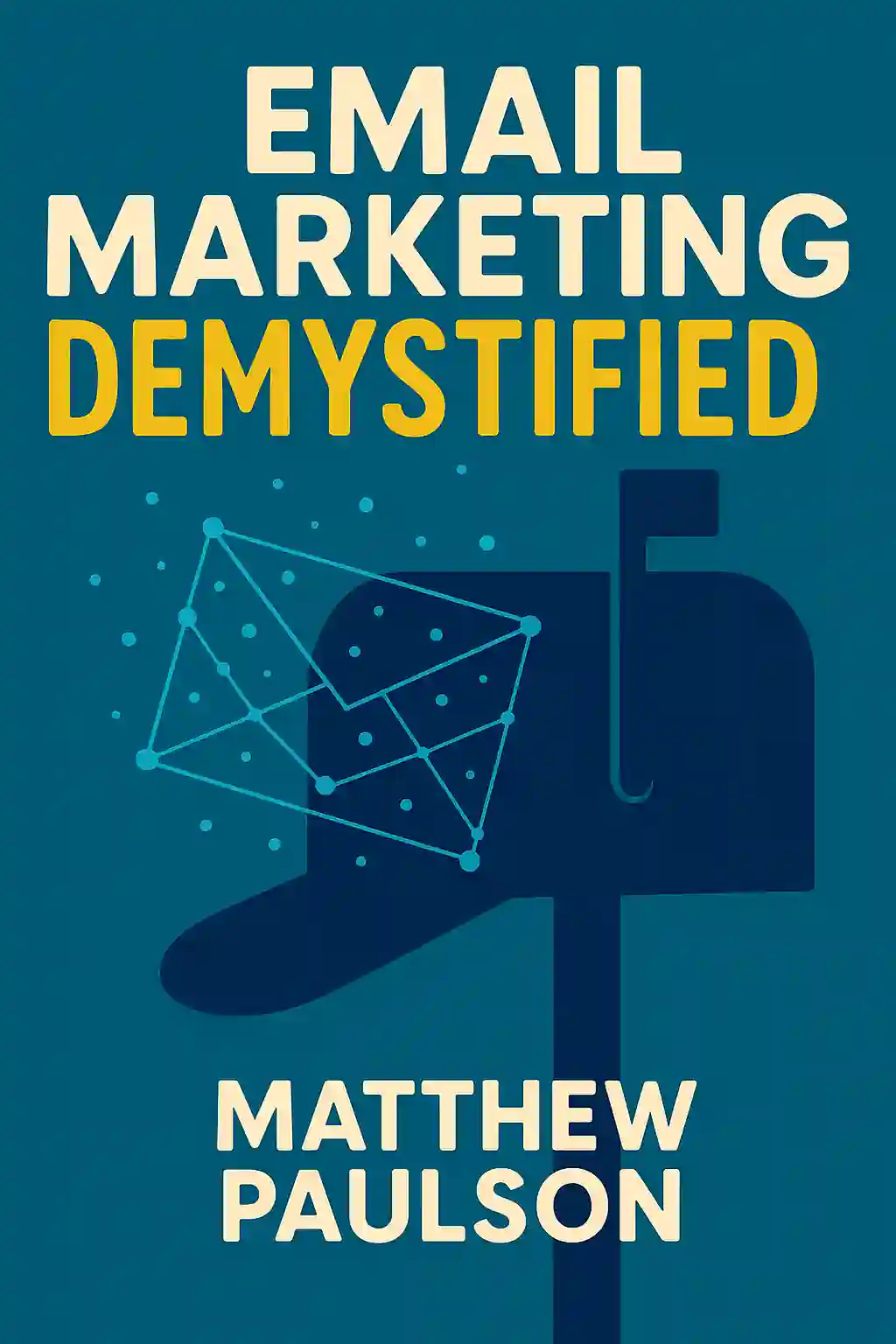
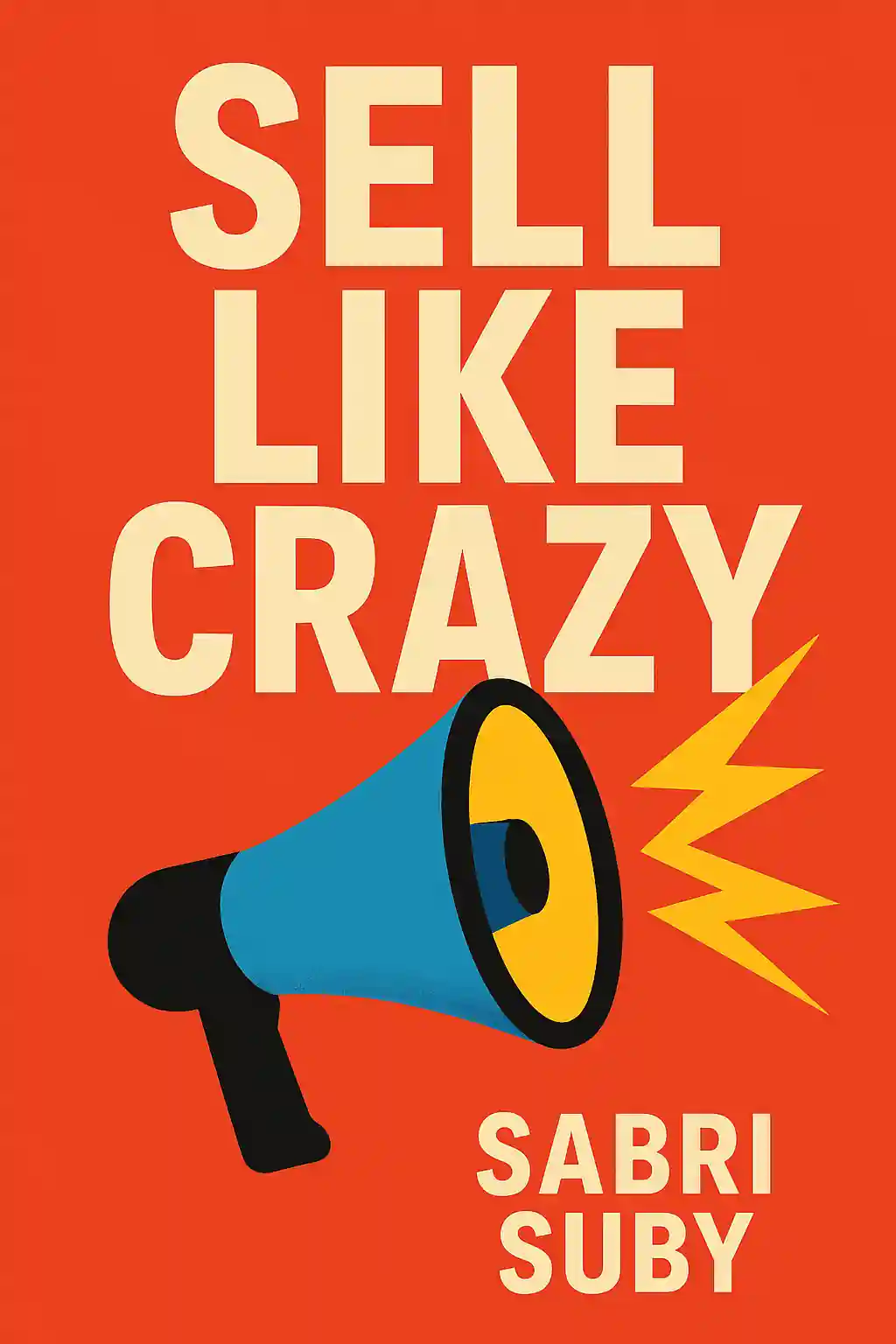
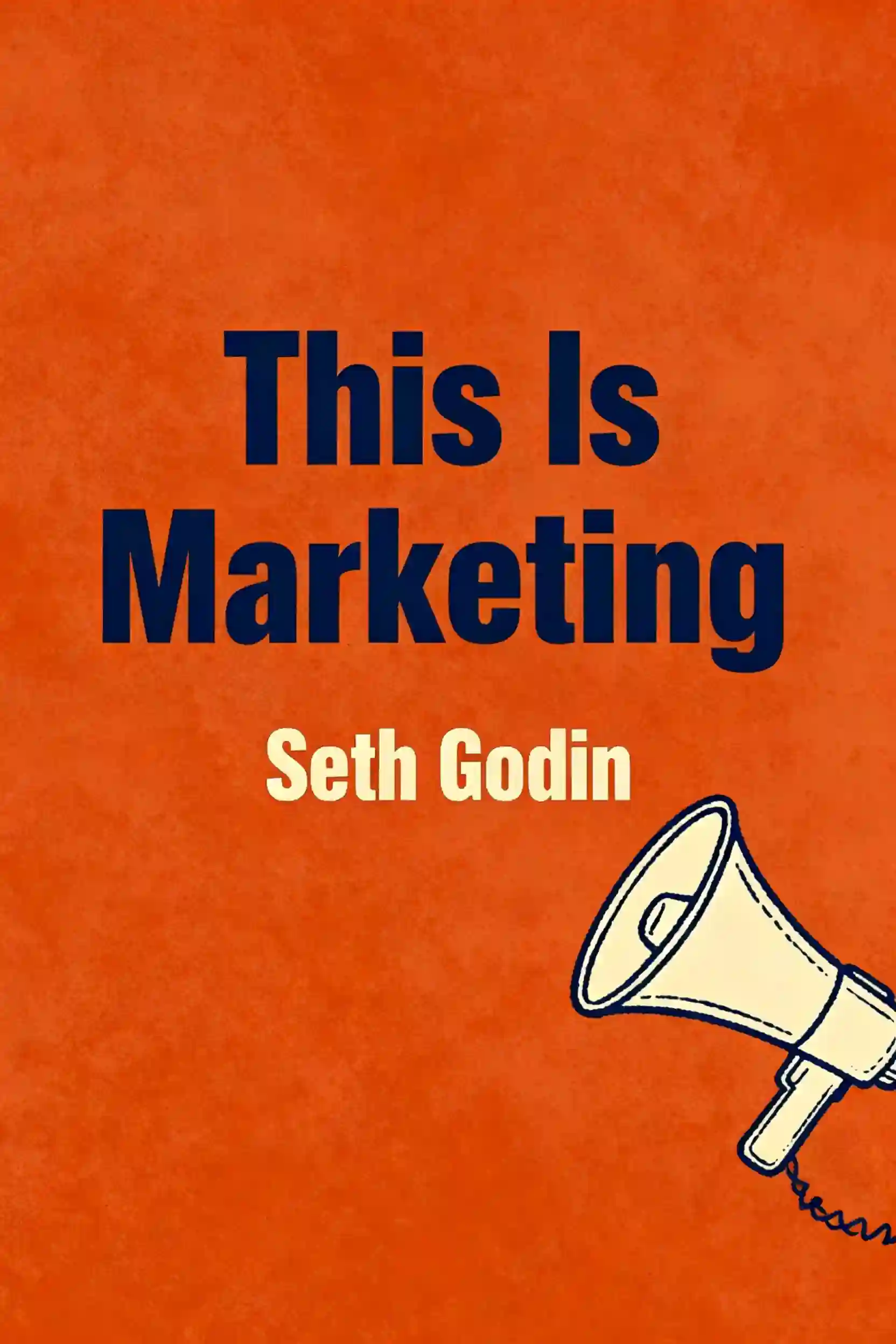
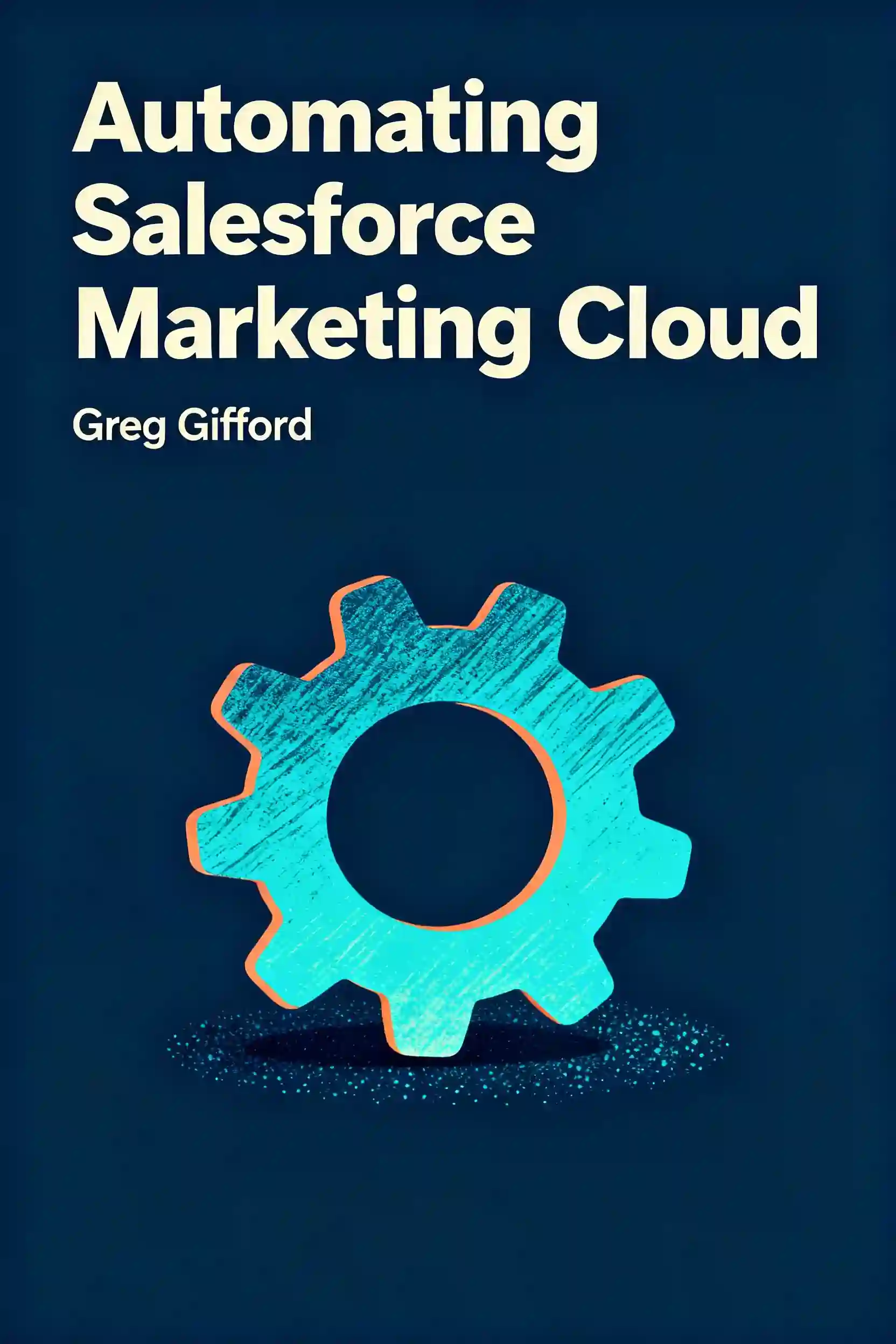





FAQ
Writing an email nurture sequence involves defining your goal, understanding your audience's buyer journey, and mapping out a series of emails that provide value, educate, and eventually offer your product or service. Focus on clear subject lines and genuine personalization.
An email nurture sequence is an automated series of emails sent to a specific segment of your list over a period of time. Its primary goal is to build a relationship with potential customers, moving them from initial brand awareness to a readiness to purchase.
While frameworks can vary, the 5 C's generally refer to being Clear, Concise, Courteous, Correct, and Complete. In automated sequences, this means ensuring your copy is easy to read, respects the subscriber's time, and contains accurate, valuable information.
From Columbia University alumni built in San Francisco
"Instead of endless scrolling, I just hit play on BeFreed. It saves me so much time."


"I never knew where to start with nonfiction—BeFreed’s book lists turned into podcasts gave me a clear path."


"Perfect balance between learning and entertainment. Finished ‘Thinking, Fast and Slow’ on my commute this week."
"Crazy how much I learned while walking the dog. BeFreed = small habits → big gains."
"Reading used to feel like a chore. Now it’s just part of my lifestyle."

"Feels effortless compared to reading. I’ve finished 6 books this month already."
"BeFreed turned my guilty doomscrolling into something that feels productive and inspiring."

"BeFreed turned my commute into learning time. 20-min podcasts are perfect for finishing books I never had time for."
"BeFreed replaced my podcast queue. Imagine Spotify for books — that’s it. 🙌"

"It is great for me to learn something from the book without reading it."
"The themed book list podcasts help me connect ideas across authors—like a guided audio journey."
"Makes me feel smarter every time before going to work"
From Columbia University alumni built in San Francisco
"Instead of endless scrolling, I just hit play on BeFreed. It saves me so much time."
"I never knew where to start with nonfiction—BeFreed’s book lists turned into podcasts gave me a clear path."
"Perfect balance between learning and entertainment. Finished ‘Thinking, Fast and Slow’ on my commute this week."
"Crazy how much I learned while walking the dog. BeFreed = small habits → big gains."
"Reading used to feel like a chore. Now it’s just part of my lifestyle."
"Feels effortless compared to reading. I’ve finished 6 books this month already."
"BeFreed turned my guilty doomscrolling into something that feels productive and inspiring."
"BeFreed turned my commute into learning time. 20-min podcasts are perfect for finishing books I never had time for."
"BeFreed replaced my podcast queue. Imagine Spotify for books — that’s it. 🙌"
"It is great for me to learn something from the book without reading it."
"The themed book list podcasts help me connect ideas across authors—like a guided audio journey."
"Makes me feel smarter every time before going to work"
"Instead of endless scrolling, I just hit play on BeFreed. It saves me so much time."
"I never knew where to start with nonfiction—BeFreed’s book lists turned into podcasts gave me a clear path."
"Perfect balance between learning and entertainment. Finished ‘Thinking, Fast and Slow’ on my commute this week."
"Crazy how much I learned while walking the dog. BeFreed = small habits → big gains."
"Reading used to feel like a chore. Now it’s just part of my lifestyle."
"Feels effortless compared to reading. I’ve finished 6 books this month already."
"BeFreed turned my guilty doomscrolling into something that feels productive and inspiring."
"BeFreed turned my commute into learning time. 20-min podcasts are perfect for finishing books I never had time for."
"BeFreed replaced my podcast queue. Imagine Spotify for books — that’s it. 🙌"
"It is great for me to learn something from the book without reading it."
"The themed book list podcasts help me connect ideas across authors—like a guided audio journey."
"Makes me feel smarter every time before going to work"
"Instead of endless scrolling, I just hit play on BeFreed. It saves me so much time."
"I never knew where to start with nonfiction—BeFreed’s book lists turned into podcasts gave me a clear path."
"Perfect balance between learning and entertainment. Finished ‘Thinking, Fast and Slow’ on my commute this week."
"Crazy how much I learned while walking the dog. BeFreed = small habits → big gains."
"Reading used to feel like a chore. Now it’s just part of my lifestyle."
"Feels effortless compared to reading. I’ve finished 6 books this month already."
"BeFreed turned my guilty doomscrolling into something that feels productive and inspiring."
"BeFreed turned my commute into learning time. 20-min podcasts are perfect for finishing books I never had time for."
"BeFreed replaced my podcast queue. Imagine Spotify for books — that’s it. 🙌"
"It is great for me to learn something from the book without reading it."
"The themed book list podcasts help me connect ideas across authors—like a guided audio journey."
"Makes me feel smarter every time before going to work"