How to Develop Excellent Communication Skills and Assertiveness
Master effective communication and assertiveness training. Learn practical interpersonal skills and professional development strategies to speak with confidence.

Best quote from How to Develop Excellent Communication Skills and Assertiveness
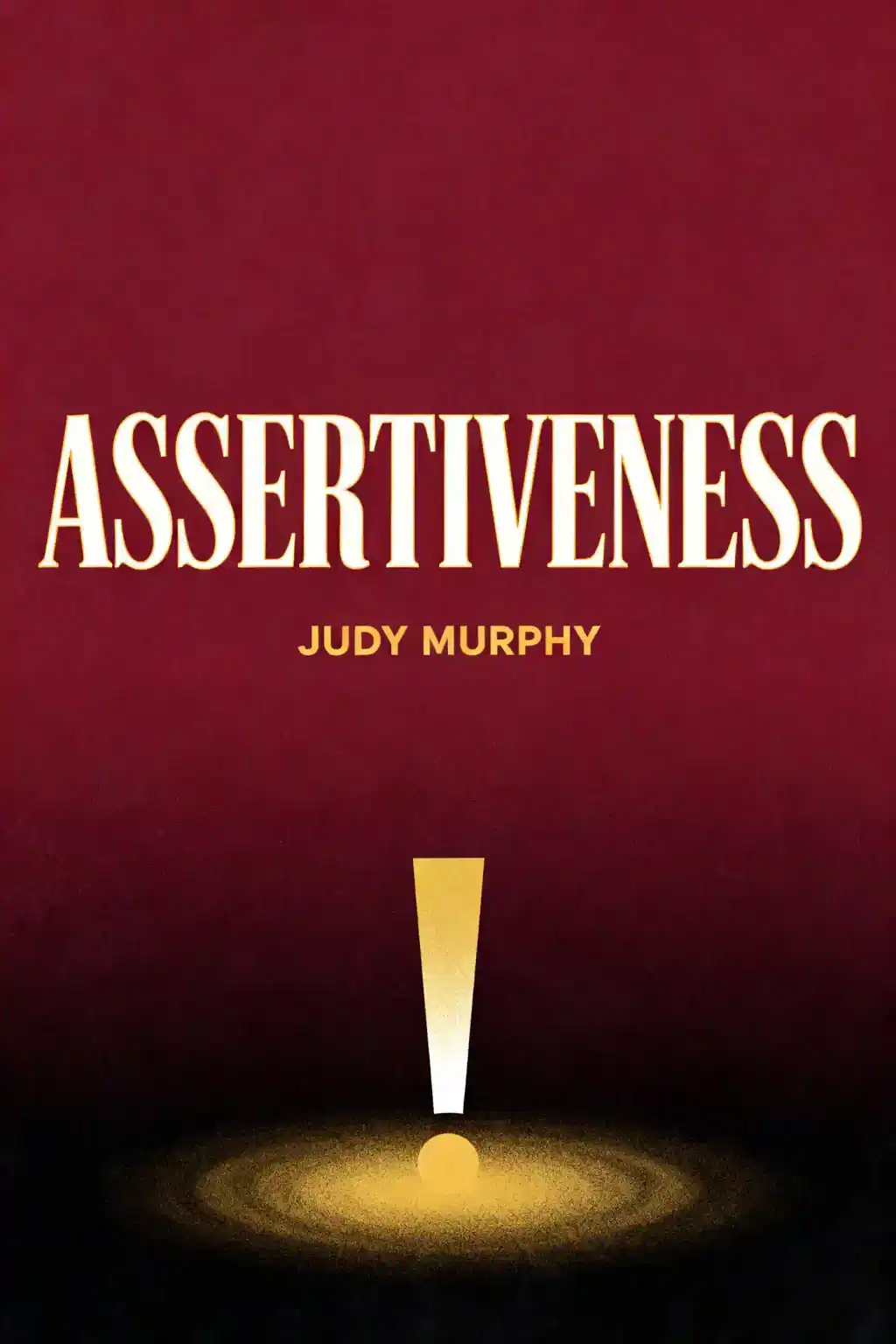
Assertiveness is really that logical middle ground between being a doormat and being a bulldozer. It’s about realizing your needs are just as important as anyone else's—not more, not less.
Generated by Ayo Arigbabowo
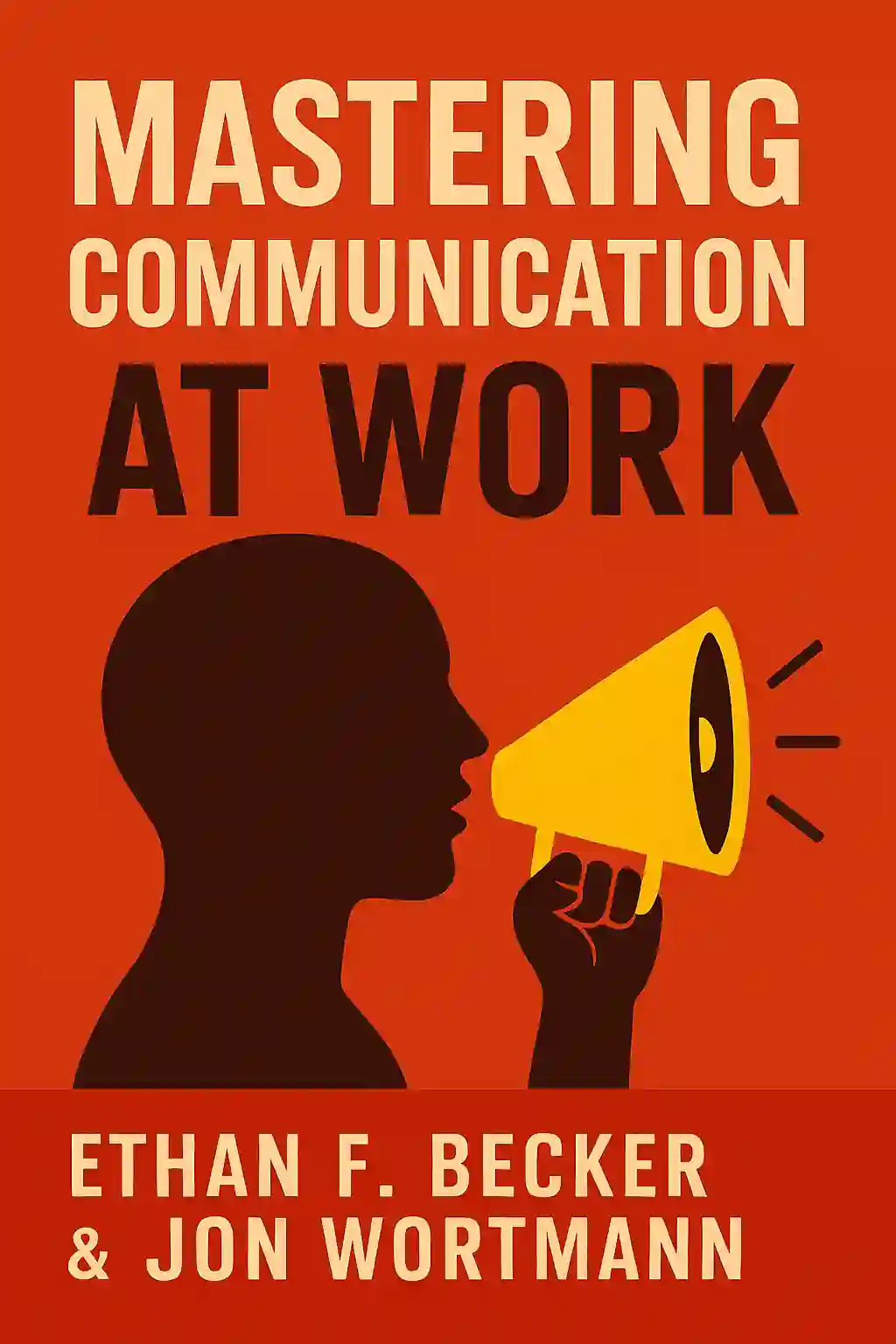
To develop excellent communication skills and assertiveness

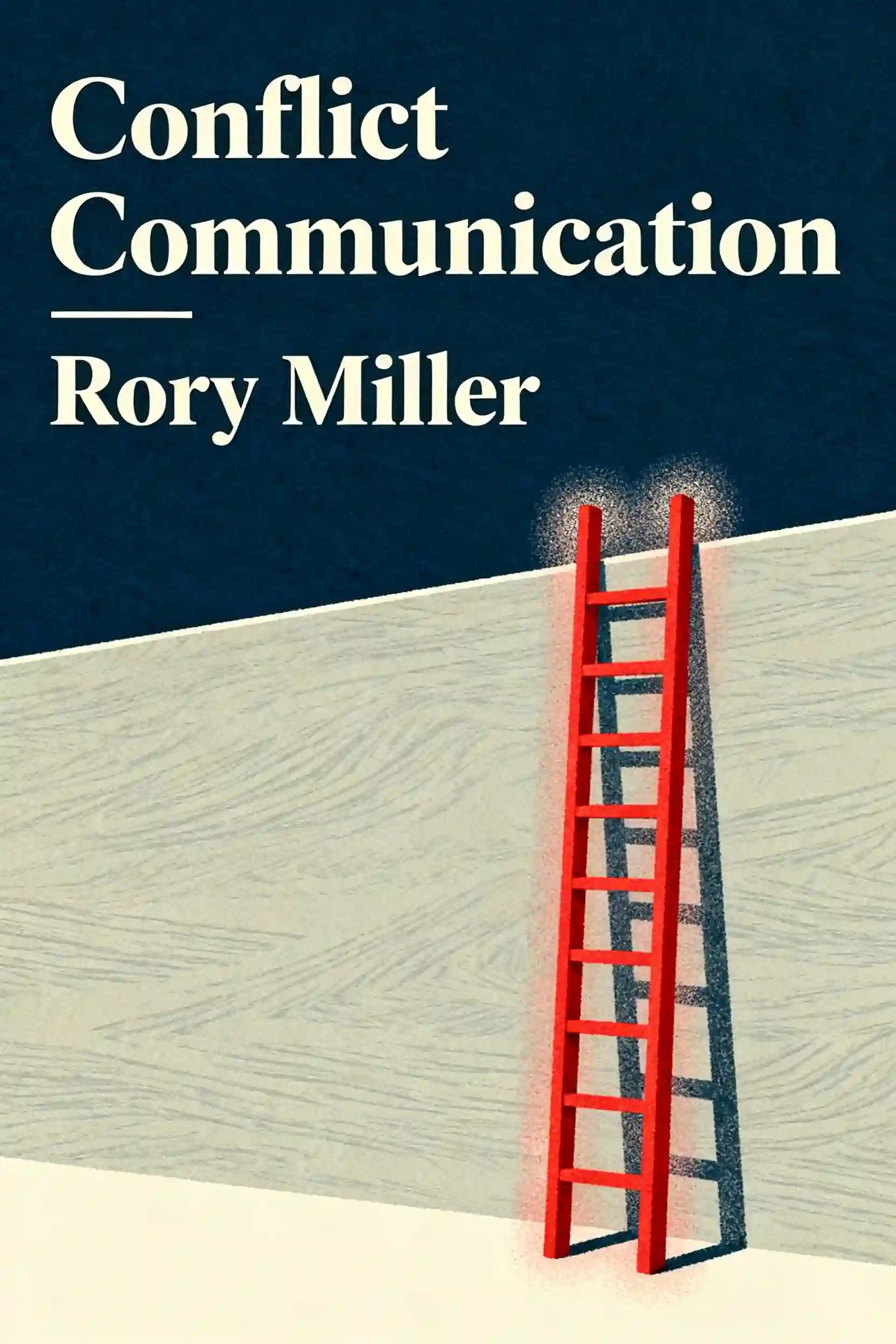
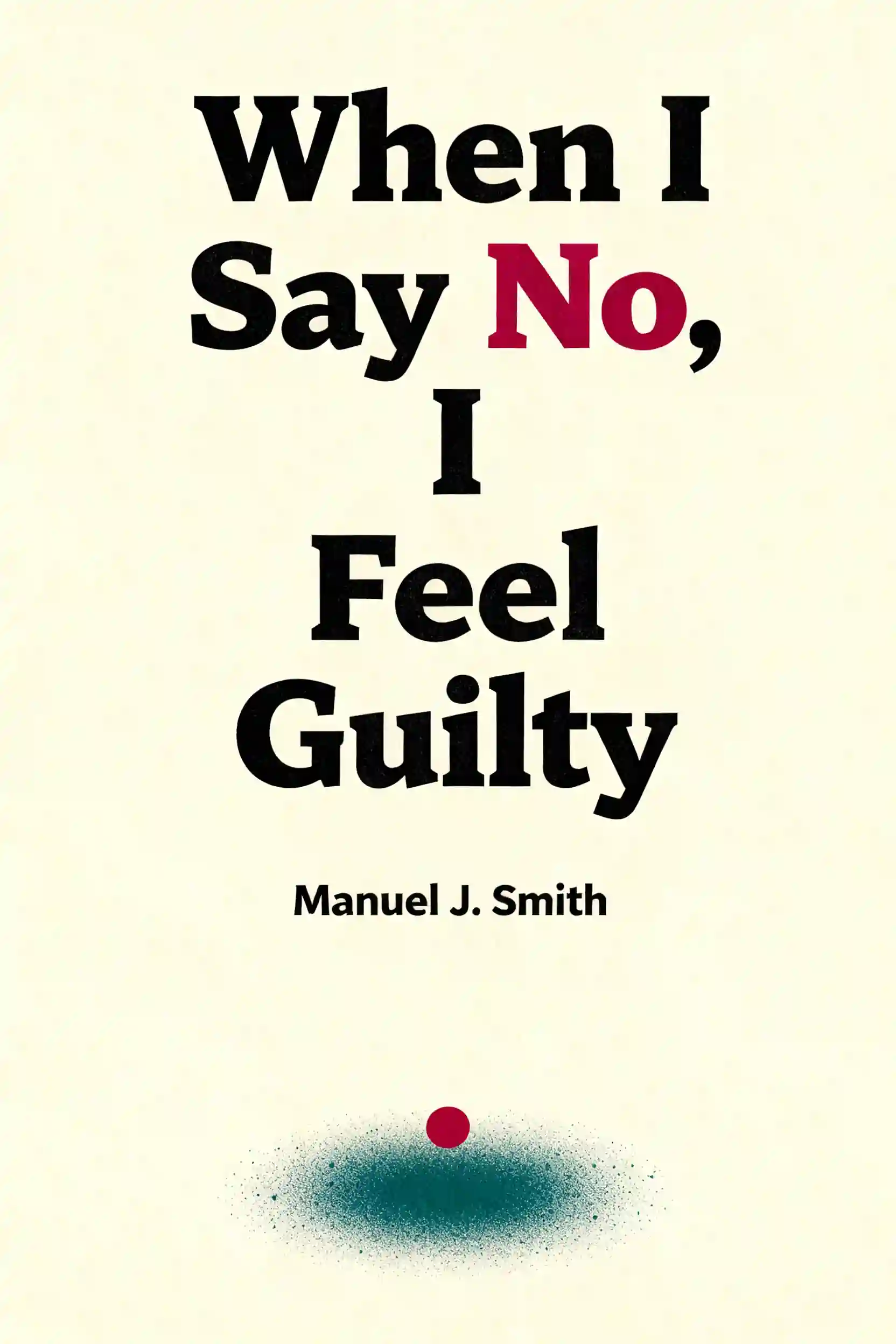
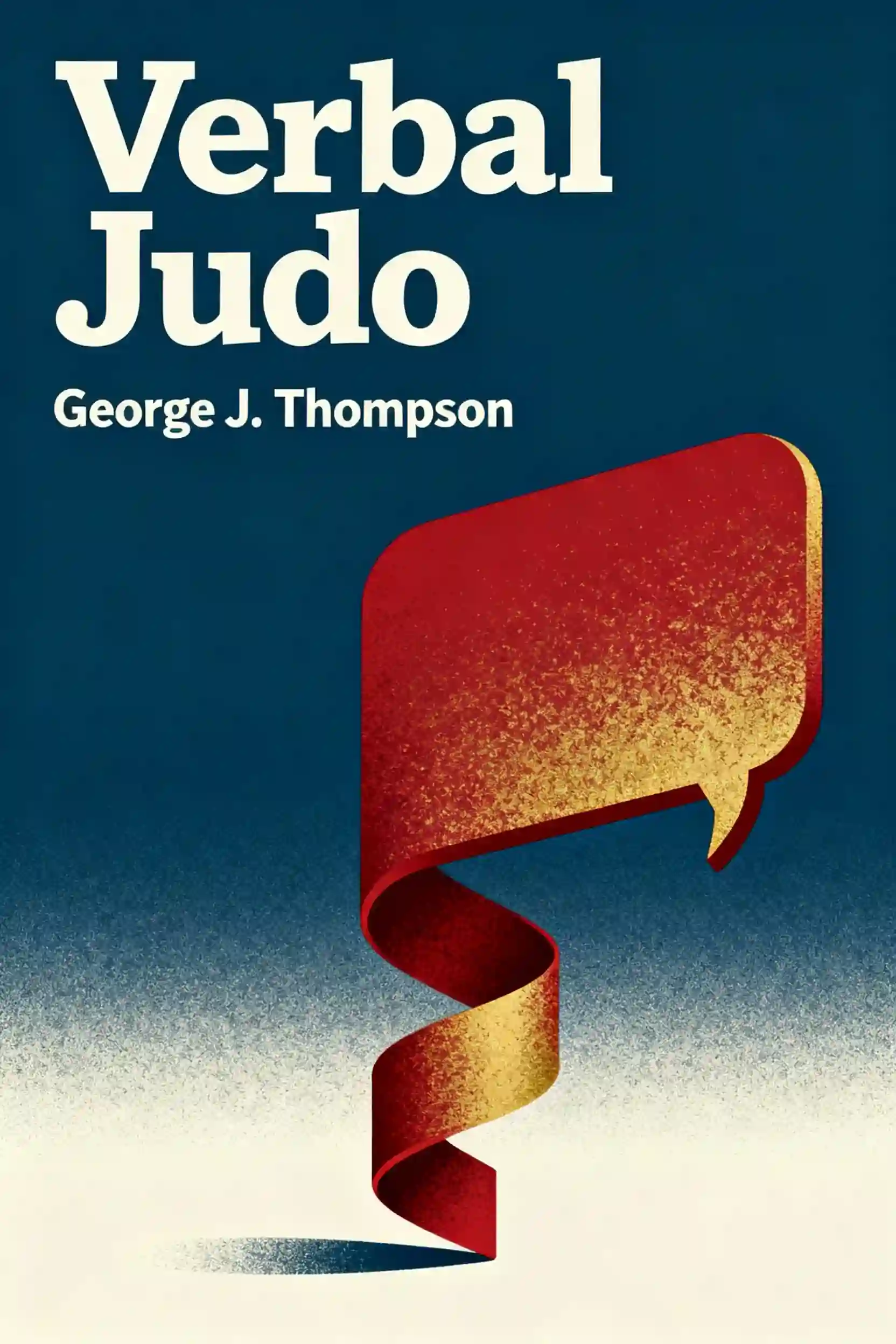
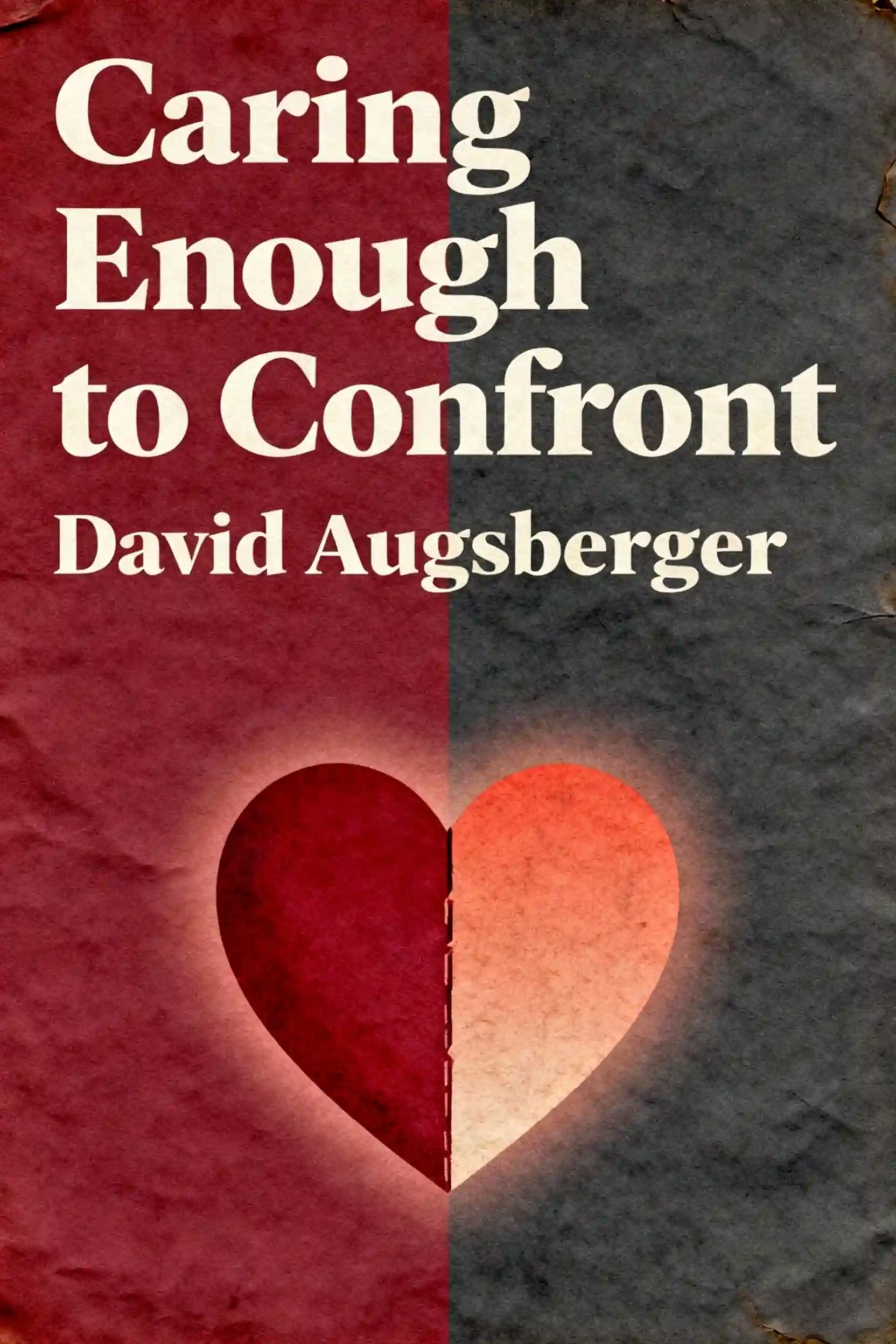
Frequently Asked Questions
Developing excellent communication skills is essential for both personal growth and professional development. By mastering effective communication, you can express your ideas more clearly, build stronger interpersonal relationships, and reduce misunderstandings in the workplace. These skills allow you to navigate complex social situations with ease, ensuring that your message is heard and understood while fostering a collaborative environment for everyone involved.
Assertiveness training is a vital component of professional development because it teaches you how to advocate for your needs and ideas respectfully. By practicing assertive communication, you can set healthy boundaries, handle conflict constructively, and increase your influence within an organization. This balance of confidence and respect helps you gain credibility among peers and leadership, ultimately accelerating your career progression and leadership potential.
The main difference lies in respect and intent. Assertive communication involves expressing your thoughts and feelings clearly and directly while still respecting the rights and beliefs of others. In contrast, aggressive communication often ignores the feelings of others and focuses solely on winning or exerting control. Learning the nuances of assertive communication ensures that you remain effective and professional without damaging your important interpersonal skills or workplace relationships.
Yes, assertiveness is a learned skill rather than an inherent personality trait. Through consistent assertiveness training and the application of effective communication techniques, anyone can improve their ability to speak up confidently. By focusing on specific interpersonal skills, such as using 'I' statements and maintaining steady eye contact, you can gradually build the habit of assertive communication in both high-pressure professional settings and everyday social interactions.
From Columbia University alumni built in San Francisco
"Instead of endless scrolling, I just hit play on BeFreed. It saves me so much time."


"I never knew where to start with nonfiction—BeFreed’s book lists turned into podcasts gave me a clear path."


"Perfect balance between learning and entertainment. Finished ‘Thinking, Fast and Slow’ on my commute this week."
"Crazy how much I learned while walking the dog. BeFreed = small habits → big gains."
"Reading used to feel like a chore. Now it’s just part of my lifestyle."

"Feels effortless compared to reading. I’ve finished 6 books this month already."
"BeFreed turned my guilty doomscrolling into something that feels productive and inspiring."

"BeFreed turned my commute into learning time. 20-min podcasts are perfect for finishing books I never had time for."
"BeFreed replaced my podcast queue. Imagine Spotify for books — that’s it. 🙌"

"It is great for me to learn something from the book without reading it."
"The themed book list podcasts help me connect ideas across authors—like a guided audio journey."
"Makes me feel smarter every time before going to work"
From Columbia University alumni built in San Francisco
"Instead of endless scrolling, I just hit play on BeFreed. It saves me so much time."
"I never knew where to start with nonfiction—BeFreed’s book lists turned into podcasts gave me a clear path."
"Perfect balance between learning and entertainment. Finished ‘Thinking, Fast and Slow’ on my commute this week."
"Crazy how much I learned while walking the dog. BeFreed = small habits → big gains."
"Reading used to feel like a chore. Now it’s just part of my lifestyle."
"Feels effortless compared to reading. I’ve finished 6 books this month already."
"BeFreed turned my guilty doomscrolling into something that feels productive and inspiring."
"BeFreed turned my commute into learning time. 20-min podcasts are perfect for finishing books I never had time for."
"BeFreed replaced my podcast queue. Imagine Spotify for books — that’s it. 🙌"
"It is great for me to learn something from the book without reading it."
"The themed book list podcasts help me connect ideas across authors—like a guided audio journey."
"Makes me feel smarter every time before going to work"
"Instead of endless scrolling, I just hit play on BeFreed. It saves me so much time."
"I never knew where to start with nonfiction—BeFreed’s book lists turned into podcasts gave me a clear path."
"Perfect balance between learning and entertainment. Finished ‘Thinking, Fast and Slow’ on my commute this week."
"Crazy how much I learned while walking the dog. BeFreed = small habits → big gains."
"Reading used to feel like a chore. Now it’s just part of my lifestyle."
"Feels effortless compared to reading. I’ve finished 6 books this month already."
"BeFreed turned my guilty doomscrolling into something that feels productive and inspiring."
"BeFreed turned my commute into learning time. 20-min podcasts are perfect for finishing books I never had time for."
"BeFreed replaced my podcast queue. Imagine Spotify for books — that’s it. 🙌"
"It is great for me to learn something from the book without reading it."
"The themed book list podcasts help me connect ideas across authors—like a guided audio journey."
"Makes me feel smarter every time before going to work"
"Instead of endless scrolling, I just hit play on BeFreed. It saves me so much time."
"I never knew where to start with nonfiction—BeFreed’s book lists turned into podcasts gave me a clear path."
"Perfect balance between learning and entertainment. Finished ‘Thinking, Fast and Slow’ on my commute this week."
"Crazy how much I learned while walking the dog. BeFreed = small habits → big gains."
"Reading used to feel like a chore. Now it’s just part of my lifestyle."
"Feels effortless compared to reading. I’ve finished 6 books this month already."
"BeFreed turned my guilty doomscrolling into something that feels productive and inspiring."
"BeFreed turned my commute into learning time. 20-min podcasts are perfect for finishing books I never had time for."
"BeFreed replaced my podcast queue. Imagine Spotify for books — that’s it. 🙌"
"It is great for me to learn something from the book without reading it."
"The themed book list podcasts help me connect ideas across authors—like a guided audio journey."
"Makes me feel smarter every time before going to work"