BeFreed
    Categories>Education>Arabic Nouns: Understanding the Ism

    Arabic Nouns: Understanding the Ism

    35 min
    |
    |
    Apr 5, 2026
    • Education
    • Communication
    • Self-Growth
    Arabic Nouns: Why an Ism Is Different Than You Think
    0:00 / 0:00

    An Arabic noun, or ism, is a foundational building block of the language that indicates a meaning not tied to time. Mastering the triliteral root system and the four essential properties of an ism—gender, number, capacity, and status—can help learners understand a significant portion of Quranic vocabulary, as approximately 500 high-frequency words make up nearly 75% of the text.

    About this episode

    Feeling overwhelmed by the Quran? Learn how the triliteral root system and four noun properties help you master 75% of the text with just 500 words.

    Choose how it's told

    One episode. Many ways to hear it.

    Same ideas from Arabic Nouns: Why an Ism Is Different Than You Think. Pick the voice, depth, and pace that fits you. Switch anytime.

    Transcript & chapters

    Chapter 1

    Cracking the Code of Arabic Nouns

    Lena: You know, Miles, I was looking at a page of the Quran the other day and felt totally overwhelmed by the complexity. But then I found this incredible fact: a core set of just about 500 high-frequency words actually makes up nearly 75% of the entire text.

    Miles: It’s wild, right? Most of those are what we call an ism, or a noun. In Arabic, an ism is the ultimate building block—it’s a word that stands all on its own without needing a tense to make sense.

    Lena: Exactly! And the coolest part is the "triliteral root" system. It’s like a mathematical engine where three base letters, like {k-t-b} for writing, branch out into everything from "book" to "library."

    Miles: It’s so elegant. But the mistake most beginners make is treating Arabic nouns like English ones, ignoring the four essential properties every ism carries. So, let’s explore how to identify these nouns and master their properties.

    Chapter 2

    The Three Pillars of Arabic Words

    Miles: You know, Lena, before we dive deep into the properties of the ism, we have to look at the landscape it lives in. In Arabic grammar—what scholars call Nahw—every single word you encounter in the Quran or a newspaper fits into just three categories. There is no fourth option. It is either an ism, which we translate as a noun; a fi‘l, which is a verb; or a harf, which is a particle.

    Lena: That sounds so organized. It is like having three primary colors to paint an entire language. But how do we actually tell them apart when we are looking at a sentence? I mean, in English, we have adjectives and adverbs as separate categories, but in Arabic, they are all bundled together, right?

    Miles: Exactly. That is a huge point for our listeners to grasp. The category of ism is much broader than the English "noun." It includes people, places, and objects, but also adjectives—descriptions—and even adverbs. If you are describing something as "beautiful" or "fast," in Arabic, that word is functionally a noun. The technical definition of an ism is a word that points to a meaning in itself but is not tied to time.

    Lena: Not tied to time—I love that phrasing. So, if I say "book," the concept of a book does not change whether it was a book yesterday, today, or tomorrow. But a verb like "wrote" or "writes" is trapped in a specific timeframe.

    Miles: You have hit the nail on the head. That is the quickest way to spot the difference. If a word’s form changes because the clock moved—like kataba for "he wrote" versus yaktubu for "he writes"—you are dealing with a fi‘l. But an ism like ikhtibar, which means "test," stays exactly the same whether the test was yesterday, today, or tomorrow. It is stable.

    Lena: Okay, so stability is the first clue. But what about the harf? You mentioned particles. Are those just the "glue" words?

    Miles: Precisely. A harf is a word that does not really have a full meaning on its own. Think of words like "in," "on," "from," or "and." If I just walk up to you and say "In," you are going to be waiting for the rest of the sentence. It needs an ism or a fi‘l to actually do its job. But here is the secret weapon for beginners: the harf is actually one of the best ways to identify an ism.

    Lena: Wait, how does that work? Is it like a scout revealing the enemy's position?

    Miles: Kind of! In Arabic, certain particles—specifically prepositions like fi for "in" or ila for "to"—can only be followed by an ism. They are allergic to verbs. So, if you see the word ila followed by al-masjid, you instantly know masjid is a noun because it is sitting right behind a preposition. It is a foolproof grammatical marker.

    Lena: That is a great practical tip. So, if I am scanning a verse and I see a preposition, the very next word is guaranteed to be an ism. What are some other "tells" or dead giveaways that we are looking at a noun?

    Miles: There are two other big ones. First, look for the "Al" prefix—the definite article. In English, we have "the," but in Arabic, Al is physically attached to the front of the word. Verbs never take Al. So, if you see Al-kitab, you know it is a noun. The second one is tanween, which is that "n" sound at the end of a word, like kitab-un. That double vowel sign is a signature of a noun. A verb will never, ever have tanween.

    Lena: So, let's recap for everyone listening. We have got our three categories: Nouns, Verbs, and Particles. To find the nouns, we look for stability across time, the Al prefix, the tanween ending, or a preposition standing right in front of it.

    Miles: You've got it. And once you can identify that a word is an ism, that is when the real fun starts. Because every single ism has a set of four "ID cards" it carries—gender, number, definiteness, and something called "case." You can't understand a sentence until you check those four cards.

    Keep learning with this episode

    Take the ideas from this episode into a guided learning experience in BeFreed.

    Chapter 3

    The Four Essential ID Cards of a Noun

    Lena: Okay Miles, you mentioned these four "ID cards" that every Arabic noun carries. It’s almost like every ism is a person walking through security, and we have to check their credentials to know how they fit into the sentence. Where do we even start?

    Miles: It really is like that. If you miss one of these properties, the whole sentence can fall apart in your head. The four properties are: Gender, Number, Capacity—which is just a fancy word for whether it is definite or indefinite—and Status, which is the "case" or I‘rab. For our listeners, think of these as the DNA of the word.

    Lena: Let’s talk about Capacity first—definite versus indefinite. In English, it’s just the difference between "a book" and "the book," right? Is it that straightforward in Arabic?

    Miles: Mostly, yes, but with some cool nuances. An indefinite noun—Nakirah—usually refers to something general. Like mudarris, "a teacher." Any teacher. And you can usually spot a Nakirah noun by that tanween we mentioned—the "un" sound at the end. But when we want to make it definite—Ma‘rifah—we add the Al prefix. So mudarris-un becomes Al-mudarrisu.

    Lena: Wait, I noticed you dropped the "n" sound there. You didn't say Al-mudarris-un.

    Miles: Great catch! That is one of the most important rules for beginners. The Al and the tanween are like two kings in one kingdom—they cannot coexist. If Al comes in the front door, the tanween has to leave through the back. It’s a binary switch.

    Lena: So, Ma‘rifah isn't just about adding Al, right? What about proper names? If I say "Mecca" or "Muhammad," those are inherently definite even without the Al prefix.

    Miles: Exactly. Proper nouns—Alam—are a major category of definite nouns. You don't need to say "The Muhammad" because he is already a specific person. So, even though Muhammad-un has a tanween at the end, it is still Ma‘rifah because it’s a specific name. This is where the logic of Arabic grammar really starts to shine. It’s not just about the spelling; it’s about the meaning of the word’s specificity.

    Lena: That makes total sense. Now, let’s move to the second card: Gender. I know in many languages, like Spanish or French, everything has a gender. Is Arabic the same way?

    Miles: It is. Every single noun is either masculine—Mudhakkar—or feminine—Mu-annath. There is no "it" in Arabic grammar. Even a door or a window has a gender. The good news for learners is that Arabic is very "masculine by default." If a word doesn't have a specific feminine marker, you can usually bet it is masculine.

    Lena: So, what are the "markers" we should be looking for to spot a feminine noun? I remember seeing a specific letter at the end of many words.

    Miles: You’re thinking of the Ta Marbuta. It looks like a little circle with two dots on top. If you see that at the end of a word like sayyarah for "car" or madrasah for "school," it is a huge neon sign saying "I am feminine." There are other markers too, like the Alif Maqsuurah—which looks like a "y" without dots—or the Alif Mamduudah, which is an Alif followed by a Hamza. Think of words like sahra for "desert."

    Lena: But I’ve heard there are exceptions—words that look masculine but are actually feminine?

    Miles: Oh, definitely. We call these Mu-annath Samaa’iy, or "feminine by usage." These are words that don't have the "feminine" ending but the Arabs just decided they were feminine centuries ago. A great tip for our listeners: body parts that come in pairs—like eyes, ears, and hands—are almost always feminine. Also, most names of cities and countries are treated as feminine.

    Lena: That is so interesting. So, we’ve got Capacity and Gender. That leaves Number and Status. I know Number in Arabic is more complex than just "one or many."

    Miles: Much more complex. English has singular and plural. Arabic adds a "Dual" form—Muthannaa—specifically for exactly two things. If you have two books, you don't use the plural; you use a special ending. And then you have the Plural, which starts at three. And within the Plural, you have "Sound" plurals that follow a regular pattern and "Broken" plurals that change the internal structure of the word entirely.

    Lena: It sounds like a lot to juggle, but I can see how these four properties—Capacity, Gender, Number, and Status—create a very precise "map" of what each word is doing. If you know these four things, you basically know the identity of the noun.

    Chapter 4

    Navigating the Three Genders of Number

    Miles: So, Lena, we were just touching on the "Number" card. This is where Arabic really flexes its linguistic muscles. For a lot of English speakers, the jump from "one" to "two" to "many" feels a bit like learning a new coordinate system.

    Lena: Right, because in English, if I have two pens, I just add an "s" and call it a day. But in Arabic, "two" is its own special category. Why is that?

    Miles: It’s all about precision. The Dual form—Muthannaa—is used for exactly two of something. To make a noun dual, you typically add an aan or ayn ending. So, walad is one boy, and waladaan is two boys. It’s incredibly efficient because you don’t even need the number "two" to be present in the sentence. The noun carries the number inside its own ending.

    Lena: That is actually really elegant. But then we get to the Plural—Jam‘u. And I remember you mentioning there are different types of plurals. It’s not just one-size-fits-all.

    Miles: Not at all. We have the "Sound Masculine Plural," which is very predictable. You just add uuna or iina to the end. Think of muslim-uuna. It’s like the "s" in English. Then we have the "Sound Feminine Plural," where you add aat. So muslim-aat. But the real challenge—and the most beautiful part of the language—is the "Broken Plural," or Jam‘u al-Taksir.

    Lena: "Broken" sounds a bit intimidating. Does the word actually break apart?

    Miles: In a way, yes! Instead of just adding something to the end, the internal structure of the word shifts. It’s like in English where "man" becomes "men" or "goose" becomes "geese." But in Arabic, this happens to a huge percentage of nouns. For example, kitab is "book," but the plural isn't kitab-uuna. It’s kutub. The vowels inside the root letters shift around.

    Lena: So, how do we master these broken plurals? Is it just pure memorization, or is there a pattern we can follow?

    Miles: There are patterns, but for a beginner, it’s best to learn the plural alongside the singular word, like they are a package deal. But here is a fascinating rule that many students miss: in Arabic grammar, "Non-human plurals" are treated as "Singular Feminine."

    Lena: Wait, back up. If I am talking about a bunch of books—which is plural and masculine—the grammar treats them like a single lady?

    Miles: Exactly! You’ve hit the nail on the head. If you want to say "The books are big," you would use the singular feminine adjective kabirah instead of a plural adjective. It sounds strange at first, but it makes the language incredibly rhythmic. This is why understanding the "Number" card is so vital—it dictates how the adjectives and verbs around the noun are going to behave.

    Lena: It’s like a domino effect. If I identify the noun as a non-human plural, it changes the gender of the next word in the sentence. This really highlights why we can't just look at words in isolation.

    Miles: Precisely. And this leads us perfectly into the fourth and most powerful card: Status, or I‘rab. This is the system of case endings—those tiny vowel changes at the end of words that tell you who is doing what.

    Lena: I’ve heard about this. It’s the u, a, and i sounds at the end of words, right? To an outsider, it might just sound like extra noise, but you’re saying it’s actually the "operating system" of the sentence.

    Miles: It really is. In English, we rely on word order. "The boy hit the wolf" means something very different from "The wolf hit the boy." But in Arabic, you can actually move the words around, and as long as the case endings are correct, the meaning stays clear. The doer of the action—the Subject—gets a dammah or "u" sound. We call this the Marfu‘ state.

    Lena: Okay, so "u" for the person doing the action. What about the person or thing receiving the action?

    Miles: That is the Mansub state, and it usually ends with a fathah or "a" sound. So, if you say al-waladu—with a "u"—you know the boy is the hero of the story. If you say al-walada—with an "a"—he is the one being acted upon. It’s like the word itself is wearing a uniform that tells you its job.

    Lena: And there’s a third one, right? The "i" sound?

    Miles: Yes, the Majrur state, ending in a kasrah or "i" sound. This happens most often after those prepositions we talked about—like "in" or "to"—or when showing possession. It’s the "of" relationship. So, "the book of the teacher" would be kitabu al-mu‘allimi. That "i" at the end of mu‘allim tells you he is the owner.

    Lena: Wow. So, by just changing one tiny vowel at the end of a word, you can turn a subject into an object or an owner. That is a massive amount of power packed into a single sound.

    Keep learning with this episode

    Take the ideas from this episode into a guided learning experience in BeFreed.

    Chapter 5

    The Magic of the Case System

    Miles: We were just talking about how those tiny vowel endings—the u, a, and i—completely change the role of a noun. This is the system of I‘rab, and honestly, it’s what makes Arabic one of the most precise languages ever spoken.

    Lena: It’s fascinating, but I have to ask—if I’m just starting out, does it really matter that much? I mean, if I say the word with the wrong ending, will people still understand me?

    Miles: In casual conversation? Sure. Most modern dialects actually drop these endings at the end of a sentence. But if your goal is to understand the Quran or read classical literature, I‘rab is everything. There’s a famous example where a tiny change in a vowel in a verse could technically change who is following whom. The scholars of old were obsessed with preserving these endings because they act as a safeguard for meaning.

    Lena: It’s like a built-in error-correction code. If the word order gets poetic or complex, the I‘rab tells you exactly how the pieces fit back together. Can we walk through a concrete example? How does "u," "a," and "i" look in action?

    Miles: Let’s take the word Rabb, which means "Lord." In the Quran, you’ll see it as Rabb-u, Rabb-a, and Rabb-i. When we say Rabb-u-na Allahu—"Our Lord is Allah"—the "u" tells us that Rabb is the subject. It’s the main topic.

    Lena: Okay, so that’s the Marfu‘ state. What about the "a" version?

    Miles: You see that in verses like Wattaqu Rabb-a-kum—"And fear your Lord." Here, the "a" ending on Rabb tells us it’s the object of the verb "fear." You are the one doing the fearing, and the Lord is the one being feared. If you changed that "a" to a "u," the grammar would break because the roles would be scrambled.

    Lena: That is so clear. And the "i" ending?

    Miles: That’s the Majrur state. You see it in Amanna bi-Rabb-i al-alamin—"We believe in the Lord of the worlds." Because of that tiny particle bi—which means "in"—the word Rabb is forced to take a kasrah, that "i" sound. It’s like the preposition has a magnetic pull that drags the vowel down.
    Lena: I love that image—the magnetic pull of the preposition. So, the three states are Marfu‘ (Subject/u), Mansub (Object/a), and Majrur (Possessive/Preposition/i). But Miles, what about nouns that don't change? I’ve seen words that seem to keep the same ending no matter where they are.

    Miles: You’ve spotted the Mabni nouns! Most nouns are Mu‘rab, meaning they are flexible and change their endings. But some words are "fixed" or "built." Think of pronouns like Ana for "I" or Huwa for "He." They don't care if they are the subject or the object; they stay exactly the same. It’s like they are made of stone while the other words are made of clay.

    Lena: That’s a relief for learners! At least some words stay still. But wait, there’s also the "invisible" changes you mentioned earlier. Words like Al-fata, the boy.

    Miles: Right! That is a special category where the vowel change is happening, but we just can't see it because of the way the word ends. It’s called Taqdiran—estimated. It’s like the word is in the Marfu‘ state, but the "u" sound is hidden. It’s there in spirit, but not in sound.

    Lena: It sounds like a detective game. You have to look at the words around the noun to figure out what its "hidden" status is. If it’s after a preposition, it must be Majrur, even if it doesn't look like it.

    Miles: Exactly. That is where the "Syntax" or Nahw comes in. You use the context to solve the mystery of the word's role. And for our listeners, once you start noticing these endings, the Quran starts to open up in a whole new way. You stop seeing a string of words and start seeing a structural masterpiece where every vowel has a job to do.

    Lena: It really changes the experience from just "memorizing meanings" to "understanding the mechanics." It’s like looking under the hood of a car rather than just looking at the paint job.

    Miles: That’s exactly right. And speaking of "under the hood," we should probably talk about how these nouns are actually built from their roots. Because once you understand the root system, your vocabulary doesn't just grow—it explodes.

    Chapter 6

    Rooting Out Meaning in the Ism

    Lena: Miles, we keep coming back to this "root system." You mentioned earlier that most Arabic nouns are built from a three-letter core. It reminds me of those "choose your own adventure" books, where one starting point leads to a dozen different endings.

    Miles: That is a perfect analogy. In Arabic, this is called Sarf, or morphology. Think of a root as a seed. If you have the root k-t-b, which carries the abstract idea of "writing," you can plant it in different "patterns" to grow different words.

    Lena: So, if I take k-t-b and put it into a specific pattern, I might get "book." If I put it in another, I get "writer." How do these patterns actually work? Is it like a template?

    Miles: Precisely. We have these templates called Awzan. One of the most common is the Fa‘il pattern, which represents the "doer" of an action. You take your three root letters and slot them into that pattern. So, k-t-b becomes Katib—a writer. If you take the root s-j-d, which is about prostrating, it becomes Sajid—one who prostrates.

    Lena: That is so powerful! It means if I know just one root and a few patterns, I can guess the meaning of words I’ve never even seen before.

    Miles: Exactly. It’s like having a secret decoder ring. Let’s take another pattern: Ma-f‘ul. This pattern represents the thing that had the action done to it. So, k-t-b becomes Maktub—something written, like a letter. The root q-r-’, which is about reading, becomes Maqru’—something readable.

    Lena: It’s so logical. It’s almost mathematical. But what about places? I’ve noticed a lot of words for places start with "Ma." Like Masjid or Matbakh for kitchen.

    Miles: You’ve got a great ear! That is the Ma-f‘al pattern, which often indicates the place where an action happens. S-j-d is prostrating, so Ma-sjid is the place where you prostrate. K-t-b is writing, so Ma-ktab is the place where you write—a desk or an office. B-kh is related to cooking, so Ma-tbakh is the kitchen.

    Lena: This is mind-blowing. It turns the language into a giant interconnected web. Instead of 10,000 random words, you have maybe a few hundred roots and a handful of patterns that generate everything else.

    Miles: And it gets even cooler. Some roots have four letters—Quadriliteral roots. These often describe actions that are repetitive or have a certain sound to them. Like zalzala, the root for "shaking" or "earthquake." You can hear the repetition in the root itself—z-l-z-l. The language uses its own structure to mimic the meaning.

    Lena: So, for our listeners, the "Practical Playbook" move here is to start looking for those three-letter cores. When you see a new word, ask yourself: "What are the three consonants that don't change?" Once you find them, you've found the heart of the word.

    Miles: That is the best advice you can give a beginner. And once you find that root, you can look it up in a specialized dictionary, like a Hans Wehr, and see the whole "family tree" of that word. You'll see the nouns, the verbs, the adjectives—all stemming from that one seed.

    Lena: It makes the language feel so much more approachable. It’s not just a mountain of vocabulary; it’s a forest of family trees. But wait, we’ve talked about nouns and roots—what about the "extra" bits? The prefixes and suffixes? Like Al or the pronouns attached to the end?

    Miles: Those are the "Connected Pronouns," and they are the final piece of the ism puzzle. They can turn a simple noun like "book" into "my book," "your book," or "her book" with just one extra letter.

    Lena: I’ve seen those! Like Kitab-i or Kitab-uka. It’s like the noun is a train, and we’re just hooking up different cars to the back to show who it belongs to.

    Miles: That’s exactly it. And the beauty is that these pronouns follow their own rules of I‘rab too. But let’s save that for the deep dive into possession, because the way Arabic shows ownership—the Idafa structure—is one of the most elegant parts of the whole language.

    Keep learning with this episode

    Take the ideas from this episode into a guided learning experience in BeFreed.

    Chapter 7

    The Elegance of Possession

    Miles: Lena, we’ve talked about the "ID cards" of a noun, but we haven't talked about how nouns play together. The most common way two nouns interact in Arabic is through the Idafa structure. It’s how we show possession—like "the teacher's book" or "the door of the house."

    Lena: In English, we usually use "'s" or the word "of." Is Idafa just a simple translation of those?

    Miles: It’s even simpler, actually. You just put the two nouns side by side. No "of," no apostrophes. But there are two very strict rules that make an Idafa work. The first noun—the thing being possessed—can never have Al and can never have tanween.

    Lena: Wait, so it’s naked? No "The" and no "n" sound?

    Miles: Exactly! It’s stripped down. And the second noun—the owner—must be in the Majrur state. It has to have that "i" sound at the end. So, "the book of the teacher" is Kitabu al-mu‘allimi. Kitabu has no Al, and al-mu‘allimi ends with a kasrah.

    Lena: That is so compact! It’s like the language is trying to be as efficient as possible. But what if I want to say "a teacher's book" instead of "the teacher's book"?

    Miles: Great question. The "definiteness" of the whole phrase is decided by the second word. If the second word is definite, the whole thing is definite. If the second word is indefinite—like Kitabu mu‘allimin—then it’s "a teacher’s book." The first word just hitches a ride on the second word's capacity.

    Lena: It’s like the second word is the driver and the first word is the passenger. The passenger goes wherever the driver goes.

    Miles: That’s a perfect way to put it! And Idafa isn't just for ownership. It’s used for all kinds of relationships. "The City of Mecca," "The Day of Judgment," "The Messenger of Allah." All of these are Idafa structures. Once you learn to spot them, you realize they are the backbone of almost every sentence in the Quran.

    Lena: I’m starting to see how all these pieces fit together. We have the root system creating the words, the four ID cards defining their properties, and the Idafa connecting them into relationships. It’s like a giant Lego set where the bricks only click together in specific ways.

    Miles: And just like Legos, once you know the rules of how they click, you can build anything. But there’s one more category of "noun-like" things we should mention before we wrap up—the Ism Isharah, or pointing words. "This" and "That."

    Lena: Oh, like Hadha and Dhalika! I see those everywhere. Are they treated as nouns too?

    Miles: They are! They are a special type of ism that is Mabni—remember, that means they are fixed and don't change their endings. They are also inherently definite. If you say "This," you are pointing at something specific.

    Lena: So if I say Hadha al-kitab, I’m saying "This book." But what if I just say Hadha kitab?

    Miles: Ah, that is the beauty of Arabic sentence structure! If you put "This" next to a noun with Al, it’s a phrase: "This book..." But if you put it next to a noun with tanween and no Al, it becomes a full sentence: "This is a book."

    Lena: No way! The word "is" doesn't even exist? It’s just implied by the grammar?

    Miles: Exactly. There is no verb "to be" in the present tense in Arabic. The relationship between the words is the sentence. That is why understanding the properties of the ism—like whether it has Al or tanween—is so critical. It’s the difference between a fragment and a complete thought.

    Lena: That is such a mind-shift for an English speaker. We are so used to needing a verb to make a sentence. In Arabic, two nouns sitting next to each other can be a complete, powerful statement.

    Miles: It’s what we call a "Nominal Sentence," or Jumlatun Ismiyyah. It starts with a noun, and it’s usually used to state a fact or a permanent condition. It has a different "flavor" than a verbal sentence, which feels more active.

    Lena: It feels very grounded and stable. "Allah is merciful." "The path is straight." It’s like these truths are built into the very structure of the language.

    Chapter 8

    Common Pitfalls and How to Dodge Them

    Miles: We’ve covered a lot of ground today, Lena. But I want to make sure our listeners don't fall into the same traps I did when I was starting out. There are some "classic" mistakes that almost everyone makes with Arabic nouns.

    Lena: I’m ready. What’s the number one thing that trips people up?

    Miles: It’s the "Al and Tanween" fight. I still see students trying to say Al-kitab-un. It sounds like such a small thing, but to a native speaker, it’s like saying "The a book." You have to pick a side! Either it’s definite with Al or indefinite with tanween.

    Lena: Okay, "The" and "A" cannot live together. Got it. What’s next?

    Miles: Mixing up gender agreement. Remember how we said non-human plurals are treated as singular feminine? I see people all the time trying to use a masculine plural adjective for "books." You have to train your brain to see "books" and think "she." It takes practice, but once it clicks, your Arabic will sound much more natural.

    Lena: That one is definitely going to take some mental gymnastics. "The big books" becomes "The big [singular feminine] books." Is there a trick to remembering that?

    Miles: Just think of a group of objects as a single collective unit—a "feminine" entity. Another big pitfall is the I‘rab endings—the u, a, and i. Beginners often ignore them because they aren't written in most books. But if you ignore them, you're missing the "who" and "what" of the sentence.

    Lena: So the advice is to always try to vocalize the endings, even if the marks aren't there?

    Miles: Exactly. Even if you just do it in your head. Ask yourself: "Is this the subject? Then it’s a 'u' sound." "Is it the object? Then it’s an 'a' sound." This active analysis is what builds the "grammar muscle."

    Lena: And what about the Idafa? I bet people try to put Al on the first word all the time.

    Miles: Every single time! They want to say Al-kitabu al-mu‘allimi for "The teacher's book." But remember: the first word in a possession relationship cannot have Al. It’s like the ownership itself makes it definite, so it doesn't need the prefix.

    Lena: It’s like a club with a strict dress code. You have to know the rules before you can get in. But Miles, what’s the best way for someone to actually practice this today? Without getting overwhelmed by a textbook?

    Miles: The "Labeling Game." Take a short verse from the Quran—maybe something from the last chapter—and try to find every ism. Then, for each noun, try to identify its four ID cards: Is it masculine or feminine? Singular, dual, or plural? Definite or indefinite? And what is its case ending?

    Lena: I love that. It’s like a linguistic scavenger hunt. You aren't trying to translate the whole thing; you're just looking for the building blocks.

    Miles: Exactly. And use those "tells" we talked about. Look for the Al, the tanween, or the word following a preposition. If you can identify the nouns, you've already conquered half the language. Because in the Quran, nouns are everywhere, carrying the core concepts and descriptions that give the text its depth.

    Lena: It makes the whole project feel so much more achievable. You don't have to be a master grammarian to start seeing these patterns. You just have to be a good observer.

    Miles: That’s the spirit. Arabic grammar is incredibly logical. It’s not a collection of random rules; it’s a system of interconnected parts. Once you see the logic, the "difficulty" starts to fade away, and you're left with this beautiful, symmetrical structure.

    Keep learning with this episode

    Take the ideas from this episode into a guided learning experience in BeFreed.

    Chapter 9

    Practical Playbook for the Listener

    Lena: Miles, we’ve covered so much—from the three parts of speech to the deep mechanics of I‘rab and the root system. For our listeners who are feeling inspired but maybe a little dizzy, let’s boil this down into a concrete "Playbook" they can use this week.

    Miles: I love that. Step one is what I call the "Ism Audit." Pick five words you already know in Arabic—maybe Kitab, Muslim, Allah, Masjid, and Bait. Now, run them through the four ID cards. Are they masculine or feminine? (Most of those are masculine). Are they singular? (Yes). Now, try to make them plural.

    Lena: Okay, so Muslim becomes Muslim-uuna. Bait becomes Buyut—oh, that’s a broken plural, right?

    Miles: Exactly! You’re already doing it. Step two is "Context Hunting." The next time you are reading or listening to the Quran, don't worry about the full meaning. Just listen for the "u," "a," and "i" at the ends of the nouns. See if you can hear the Majrur state after a preposition like fi or min.

    Lena: It’s like tuning your ear to a specific frequency. Once you start hearing it, you can't un-hear it.

    Miles: Precisely. Step three: Master the "Stripping" technique. When you see a long word, try to strip away the Al at the front and the pronouns at the back. What’s left? That’s your core ism. Then, look at those remaining letters and try to find the three-letter root.

    Lena: That sounds like a great way to expand vocabulary. Instead of learning "his book," "her book," and "their book" as separate words, you just learn "book" and the pronoun rules.

    Miles: It saves you so much time. And step four: Practice the Idafa with things around your house. If you have a pen on a table, call it Qalamu al-tawilati—the pen of the table. If you have a door to a room, it’s Babu al-ghurfati. Just putting two nouns together and giving the second one that "i" sound will make the structure feel second nature.

    Lena: It’s about making the language part of your physical space. Not just something in a book, but something you use to describe your world.

    Miles: That is the key to fluency. And for anyone listening who feels like they are moving slowly—don't worry. Even the great grammarians started with these same basics. The beauty of Arabic is that it rewards every bit of effort you put in. One new root today can unlock ten new words tomorrow.

    Lena: It’s a compound interest system for your brain! I think the most important takeaway for me today is that the ism isn't just a "noun"—it’s a dynamic, multi-layered piece of a larger puzzle. And once you know how to read the labels on that piece, you know exactly where it fits.

    Miles: You’ve hit the nail on the head, Lena. The ism is the foundation. Once you’re comfortable with nouns, moving on to verbs and complex sentences feels like a natural next step rather than a giant leap.

    Lena: This has been so eye-opening. I feel like I have a map now where before I just had a blurry picture.

    Miles: That’s the goal! And the best part is, the map is already there, hidden in the text, just waiting for you to look closely enough to see it.

    Chapter 10

    Closing Reflection and Wrap-up

    Lena: You know, Miles, as we wrap things up today, I’m struck by how much "intent" is baked into the Arabic language. It’s not just a way to communicate; it’s a system designed for extreme clarity and even a kind of musical beauty.

    Miles: It really is. When you look at the system of I‘rab or the root-and-pattern engine, you see a language that was meticulously preserved to carry a very specific, very important message. It’s a language that demands your attention, but it gives so much back in return.

    Lena: I love the idea that even a tiny vowel at the end of a word is there for a reason. It reminds us to be slow and deliberate in our reading and our reflection.

    Miles: That’s a beautiful way to think about it. For our listeners, we hope this dive into the world of the ism has given you the tools to approach your study with more confidence. Remember, you don't need to know everything at once. Just start with one noun, one property, or one root at a time.

    Lena: Exactly. Maybe this afternoon, just take one verse and see if you can find the "driver" and the "passenger" in an Idafa structure. Or just count how many nouns you can find with the Al prefix.

    Miles: Those small wins are what build long-term success. The Arabic language is a lifelong journey, and every step forward is a victory.

    Lena: It’s about the connection—connecting with the text, connecting with the history, and ultimately, connecting with the meaning behind the words.

    Miles: Well said. We want to thank everyone for joining us on this exploration today. It’s been a joy to break down these concepts with you.

    Lena: Absolutely. We hope you take a moment today to reflect on one thing that surprised you—maybe it’s the "hidden" vowels or the way "books" are treated as a "she." Whatever it is, let that curiosity drive your next step in learning.

    Miles: Happy hunting for those roots and patterns! The language is waiting for you to discover its secrets.

    Lena: Thanks for listening, everyone. Take care and enjoy the journey of discovery.

    ★★★★★

    You made it to the end of Arabic Nouns: Why an Ism Is Different Than You Think

    “23 days in and I have used it every single day. It is part of my daily habit now.”

    jayallen

    Best quote from Arabic Nouns: Why an Ism Is Different Than You Think

    “

    The category of ism is much broader than the English 'noun.' It includes people, places, and objects, but also adjectives and even adverbs; the technical definition is a word that points to a meaning in itself but is not tied to time.

    ”
    G

    Generated by Gerardo Valdez

    Input question

    A course on Arabic nouns ism

    Host voices
    Lenaplay
    Milesplay
    Knowledge sources
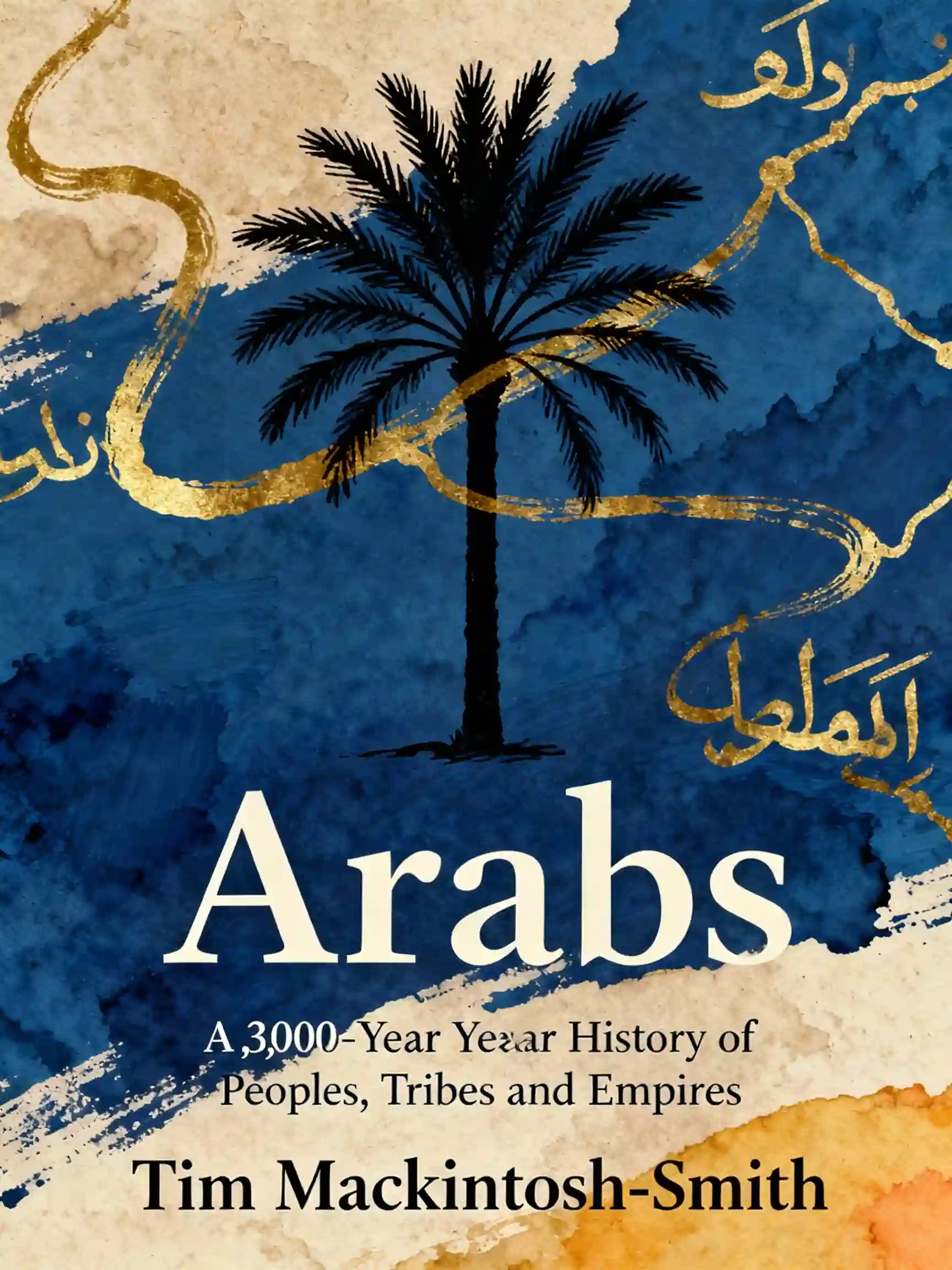
    Arabs
    The Koran
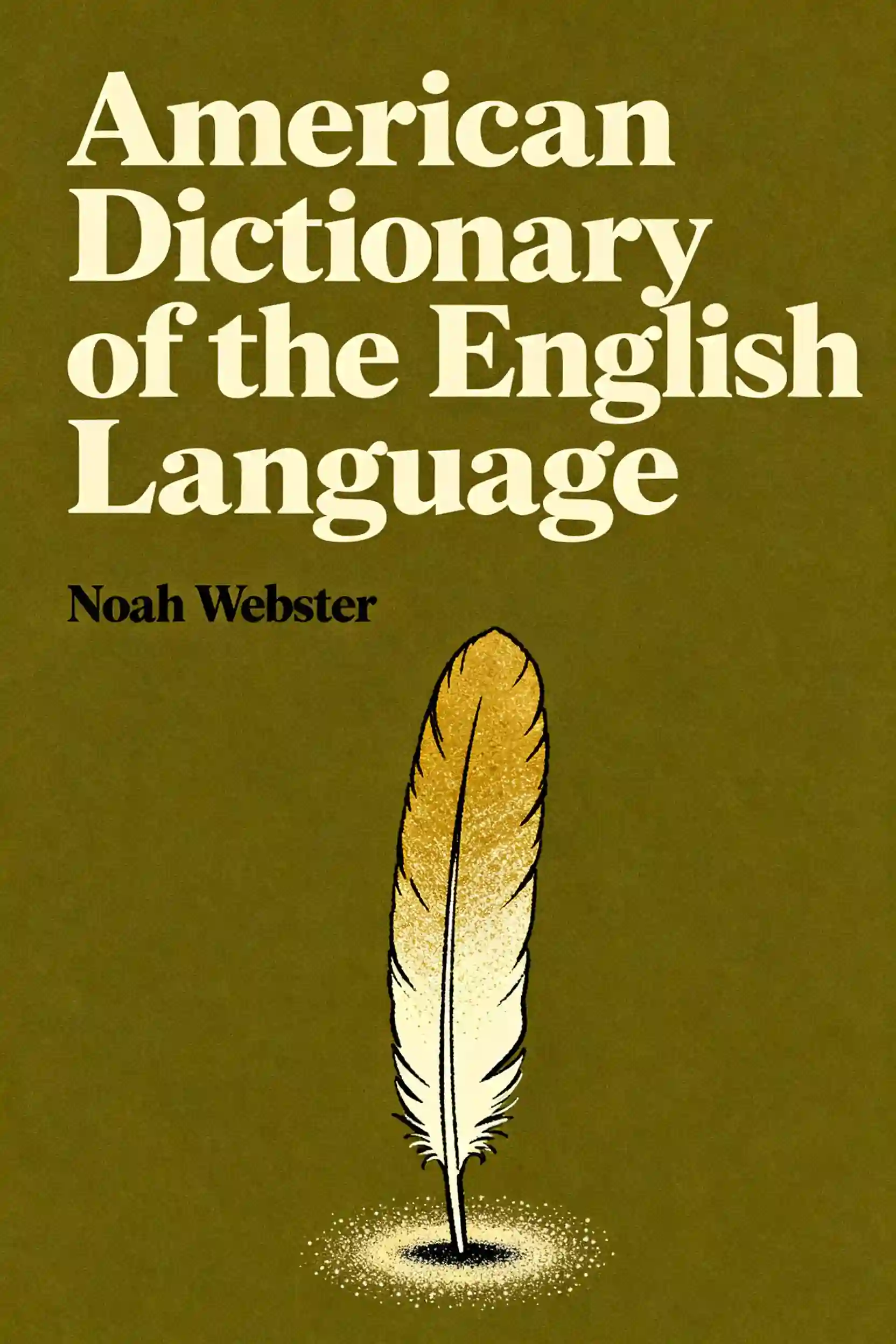
    Noah Webster's first edition of an American dictionary of the English language
    Says Who?
    Sex and Lies
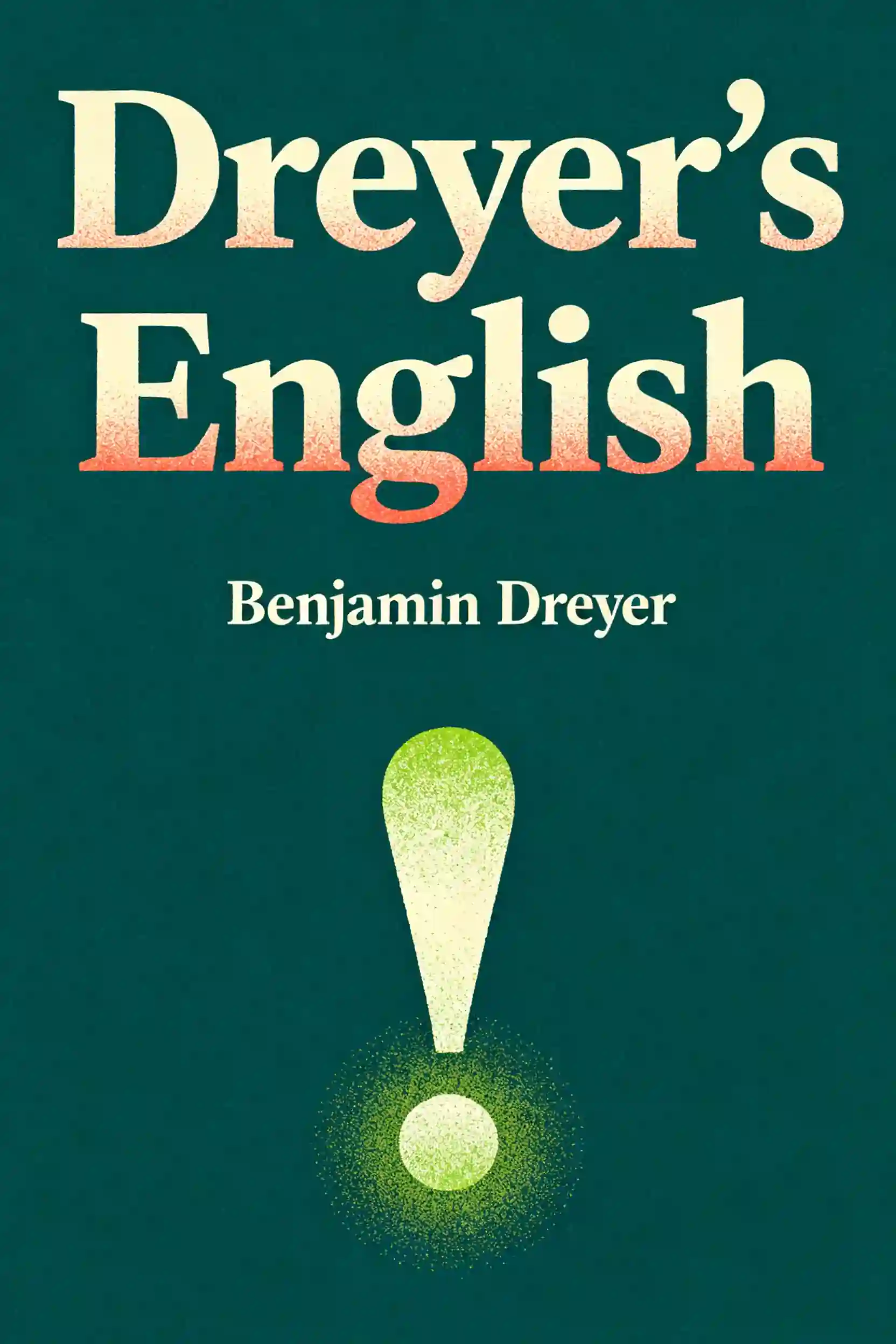
    Dreyer's English

    Frequently Asked Questions

    In Arabic grammar, known as Nahw, every word fits into one of three distinct categories: the ism (noun), the fi‘l (verb), or the harf (particle). The category of ism is much broader than the English definition of a noun, as it includes people, places, objects, adjectives, and adverbs. Unlike verbs, which are tied to specific timeframes (past, present, or future), an ism is stable and points to a meaning that is not tied to time.

    There are several "tells" or grammatical markers used to spot a noun. First, look for the Al prefix (the definite article "the"), which never attaches to verbs. Second, look for tanween, which is a double vowel sign at the end of a word that creates an "n" sound (like kitab-un). Finally, nouns often follow a harf (particle), specifically prepositions like fi (in) or ila (to), because these particles are grammatically "allergic" to verbs and can only precede nouns.

    Every ism possesses four essential properties that define its role in a sentence: Gender, Number, Capacity, and Status. Gender dictates if a word is masculine or feminine; Number determines if it is singular, dual (exactly two), or plural; Capacity identifies if the word is definite (Ma‘rifah) or indefinite (Nakirah); and Status (I‘rab) indicates the noun's grammatical case, typically shown by the vowel sound at the end of the word.

    A "Broken Plural" (Jam‘u al-Taksir) occurs when the internal structure or vowel pattern of a singular word shifts to become plural, similar to how "man" becomes "men" in English. A unique rule in Arabic grammar is that all non-human plurals—regardless of their original gender—are treated as "Singular Feminine." This means that if you are describing a group of books, the adjectives and verbs associated with them must use singular feminine forms.

    The system of I‘rab uses three main states to define a noun's function: Marfu‘ (subject), Mansub (object), and Majrur (possessive or following a preposition). These are usually indicated by the final vowel: a "u" sound (dammah) typically marks the subject doing the action, an "a" sound (fathah) marks the object receiving the action, and an "i" sound (kasrah) indicates possession or the influence of a preposition. Because of these endings, Arabic can maintain clear meaning even if the word order is rearranged.

    From Columbia University alumni | built in San Francisco

    BeFreed Brings Together A Global Community Of Curious Minds

    4.7

    avg rating

    7.84k+ App Rating

    BeFreed Community

    Seriously I haven’t even explored this app fully yet but from using it the last few days I am so impressed... BeFreed is on a different level from any other learning app I have used. This makes it ultra engaging and can actually improve your concentration which is great for all the doom scrollers!

    @ladyInfinity

    I bought BeFreed exactly 23 days ago, and I have used it every single day since. It has completely embedded itself into my daily workflow and learning habit.

    @jayallen

    The truth is, the app has exceeded all my expectations. I can ask it to generate audio on any topic, whatever it may be, and the result is impressive. My professional field is a specialization in psychotherapy and it is multidisciplinary; however, the answers are very accurate.

    @Raguipa

    What I appreciate most is how much it's reduced my scrolling – I'm spending less time searching and more time absorbing information. The combination of full audiobooks, podcasts, the learning plans are brilliant.

    @colonyofcreatorsNGO

    I have been a PhotoReading Accelerated Learning Instructor for the past 24 years... books and reading and learning are my thing, and BeFreed has done a great job in providing an innovative approach to disseminating and delivering information in an easy to consume way.

    @BeFreed user

    It is not just a book summary app, I have used the 'fun reading' option and it's a much better summary and way to grasp ideas the traditional way, that alone is worth this deal.

    @austinakon

    I love this app. Used it for several days and I cannot stop listening. Such a great way to start.

    @jcrules328

    I really like the program; I have already tested it for around one month, and I feel that it's an amazing gem. It works so well because I can use BeFreed to create my own topics, and the voice is so good with unlimited choice of narrations.

    @DanielCZ

    Seriously I haven’t even explored this app fully yet but from using it the last few days I am so impressed... BeFreed is on a different level from any other learning app I have used. This makes it ultra engaging and can actually improve your concentration which is great for all the doom scrollers!

    @ladyInfinity

    I bought BeFreed exactly 23 days ago, and I have used it every single day since. It has completely embedded itself into my daily workflow and learning habit.

    @jayallen

    The truth is, the app has exceeded all my expectations. I can ask it to generate audio on any topic, whatever it may be, and the result is impressive. My professional field is a specialization in psychotherapy and it is multidisciplinary; however, the answers are very accurate.

    @Raguipa

    What I appreciate most is how much it's reduced my scrolling – I'm spending less time searching and more time absorbing information. The combination of full audiobooks, podcasts, the learning plans are brilliant.

    @colonyofcreatorsNGO

    I have been a PhotoReading Accelerated Learning Instructor for the past 24 years... books and reading and learning are my thing, and BeFreed has done a great job in providing an innovative approach to disseminating and delivering information in an easy to consume way.

    @BeFreed user

    It is not just a book summary app, I have used the 'fun reading' option and it's a much better summary and way to grasp ideas the traditional way, that alone is worth this deal.

    @austinakon

    I love this app. Used it for several days and I cannot stop listening. Such a great way to start.

    @jcrules328

    I really like the program; I have already tested it for around one month, and I feel that it's an amazing gem. It works so well because I can use BeFreed to create my own topics, and the voice is so good with unlimited choice of narrations.

    @DanielCZ

    I love the fact that I can get useful, condensed, information and ideas in a 8 - 15 minute podcast style audio. I'm not a general fan of podcasts because of all the fluff, but this cuts through all that.

    @BeFreed user

    I am finishing up my doctorate, and have to read a lot of unfamiliar material... With BeFreed, you simply enter a prompt, and the app finds source material for you and generates an audio podcast. I find the process in BeFreed to be more streamlined than NotebookLM.

    @Brad

    I often search YouTube for something to listen to whilst making breakfast, when I'm out walking, commuting, etc, and BeFreed has provided an even more targeted approach, without the adverts and the fluff!

    @BeFreed user

    The absolute best part about this platform is its versatility. There is literally no subject that is off-topic. It handles whatever you throw at it... It is rare to find an learning tool with zero limitations that actually delivers on its promises.

    @jayallen

    BeFreed is fantastic. The user-friendly design means I spend less time navigating and more time learning. The mix of audiobooks, podcasts, and learning plans is a genius combo that has completely changed my daily routine.

    @BeFreed user

    At the start I needed a while to understand how to create podcasts in italian language and boom! It is so great! I can ask to explain every argument and it does so well and so smartly!

    @matteo77

    BeFreed has become my daily app for audio books tools... What I like the most is the way you put your text and come with an audio that you can listen on the go.

    @kotanzu1

    I love the fact that I can get useful, condensed, information and ideas in a 8 - 15 minute podcast style audio. I'm not a general fan of podcasts because of all the fluff, but this cuts through all that.

    @BeFreed user

    I am finishing up my doctorate, and have to read a lot of unfamiliar material... With BeFreed, you simply enter a prompt, and the app finds source material for you and generates an audio podcast. I find the process in BeFreed to be more streamlined than NotebookLM.

    @Brad

    I often search YouTube for something to listen to whilst making breakfast, when I'm out walking, commuting, etc, and BeFreed has provided an even more targeted approach, without the adverts and the fluff!

    @BeFreed user

    The absolute best part about this platform is its versatility. There is literally no subject that is off-topic. It handles whatever you throw at it... It is rare to find an learning tool with zero limitations that actually delivers on its promises.

    @jayallen

    BeFreed is fantastic. The user-friendly design means I spend less time navigating and more time learning. The mix of audiobooks, podcasts, and learning plans is a genius combo that has completely changed my daily routine.

    @BeFreed user

    At the start I needed a while to understand how to create podcasts in italian language and boom! It is so great! I can ask to explain every argument and it does so well and so smartly!

    @matteo77

    BeFreed has become my daily app for audio books tools... What I like the most is the way you put your text and come with an audio that you can listen on the go.

    @kotanzu1

    See more on how BeFreed is discussed
    129.7K19.5K
    55.2K19.2K
    154.2K10827355
    48.1K2.5K
    81.2K6.6K
    82.3K1.8K
    Start your learning journey, now
    BeFreed app
    BeFreed

    Learn Anything, Personalized

    DiscordLinkedIn
    Featured book summaries
    Crucial ConversationsThe Perfect MarriageInto the WildNever Split the DifferenceAttachedGood to GreatSay Nothing
    Trending categories
    Self HelpCommunication SkillRelationshipMindfulnessPhilosophyInspirationProductivity
    Celebrities' reading list
    Elon MuskCharlie KirkBill GatesSteve JobsAndrew HubermanJoe RoganJordan Peterson
    Award winning collection
    Pulitzer PrizeNational Book AwardGoodreads Choice AwardsNobel Prize in LiteratureNew York TimesCaldecott MedalNebula Award
    Featured Topics
    ManagementAmerican HistoryWarTradingStoicismAnxietySex
    Best books by Year
    2025 Best Non Fiction Books2024 Best Non Fiction Books2023 Best Non Fiction Books
    Featured authors
    Chimamanda Ngozi AdichieGeorge OrwellO. J. SimpsonBarbara O'NeillWinston ChurchillCharlie Kirk
    BeFreed vs other apps
    BeFreed vs. Other Book Summary AppsBeFreed vs. ElevenReaderBeFreed vs. ReadwiseBeFreed vs. Anki
    Learning tools
    Knowledge VisualizerAI Podcast Generator
    Information
    About Usarrow
    Pricingarrow
    FAQarrow
    Blogarrow
    Careerarrow
    Partnershipsarrow
    Ambassador Programarrow
    Directoryarrow
    BeFreed
    Try now
    © 2026 BeFreed
    Term of UsePrivacy Policy
    BeFreed

    Learn Anything, Personalized

    DiscordLinkedIn
    Featured book summaries
    Crucial ConversationsThe Perfect MarriageInto the WildNever Split the DifferenceAttachedGood to GreatSay Nothing
    Trending categories
    Self HelpCommunication SkillRelationshipMindfulnessPhilosophyInspirationProductivity
    Celebrities' reading list
    Elon MuskCharlie KirkBill GatesSteve JobsAndrew HubermanJoe RoganJordan Peterson
    Award winning collection
    Pulitzer PrizeNational Book AwardGoodreads Choice AwardsNobel Prize in LiteratureNew York TimesCaldecott MedalNebula Award
    Featured Topics
    ManagementAmerican HistoryWarTradingStoicismAnxietySex
    Best books by Year
    2025 Best Non Fiction Books2024 Best Non Fiction Books2023 Best Non Fiction Books
    Learning tools
    Knowledge VisualizerAI Podcast Generator
    Featured authors
    Chimamanda Ngozi AdichieGeorge OrwellO. J. SimpsonBarbara O'NeillWinston ChurchillCharlie Kirk
    BeFreed vs other apps
    BeFreed vs. Other Book Summary AppsBeFreed vs. ElevenReaderBeFreed vs. ReadwiseBeFreed vs. Anki
    Information
    About Usarrow
    Pricingarrow
    FAQarrow
    Blogarrow
    Careerarrow
    Partnershipsarrow
    Ambassador Programarrow
    Directoryarrow
    BeFreed
    Try now
    © 2026 BeFreed
    Term of UsePrivacy Policy

    More like this

    Arabic verbs are easier than they look book cover
    ArabsFluent in 3 MonthsHow Language WorksSays Who?
    22 sources
    Arabic verbs are easier than they look
    Feeling overwhelmed by Arabic vocabulary? Learn how a simple three-letter root system and ten patterns unlock thousands of words with logical ease.
    33 min
    Arabic patterns and the root system explained book cover
    ShapeThe KoranThe road to realityDestiny Disrupted
    20 sources
    Arabic patterns and the root system explained
    Learning Arabic feels like cracking a code. Discover how the root-and-pattern system works like a master key to help you predict word meanings.
    35 min
    Arabic hollow verbs and why they change book cover
    ArabsSays Who?Dreyer's EnglishFluent in 3 Months
    16 sources
    Arabic hollow verbs and why they change
    Struggling with disappearing letters in Arabic verbs? Learn why hollow roots shift and how to conjugate them correctly for smoother conversations.
    32 min
    Arabic grammar for speaking is easier than you think book cover
    Metaphors We Live ByArabsFluent in 3 MonthsThrough the Language Glass
    21 sources
    Arabic grammar for speaking is easier than you think
    Struggling to turn memorized Arabic words into real conversation? Learn how to use flexible sentence structures to stop stalling and start speaking.
    33 min
    Arabic Prefixes and Suffixes: The Lego Method book cover
    ArabsNoah Webster's first edition of an American dictionary of the English languageWord by WordSays Who?
    21 sources
    Arabic Prefixes and Suffixes: The Lego Method
    Stop memorizing every Arabic word as a new puzzle. Learn how root patterns and prefixes unlock the language so you can build sentences with ease.
    31 min
    Read the Quran in eight to twelve weeks book cover
    The KoranIn The Early HoursHijab Butch BluesFluent in 3 Months
    23 sources
    Read the Quran in eight to twelve weeks
    Learning Arabic for the Quran feels like an impossible mountain. Discover why the Noorani Qaida method is the fastest way to reach functional fluency.
    35 min
    Arabic Sentences You Actually Need for Fluency book cover
    How to Talk to AnyoneArabsFluent in 3 MonthsSex and Lies
    22 sources
    Arabic Sentences You Actually Need for Fluency
    Stop memorizing complex vocabulary and start with the 100 most used sentences. Learn the core phrases that cover 80% of everyday Arabic conversation.
    26 min
    Arabic language rhythm is more than just grammar book cover
    ArabsSex and the citadelThe KoranHeadscarves And Hymens
    22 sources
    Arabic language rhythm is more than just grammar
    Learning Arabic often feels rigid, but its true power lies in its musical pulse. Discover how poetic cycles and breath shape the way people speak.
    29 min

    Recommended Learning Plans

    The Quran for Absolute Beginners
    LEARNING PLAN

    The Quran for Absolute Beginners

    This plan provides a clear entry point for those curious about the Quran's origins and core message without feeling overwhelmed. It is ideal for new Muslims or spiritual seekers who want to build a practical, lasting habit of reflection.

    1 h 30 m•3 Sections
    Learn Najdi Arabic through YouTube mining
    LEARNING PLAN

    Learn Najdi Arabic through YouTube mining

    This plan is essential for learners who want to move beyond formal textbooks and master the authentic Najdi dialect used in daily Saudi life. It is ideal for expats, travelers, or professionals seeking fluency through immersive digital content and cultural context.

    6 h 19 m•4 Sections
    Learn Levantine Arabic.
    LEARNING PLAN

    Learn Levantine Arabic.

    This learning plan is essential for anyone seeking to navigate daily life in the Levant or connect deeply with Arabic-speaking communities. It is ideal for travelers, expats, and language enthusiasts who want to move beyond textbooks and achieve practical, culturally-aware conversational fluency.

    4 h 28 m•3 Sections
    Arabic for Family Connection
    LEARNING PLAN

    Arabic for Family Connection

    This plan is designed for heritage learners who understand Arabic but struggle to speak it fluently with their relatives. It provides the linguistic and cultural tools necessary to strengthen ancestral bonds and participate fully in family life.

    1 h 36 m•4 Sections
    Learn English-Arabic translation
    LEARNING PLAN

    Learn English-Arabic translation

    This plan is essential for bilingual individuals looking to professionalize their translation skills by bridging linguistic gaps and cultural nuances. It benefits aspiring translators and language enthusiasts seeking a structured path from foundational theory to career-ready expertise.

    6 h 6 m•4 Sections
    Islamic books on Imam Ali
    LEARNING PLAN

    Islamic books on Imam Ali

    This learning plan is essential for anyone seeking to deeply understand one of Islam's most influential figures and his lasting impact on Islamic civilization. It benefits students of Islamic history, theology enthusiasts, researchers exploring Shia-Sunni perspectives, and those interested in Islamic spirituality and political philosophy. By studying Imam Ali through multiple lenses—historical, spiritual, political, and intellectual—learners gain a nuanced appreciation of his significance across diverse Islamic traditions.

    4 h 32 m•4 Sections
    Bridge MSA to Lebanese Arabic
    LEARNING PLAN

    Bridge MSA to Lebanese Arabic

    This learning plan is essential for students who have a foundation in Modern Standard Arabic but struggle to communicate in casual settings. It is designed for travelers, professionals, and heritage learners who want to transform their formal knowledge into the vibrant, practical Lebanese dialect.

    1 h 12 m•3 Sections
    The Logic of the Divine
    LEARNING PLAN

    The Logic of the Divine

    In an era of rising secularism, understanding the intellectual foundations of faith is essential for any serious student of theology or philosophy. This plan is designed for thinkers seeking to harmonize rational inquiry with divine revelation through the lens of Islamic scholasticism.

    2 h•4 Sections