BeFreed
    Categories>Technology>App store economics are finally changing

    App store economics are finally changing

    30 min
    |
    |
    Mar 19, 2026
    TechnologyFinance & EconomicsCareer & Business

    The 30% app tax is disappearing as Google and Apple face legal pressure. Learn how new fee tiers and alternative billing will impact your revenue.

    App store economics are finally changing
    Choose how it's told

    One episode. Many ways to hear it.

    Same ideas from App store economics are finally changing. Pick the voice, depth, and pace that fits you. Switch anytime.

    Transcript & chapters

    Chapter 1

    The End of the 30% Tax

    Lena: You know, I was looking at my phone this morning and realized that for over a decade, we’ve just accepted this "Old Guard" 30% tax on basically every digital thing we buy. It’s like this invisible gatekeeper fee that Apple and Google just... collect.

    Blythe: It really was a comfortable duopoly for a long time. But here is the most important thing you need to know: that 30% standard is effectively dead. Because of massive legal pressure—like the Epic Games battle—and new regulations, Google just overhauled their entire economic structure.

    Lena: Right, and it’s not just a small tweak. I mean, seeing that Google’s base service fee is dropping to 20%, or even 10% for subscriptions, is a huge structural shift in the app economy.

    Blythe: Exactly, and with Apple facing similar antitrust scrutiny and the EU’s Digital Markets Act, the distribution architecture is being totally reset. Let’s dive into how these new fee tiers and alternative billing systems are actually going to change the math for developers.

    Chapter 2

    The Fragmented Map of Mobile Commerce

    Lena: So, we’ve established that the old 30% flat tax is crumbling, but what really struck me while looking into the new Google Play structure is how localized it’s becoming. It’s not just a single global switch they’re flipping—it’s more like a staggered, regional rollout that developers have to navigate like a minefield.

    Blythe: Oh, absolutely. It’s a logistical jigsaw puzzle now. If you’re a developer with a global audience, your revenue math is about to get very "geography-dependent." For instance, the US, UK, and European Economic Area markets are hitting the reset button on June 30, 2026. But if you have a huge user base in Australia, you’re waiting until late September 2026 for those same fee reductions.

    Lena: And South Korea and Japan don’t even see the change until the very end of 2026! It’s wild to think that for a solid year and a half, a developer might be paying 30% on a transaction in Tokyo while paying only 20% for the exact same digital item sold in London.

    Blythe: Right? It’s a massive headache for financial planning. You can’t just say, "Our margins improved by 10% today." You have to say, "Our margins improved by 10% for 40% of our users, while the other 60% are still under the old regime for another nine months." And let’s not forget the "Global" rollout isn’t finalized until September 2027. We are looking at a multi-year transition period where the app economy is essentially split in two.

    Lena: It makes you wonder why the rollout is so slow. Is it just technical infrastructure, or is there a strategic element to holding onto those higher fees in certain markets for as long as possible?

    Blythe: It’s likely a mix. Google specifically mentioned needing time to build the technical infrastructure and ensure they’re aligning with local regulations. Remember, this isn't just about changing a number in a database—they’re introducing entirely new billing APIs that allow for third-party payment processors. That’s a huge shift in how data flows between the app, the developer, and the platform.

    Lena: That’s a good point. And when we talk about those fees, we really have to break down this "Service Fee" versus "Billing Fee" distinction. That was a big part of the overhaul, right? Moving away from one bundled price to a more "unbundled" menu of costs?

    Blythe: Exactly. That’s the "new math" of the app store. Before, you just lost 30% off the top. Now, Google is splitting it. In the US, UK, and EEA, they’ve introduced a 5% "Billing Fee" if you choose to use Google Play’s payment system. Then you add the "Service Fee" on top of that—which is 15% for new installs if you’re in their incentive programs, or 20% otherwise.

    Lena: So, if I’m a developer in the Apps Experience Program and I use Google’s billing, I’m looking at a 20% total hit—15% service plus 5% billing. That’s a 33% reduction from the old 30% rate. That’s massive for a company’s bottom line!

    Blythe: It is! But here’s the kicker—if you bring your own billing system, like Stripe or Razorpay, you bypass that 5% fee entirely. You just pay the 15% or 20% service fee to Google for the "privilege" of being on the platform. It’s the first time we’ve seen a clear, sanctioned path to saying "no" to the platform’s payment tech without getting kicked off the store.

    Lena: It feels like the platform is finally admitting that the payment processing isn't where the value is—it’s the distribution and the audience. But by unbundling it, they’re forcing developers to become "mini-economists." You have to decide if building your own checkout flow is worth saving that 5%.

    Blythe: And that’s the billion-dollar question. For a small indie dev, 5% might not cover the cost of maintaining a secure, PCI-compliant payment gateway. But for a giant like Epic Games or a major subscription service? 5% of a hundred million dollars is five million bucks. That buys a lot of servers—and a lot of peace of mind.

    Keep learning with this episode

    Take the ideas from this episode into a guided learning experience in BeFreed.

    Chapter 3

    The Friction Cost of Freedom

    Lena: I want to go back to that 5% saving for a second. While it sounds great on paper to keep more of your revenue, isn't there a hidden cost? I mean, I’ve used "one-tap" buying on my phone for years. If a developer switches to their own billing, am I going to have to pull out my credit card and type in sixteen digits every time I want to buy a new "skin" in a game?

    Blythe: You’ve hit the nail on the head. That is the "Friction Tax." The industry standard is that every extra click or form field in a checkout process can lead to a 10% to 15% drop-off in conversions. So, if you save 5% on fees but lose 15% of your customers because the checkout is annoying, you’ve actually made a terrible business decision.

    Lena: That’s a brutal trade-off. It’s almost like Google and Apple are saying, "Sure, you can leave our billing system, but good luck convincing your users to follow you into the wilderness."

    Blythe: Exactly. That’s why the "Web-to-App" strategy is becoming so central for high-growth publishers in 2026. Instead of trying to force a clunky credit card form inside the app, they’re building these sophisticated "Web Shops" or "Loyalty Hubs." You entice the user to go to the website—maybe by offering a "Web-Exclusive" bundle that gives them 20% more value for the same price—and they pay there using saved info in their browser.

    Lena: Oh, I see! So, the developer uses the app for the experience, but the "store" lives on the web. And because the developer isn't paying that 30%—or even 25%—they can pass some of those savings to the user to make the "friction" worth it.

    Blythe: Precisely. It’s a "hub-and-spoke" model. The app is the spoke where the user spends their time, but the web shop is the hub where the high-value transactions happen. Some developers are even seeing RPMs—that’s Revenue Per Mille—exceeding $100 in these web-to-app funnels, specifically among their "whales" or top 2% of spenders.

    Lena: $100 RPM? That’s incredible compared to standard ad revenue. But it requires a lot of trust, doesn't it? I’m much more likely to trust a "Google Play" popup than a random "Enter Card Details" screen from a developer I’ve never heard of.

    Blythe: Total trust gap. That’s why using recognized providers like Stripe or Apple Pay on the web is non-negotiable now. If the user sees a payment method they already know, that 15% drop-off might shrink down to 2% or 3%. It’s all about minimizing that "mental friction" of wondering if your data is safe.

    Lena: It’s interesting how this shift is turning app developers into multi-channel retailers. They’re not just "making an app" anymore; they’re managing a web presence, a CRM system, and email marketing to drive people to these shops. It sounds like a lot more work than just letting the App Store handle everything.

    Blythe: It is significantly more work. But the rewards are huge for those who get it right. Think about the "Subscription Economy." It’s grown over 400% in the last decade. If you have a fitness app and you can move your long-term renewals to your own billing, you aren't just saving 5%—you might be saving 15% or 20% compared to the old "year one" rates.

    Lena: And Google is being particularly aggressive there, right? They’re dropping the subscription fee to 10% from day one?

    Blythe: Yes! That is a major differentiator. While Apple still clings to 30% for the first year of a subscription before dropping to 15% in year two, Google has moved to a flat 10% for recurring subscriptions. That is a massive incentive for developers to prioritize Android for subscription-heavy business models. It changes the "Customer Acquisition Cost" math entirely.

    Lena: It feels like Google is trying to win over the developers by being the "cheaper" partner, while Apple relies on the high-spending nature of its user base. It’s a classic volume versus margin play.

    Blythe: It really is. And for the listener who’s trying to figure out which platform to focus on, these nuances matter. At $5,000 a month in revenue, the platforms feel identical because of the Small Business Programs. But once you scale to $50,000 or $500,000, those "blended rates" start to diverge wildly based on whether you’re selling one-time items or subscriptions.

    Chapter 4

    The Gates Swing Open for Third-Party Stores

    Lena: We’ve talked a lot about the money, but what about the "how"? For the longest time, if you wanted an app on Android that wasn't from the Play Store, you had to "sideload" it—which always felt a bit like going down a dark alleyway with all those scary security warnings.

    Blythe: "This file may harm your device!" Yeah, that’s the classic "technical intimidation" tactic. It was designed to keep 99% of users inside the walled garden. But that wall is being replaced with a gate. Google’s new "Registered App Stores" program is a complete 180 on that philosophy.

    Lena: So, instead of a warning that makes me think my phone is going to explode, what do I see now?

    Blythe: If a third-party store—like the Epic Games Store or the Samsung Galaxy Store—registers with Google and meets their safety and quality benchmarks, the installation flow becomes "streamlined." Those aggressive warnings are replaced with a much cleaner, normalized experience. It’s about removing the friction that kept alternative distribution from becoming mainstream.

    Lena: That’s a huge win for someone like Epic. They’ve been fighting for this for years! I remember the whole Fortnite saga where they were essentially banned for trying to bypass the system. Now, they’re being welcomed back as a "registered" partner?

    Blythe: It’s the ultimate "if you can't beat 'em, join 'em" settlement. Tim Sweeney, the CEO of Epic, actually called this a move toward a "true open platform." As part of the resolution, Fortnite is coming back to the Play Store globally. But more importantly, the Epic Games Store for Android is being built with this new official backing.

    Lena: It’s fascinating because it creates a new kind of competition. It’s not just apps competing for users; it’s stores competing for apps. If the Epic Games Store offers a better revenue split than Google—say, they only take 12%—developers might start offering exclusive content there.

    Blythe: Exactly! And that’s exactly what the regulators were pushing for. The UK’s Competition and Markets Authority even labeled Apple and Google as an "effective duopoly." By forcing them to allow "strategic market status" changes, the UK is basically saying, "We want a vibrant app economy where the gatekeepers don't get to set all the rules."

    Lena: And it’s not just the UK. The EU’s Digital Markets Act is even more "uncompromising," as one of the sources put it. They’re forcing Apple to allow alternative browsers and interoperability. It’s like the entire world decided at once that the "walled garden" model had outlived its usefulness.

    Blythe: It really did. But we have to be careful—"open" doesn't mean "free." Google is still charging a one-time registration fee for these stores, and they still have to meet "safety benchmarks." Critics might argue that this is just a way for Google to maintain control while appearing to be open.

    Lena: "Controlled openness." It’s a clever strategy. You let the competitors in, but you still own the ground they’re standing on. And if they don't play by your rules, they lose that "streamlined" install flow and go back to the "scary warning" sideloading experience.

    Blythe: Precisely. It’s a "carrot and stick" approach. For the average user, this means more choice. Maybe you get your games from Epic, your work apps from a specialized enterprise store, and everything else from Google Play. For the developer, it means more leverage. You’re no longer beholden to a single gatekeeper’s whims. If Google rejects your app for a vague reason, you now have a legitimate, high-traffic alternative to turn to.

    Lena: It’s a massive structural shift. We’re moving from a monolithic architecture to a fragmented, competitive ecosystem. It’s messier, sure, but it feels a lot more like how the rest of the internet actually works.

    Keep learning with this episode

    Take the ideas from this episode into a guided learning experience in BeFreed.

    Chapter 5

    The Legal Domino Effect

    Lena: It’s wild to think that so much of this change—this multi-billion dollar shift—started with a video game company and a lawsuit. The Epic v. Google case really was the "big bang" for this new era, wasn't it?

    Blythe: It was the catalyst. But what’s interesting is that while Epic provided the spark, it was the global regulators who provided the fuel. We’re seeing a "three-front war" against these platform practices. You’ve got the US Federal Trade Commission, the European Commission with the DMA, and now individual states like California and countries like the UK and Japan all piling on.

    Lena: I was reading about the California Attorney General, Rob Bonta. He’s not even waiting for the 2027 trial. He’s pushing for a "preliminary injunction" right now! He’s basically saying, "The harm from these pricing policies is happening every single day, and we can't wait years for a court to decide."

    Blythe: That is a high-stakes move. A preliminary injunction is a massive deal because it requires showing that the harm is "ongoing and irreparable." Bonta’s argument is that Amazon—and by extension, the other big platforms—are using "intimidation and illegality" to keep prices artificially high across the entire internet.

    Lena: Wait, "high across the internet"? I thought the whole point of these platforms was to offer the lowest prices.

    Blythe: That’s the "Amazon Paradox." The allegation is that Amazon uses its "Buy Box"—that little "Add to Cart" button that 80 to 90 percent of people use—to punish sellers who offer lower prices on other sites like Walmart or Target. If you sell a toaster for $20 on Amazon and $18 on your own site, Amazon might strip you of the Buy Box or hide your listing in the search results.

    Lena: So, to keep their visibility on Amazon, the seller just raises their price everywhere else to $20.

    Blythe: Exactly. It creates a "price floor" for the whole web. And this is where the legal theories get really "nerdy" but important. In the US, the FTC is worried that these "anti-discounting" practices are keeping prices too high. But over in Germany, the Federal Cartel Office—the Bundeskartellamt—just fined Amazon 59 million euros because they think Amazon is forcing prices too low for third-party sellers to survive!

    Lena: Wait, they’re being sued for being too high and too low at the same time? That sounds like a "no-win" situation.

    Blythe: It’s called a "Morton’s Fork." No matter which way the facts point, the regulators find a reason to sue. It highlights how different regions view "fairness." The US focuses on "Consumer Welfare"—are prices low for you and me? Europe often focuses on "Ordoliberalism"—is there a healthy number of competitors in the market?

    Lena: It’s a fascinating clash of philosophies. But for a developer or a seller caught in the middle, it’s just pure uncertainty. You’re trying to follow the rules, but the rules in California are the opposite of the rules in Berlin.

    Blythe: And that uncertainty has real financial consequences. When that German ruling came down, Amazon’s stock dropped 4.5%. That’s $80 billion in market value wiped out in a day. Investors aren't just worried about a 59 million euro fine—that’s a rounding error for Amazon. They’re worried about the "structural remedies."

    Lena: Like being forced to change the "Buy Box" algorithm?

    Blythe: Exactly. If a court tells Amazon they can no longer consider off-platform pricing when deciding who gets the Buy Box, the entire "moat" around their pricing power disappears. The same applies to Google and Apple. If they can't "incentivize" developers to stay within their billing systems through fees or visibility, the platforms become much less profitable.

    Lena: It feels like we’re watching the end of "Platform Capitalism" as we know it—where the platform owned the customer, the data, and the price. Now, they’re being forced to just be... a service provider.

    Blythe: A utility. Like the power company or the water works. They provide the pipes, but they don't get to tell you what to do with the water. It’s a fundamental downgrade in their power, and they are fighting tooth and nail to prevent it.

    Chapter 6

    The Hidden Costs of Compliance

    Lena: You know, one thing we haven't touched on much is the "administrative" side of all this. We keep talking about 15% versus 30%, but what about the actual work of getting those lower rates? It’s not automatic, is it?

    Blythe: Oh, definitely not. It’s like filing your taxes—if you don't fill out the right forms, you pay the "default" high rate. For Apple’s Small Business Program, you have to actually apply and prove your annual proceeds are under $1 million. If you cross that line on December 1st, you’re back to 30% for the rest of the month.

    Lena: And Google’s version is a bit more generous, right? Everyone gets the 15% rate on their first million, no matter how big they are?

    Blythe: Right, it’s a "tiered" system. But you still have to enroll by creating an "Account Group" in the Play Console. And then there are the new programs Google just launched—the Apps Experience Program and the Play Games Level Up Program. If you want that extra 5% reduction, you have to "optimize" your app for the Android ecosystem—think tablets, foldables, and Wear OS.

    Lena: So, it’s "work for hire." Google is essentially paying you in commission discounts to help them make their hardware look better.

    Blythe: Exactly! It’s a strategic bribe. But think about the "costs nobody talks about." Like currency conversion. Apple converts your international sales about 33 days after the month ends. Google does it at the time of purchase. Neither of them really tells you what the "spread" or the exchange rate is—they just bake it into the final payout.

    Lena: And then there’s the tax withholding! I saw that Apple withholds taxes in over 70 countries. If you’re a developer who hasn't submitted a W-8BEN form, you might be losing an extra 30% of your already-reduced revenue to the IRS or other tax authorities.

    Blythe: It’s a "death by a thousand cuts" scenario. You think you’re keeping 85%, but after currency spreads, tax withholding, the $99 annual Apple fee, and refunds—which both platforms deduct from your accrued balance—your "take-home" might be closer to 60% or 70%.

    Lena: This is why that "Apps Finboard" team mentioned that "your dashboard revenue isn't your revenue." It’s a trap for new developers who see a big number and start spending it before it actually hits their bank account.

    Blythe: And let’s talk about that "payout timing" gap. Apple’s 45-to-60 day wait from a sale to cash-in-hand is a lifetime for a startup. If you’re running ads on Google or Facebook to get those users, you’re paying for the "acquisition" today, but you aren't getting paid for the "sale" for two months. That’s a massive cash-flow crunch.

    Lena: It really highlights why the "Alternative Billing" and "Web Shop" stuff is so attractive. If you use Stripe on your own website, you might get that money in two days.

    Blythe: Boom. That’s the real reason high-growth companies are moving out of the app. It’s not just the 5% fee saving—it’s the "velocity of money." Having that cash back in your account 40 days sooner means you can reinvest it into more ads, more developers, and faster growth.

    Lena: It’s the difference between a business that’s "surviving" on the platform’s schedule and one that’s "thriving" on its own. It’s almost like the app stores have become "predatory lenders" through their payout schedules, and developers are finally finding a way to refinance their debt.

    Blythe: That’s a sharp analogy. And when you add in the "Data Usage Limitation" stuff we’re seeing in the Illinois Interchange Fee cases—where regulators are trying to stop platforms from using transaction data for anything other than processing—the "extra value" the platforms get from being the middleman is shrinking. They’re losing the fees, the data, and the control over the cash flow. It’s a total retreat.

    Keep learning with this episode

    Take the ideas from this episode into a guided learning experience in BeFreed.

    Chapter 7

    Navigating the "Interchange" Mess

    Lena: We’ve focused so much on the app stores themselves, but there’s this other "invisible" layer of fees that’s also under fire—the "Interchange Fee." I saw a case in Illinois where the state is trying to tell banks they can't charge fees on the "tax" and "tip" portion of a bill.

    Blythe: Oh, the Illinois Interchange Fee Prohibition Act! That is a fascinating mess. It’s a perfect example of how "well-intentioned" regulation can actually break a "two-sided platform."

    Lena: Explain that. Why would it matter if a 2% fee doesn't apply to the 10% sales tax? It seems like such a tiny amount of money.

    Blythe: On one transaction, it’s pennies. But across the entire economy, it’s billions. And remember what the Supreme Court said in the Ohio v. American Express case? These platforms are a "balancing act." The fees from merchants—the interchange fees—are what fund the "rewards" for consumers.

    Lena: Right, my cash-back, my airline miles, my "free" checking account.

    Blythe: Exactly! If you pull one thread—like banning fees on taxes and tips—you "snag the network." Banks have already said that if these revenue streams are cut, they’ll have to reduce rewards, raise minimum balances, or even stop offering free checking entirely. We saw this with the "Durbin Amendment" years ago. Debit card rewards basically vanished overnight.

    Lena: So, the merchant saves a few cents, but the consumer loses their "free" banking. It’s a classic "unintended consequence."

    Blythe: And it gets worse for the "app economy" specifically. Think about the "technical nightmare" of implementing this. If I buy a $100 pair of shoes and a $50 "digital upgrade" in an app, and there’s state tax and a tip for the delivery driver... the payment processor now has to "split" that transaction in real-time. They have to know exactly which cents are "tax-exempt" from fees and which aren't.

    Lena: That sounds like a massive software update for every single point-of-sale system and app checkout in the country.

    Blythe: It’s a "complex two-tier compliance mechanism." You either need a real-time exemption system or a retroactive "rebate" system where merchants have to prove they paid too much and ask for it back. Both are "systemic inefficiencies." It’s why the courts are looking at "Federal Preemption." A single state like Illinois shouldn't be able to force a global network like Visa or Mastercard to rewrite their entire code.

    Lena: It’s interesting how this mirrors the app store debate. In both cases, you have a "central platform" that’s being attacked by local or regional rules. And in both cases, the "platform" argues that these rules will actually hurt the very people they’re trying to help—the consumers.

    Blythe: It’s the "Platform Paradox." To keep the system "free" or "cheap" for one side—the consumers—you have to be "expensive" for the other side—the merchants. If you try to make it "fair" for the merchants, the whole house of cards might fall down for the consumers.

    Lena: It really makes you appreciate the "invisible engineering" of these systems. We just tap our phones and expect everything to work, but there’s this massive, fragile economic balance happening in the background.

    Blythe: And that balance is being disrupted by "fragmentation." If Illinois has one rule, and California has another, and the EU has a third, the "unified national payment system" becomes a "jumble of local tolls." For a developer, this means your "Global" app is now a collection of fifty "Regional" apps, each with its own pricing, billing, and data rules. It’s the end of the "Global Village" and the start of the "Global Bureaucracy."

    Chapter 8

    A Practical Playbook for the 2026 Developer

    Lena: Okay, let’s get practical. If I’m someone listening to this—maybe I have an app, or I’m planning one—what is my actual "Action Plan" for this new environment? Because it sounds like "business as usual" is a recipe for leaving money on the table.

    Blythe: Step one: You have to "Model your Baseline." Don't guess. Pull your last 12 months of transaction data and run it against these new tiers. If you’re heavy on subscriptions, your revenue could jump by 5% to 10% just by switching to Google Play’s new 10% rate. That’s "found money."

    Lena: And what about the "Program Incentive" stuff? Is it worth the effort to optimize for a "foldable" phone just to save another 5%?

    Blythe: Honestly? If you’re at scale, yes. But if you’re a small dev, focus on the "Web-to-App" transition first. That’s where the real "freedom" is. Build a simple web shop. Use a trusted provider like Stripe. Offer a "Web-Only" discount—maybe give users $12 worth of "gems" for $10 on the web, vs $10 for $10 in the app.

    Lena: So, the user saves 20%, and I still make more because I’m not paying the 30% platform fee. It’s a "win-win."

    Blythe: Exactly. But you have to "Manage the Friction." Don't make them create a new account. Use "social login" or "one-tap" web payments. And for our listeners in the UK, keep an eye on these new "CMA Commitments." Apple and Google have promised to be more "transparent" about app reviews and ranking. If your app gets rejected, you now have a "legally binding" right to a clear explanation and a fair appeals process.

    Lena: That’s huge! No more "your app was rejected for violating policy 4.2" without telling you what 4.2 even means.

    Blythe: Right? It’s a "new era of accountability." Use that! If you feel like a platform's own app is getting "preferential treatment" in the search results, you can actually file a complaint now. The CMA is "closely monitoring" this stuff. They’re looking for test cases to prove their new powers actually work.

    Lena: It’s like we finally have a "Building Inspector" for the digital mall. We’re not just at the mercy of the landlord anymore.

    Blythe: Precisely. But don't forget the "Regional Timeline." If you have a big audience in Japan, you can't rely on these lower fees until 2027. Factor that into your "runway" and your hiring plans. You might want to "front-load" your marketing in the US and UK where the margins are better, and hold off on Japan until the fees drop.

    Lena: That’s a sophisticated way to look at it. It’s "Geographic Arbitrage" for app revenue.

    Blythe: And finally, "Diversify your Distribution." Look into the "Registered App Stores" program. If the Epic Games Store or a niche store for your category—like a dedicated "Health and Fitness" store—starts gaining traction, get in early. Being a "featured app" in a smaller, hungrier store can often drive more high-value users than being buried on page 50 of the Google Play Store.

    Lena: It’s a lot to manage, but it feels like the "power" is shifting back to the creators. We’re moving from "Platform Dominance" to "Developer Agency."

    Blythe: It’s a "reset." The developers who move quickly to understand these new rules—who aren't afraid to build their own billing, who challenge unfair rejections, and who play the regional game—they’re the ones who are going to thrive. The "30% tax" was a tax on laziness as much as it was on revenue. That excuse is gone now.

    Keep learning with this episode

    Take the ideas from this episode into a guided learning experience in BeFreed.

    Chapter 9

    The New Frontier of Digital Choice

    Lena: As we bring this to a close, it’s clear that we’re not just talking about a few percentage points on a balance sheet. We’re talking about a fundamental "top-to-bottom rethink" of the mobile internet.

    Blythe: It really is. We’ve gone from a world where two companies—Apple and Google—essentially "taxed" the innovation of the entire world, to one where they’re being forced to compete for the right to even host that innovation. The "walls" are becoming "gates," and those gates are finally being unlocked.

    Lena: I’m struck by how much of this was driven by "sustained pressure." It wasn't just one lawsuit; it was a decade of developers complaining, regulators investigating, and users wanting more choice. It shows that even the most "untouchable" monopolies can be shifted if the pressure is consistent enough.

    Blythe: "Regulatory reality" finally caught up with "strategic generosity." Google and Apple are framing this as a "proactive move toward openness," but the timing makes it clear: they were "negotiating from a position of impending defeat." And that’s a good thing for everyone else!

    Lena: So, to everyone listening, the key takeaway is that the "rules" of the app store are no longer set in stone. Whether you’re a developer looking at those new 10% subscription rates, or a user who might soon see a "buy on web" button that saves you a few dollars, the ecosystem is opening up.

    Blythe: It’s an "Evolution into a true open platform," as Tim Sweeney put it. It’s messier, it’s more complex, and it requires more "economic literacy" from everyone involved. But it’s also a much more "human" way for an economy to work—with competition, choice, and accountability.

    Lena: It’s a fascinating moment to be watching this space. We’re seeing the "Commercial Model" of the last fifteen years being completely reset in real-time. It’s like we’re watching a new map being drawn while we’re already standing on the territory.

    Blythe: And the best part? The map is being drawn by the people using it, not just the people who own the paper.

    Lena: That’s a great thought to end on. Thank you all for coming on this deep dive with us. It’s a complex world out there, but understanding the "plumbing" of how your phone—and your money—actually works is the first step to making better choices in this new app economy.

    Blythe: Exactly. Take a second today to look at the apps you use most. Maybe check if they have a "Web Shop" you didn't know about, or see if those subscription prices have changed. The "30% tax" is dead—now it’s up to all of us to decide what comes next.

    Lena: Thanks for listening! We hope this gives you a bit more "agency" in your digital life. Reflect on what we’ve talked about today—maybe even run the numbers on your own favorite "digital habit." You might be surprised at what you find.

    ★★★★★

    You made it to the end of App store economics are finally changing

    “23 days in and I have used it every single day. It is part of my daily habit now.”

    jayallen

    Best quote from App store economics are finally changing

    “

    The 30% standard is effectively dead. We are moving from a monolithic architecture where platforms owned the customer, the data, and the price, to a fragmented, competitive ecosystem where they are being forced to compete for the right to host innovation.

    ”
    J

    Generated by Jacob

    Input question

    Economics of the app store

    Host voices
    Lenaplay
    Blytheplay
    Knowledge sources
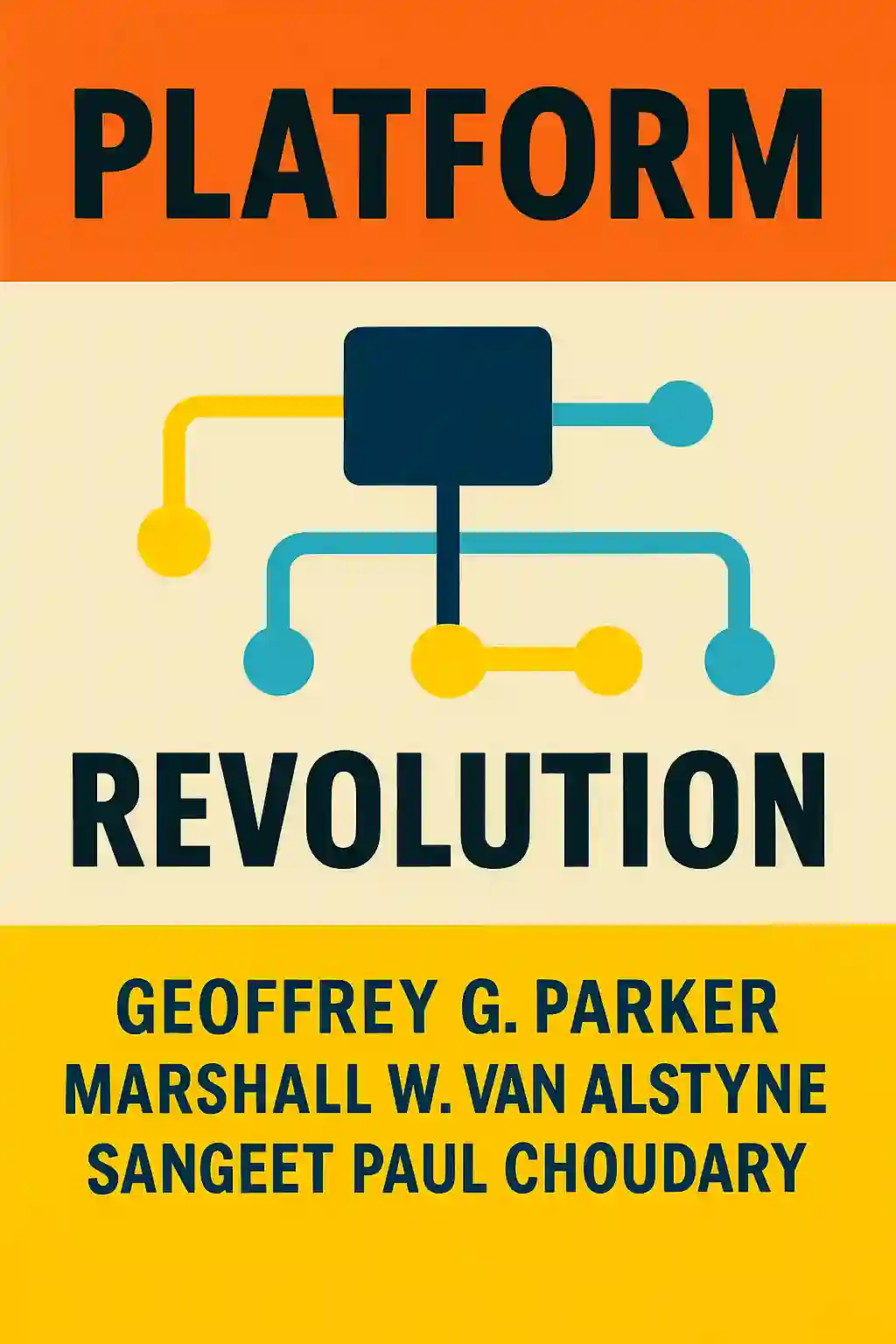
    Platform Revolution
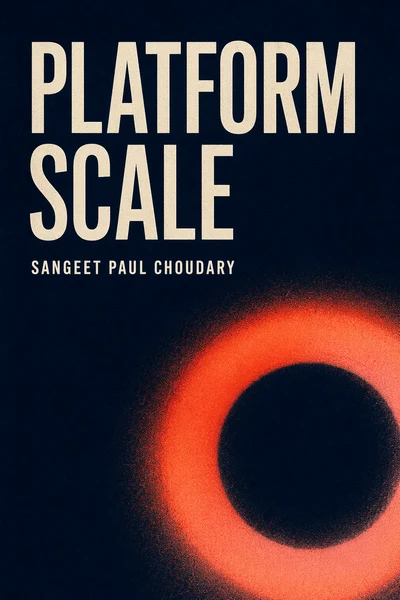
    Platform Scale
    Tokens
    Technofeudalism
    War on Warriors
    Dogfight

    Frequently Asked Questions

    The "30% tax" refers to the standard commission fee that Apple and Google have historically collected on digital purchases and subscriptions made within apps on their platforms. This fee structure is effectively ending due to intense legal pressure, such as the Epic Games lawsuit, and new regulations like the EU’s Digital Markets Act. Google is leading a structural shift by lowering base service fees to 20%, or even 10% for subscriptions, and unbundling costs to allow for alternative billing systems.

    Google is moving toward an unbundled menu of costs rather than a single flat rate. In certain markets, they have introduced a 5% "Billing Fee" for developers who choose to use Google Play’s payment system. On top of this, developers pay a "Service Fee" (typically 15% or 20%). If a developer integrates a third-party payment processor like Stripe, they can bypass the 5% billing fee entirely, paying only the service fee for the right to be distributed on the platform.

    A "Web-to-App" strategy involves directing users to a developer’s own website—often called a "Web Shop" or "Loyalty Hub"—to complete high-value transactions instead of buying directly inside the app. This allows developers to avoid app store commissions entirely. To overcome the "friction" of users having to manually enter credit card details, developers often offer "Web-Exclusive" bundles or discounts, passing some of the fee savings back to the consumer to incentivize the extra steps.

    The transition to lower fees is not happening simultaneously worldwide; it is a staggered, regional rollout dictated by local regulations and technical infrastructure needs. For example, while markets like the US and UK see changes in mid-2026, other regions like Japan and South Korea may not see them until the end of 2026, with a full global rollout not finalized until September 2027. This creates a "geography-dependent" revenue model where a developer might pay different rates for the same digital item depending on where the customer is located.

    The "Registered App Stores" program is a shift away from "sideloading," where users previously faced aggressive security warnings when installing apps from outside the Google Play Store. If a third-party store, such as the Epic Games Store, registers with Google and meets specific safety and quality benchmarks, the installation process becomes "streamlined." This removes the technical intimidation of scary warnings, allowing alternative stores to compete more fairly for users and developers.

    From Columbia University alumni | built in San Francisco

    BeFreed Brings Together A Global Community Of Curious Minds

    4.7

    avg rating

    7.84k+ App Rating

    BeFreed Community

    Seriously I haven’t even explored this app fully yet but from using it the last few days I am so impressed... BeFreed is on a different level from any other learning app I have used. This makes it ultra engaging and can actually improve your concentration which is great for all the doom scrollers!

    @ladyInfinity

    I bought BeFreed exactly 23 days ago, and I have used it every single day since. It has completely embedded itself into my daily workflow and learning habit.

    @jayallen

    The truth is, the app has exceeded all my expectations. I can ask it to generate audio on any topic, whatever it may be, and the result is impressive. My professional field is a specialization in psychotherapy and it is multidisciplinary; however, the answers are very accurate.

    @Raguipa

    What I appreciate most is how much it's reduced my scrolling – I'm spending less time searching and more time absorbing information. The combination of full audiobooks, podcasts, the learning plans are brilliant.

    @colonyofcreatorsNGO

    I have been a PhotoReading Accelerated Learning Instructor for the past 24 years... books and reading and learning are my thing, and BeFreed has done a great job in providing an innovative approach to disseminating and delivering information in an easy to consume way.

    @BeFreed user

    It is not just a book summary app, I have used the 'fun reading' option and it's a much better summary and way to grasp ideas the traditional way, that alone is worth this deal.

    @austinakon

    I love this app. Used it for several days and I cannot stop listening. Such a great way to start.

    @jcrules328

    I really like the program; I have already tested it for around one month, and I feel that it's an amazing gem. It works so well because I can use BeFreed to create my own topics, and the voice is so good with unlimited choice of narrations.

    @DanielCZ

    Seriously I haven’t even explored this app fully yet but from using it the last few days I am so impressed... BeFreed is on a different level from any other learning app I have used. This makes it ultra engaging and can actually improve your concentration which is great for all the doom scrollers!

    @ladyInfinity

    I bought BeFreed exactly 23 days ago, and I have used it every single day since. It has completely embedded itself into my daily workflow and learning habit.

    @jayallen

    The truth is, the app has exceeded all my expectations. I can ask it to generate audio on any topic, whatever it may be, and the result is impressive. My professional field is a specialization in psychotherapy and it is multidisciplinary; however, the answers are very accurate.

    @Raguipa

    What I appreciate most is how much it's reduced my scrolling – I'm spending less time searching and more time absorbing information. The combination of full audiobooks, podcasts, the learning plans are brilliant.

    @colonyofcreatorsNGO

    I have been a PhotoReading Accelerated Learning Instructor for the past 24 years... books and reading and learning are my thing, and BeFreed has done a great job in providing an innovative approach to disseminating and delivering information in an easy to consume way.

    @BeFreed user

    It is not just a book summary app, I have used the 'fun reading' option and it's a much better summary and way to grasp ideas the traditional way, that alone is worth this deal.

    @austinakon

    I love this app. Used it for several days and I cannot stop listening. Such a great way to start.

    @jcrules328

    I really like the program; I have already tested it for around one month, and I feel that it's an amazing gem. It works so well because I can use BeFreed to create my own topics, and the voice is so good with unlimited choice of narrations.

    @DanielCZ

    I love the fact that I can get useful, condensed, information and ideas in a 8 - 15 minute podcast style audio. I'm not a general fan of podcasts because of all the fluff, but this cuts through all that.

    @BeFreed user

    I am finishing up my doctorate, and have to read a lot of unfamiliar material... With BeFreed, you simply enter a prompt, and the app finds source material for you and generates an audio podcast. I find the process in BeFreed to be more streamlined than NotebookLM.

    @Brad

    I often search YouTube for something to listen to whilst making breakfast, when I'm out walking, commuting, etc, and BeFreed has provided an even more targeted approach, without the adverts and the fluff!

    @BeFreed user

    The absolute best part about this platform is its versatility. There is literally no subject that is off-topic. It handles whatever you throw at it... It is rare to find an learning tool with zero limitations that actually delivers on its promises.

    @jayallen

    BeFreed is fantastic. The user-friendly design means I spend less time navigating and more time learning. The mix of audiobooks, podcasts, and learning plans is a genius combo that has completely changed my daily routine.

    @BeFreed user

    At the start I needed a while to understand how to create podcasts in italian language and boom! It is so great! I can ask to explain every argument and it does so well and so smartly!

    @matteo77

    BeFreed has become my daily app for audio books tools... What I like the most is the way you put your text and come with an audio that you can listen on the go.

    @kotanzu1

    I love the fact that I can get useful, condensed, information and ideas in a 8 - 15 minute podcast style audio. I'm not a general fan of podcasts because of all the fluff, but this cuts through all that.

    @BeFreed user

    I am finishing up my doctorate, and have to read a lot of unfamiliar material... With BeFreed, you simply enter a prompt, and the app finds source material for you and generates an audio podcast. I find the process in BeFreed to be more streamlined than NotebookLM.

    @Brad

    I often search YouTube for something to listen to whilst making breakfast, when I'm out walking, commuting, etc, and BeFreed has provided an even more targeted approach, without the adverts and the fluff!

    @BeFreed user

    The absolute best part about this platform is its versatility. There is literally no subject that is off-topic. It handles whatever you throw at it... It is rare to find an learning tool with zero limitations that actually delivers on its promises.

    @jayallen

    BeFreed is fantastic. The user-friendly design means I spend less time navigating and more time learning. The mix of audiobooks, podcasts, and learning plans is a genius combo that has completely changed my daily routine.

    @BeFreed user

    At the start I needed a while to understand how to create podcasts in italian language and boom! It is so great! I can ask to explain every argument and it does so well and so smartly!

    @matteo77

    BeFreed has become my daily app for audio books tools... What I like the most is the way you put your text and come with an audio that you can listen on the go.

    @kotanzu1

    See more on how BeFreed is discussed
    129.7K19.5K
    55.2K19.2K
    154.2K10827355
    48.1K2.5K
    81.2K6.6K
    82.3K1.8K
    Start your learning journey, now
    BeFreed app
    BeFreed

    Learn Anything, Personalized

    DiscordLinkedIn
    Featured book summaries
    Crucial ConversationsThe Perfect MarriageInto the WildNever Split the DifferenceAttachedGood to GreatSay Nothing
    Trending categories
    Self HelpCommunication SkillRelationshipMindfulnessPhilosophyInspirationProductivity
    Celebrities' reading list
    Elon MuskCharlie KirkBill GatesSteve JobsAndrew HubermanJoe RoganJordan Peterson
    Award winning collection
    Pulitzer PrizeNational Book AwardGoodreads Choice AwardsNobel Prize in LiteratureNew York TimesCaldecott MedalNebula Award
    Featured Topics
    ManagementAmerican HistoryWarTradingStoicismAnxietySex
    Best books by Year
    2025 Best Non Fiction Books2024 Best Non Fiction Books2023 Best Non Fiction Books
    Featured authors
    Chimamanda Ngozi AdichieGeorge OrwellO. J. SimpsonBarbara O'NeillWinston ChurchillCharlie Kirk
    BeFreed vs other apps
    BeFreed vs. Other Book Summary AppsBeFreed vs. ElevenReaderBeFreed vs. ReadwiseBeFreed vs. Anki
    Learning tools
    Knowledge VisualizerAI Podcast Generator
    Information
    About Usarrow
    Pricingarrow
    FAQarrow
    Blogarrow
    Careerarrow
    Partnershipsarrow
    Ambassador Programarrow
    Directoryarrow
    BeFreed
    Try now
    © 2026 BeFreed
    Term of UsePrivacy Policy
    BeFreed

    Learn Anything, Personalized

    DiscordLinkedIn
    Featured book summaries
    Crucial ConversationsThe Perfect MarriageInto the WildNever Split the DifferenceAttachedGood to GreatSay Nothing
    Trending categories
    Self HelpCommunication SkillRelationshipMindfulnessPhilosophyInspirationProductivity
    Celebrities' reading list
    Elon MuskCharlie KirkBill GatesSteve JobsAndrew HubermanJoe RoganJordan Peterson
    Award winning collection
    Pulitzer PrizeNational Book AwardGoodreads Choice AwardsNobel Prize in LiteratureNew York TimesCaldecott MedalNebula Award
    Featured Topics
    ManagementAmerican HistoryWarTradingStoicismAnxietySex
    Best books by Year
    2025 Best Non Fiction Books2024 Best Non Fiction Books2023 Best Non Fiction Books
    Learning tools
    Knowledge VisualizerAI Podcast Generator
    Featured authors
    Chimamanda Ngozi AdichieGeorge OrwellO. J. SimpsonBarbara O'NeillWinston ChurchillCharlie Kirk
    BeFreed vs other apps
    BeFreed vs. Other Book Summary AppsBeFreed vs. ElevenReaderBeFreed vs. ReadwiseBeFreed vs. Anki
    Information
    About Usarrow
    Pricingarrow
    FAQarrow
    Blogarrow
    Careerarrow
    Partnershipsarrow
    Ambassador Programarrow
    Directoryarrow
    BeFreed
    Try now
    © 2026 BeFreed
    Term of UsePrivacy Policy

    More like this

    The Apple Ecosystem: A $1.3 Trillion Economy book cover
    [PDF] The Global App Store and Its Growth - AppleApple Inc. Revenue, Business Model & Strategy | BrandHistories2026: The Year Apple's Strategy Faces Its ReckoningFive key questions Apple faces entering its second half-century
    7 sources
    The Apple Ecosystem: A $1.3 Trillion Economy
    Apple has evolved from a hardware maker into a global gatekeeper. Explore the strategy behind the App Store flywheel and the risks of its AI future.
    25 min
    The Hidden Tax on US SaaS Subscriptions book cover
    SaaS Payments & TDS under Section 195: Correct Classification is CriticalGST & TDS Rules on Foreign Software PurchasesTax Rules for Buying IT & GST Software from Overseas VendorsSection 194J: TDS on Professional & Technical Fees — Complete Guide for CAs & Businesses - CLEARTAXADVISORS
    6 sources
    The Hidden Tax on US SaaS Subscriptions
    Paying for US software from India involves more than just a credit card bill. Learn to navigate GST and TDS to avoid unexpected penalties and audits.
    15 min
    BeFreed AI: Building the Digital Marketplace book cover
    How to Build a Digital Products Marketplace App with BubbleHow Do I Technically Implement Live Shopping Features Without Crashing the App?Live Commerce Platform Development 2026: Sprii Architecture InsideWebRTC + AI Host Overlay for TikTok-Style Live Shopping in 2026 | CallSphere Blog
    5 sources
    BeFreed AI: Building the Digital Marketplace
    Stop losing revenue to platform fees. Learn to build your own digital storefront for courses, memberships, and live shopping to keep more profit.
    755 min
    The Loyalty Tax: Ending Subscription Waste book cover
    How to Cancel Subscriptions (Every Platform, Step by Step)How to Lower Your Monthly Bills in 2026 (Save $200+ Without Changing Your Lifestyle) - BrokeToBankingHow to Negotiate Bills and Save $500+ Every Month in 2026 - Legend IdeaHow to Build a Mindful Spending System That Replaces Your Budget — Lionhood Financial Coaching
    5 sources
    The Loyalty Tax: Ending Subscription Waste
    Service providers often rely on your inertia to overcharge you. Learn to audit hidden costs and negotiate bills to build a mindful spending system.
    566 min
    AI Economics: Beyond the Thin Wrapper book cover
    How to Monetize an AI Chatbot App (2026) — ThradHow to Monetize Your AI Tool or LLM Wrapper in 2026: A Founder’s Guide - Fungies.ioHow to Monetize AI Agents in 2026: Builder GuideHow to Monetize AI Agents in 2026 | Pickaxe
    8 sources
    AI Economics: Beyond the Thin Wrapper
    High inference costs are breaking traditional freemium models. Learn to build a hybrid revenue engine that turns AI usage into a sustainable business.
    1336 min
    Apple’s Ultra Era and Liquid Glass book cover
    Apple in 2026, From AI Rebound to Foldable iPhone: Q&A With Mark Gurman - BloombergApple’s ‘Ultra’ roadmap confirmed: iPhone, MacBook, and more on the way | MacworldApple Has Three-Year Plan to 'Reinvent' the iPhone - MacRumorsApple OS Convergence Is Redrawing the Boundaries Between iPhone, iPad, and Mac
    7 sources
    Apple’s Ultra Era and Liquid Glass
    Struggling with tech fatigue? Explore Apple’s shift toward foldable iPhones and tactile software to see how design is becoming more human and fluid.
    23 min
    The iPad 11: A Value Revolution book cover
    Apple iPad 11th Gen Review (2026): A16 Performance, Specs, Price & Full TestIs the iPad A16 (11th Gen) Worth It? 2026 Review & Buying GuideApple’s $349 iPad 11 is missing a lot, but it’s still all the iPad most people need - Ars TechnicaiPad 11 review: Amazing value from a budget tablet | Cult of Mac
    6 sources
    The iPad 11: A Value Revolution
    Tired of overpriced gadgets? Discover how Apple’s modest $349 refresh delivers the perfect balance of speed and storage for your everyday life.
    980 min
    Bootstrap App Marketing: Traction Without Breaking Bank book cover
    TractionDuct Tape Marketing Revised and UpdatedSee You on the InternetThe New Rules of Marketing and PR
    6 sources
    Bootstrap App Marketing: Traction Without Breaking Bank
    Discover proven strategies for marketing your app on a shoestring budget. Learn systematic approaches to build genuine user relationships, create valuable content, and test traction channels effectively without expensive advertising campaigns.
    9 min

    Recommended Learning Plans

    Monetize Your Academy App
    LEARNING PLAN

    Monetize Your Academy App

    This plan is essential for educators and creators looking to transform their educational content into a profitable mobile business. It provides a roadmap for those who have an audience but need a structured strategy to convert engagement into consistent subscription revenue.

    1 h•2 Sections
    The New AI Monetization Playbook
    LEARNING PLAN

    The New AI Monetization Playbook

    As AI operational costs rise, traditional SaaS business models are becoming obsolete. This plan is essential for product leaders and entrepreneurs who need to align their pricing with the high costs of compute while shifting toward high-value autonomous agents.

    48 m•2 Sections
    From Scroller to Subscriber: The App Growth Engine
    LEARNING PLAN

    From Scroller to Subscriber: The App Growth Engine

    In an era of high acquisition costs, mastering the intersection of creative strategy and technical infrastructure is essential for app scalability. This plan is designed for growth marketers and app founders looking to transform social media traffic into a loyal subscriber base.

    1 h 30 m•3 Sections
    爆款应用增长与心理拆解
    LEARNING PLAN

    爆款应用增长与心理拆解

    在存量竞争时代,理解用户情绪价值与AI技术驱动的流量重构是产品突围的关键。本课程适合希望通过心理拆解与算法创新实现长效增长的产品经理、运营专家及创业者。

    48 m•3 Sections
    The Hidden Logic of Prices
    LEARNING PLAN

    The Hidden Logic of Prices

    In an era of digital surveillance and behavioral economics, understanding how prices are set is essential for financial literacy. This plan is ideal for consumers, marketers, and students of economics who want to decode the invisible forces that dictate what we pay.

    2 h•4 Sections
    Scale Therapy Biz & Passive Income with AI
    LEARNING PLAN

    Scale Therapy Biz & Passive Income with AI

    This plan is essential for therapists feeling burnt out by the billable hour who want to reclaim their time. It provides a strategic roadmap for practitioners to leverage modern technology and diverse revenue models to achieve financial freedom and greater impact.

    5 h 2 m•4 Sections
    Master App Growth via Consumer Psychology
    LEARNING PLAN

    Master App Growth via Consumer Psychology

    This plan bridges the gap between behavioral science and mobile product strategy to drive sustainable business results. It is ideal for product managers, growth marketers, and app designers looking to master the psychological mechanics that turn casual users into loyal advocates.

    5 h 2 m•4 Sections
    Make a an app
    LEARNING PLAN

    Make a an app

    This comprehensive plan bridges the gap between technical coding skills and commercial product success. It is ideal for aspiring developers and entrepreneurs who want to build high-quality mobile apps from the ground up while ensuring business viability.

    5 h 39 m•4 Sections