Bootstrap App Marketing: Traction Without Breaking Bank

Low Budget App Marketing Strategies: episode overview
This BeFreed audio guide explores how to gain traction for a new app without a massive advertising budget. It covers the fundamentals of bootstrapping, finding your first users organically, and iterating based on real feedback.
Create Your Podcast in a Click
Generated by Freedee_448CA928
Input question
How to market an app quickly with low capital
Host voices

What you'll learn about low budget app marketing strategies
- 1
Opening & Welcome
 00:0000:00
Lena: Hey everyone, welcome back to another personalized podcast from BeFreed! I'm Lena, and I'm genuinely excited to dive into something that hits close to home for so many entrepreneurs today. Jackson: And I'm Jackson! Absolutely thrilled to be here, Lena. We're tackling a challenge that keeps founders up at night-how do you actually market an app when you're bootstrapping and every dollar counts? It's that classic chicken-and-egg problem where you need customers to grow, but you need resources to get customers. Lena: Exactly! And what I love is that we're not just theorizing here. We've got insights from founders who've been in those exact trenches, figuring out how to get traction without breaking the bank.
- 2
Topic Introduction & Source Material Setup
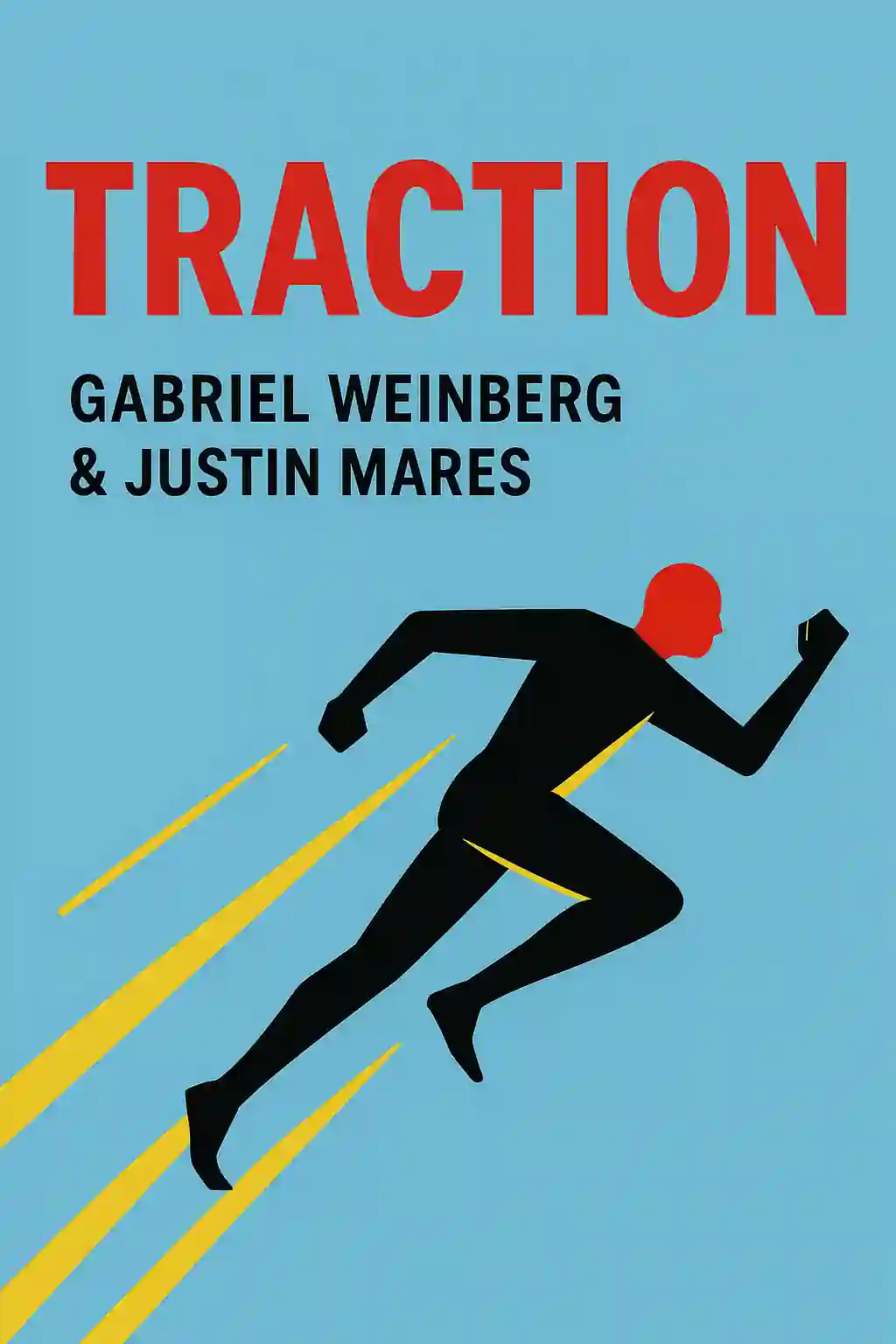
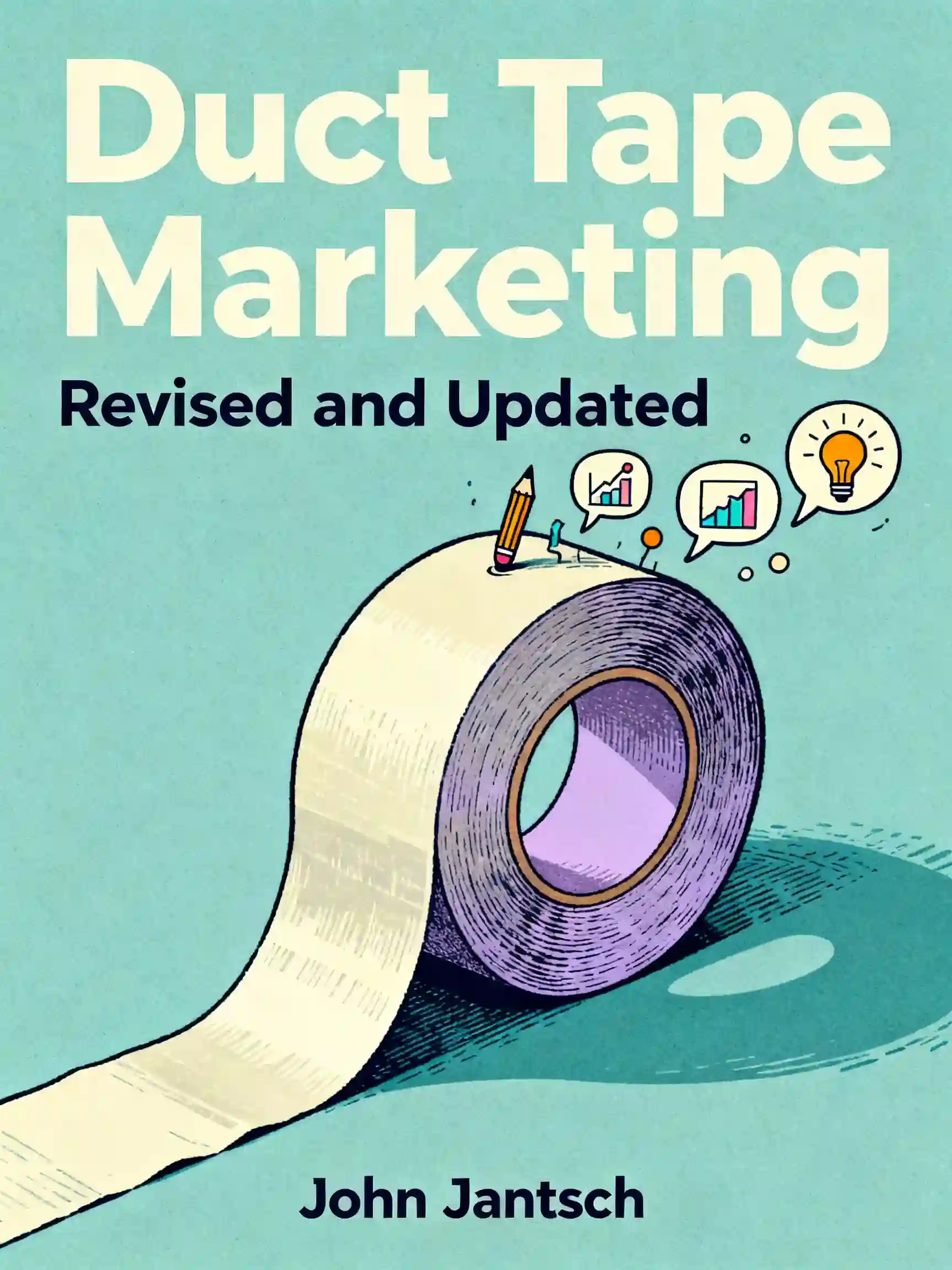
Jackson: You know, Lena, what strikes me most about this challenge is how it's fundamentally about resourcefulness over resources. I was just reading about this in "Traction" where Gabriel Weinberg talks about the 50% rule-spending half your time on product, half on getting customers. Lena: That's fascinating because it flips the typical founder mindset, doesn't it? Most app developers think, "If I build it perfectly, they'll come." But you're saying that's actually backwards? Jackson: Completely backwards! And this connects beautifully with what John Jantsch discusses in "Duct Tape Marketing"-he emphasizes that marketing isn't this mysterious creative process. It's systematic, and you can do it effectively without massive budgets. The key is being methodical rather than hoping for viral magic. Lena: I love that-methodical over magical. So we're talking about frameworks that actually work for cash-strapped founders?
- 3
Core Strategy: The Foundation Before Tactics
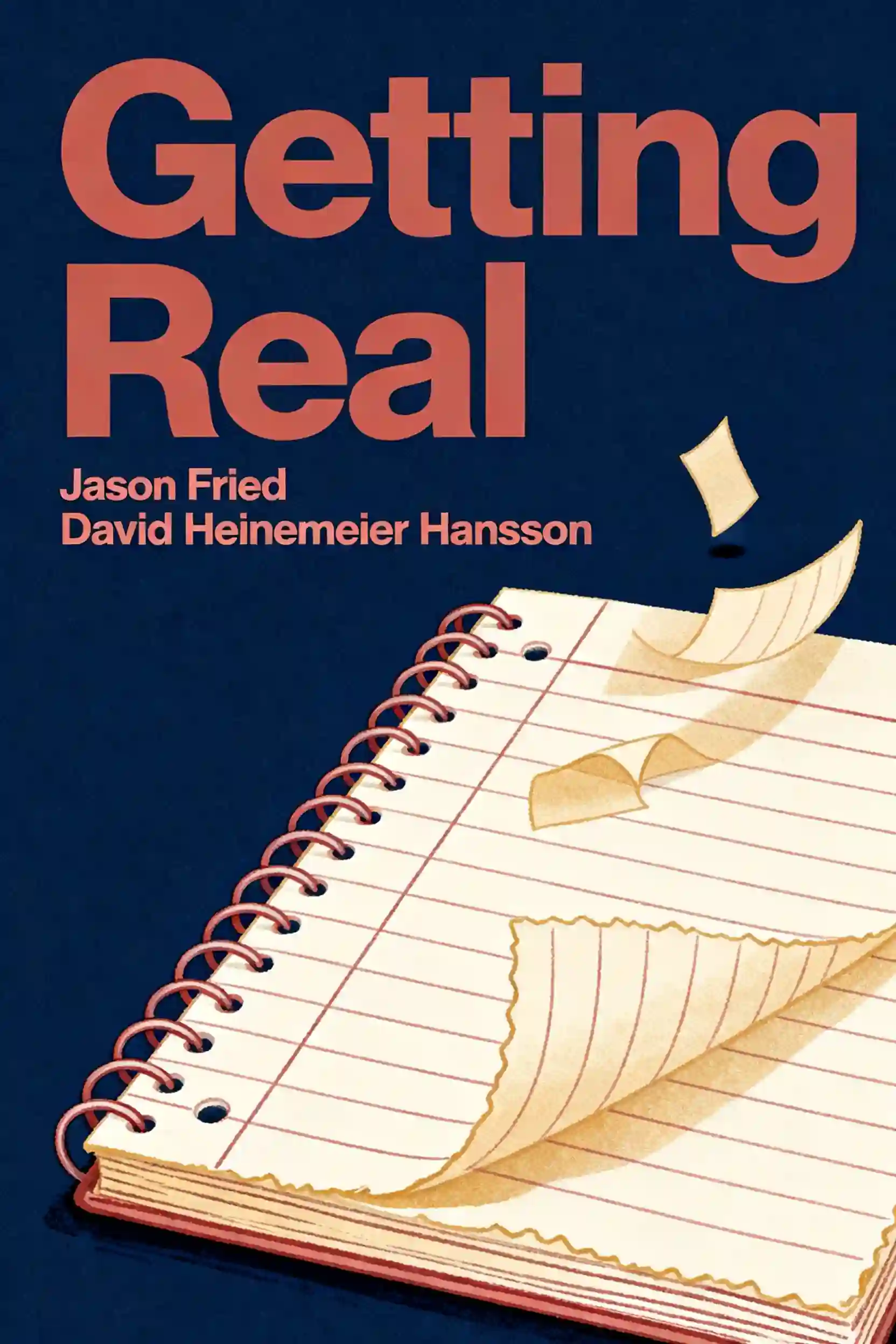
Jackson: Absolutely. And here's where most app marketers make their first critical mistake-they jump straight to tactics. Should I run Instagram ads? TikTok? Google Ads? But as Jantsch points out, tactics without strategy is just noise before defeat. Lena: So what does that foundation look like for an app founder with limited resources? Jackson: It starts with ruthless focus on your ideal user. In "Getting Real," 37signals talks about building half a product rather than a half-assed product. That same principle applies to marketing-you want to target half an audience really well rather than everyone poorly. Lena: That makes so much sense! You're essentially saying constraints can actually be advantages? Jackson: Exactly! When you can't afford to target everyone, you're forced to get crystal clear on who will actually pay for your app. Jantsch recommends creating detailed user personas-not just demographics, but understanding what triggers them to seek your solution. For our listeners who are bootstrapping, this clarity becomes your competitive advantage. Lena: And I imagine this connects to what David Meerman Scott discusses in "The New Rules of Marketing and PR"-you can reach buyers directly now without traditional advertising budgets?
- Chapter 4
Content-Driven Traction Channels
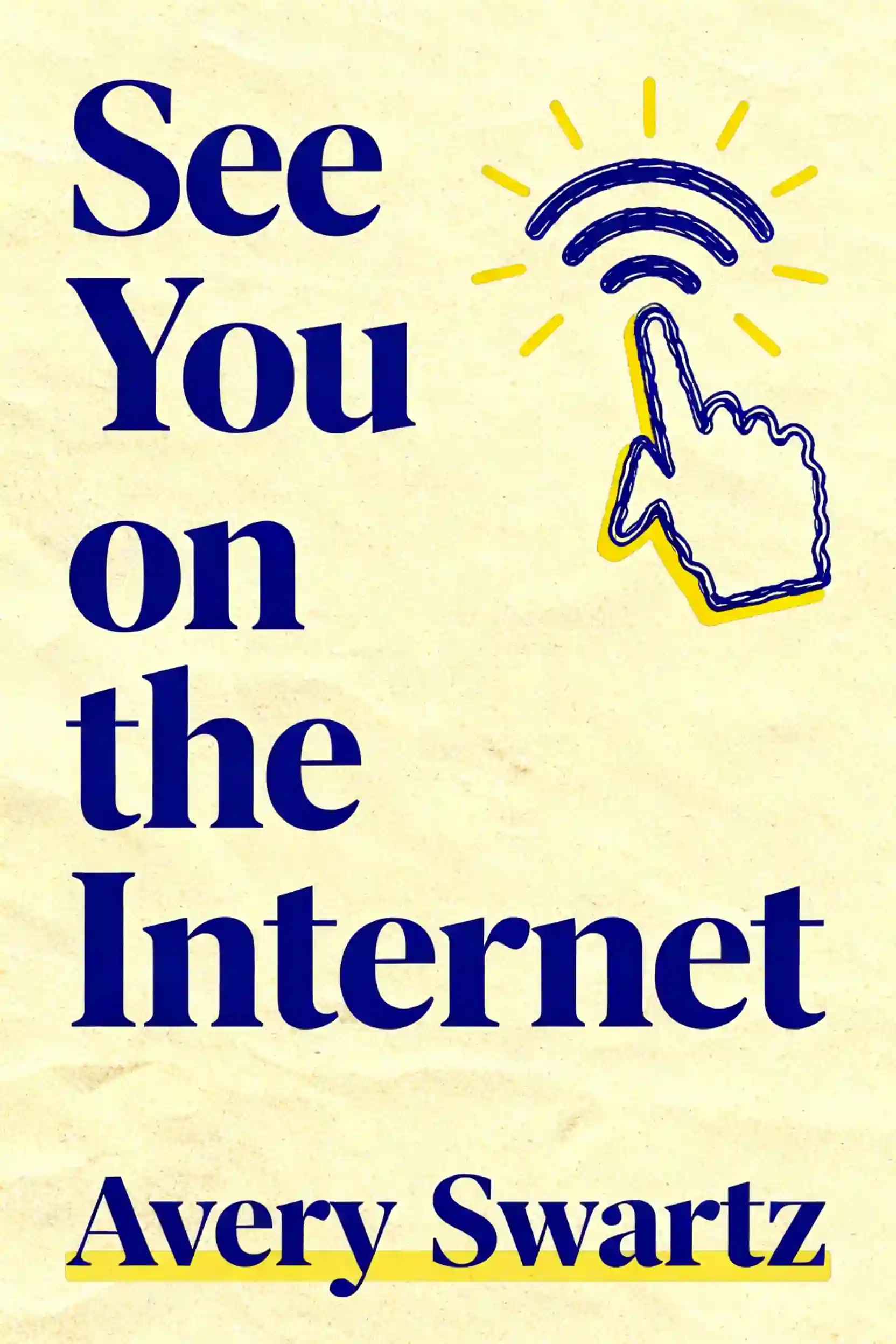
**Jackson:** Precisely! Scott's work shows how the internet fundamentally changed the game. You don't need to interrupt people with expensive ads-you can attract them with valuable content that addresses their actual problems. **Lena:** So for an app founder, this might mean creating content around the problem your app solves, not just promoting the app itself? **Jackson:** Brilliant insight, Lena! Think about it-if you've built a productivity app, start a blog about productivity techniques. Create videos showing how to optimize workflows. As Avery Swartz mentions in "See You on the Internet," you're essentially becoming a publisher, building trust before asking for the sale. **Lena:** This is where the Bullseye Framework from "Traction" becomes really practical, right? You're testing these content channels cheaply to see what works? **Jackson:** Absolutely! Weinberg's framework is perfect for bootstrapped founders. You brainstorm all 19 traction channels, narrow to your top three, then run cheap tests. Maybe you write five blog posts, create three YouTube videos, and engage in relevant Reddit communities-all for under $100 total. **Lena:** And you're gathering real data about what resonates with your actual users, not just guessing based on what other apps do.
Chapter 5Leveraging Digital Platforms Strategically
**Jackson:** Right! And here's where Scott's approach to social media becomes crucial. Each platform offers different opportunities, but you don't need to be everywhere. Pick where your users actually spend time and focus there. **Lena:** So if I'm targeting busy professionals, maybe I focus on LinkedIn content rather than trying to crack TikTok? **Jackson:** Exactly! And remember what Swartz emphasizes-social media isn't about broadcasting. It's about building relationships. For app founders, this might mean joining communities where your target users discuss their challenges, providing helpful insights before ever mentioning your app. **Lena:** That's such a refreshing approach! You're building trust first, selling second. How does this connect to the technical side of marketing an app? **Jackson:** Well, the "Getting Real" philosophy applies beautifully here. Start with the interface-in this case, your marketing interface. Create simple landing pages, test different messaging, iterate quickly based on user feedback. You don't need expensive marketing automation-start with basic tools and proven principles. **Lena:** And I imagine email marketing becomes really important when you're bootstrapping?
Chapter 6Building Systems That Scale
**Jackson:** Absolutely! Swartz calls email marketing one of the most effective tools available, and for app founders, it's perfect because it's direct and affordable. But the key is providing value, not just promoting downloads. **Lena:** So you're nurturing potential users with helpful content, building that relationship over time? **Jackson:** Precisely! And this connects to Jantsch's Marketing Hourglass concept. You're not trying to jump from awareness straight to app download. You're building trust through valuable content, maybe offering a free resource or mini-course, then introducing your app as the natural solution. **Lena:** I love how this creates a system rather than just random marketing activities. You're building something sustainable? **Jackson:** Exactly! And remember Weinberg's emphasis on the 50% rule. Even when resources are tight, you're consistently dedicating time to traction activities. Maybe that's writing one blog post per week, engaging in two online communities, and sending one valuable email to your growing list. **Lena:** This seems like it requires a different mindset-thinking long-term even when you need results quickly?
Chapter 7Practical Applications & Listener Takeaways
**Jackson:** That's the beautiful paradox, Lena! By focusing on providing genuine value and building real relationships, you often see faster results than expensive advertising that interrupts people who aren't ready to buy. **Lena:** So for our listeners who are ready to start implementing this, what would be the first concrete steps? **Jackson:** Start with Jantsch's strategy foundation-define your ideal user specifically, identify what makes your app uniquely valuable, then create one piece of helpful content addressing their biggest challenge. Don't mention your app-just provide genuine value. **Lena:** And then use Weinberg's testing approach to see how that content performs across different channels? **Jackson:** Exactly! Maybe you share it in a relevant Facebook group, post it on LinkedIn, and submit it to a community like Hacker News or Product Hunt. Track which generates the most engagement and qualified interest. **Lena:** I think what's revolutionary here is that you're building marketing assets-content, relationships, email lists-that compound over time, rather than just spending money on ads that stop working when you stop paying. **Jackson:** Beautifully said! You're creating what Scott calls "real-time marketing"-staying connected to your users' ongoing conversations and challenges, positioning yourself as a valuable resource rather than just another app trying to get downloaded.
Chapter 8Wrap-up & Closing Reflection
**Lena:** So as we bring this to a close, Jackson, what strikes me most is how this approach actually makes marketing more human and authentic, even in our digital world. **Jackson:** Absolutely, Lena! Whether you're following the systematic approach from "Duct Tape Marketing," the content-first strategy from "The New Rules of Marketing and PR," or the testing framework from "Traction," it all comes back to understanding real people with real problems and providing genuine value. **Lena:** And the constraint of limited capital actually forces you to focus on what matters most-building relationships with the right users rather than trying to reach everyone with expensive campaigns. **Jackson:** That's exactly right. As the "Getting Real" philosophy shows us, constraints breed creativity. When you can't outspend competitors, you have to out-think and out-serve them. **Lena:** For everyone listening, remember that every successful app started with that first user who found real value. Your job isn't to convince everyone-it's to find and serve those people exceptionally well. **Jackson:** And on that note, keep testing, keep providing value, and stay curious about what your users really need. The marketing will follow naturally from there. **Lena:** Thanks for joining us today, and remember-stay curious, keep those questions coming, and we'll see you next time as you continue building something amazing!
What people search for about low budget app marketing
Many founders and indie developers search for ways to gain early traction without spending thousands on paid ads. Queries often focus on finding the first 1,000 users, leveraging platforms like Reddit or Product Hunt, and utilizing guerrilla or bootstrap marketing techniques.
A practical guide to bootstrapping your app's growth
Marketing an app on a tight budget requires doing more with less. Instead of relying on expensive paid acquisition, bootstrap marketing emphasizes organic channels, relationship building, and community engagement.
Optimize for App Stores (ASO)
App Store Optimization forms the backbone of organic discovery. Using the right keywords, compelling screenshots, and clear descriptions helps users find your app naturally.
Engage in Relevant Communities
Lurking and participating in communities like Reddit, Facebook groups, or niche forums allows you to understand your target audience and share your app when it genuinely solves their problems.
Leverage Product Hunt and Launches
Launching on platforms like Product Hunt can provide an initial spike in visibility and help you gather valuable feedback from early adopters.
Build Relationships with Users
Focus on personal outreach. Promoting your app within your personal circles and directly engaging with early users builds a loyal base that can advocate for your product.
Best quote from Bootstrap App Marketing: Traction Without Breaking Bank
Marketing isn't this mysterious creative process—it's systematic, and you can do it effectively without massive budgets. The key is being methodical rather than hoping for viral magic.
Knowledge sources


FAQ
Low-cost marketing strategies for apps focus on organic growth channels. These include App Store Optimization (ASO), content marketing, engaging in online communities like Reddit, and launching on platforms like Product Hunt.
To promote an app with no budget, founders should leverage their personal networks, participate in niche forums, optimize their app store listings for search visibility, and focus on building relationships with early users to encourage word-of-mouth recommendations.
The 3-3-3 rule generally refers to structuring content or engagement strategies (like 3 seconds to hook, 30 seconds to explain, 3 minutes to deep dive). In bootstrap marketing, it emphasizes capturing attention quickly and delivering clear value without relying on expensive ad creatives.
From Columbia University alumni built in San Francisco
"Instead of endless scrolling, I just hit play on BeFreed. It saves me so much time."


"I never knew where to start with nonfiction—BeFreed’s book lists turned into podcasts gave me a clear path."


"Perfect balance between learning and entertainment. Finished ‘Thinking, Fast and Slow’ on my commute this week."
"Crazy how much I learned while walking the dog. BeFreed = small habits → big gains."
"Reading used to feel like a chore. Now it’s just part of my lifestyle."

"Feels effortless compared to reading. I’ve finished 6 books this month already."
"BeFreed turned my guilty doomscrolling into something that feels productive and inspiring."

"BeFreed turned my commute into learning time. 20-min podcasts are perfect for finishing books I never had time for."
"BeFreed replaced my podcast queue. Imagine Spotify for books — that’s it. 🙌"

"It is great for me to learn something from the book without reading it."
"The themed book list podcasts help me connect ideas across authors—like a guided audio journey."
"Makes me feel smarter every time before going to work"
From Columbia University alumni built in San Francisco
"Instead of endless scrolling, I just hit play on BeFreed. It saves me so much time."
"I never knew where to start with nonfiction—BeFreed’s book lists turned into podcasts gave me a clear path."
"Perfect balance between learning and entertainment. Finished ‘Thinking, Fast and Slow’ on my commute this week."
"Crazy how much I learned while walking the dog. BeFreed = small habits → big gains."
"Reading used to feel like a chore. Now it’s just part of my lifestyle."
"Feels effortless compared to reading. I’ve finished 6 books this month already."
"BeFreed turned my guilty doomscrolling into something that feels productive and inspiring."
"BeFreed turned my commute into learning time. 20-min podcasts are perfect for finishing books I never had time for."
"BeFreed replaced my podcast queue. Imagine Spotify for books — that’s it. 🙌"
"It is great for me to learn something from the book without reading it."
"The themed book list podcasts help me connect ideas across authors—like a guided audio journey."
"Makes me feel smarter every time before going to work"
"Instead of endless scrolling, I just hit play on BeFreed. It saves me so much time."
"I never knew where to start with nonfiction—BeFreed’s book lists turned into podcasts gave me a clear path."
"Perfect balance between learning and entertainment. Finished ‘Thinking, Fast and Slow’ on my commute this week."
"Crazy how much I learned while walking the dog. BeFreed = small habits → big gains."
"Reading used to feel like a chore. Now it’s just part of my lifestyle."
"Feels effortless compared to reading. I’ve finished 6 books this month already."
"BeFreed turned my guilty doomscrolling into something that feels productive and inspiring."
"BeFreed turned my commute into learning time. 20-min podcasts are perfect for finishing books I never had time for."
"BeFreed replaced my podcast queue. Imagine Spotify for books — that’s it. 🙌"
"It is great for me to learn something from the book without reading it."
"The themed book list podcasts help me connect ideas across authors—like a guided audio journey."
"Makes me feel smarter every time before going to work"
"Instead of endless scrolling, I just hit play on BeFreed. It saves me so much time."
"I never knew where to start with nonfiction—BeFreed’s book lists turned into podcasts gave me a clear path."
"Perfect balance between learning and entertainment. Finished ‘Thinking, Fast and Slow’ on my commute this week."
"Crazy how much I learned while walking the dog. BeFreed = small habits → big gains."
"Reading used to feel like a chore. Now it’s just part of my lifestyle."
"Feels effortless compared to reading. I’ve finished 6 books this month already."
"BeFreed turned my guilty doomscrolling into something that feels productive and inspiring."
"BeFreed turned my commute into learning time. 20-min podcasts are perfect for finishing books I never had time for."
"BeFreed replaced my podcast queue. Imagine Spotify for books — that’s it. 🙌"
"It is great for me to learn something from the book without reading it."
"The themed book list podcasts help me connect ideas across authors—like a guided audio journey."
"Makes me feel smarter every time before going to work"