
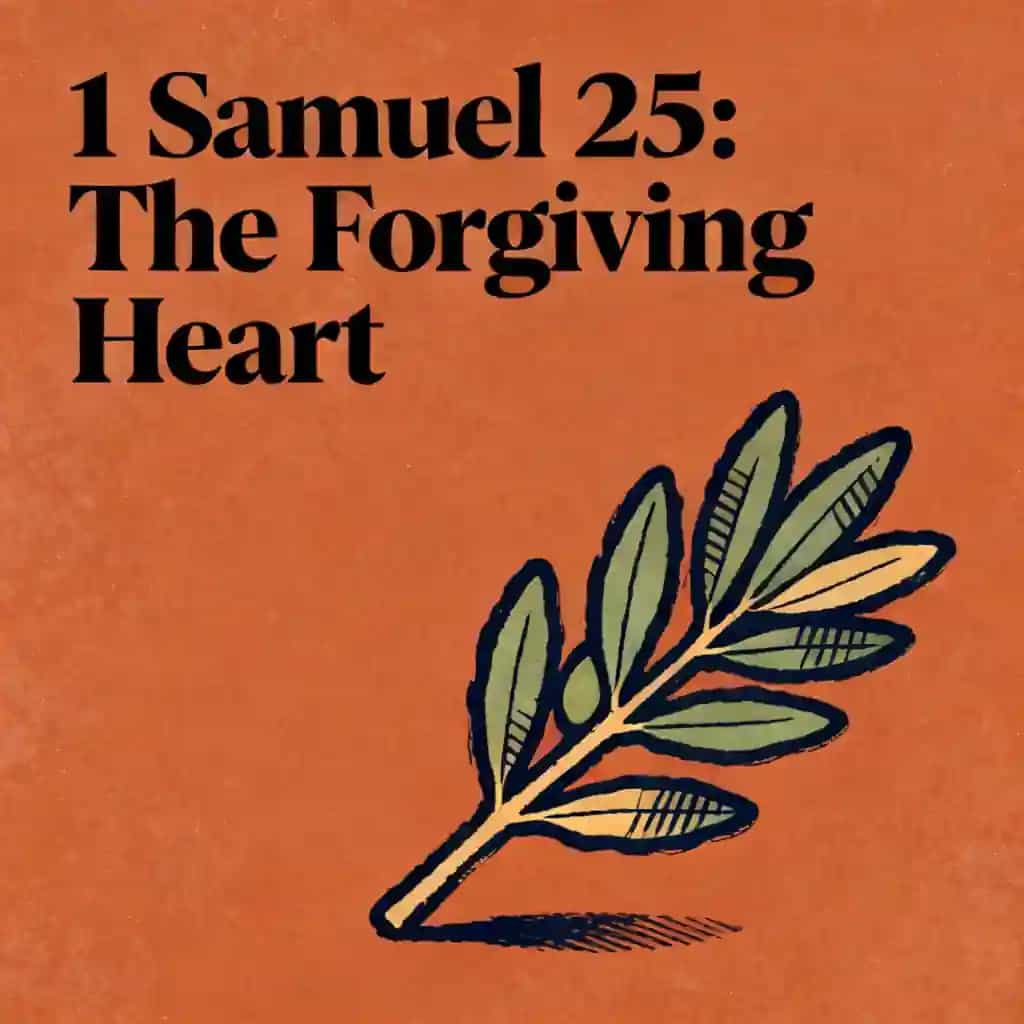
1 Samuel 25 and the Wisdom of Abigail
When David's pride leads to a standoff, Abigail steps in as a mediator. Discover how this desert showdown reveals our need for Christ's intercession.

Best quote from 1 Samuel 25 and the Wisdom of Abigail
Abigail’s story reminds us that vengeance belongs to the Lord and that a soft approach, rooted in timely wisdom and humility, can avert a catastrophe that swords and armies only create.
Generated by Hunsy
Give me deep theological, exegetical pastoral insight on first Samuel chapter 25 help me understand the surrounding context of the story the cultural context and what is happening in David’s life right now and why this chapter in this scene is so important show me how Christ reveals himself through this chapter show the fallen condition of Man and make it faithful to God’s word being creative and how you bring it to life?

Frequently Asked Questions
The name Nabal literally means "fool" in Hebrew, which serves as a direct reflection of his character and actions throughout the narrative. Despite his immense wealth—owning three thousand sheep and a thousand goats—he suffers from an "Ownership Illusion," believing his success is entirely his own doing rather than a stewardship from God. His refusal to show hospitality to David’s men during the shearing festival was not just a sign of stinginess, but a theological rebellion against the covenantal laws of the Torah, which commanded sharing surplus with others.
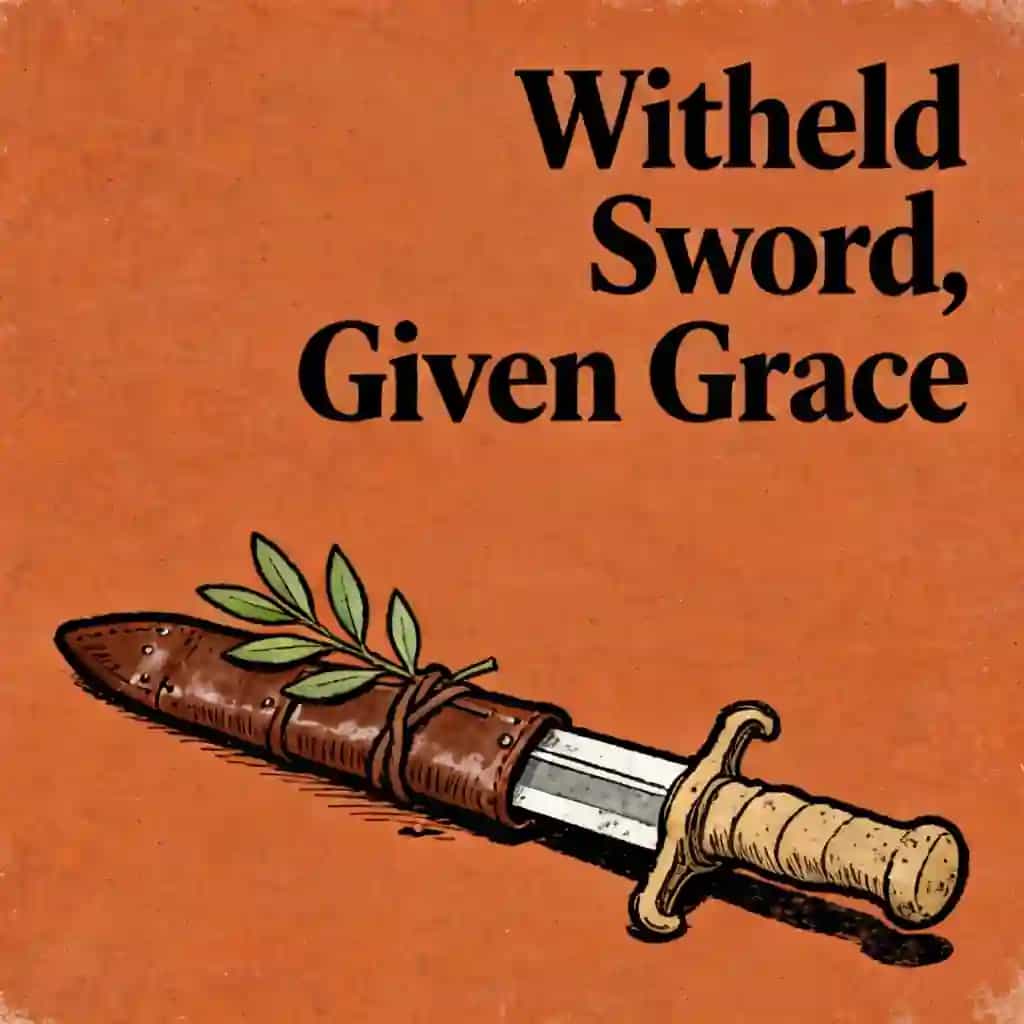
Abigail acts as a mediator and intercessor who stands in the gap to prevent judgment and bloodshed. When she meets David on the road, she takes the blame for her husband’s folly upon herself, saying, "On me, my lord, on me be the blame," which echoes how Jesus takes on the guilt of humanity to turn away divine judgment. Furthermore, she uses the very resources her husband hoarded to provide a feast for David’s men, transforming a situation of greed into one of redemption and grace.
Although David is described as a "man after God’s own heart," his immediate response to Nabal’s snub—ordering four hundred men to strap on their swords for a massacre—reveals his impulsive pride and wounded honor. This moment shows David losing sight of his divine calling to fight the Lord’s battles, nearly turning into a warlord who uses power to settle personal vendettas. Abigail’s intervention is crucial because it reminds David that his life is "bound in the bundle of life with the Lord," and that seeking his own vengeance would leave a "staggering burden of needless bloodshed" on his conscience once he became king.
Nabal’s death is portrayed as a clear instance of divine judgment rather than a mere coincidence. After Abigail informed him of the disaster he narrowly escaped, the text says his heart "became like a stone," which modern scholars often interpret as a stroke brought on by shock and fear. The ten-day waiting period highlights that divine reckoning is certain even if it is not instantaneous. By striking Nabal directly, God vindicated Abigail’s wisdom and David’s eventual restraint, proving that when vengeance is left to the Lord, the outcome is more surgical and just than human retaliation.
Abigail acted as a prophetic voice and a royal counselor, being the first person in the narrative to explicitly announce David’s future kingship and the "sure house" God would build for him. Her "theology of leadership"—which emphasized that a king should leave vengeance to God—likely shaped David’s character during his formative years. This influence is seen shortly after their encounter when David twice demonstrates restraint by refusing to kill King Saul, showing he had learned that a righteous ruler must protect his people rather than exploit his power for personal scores.
From Columbia University alumni built in San Francisco
BeFreed Brings Together A Global Community Of Curious Minds


"Instead of endless scrolling, I just hit play on BeFreed. It saves me so much time."


"I never knew where to start with nonfiction—BeFreed’s book lists turned into podcasts gave me a clear path."


"Perfect balance between learning and entertainment. Finished ‘Thinking, Fast and Slow’ on my commute this week."
"Crazy how much I learned while walking the dog. BeFreed = small habits → big gains."
"Reading used to feel like a chore. Now it’s just part of my lifestyle."

"Feels effortless compared to reading. I’ve finished 6 books this month already."
"BeFreed turned my guilty doomscrolling into something that feels productive and inspiring."

"BeFreed turned my commute into learning time. 20-min podcasts are perfect for finishing books I never had time for."
"BeFreed replaced my podcast queue. Imagine Spotify for books — that’s it. 🙌"

"It is great for me to learn something from the book without reading it."
"The themed book list podcasts help me connect ideas across authors—like a guided audio journey."
"Makes me feel smarter every time before going to work"
From Columbia University alumni built in San Francisco
BeFreed Brings Together A Global Community Of Curious Minds
"Instead of endless scrolling, I just hit play on BeFreed. It saves me so much time."
"I never knew where to start with nonfiction—BeFreed’s book lists turned into podcasts gave me a clear path."
"Perfect balance between learning and entertainment. Finished ‘Thinking, Fast and Slow’ on my commute this week."
"Crazy how much I learned while walking the dog. BeFreed = small habits → big gains."
"Reading used to feel like a chore. Now it’s just part of my lifestyle."
"Feels effortless compared to reading. I’ve finished 6 books this month already."
"BeFreed turned my guilty doomscrolling into something that feels productive and inspiring."
"BeFreed turned my commute into learning time. 20-min podcasts are perfect for finishing books I never had time for."
"BeFreed replaced my podcast queue. Imagine Spotify for books — that’s it. 🙌"
"It is great for me to learn something from the book without reading it."
"The themed book list podcasts help me connect ideas across authors—like a guided audio journey."
"Makes me feel smarter every time before going to work"
"Instead of endless scrolling, I just hit play on BeFreed. It saves me so much time."
"I never knew where to start with nonfiction—BeFreed’s book lists turned into podcasts gave me a clear path."
"Perfect balance between learning and entertainment. Finished ‘Thinking, Fast and Slow’ on my commute this week."
"Crazy how much I learned while walking the dog. BeFreed = small habits → big gains."
"Reading used to feel like a chore. Now it’s just part of my lifestyle."
"Feels effortless compared to reading. I’ve finished 6 books this month already."
"BeFreed turned my guilty doomscrolling into something that feels productive and inspiring."
"BeFreed turned my commute into learning time. 20-min podcasts are perfect for finishing books I never had time for."
"BeFreed replaced my podcast queue. Imagine Spotify for books — that’s it. 🙌"
"It is great for me to learn something from the book without reading it."
"The themed book list podcasts help me connect ideas across authors—like a guided audio journey."
"Makes me feel smarter every time before going to work"
"Instead of endless scrolling, I just hit play on BeFreed. It saves me so much time."
"I never knew where to start with nonfiction—BeFreed’s book lists turned into podcasts gave me a clear path."
"Perfect balance between learning and entertainment. Finished ‘Thinking, Fast and Slow’ on my commute this week."
"Crazy how much I learned while walking the dog. BeFreed = small habits → big gains."
"Reading used to feel like a chore. Now it’s just part of my lifestyle."
"Feels effortless compared to reading. I’ve finished 6 books this month already."
"BeFreed turned my guilty doomscrolling into something that feels productive and inspiring."
"BeFreed turned my commute into learning time. 20-min podcasts are perfect for finishing books I never had time for."
"BeFreed replaced my podcast queue. Imagine Spotify for books — that’s it. 🙌"
"It is great for me to learn something from the book without reading it."
"The themed book list podcasts help me connect ideas across authors—like a guided audio journey."
"Makes me feel smarter every time before going to work"









![[e9493572-d918-47f9-8a55-9d4421a111ea:c0001] The Living Word Complete Final.pdf p1-1](/_next/image?url=https%3A%2F%2Fd1y2du6z1jfm9e.cloudfront.net%2Fassets%2Fpodcast%2Fgreen.png&w=1024&q=50)


