Bound in the Bundle of the Living: 1 Samuel 25 Meaning & History
Explore the meaning of Abigail's words in 1 Samuel 25. Learn what it means to be bound in the bundle of the living through scripture study and church history.

Best quote from Bound in the Bundle of the Living: 1 Samuel 25 Meaning & History
To be bound in the bundle of the living means your life is too valuable to be stained by petty vengeance or fear; you are God's precious cargo, tucked away in His personal care where no sling can reach you.
Generated by Hunsy
What does it mean in first Samuel chapter 25 when Abigail says, bound in the bundle of living do deep study on this other scriptures that are similar to this the church history what church history is taught on this the faith of this and what it means for Cristian to be bound in the bundle of the living

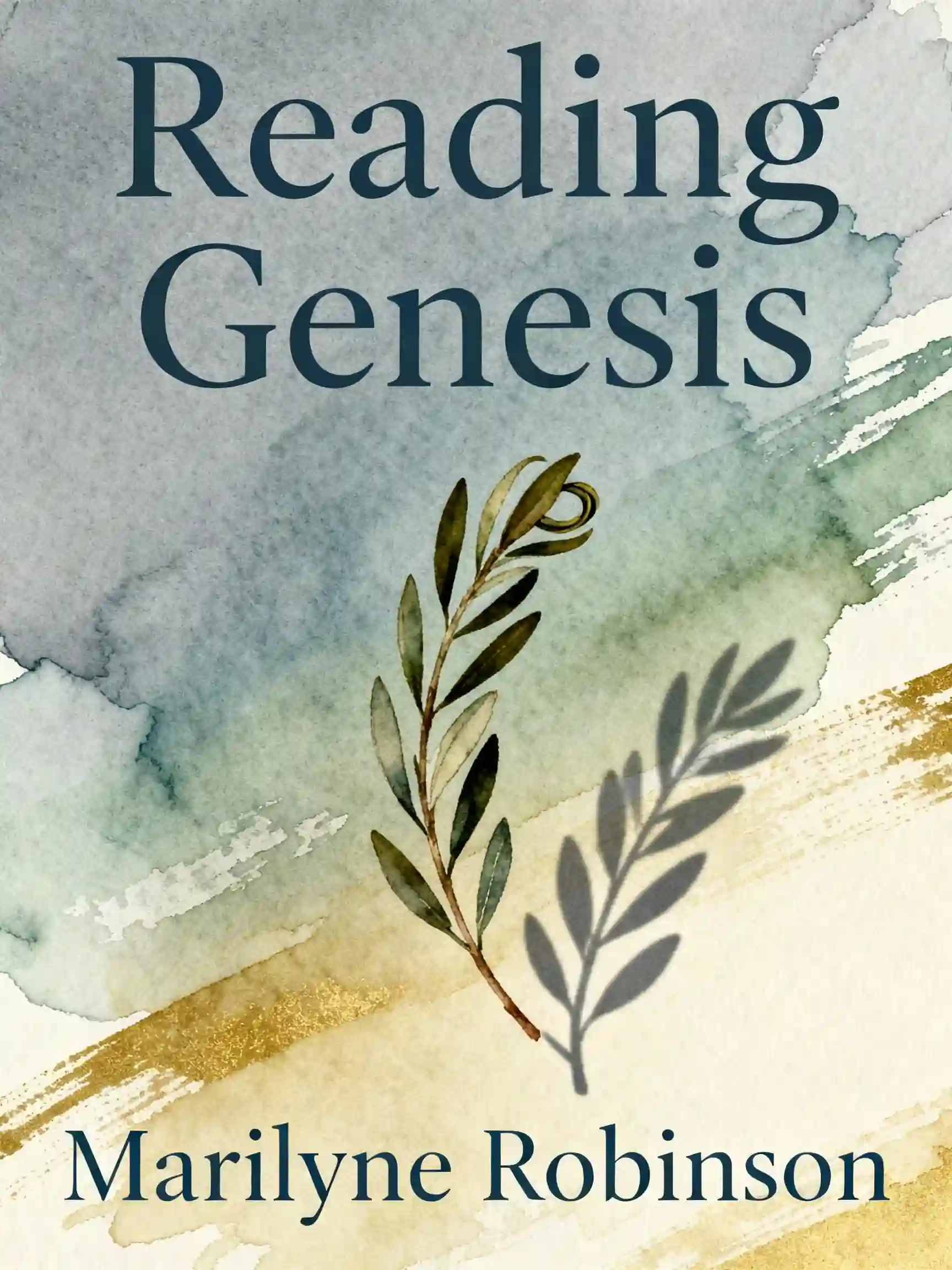
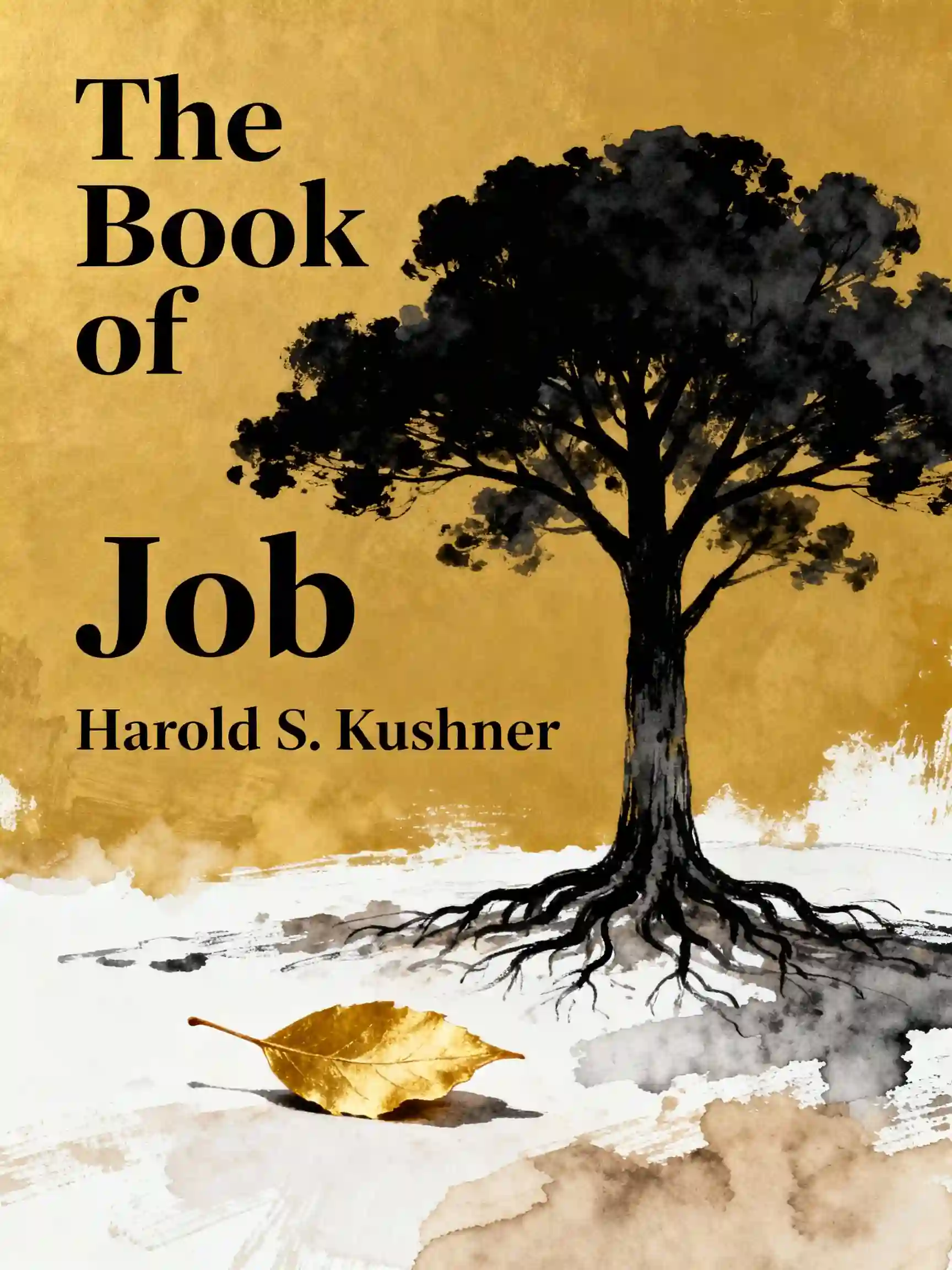
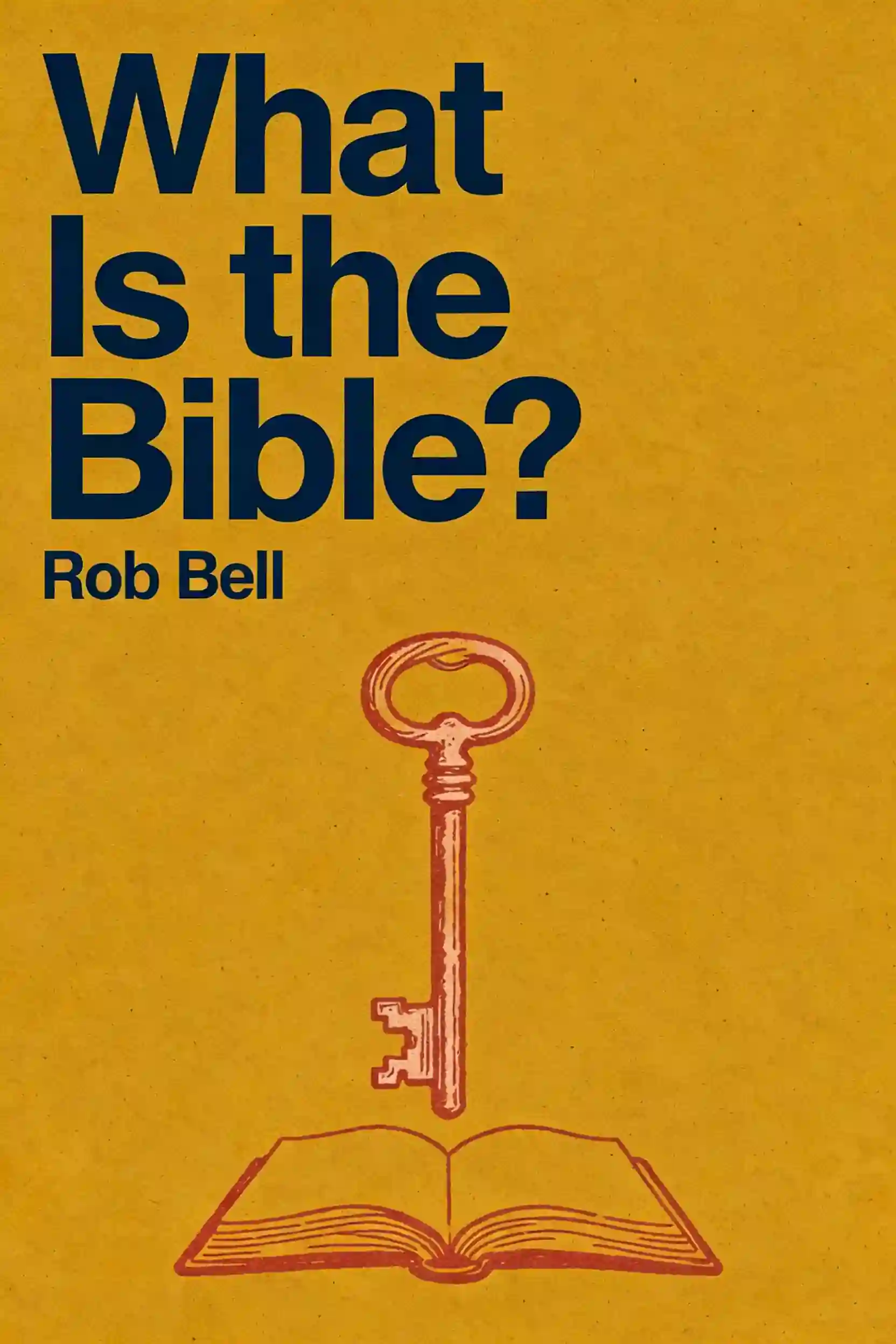
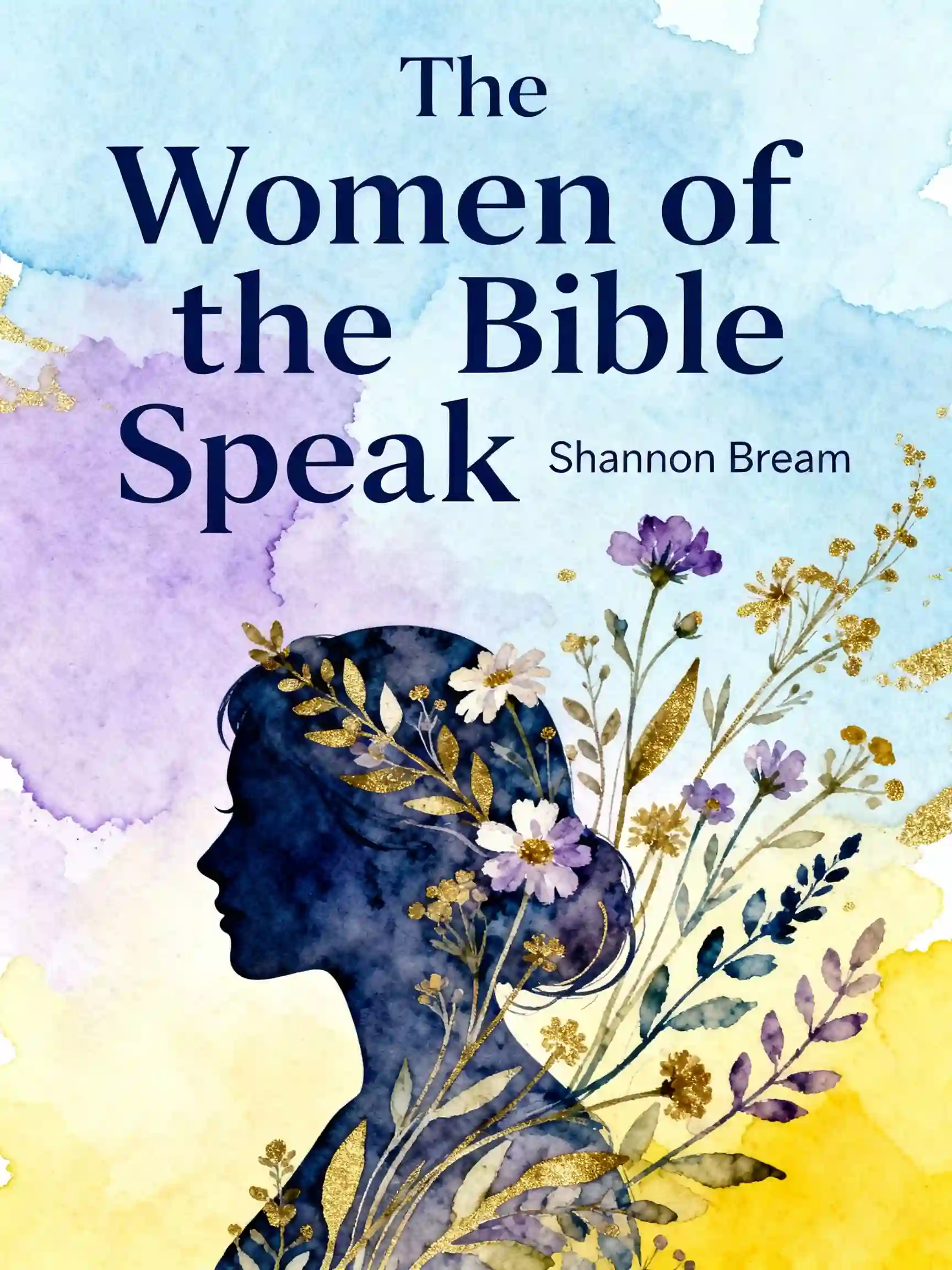
Frequently Asked Questions
In 1 Samuel 25, Abigail uses the metaphor of being 'bound in the bundle of the living' while speaking to David. This poetic expression signifies divine protection and being securely kept under the care of God. Abigail contrasts this secure state with the lives of David's enemies, which she suggests will be flung away. Through biblical exegesis, we see this as a powerful testament to Abigail's faith and her recognition of David's providential role in Israel's history.
Throughout church history, theologians and scholars have viewed this passage as a symbol of the believer's union with God. Many historical commentaries suggest that being 'bound' implies a communal and eternal security shared by the faithful. This concept has been taught as a precursor to the New Testament understanding of being 'in Christ.' By studying these historical perspectives, Christians can gain a deeper appreciation for how the early church understood God's preserving grace and the continuity of the covenant.
For the modern Christian faith, being bound in the bundle of the living represents the assurance of eternal life and the protective presence of the Holy Spirit. It serves as a reminder that a believer's life is hidden with Christ in God, safe from ultimate spiritual harm. This scripture study encourages believers to trust in God's sovereignty, much like David was encouraged by Abigail's words. It emphasizes that our identity and future are securely held within God's providential care and the community of the redeemed.
From Columbia University alumni built in San Francisco
"Instead of endless scrolling, I just hit play on BeFreed. It saves me so much time."


"I never knew where to start with nonfiction—BeFreed’s book lists turned into podcasts gave me a clear path."


"Perfect balance between learning and entertainment. Finished ‘Thinking, Fast and Slow’ on my commute this week."
"Crazy how much I learned while walking the dog. BeFreed = small habits → big gains."
"Reading used to feel like a chore. Now it’s just part of my lifestyle."

"Feels effortless compared to reading. I’ve finished 6 books this month already."
"BeFreed turned my guilty doomscrolling into something that feels productive and inspiring."

"BeFreed turned my commute into learning time. 20-min podcasts are perfect for finishing books I never had time for."
"BeFreed replaced my podcast queue. Imagine Spotify for books — that’s it. 🙌"

"It is great for me to learn something from the book without reading it."
"The themed book list podcasts help me connect ideas across authors—like a guided audio journey."
"Makes me feel smarter every time before going to work"
From Columbia University alumni built in San Francisco
"Instead of endless scrolling, I just hit play on BeFreed. It saves me so much time."
"I never knew where to start with nonfiction—BeFreed’s book lists turned into podcasts gave me a clear path."
"Perfect balance between learning and entertainment. Finished ‘Thinking, Fast and Slow’ on my commute this week."
"Crazy how much I learned while walking the dog. BeFreed = small habits → big gains."
"Reading used to feel like a chore. Now it’s just part of my lifestyle."
"Feels effortless compared to reading. I’ve finished 6 books this month already."
"BeFreed turned my guilty doomscrolling into something that feels productive and inspiring."
"BeFreed turned my commute into learning time. 20-min podcasts are perfect for finishing books I never had time for."
"BeFreed replaced my podcast queue. Imagine Spotify for books — that’s it. 🙌"
"It is great for me to learn something from the book without reading it."
"The themed book list podcasts help me connect ideas across authors—like a guided audio journey."
"Makes me feel smarter every time before going to work"
"Instead of endless scrolling, I just hit play on BeFreed. It saves me so much time."
"I never knew where to start with nonfiction—BeFreed’s book lists turned into podcasts gave me a clear path."
"Perfect balance between learning and entertainment. Finished ‘Thinking, Fast and Slow’ on my commute this week."
"Crazy how much I learned while walking the dog. BeFreed = small habits → big gains."
"Reading used to feel like a chore. Now it’s just part of my lifestyle."
"Feels effortless compared to reading. I’ve finished 6 books this month already."
"BeFreed turned my guilty doomscrolling into something that feels productive and inspiring."
"BeFreed turned my commute into learning time. 20-min podcasts are perfect for finishing books I never had time for."
"BeFreed replaced my podcast queue. Imagine Spotify for books — that’s it. 🙌"
"It is great for me to learn something from the book without reading it."
"The themed book list podcasts help me connect ideas across authors—like a guided audio journey."
"Makes me feel smarter every time before going to work"
"Instead of endless scrolling, I just hit play on BeFreed. It saves me so much time."
"I never knew where to start with nonfiction—BeFreed’s book lists turned into podcasts gave me a clear path."
"Perfect balance between learning and entertainment. Finished ‘Thinking, Fast and Slow’ on my commute this week."
"Crazy how much I learned while walking the dog. BeFreed = small habits → big gains."
"Reading used to feel like a chore. Now it’s just part of my lifestyle."
"Feels effortless compared to reading. I’ve finished 6 books this month already."
"BeFreed turned my guilty doomscrolling into something that feels productive and inspiring."
"BeFreed turned my commute into learning time. 20-min podcasts are perfect for finishing books I never had time for."
"BeFreed replaced my podcast queue. Imagine Spotify for books — that’s it. 🙌"
"It is great for me to learn something from the book without reading it."
"The themed book list podcasts help me connect ideas across authors—like a guided audio journey."
"Makes me feel smarter every time before going to work"