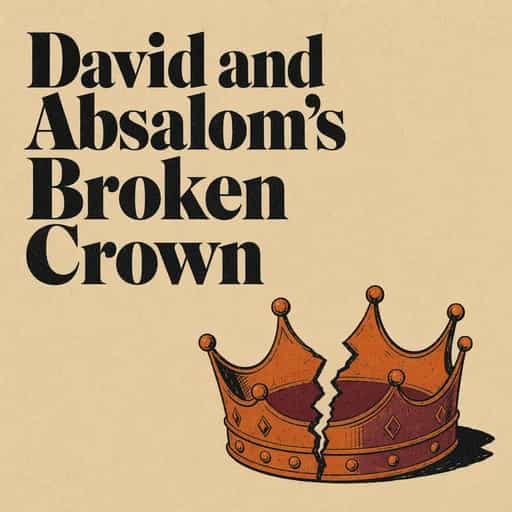
1 Samuel 25 and the Heart of Forgiveness
When David’s anger nearly leads to disaster, Abigail’s intercession reveals a deeper truth. Discover how this story points to Christ as our Mediator.

Best quote from 1 Samuel 25 and the Heart of Forgiveness
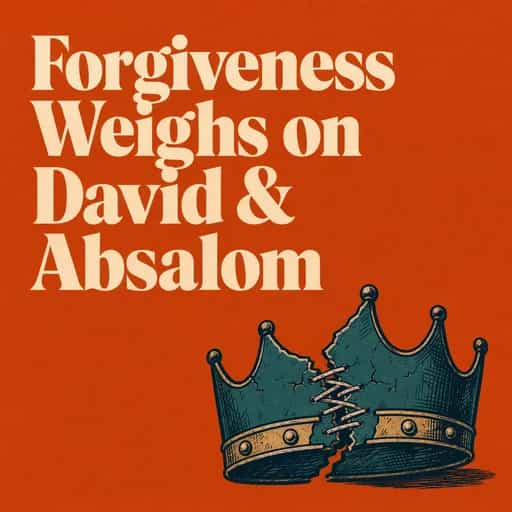
Forgiveness doesn't mean pretending the offense didn't happen, but it means we won't let someone else's wrongness control our future. By taking the iniquity upon herself, Abigail becomes a type of Christ, showing us how the Savior intercedes to release us from the weight of a warring heart.
Generated by Hunsy
Do a deep exegetical study on first Samuel chapter 25 and correlate it with the whole story of scripture and how scripture interpret scripture and how this story shares echoes with other parts of scripture culminating in Jesus Christ himself and what he has done for us share from Putin, voices and respected pastors

Frequently Asked Questions
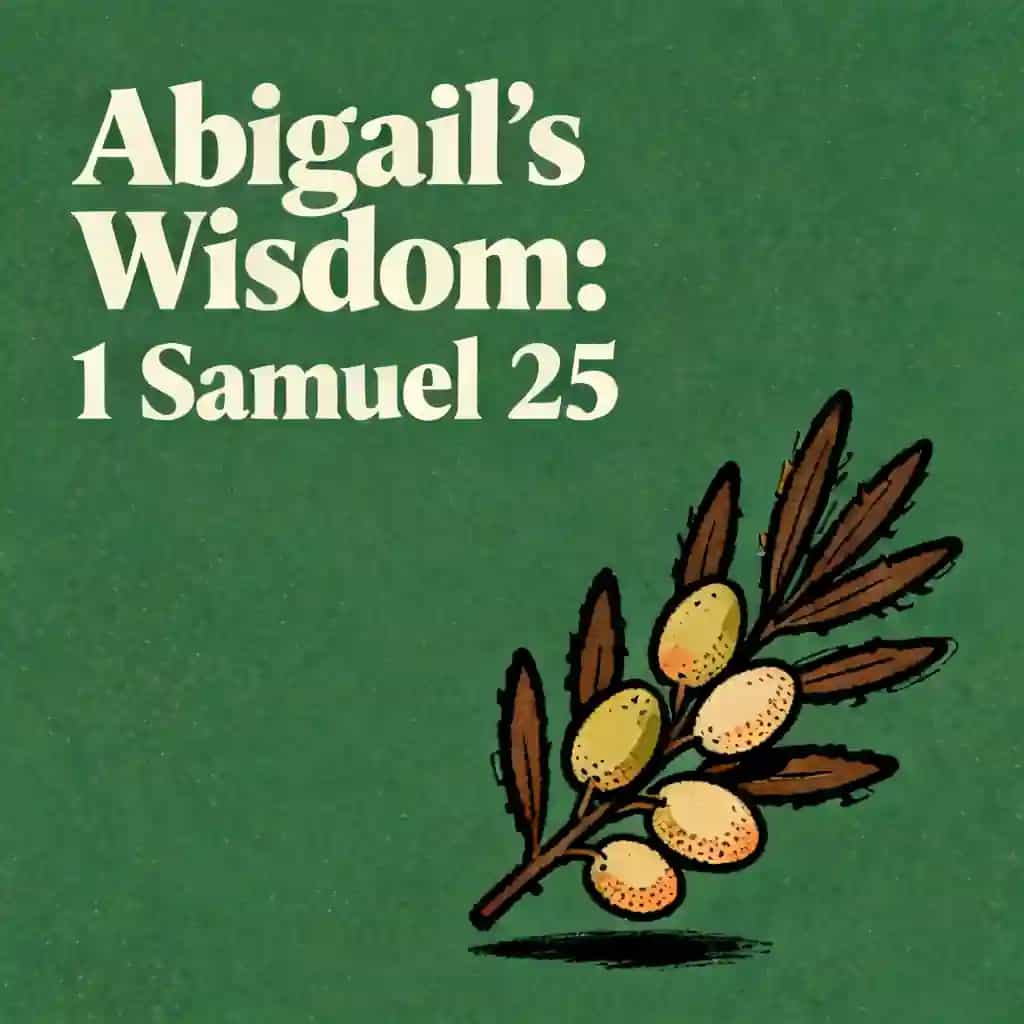
Abigail serves as a "type" or symbolic representation of Christ through her role as a mediator and intercessor. Just as Jesus took upon Himself the sins of humanity to satisfy justice, Abigail voluntarily took the "iniquity" of her husband, Nabal, upon herself to stop David’s sword. She stepped into the gap between an offended party and a guilty party, offering an abundance of life-sustaining provisions—loaves, wine, and grain—to heal a "warring heart" and prevent bloodshed.
In Hebrew, the name Nabal literally means "fool." In a biblical context, a fool is not someone with low intelligence, but someone who lives as if God does not exist or does not matter. Despite coming from the noble "House of Caleb," Nabal is described as "churlish and evil," representing a heart of stone that rejects the Lord’s anointed king. In contrast, Abigail is described as having "good understanding," representing moral discernment and a living spring of wisdom that recognizes God’s hand in current events.
Before meeting Abigail, David was prepared to commit a mass slaughter in a fit of "wounded pride" because Nabal insulted his honor. Abigail acted as a moral compass, reminding David that he should be fighting "the Lord’s battles" rather than seeking personal vendettas. By stopping him from taking "needless bloodshed" onto his conscience, she saved him from becoming just another warlord and preserved his spiritual integrity to eventually become the King of Israel.
The theology of restraint is the principle that true power lies in the ability to withhold vengeance and trust in divine justice. Abigail taught David that he did not need to "save himself by his own hand." By exercising restraint, David created space for God to act, which eventually resulted in the "poetic justice" of Nabal’s death by natural causes rather than murder. This concept suggests that when we restrain our anger, we release the "staggering burden" of a grudge and allow God to handle the timing of justice.
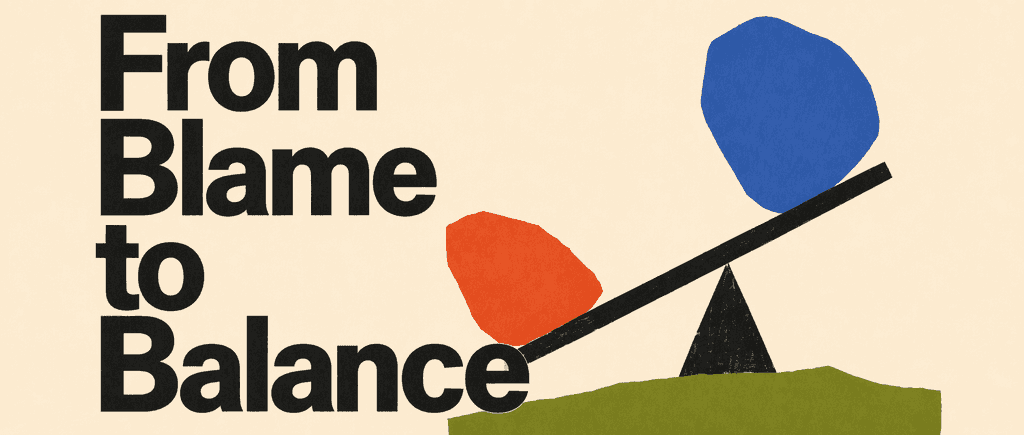
The script outlines a practical approach to conflict resolution based on Abigail’s actions: first, use preemptive intervention by addressing problems with generosity before they escalate. Second, validate the other person's identity and status rather than attacking their ego. Third, appeal to their "higher calling" or potential in Christ. Finally, create "face-saving" opportunities that allow the other party to choose peace without feeling defeated, ultimately trusting God’s timing for the final resolution.
From Columbia University alumni built in San Francisco
BeFreed Brings Together A Global Community Of Curious Minds


"Instead of endless scrolling, I just hit play on BeFreed. It saves me so much time."


"I never knew where to start with nonfiction—BeFreed’s book lists turned into podcasts gave me a clear path."


"Perfect balance between learning and entertainment. Finished ‘Thinking, Fast and Slow’ on my commute this week."
"Crazy how much I learned while walking the dog. BeFreed = small habits → big gains."
"Reading used to feel like a chore. Now it’s just part of my lifestyle."

"Feels effortless compared to reading. I’ve finished 6 books this month already."
"BeFreed turned my guilty doomscrolling into something that feels productive and inspiring."

"BeFreed turned my commute into learning time. 20-min podcasts are perfect for finishing books I never had time for."
"BeFreed replaced my podcast queue. Imagine Spotify for books — that’s it. 🙌"

"It is great for me to learn something from the book without reading it."
"The themed book list podcasts help me connect ideas across authors—like a guided audio journey."
"Makes me feel smarter every time before going to work"
From Columbia University alumni built in San Francisco
BeFreed Brings Together A Global Community Of Curious Minds
"Instead of endless scrolling, I just hit play on BeFreed. It saves me so much time."
"I never knew where to start with nonfiction—BeFreed’s book lists turned into podcasts gave me a clear path."
"Perfect balance between learning and entertainment. Finished ‘Thinking, Fast and Slow’ on my commute this week."
"Crazy how much I learned while walking the dog. BeFreed = small habits → big gains."
"Reading used to feel like a chore. Now it’s just part of my lifestyle."
"Feels effortless compared to reading. I’ve finished 6 books this month already."
"BeFreed turned my guilty doomscrolling into something that feels productive and inspiring."
"BeFreed turned my commute into learning time. 20-min podcasts are perfect for finishing books I never had time for."
"BeFreed replaced my podcast queue. Imagine Spotify for books — that’s it. 🙌"
"It is great for me to learn something from the book without reading it."
"The themed book list podcasts help me connect ideas across authors—like a guided audio journey."
"Makes me feel smarter every time before going to work"
"Instead of endless scrolling, I just hit play on BeFreed. It saves me so much time."
"I never knew where to start with nonfiction—BeFreed’s book lists turned into podcasts gave me a clear path."
"Perfect balance between learning and entertainment. Finished ‘Thinking, Fast and Slow’ on my commute this week."
"Crazy how much I learned while walking the dog. BeFreed = small habits → big gains."
"Reading used to feel like a chore. Now it’s just part of my lifestyle."
"Feels effortless compared to reading. I’ve finished 6 books this month already."
"BeFreed turned my guilty doomscrolling into something that feels productive and inspiring."
"BeFreed turned my commute into learning time. 20-min podcasts are perfect for finishing books I never had time for."
"BeFreed replaced my podcast queue. Imagine Spotify for books — that’s it. 🙌"
"It is great for me to learn something from the book without reading it."
"The themed book list podcasts help me connect ideas across authors—like a guided audio journey."
"Makes me feel smarter every time before going to work"
"Instead of endless scrolling, I just hit play on BeFreed. It saves me so much time."
"I never knew where to start with nonfiction—BeFreed’s book lists turned into podcasts gave me a clear path."
"Perfect balance between learning and entertainment. Finished ‘Thinking, Fast and Slow’ on my commute this week."
"Crazy how much I learned while walking the dog. BeFreed = small habits → big gains."
"Reading used to feel like a chore. Now it’s just part of my lifestyle."
"Feels effortless compared to reading. I’ve finished 6 books this month already."
"BeFreed turned my guilty doomscrolling into something that feels productive and inspiring."
"BeFreed turned my commute into learning time. 20-min podcasts are perfect for finishing books I never had time for."
"BeFreed replaced my podcast queue. Imagine Spotify for books — that’s it. 🙌"
"It is great for me to learn something from the book without reading it."
"The themed book list podcasts help me connect ideas across authors—like a guided audio journey."
"Makes me feel smarter every time before going to work"



![[e9493572-d918-47f9-8a55-9d4421a111ea:c0000] The Living Word Complete Final.pdf p1-1](/_next/image?url=https%3A%2F%2Fd1y2du6z1jfm9e.cloudfront.net%2Fassets%2Fpodcast%2Fyellow.png&w=1024&q=50)
![[e9493572-d918-47f9-8a55-9d4421a111ea:c0001] The Living Word Complete Final.pdf p1-1](/_next/image?url=https%3A%2F%2Fd1y2du6z1jfm9e.cloudfront.net%2Fassets%2Fpodcast%2Fgreen.png&w=1024&q=50)
![[e9493572-d918-47f9-8a55-9d4421a111ea:c0002] The Living Word Complete Final.pdf p1-1](/_next/image?url=https%3A%2F%2Fd1y2du6z1jfm9e.cloudfront.net%2Fassets%2Fpodcast%2Fpurple.png&w=1024&q=50)
![[e9493572-d918-47f9-8a55-9d4421a111ea:c0003] The Living Word Complete Final.pdf p1-1](/_next/image?url=https%3A%2F%2Fd1y2du6z1jfm9e.cloudfront.net%2Fassets%2Fpodcast%2Fblue.png&w=1024&q=50)