BeFreed
    Categories>Philosophy & Spirituality>The Buddhist Path to Love Without Clinging

    The Buddhist Path to Love Without Clinging

    55분
    |
    |
    2026년 1월 14일
    Philosophy & SpiritualityWell-Being

    Explore the misunderstood Buddhist concept of attachment, revealing how non-attachment isn't about loving less, but loving more wisely—without the desperate grasping that causes suffering.

    The Buddhist Path to Love Without Clinging
    전달 방식을 선택하세요

    하나의 에피소드, 다양한 청취 방식.

    The Buddhist Path to Love Without Clinging의 같은 아이디어를 나에게 맞는 목소리, 깊이, 속도로 만나보세요. 언제든 바꿀 수 있습니다.

    전체 대본 및 챕터

    챕터 1

    Attachment vs. Love: The Buddhist Truth

    Lena: Hey Miles, I've been thinking about something that's been bothering me lately. You know how we're always told to "let go" of things in life? Like, there's this whole Buddhist concept of non-attachment that seems to suggest we shouldn't care about anything or anyone too deeply. But that feels... I don't know, cold somehow?

    Miles: I totally get that confusion. It's actually one of the most misunderstood concepts in Buddhism. When I first encountered these teachings, I had the exact same reaction: "Wait, am I supposed to not love my family and friends?"

    Lena: Right! That's exactly my concern. How can we be good friends or partners if we're not attached to the people we care about?

    Miles: That's fascinating because attachment in Buddhism doesn't actually mean what most of us think it means. It's not about loving less—it's about loving more wisely. The Sanskrit term is "upādāna," which is more accurately translated as "clinging" or "grasping." It's that desperate, needy quality of wanting things to stay exactly as they are in a constantly changing world.

    Lena: Oh, so there's a difference between loving someone and being attached to them?

    Miles: Exactly! As one Buddhist writer put it, attachment is all about "I need you to make ME happy," whereas love is about "I want to make YOU happy." Let's explore how this fundamental distinction changes everything about our relationships and why it might actually be the key to deeper connections, not fewer.

    챕터 2

    The Mechanics of Suffering: When Love Becomes a Prison

    Miles: So let's dig into this a bit deeper. You know what's fascinating about attachment? It's not just about relationships—it's about this whole pattern of how our minds work that keeps us trapped in cycles of suffering.

    Lena: What do you mean by trapped? That sounds pretty dramatic.

    Miles: Well, think about it this way. Have you ever noticed how when you really, really want something to happen—like you're waiting for a text back from someone you're dating, or you're hoping for a promotion at work—that wanting itself becomes almost painful?

    Lena: Oh my god, yes! It's like this constant background anxiety. You can't focus on anything else.

    Miles: That's exactly what Buddhism calls "tanha"—this thirst or craving that never gets satisfied. And here's the kicker: even when we get what we want, the relief is temporary. We just find something new to crave.

    Lena: So it's like we're on this hamster wheel of wanting?

    Miles: Absolutely. And this is where the Four Noble Truths come in. The Buddha basically said, "Look, suffering exists, and here's why." The second truth is that suffering comes from this attachment, this clinging to how we think things should be.

    Lena: But wait—I'm still struggling with this. Are you saying we should just not care about anything? That seems like it would make life pretty meaningless.

    Miles: No, no, that's the beautiful paradox here. It's not about not caring—it's about caring without the desperate edge of needing things to be different than they are. Think of it like holding a butterfly. If you squeeze too tight, you'll kill it. But if you hold it gently, it can rest in your palm and maybe even fly back to you.

    Lena: That's a lovely metaphor. So attachment is the squeezing?

    Miles: Exactly! And this shows up in so many ways. Like, have you ever been in a relationship where the other person was constantly worried about losing you? Always checking your phone, always needing reassurance?

    Lena: Oh yeah, and it's suffocating. It actually pushes you away.

    Miles: Right! That's attachment in action. It's rooted in fear—fear of loss, fear of change, fear of not being enough. Whereas real love... real love has this quality of spaciousness. It says, "I love you enough to let you be who you are, even if that means you might choose differently than I'd prefer."

    Lena: Wow, that's actually really profound. So when we're attached, we're not really seeing the other person clearly?

    Miles: That's exactly right. We're seeing our projection of what we need them to be. We're relating to our idea of them, not the actual person. And this creates suffering for both people because nobody can live up to our mental image of who they should be.

    Lena: This is making me think about my own relationships differently. Like, how many times have I been frustrated with someone because they weren't acting the way I expected them to?

    Miles: And notice that word—expected. Expectation is attachment in disguise. When we expect things to be a certain way, we're setting ourselves up for disappointment because reality rarely matches our mental movies.

    Lena: So how do we love without expectations? That seems almost impossible.

    Miles: Well, it's not about having zero preferences or desires. It's more about holding them lightly. Like, I can hope my friend calls me back, but if they don't, I don't make it mean something terrible about me or them. I don't create a whole story about how they don't care about me.

    Lena: Oh, the stories we tell ourselves! That's huge. So much of our suffering comes from the narratives we create about what things mean.

    Miles: Absolutely. And here's where it gets really interesting—this pattern of attachment doesn't just apply to people. We get attached to our self-image, our beliefs, our plans, even our emotions.

    Lena: What do you mean by attached to our emotions?

    Miles: Well, have you ever noticed how sometimes when you're sad, part of you doesn't want to stop being sad? Or when you're angry, there's this almost addictive quality to staying in that righteous fury?

    Lena: Yes! It's like we get comfortable in our familiar patterns, even when they're not pleasant.

    Miles: Exactly. We get attached to being the victim, or being right, or being the person who always has it together. These become identities we cling to, and anything that threatens those identities feels like a personal attack.

    Lena: So we're not just attached to external things—we're attached to our whole sense of self?

    Miles: Now you're getting to the heart of it. Buddhism suggests that this sense of a fixed, separate self is actually the root of all attachment. When we really look closely, we can't find this solid "me" that we're so busy protecting and satisfying.

    Lena: That's a pretty mind-bending idea. If there's no solid self, then what exactly is doing the attaching?

    Miles: That's the million-dollar question, isn't it? And it's why these teachings are so transformative when you really start to investigate them experientially, not just intellectually.

    이 에피소드로 더 깊이 배우기

    이 에피소드의 아이디어를 BeFreed의 가이드 학습 경험으로 더 깊이 탐구해 보세요.

    챕터 3

    The Illusion of Control: Why We Grasp at Smoke

    Lena: Okay, so I'm starting to see how attachment creates suffering, but I'm curious about something. Why do we do this to ourselves? Like, what's the payoff for all this clinging and grasping?

    Miles: That's such a great question because on the surface, attachment seems totally irrational, right? But there's actually a very compelling illusion at the heart of it—the illusion of control.

    Lena: Control? How so?

    Miles: Well, think about it. When we're attached to something, we feel like we're doing something about our situation. If I'm worried about losing my job, and I spend hours catastrophizing and trying to plan for every possible scenario, there's a part of me that feels like all that mental activity is somehow protecting me.

    Lena: Oh, like worry is a form of preparation or something?

    Miles: Exactly! Or if I'm attached to someone loving me back, and I'm constantly analyzing their texts and trying to be the perfect version of myself, it feels like I'm actively working toward getting what I want. But really, I'm just exhausting myself with mental gymnastics.

    Lena: It's like we think that if we just think about something enough, or want it hard enough, we can make it happen.

    Miles: Right, and there's this deeper fear underneath—that if we let go, if we stop trying to control outcomes, then bad things will definitely happen. Like our vigilance is the only thing standing between us and disaster.

    Lena: I feel called out right now. I definitely do this. But you're saying this sense of control is an illusion?

    Miles: Well, let me ask you this—how much control do you actually have over whether someone else loves you back? Or whether you get that promotion? Or whether your body stays healthy?

    Lena: When you put it like that... not much. Maybe none, really.

    Miles: Exactly. We have some influence over these things through our actions, but the outcomes? That's largely out of our hands. Yet we exhaust ourselves trying to control the uncontrollable, and we miss out on actually engaging with what is happening right now.

    Lena: So what's the alternative? Just being passive about everything?

    Miles: Not at all. There's a beautiful teaching about this—it's about focusing your energy on what you can actually influence while letting go of attachment to results. You can write the best job application possible, but you can't control whether they hire you. You can be kind and loving to someone, but you can't control how they respond.

    Lena: That actually sounds really freeing. Like, you do your best and then... let go?

    Miles: Exactly. And here's what's wild—when you stop being so attached to specific outcomes, you often become more effective, not less. Because you're not paralyzed by fear of failure or distracted by fantasy outcomes.

    Lena: Why is that?

    Miles: Because attachment creates this tunnel vision. When I'm desperately attached to getting a specific result, I miss opportunities that might be even better. I'm not present to what's actually happening because I'm so focused on my mental image of how things should be.

    Lena: Like missing the forest for the trees?

    Miles: Perfect analogy. And there's another layer to this—attachment to control often comes from this belief that we know what's best for us. But how often have you looked back on something that didn't go according to plan and realized it was actually better that way?

    Lena: Oh man, all the time. Like jobs I didn't get that led me to better opportunities, or relationships that ended and made space for healthier ones.

    Miles: Right! So our attachment isn't just to things staying the same—it's to our limited perspective on what would make us happy. We're like someone standing in a valley insisting that the mountain we can see is the highest point, when really there are peaks beyond peaks that we can't even imagine from where we're standing.

    Lena: That's beautiful. So letting go of attachment is partly about trusting that life might know what it's doing better than our anxious minds do?

    Miles: I love how you put that. And it's not blind faith—it's more like... empirical observation. When you really pay attention, you notice that your happiest moments usually aren't the ones you planned and orchestrated. They're the ones where you were fully present to what was actually happening.

    Lena: Like when you're laughing so hard with friends that you forget to worry about anything, or when you're so absorbed in something creative that time disappears.

    Miles: Exactly! Those are moments of natural non-attachment. You're not grasping at the experience or trying to make it permanent. You're just... there.

    Lena: So we actually already know how to do this. We just don't trust it as a way of living.

    Miles: That's beautifully put. We have these glimpses of what it feels like to be free from attachment, but then our minds convince us that it's too risky to live that way consistently.

    Lena: What kind of risks are we afraid of?

    Miles: Well, there's this fear that if we don't worry, we'll become careless. If we don't grasp at relationships, we'll end up alone. If we don't cling to our achievements, we'll become lazy. But when you actually experiment with letting go, you discover the opposite is often true.

    Lena: How so?

    Miles: When you're not consumed by attachment and anxiety, you have so much more energy available for actually engaging with life. You become more creative, more spontaneous, more genuinely loving. It's like the difference between swimming against the current and learning to flow with it.

    Lena: That makes sense. All that mental energy we spend on worrying and controlling could be redirected toward actually living.

    Miles: Exactly. And here's something else—when you're not desperately attached to outcomes, you become much more attractive to other people. There's something magnetic about someone who's fully present and not needy.

    Lena: Because they're relating to you, not to what they need from you.

    Miles: Precisely. They can feel that you're not trying to use them to complete yourself or fix your emotional state. There's a spaciousness there that allows real intimacy to emerge.

    챕터 4

    The Prison of Identity: Who Are You Without Your Story?

    Miles: You know what's really fascinating about attachment? We don't just get attached to external things—we get completely identified with our internal stories about who we are.

    Lena: What do you mean by that?

    Miles: Well, think about how you'd introduce yourself to someone new. You'd probably mention your job, maybe your relationship status, where you're from, what you're into. But all of those are just temporary roles and preferences, right?

    Lena: I guess so, but they feel pretty fundamental to who I am.

    Miles: That's exactly the trap. We mistake these temporary circumstances for our essential identity. Like, I might think "I am a writer," but really, writing is just something I do. If I couldn't write anymore, would "I" cease to exist?

    Lena: That's kind of terrifying to think about. If I'm not my job, my relationships, my interests... then what am I?

    Miles: Right? And that terror is precisely what keeps us clinging to these identity stories. But here's what's wild—when you really investigate this question experientially, not just intellectually, something amazing happens.

    Lena: What happens?

    Miles: You discover that you're much more than any of those limited definitions. It's like you've been living in a tiny apartment and suddenly realize you actually have access to this vast mansion.

    Lena: But that sounds so abstract. How does that work in practical terms?

    Miles: Okay, let's get concrete. Have you ever had one of those moments where you completely forgot about yourself? Like you were so absorbed in something that the usual mental chatter just disappeared?

    Lena: Yeah, definitely. Sometimes when I'm hiking or really deep in conversation with someone.

    Miles: In those moments, were you less yourself or more yourself?

    Lena: More, definitely. I felt more alive, more present, more... real somehow.

    Miles: Exactly! So the self that you really are isn't this collection of thoughts and stories—it's this aware presence that's always there underneath all the mental noise.

    Lena: But if that's true, why do we get so attached to our stories about ourselves?

    Miles: Because they give us a sense of continuity and control. Like, if I know I'm "the responsible one" or "the creative type," then I have a framework for making decisions and predicting how I'll react to things.

    Lena: It's like having a character to play in the movie of life.

    Miles: Perfect analogy! And the problem isn't having preferences or roles—it's when we completely identify with them. When we think the character is all we are.

    Lena: So what happens when life challenges those identities? Like if the responsible person makes a big mistake, or the creative person goes through a dry spell?

    Miles: That's when we really suffer, because it feels like our entire sense of self is under attack. We'll do almost anything to protect these identity stories, even when they're limiting us.

    Lena: How do they limit us?

    Miles: Well, if I'm attached to being "the smart one," I might avoid situations where I could learn something new but risk looking stupid. If I'm identified with being "independent," I might refuse help when I actually need it.

    Lena: Oh wow, so our identity attachments can actually prevent us from growing.

    Miles: Exactly. They become these invisible prisons. And the crazy thing is, we're usually completely unconscious of how they're running our lives.

    Lena: Can you give me an example of how this shows up?

    Miles: Sure. Let's say someone's really attached to being seen as successful. They might stay in a job they hate because quitting would threaten that identity, even if leaving would actually make them happier and more fulfilled.

    Lena: Or someone who's attached to being "the good girl" might never speak up for herself because that would conflict with her self-image.

    Miles: Exactly! And relationships are where this gets really interesting. We often choose partners who support our preferred identity stories, and we get upset when they see us differently than we see ourselves.

    Lena: Like if I think of myself as easygoing, but my partner points out that I'm actually pretty controlling about certain things?

    Miles: Right, and instead of getting curious about that feedback, we might get defensive because it threatens our self-concept. We'd rather protect the story than learn something new about ourselves.

    Lena: This is making me think about how much energy we spend maintaining these identity stories. It's exhausting.

    Miles: It really is. And here's something else—these stories are usually based on past experiences, so we're constantly trying to make the present moment conform to old patterns.

    Lena: What do you mean?

    Miles: Well, if I learned early in life that being helpful gets me love and attention, I might develop a "helper" identity. But then I'm always looking for ways to be helpful, even in situations where it's not appropriate or where I'm actually enabling someone.

    Lena: So we're not responding to what's actually happening now—we're responding to what happened before.

    Miles: Exactly. We're living from memory instead of presence. And the present moment might be calling for something completely different than what our identity story dictates.

    Lena: This is kind of blowing my mind. So much of what I think of as "me" might just be... old programming?

    Miles: Not just old programming, but often programming that we absorbed from other people's expectations and judgments. Like, how many of our identity stories are actually things we chose, versus things we learned we "should" be?

    Lena: Oh man, that's a heavy question. I'm realizing how much of my self-concept might have been shaped by what I thought other people wanted from me.

    Miles: And that's not wrong or bad—it's just how humans develop. But at some point, we can start questioning whether these stories are still serving us, or whether they've become limitations we're carrying around unnecessarily.

    Lena: So what's the alternative? How do we relate to ourselves without these identity stories?

    Miles: It's not about having no sense of self—it's about holding your self-concept much more lightly. Like, "I tend to be introverted" instead of "I am an introvert." "I'm currently working as a teacher" instead of "I am a teacher."

    Lena: So there's more fluidity, more space for change and growth.

    Miles: Exactly. And when you're not so invested in maintaining a particular self-image, you become much more curious about what wants to emerge in each moment. You're not constantly editing yourself to fit a predetermined character.

    Lena: That sounds incredibly freeing, but also kind of scary. Like, who would I be without my familiar sense of self?

    Miles: That's the beautiful mystery, isn't it? You get to find out moment by moment. And what people discover is that they're actually much more interesting and dynamic than any fixed story could capture.

    이 에피소드로 더 깊이 배우기

    이 에피소드의 아이디어를 BeFreed의 가이드 학습 경험으로 더 깊이 탐구해 보세요.

    챕터 5

    The Paradox of Letting Go: Why Non-Attachment Leads to Deeper Love

    Lena: Okay, I'm starting to understand the concept intellectually, but I keep coming back to this fear that non-attachment means becoming cold or disconnected. How do we reconcile loving deeply with letting go?

    Miles: That's such an important question, and I think it gets to the heart of why this teaching is so transformative when you really understand it. The paradox is that letting go of attachment actually allows you to love more fully, not less.

    Lena: How is that possible?

    Miles: Well, think about the difference between possessive love and unconditional love. When you're attached, there's always this undercurrent of fear—fear of losing the person, fear they'll change, fear they don't love you back enough.

    Lena: Right, and that fear creates all this tension and anxiety.

    Miles: Exactly. So you end up relating to your fear about the relationship more than you're relating to the actual person. You're not fully present because part of you is always scanning for threats to your attachment.

    Lena: Oh, that makes sense. Like when you're so worried about whether someone likes you that you can't actually enjoy spending time with them.

    Miles: Perfect example! You're interacting with your anxiety instead of connecting with them. But when you let go of that attachment to being liked, suddenly you can actually be yourself and be curious about who they are.

    Lena: So non-attachment creates space for authentic connection.

    Miles: Absolutely. And here's another layer—when you're attached to someone, you need them to be a certain way to make you feel secure. But when you love without attachment, you can appreciate them exactly as they are.

    Lena: That sounds like it would be much more relaxing for both people.

    Miles: It really is. There's this quality of spaciousness where the other person feels free to be themselves without constantly managing your emotional reactions.

    Lena: But doesn't that mean you care less about what happens to them?

    Miles: Actually, the opposite. When you're not consumed with your own attachment and neediness, you have so much more capacity to actually care about their wellbeing. You can see what they need instead of just projecting what you need from them.

    Lena: Can you give me a concrete example of what this looks like?

    Miles: Sure. Let's say your friend is going through a breakup. If you're attached to them being happy, you might immediately jump into fix-it mode—giving advice, trying to cheer them up, maybe even badmouthing their ex.

    Lena: Right, because their sadness makes you uncomfortable.

    Miles: Exactly. But if you can hold that situation without attachment, you might just... listen. Really listen. Maybe they don't need you to fix anything—maybe they just need to be heard and supported while they process their own experience.

    Lena: So you're responding to what they actually need instead of what your discomfort needs.

    Miles: Yes! And that's so much more loving, even though it might look less dramatic than all the fixing and advice-giving.

    Lena: This is reminding me of something. I've noticed that the people I feel most loved by aren't necessarily the ones who agree with everything I do or try to solve my problems. They're the ones who can just... be with me, whatever's happening.

    Miles: That's beautiful, and it's exactly what non-attachment allows. You can be fully present with someone's joy, their pain, their confusion, their growth—without needing it to be different.

    Lena: But what about romantic relationships? Isn't some level of attachment natural and healthy there?

    Miles: This is where the distinction between attachment and commitment becomes really important. You can be deeply committed to someone's wellbeing and to working through challenges together without being attached to them never changing or never leaving.

    Lena: What's the difference?

    Miles: Commitment is a choice you make from love and wisdom. Attachment is a compulsion driven by fear and need. Commitment says, "I choose to prioritize this relationship and work through difficulties." Attachment says, "I need you to stay exactly as you are so I can feel secure."

    Lena: So you can be fully invested in a relationship without being possessive.

    Miles: Exactly. And actually, relationships tend to be much more stable when they're based on choice rather than attachment, because both people feel free to be authentic instead of performing to maintain the other person's attachment.

    Lena: That makes sense. When someone's clinging to you, it creates this pressure to be what they need you to be, which isn't sustainable.

    Miles: Right, and it breeds resentment on both sides. The attached person feels like they're constantly at risk of losing what they need, and the other person feels trapped by the expectations.

    Lena: So how do you cultivate this kind of non-attached love? It sounds like it would take a lot of practice.

    Miles: It does, but it's not as mysterious as it might seem. A lot of it comes down to working with your own inner state instead of trying to control external circumstances.

    Lena: What do you mean by working with your inner state?

    Miles: Well, when you notice yourself getting attached—feeling that desperate, grasping quality—you can pause and ask yourself what you're really afraid of. Usually underneath the attachment is some fear about your own worthiness or security.

    Lena: Like if I'm attached to someone texting me back, I might be afraid that if they don't, it means I'm not important to them?

    Miles: Exactly. And once you identify that underlying fear, you can address it directly instead of trying to control the other person's behavior to manage your anxiety.

    Lena: How do you address it directly?

    Miles: You might remind yourself of your own inherent worth, or recognize that someone not texting back probably has nothing to do with how they feel about you. You learn to give yourself the reassurance you were seeking from their response.

    Lena: So it's about becoming more internally secure instead of seeking security through attachment.

    Miles: Yes! And the beautiful thing is, when you're not desperately seeking validation from others, you become much more attractive and trustworthy. People can feel that you're relating to them from wholeness instead of neediness.

    Lena: This is starting to make sense. Non-attachment isn't about caring less—it's about caring from a different place.

    Miles: Perfectly put. You're caring from abundance instead of scarcity, from love instead of fear, from presence instead of projection.

    Lena: And that actually allows for deeper, more authentic connections.

    Miles: Absolutely. When you're not trying to get something from the relationship, you can actually show up for it fully.

    챕터 6

    The Freedom in Impermanence: Dancing with Change Instead of Fighting It

    Miles: You know what's interesting about attachment? At its core, it's really a rebellion against one of the most fundamental truths of existence—that everything changes.

    Lena: How do you mean?

    Miles: Well, think about what we're actually doing when we're attached to something. We're essentially saying, "I like this situation exactly as it is right now, and I want it to stay this way forever."

    Lena: Right, like when you have a perfect moment and you just want to freeze it in time.

    Miles: Exactly! But that's like trying to hold onto a wave in the ocean. The very nature of a wave is that it rises and falls—that's what makes it a wave. If you could somehow freeze it, it wouldn't be a wave anymore.

    Lena: So our attachment is fighting against the basic nature of reality?

    Miles: That's exactly right. And this is where Buddhism gets really practical. The teaching of impermanence isn't meant to be depressing—it's meant to be liberating.

    Lena: How is it liberating to know that everything I love will eventually change or disappear?

    Miles: Because when you really understand impermanence, you stop wasting energy trying to make permanent what is naturally temporary, and you can actually enjoy what's here while it's here.

    Lena: That's a completely different way of thinking about it.

    Miles: Right? It's like the difference between trying to hold water in your hands versus cupping your hands and letting the water flow through them. One creates frustration, the other creates a beautiful experience.

    Lena: But it still seems scary. Like, if I know my relationships will change, how do I not live in constant anxiety about losing people?

    Miles: That's such an understandable fear, but here's what's fascinating—when you really accept impermanence, the anxiety actually decreases rather than increases.

    Lena: How is that possible?

    Miles: Because most of our anxiety about loss comes from fighting the reality of impermanence, not from accepting it. When you're constantly trying to prevent change, you're in a state of chronic tension and vigilance.

    Lena: Like being on guard duty 24/7.

    Miles: Exactly! But when you accept that change is natural and inevitable, you can relax into the flow of life instead of exhausting yourself trying to swim upstream.

    Lena: So it's actually more peaceful to accept that things will change?

    Miles: Much more peaceful. And here's another paradox—when you stop clinging so tightly to things staying the same, you often find that your relationships and experiences actually become richer and more meaningful.

    Lena: Why is that?

    Miles: Because you're fully present to what's happening now instead of being distracted by anxiety about the future or nostalgia for the past. You're not taking this moment for granted because you know it's unique and won't come again.

    Lena: That's like how food tastes better when you eat slowly and pay attention.

    Miles: Perfect analogy! When you know you only have one bite of something delicious, you savor it completely. But if you think you can have unlimited bites whenever you want, you might eat mindlessly and not really taste anything.

    Lena: So impermanence actually makes things more precious, not less.

    Miles: Absolutely. And this applies to difficult experiences too. When you're going through something challenging, remembering that "this too shall pass" can be incredibly comforting.

    Lena: Right, because even the worst pain isn't permanent.

    Miles: Exactly. And when you really understand this, you stop adding extra suffering to difficult situations by telling yourself stories about how they'll never end or how you can't handle them.

    Lena: What kind of stories do we tell ourselves?

    Miles: Things like "I'll never get over this," or "I can't survive without this person," or "My life is ruined." These stories create a sense of permanence around temporary situations.

    Lena: And that makes the pain worse than it needs to be.

    Miles: Much worse. The original pain is inevitable—that's just part of being human. But the story we tell ourselves about the pain is optional, and that's often where most of the suffering comes from.

    Lena: So we're adding a layer of mental suffering on top of the natural pain of loss or disappointment.

    Miles: Exactly. And when you understand impermanence, you can experience the natural pain without adding all that extra drama and storytelling.

    Lena: But doesn't accepting impermanence make you kind of fatalistic? Like, why bother trying to build anything meaningful if it's all going to change anyway?

    Miles: That's a really important question, and it gets to a common misunderstanding about these teachings. Accepting impermanence doesn't mean becoming passive—it means engaging more fully because you're not wasting energy on futile resistance.

    Lena: What do you mean by engaging more fully?

    Miles: Well, if I know this conversation with you is temporary and unique, I'm going to be more present to it than if I assume we'll have infinite identical conversations in the future. The preciousness of the moment motivates deeper engagement, not less.

    Lena: So it's like knowing that a vacation is temporary makes you appreciate it more, not less.

    Miles: Exactly! And in relationships, when you understand that this person will change and grow and that your time together is limited, you're motivated to really see them, to love them as they are now, to not waste time on petty conflicts.

    Lena: That's actually really beautiful. It makes every interaction more meaningful.

    Miles: It does. And there's something else—when you accept that everything changes, you also become much more resilient when things don't go according to plan.

    Lena: How so?

    Miles: Because you're not attached to specific outcomes. You can adapt and flow with whatever arises instead of getting stuck in disappointment about how things "should" be.

    Lena: Like being a reed that bends with the wind instead of a rigid tree that breaks in the storm.

    Miles: Beautiful metaphor! And this flexibility makes you much more effective in life, not less. You can respond to what's actually happening instead of being paralyzed by your attachment to what you thought should happen.

    Lena: So accepting impermanence is actually a practical skill, not just a philosophical concept.

    Miles: Absolutely. It's like learning to surf instead of trying to stop the waves. Once you understand how to work with the natural movement of life instead of against it, everything becomes easier and more enjoyable.

    Lena: And you can appreciate the beauty of the waves instead of being terrified of them.

    Miles: Exactly. Impermanence isn't the enemy of love and meaning—it's what makes them possible. Without change, there would be no growth, no surprise, no opportunity for deeper understanding.

    이 에피소드로 더 깊이 배우기

    이 에피소드의 아이디어를 BeFreed의 가이드 학습 경험으로 더 깊이 탐구해 보세요.

    챕터 7

    Practical Wisdom: Tools for Living Without Clinging

    Lena: Okay, so I'm getting the theory behind non-attachment, but I'm really curious about the practical side. Like, how do you actually live this way day to day? What does it look like in real life?

    Miles: That's the most important question, isn't it? Because all this understanding is pretty useless if it just stays in your head. The beautiful thing is that non-attachment isn't some mystical state—it's a skill you can develop through specific practices.

    Lena: What kind of practices?

    Miles: Well, let's start with the most accessible one—mindfulness. When you notice yourself getting caught in attachment, the first step is simply becoming aware of it without judgment.

    Lena: What would that look like practically?

    Miles: Let's say you're waiting for someone to text you back and you notice your mind spinning stories about what their silence means. Instead of getting lost in those stories, you might just notice, "Oh, I'm feeling anxious about this response. I'm attached to getting a quick reply."

    Lena: So just naming what's happening?

    Miles: Exactly. There's something powerful about bringing unconscious patterns into conscious awareness. It's like turning on a light in a dark room—suddenly you can see what you're dealing with.

    Lena: And then what? Once you notice the attachment, how do you actually let it go?

    Miles: That's where it gets interesting. Sometimes just the awareness itself is enough to create some space around the attachment. But often you need to actively work with the underlying beliefs and fears.

    Lena: How do you do that?

    Miles: You can ask yourself questions like, "What am I afraid will happen if I don't get what I want here?" or "What story am I telling myself about what this means?" Usually you'll discover that your attachment is based on some assumption that probably isn't even true.

    Lena: Can you give me an example?

    Miles: Sure. Going back to the texting example—if you dig deeper, you might realize you're telling yourself, "If they don't text back quickly, it means they don't care about me." But is that actually true? Maybe they're in a meeting, or dealing with something stressful, or they're the type of person who thinks carefully before responding.

    Lena: Right, so the attachment is based on a story that might be completely wrong.

    Miles: Exactly. And once you see that, the attachment naturally starts to loosen. You're not fighting it or trying to force yourself to not care—you're just seeing through the illusion that was creating it.

    Lena: That sounds much more gentle than what I imagined letting go would be like.

    Miles: It really is. True letting go isn't a violent rejection—it's more like opening your hand and allowing something to fall away naturally.

    Lena: What are some other practical tools?

    Miles: One that I find really helpful is what you might call "attachment inventory." At the end of the day, you can reflect on moments when you felt that grasping, clingy quality and just notice what triggered it.

    Lena: Like keeping a journal of your attachments?

    Miles: Exactly. You might notice patterns—like you always get attached when you feel uncertain, or when you're tired, or when you're comparing yourself to others. Just seeing the patterns can be incredibly helpful.

    Lena: Because then you can catch yourself earlier in the process?

    Miles: Right. And you can also start to address the underlying needs that are driving the attachment. Like if you notice you get clingy when you're feeling insecure, you can find healthier ways to build your sense of security.

    Lena: What would that look like?

    Miles: Maybe developing a meditation practice, or working on your relationship with yourself, or building a stronger support network so you're not depending on one person to meet all your emotional needs.

    Lena: So it's about becoming more internally resourced.

    Miles: Exactly. The more secure and complete you feel within yourself, the less you need to grasp at external things for validation and security.

    Lena: Are there practices that help with that internal security?

    Miles: Absolutely. Meditation is huge because it helps you discover that you're okay even when your mind is uncomfortable. You learn to be with difficult emotions without immediately needing to fix or escape them.

    Lena: How does that help with attachment?

    Miles: Because so much of attachment comes from fear of discomfort. We cling to things because we're afraid of how we'll feel if we lose them. But when you know you can handle any emotion that arises, you don't need to control circumstances to protect yourself from feeling.

    Lena: That makes so much sense. It's like building emotional resilience.

    Miles: Exactly. And there are other practices too—like gratitude, which helps you appreciate what you have instead of always focusing on what you lack.

    Lena: How does gratitude relate to non-attachment?

    Miles: When you're genuinely grateful for something, you're appreciating it as it is right now without needing it to be different or permanent. Gratitude is actually a form of non-attached love.

    Lena: I never thought of it that way, but that's beautiful.

    Miles: And there's something else that's really practical—learning to hold your preferences lightly. You can want things without being attached to getting them.

    Lena: What's the difference?

    Miles: Preference is like, "I'd enjoy it if this worked out, but I'll be fine either way." Attachment is like, "I need this to work out or I'll be devastated."

    Lena: So it's about the intensity and the story you tell yourself about what it means.

    Miles: Exactly. And you can practice this with small things first—like being okay if your favorite coffee shop is closed, or if the weather doesn't cooperate with your plans.

    Lena: Building up your non-attachment muscles with low-stakes situations.

    Miles: Perfect way to put it! And as you get more comfortable with disappointment and uncertainty in small doses, you naturally become more resilient with bigger challenges.

    Lena: What about when you're dealing with really intense attachments? Like fear of losing someone you love?

    Miles: Those are definitely harder, but the same principles apply. You can acknowledge the fear without letting it run your life. You might say something like, "I notice I'm scared of losing this person, and that's natural because I love them. But I don't need to torture myself with worry about hypothetical futures."

    Lena: So you're validating the feeling without feeding the attachment.

    Miles: Exactly. You're being compassionate with yourself while also not indulging in mental habits that create suffering.

    Lena: This all sounds really practical, but I imagine it takes a lot of practice to actually integrate these ideas.

    Miles: It does, but that's okay. You're rewiring patterns that have probably been developing your whole life. The key is to be patient and kind with yourself as you learn.

    Lena: And probably to start small rather than trying to become completely non-attached overnight.

    Miles: Absolutely. Even tiny shifts in the direction of non-attachment can create significant changes in your quality of life. It's not about perfection—it's about gradually becoming freer.

    챕터 8

    The Ripple Effect: How Your Freedom Transforms Every Relationship

    Miles: You know what's amazing about developing non-attachment? It doesn't just change your internal experience—it completely transforms how you show up in relationships and how other people respond to you.

    Lena: How so?

    Miles: Well, think about how you feel when you're around someone who's really needy and clingy versus someone who's secure and present. There's such a different energy, right?

    Lena: Oh absolutely. Clingy people make me feel kind of suffocated, while secure people make me feel more relaxed and open.

    Miles: Exactly! And that's because attachment creates this invisible pressure field around us. When we're grasping at someone, they can feel it, even if we're not saying anything directly.

    Lena: What kind of pressure?

    Miles: It's like they can sense that we need them to be a certain way to make us feel okay. So instead of just being themselves, they're unconsciously managing our emotional state.

    Lena: Oh wow, that sounds exhausting for them.

    Miles: It really is. And it prevents real intimacy because they're not free to be authentic. They're performing the version of themselves that keeps us happy and secure.

    Lena: So our attachment actually pushes away the very connection we're trying to create.

    Miles: Exactly! It's this tragic irony. The more desperately we grasp at love, the more we squeeze the life out of it.

    Lena: But when you're non-attached, people feel that freedom?

    Miles: They do. There's this quality of spaciousness where people feel seen and accepted for who they actually are, not for what we need them to be.

    Lena: That must feel incredible to be on the receiving end of.

    Miles: It does. And here's what's interesting—when people feel truly accepted, they naturally want to spend more time with you. They're drawn to that energy of unconditional presence.

    Lena: So you actually get more connection by trying to get less from it?

    Miles: That's the beautiful paradox. When you're not trying to extract anything from relationships, they become so much richer and more fulfilling.

    Lena: Can you give me a specific example of how this might play out?

    Miles: Sure. Let's say you have a friend who's going through a difficult time and they're being kind of moody and distant. If you're attached to them being a certain way, you might take their mood personally and either get hurt or try to cheer them up.

    Lena: Right, because their mood is threatening your sense of security in the friendship.

    Miles: Exactly. But if you're coming from non-attachment, you can just be present with whatever they're experiencing without making it about you.

    Lena: So you're not trying to change their mood or defend against it.

    Miles: Right. You might just say something like, "It seems like you're having a tough time. I'm here if you need anything, but no pressure." And then you actually mean it—you're not secretly hoping they'll open up or appreciate your support.

    Lena: That sounds so much more loving than trying to fix their mood.

    Miles: It is. And your friend can feel the difference. They're not being asked to perform being okay for your benefit. They can just be where they are.

    Lena: And that probably makes them feel more supported, not less.

    Miles: Absolutely. And this applies to all kinds of relationships—romantic, family, friendships, even professional relationships.

    Lena: How does it show up in romantic relationships?

    Miles: Oh, this is where it gets really interesting. When you're not attached to your partner being a certain way, they feel so much more freedom to be authentic. And authenticity is actually incredibly attractive.

    Lena: How so?

    Miles: Because when someone feels free to be themselves around you, they can relax and show you their genuine personality, their real humor, their actual thoughts and feelings. You get to fall in love with who they really are instead of the performance they put on to keep you happy.

    Lena: That sounds like a much deeper kind of love.

    Miles: It is. And it's more stable too, because it's based on reality instead of projection and fantasy.

    Lena: What about with family relationships? Those seem like they'd be harder because there's so much history and expectation.

    Miles: Family is definitely where we get to practice our most advanced non-attachment skills! Because families often have these deeply ingrained patterns of who everyone is supposed to be.

    Lena: Right, like you're always going to be the responsible one or the rebel or whatever role you played as a kid.

    Miles: Exactly. And when you start showing up without attachment to maintaining those old patterns, it can actually free everyone else to evolve too.

    Lena: How does that work?

    Miles: Well, let's say you've always been the family peacemaker, and you're attached to everyone getting along. You might constantly smooth over conflicts and avoid difficult conversations to maintain harmony.

    Lena: Right, because family conflict threatens your identity and sense of security.

    Miles: Exactly. But if you can let go of that attachment, you might allow some necessary conflicts to happen, which could actually lead to more authentic relationships in the long run.

    Lena: So by not trying to control the family dynamic, you're giving everyone permission to be more real.

    Miles: Precisely. And sometimes that's uncomfortable in the short term, but it's so much healthier in the long term.

    Lena: This is making me think about parenting. How would non-attachment apply there?

    Miles: Oh, that's such a crucial area. Attached parenting creates so much suffering for both parents and kids.

    Lena: What does attached parenting look like?

    Miles: It's when parents are so invested in their kids being a certain way—successful, happy, well-behaved, whatever—that they can't see who their child actually is. They're parenting their fantasy of who their kid should be.

    Lena: And the kid feels that pressure?

    Miles: Absolutely. The kid learns that love is conditional on meeting their parents' expectations, which creates all kinds of anxiety and authenticity issues.

    Lena: So what would non-attached parenting look like?

    Miles: It's loving your child for who they are while still providing appropriate guidance and boundaries. You're not attached to them being the star athlete or the straight-A student—you're curious about who they're becoming and how you can support their authentic development.

    Lena: That sounds like it would take a lot of trust.

    Miles: It does. You have to trust that your child has their own wisdom and path, even if it doesn't match what you had envisioned for them.

    Lena: And that probably models healthy self-acceptance for them too.

    Miles: Absolutely. Kids learn more from what they see than what they're told. When they see you accepting them unconditionally, they learn to accept themselves that way too.

    Lena: This is all making me realize how much our attachments affect everyone around us, not just ourselves.

    Miles: That's such an important insight. Our inner work isn't selfish—it's actually one of the most generous things we can do because it frees everyone in our orbit to be more authentic.

    Lena: So working on non-attachment is like giving everyone in your life a gift.

    Miles: Beautifully put. When you're not trying to use other people to meet your emotional needs, they can finally just be themselves around you. And that creates the conditions for real love and connection to flourish.

    이 에피소드로 더 깊이 배우기

    이 에피소드의 아이디어를 BeFreed의 가이드 학습 경험으로 더 깊이 탐구해 보세요.

    챕터 9

    Your Liberation Toolkit: Simple Practices for Everyday Freedom

    Lena: Alright Miles, we've covered so much ground here, but I want to make sure our listeners walk away with something really practical. What would you say are the most effective daily practices for developing non-attachment?

    Miles: Great question. You know, I think the key is starting with practices that are simple enough to actually do consistently, but powerful enough to create real shifts in how you experience life.

    Lena: So what would be your top recommendations?

    Miles: The first one is what I call "the pause practice." Whenever you notice that grasping, clingy feeling arising—whether it's about a text message, a work situation, or anything else—just pause for three breaths before reacting.

    Lena: What happens in those three breaths?

    Miles: You create space between the trigger and your response. In that space, you can ask yourself, "What am I actually afraid of here?" or "What story am I telling myself?" Usually, just that moment of awareness is enough to loosen the grip of attachment.

    Lena: That sounds so simple but I imagine it's actually pretty powerful.

    Miles: It is, because most of our attachment reactions are completely unconscious. We just get swept away by them. But when you pause, you're interrupting that automatic pattern and giving yourself a choice.

    Lena: What would be another key practice?

    Miles: Daily reflection is huge. Just five minutes before bed, asking yourself, "Where did I notice attachment today? What was I clinging to?" Not to judge yourself, but just to build awareness of your patterns.

    Lena: Like a gentle inventory of your grasping habits.

    Miles: Exactly. And you might also ask, "Where did I experience moments of natural non-attachment today?" Because we all have those moments—when we're laughing with friends, absorbed in something creative, or just enjoying a beautiful sunset without needing it to last forever.

    Lena: So you're reinforcing the positive experiences of letting go, not just noticing the problems.

    Miles: Right. You want to train your nervous system to recognize that non-attachment actually feels good, not scary.

    Lena: What about meditation? Is that essential for this work?

    Miles: I wouldn't say essential, but it's incredibly helpful because it teaches you to be okay with discomfort. So much of attachment comes from trying to avoid uncomfortable feelings.

    Lena: How does meditation help with that?

    Miles: When you sit in meditation, you inevitably encounter boredom, restlessness, sadness, whatever—and you practice just being with those feelings without immediately trying to fix or escape them.

    Lena: So you're building your tolerance for difficult emotions.

    Miles: Exactly. And when you know you can handle any emotion that arises, you don't need to control external circumstances to protect yourself from feeling.

    Lena: That makes perfect sense. What about for people who find formal meditation difficult?

    Miles: There are lots of informal ways to practice this. You could do it while washing dishes—just noticing when your mind wanders to worries or plans, and gently bringing attention back to the sensation of warm water and soap.

    Lena: So it's about practicing presence in everyday activities.

    Miles: Right. And here's another really practical one—what I call "preference practice." Throughout the day, notice the difference between preferences and attachments.

    Lena: How would you do that?

    Miles: Let's say you're hoping for good weather for a picnic. A preference sounds like, "I'd enjoy sunny weather, but we'll have fun either way." An attachment sounds like, "It has to be sunny or the whole day will be ruined."

    Lena: So you're training yourself to hold desires more lightly.

    Miles: Exactly. And you can practice this with tiny things—like being okay if your coffee shop is out of your favorite drink, or if traffic makes you a few minutes late.

    Lena: Building up your flexibility muscles with low-stakes situations.

    Miles: Perfect way to put it. And here's one that's particularly helpful for relationships—practice giving without keeping score.

    Lena: What do you mean by that?

    Miles: Do something kind for someone without expecting anything in return—not even gratitude. Notice how your mind wants to track whether they appreciate it or reciprocate, and just let that go.

    Lena: That sounds challenging but really powerful.

    Miles: It is. Because so much of our relationship attachment comes from this unconscious bookkeeping we do—"I did this for you, so now you owe me that."

    Lena: And when they don't pay us back in the way we expect, we get resentful.

    Miles: Exactly. But when you give freely without attachment to getting anything back, it's incredibly liberating. And paradoxically, people often respond more positively when they don't feel indebted to you.

    Lena: What about dealing with really intense attachments? Like fear of losing someone you love?

    Miles: For the big ones, I recommend what you might call "worst-case scenario practice"—but not in a catastrophizing way.

    Lena: What do you mean?

    Miles: You gently imagine the thing you're afraid of losing, and then ask yourself, "If this did happen, what resources do I have to handle it? How have I survived difficult things before?"

    Lena: So you're building confidence in your own resilience.

    Miles: Exactly. Usually we discover that we're stronger than we think, and that even our worst fears are survivable. That takes a lot of the power out of the attachment.

    Lena: That's brilliant. Are there any physical practices that help with this?

    Miles: Oh absolutely. Attachment creates physical tension—you can literally feel it in your body as tightness or clenching. So anything that helps you relax physically also helps release attachment.

    Lena: Like what?

    Miles: Deep breathing is huge. When you notice attachment arising, try taking five slow, deep breaths and consciously relaxing your shoulders, your jaw, your hands. Sometimes the physical release creates an emotional release too.

    Lena: Because the mind and body are so connected.

    Miles: Right. And movement can be really helpful too—going for a walk when you're feeling clingy or anxious can shift your whole state.

    Lena: What about working with the stories we tell ourselves? You mentioned that earlier.

    Miles: That's crucial. Try writing down the story you're telling yourself about a situation you're attached to, and then ask, "Is this definitely true? What other explanations are possible?"

    Lena: Like if someone doesn't call you back, instead of assuming they don't care about you, considering that they might be busy or dealing with something difficult.

    Miles: Exactly. Most of our attachment stories are just one possible interpretation of events, not objective truth.

    Lena: And questioning those stories creates space for other possibilities.

    Miles: Right. And here's one last practice that ties everything together—gratitude for impermanence.

    Lena: How does that work?

    Miles: Instead of being sad that things don't last forever, practice appreciating them because they don't last forever. Like, "I'm grateful for this beautiful moment with my friend because it's unique and will never happen exactly this way again."

    Lena: So you're using the temporary nature of things as a reason to appreciate them more fully.

    Miles: Exactly. It transforms impermanence from something threatening into something that makes life precious and meaningful.

    Lena: These all sound like practices that could really change how someone experiences daily life.

    Miles: They can. And the beautiful thing is, you don't have to do all of them. Just pick one or two that resonate with you and practice them consistently. Even small shifts in the direction of non-attachment can create significant changes in your quality of life.

    Lena: Because you're working with the root of so much unnecessary suffering.

    Miles: Exactly. When you're not constantly fighting reality or trying to control the uncontrollable, you have so much more energy available for actually living and loving.

    챕터 10

    A New Way of Being: Living from Freedom Rather Than Fear

    Lena: Miles, as we start to wrap up our conversation, I'm struck by how different this approach to life really is. It seems like non-attachment isn't just a technique or practice—it's almost a complete reorientation to existence itself.

    Miles: That's beautifully put, Lena. You're absolutely right. When you really understand and embody these principles, it's not just that you handle specific situations differently—your whole way of being in the world transforms.

    Lena: What does that transformation feel like from the inside?

    Miles: You know what's interesting? People often expect that letting go of attachment will make life feel flat or meaningless, but the opposite is actually true. When you're not constantly defending against loss or grasping after gain, there's this incredible aliveness that emerges.

    Lena: How so?

    Miles: Well, think about how much mental and emotional energy gets consumed by attachment. You're always monitoring—is this person still interested in me? Am I succeeding enough? What if this goes wrong? When that constant background anxiety quiets down, it's like someone turned off a noisy air conditioner you didn't even realize was running.

    Lena: So there's more space for actually experiencing life.

    Miles: Exactly. And what you discover is that life without attachment isn't empty—it's incredibly full. You can appreciate beauty without needing to possess it, love people without needing to control them, enjoy success without being terrified of failure.

    Lena: That sounds like such a different way of moving through the world.

    Miles: It really is. Instead of life being this constant negotiation between what you want and what you're afraid of losing, it becomes more like... dancing with whatever arises.

    Lena: I love that image. Dancing rather than wrestling with reality.

    Miles: Right. And when you're dancing, you're responsive rather than reactive. You can flow with changes instead of being knocked over by them.

    Lena: But I imagine this shift doesn't happen overnight. What's the journey like for most people?

    Miles: You're absolutely right—it's definitely a process. Most people start by noticing their attachment patterns and thinking, "Oh no, I do this all the time!" There can be some discouragement at first.

    Lena: Because you suddenly see how much of your suffering is self-created.

    Miles: Exactly. But that's actually good news, even though it doesn't feel like it initially. If your suffering is self-created, that means you have the power to change it.

    Lena: So the awareness itself is the beginning of freedom.

    Miles: Yes, and then there's usually a period of experimentation—trying out these new ways of relating and seeing what happens. People are often amazed by how differently others respond to them when they're not coming from neediness or control.

    Lena: Like the ripple effect we talked about earlier.

    Miles: Exactly. And as that positive feedback loop develops, it becomes easier and easier to trust in letting go because you're seeing the benefits directly.

    Lena: What are some of the biggest shifts people notice?

    Miles: One of the most common things I hear is that relationships become so much more enjoyable. When you're not constantly managing your insecurities or trying to get something from the other person, you can actually be present to who they are and what's happening between you.

    Lena: And probably conflicts become less intense too.

    Miles: Much less intense. When you're not attached to being right or having things go your way, disagreements become opportunities for understanding rather than battles to be won.

    Lena: What about the relationship with yourself? How does that change?

    Miles: Oh, that's huge. When you're not constantly judging yourself against some ideal or beating yourself up for not being perfect, you can actually befriend yourself. There's this quality of self-compassion that emerges naturally.

    Lena: Because you're not attached to being a certain way?

    Miles: Right. You can see your flaws and mistakes without making them mean something terrible about your worth as a person. You're just a human being doing your best, learning and growing.

    Lena: That sounds incredibly freeing.

    Miles: It is. And it actually makes personal growth easier, not harder, because you're not defending against feedback or change. You can look honestly at areas where you want to develop without it threatening your sense of self.

    Lena: So non-attachment actually supports growth rather than preventing it.

    Miles: Absolutely. When you're not clinging to who you think you are, you're free to become who you're meant to be.

    Lena: What about dealing with really difficult life circumstances? How does non-attachment help there?

    Miles: This is where these teachings really prove their worth. When you face serious challenges—illness, loss, major disappointments—non-attachment doesn't make the pain go away, but it prevents you from adding unnecessary layers of suffering on top of the natural pain.

    Lena: What do you mean by unnecessary layers?

    Miles: Things like "This shouldn't be happening to me," or "I can't handle this," or "My life is ruined forever." Those stories create so much additional anguish beyond what the situation itself requires.

    Lena: So you're dealing with what is rather than fighting what is.

    Miles: Exactly. And that allows your natural resilience and wisdom to emerge. You can respond to challenges more skillfully when you're not caught up in resistance and denial.

    Lena: It sounds like non-attachment actually makes you more capable, not less.

    Miles: That's exactly right. You have access to all your resources instead of having them tied up in internal conflict.

    Lena: For our listeners who are feeling inspired by this conversation but maybe overwhelmed by the scope of it, what would you say?

    Miles: I'd say start small and be patient with yourself. This is a lifetime practice, not a weekend workshop. Even tiny movements in the direction of letting go can create significant improvements in your daily experience.

    Lena: And probably the benefits motivate you to continue.

    Miles: They do. Once you taste the freedom that comes from releasing attachment, you naturally want more of it. It's not something you have to force yourself to do—it becomes something you're drawn to because it feels so much better than the alternative.

    Lena: So it's ultimately about choosing what feels more alive and authentic.

    Miles: Beautiful way to put it. You're choosing love over fear, presence over projection, freedom over control. And that choice is available in every moment.

    Lena: What a powerful note to end on. Miles, this has been such a rich conversation. I feel like we've really explored how non-attachment isn't about caring less, but about caring more wisely.

    Miles: That's the perfect summary, Lena. When you love without attachment, when you care without clinging, when you engage without grasping—that's when life becomes truly fulfilling. Thanks for such a thoughtful exploration of these ideas.

    Lena: And thank you to everyone who's been listening. We'd love to hear about your own experiences with attachment and letting go—what practices resonate with you, what challenges you've faced, and what insights you've discovered along the way. Until next time, remember that every moment offers a new opportunity to choose freedom over fear.

    Miles: Beautifully said. Keep exploring, keep questioning, and most importantly, keep practicing that gentle art of holding life lightly while loving it deeply.

    ★★★★★

    The Buddhist Path to Love Without Clinging의 끝까지 도달했어요

    “23일째 매일 사용하고 있어요. 이제 제 일상의 한 부분이 되었습니다.”

    jayallen

    The Buddhist Path to Love Without Clinging 베스트 인용

    “

    Attachment is all about 'I need you to make ME happy,' whereas love is about 'I want to make YOU happy.' It's not about loving less—it's about loving more wisely.

    ”
    M

    Generated by Migs

    질문 입력

    Buddhism on attachement

    호스트 음성
    Lenaplay
    Milesplay
    지식 출처
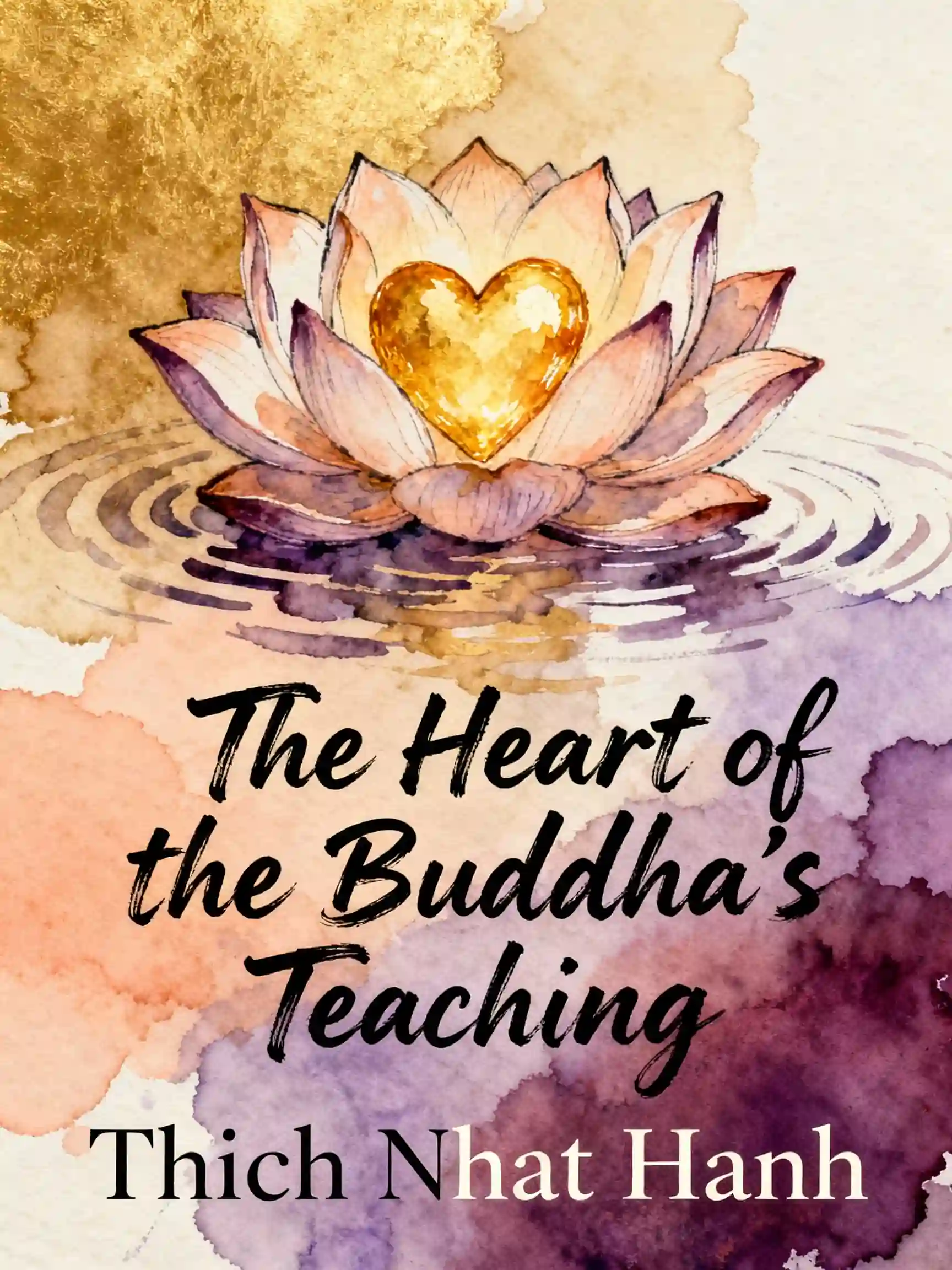
    The Heart of the Buddha's Teaching
    Living Untethered
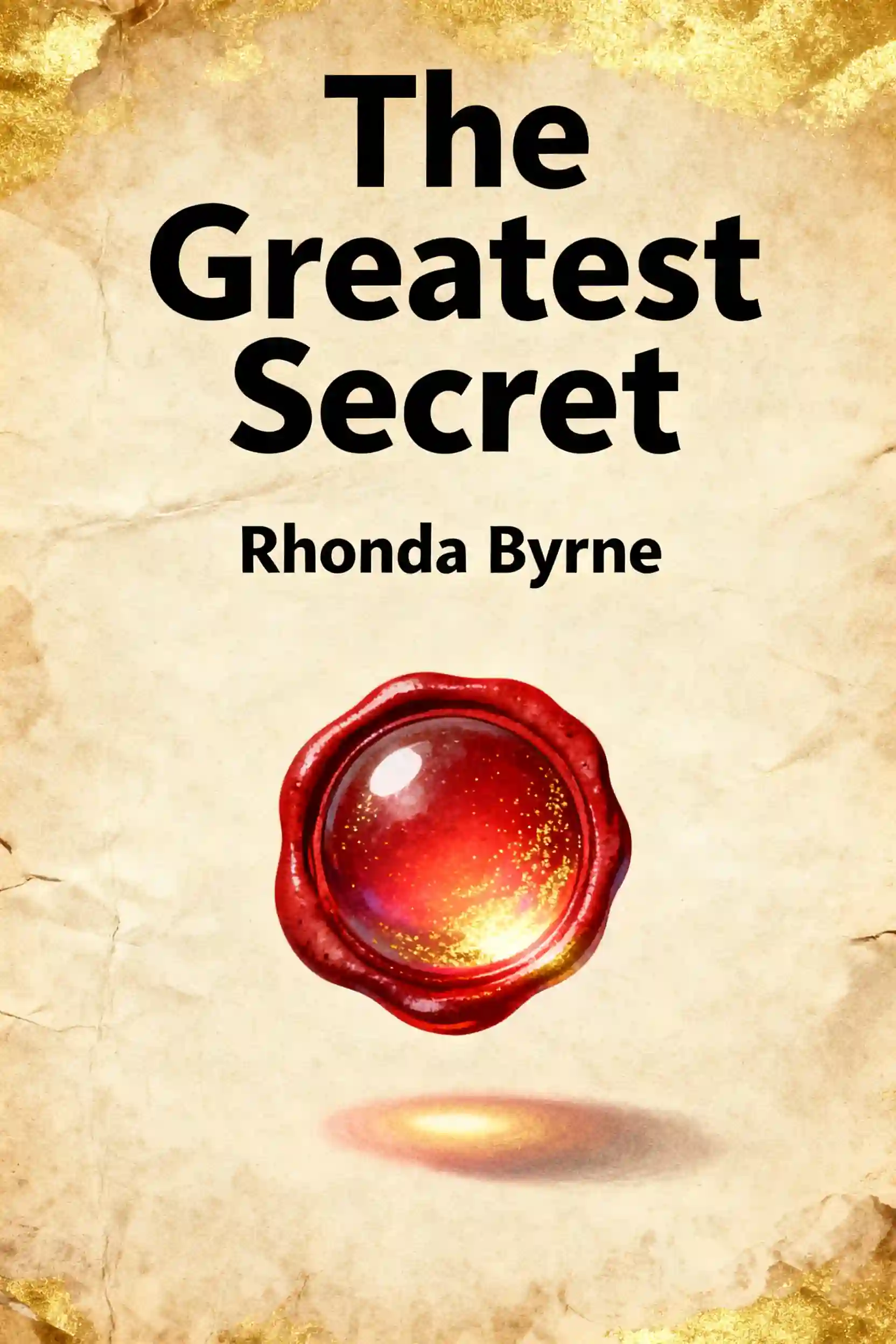
    The Greatest Secret
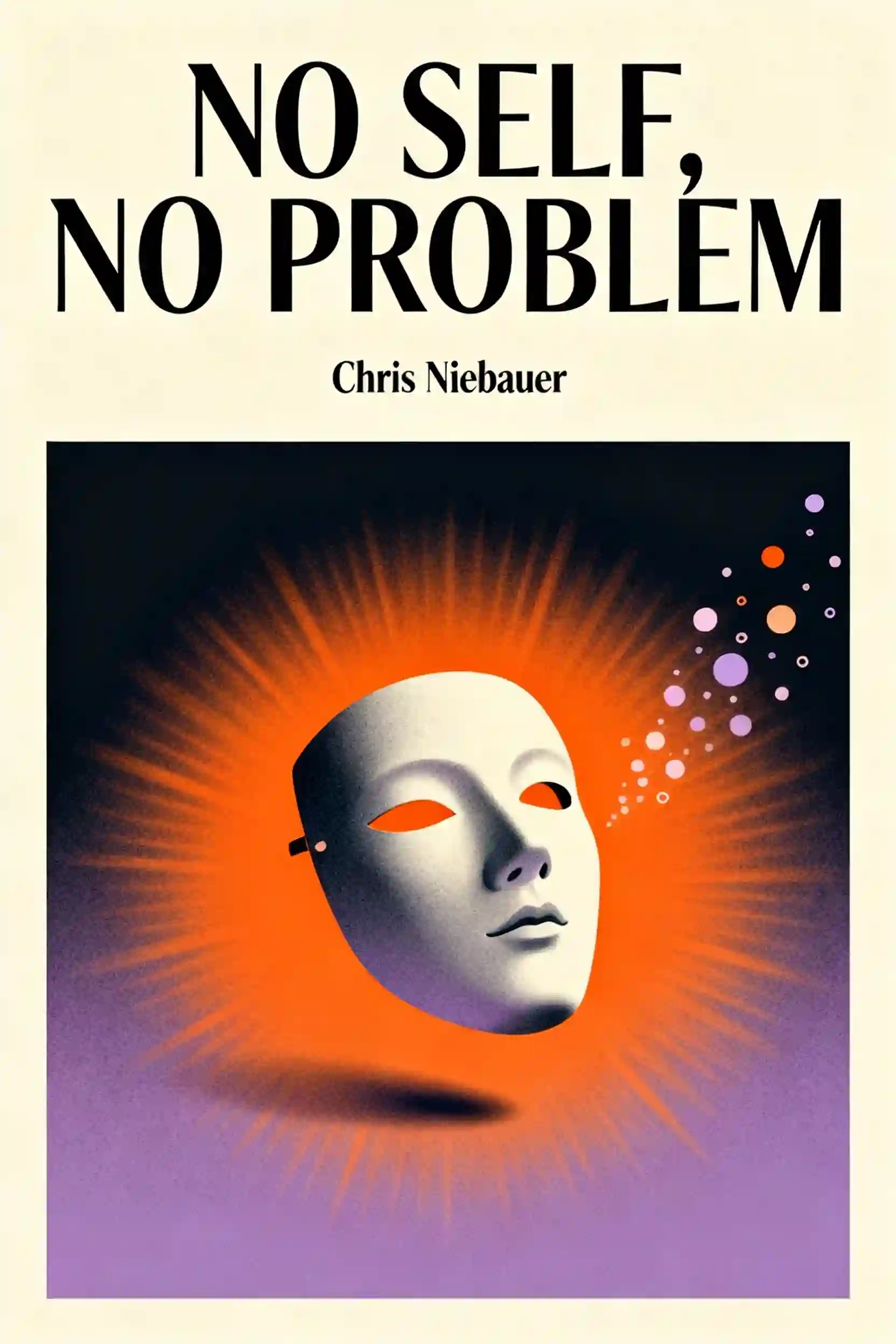
    No Self, No Problem Workbook
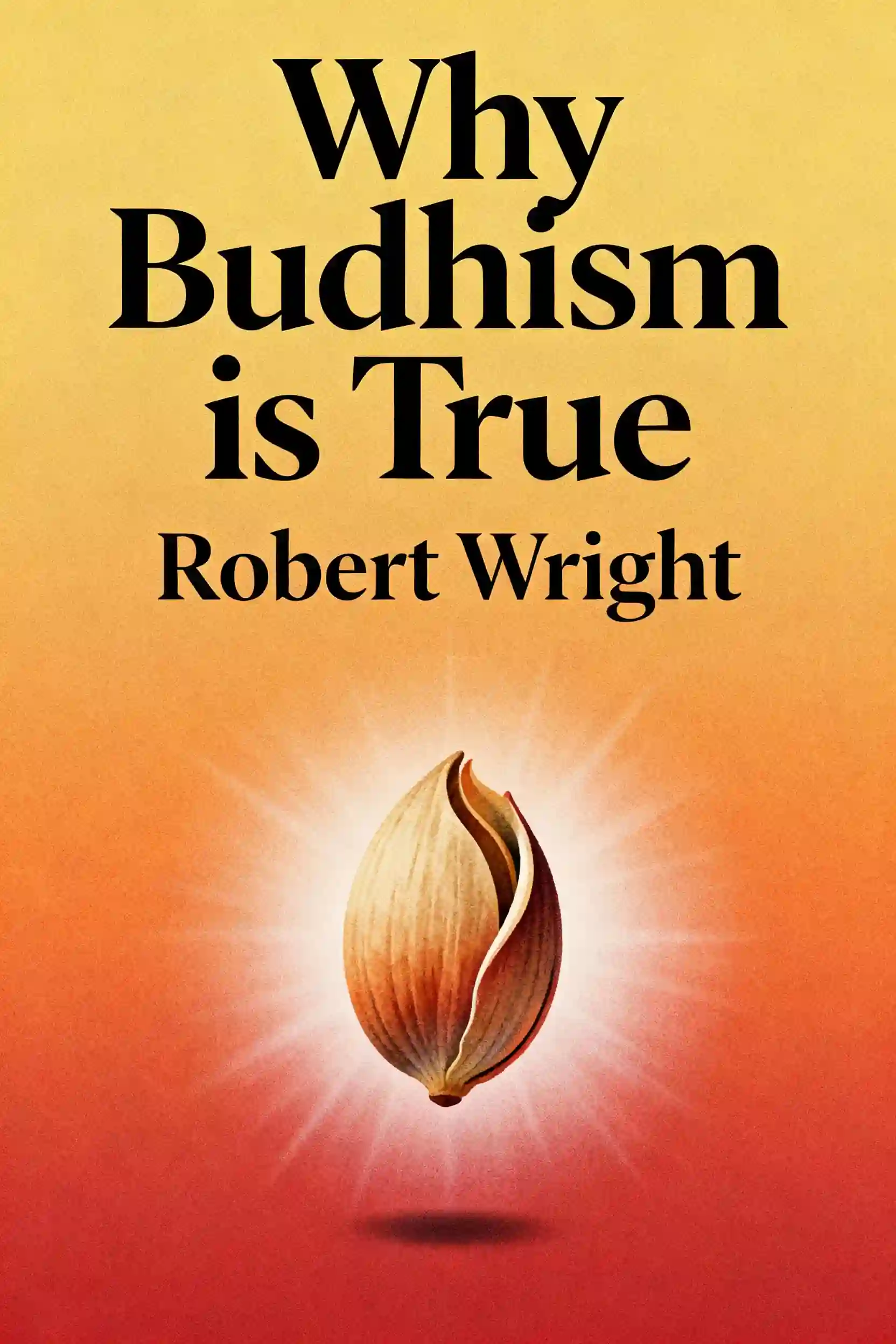
    Why Buddhism Is True
    Buddhism

    컬럼비아 대학교 동문들이 제작 | 샌프란시스코에서 개발

    BeFreed는 호기심 넘치는 글로벌 커뮤니티를 하나로 연결합니다

    4.7

    평균 평점

    앱 평가 7.84천 개 이상

    BeFreed 커뮤니티

    정말이지 아직 앱을 다 써 보지도 않았는데, 며칠 써 본 것만으로도 깊은 인상을 받았어요… BeFreed는 제가 써 본 어떤 학습 앱과도 차원이 달라요. 몰입감이 엄청나고 집중력도 실제로 좋아져서, 스마트폰을 하염없이 스크롤하는 분들께 딱이에요!

    @ladyInfinity

    정확히 23일 전에 BeFreed를 구입했는데, 그날부터 하루도 빠짐없이 쓰고 있어요. 제 일상 업무 흐름과 학습 습관에 완전히 자리 잡았어요.

    @jayallen

    솔직히 이 앱은 제 기대를 전부 뛰어넘었어요. 어떤 주제든 오디오로 만들어 달라고 할 수 있고, 결과물이 놀라워요. 제 전문 분야는 심리치료 쪽이고 여러 학문이 얽혀 있는데도 답변이 아주 정확해요.

    @Raguipa

    제일 고마운 건 스크롤하는 시간이 확 줄었다는 거예요. 검색하는 시간은 줄고 흡수하는 시간은 늘었어요. 오디오북 전권, 팟캐스트, 학습 플랜의 조합이 정말 훌륭해요.

    @colonyofcreatorsNGO

    저는 24년째 PhotoReading 속진 학습 강사로 일하고 있어요… 책과 독서, 배움이 제 전문인데, BeFreed는 정보를 소화하기 쉽게 전달하는 혁신적인 방식을 정말 잘 구현했어요.

    @BeFreed user

    단순한 책 요약 앱이 아니에요. '재미' 스타일을 써 봤는데, 전통적인 방식보다 훨씬 나은 요약이고 아이디어를 이해하기도 쉬워요. 이것만으로도 값어치를 해요.

    @austinakon

    이 앱이 정말 좋아요. 며칠 써 봤는데 듣는 걸 멈출 수가 없어요. 시작하기에 이보다 좋을 수 없어요.

    @jcrules328

    정말 마음에 들어요. 한 달 정도 써 봤는데 숨은 보석을 찾은 기분이에요. BeFreed로 제가 원하는 주제를 직접 만들 수 있어서 좋고, 목소리도 훌륭한 데다 내레이션 선택지가 무궁무진해요.

    @DanielCZ

    정말이지 아직 앱을 다 써 보지도 않았는데, 며칠 써 본 것만으로도 깊은 인상을 받았어요… BeFreed는 제가 써 본 어떤 학습 앱과도 차원이 달라요. 몰입감이 엄청나고 집중력도 실제로 좋아져서, 스마트폰을 하염없이 스크롤하는 분들께 딱이에요!

    @ladyInfinity

    정확히 23일 전에 BeFreed를 구입했는데, 그날부터 하루도 빠짐없이 쓰고 있어요. 제 일상 업무 흐름과 학습 습관에 완전히 자리 잡았어요.

    @jayallen

    솔직히 이 앱은 제 기대를 전부 뛰어넘었어요. 어떤 주제든 오디오로 만들어 달라고 할 수 있고, 결과물이 놀라워요. 제 전문 분야는 심리치료 쪽이고 여러 학문이 얽혀 있는데도 답변이 아주 정확해요.

    @Raguipa

    제일 고마운 건 스크롤하는 시간이 확 줄었다는 거예요. 검색하는 시간은 줄고 흡수하는 시간은 늘었어요. 오디오북 전권, 팟캐스트, 학습 플랜의 조합이 정말 훌륭해요.

    @colonyofcreatorsNGO

    저는 24년째 PhotoReading 속진 학습 강사로 일하고 있어요… 책과 독서, 배움이 제 전문인데, BeFreed는 정보를 소화하기 쉽게 전달하는 혁신적인 방식을 정말 잘 구현했어요.

    @BeFreed user

    단순한 책 요약 앱이 아니에요. '재미' 스타일을 써 봤는데, 전통적인 방식보다 훨씬 나은 요약이고 아이디어를 이해하기도 쉬워요. 이것만으로도 값어치를 해요.

    @austinakon

    이 앱이 정말 좋아요. 며칠 써 봤는데 듣는 걸 멈출 수가 없어요. 시작하기에 이보다 좋을 수 없어요.

    @jcrules328

    정말 마음에 들어요. 한 달 정도 써 봤는데 숨은 보석을 찾은 기분이에요. BeFreed로 제가 원하는 주제를 직접 만들 수 있어서 좋고, 목소리도 훌륭한 데다 내레이션 선택지가 무궁무진해요.

    @DanielCZ

    유용한 정보와 아이디어를 8~15분짜리 팟캐스트 스타일 오디오로 압축해서 들을 수 있다는 게 정말 좋아요. 원래 팟캐스트는 군더더기가 많아서 안 좋아했는데, 여기는 그걸 싹 걷어냈어요.

    @BeFreed user

    박사 과정을 마무리하는 중이라 낯선 자료를 많이 읽어야 해요… BeFreed에서는 프롬프트만 입력하면 앱이 자료를 찾아서 오디오 팟캐스트로 만들어 줘요. BeFreed의 과정이 NotebookLM보다 더 매끄럽게 느껴져요.

    @Brad

    아침을 준비하거나 산책하거나 출퇴근할 때 들을 것을 YouTube에서 자주 찾곤 했는데, BeFreed는 광고도 군더더기도 없이 훨씬 더 딱 맞는 걸 들려줘요!

    @BeFreed user

    이 플랫폼의 가장 큰 장점은 활용도예요. 다루지 못하는 주제가 말 그대로 하나도 없어요. 무엇을 던져도 다 소화해요… 제한이 전혀 없으면서 약속을 실제로 지키는 학습 도구는 정말 드물어요.

    @jayallen

    BeFreed는 환상적이에요. 디자인이 편해서 헤매는 시간은 줄고 배우는 시간은 늘었어요. 오디오북, 팟캐스트, 학습 플랜의 조합은 천재적이에요. 제 하루가 완전히 달라졌어요.

    @BeFreed user

    처음엔 이탈리아어로 팟캐스트를 만드는 방법을 이해하는 데 시간이 좀 걸렸는데, 알고 나니까 — 와! 정말 대단해요! 어떤 주제든 설명해 달라고 하면 정말 똑똑하게 잘 설명해 줘요!

    @matteo77

    BeFreed는 제가 매일 쓰는 오디오북 앱이 됐어요… 제일 마음에 드는 건 텍스트를 넣으면 이동 중에도 들을 수 있는 오디오로 만들어 준다는 점이에요.

    @kotanzu1

    유용한 정보와 아이디어를 8~15분짜리 팟캐스트 스타일 오디오로 압축해서 들을 수 있다는 게 정말 좋아요. 원래 팟캐스트는 군더더기가 많아서 안 좋아했는데, 여기는 그걸 싹 걷어냈어요.

    @BeFreed user

    박사 과정을 마무리하는 중이라 낯선 자료를 많이 읽어야 해요… BeFreed에서는 프롬프트만 입력하면 앱이 자료를 찾아서 오디오 팟캐스트로 만들어 줘요. BeFreed의 과정이 NotebookLM보다 더 매끄럽게 느껴져요.

    @Brad

    아침을 준비하거나 산책하거나 출퇴근할 때 들을 것을 YouTube에서 자주 찾곤 했는데, BeFreed는 광고도 군더더기도 없이 훨씬 더 딱 맞는 걸 들려줘요!

    @BeFreed user

    이 플랫폼의 가장 큰 장점은 활용도예요. 다루지 못하는 주제가 말 그대로 하나도 없어요. 무엇을 던져도 다 소화해요… 제한이 전혀 없으면서 약속을 실제로 지키는 학습 도구는 정말 드물어요.

    @jayallen

    BeFreed는 환상적이에요. 디자인이 편해서 헤매는 시간은 줄고 배우는 시간은 늘었어요. 오디오북, 팟캐스트, 학습 플랜의 조합은 천재적이에요. 제 하루가 완전히 달라졌어요.

    @BeFreed user

    처음엔 이탈리아어로 팟캐스트를 만드는 방법을 이해하는 데 시간이 좀 걸렸는데, 알고 나니까 — 와! 정말 대단해요! 어떤 주제든 설명해 달라고 하면 정말 똑똑하게 잘 설명해 줘요!

    @matteo77

    BeFreed는 제가 매일 쓰는 오디오북 앱이 됐어요… 제일 마음에 드는 건 텍스트를 넣으면 이동 중에도 들을 수 있는 오디오로 만들어 준다는 점이에요.

    @kotanzu1

    웹에서 BeFreed가 어떻게 논의되고 있는지 더 보기
    129.7K19.5K
    55.2K19.2K
    154.2K10827355
    48.1K2.5K
    81.2K6.6K
    82.3K1.8K
    지금 바로 학습 여정을 시작하세요
    BeFreed 앱
    BeFreed

    무엇이든 개인화된 학습

    DiscordLinkedIn
    추천 도서 요약
    Crucial ConversationsThe Perfect MarriageInto the WildNever Split the DifferenceAttachedGood to GreatSay Nothing
    인기 카테고리
    Self HelpCommunication SkillRelationshipMindfulnessPhilosophyInspirationProductivity
    유명인 추천 도서
    Elon MuskCharlie KirkBill GatesSteve JobsAndrew HubermanJoe RoganJordan Peterson
    수상작 컬렉션
    Pulitzer PrizeNational Book AwardGoodreads Choice AwardsNobel Prize in LiteratureNew York TimesCaldecott MedalNebula Award
    추천 주제
    ManagementAmerican HistoryWarTradingStoicismAnxietySex
    연도별 베스트 도서
    2025 Best Non Fiction Books2024 Best Non Fiction Books2023 Best Non Fiction Books
    추천 저자
    Chimamanda Ngozi AdichieGeorge OrwellO. J. SimpsonBarbara O'NeillWinston ChurchillCharlie Kirk
    BeFreed vs 다른 앱
    BeFreed vs. Other Book Summary AppsBeFreed vs. ElevenReaderBeFreed vs. ReadwiseBeFreed vs. Anki
    학습 도구
    Knowledge VisualizerAI Podcast Generator
    정보
    회사 소개arrow
    가격arrow
    FAQarrow
    블로그arrow
    채용arrow
    파트너십arrow
    앰배서더 프로그램arrow
    디렉토리arrow
    BeFreed
    Try now
    © 2026 BeFreed
    이용 약관개인정보 처리방침
    BeFreed

    무엇이든 개인화된 학습

    DiscordLinkedIn
    추천 도서 요약
    Crucial ConversationsThe Perfect MarriageInto the WildNever Split the DifferenceAttachedGood to GreatSay Nothing
    인기 카테고리
    Self HelpCommunication SkillRelationshipMindfulnessPhilosophyInspirationProductivity
    유명인 추천 도서
    Elon MuskCharlie KirkBill GatesSteve JobsAndrew HubermanJoe RoganJordan Peterson
    수상작 컬렉션
    Pulitzer PrizeNational Book AwardGoodreads Choice AwardsNobel Prize in LiteratureNew York TimesCaldecott MedalNebula Award
    추천 주제
    ManagementAmerican HistoryWarTradingStoicismAnxietySex
    연도별 베스트 도서
    2025 Best Non Fiction Books2024 Best Non Fiction Books2023 Best Non Fiction Books
    학습 도구
    Knowledge VisualizerAI Podcast Generator
    추천 저자
    Chimamanda Ngozi AdichieGeorge OrwellO. J. SimpsonBarbara O'NeillWinston ChurchillCharlie Kirk
    BeFreed vs 다른 앱
    BeFreed vs. Other Book Summary AppsBeFreed vs. ElevenReaderBeFreed vs. ReadwiseBeFreed vs. Anki
    정보
    회사 소개arrow
    가격arrow
    FAQarrow
    블로그arrow
    채용arrow
    파트너십arrow
    앰배서더 프로그램arrow
    디렉토리arrow
    BeFreed
    Try now
    © 2026 BeFreed
    이용 약관개인정보 처리방침

    이 학습 계획의 일부

    Master emotional and physical dechment
    학습 계획

    Master emotional and physical dechment

    6 h 6 m•4 에피소드
    Learn the Law of Detachment
    학습 계획

    Learn the Law of Detachment

    5 h 53 m•4 에피소드

    비슷한 콘텐츠

    The Power of Clinging Less 책 표지
    "Detachment (Vairāgya)" by Swami Tyagananda — Ramakrishna Vedanta SocietyFreedom through detachment - The Stoic GymBuddhism and Stoicism: Do Buddhists Have Fellow Travelers in the Stoics? - Tricycle: The Buddhist ReviewThe Stoic Career Path
    8 sources
    The Power of Clinging Less
    Tired of the emotional whiplash from work and relationships? Learn how the practice of detachment provides stability in an unstable world.
    23 min
    How to Detach with Love: Freedom Through Letting Go 책 표지
    source 153 - Practicing Healthy Detachmentsource 3source 4
    6 sources
    How to Detach with Love: Freedom Through Letting Go
    Discover the paradox of loving detachment - how releasing control deepens relationships and creates emotional freedom. Learn practical steps to break free from codependency while maintaining authentic connections.
    21 min
    Reducing desire without losing your joy 책 표지
    The Heart of the Buddha's TeachingAtmamunWhy Buddhism Is TrueThe Way of Zen
    25 sources
    Reducing desire without losing your joy
    Struggling with the constant urge to want more? Learn how Buddhist mindfulness shifts you from rigid clinging to a lighter, more contented way of living.
    26 min
    The Uncarved Block: Living Without Attachment 책 표지
    Nirvana and the Uncarved Block: A Dialogue Between Buddhism and TaoismEmptiness: A Comparative Review of Classical Daoist & Buddhist Thought | by Eran Dror | MediumEmptiness in Taoism and Buddhism (Shunyata and Wu)Philosophical Comparison of Laozi and Mulamadhyamakakarika: Taking Linguistic Strategy, Oppositional Thinking, and Viewpoint of Being and Nonbeing as Clues
    4 sources
    The Uncarved Block: Living Without Attachment
    Struggling to perfect your life can lead to constant burnout. Explore how ancient wisdom helps you let go of rigid labels to find true freedom.
    1429 min
    How to Stop Being Clingy in Relationships 책 표지
    source 1source 2source 3source 4
    6 sources
    How to Stop Being Clingy in Relationships
    Discover the science behind clingy behavior and learn practical tools to transform anxious attachment into secure, healthy love. From understanding your nervous system to building self-soothing skills.
    11 min
    Emotional Detachment: Stoic and Buddhist Paths 책 표지
    Stoicism vs Buddhism: They Sound the Same Until You Look CloserComparing Stoic Apatheia Vs Buddhist UpekkhaThe Power of the Third Moment - Tricycle: The Buddhist ReviewIntroductory Course In Mindfulness Meditation 3 rd Week – Mindfulness of Emotions: No Hard Feelings
    6 sources
    Emotional Detachment: Stoic and Buddhist Paths
    Struggling to stay calm under pressure? Learn how ancient wisdom helps you separate your identity from your emotions to find lasting mental clarity.
    1620 min
    The Dalai Lama’s Path to Joy 책 표지
    How to Practice Book Summary by Dalai LamaHow to Practice | His Holiness the Dalai Lama | ReviewHow to Practice The Way to a Meaningful LifeHow to Practice: The Way to a Meaningful Life - Dalai Lama (Book)
    4 sources
    The Dalai Lama’s Path to Joy
    Chasing external success often leaves us feeling empty. Explore Tibetan practices for mental peace to build a foundation of lasting happiness from within.
    18 min
    The Art of Letting Go: Freedom From Invisible Burdens 책 표지
    source 1source 2source 3source 4
    6 sources
    The Art of Letting Go: Freedom From Invisible Burdens
    Discover how to release psychological baggage, transform your relationship with suffering, and reclaim your natural state of joy through practical wisdom from Buddhist teachings and modern psychology.
    10 min

    Recommended Learning Plans

    Love Without Losing Your Center
    학습 계획

    Love Without Losing Your Center

    This learning plan is essential for individuals who find themselves losing their identity or peace of mind in romantic relationships. It is specifically designed for those seeking to balance deep connection with personal autonomy while supporting partners in high-pressure environments.

    1 h 30 m•3 섹션
    Explore Buddhism for Modern Life
    학습 계획

    Explore Buddhism for Modern Life

    In our fast-paced, distracted world, Buddhist wisdom offers practical tools for finding balance, meaning, and genuine happiness. This learning plan bridges ancient teachings with modern life challenges, ideal for anyone seeking more mindfulness, emotional resilience, and authentic connection in their daily experience.

    3 h 51 m•4 섹션
    Break the Cycle of Unavailable Love
    학습 계획

    Break the Cycle of Unavailable Love

    This plan is essential for anyone who feels stuck in a loop of chasing emotionally distant partners and mistaking instability for passion. It provides a roadmap for healing childhood wounds and shifting from anxious attachment toward secure, fulfilling relationships.

    1 h 36 m•4 섹션
    Overcome anxious attachment
    학습 계획

    Overcome anxious attachment

    Anxious attachment affects millions of people, causing relationship anxiety, fear of abandonment, and dependency on partner validation. This learning plan is essential for anyone who struggles with clinginess, overthinking in relationships, or losing themselves trying to keep their partner happy. By addressing the neurological and psychological roots of attachment anxiety, learners gain practical tools to build secure, fulfilling relationships.

    5 h 44 m•4 섹션
    Learn the Law of Detachment
    학습 계획

    Learn the Law of Detachment

    This learning plan is essential for anyone feeling overwhelmed by expectations or the pressure to control every outcome. It is designed for individuals seeking emotional resilience and a deeper sense of peace by bridging ancient wisdom with modern psychological practices.

    5 h 53 m•4 섹션
    Heal Your Heart and Attachment
    학습 계획

    Heal Your Heart and Attachment

    This plan is essential for anyone struggling with the painful aftermath of a breakup or caught in an exhausting cycle of push-pull dynamics. It provides a structured path for individuals to regain emotional control, understand their attachment style, and rebuild their confidence.

    1 h 30 m•3 섹션
    Practice detachment skills
    학습 계획

    Practice detachment skills

    This learning plan is essential for anyone struggling with anxiety, control issues, codependency, or emotional overwhelm in their personal or professional life. It's particularly valuable for those experiencing relationship difficulties, chronic stress from trying to control outcomes, or anyone seeking greater emotional resilience and inner peace. By developing detachment skills, you'll reduce suffering while paradoxically becoming more present and engaged with life.

    4 h 51 m•4 섹션
    Embrace healthy love & singlehood contentment
    학습 계획

    Embrace healthy love & singlehood contentment

    This learning plan is essential for anyone struggling with relationship anxiety, repeated patterns in dating, or feeling incomplete without a partner. It's particularly valuable for those healing from past relationships, entering the dating world after a break, or simply wanting to build healthier connection skills. By combining attachment theory, boundary-setting, and self-worth development, you'll gain the tools to create fulfilling relationships while feeling genuinely content on your own.

    5 h 56 m•4 섹션