BeFreed
    Categories>How to Stop Being Clingy in Relationships

    How to Stop Being Clingy in Relationships

    11분
    |
    |
    2026년 1월 8일

    Discover the science behind clingy behavior and learn practical tools to transform anxious attachment into secure, healthy love. From understanding your nervous system to building self-soothing skills.

    How to Stop Being Clingy in Relationships
    전달 방식을 선택하세요

    하나의 에피소드, 다양한 청취 방식.

    How to Stop Being Clingy in Relationships의 같은 아이디어를 나에게 맞는 목소리, 깊이, 속도로 만나보세요. 언제든 바꿀 수 있습니다.

    전체 대본 및 챕터

    챕터 1

    Opening & Welcome

    Lena: Hey everyone, welcome back to another personalized episode from BeFreed! I'm Lena, and I'm here with Eli to dive into something that so many of us struggle with-how to stop being clingy in our relationships.

    Eli: Absolutely, Lena! And I have to say, I'm really excited about this conversation because this question touches on something so fundamental about how we connect with the people we love. The person who asked this is dealing with something that affects millions of us, and there's actually incredible science behind why we get clingy and what we can do about it.

    Lena: Right! And what's fascinating is that being "clingy" isn't really about being needy or weak-it's actually about our attachment system doing exactly what it was designed to do. But sometimes that system gets a little... overactive, shall we say?
    챕터 2

    Topic Introduction & Source Material Setup

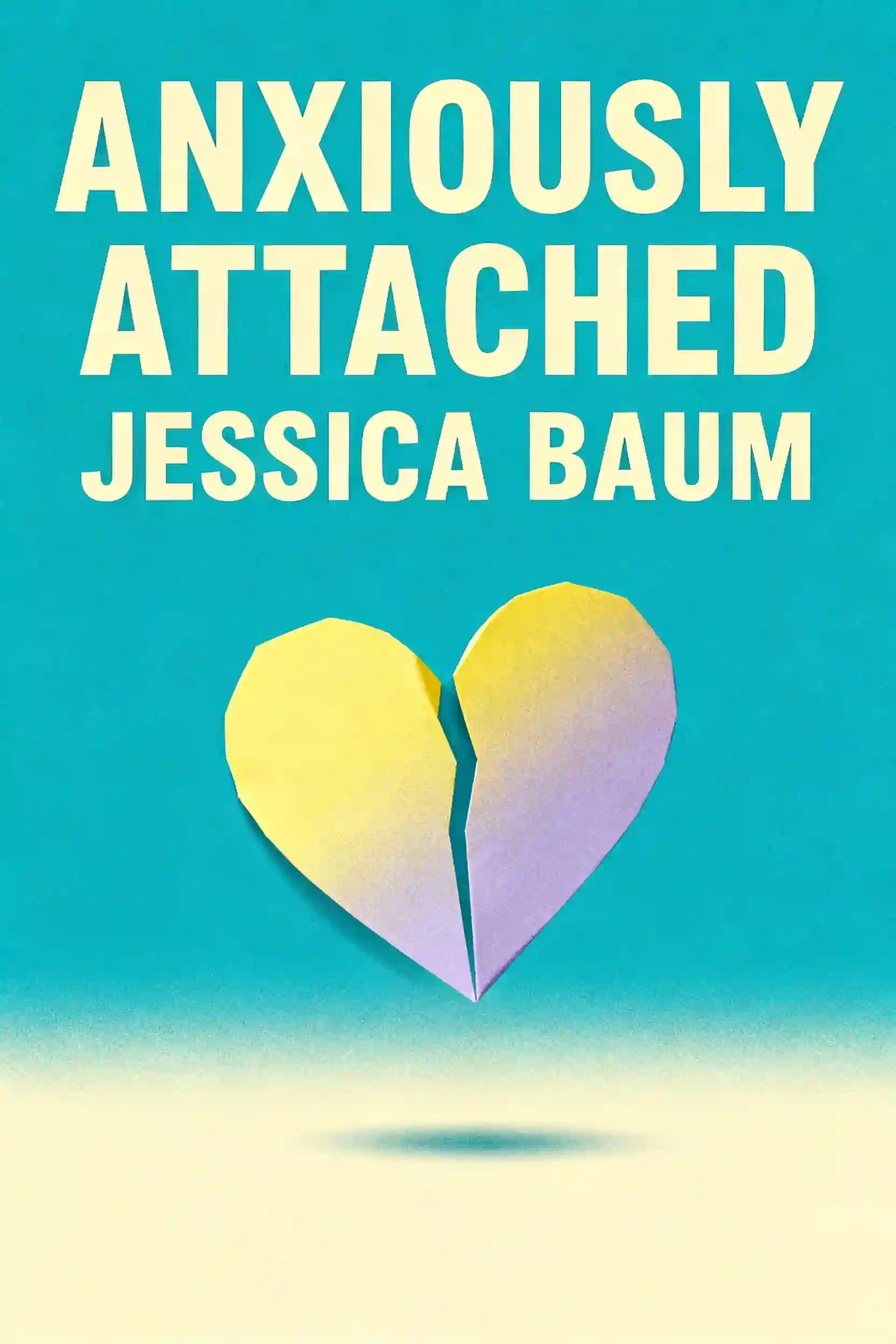
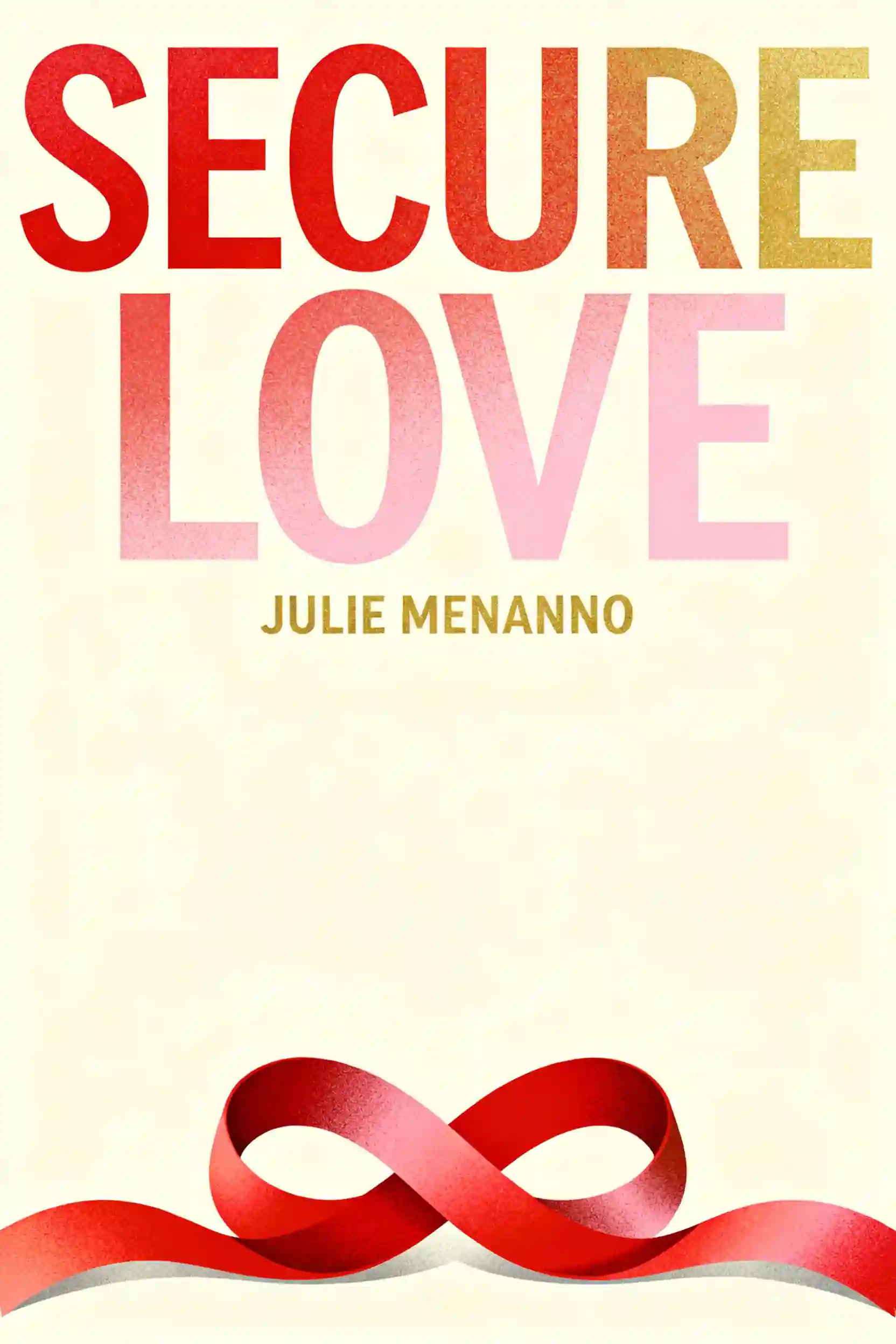
    Eli: Exactly! So we've been diving deep into some amazing research from books like "Anxiously Attached" and "Secure Love," plus "The Science of Healthy Love" and others, and what emerges is this incredible picture of how our early experiences literally wire our brains for relationships. When someone feels clingy, their attachment system is often in overdrive-constantly scanning for threats to the connection.

    Lena: That's such an important reframe, Eli. I was just reading about this in "Anxiously Attached"-about 25% of people have anxious attachment, which means their nervous system learned early on that love is unpredictable. So when your boyfriend doesn't text back immediately, your rational mind knows he's probably just busy, but your body goes into full fight-or-flight mode.

    Eli: Yes! And here's what's really wild-your heart actually has its own nervous system with about 40,000 neurons. So when we talk about "heartbreak" or that sinking feeling when someone doesn't respond, that's literally your heart-brain communicating danger to your head-brain. It's not just emotions-it's biology.

    이 에피소드로 더 깊이 배우기

    이 에피소드의 아이디어를 BeFreed의 가이드 학습 경험으로 더 깊이 탐구해 보세요.

    챕터 3

    Understanding Your Attachment Blueprint

    Lena: So let's break this down for our listeners. When we say someone has anxious attachment, what does that actually look like day-to-day? Because I think a lot of people hear "clingy" and immediately think they're doing something wrong.
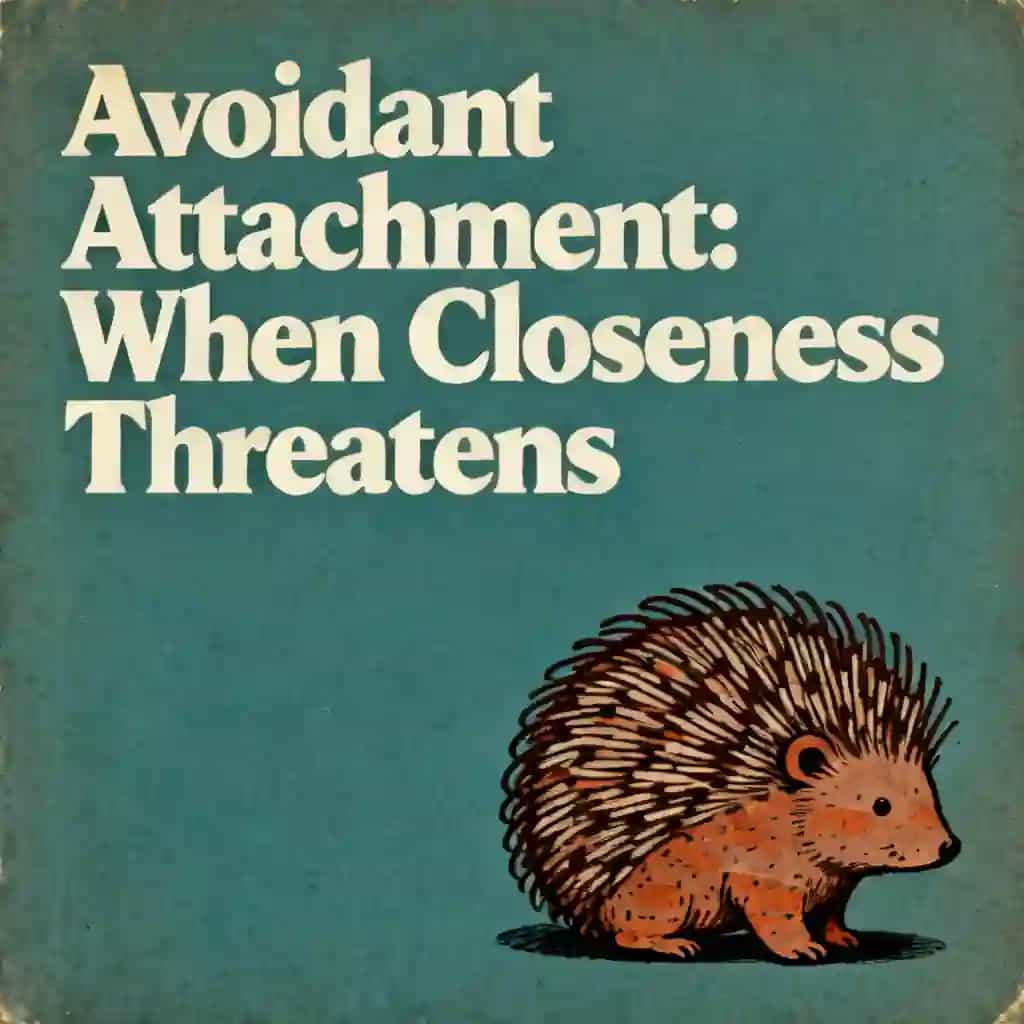
    Eli: Great question! So "Anxiously Attached" describes these patterns as "activating strategies"-constantly talking about your partner, demanding explanations when they're absent, excessive texting, unnecessary apologies. And when those don't work, people escalate to what they call "protest behaviors"-threats, blame, even sometimes infidelity.

    Lena: Wow, so it's like your nervous system is literally protesting the perceived threat to your connection. And what's fascinating is that this often creates the exact opposite of what you want, right? The more you reach for closeness, the more your partner might pull away?
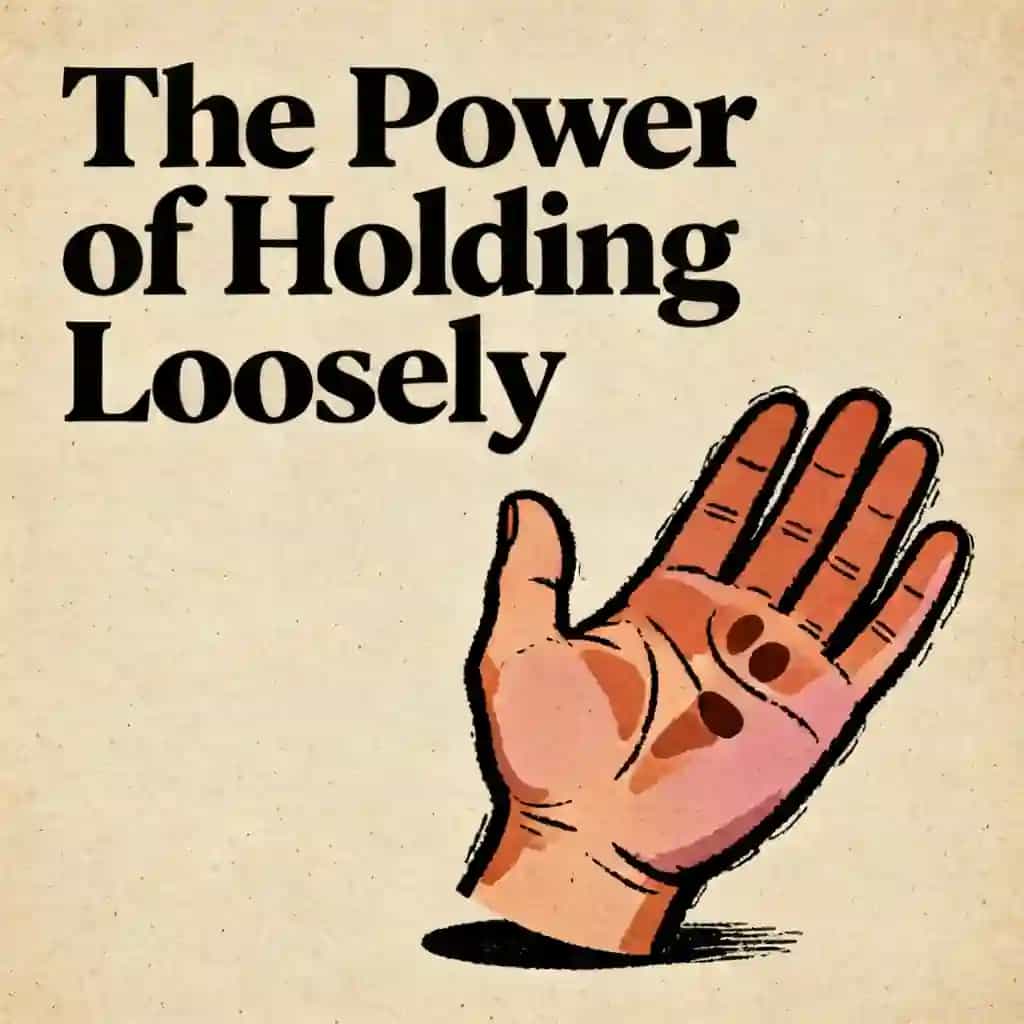
    Eli: Absolutely! "Secure Love" talks about this as the anxious-avoidant dance. You have one partner desperately seeking connection while the other pulls away in fear. It's like a toxic tango where both people end up in a state of nervous system activation, but for completely different reasons.

    Lena: And this connects to something really powerful I read in "The Science of Healthy Love"-this idea of the "Little Me Pact." Can you explain that concept?

    챕터 4

    The Little Me Pact and Childhood Patterns

    Eli: Oh, this is huge! The Little Me Pact is basically an unconscious agreement we made in childhood about what love means and how to secure it. So if you had parents who were sometimes attentive and sometimes distant, your Little Me learned that love is unpredictable and you have to work really hard to keep it.

    Lena: Right! And what appears as "poor choices" to your adult self feels deeply familiar to Little Me-it's the love pattern you've always known. So if you find yourself being clingy, part of you might actually be recreating familiar relationship dynamics from childhood.

    Eli: Exactly! And here's what's really important for our listeners to understand-this isn't conscious. These patterns operate below awareness. When your partner doesn't text back, your rational mind knows they're probably just busy, but your body enters crisis mode because your attachment system learned that inconsistent responses mean danger.

    Lena: This is why just telling yourself "don't be clingy" doesn't work, right? Because you're fighting against millions of years of evolution plus your own personal history. Your nervous system is literally designed to keep you connected to your attachment figures.

    Eli: Absolutely! And "Polysecure" actually has this beautiful insight-our capacity for attachment isn't limited. Just like children can form secure attachments with multiple caregivers, the issue isn't that we attach too much. The issue is often that we haven't learned how to self-regulate when our attachment system gets activated.

    이 에피소드로 더 깊이 배우기

    이 에피소드의 아이디어를 BeFreed의 가이드 학습 경험으로 더 깊이 탐구해 보세요.

    챕터 5

    Moving from Selfless to Self-Full

    Lena: So let's talk about solutions. One thing that really struck me from "Anxiously Attached" is this concept of moving from "selfless" to "self-full." Can you break that down?

    Eli: This is revolutionary thinking! So selflessness often comes from childhood experiences where we learned to suppress parts of ourselves to maintain connection. We became hypervigilant to others' emotions while abandoning our own needs. But self-fullness is about maintaining healthy boundaries while staying connected.

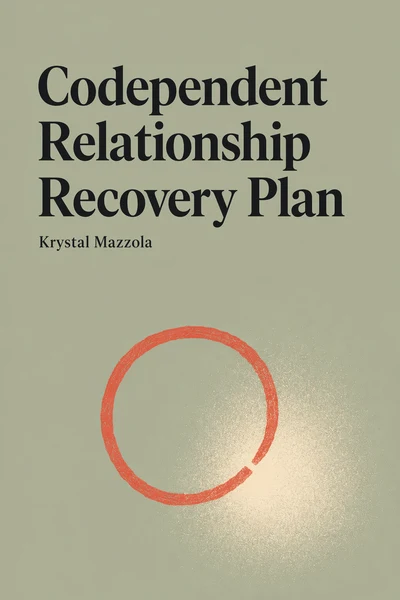
    Lena: And it's not about becoming selfish, right? It's about finding that middle ground where you can balance your needs with genuine empathy for your partner. "The Codependency Recovery Plan" talks about this too-how we often lose ourselves in service to others while neglecting our own emotional needs.

    Eli: Exactly! And here's what's fascinating-when you become more self-full, you actually become less clingy because you're not desperately trying to get your partner to fill all your emotional needs. You start meeting some of those needs yourself, which takes the pressure off the relationship.

    Lena: That makes so much sense. So instead of constantly seeking reassurance from your boyfriend, you start building what "Anxiously Attached" calls a secure relationship with yourself. How does someone actually do that?

    챕터 6

    Building Secure Self-Attachment

    Eli: Great question! It starts with what "Anxiously Attached" calls becoming "heart aware." This means regularly checking in by asking "How am I feeling right now?" You place your awareness in your chest and let your heart answer, noticing sensations and breath quality without trying to analyze or fix anything.

    Lena: I love that! And "Secure Love" adds this piece about creating an "attachment-friendly environment" with yourself. Instead of criticizing yourself for feeling clingy, you start approaching your feelings with curiosity and compassion.

    Eli: Yes! And this is where the HEARTS framework from "Polysecure" becomes really useful, even for monogamous relationships. The 'S' stands for "Secure Attachment with Self"-being your own safe haven. When you can sit with yourself, listen to what's arising, and remain available to your own feelings, you become less dependent on your partner for emotional regulation.

    Lena: That's such a shift in perspective. So instead of thinking "I need my boyfriend to text me back so I can feel okay," you're learning to think "I'm feeling anxious right now, and that's information about what I need."

    이 에피소드로 더 깊이 배우기

    이 에피소드의 아이디어를 BeFreed의 가이드 학습 경험으로 더 깊이 탐구해 보세요.

    챕터 7

    Practical Tools for Daily Life

    Eli: Exactly! And "The Codependency Recovery Plan" offers some really practical tools here. Like, when you feel that urge to send another text or ask for reassurance, you can pause and ask yourself: "What am I really needing right now? Connection? Safety? Validation?"

    Lena: Right! And sometimes the answer might be that you need to connect with a friend, take a walk, or do some breathing exercises. You're not trying to eliminate the need-you're just expanding your options for meeting it.

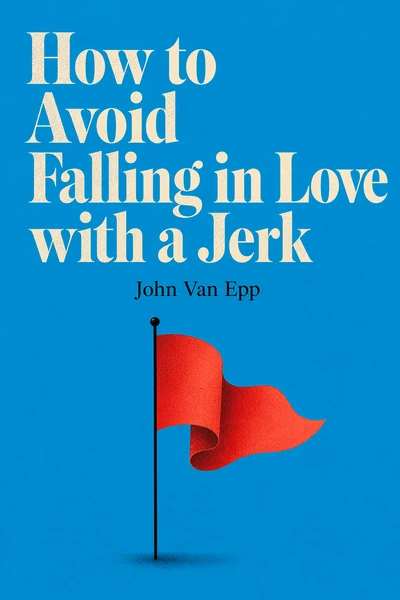
    Eli: And here's something really important from "How to Avoid Falling in Love with a Jerk"-the Relationship Attachment Model shows us that healthy relationships require balance across five areas: knowing, trusting, relying on, committing to, and sexual involvement. When we're being clingy, we're often trying to rush these dynamics instead of letting them develop progressively.

    Lena: That's such a good point! So if you find yourself wanting constant reassurance about where the relationship is going, maybe you're trying to move to commitment level before you've really built the foundation of knowing and trusting each other.

    Eli: Absolutely! And "Secure Love" emphasizes that secure attachment isn't about never feeling insecure-it's about having the tools to regulate yourself when those feelings arise and communicate about them effectively.

    챕터 8

    Transforming Communication Patterns

    Lena: Speaking of communication, let's talk about how to express your needs without being clingy. Because I think a lot of people swing between not saying anything and then exploding with all their insecurities at once.

    Eli: Oh, this is huge! "Secure Love" talks about speaking from personal experience rather than making accusations. So instead of "You never text me back," you might say "I felt worried when I didn't hear from you today." You're sharing your experience without making your partner responsible for fixing it.

    Lena: And "The Codependency Recovery Plan" adds this beautiful framework-nonviolent communication. It's like: "When I don't hear from you for several hours, I feel anxious because my need for connection feels unmet. Would you be willing to send me a quick text when you're going to be busy?"

    Eli: Yes! You're making a request, not a demand. And you're taking responsibility for your feelings while also advocating for what you need. That's so different from the anxious protest behaviors we talked about earlier.

    Lena: And what I love about this approach is that it actually creates more intimacy, not less. When you can share your vulnerable feelings without making them your partner's problem to solve, it often brings you closer together.

    이 에피소드로 더 깊이 배우기

    이 에피소드의 아이디어를 BeFreed의 가이드 학습 경험으로 더 깊이 탐구해 보세요.

    챕터 9

    Practical Applications & Listener Takeaways

    Eli: So for everyone listening who recognizes themselves in this conversation, let's get really practical. What are some concrete steps you can take starting today?

    Lena: First, start noticing your triggers. When do you feel that clingy urge? Is it when your partner is busy with work? When they're with friends? "Anxiously Attached" suggests keeping track of these patterns because awareness is the first step to change.

    Eli: Absolutely! And second, develop what I call "self-soothing rituals." When you feel that anxious activation, instead of immediately reaching for your phone, try placing your hand on your heart, taking three deep breaths, and asking yourself what you actually need in that moment.

    Lena: Third, build your support network. "The Codependency Recovery Plan" emphasizes that we can't get all our emotional needs met by one person. Having friends, hobbies, and interests outside your relationship actually makes you a better partner.

    Eli: And fourth-this is from "Secure Love"-practice what they call "turning toward" instead of "turning away." When you feel insecure, instead of withdrawing or attacking, try sharing your vulnerable feeling: "I'm feeling a little insecure right now. Could I have a hug?"

    Lena: That's so much more effective than "Why haven't you texted me back?" Right? You're inviting connection instead of creating conflict. And remember, this is a practice. "Anxiously Attached" reminds us that healing happens in a two-steps-forward, one-step-back pattern.

    챕터 10

    Wrap-up & Closing Reflection

    Eli: So as we bring this conversation to a close, I want our listeners to remember something really important-your sensitivity and capacity for deep connection aren't flaws. They're actually gifts that, when channeled through secure attachment, become your greatest strengths in relationships.

    Lena: Absolutely! And the journey from anxious attachment to earned security isn't about becoming less caring or less connected. It's about learning to love from a place of wholeness rather than emptiness. When you're secure within yourself, your love becomes a choice rather than a desperate need.

    Eli: And here's what gives me so much hope-research shows that we can literally rewire our brains through healing relationships and conscious practice. Every time you pause before sending that anxious text, every time you soothe yourself instead of seeking reassurance, you're building new neural pathways.

    Lena: The question isn't whether you can change these patterns-it's whether you're willing to do the work. And for everyone listening, remember that this journey is about progress, not perfection. A "good-enough" relationship where you feel safe, seen, and supported most of the time might be exactly what you've been seeking.

    Eli: And on that note, keep exploring, keep growing, and remember-your attachment system learned these patterns to keep you safe. Now you get to teach it new ways to create the security and connection you truly deserve.

    Lena: Until next time, stay curious, keep those questions coming, and remember-you're not broken, you're just learning how to love in a way that honors both yourself and your relationships.

    ★★★★★

    How to Stop Being Clingy in Relationships의 끝까지 도달했어요

    “23일째 매일 사용하고 있어요. 이제 제 일상의 한 부분이 되었습니다.”

    jayallen

    How to Stop Being Clingy in Relationships 베스트 인용

    “

    Being 'clingy' isn't really about being needy or weak—it's actually about our attachment system doing exactly what it was designed to do. The issue isn't that we attach too much; the issue is often that we haven't learned how to self-regulate when our attachment system gets activated.

    ”
    F

    Generated by Freedee_29876414

    질문 입력

    How to stop being clingy to my boyfriend

    호스트 음성
    Lenaplay
    Eliplay
    지식 출처
    Anxiously Attached
    Secure Love
    How to avoid falling in love with a jerk
    Codependent Relationship Recovery Plan
    The Science of Healthy Love
    Polysecure

    컬럼비아 대학교 동문들이 제작 | 샌프란시스코에서 개발

    BeFreed는 호기심 넘치는 글로벌 커뮤니티를 하나로 연결합니다

    4.7

    평균 평점

    앱 평가 7.84천 개 이상

    BeFreed 커뮤니티

    정말이지 아직 앱을 다 써 보지도 않았는데, 며칠 써 본 것만으로도 깊은 인상을 받았어요… BeFreed는 제가 써 본 어떤 학습 앱과도 차원이 달라요. 몰입감이 엄청나고 집중력도 실제로 좋아져서, 스마트폰을 하염없이 스크롤하는 분들께 딱이에요!

    @ladyInfinity

    정확히 23일 전에 BeFreed를 구입했는데, 그날부터 하루도 빠짐없이 쓰고 있어요. 제 일상 업무 흐름과 학습 습관에 완전히 자리 잡았어요.

    @jayallen

    솔직히 이 앱은 제 기대를 전부 뛰어넘었어요. 어떤 주제든 오디오로 만들어 달라고 할 수 있고, 결과물이 놀라워요. 제 전문 분야는 심리치료 쪽이고 여러 학문이 얽혀 있는데도 답변이 아주 정확해요.

    @Raguipa

    제일 고마운 건 스크롤하는 시간이 확 줄었다는 거예요. 검색하는 시간은 줄고 흡수하는 시간은 늘었어요. 오디오북 전권, 팟캐스트, 학습 플랜의 조합이 정말 훌륭해요.

    @colonyofcreatorsNGO

    저는 24년째 PhotoReading 속진 학습 강사로 일하고 있어요… 책과 독서, 배움이 제 전문인데, BeFreed는 정보를 소화하기 쉽게 전달하는 혁신적인 방식을 정말 잘 구현했어요.

    @BeFreed user

    단순한 책 요약 앱이 아니에요. '재미' 스타일을 써 봤는데, 전통적인 방식보다 훨씬 나은 요약이고 아이디어를 이해하기도 쉬워요. 이것만으로도 값어치를 해요.

    @austinakon

    이 앱이 정말 좋아요. 며칠 써 봤는데 듣는 걸 멈출 수가 없어요. 시작하기에 이보다 좋을 수 없어요.

    @jcrules328

    정말 마음에 들어요. 한 달 정도 써 봤는데 숨은 보석을 찾은 기분이에요. BeFreed로 제가 원하는 주제를 직접 만들 수 있어서 좋고, 목소리도 훌륭한 데다 내레이션 선택지가 무궁무진해요.

    @DanielCZ

    정말이지 아직 앱을 다 써 보지도 않았는데, 며칠 써 본 것만으로도 깊은 인상을 받았어요… BeFreed는 제가 써 본 어떤 학습 앱과도 차원이 달라요. 몰입감이 엄청나고 집중력도 실제로 좋아져서, 스마트폰을 하염없이 스크롤하는 분들께 딱이에요!

    @ladyInfinity

    정확히 23일 전에 BeFreed를 구입했는데, 그날부터 하루도 빠짐없이 쓰고 있어요. 제 일상 업무 흐름과 학습 습관에 완전히 자리 잡았어요.

    @jayallen

    솔직히 이 앱은 제 기대를 전부 뛰어넘었어요. 어떤 주제든 오디오로 만들어 달라고 할 수 있고, 결과물이 놀라워요. 제 전문 분야는 심리치료 쪽이고 여러 학문이 얽혀 있는데도 답변이 아주 정확해요.

    @Raguipa

    제일 고마운 건 스크롤하는 시간이 확 줄었다는 거예요. 검색하는 시간은 줄고 흡수하는 시간은 늘었어요. 오디오북 전권, 팟캐스트, 학습 플랜의 조합이 정말 훌륭해요.

    @colonyofcreatorsNGO

    저는 24년째 PhotoReading 속진 학습 강사로 일하고 있어요… 책과 독서, 배움이 제 전문인데, BeFreed는 정보를 소화하기 쉽게 전달하는 혁신적인 방식을 정말 잘 구현했어요.

    @BeFreed user

    단순한 책 요약 앱이 아니에요. '재미' 스타일을 써 봤는데, 전통적인 방식보다 훨씬 나은 요약이고 아이디어를 이해하기도 쉬워요. 이것만으로도 값어치를 해요.

    @austinakon

    이 앱이 정말 좋아요. 며칠 써 봤는데 듣는 걸 멈출 수가 없어요. 시작하기에 이보다 좋을 수 없어요.

    @jcrules328

    정말 마음에 들어요. 한 달 정도 써 봤는데 숨은 보석을 찾은 기분이에요. BeFreed로 제가 원하는 주제를 직접 만들 수 있어서 좋고, 목소리도 훌륭한 데다 내레이션 선택지가 무궁무진해요.

    @DanielCZ

    유용한 정보와 아이디어를 8~15분짜리 팟캐스트 스타일 오디오로 압축해서 들을 수 있다는 게 정말 좋아요. 원래 팟캐스트는 군더더기가 많아서 안 좋아했는데, 여기는 그걸 싹 걷어냈어요.

    @BeFreed user

    박사 과정을 마무리하는 중이라 낯선 자료를 많이 읽어야 해요… BeFreed에서는 프롬프트만 입력하면 앱이 자료를 찾아서 오디오 팟캐스트로 만들어 줘요. BeFreed의 과정이 NotebookLM보다 더 매끄럽게 느껴져요.

    @Brad

    아침을 준비하거나 산책하거나 출퇴근할 때 들을 것을 YouTube에서 자주 찾곤 했는데, BeFreed는 광고도 군더더기도 없이 훨씬 더 딱 맞는 걸 들려줘요!

    @BeFreed user

    이 플랫폼의 가장 큰 장점은 활용도예요. 다루지 못하는 주제가 말 그대로 하나도 없어요. 무엇을 던져도 다 소화해요… 제한이 전혀 없으면서 약속을 실제로 지키는 학습 도구는 정말 드물어요.

    @jayallen

    BeFreed는 환상적이에요. 디자인이 편해서 헤매는 시간은 줄고 배우는 시간은 늘었어요. 오디오북, 팟캐스트, 학습 플랜의 조합은 천재적이에요. 제 하루가 완전히 달라졌어요.

    @BeFreed user

    처음엔 이탈리아어로 팟캐스트를 만드는 방법을 이해하는 데 시간이 좀 걸렸는데, 알고 나니까 — 와! 정말 대단해요! 어떤 주제든 설명해 달라고 하면 정말 똑똑하게 잘 설명해 줘요!

    @matteo77

    BeFreed는 제가 매일 쓰는 오디오북 앱이 됐어요… 제일 마음에 드는 건 텍스트를 넣으면 이동 중에도 들을 수 있는 오디오로 만들어 준다는 점이에요.

    @kotanzu1

    유용한 정보와 아이디어를 8~15분짜리 팟캐스트 스타일 오디오로 압축해서 들을 수 있다는 게 정말 좋아요. 원래 팟캐스트는 군더더기가 많아서 안 좋아했는데, 여기는 그걸 싹 걷어냈어요.

    @BeFreed user

    박사 과정을 마무리하는 중이라 낯선 자료를 많이 읽어야 해요… BeFreed에서는 프롬프트만 입력하면 앱이 자료를 찾아서 오디오 팟캐스트로 만들어 줘요. BeFreed의 과정이 NotebookLM보다 더 매끄럽게 느껴져요.

    @Brad

    아침을 준비하거나 산책하거나 출퇴근할 때 들을 것을 YouTube에서 자주 찾곤 했는데, BeFreed는 광고도 군더더기도 없이 훨씬 더 딱 맞는 걸 들려줘요!

    @BeFreed user

    이 플랫폼의 가장 큰 장점은 활용도예요. 다루지 못하는 주제가 말 그대로 하나도 없어요. 무엇을 던져도 다 소화해요… 제한이 전혀 없으면서 약속을 실제로 지키는 학습 도구는 정말 드물어요.

    @jayallen

    BeFreed는 환상적이에요. 디자인이 편해서 헤매는 시간은 줄고 배우는 시간은 늘었어요. 오디오북, 팟캐스트, 학습 플랜의 조합은 천재적이에요. 제 하루가 완전히 달라졌어요.

    @BeFreed user

    처음엔 이탈리아어로 팟캐스트를 만드는 방법을 이해하는 데 시간이 좀 걸렸는데, 알고 나니까 — 와! 정말 대단해요! 어떤 주제든 설명해 달라고 하면 정말 똑똑하게 잘 설명해 줘요!

    @matteo77

    BeFreed는 제가 매일 쓰는 오디오북 앱이 됐어요… 제일 마음에 드는 건 텍스트를 넣으면 이동 중에도 들을 수 있는 오디오로 만들어 준다는 점이에요.

    @kotanzu1

    웹에서 BeFreed가 어떻게 논의되고 있는지 더 보기
    129.7K19.5K
    55.2K19.2K
    154.2K10827355
    48.1K2.5K
    81.2K6.6K
    82.3K1.8K
    지금 바로 학습 여정을 시작하세요
    BeFreed 앱
    BeFreed

    무엇이든 개인화된 학습

    DiscordLinkedIn
    추천 도서 요약
    Crucial ConversationsThe Perfect MarriageInto the WildNever Split the DifferenceAttachedGood to GreatSay Nothing
    인기 카테고리
    Self HelpCommunication SkillRelationshipMindfulnessPhilosophyInspirationProductivity
    유명인 추천 도서
    Elon MuskCharlie KirkBill GatesSteve JobsAndrew HubermanJoe RoganJordan Peterson
    수상작 컬렉션
    Pulitzer PrizeNational Book AwardGoodreads Choice AwardsNobel Prize in LiteratureNew York TimesCaldecott MedalNebula Award
    추천 주제
    ManagementAmerican HistoryWarTradingStoicismAnxietySex
    연도별 베스트 도서
    2025 Best Non Fiction Books2024 Best Non Fiction Books2023 Best Non Fiction Books
    추천 저자
    Chimamanda Ngozi AdichieGeorge OrwellO. J. SimpsonBarbara O'NeillWinston ChurchillCharlie Kirk
    BeFreed vs 다른 앱
    BeFreed vs. Other Book Summary AppsBeFreed vs. ElevenReaderBeFreed vs. ReadwiseBeFreed vs. Anki
    학습 도구
    Knowledge VisualizerAI Podcast Generator
    정보
    회사 소개arrow
    가격arrow
    FAQarrow
    블로그arrow
    채용arrow
    파트너십arrow
    앰배서더 프로그램arrow
    디렉토리arrow
    BeFreed
    Try now
    © 2026 BeFreed
    이용 약관개인정보 처리방침
    BeFreed

    무엇이든 개인화된 학습

    DiscordLinkedIn
    추천 도서 요약
    Crucial ConversationsThe Perfect MarriageInto the WildNever Split the DifferenceAttachedGood to GreatSay Nothing
    인기 카테고리
    Self HelpCommunication SkillRelationshipMindfulnessPhilosophyInspirationProductivity
    유명인 추천 도서
    Elon MuskCharlie KirkBill GatesSteve JobsAndrew HubermanJoe RoganJordan Peterson
    수상작 컬렉션
    Pulitzer PrizeNational Book AwardGoodreads Choice AwardsNobel Prize in LiteratureNew York TimesCaldecott MedalNebula Award
    추천 주제
    ManagementAmerican HistoryWarTradingStoicismAnxietySex
    연도별 베스트 도서
    2025 Best Non Fiction Books2024 Best Non Fiction Books2023 Best Non Fiction Books
    학습 도구
    Knowledge VisualizerAI Podcast Generator
    추천 저자
    Chimamanda Ngozi AdichieGeorge OrwellO. J. SimpsonBarbara O'NeillWinston ChurchillCharlie Kirk
    BeFreed vs 다른 앱
    BeFreed vs. Other Book Summary AppsBeFreed vs. ElevenReaderBeFreed vs. ReadwiseBeFreed vs. Anki
    정보
    회사 소개arrow
    가격arrow
    FAQarrow
    블로그arrow
    채용arrow
    파트너십arrow
    앰배서더 프로그램arrow
    디렉토리arrow
    BeFreed
    Try now
    © 2026 BeFreed
    이용 약관개인정보 처리방침

    비슷한 콘텐츠

    Breaking Free from Anxious Attachment Patterns 책 표지
    Anxiously AttachedLiberated LoveThe Codependency Recovery PlanFacing Codependence
    25 sources
    Breaking Free from Anxious Attachment Patterns
    Discover why your loving behaviors might be pushing partners away and learn to transform anxious attachment into secure, lasting relationships through understanding your nervous system and building healthy boundaries.
    51 min
    Anxious attachment and how to stop the pursuit cycle 책 표지
    Anxiously AttachedSecure LovePolysecureHow to avoid falling in love with a jerk
    25 sources
    Anxious attachment and how to stop the pursuit cycle
    Struggling with the urge to chase reassurance? Learn how to rewire your fear response and build the earned security that makes you more attractive.
    30 min
    Healing Anxious Attachment Through Nervous System Rewiring 책 표지
    Anxiously AttachedPolysecureSecure LoveAttached
    25 sources
    Healing Anxious Attachment Through Nervous System Rewiring
    Discover why constant reassurance-seeking isn't about loving too much—it's your nervous system's protective response. Learn science-backed strategies to calm attachment anxiety and build secure, lasting relationships.
    29 min
    Healing Anxious Attachment: From Hypervigilance to Security 책 표지
    Anxiously AttachedPolysecureMother HungerSecure Love
    22 sources
    Healing Anxious Attachment: From Hypervigilance to Security
    Discover how anxious attachment develops from inconsistent caregiving and learn science-backed strategies to heal deep attachment wounds, build secure relationships, and transform your nervous system's response to love and connection.
    21 min
    Anxious attachment isn't a life sentence 책 표지
    Anxiously AttachedSecure LovePolysecureAttached
    24 sources
    Anxious attachment isn't a life sentence
    Feeling 'too needy' is often just a survival strategy. Learn how to rewire your internal alarm and build earned security for calmer relationships.
    34 min
    Avoidant attachment and why closeness feels like a threat 책 표지
    Anxiously AttachedPolysecureSecure LoveAttached
    23 sources
    Avoidant attachment and why closeness feels like a threat
    If you crave love but panic when it gets close, you aren't broken. Learn how your nervous system protects you and how to rewire your map for trust.
    28 min
    The Power of Clinging Less 책 표지
    "Detachment (Vairāgya)" by Swami Tyagananda — Ramakrishna Vedanta SocietyFreedom through detachment - The Stoic GymBuddhism and Stoicism: Do Buddhists Have Fellow Travelers in the Stoics? - Tricycle: The Buddhist ReviewThe Stoic Career Path
    8 sources
    The Power of Clinging Less
    Tired of the emotional whiplash from work and relationships? Learn how the practice of detachment provides stability in an unstable world.
    23 min
    Anxious Attachment: Building Secure Bonds 책 표지
    How to Help an Anxiously Attached Child5 ways to support a child with an anxious attachment style - A Step at a Time4 Signs of Anxious Attachment in KidsRaising Kids with a Secure Attachment Style
    6 sources
    Anxious Attachment: Building Secure Bonds
    When a child clings or screams for attention, it’s often a survival strategy. Learn how consistent responsiveness turns anxiety into a secure base.
    22 min

    Recommended Learning Plans

    Overcome anxious attachment
    학습 계획

    Overcome anxious attachment

    Anxious attachment affects millions of people, causing relationship anxiety, fear of abandonment, and dependency on partner validation. This learning plan is essential for anyone who struggles with clinginess, overthinking in relationships, or losing themselves trying to keep their partner happy. By addressing the neurological and psychological roots of attachment anxiety, learners gain practical tools to build secure, fulfilling relationships.

    5 h 44 m•4 섹션
    Break the Anxious-Avoidant Trap
    학습 계획

    Break the Anxious-Avoidant Trap

    This plan is essential for individuals or couples caught in the exhausting cycle of pursuit and withdrawal. It provides practical somatic and behavioral tools for anyone looking to transform defensive patterns into a secure, lasting emotional connection.

    1 h 36 m•4 섹션
    Why people become obsessed with with someone
    학습 계획

    Why people become obsessed with with someone

    This course is essential for anyone struggling with repetitive, intense relationship cycles or those seeking to understand the biological roots of infatuation. It provides a roadmap for individuals looking to transition from anxious, obsessive attachments to secure and emotionally stable connections.

    5 h 34 m•4 섹션
    Break the Cycle of Unavailable Love
    학습 계획

    Break the Cycle of Unavailable Love

    This plan is essential for anyone who feels stuck in a loop of chasing emotionally distant partners and mistaking instability for passion. It provides a roadmap for healing childhood wounds and shifting from anxious attachment toward secure, fulfilling relationships.

    1 h 36 m•4 섹션
    Heal attachment & OCD for better bonds
    학습 계획

    Heal attachment & OCD for better bonds

    This learning plan is designed for individuals who struggle with anxiety, OCD, or insecure attachment patterns that interfere with romantic relationships and personal happiness. It combines clinical psychology, attachment theory, and mindfulness practices to address both individual mental health and relationship dynamics. Whether you're experiencing relationship difficulties, managing intrusive thoughts, or seeking to break cycles from past relationships, this integrated approach provides tools for both personal healing and building secure, fulfilling partnerships.

    4 h 3 m•4 섹션
    Overcome neediness
    학습 계획

    Overcome neediness

    This learning plan is essential for anyone who finds themselves constantly seeking approval, struggling with codependency, or feeling incomplete without a relationship. It's particularly valuable for individuals who recognize patterns of people-pleasing, difficulty being alone, or anxiety about rejection, and who want to build healthier relationships by first developing a secure relationship with themselves.

    4 h 36 m•4 섹션
    Secure attachment style
    학습 계획

    Secure attachment style

    Attachment styles formed in childhood profoundly impact how we connect, communicate, and maintain relationships throughout our lives. This learning plan is ideal for anyone struggling with relationship anxiety, emotional avoidance, or recurring relationship patterns, as well as those seeking to deepen existing connections and create more fulfilling partnerships.

    5 h 48 m•4 섹션
    Break free from limerent obsession patterns
    학습 계획

    Break free from limerent obsession patterns

    This plan is designed for individuals who feel trapped in cycles of obsessive longing or emotionally draining relationships. It provides a science-backed roadmap to healing attachment wounds and reclaiming emotional autonomy from codependent patterns.

    4 h 25 m•4 섹션