BeFreed
    Categories>Philosophy & Spirituality>Reducing desire without losing your joy

    Reducing desire without losing your joy

    26분
    |
    |
    2026년 3월 23일
    Philosophy & SpiritualityWell-Being

    Struggling with the constant urge to want more? Learn how Buddhist mindfulness shifts you from rigid clinging to a lighter, more contented way of living.

    Reducing desire without losing your joy
    전달 방식을 선택하세요

    하나의 에피소드, 다양한 청취 방식.

    Reducing desire without losing your joy의 같은 아이디어를 나에게 맞는 목소리, 깊이, 속도로 만나보세요. 언제든 바꿀 수 있습니다.

    전체 대본 및 챕터

    챕터 1

    The Art of Open-Handed Living

    Imagine walking through a garden and seeing a perfect flower. Your first instinct might be to pluck it so it’s yours, but in your grip, it quickly wilts. Buddhism suggests a radical alternative: enjoying the fragrance fully while leaving the flower on the stem. You’ve likely felt the heavy "grip" of wanting—that internal bargaining where you feel you can’t be okay until you buy that one thing or reach that one goal. Today, we’re exploring how reducing desire isn't about becoming cold or indifferent; it’s about shifting from rigid clinging to flexible preference. We'll look at why "knowing contentment" is actually the greatest wealth you can own and how to start holding your life with an open hand. Stick around, because we’re about to uncover how one small shift in your perspective can turn modern anxiety into a surprising sense of lightness.

    챕터 2

    The Foundational Architecture of Wanting

    When we talk about reducing desire, it is essential to understand exactly what we are trying to diminish. In the Buddhist tradition, a vital distinction is made between wholesome desire, known as chanda, and the reflexive, driven quality of craving, called tanha. You might think of chanda as a clear-sighted intention—the desire to be healthy, to help a friend, or to practice mindfulness. This kind of wanting is flexible; it is a direction rather than a demand. Tanha, however, literally translates to "thirst." It is that parched, desperate feeling that says, "I must have this to be okay." This second type of wanting is the architect of our stress. When we are caught in it, our happiness is held hostage by an outcome we cannot entirely control. The Buddha’s second Noble Truth, Samudaya, points directly to this "thirst" as the origin of our dissatisfaction, or dukkha. It is not that the world is inherently miserable—it is that our relationship to it is often one of constant, microscopic grasping.

    Consider the last time you were waiting for an important text message. You might have felt a literal tightness in your chest or a restless heat in your hands as you checked your phone every thirty seconds. That physical experience is the "thirst" in action. Your mind has decided that the current moment—the one without the reply—is unacceptable. You are essentially holding your breath until the external world changes to suit your preference. This is what Dr. Rick Hanson describes as the inherent suffering of clinging. Even if the text arrives and provides a moment of relief, the underlying habit of "needing" stays intact. The relief is temporary because the mind is already looking for the next thing to quench its thirst. In this framework, reducing desire is not about getting rid of the phone or the friend; it is about relaxing the "must" behind the expectation. It is moving from a state of "I can’t breathe until I get this" to a state of "I would prefer this, but I am still whole without it."

    To set up our journey together, we have to look at the three specific ways this thirst manifests in our daily psychology. First, there is the craving for sensory pleasure—the simple "I want that cookie" or "I need that vacation." Second, there is the craving for "becoming"—the drive to be someone more successful, more famous, or more respected. This is the ego’s constant project of self-improvement that never actually feels improved. Third, and perhaps most subtle, is the craving for "non-existence"—the desperate urge to escape pain, to make a difficult emotion go away, or to numb ourselves to a hard reality. All three are forms of "thirst" because they all involve a rejection of the present moment as it is. By recognizing these three categories, you can start to label your own desires. Instead of being swept away by a wave of anxiety, you can pause and say, "Ah, this is the craving for becoming," or "This is the thirst for escape." This simple act of naming creates a gap. In that gap, the "grip" of the desire begins to loosen, and you start to find the lightness we talked about.

    이 에피소드로 더 깊이 배우기

    이 에피소드의 아이디어를 BeFreed의 가이드 학습 경험으로 더 깊이 탐구해 보세요.

    챕터 3

    The Mirage of the Permanent Self

    One of the most profound reasons we struggle to reduce our desires is that we are trying to satisfy a "self" that is constantly changing. Buddhism introduces the concept of Anatta, or non-self, which suggests that the "I" we are so busy defending and decorating is more like a flowing river than a solid stone. Think about who you were ten years ago—your opinions, your physical cells, your favorite things. Almost everything has shifted. Yet, we spend an enormous amount of energy trying to find permanent satisfaction for this shifting entity. We buy things to define "who we are," we seek praise to bolster "who we are," and we guard our reputations to protect "who we are." But as the sources suggest, this is like trying to pour water into a bucket with no bottom. No matter how much success or pleasure we pour in, the bucket never stays full because the "self" we are trying to satisfy is an impermanent construct.

    When we cling to a fixed identity—like "I am a successful professional" or "I am the one who always has it together"—any threat to that image causes intense suffering. If you are attached to being "the successful one," then a minor mistake at work isn't just a mistake; it feels like an existential crisis. Your desire for the mistake not to have happened is actually a desire to protect a fragile, mind-made image of yourself. This is what the sources call "clinging to a sense of self," and it is one of the four main targets of our attachment. By investigating the nature of this "I," we can begin to see that it is made up of five changing aggregates: our physical form, our feelings, our perceptions, our mental habits, and our raw consciousness. None of these are permanent. None of them are a solid "me" that can be finally and forever satisfied by a promotion or a new car.

    Recognizing this doesn't mean you don't exist; it means you are a process, not a product. When you realize you are a process, you can start to let go of the "I-making" and "my-making" that fuels desire. You can enjoy a compliment without needing to "own" it as proof of your worth. You can experience a loss without feeling like your core identity has been destroyed. Joseph Goldstein describes this as moving into a "passive voice" of experience. Instead of "I am suffering," it becomes "Suffering is being known." Instead of "I want this," it becomes "A desire for this is arising." This shift in language is a powerful tool for reducing the intensity of our wants. It allows us to stand back and observe the desires as passing weather patterns in the mind rather than as commands that we must obey to survive. When the "self" is held lightly, the desires that serve that self naturally begin to lose their power over us.

    챕터 4

    The Eight Winds of the Worldly Mind

    To practically reduce our desires, we have to look at what the Buddha called the Eight Worldly Concerns. These are the "four pairs of opposites" that act like the carrots and sticks of our lives: pleasure and pain, gain and loss, praise and blame, and fame and disgrace. Most of us spend our entire lives running toward the first of each pair and frantically running away from the second. We are like a small boat on a vast ocean, tossed high by a compliment (praise) and slammed down by a criticism (blame). We believe that if we can just control the winds—if we can just get enough gain and enough fame—we will finally be safe. But the core teaching here is that these winds are "lokadhamma"—conditions of the world. They are going to blow regardless of how hard we try to stop them. Even the most successful person will eventually face loss; even the most beloved person will face blame.

    The suffering doesn't come from the winds themselves; it comes from our attachment to them. When we are attached to praise, we become addicted to validation, and our mood is at the mercy of everyone else’s opinion. When we are attached to gain, we live in a state of low-grade fear that we might lose what we have. Reducing desire in this context means developing equanimity, or upekkha—a balanced heart that can feel the wind without being blown over. It is the ability to receive praise with a gentle "thank you" while knowing it doesn't define you, and to receive blame with a curious "is there something to learn here?" without letting it crush your spirit. It is about realizing that your internal well-being is a "wellspring" that remains full even when the external "winds" are howling.

    A powerful way to work with these eight concerns is to use them as a "diagnostic tool" for your own mind. The next time you feel a surge of anxiety or a spike of irritation, ask yourself: "Which of the eight winds is blowing right now?" Is it the fear of loss? The craving for praise? The dread of disgrace? Simply naming the wind takes away its invisibility and much of its power. You realize you aren't "bad" or "failing"—you are just experiencing a worldly condition. This recognition allows you to stop "feeding the fire" of the desire. You can choose not to act on the giddiness of praise or the defensiveness of blame. Over time, as you stop reacting to these eight winds, you find that you don't need to "gain" nearly as much to be happy. Contentment, or santutthi, starts to take root because you are no longer looking for the world to provide a stability that it is fundamentally unable to give.

    이 에피소드로 더 깊이 배우기

    이 에피소드의 아이디어를 BeFreed의 가이드 학습 경험으로 더 깊이 탐구해 보세요.

    챕터 5

    The Mechanics of Distorted Perception

    Why is it so hard to stop wanting things even when we know they won't make us happy? Buddhism suggests that we are victims of "Vipallasa," or distorted perception. We are essentially "fooled" by our own senses. For example, we perceive a beautiful object as being inherently "attractive" and "permanent," when in reality, its attractiveness is a projection of our own mind and its nature is to decay. Think about an apple. We think the "redness" and the "sweetness" are in the apple itself. But science and Buddhist psychology agree: the redness is a mental interpretation of light waves, and the sweetness is a perception arising from the contact of our tongue and the fruit. The "pleasure" isn't in the object; it's a mental fabrication. When we understand that we are chasing "mind-made illusions," the desire for them naturally begins to soften.

    This distortion also applies to our sense of "solidity." We look at our bodies or our possessions and they feel solid and enduring. But if we look closer—both through the lens of modern physics and meditative insight—we see that everything is mostly empty space and constant motion. A diamond feels like the most solid thing on earth, yet its atoms are virtually empty. Our physical bodies are "mostly empty space" with cells that are dying and being replaced every second. When we have the "distorted perception" that things are solid and lasting, we naturally want to grab them to find security. But when we cultivate "Yoniso Manasikara"—wise attention or seeing into the origins—we realize there is nothing solid to grab. This is the "Poisonous Cake" metaphor mentioned in the sources. If you think a cake is delicious, you want it. If you realize it’s poisoned, your desire vanishes instantly. You don't have to "force" yourself to stop wanting it; the wisdom of seeing the danger does the work for you.

    To reduce desire, we have to practice this "seeing through" the illusion of sensory pleasure. This doesn't mean we stop eating or enjoying life. It means we enjoy things as "ephemeral appearances" rather than as "substantial sources of happiness." You can enjoy the taste of a meal while knowing the taste is a passing mental event, not something that can provide lasting peace. This insight acts as a "mental reset button." It allows you to engage with the world more fully because you aren't asking it to be something it isn't. You aren't asking a temporary pleasure to be a permanent solution. When you stop putting that impossible burden on your experiences, the frantic quality of your desires begins to evaporate. You start to move through the world with a "beginner’s mind," open and appreciative, but no longer bound by the desperate need to possess what you see.

    챕터 6

    Mindfulness as the Guard at the Gate

    If craving is the "fire" that causes suffering, then mindfulness, or sati, is the "cool water" that keeps the fire from spreading. To reduce our desires, we have to become experts in observing the moment they arise. The Buddha’s teaching on the Six Sense Bases—the eyes, ears, nose, tongue, body, and mind—explains that desire doesn't just happen; it follows a specific sequence. First, there is "contact" between a sense organ and an object (like your eyes seeing a new car). Then, "feeling" arises (a pleasant sensation). Immediately after feeling comes "craving"—the "I want that." If we aren't mindful, we jump straight from "that feels good" to "I must have that." Mindfulness allows us to "post a guard" at the gate of our senses so we can catch the process at the stage of feeling, before it turns into the "thirst" of craving.

    Imagine you are walking through a store and you see a beautiful watch. If you are practicing mindfulness, you notice the "eye-contact" and the "pleasant feeling" that arises. You might even notice the "intention" to buy it starting to form. Instead of being swept away by the narrative of "I would look so much better with that watch," you simply observe the feeling: "A pleasant feeling is arising. A desire is arising." By staying with the raw sensation in the body—the slight leaning forward, the quickening pulse—you prevent the desire from turning into a command. You realize that you can have a pleasant feeling without needing to own the object that triggered it. This is the essence of "non-attachment." You are standing before the flower, breathing in its fragrance, but leaving it in the garden.

    The Satipatthana Sutta, the great discourse on mindfulness, provides a map for this. It tells us to be "ardent, aware, and mindful" of our bodies, feelings, and mental states. This "ardency" isn't about being stern or harsh; it’s about a warm, persistent interest in the truth. When you are mindful of your "in-and-out breath," you are training the mind to stay in the present, which is the only place where desire can be managed. A mind that is "steady and released" through mindfulness is a mind that doesn't need to chase after future pleasures or dwell on past losses. You begin to find that the simple "presence of mind" is itself more satisfying than the objects you used to crave. This is how the "seven factors of awakening" come to completion—by turning your attention away from the "alluring and endearing" things of the world and toward the quiet, reliable clarity of your own awareness.

    이 에피소드로 더 깊이 배우기

    이 에피소드의 아이디어를 BeFreed의 가이드 학습 경험으로 더 깊이 탐구해 보세요.

    챕터 7

    The Synergy of Contentment and Joy

    A common mistake is thinking that reducing desire leads to a dull, gray life. In reality, the Buddhist path suggests that as craving goes down, a more stable form of joy, or piti, and happiness, or sukha, naturally go up. There is a beautiful synergy between contentment, joy, and happiness. Contentment, or santutthi, is the "art of enough." It is the mental quality of being easily satisfied. When you are content, you aren't constantly scanning the horizon for what's missing. This "settling" of the mind creates the perfect conditions for joy to arise. Joy in Buddhism isn't a "high" from a sensory experience; it’s an "uplifting energy" that comes from a mind that is free from the "hindrances" of wanting, worry, and ill-will.

    Think of it like this: craving is like a noisy, demanding soundtrack that plays in the background of your life. It's so loud that you can't hear the subtle music of your own well-being. When you reduce desire, you are turning down the volume on that soundtrack. In the resulting silence, you begin to feel a "deep sense of ease"—this is sukha. This happiness is "not-of-the-flesh," meaning it doesn't depend on a "hit" of dopamine from a purchase or a "like" on social media. It is the "happiness of non-craving." The Buddha called contentment the "highest wealth" because it is a wealth that no one can take away from you. If your happiness depends on "gain," you are always vulnerable to "loss." But if your happiness depends on "enough," you are always rich.

    Practically, you can cultivate this by intentionally practicing "mudita," or appreciative joy. Instead of comparing yourself to others—which is just another form of craving for "becoming"—you practice being happy for their success. If a friend gets a promotion, you consciously think, "How wonderful that they are experiencing this success." This directly counteracts the "poverty mindset" of desire. It expands your "field of joy" from just your own tiny life to the lives of everyone around you. You start to see that there is an "innate abundance" available to you right now. As you lean into this abundance, the "thirst" for more stuff and more status starts to feel less like a necessity and more like a misunderstanding. You find that you can live a deeply engaged, passionate life, but one that is fueled by "wholesome intention" rather than "desperate grasping."

    챕터 8

    Practical Playbook for the Open Hand

    So, how do we take these deep philosophical insights and turn them into a "daily playbook" for reducing desire? The first step is what we might call "The Mindful Pause." In any moment where you feel the "pull" of a want—whether it's the urge to check your social media, buy something online, or win an argument—stop and take one conscious breath. This creates the "gap" where you can transition from "reacting" to "observing." In that gap, name the desire. Is it a craving for pleasure? A craving for becoming? A fear of loss? Labeling it "objectifies" the desire; it turns it from "who you are" into "something you are experiencing." This simple shift is the foundation of all that follows.

    Next, try practicing "Voluntary Simplicity" in small, manageable ways. Once a week, choose to have a very simple meal without any screens or distractions. Or spend an hour without your phone, intentionally noticing the "restlessness" that arises. This is a form of "renunciation," but it isn't about punishment. It's about "choosing a deeper happiness." You are training your mind to see that it doesn't "need" constant stimulation to be okay. You are building the "muscle of enough." Another powerful practice is "Generosity," or dāna. The antidote to "holding on" is "letting go." When you feel a strong attachment to a possession, try giving something away—a small donation, a compliment, or an item you no longer use. This directly weakens the "clutching" reflex and reminds the mind that its worth is not tied to what it owns.

    Third, apply the "Reflective Prompts" of impermanence and non-self to your daily interactions. When you are enjoying a pleasant moment, silently say to yourself, "This is wonderful, and it is changing." This isn't meant to ruin the moment; it's meant to "de-clutch" your grip on it. It allows you to enjoy the fragrance of the flower more deeply because you aren't afraid of the moment it will end. When you face criticism or a setback, ask yourself, "What is being threatened right now? Is it a solid 'me,' or just a mind-made image?" Seeing the "emptiness" of the self-image allows you to meet life's challenges with more resilience and less "second arrow" suffering. By weaving these small acts of "open-handedness" into your day, you gradually rewire your brain to move from a "scarcity mindset" to one of "spacious awareness."

    Finally, use your "Formal Meditation" as a laboratory for non-attachment. When you sit to meditate, your only job is to be with the breath. Naturally, thoughts and desires will arise—"I'm bored," "I want to get up," "I need to plan dinner." Each time you notice these thoughts and gently return to the breath, you are practicing the "art of letting go." You are seeing that you can "know" a desire without "following" it. This is exactly what we want to do in our active lives. Meditation is the "controlled environment" where we learn that "not finding is the finding"—that letting go of the search for external satisfaction is exactly how we discover the peace that was already there. Each session is a "rehearsal" for a life lived with an open hand, a life that is no longer ruled by the "thirst" for something more.

    이 에피소드로 더 깊이 배우기

    이 에피소드의 아이디어를 BeFreed의 가이드 학습 경험으로 더 깊이 탐구해 보세요.

    챕터 9

    The Courage to Rest in the Unknown

    As we wrap up our exploration of reducing desire, it is important to acknowledge that this path requires a certain kind of courage. We have been conditioned for a lifetime—and perhaps for "beginningless rounds of rebirth"—to believe that our safety lies in "getting and holding." To stop that frantic movement and simply "be" with an open hand can feel vulnerable at first. It is the courage to "rest in the unknown," as Joseph Goldstein suggests. It is the realization that we don't have to "know" which tradition is best or have a perfect "end goal" in mind to begin the work of non-clinging. We simply have to start where we are, with the next desire that arises.

    Reducing desire is not a "one-and-done" achievement; it is a "gradual cultivation." Even the most advanced practitioners have "beginningless habit energies" that are difficult to remove suddenly. The key is to be "constantly on your guard" with kindness and patience. When you notice yourself clinging, don't judge yourself—that's just more "I-making." Instead, smile at the mind's old habit and gently "relax the grip." Remember the "Bird song in the empty sky of mind" metaphor. In the moment of pure awareness, there is no "I" who wants and no "object" that must be had; there is just the "endless phenomena rolling on" in a state of natural peace. This is the "thunderous silence" where suffering ends.

    I want to thank you deeply for your time and your willingness to look into these subtle corners of your own mind. It takes a sincere heart to question the "thirst" that most of the world takes for granted. I encourage you to take just one idea from our time together—perhaps the "Mindful Pause" or the "Eight Winds" diagnostic—and try it out in your "messy, beautiful, ordinary life." Don't aim for perfection; just aim for a little more "lightness" and a little less "clutching." As the Buddha suggested, when you abide in loving-kindness and are "pleased with the teaching," you naturally approach that peaceful state where the mind is no longer agitated. May you find the freedom that comes from letting go, and may your life be a garden where the flowers bloom freely, held by a heart that knows how to remain wide open.

    ★★★★★

    Reducing desire without losing your joy의 끝까지 도달했어요

    “23일째 매일 사용하고 있어요. 이제 제 일상의 한 부분이 되었습니다.”

    jayallen

    Reducing desire without losing your joy 베스트 인용

    “

    Reducing desire isn't about becoming cold or indifferent; it’s about shifting from rigid clinging to flexible preference, moving from a state of 'I can’t breathe until I get this' to 'I would prefer this, but I am still whole without it.'

    ”
    S

    Generated by SlowLoris

    질문 입력

    Buddhism in relation to trying to reduce our desires

    호스트 음성
    Jacksonplay
    지식 출처
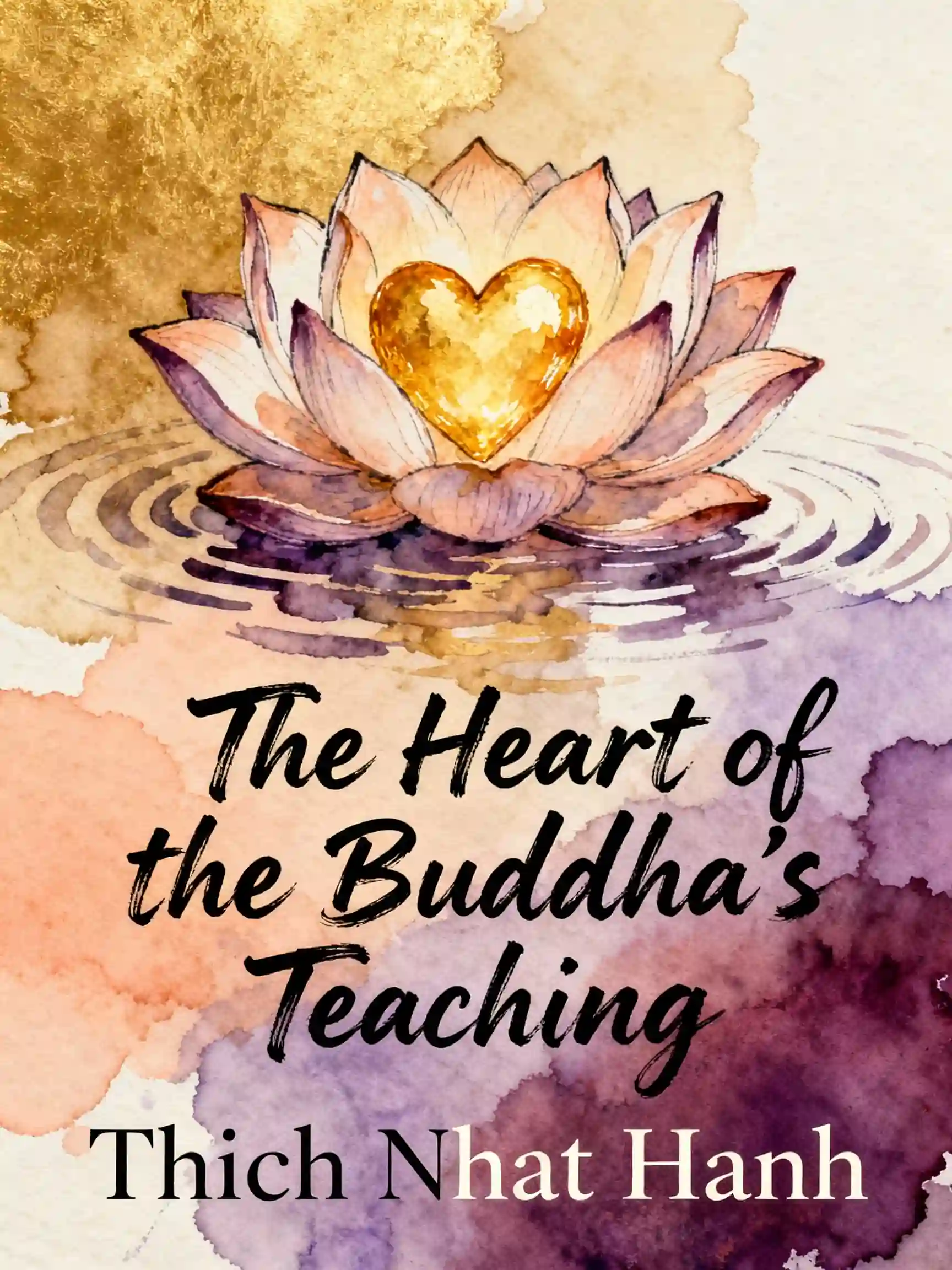
    The Heart of the Buddha's Teaching
    Atmamun
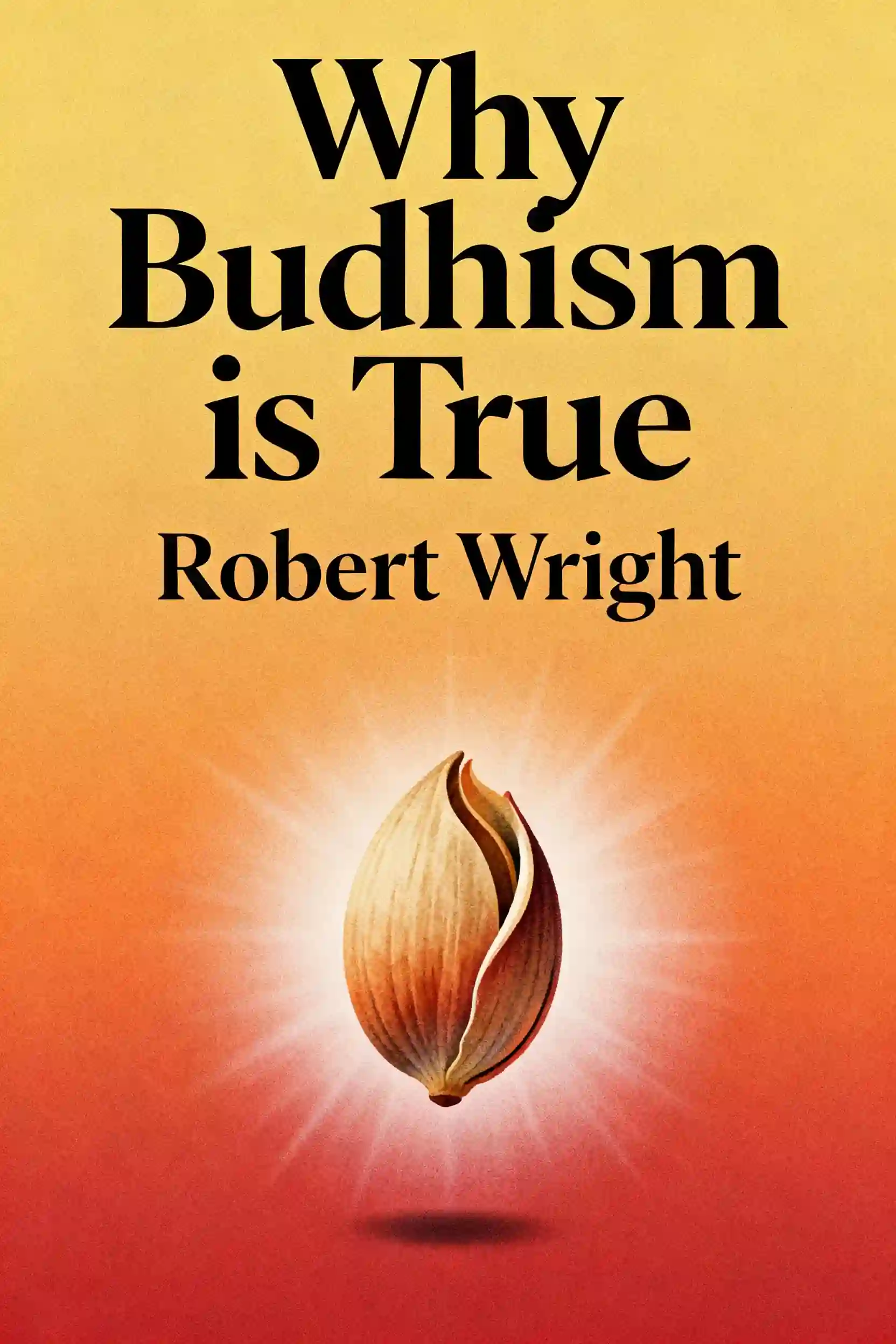
    Why Buddhism Is True
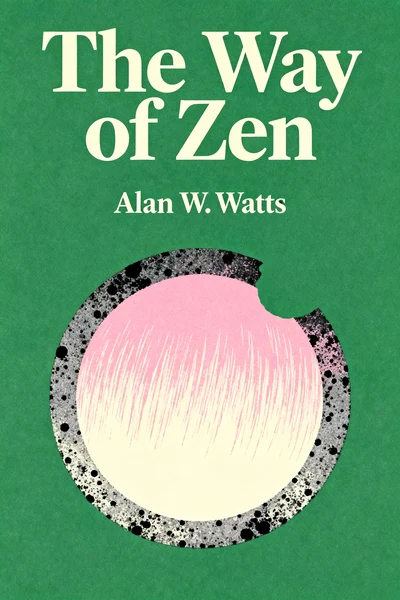
    The Way of Zen
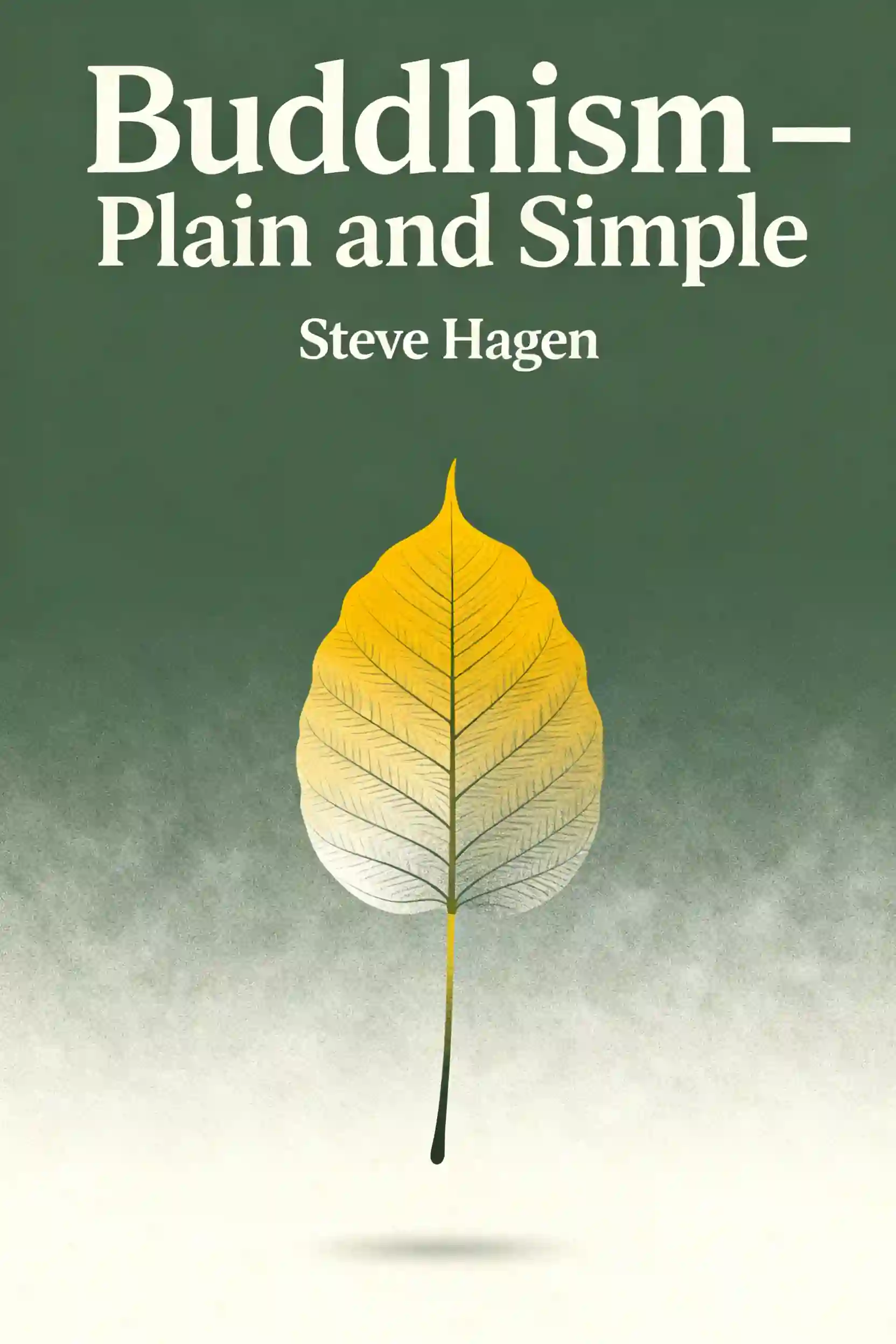
    Buddhism
    Heal Your Gut, Save Your Brain

    자주 묻는 질문

    The script distinguishes between chanda and tanha. Chanda is wholesome desire or intention, such as the flexible wish to be healthy or helpful, which acts as a direction rather than a demand. In contrast, tanha translates to "thirst" and represents a desperate, rigid craving where one feels they cannot be okay unless a specific outcome is met. While chanda allows for peace regardless of the result, tanha holds one's happiness hostage to external conditions.

    The Eight Worldly Concerns are four pairs of opposites: pleasure and pain, gain and loss, praise and blame, and fame and disgrace. Most people spend their lives frantically chasing the positive side of each pair and fleeing the negative. This creates a "rollercoaster" emotional state because these "winds" are natural conditions of the world that no one can fully control. By identifying which "wind" is blowing during a moment of stress, a person can move toward equanimity, realizing these external shifts do not define their internal worth.

    Buddhism suggests that the "self" is an impermanent, changing process rather than a solid, fixed entity. When we try to satisfy a "self" through possessions or status, it is like pouring water into a bucket with no bottom; the satisfaction never lasts because the "self" we are trying to please has already shifted. By recognizing that we are a process (made of changing feelings, perceptions, and habits) rather than a product, we can enjoy experiences without the desperate need to "own" them or protect a fragile ego-image.

    Distorted perception, or Vipallasa, is the mental error of seeing temporary, mind-made experiences as inherent and permanent. For example, we often believe the "sweetness" of a fruit is inside the fruit itself, when it is actually a temporary mental fabrication arising from contact. When we use "wise attention" to see that sensory pleasures are ephemeral and "empty" of lasting substance, the frantic desire to grab onto them naturally softens, much like losing interest in a piece of cake once you realize it is poisoned.

    Mindfulness allows a person to intervene in the psychological sequence that leads to suffering. The process typically moves from sense contact (seeing an object) to a feeling (pleasure) and then immediately to craving ("I must have it"). By "posting a guard" at the gates of the senses, mindfulness catches the process at the "feeling" stage. This creates a gap where one can observe the pleasant sensation without letting it escalate into a command to act or possess, allowing the individual to remain whole without the object.

    컬럼비아 대학교 동문들이 제작 | 샌프란시스코에서 개발

    BeFreed는 호기심 넘치는 글로벌 커뮤니티를 하나로 연결합니다

    4.7

    평균 평점

    앱 평가 7.84천 개 이상

    BeFreed 커뮤니티

    정말이지 아직 앱을 다 써 보지도 않았는데, 며칠 써 본 것만으로도 깊은 인상을 받았어요… BeFreed는 제가 써 본 어떤 학습 앱과도 차원이 달라요. 몰입감이 엄청나고 집중력도 실제로 좋아져서, 스마트폰을 하염없이 스크롤하는 분들께 딱이에요!

    @ladyInfinity

    정확히 23일 전에 BeFreed를 구입했는데, 그날부터 하루도 빠짐없이 쓰고 있어요. 제 일상 업무 흐름과 학습 습관에 완전히 자리 잡았어요.

    @jayallen

    솔직히 이 앱은 제 기대를 전부 뛰어넘었어요. 어떤 주제든 오디오로 만들어 달라고 할 수 있고, 결과물이 놀라워요. 제 전문 분야는 심리치료 쪽이고 여러 학문이 얽혀 있는데도 답변이 아주 정확해요.

    @Raguipa

    제일 고마운 건 스크롤하는 시간이 확 줄었다는 거예요. 검색하는 시간은 줄고 흡수하는 시간은 늘었어요. 오디오북 전권, 팟캐스트, 학습 플랜의 조합이 정말 훌륭해요.

    @colonyofcreatorsNGO

    저는 24년째 PhotoReading 속진 학습 강사로 일하고 있어요… 책과 독서, 배움이 제 전문인데, BeFreed는 정보를 소화하기 쉽게 전달하는 혁신적인 방식을 정말 잘 구현했어요.

    @BeFreed user

    단순한 책 요약 앱이 아니에요. '재미' 스타일을 써 봤는데, 전통적인 방식보다 훨씬 나은 요약이고 아이디어를 이해하기도 쉬워요. 이것만으로도 값어치를 해요.

    @austinakon

    이 앱이 정말 좋아요. 며칠 써 봤는데 듣는 걸 멈출 수가 없어요. 시작하기에 이보다 좋을 수 없어요.

    @jcrules328

    정말 마음에 들어요. 한 달 정도 써 봤는데 숨은 보석을 찾은 기분이에요. BeFreed로 제가 원하는 주제를 직접 만들 수 있어서 좋고, 목소리도 훌륭한 데다 내레이션 선택지가 무궁무진해요.

    @DanielCZ

    정말이지 아직 앱을 다 써 보지도 않았는데, 며칠 써 본 것만으로도 깊은 인상을 받았어요… BeFreed는 제가 써 본 어떤 학습 앱과도 차원이 달라요. 몰입감이 엄청나고 집중력도 실제로 좋아져서, 스마트폰을 하염없이 스크롤하는 분들께 딱이에요!

    @ladyInfinity

    정확히 23일 전에 BeFreed를 구입했는데, 그날부터 하루도 빠짐없이 쓰고 있어요. 제 일상 업무 흐름과 학습 습관에 완전히 자리 잡았어요.

    @jayallen

    솔직히 이 앱은 제 기대를 전부 뛰어넘었어요. 어떤 주제든 오디오로 만들어 달라고 할 수 있고, 결과물이 놀라워요. 제 전문 분야는 심리치료 쪽이고 여러 학문이 얽혀 있는데도 답변이 아주 정확해요.

    @Raguipa

    제일 고마운 건 스크롤하는 시간이 확 줄었다는 거예요. 검색하는 시간은 줄고 흡수하는 시간은 늘었어요. 오디오북 전권, 팟캐스트, 학습 플랜의 조합이 정말 훌륭해요.

    @colonyofcreatorsNGO

    저는 24년째 PhotoReading 속진 학습 강사로 일하고 있어요… 책과 독서, 배움이 제 전문인데, BeFreed는 정보를 소화하기 쉽게 전달하는 혁신적인 방식을 정말 잘 구현했어요.

    @BeFreed user

    단순한 책 요약 앱이 아니에요. '재미' 스타일을 써 봤는데, 전통적인 방식보다 훨씬 나은 요약이고 아이디어를 이해하기도 쉬워요. 이것만으로도 값어치를 해요.

    @austinakon

    이 앱이 정말 좋아요. 며칠 써 봤는데 듣는 걸 멈출 수가 없어요. 시작하기에 이보다 좋을 수 없어요.

    @jcrules328

    정말 마음에 들어요. 한 달 정도 써 봤는데 숨은 보석을 찾은 기분이에요. BeFreed로 제가 원하는 주제를 직접 만들 수 있어서 좋고, 목소리도 훌륭한 데다 내레이션 선택지가 무궁무진해요.

    @DanielCZ

    유용한 정보와 아이디어를 8~15분짜리 팟캐스트 스타일 오디오로 압축해서 들을 수 있다는 게 정말 좋아요. 원래 팟캐스트는 군더더기가 많아서 안 좋아했는데, 여기는 그걸 싹 걷어냈어요.

    @BeFreed user

    박사 과정을 마무리하는 중이라 낯선 자료를 많이 읽어야 해요… BeFreed에서는 프롬프트만 입력하면 앱이 자료를 찾아서 오디오 팟캐스트로 만들어 줘요. BeFreed의 과정이 NotebookLM보다 더 매끄럽게 느껴져요.

    @Brad

    아침을 준비하거나 산책하거나 출퇴근할 때 들을 것을 YouTube에서 자주 찾곤 했는데, BeFreed는 광고도 군더더기도 없이 훨씬 더 딱 맞는 걸 들려줘요!

    @BeFreed user

    이 플랫폼의 가장 큰 장점은 활용도예요. 다루지 못하는 주제가 말 그대로 하나도 없어요. 무엇을 던져도 다 소화해요… 제한이 전혀 없으면서 약속을 실제로 지키는 학습 도구는 정말 드물어요.

    @jayallen

    BeFreed는 환상적이에요. 디자인이 편해서 헤매는 시간은 줄고 배우는 시간은 늘었어요. 오디오북, 팟캐스트, 학습 플랜의 조합은 천재적이에요. 제 하루가 완전히 달라졌어요.

    @BeFreed user

    처음엔 이탈리아어로 팟캐스트를 만드는 방법을 이해하는 데 시간이 좀 걸렸는데, 알고 나니까 — 와! 정말 대단해요! 어떤 주제든 설명해 달라고 하면 정말 똑똑하게 잘 설명해 줘요!

    @matteo77

    BeFreed는 제가 매일 쓰는 오디오북 앱이 됐어요… 제일 마음에 드는 건 텍스트를 넣으면 이동 중에도 들을 수 있는 오디오로 만들어 준다는 점이에요.

    @kotanzu1

    유용한 정보와 아이디어를 8~15분짜리 팟캐스트 스타일 오디오로 압축해서 들을 수 있다는 게 정말 좋아요. 원래 팟캐스트는 군더더기가 많아서 안 좋아했는데, 여기는 그걸 싹 걷어냈어요.

    @BeFreed user

    박사 과정을 마무리하는 중이라 낯선 자료를 많이 읽어야 해요… BeFreed에서는 프롬프트만 입력하면 앱이 자료를 찾아서 오디오 팟캐스트로 만들어 줘요. BeFreed의 과정이 NotebookLM보다 더 매끄럽게 느껴져요.

    @Brad

    아침을 준비하거나 산책하거나 출퇴근할 때 들을 것을 YouTube에서 자주 찾곤 했는데, BeFreed는 광고도 군더더기도 없이 훨씬 더 딱 맞는 걸 들려줘요!

    @BeFreed user

    이 플랫폼의 가장 큰 장점은 활용도예요. 다루지 못하는 주제가 말 그대로 하나도 없어요. 무엇을 던져도 다 소화해요… 제한이 전혀 없으면서 약속을 실제로 지키는 학습 도구는 정말 드물어요.

    @jayallen

    BeFreed는 환상적이에요. 디자인이 편해서 헤매는 시간은 줄고 배우는 시간은 늘었어요. 오디오북, 팟캐스트, 학습 플랜의 조합은 천재적이에요. 제 하루가 완전히 달라졌어요.

    @BeFreed user

    처음엔 이탈리아어로 팟캐스트를 만드는 방법을 이해하는 데 시간이 좀 걸렸는데, 알고 나니까 — 와! 정말 대단해요! 어떤 주제든 설명해 달라고 하면 정말 똑똑하게 잘 설명해 줘요!

    @matteo77

    BeFreed는 제가 매일 쓰는 오디오북 앱이 됐어요… 제일 마음에 드는 건 텍스트를 넣으면 이동 중에도 들을 수 있는 오디오로 만들어 준다는 점이에요.

    @kotanzu1

    웹에서 BeFreed가 어떻게 논의되고 있는지 더 보기
    129.7K19.5K
    55.2K19.2K
    154.2K10827355
    48.1K2.5K
    81.2K6.6K
    82.3K1.8K
    지금 바로 학습 여정을 시작하세요
    BeFreed 앱
    BeFreed

    무엇이든 개인화된 학습

    DiscordLinkedIn
    추천 도서 요약
    Crucial ConversationsThe Perfect MarriageInto the WildNever Split the DifferenceAttachedGood to GreatSay Nothing
    인기 카테고리
    Self HelpCommunication SkillRelationshipMindfulnessPhilosophyInspirationProductivity
    유명인 추천 도서
    Elon MuskCharlie KirkBill GatesSteve JobsAndrew HubermanJoe RoganJordan Peterson
    수상작 컬렉션
    Pulitzer PrizeNational Book AwardGoodreads Choice AwardsNobel Prize in LiteratureNew York TimesCaldecott MedalNebula Award
    추천 주제
    ManagementAmerican HistoryWarTradingStoicismAnxietySex
    연도별 베스트 도서
    2025 Best Non Fiction Books2024 Best Non Fiction Books2023 Best Non Fiction Books
    추천 저자
    Chimamanda Ngozi AdichieGeorge OrwellO. J. SimpsonBarbara O'NeillWinston ChurchillCharlie Kirk
    BeFreed vs 다른 앱
    BeFreed vs. Other Book Summary AppsBeFreed vs. ElevenReaderBeFreed vs. ReadwiseBeFreed vs. Anki
    학습 도구
    Knowledge VisualizerAI Podcast Generator
    정보
    회사 소개arrow
    가격arrow
    FAQarrow
    블로그arrow
    채용arrow
    파트너십arrow
    앰배서더 프로그램arrow
    디렉토리arrow
    BeFreed
    Try now
    © 2026 BeFreed
    이용 약관개인정보 처리방침
    BeFreed

    무엇이든 개인화된 학습

    DiscordLinkedIn
    추천 도서 요약
    Crucial ConversationsThe Perfect MarriageInto the WildNever Split the DifferenceAttachedGood to GreatSay Nothing
    인기 카테고리
    Self HelpCommunication SkillRelationshipMindfulnessPhilosophyInspirationProductivity
    유명인 추천 도서
    Elon MuskCharlie KirkBill GatesSteve JobsAndrew HubermanJoe RoganJordan Peterson
    수상작 컬렉션
    Pulitzer PrizeNational Book AwardGoodreads Choice AwardsNobel Prize in LiteratureNew York TimesCaldecott MedalNebula Award
    추천 주제
    ManagementAmerican HistoryWarTradingStoicismAnxietySex
    연도별 베스트 도서
    2025 Best Non Fiction Books2024 Best Non Fiction Books2023 Best Non Fiction Books
    학습 도구
    Knowledge VisualizerAI Podcast Generator
    추천 저자
    Chimamanda Ngozi AdichieGeorge OrwellO. J. SimpsonBarbara O'NeillWinston ChurchillCharlie Kirk
    BeFreed vs 다른 앱
    BeFreed vs. Other Book Summary AppsBeFreed vs. ElevenReaderBeFreed vs. ReadwiseBeFreed vs. Anki
    정보
    회사 소개arrow
    가격arrow
    FAQarrow
    블로그arrow
    채용arrow
    파트너십arrow
    앰배서더 프로그램arrow
    디렉토리arrow
    BeFreed
    Try now
    © 2026 BeFreed
    이용 약관개인정보 처리방침

    비슷한 콘텐츠

    Stop Indulging: 100% Success Strategy for Happiness 책 표지
    source 1source 2source 3source 4
    6 sources
    Stop Indulging: 100% Success Strategy for Happiness
    Discover how to rewire your brain for contentment by flipping the cultural script on satisfaction. Learn ancient wisdom meets modern neuroscience to break free from the wanting cycle and find lasting joy with less.
    12 min
    The Buddhist Path to Love Without Clinging 책 표지
    The Heart of the Buddha's TeachingLiving UntetheredThe Greatest SecretNo Self, No Problem
    19 sources
    The Buddhist Path to Love Without Clinging
    Explore the misunderstood Buddhist concept of attachment, revealing how non-attachment isn't about loving less, but loving more wisely—without the desperate grasping that causes suffering.
    55 min
    Finding Peace Beyond Outcomes 책 표지
    [00cbb2ac-cf12-4418-99db-11dba7acd55f:c0000]  Joseph Goldstein [Goldstein, Joseph] - Mindfulness (2013, Sounds True) - libgen.li.epub p1-1[00cbb2ac-cf12-4418-99db-11dba7acd55f:c0001]  Joseph Goldstein [Goldstein, Joseph] - Mindfulness (2013, Sounds True) - libgen.li.epub p1-1[00cbb2ac-cf12-4418-99db-11dba7acd55f:c0002]  Joseph Goldstein [Goldstein, Joseph] - Mindfulness (2013, Sounds True) - libgen.li.epub p1-1[00cbb2ac-cf12-4418-99db-11dba7acd55f:c0003]  Joseph Goldstein [Goldstein, Joseph] - Mindfulness (2013, Sounds True) - libgen.li.epub p1-1
    26 sources
    Finding Peace Beyond Outcomes
    When we tie our happiness to specific results, we live in constant agitation. Learn how bare knowing and mindfulness can break the cycle of suffering.
    932 min
    Finding happiness by needing less from others 책 표지
    Codependent Relationship Recovery PlanLiberated LoveFacing Codependence [ABRIDGED]True to You
    26 sources
    Finding happiness by needing less from others
    Feeling drained by everyone else's expectations? Learn why being indispensable is a trap and how choosing contentment over clout leads to true freedom.
    30 min
    Stoic minimalism and the trap of more 책 표지
    The ManualPracticing StoicHow to Be a StoicLessons in Stoicism
    20 sources
    Stoic minimalism and the trap of more
    Feeling weighed down by your stuff? Discover how Stoic principles help you clear the clutter, lower stress, and finally exit the consumption treadmill.
    15 min
    Manifesting Without Lack 책 표지
    Why You Don’t Manifest What You Want - Dualistic UnityTom Kenyon   » Non-Duality and the Matrix of CreationNONDUALITY: BEYOND THE LAW OF ATTRACTION - Jeff FosterNo Goal Un-Focussed Non-Duality - by Freyja Theaker
    6 sources
    Manifesting Without Lack
    Chasing goals often reinforces a sense of deficiency. Learn how to move from desperate wanting to natural expression for more effortless achievement.
    23 min
    Why defining enough is a radical act 책 표지
    StuffocationThe High Price of MaterialismThe Sane SocietyHappy Ever After
    23 sources
    Why defining enough is a radical act
    Exhausted by the constant pressure to buy more? Discover why choosing contentment over consumption can break the cycle of burnout and reclaim your time.
    25 min
    Joy on Demand 책 표지
    Joy on Demand
    Chade-Meng Tan
    7 min

    Recommended Learning Plans

    Explore Buddhism for Modern Life
    학습 계획

    Explore Buddhism for Modern Life

    In our fast-paced, distracted world, Buddhist wisdom offers practical tools for finding balance, meaning, and genuine happiness. This learning plan bridges ancient teachings with modern life challenges, ideal for anyone seeking more mindfulness, emotional resilience, and authentic connection in their daily experience.

    3 h 51 m•4 섹션
    From Anxiety to Aligned Detachment
    학습 계획

    From Anxiety to Aligned Detachment

    This plan is essential for high-achievers and overthinkers who struggle with chronic worry and the need for control. It offers a unique blend of neuroscience and mindfulness to help individuals transition from frantic anxiety to a grounded state of detachment.

    1 h 30 m•3 섹션
    From Restless Cravings to Rooted Awakening
    학습 계획

    From Restless Cravings to Rooted Awakening

    This plan is designed for individuals feeling spiritually unanchored or trapped in cycles of restless craving. It provides a structured path for those seeking to stabilize their physical lives while safely preparing for advanced energetic awakening.

    2 h•5 섹션
    The Arrival Fallacy and the Science of Satisfaction
    학습 계획

    The Arrival Fallacy and the Science of Satisfaction

    High-achievers often find themselves trapped in a cycle of chasing milestones that never yield the expected joy. This plan is essential for anyone struggling with burnout or the 'what's next' syndrome, offering a scientific roadmap to decouple identity from external validation.

    1 h 30 m•3 섹션
    From Pursuit to Presence
    학습 계획

    From Pursuit to Presence

    This plan is designed for high achievers who find themselves disproportionately consumed by romantic pursuits at the expense of their well-being. It provides a roadmap for transitioning from anxious attachment to a state of self-assured presence and emotional independence.

    1 h 30 m•3 섹션
    Bypassing the Brain's Reducing Valve
    학습 계획

    Bypassing the Brain's Reducing Valve

    This plan is essential for individuals seeking to transcend cognitive limitations and explore the depths of their psyche. It is particularly beneficial for creatives, psychologists, and seekers who want to master Jungian techniques for self-integration and expanded awareness.

    1 h 30 m•3 섹션
    Love Without Losing Your Center
    학습 계획

    Love Without Losing Your Center

    This learning plan is essential for individuals who find themselves losing their identity or peace of mind in romantic relationships. It is specifically designed for those seeking to balance deep connection with personal autonomy while supporting partners in high-pressure environments.

    1 h 30 m•3 섹션
    Unshakable: The Art of Emotional Detachment
    학습 계획

    Unshakable: The Art of Emotional Detachment

    In an era of constant social pressure, mastering emotional boundaries is essential for mental clarity. This plan is designed for individuals who feel drained by others' moods or struggle with social overthinking.

    1 h 30 m•3 섹션