BeFreed
    Categories>Philosophy & Spirituality>Why defining enough is a radical act

    Why defining enough is a radical act

    25분
    |
    |
    2026년 3월 19일
    Philosophy & SpiritualityHistory & SocietyFinance & Economics

    Exhausted by the constant pressure to buy more? Discover why choosing contentment over consumption can break the cycle of burnout and reclaim your time.

    Why defining enough is a radical act
    전달 방식을 선택하세요

    하나의 에피소드, 다양한 청취 방식.

    Why defining enough is a radical act의 같은 아이디어를 나에게 맞는 목소리, 깊이, 속도로 만나보세요. 언제든 바꿀 수 있습니다.

    전체 대본 및 챕터

    챕터 1

    The Rebellion of Saying Enough

    Nia: You know, Eli, I was just thinking about the irony of our "wellness" culture. We’re constantly bombarded with ads for apps, lotions, and expensive detoxes all designed to help us de-stress from the very system that’s making us anxious in the first place. It’s like we’re trying to buy back the peace of mind that was sold for a profit.

    Eli: Exactly! It’s what some call a "commodified" version of wellness. We’re told our unhappiness is a personal failure or a "poor life choice," rather than a result of a system where our worth is tied to being a "productive" commodity.

    Nia: Right, and that leads to this endless treadmill of "more." But what if the real act of rebellion isn't buying a new self-help tool, but simply deciding what is "enough"?

    Eli: That’s the big question. If contentment is the end of capitalism at an individual level, how does that shift into a collective movement for social justice? Let’s explore how reclaiming our time and defining "enough" can actually transform how we live together.

    챕터 2

    The invisible machine of manufactured lack

    Nia: That idea of a "treadmill" is so visceral. I feel it every time I open my phone—that subtle nudge that my current phone, my current clothes, even my current hobbies aren't quite "optimized" yet. It’s like there’s this invisible ghost in the room constantly whispering, "Not yet, Nia. You’re not quite there yet."

    Eli: You’ve hit the nail on the head. And that ghost actually has a name in economic history. If we look at how our modern world was built, especially after the 1940s, it wasn't an accident. Think back to the transition after World War II. You had this massive industrial machine that had been churning out tanks and planes, and suddenly, the war ends. What do you do with all those factories?

    Nia: I guess you can’t just stop the gears from turning without the whole economy collapsing, right?

    Eli: Exactly. So the war machine became a consumer machine. Techniques of mass production and assembly-line efficiency were repurposed for civilian life. But here’s the kicker—to keep those factories running, you need people to keep buying. And if people are content with what they have, the gears stop. So, the system had to start manufacturing something else alongside refrigerators and cars—it had to manufacture dissatisfaction.

    Nia: That’s wild to think about—dissatisfaction as an industrial byproduct. Like, "We’ll give you a washing machine, but we’ll also give you the feeling that you need a newer, shinier one in three years."

    Eli: Precisely! Retail analysts back in the mid-fifties were actually quite open about this. One famous guy, Victor Lebow, said our economy demands that we make consumption our "way of life"—that we seek our spiritual and ego satisfactions in buying things. It’s not just about utility anymore; it’s about ritual.

    Nia: It makes me think about how we’ve traded "citizenship" for "consumer sovereignty." I mean, how often do we feel like our only real power is "voting with our wallets" instead of, you know, actually participating in the decisions that shape our lives?

    Eli: That’s a profound shift. When the "shopping mall" becomes the model for the city, as the Goodman brothers argued in their classic work Communitas, everything is organized around buying and using things up. In that world, even our most intimate feelings—like motherly love or the desire for brotherhood—are used as triggers to make us buy something. The "integral man," as they put it, becomes entirely wrapped up in the economy.

    Nia: So, if the system is designed to keep us in a state of "permanent lack," then simply saying "I have enough" isn't just a personal preference—it’s a direct glitch in the matrix. It’s like refusing to fuel the engine.

    Eli: It really is. Because when you decide you have enough, you stop being a "target market" and start becoming a person again. But as we’ll see, that personal peace is hard to maintain when the world around you is still built on that post-war growth logic. If I decide I have enough but my neighbor is still stuck on the treadmill, the social pressure to "keep up" is incredibly intense.

    Nia: Right, it’s that social comparison thing. I don’t just want a car; I want a car that says I’m doing better than the person next door. It’s exhausting!

    Eli: It’s the "relative income hypothesis." We don’t measure our success against an absolute line of "can I eat and stay warm?" We measure it against the people we see on our feeds. And when those feeds are curated by influencers showing idealized, unattainable lives, the "gap" between what we have and what we’re told we need feels like a canyon.

    이 에피소드로 더 깊이 배우기

    이 에피소드의 아이디어를 BeFreed의 가이드 학습 경험으로 더 깊이 탐구해 보세요.

    챕터 3

    The high cost of keeping up with Joe and Jenny

    Nia: It’s funny you mention the "canyon" of lack, because I was reading about how this shows up even in the most basic ways. Like, even in really poor communities, people will spend a huge chunk of their income on social signaling—things that show they belong or have status—even before their physical needs are totally secure. One study in Peru found that about 22 percent of spending in impoverished areas was for social signaling.

    Eli: That’s a perfect example of how "enough" is a social threshold, not just a biological one. We are tribal beings. Belonging isn't a luxury; it’s a survival need. Capitalism just happens to be a system that hitches that need for belonging to the purchase of commodities.

    Nia: So, when we talk about "social justice" in this context, it’s not just about redistributing money, is it? It’s about changing the very things we value so that we don't feel forced to compete for status just to feel "seen."

    Eli: Spot on. Think about Martin Hägglund’s critique of capitalism. He argues that under this system, we are all dominated by the collective priority of generating profit. It doesn't matter if you’re a worker or a CEO; your time isn't really your own. As a worker, you have to take a job that pays the bills, regardless of whether that work actually helps anyone. As a producer, you have to make a profit, even if what you’re producing is actually harmful to the environment or society.

    Nia: So it’s like a structural form of domination. We’re all "unfree" because the "purpose" of our collective life is decided by the market, not by us.

    Eli: Exactly. And this is where the link between contentment and social justice gets really interesting. If I, as an individual, find contentment—if I reclaim my time and say "this is enough"—I’m essentially performing a "micro-negation" of the capitalist measure of value. I’m saying, "My time has value for me, not just for what it can produce for the market."

    Nia: But if I do that alone, I’m just a "minimalist" in a world that’s still burning through resources. I might be happier, but the system is still broken.

    Eli: That’s the "individual level" versus the "collective level" you mentioned. If contentment is the end of capitalism for the individual, then "social justice"—or what Hägglund calls "democratic socialism"—is the end of capitalism for the community. It’s when we collectively decide that the "wealth" of our society isn't measured in the quantity of goods we produce, but in the amount of "socially available free time" we have.

    Nia: "Socially available free time"—I love that. Imagine if we were "wealthy" because we had time to learn, to care for each other, to just be, rather than because we had a 50-inch TV in every room.

    Eli: It’s a total revaluation of value. Instead of profit being the compass, democratic deliberation becomes the compass. We’d ask, "What do we actually need to produce to live well?" and "How can we do that in a way that respects everyone’s time and the planet’s limits?"

    Nia: But how do you actually coordinate that? I mean, isn't that why people like the market? Because it’s "unintended"—it just happens through prices without some big, scary central planner telling everyone what to do.

    Eli: That’s the classic Hayekian argument—the idea that the market is the only way to process all the "unique information" that individuals have. But think about the irony: does the price of a cheap T-shirt really "communicate" the truth? Does it tell you about the environmental cost or the labor conditions?

    Nia: No, it actually veils all that. It’s like the price system is a "rational" machine that’s being fed "irrational" or incomplete data.

    Eli: Right! A truly "rational" price mechanism, as Hägglund suggests, would actually reflect the normative "cost" of what we value—like the impact on the ecosystem. Under democratic socialism, we could use technology to communicate our supply and demand without being dominated by the need for profit. Imagine a global software where we assess our needs and adjust our production based on what’s beneficial for the social whole, not what makes a line go up on a stock chart.

    챕터 4

    Reclaiming the piazza from the department store

    Nia: You mentioned the Goodman brothers earlier and their idea of the "city as a department store." It’s such a perfect metaphor for how we live now. Everything is about the "acts of buying and using up." But their alternative—the city where "work, love, and knowledge" are integrated—that sounds like a dream.

    Eli: It’s the "piazza" model. In their second paradigm, the hub of social life isn't a mall; it’s public squares. Places where people remain and talk. It’s a society where we aren't "consumers" who occasionally vote, but "citizens" who are constantly deliberating about our collective needs.

    Nia: It reminds me of the distinction between "redistribution" and "predistribution." Most of our political debates are about redistribution—how to share the cake after it’s already baked. But "predistribution" is about deciding what kind of cake we’re baking in the first place!

    Eli: Exactly! Redistribution says, "The market decided what’s valuable, now let’s tax the winners to help the losers." Predistribution says, "We, as a society, will decide where to invest our labor and resources before the market even gets involved." It’s things like collective bargaining, public services, and socialization of investment. It’s about taking the question of "what is worth doing?" out of private hands and putting it back into the public square.

    Nia: This feels like it connects back to that "psychology of enough." If I don’t feel like I’m in a constant battle for survival or status—because I have a solid social safety net, good public transit, and a community that values me for who I am—then the "need" to buy status symbols just... evaporates.

    Eli: You’ve hit the nail on the head. Contentment is easier when the system supports it. Look at the Nordic models—not that they’re perfect, but they show a "third way." When you have universal healthcare, free education, and robust parental leave, you don't need to earn $200k a year just to feel "secure." You can afford to work fewer hours and focus on "hygge" or "friluftsliv"—that Norwegian word for living an outdoor life.

    Nia: I love that. Contentment as a "social contract" rather than just a "mindfulness practice." Because let’s be real, it’s hard to be mindful when you’re three missed paychecks away from the street.

    Eli: Absolutely. And when you reduce that material insecurity, you also reduce the "status anxiety" that drives overconsumption. In Denmark, there’s this cultural concept called "Janteloven," which basically discourages boastfulness and excessive competition. It’s a social norm that nudges people toward equality and cohesion.

    Nia: It sounds like a "psychological technology" for staying off the treadmill. But how do we bridge the gap between where we are now—this hyper-capitalist, influencer-driven world—and that "global republic of cooperatives"?

    Eli: It starts with an "ethical transformation." But as Marxists argue, that transformation isn't just about "being a better person." It’s about creating the material conditions that allow us to be better. We can’t expect people to stop being "greedy" in a system that punishes you for not having "more."

    Nia: Right. If I stop "hustling" in our current system, I might lose my house. But if we collectively decide to reduce the work week—like they do in the Netherlands where it’s around 30 hours—then "enough" becomes the new normal.

    Eli: And think about the climate crisis. We often say "we" are responsible for destroying the planet, as if it’s a failure of human nature. But it’s not "human nature"—it’s the "measure of value" we’re forced to live by. As long as we have to prioritize profit to survive, we will keep "growing" even when we know it’s killing us.

    Nia: So, "social justice" is the collective act of saying "enough" to the destruction of the biosphere. It’s recognizing that my contentment is tied to your well-being, which is tied to the health of the soil.

    Eli: It’s a holistic sustainability. You can’t have biospheric health without social justice, and you can’t have either if we’re still driven by egoistic, profit-maximizing values. We have to flip the hierarchy. Environmental values first, then social values, and then economic values as a tool to serve the first two.

    이 에피소드로 더 깊이 배우기

    이 에피소드의 아이디어를 BeFreed의 가이드 학습 경험으로 더 깊이 탐구해 보세요.

    챕터 5

    The hierarchy of value in a finite world

    Nia: I was looking at this study from Türkiye about "sustainability value orientation," and it found something really fascinating. They looked at three types of values: biospheric—caring for the environment; altruistic—caring for others; and egoistic—caring for your own profit or interest.

    Eli: And I bet the "egoistic" ones are usually in the driver's seat in our current policy-making, right?

    Nia: Always! But the study argued that for true sustainability and happiness, the hierarchy must be biospheric first, then altruistic, then egoistic. Because, as they put it, while we "nourish" the economy, we are actually "made of" soil and water. If you destroy the soil to grow the economy, you’re literally eating your own foundation.

    Eli: That’s a powerful image. It’s the "Great Famine" of 1961 in China all over again—when they killed 21 billion sparrows because they thought they were "pests" eating the grain. They prioritized a fragmented "production" goal over the biospheric reality of the ecosystem, and the result was a catastrophe.

    Nia: Exactly! They forgot that sparrows eat the insects that eat the grain. It’s that "bounded rationality"—we think we’re being "smart" and "efficient" by maximizing one variable, but we’re actually being incredibly stupid because we’re ignoring the whole system.

    Eli: And this is where "minimalism" comes back in. Minimalists aren't just "buying less stuff"; they’re often trying to live in a way that’s "compatible with nature." They find happiness in "connecting with nature" rather than "material consumption." It’s a shift from "having" to "being."

    Nia: But it’s hard! I mean, I love the idea of "voluntary simplicity," but then I see a "fast fashion" ad and that old "manufactured lack" kicks in. It’s like we’re fighting a century of psychological warfare designed to make us feel "un-simple."

    Eli: It really is a form of "modern slavery," as some activists put it. We’re trapped in cycles of desire, debt, and dissatisfaction. We work long hours in jobs we might not even like, just to buy things that we’re told will make the stress of those jobs go away.

    Nia: It’s so circular! "I’m stressed because I work too much, so I’ll buy a luxury vacation to de-stress, which means I have to work more to pay for the vacation."

    Eli: And the environment pays the price. The fashion industry alone is the third-largest polluter. We’re producing "fast fashion" that’s designed to be outdated in months. It’s "planned obsolescence" for our very identities.

    Nia: So how do we break the spell? How do we move toward "enough" when everything around us is shouting "more"?

    Eli: One way is to look at communities that are already doing it—not as a "trend," but as a design choice. Like the Amish or the Bruderhof. They’ve built social systems where "enough" is the baseline. They don't have "status anxiety" because their worth isn't tied to their car or their phone.

    Nia: I guess the challenge is how to take those "communal" lessons and scale them to a global, high-tech society. We can’t all be the Amish, but we can all decide that our technology should serve "coordination" rather than "exploitation."

    Eli: Right! Like that idea of "democratic planning" using sensors and algorithms to track resources and meet needs without a "command economy." We could use our incredible "war-machine" level of ingenuity to create a "peace-machine" of genuine flourishing.

    Nia: I love that. It’s not about "sacrificing" our standard of living; it’s about "upgrading" our quality of life. Trading a second car for twenty more hours of free time a week. Trading a bigger house for a closer, more supportive neighborhood.

    Eli: It’s a "re-valuation." We’re discovering that "enough" isn't a "settling" for less—it’s an arrival at "more" of what actually matters. More connection, more autonomy, more meaning.

    챕터 6

    The psychology of "enough" as a societal choice

    Nia: You know, Eli, I was reading this essay by Dr. John Mark Dangerfield about the "Psychology of Enough," and he makes this really interesting point. He says that "enough" is both a psychological threshold and a societal design choice. It’s not just something you "feel"; it’s something you "build."

    Eli: That’s a crucial distinction. Because if we build our society around "manufactured dissatisfaction"—which is basically what advertising is—then "enough" will always feel just out of reach.

    Nia: Right! He talks about how we’ve "industrialized envy." Social media platforms aren't just for sharing photos; they’re engines for social comparison. They take our natural tribal instinct to "fit in" and turn it into a 24/7 competition for status.

    Eli: It’s "social comparison on steroids." And it triggers dopamine responses in our brains that are 23 percent stronger than just getting what we "need." So, we’re literally getting a bigger "hit" from feeling "better than Joe" than we are from just being comfortable.

    Nia: That explains why it’s so addictive! But Dangerfield also points out that once our basic needs are met—food, shelter, security—the returns on "more stuff" drop off a cliff. He mentions that famous $75,000 income threshold where happiness starts to plateau. After that point, the things that actually drive well-being are "relationships, autonomy, competence, and meaning."

    Eli: It’s the "Engel’s Law" of the soul! As our income rises, the proportion we spend on physical needs falls, but that "gap" is immediately filled by "comparison-driven consumption." We spend more because we see others spending more.

    Nia: So, the "punchline," as he puts it, is that if we want a "post-growth world" that doesn't feel like "punishment," we have to make contentment "normal" instead of "suspicious."

    Eli: "Normal instead of suspicious." That’s powerful. Because right now, if you say "I have enough," people think you’ve lost your ambition or you’re "giving up." But what if "enough" is actually the goal of ambition? What if the point of working is to reach the place where you can stop working and start living?

    Nia: It reminds me of the "Sewer Socialists" in Milwaukee or the urban planning in Communitas. They weren't just about "redistributing wealth"; they were about creating "public squares" and "piazze"—places where people could be "leisurely about their work."

    Eli: Imagine that! "Leisurely about your work" because you’re not constantly looking at the clock, wondering if you’ve earned enough to buy the next "upgrade." You’re working because the work has value in itself.

    Nia: But we have to acknowledge the "infrastructure problem" here. For about 5 or 6 billion people on this planet, "enough" is still a distant dream. They don’t even have a washing machine.

    Eli: That’s such an important point. Hans Rosling’s work on this is legendary. A washing machine isn't just a "gadget"; it’s a "time-machine" for women. It moves you from "Level 2" to "Level 3" of global income, and it frees up 20 to 50 hours of manual labor a week.

    Nia: So, when we talk about "the end of capitalism," we’re not saying "no one gets a washing machine." We’re saying the goal should be "washing machines for everyone" and then we stop! We don't need "smart washing machines that order their own detergent" while billions are still scrubbing by hand.

    Eli: Right! It’s about "sufficiency" as a global target. We use our collective ingenuity to get everyone to the "threshold of dignity," and then we pivot our focus from "more stuff" to "more time" and "more life."

    Nia: It’s a "global federation of republics," as William Clare Roberts puts it. Where we coordinate our production to meet everyone’s needs on a planetary scale. It’s "from each according to her ability, to each according to her need."

    Eli: And that requires us to "own" our production and consumption in a deep sense. Not just "owning" a profit-share, but being "accountable" for the impact of our choices. "I’m choosing this because it’s beneficial for the social whole," not "I’m buying this because it was 50 percent off and I’m bored."

    Nia: It’s about becoming "self-determining members of society" rather than just "passive consumers of commodities."

    이 에피소드로 더 깊이 배우기

    이 에피소드의 아이디어를 BeFreed의 가이드 학습 경험으로 더 깊이 탐구해 보세요.

    챕터 7

    A practical playbook for the "enough" rebellion

    Eli: So, Nia, let’s get practical. If someone is listening to this and thinking, "Okay, I’m sold on the 'enough' rebellion, but I still have to pay rent in a capitalist world," what can they actually do?

    Nia: I think it starts with what some call "financial mindfulness." One of the studies we looked at found that how you spend your money is actually a better predictor of happiness than how much you have.

    Eli: Right! The "spending-values alignment." If I’m spending money on things that actually reflect my "authentic self"—like experiences, learning, or helping others—I’m going to be way happier than if I’m just buying "status goods" to impress people I don't even like.

    Nia: Exactly. So, step one: audit your "social comparison" triggers. If you follow influencers who make you feel "less than," unfollow them! They are literally paid to manufacture your dissatisfaction.

    Eli: That’s a great first step. Step two: focus on "experiential consumption." Spend your "discretionary income" on travel, shared meals, or learning a new skill. These things yield "enduring well-being" because they foster social connection and personal growth, and they don't "tarnish" or "go out of style" like a new bag does.

    Nia: And they’re harder to "compare"! It’s hard to say my "walk in the woods" was "better" than your "walk in the woods." Experiences are "unique" in a way that "mass-produced goods" aren't.

    Eli: Step three: practice "prosocial spending." The research is so clear on this—spending money on others, whether through gifts or charity, creates more sustainable happiness than spending it on yourself. It reinforces our "tribal connection" and makes "enough" feel like "abundance."

    Nia: Step four: "buy time." If you have the means, use your money to outsource the tasks you hate, or better yet, trade a "raise" for "fewer hours." Research shows that people who prioritize "time over money" are consistently happier.

    Eli: And on a more "collective" level, we can support "predistributive" policies. Support local cooperatives, advocate for a shorter work week in your industry, and vote for public services that reduce our "material insecurity." The more we "socialize" our needs—like healthcare and transport—the less we have to "individualize" our search for security through hoarding.

    Nia: I love that. "Socialize our needs, individualize our growth." And don't forget "minimalism" as a "quiet rebellion." Every time you decide not to upgrade your phone, or not to buy that fast-fashion top, you’re reclaiming a tiny piece of your "sovereignty" from the market.

    Eli: It’s about "drawing a line between nourishment and excess," as Thom Hartmann puts it. Recognizing that "unchecked desire" doesn't lead to happiness—it leads to anxiety. To say "enough" is to reclaim the right to stop without apologizing.

    Nia: It’s about realizing that "nothing is ever safe" when "nothing is ever enough." If I’m always chasing the "next better thing," then my "current good thing" is always in danger of being "obsolete."

    Eli: But when you anchor yourself in "sufficiency," you can finally "live from lack" to "live from abundance." You stop postponing your life until some "future condition" is met. You start "living now."

    Nia: It’s like that quote: "What that you already have is sufficient to begin living now?" That’s a dangerous question for a consumer culture, but it’s a life-saving one for a human being.

    Eli: It really is. And as we wrap this up, I think about that "ethical transformation" Hägglund mentioned. We’re not just "fixing the economy"; we’re "reclaiming our humanity." We’re learning to see our "dependence on each other" not as a "weakness," but as our greatest "strength."

    Nia: "Waging peace with ourselves, each other, and a finite planet." That’s the real "mobilization" of our time.

    챕터 8

    Closing reflections on the end of the treadmill

    Eli: We’ve covered a lot of ground—from the post-war factories that built our "economy of desire" to the "piazze" of a potential democratic socialist future. But at the heart of it all is a very simple shift in perspective.

    Nia: It’s the shift from being a "subject for appropriate objects"—someone the market uses to move goods—to being an "integral person" who uses the economy to support a "way of life."

    Eli: I hope this conversation has given everyone listening a moment to pause and look around. Not at what you don't have yet, but at what you already have that is "sufficient to begin living."

    Nia: Maybe it’s that book you haven't finished, the friend you've been meaning to call, or just the quiet of a room where nothing is being "sold" to you for a few minutes.

    Eli: Remember, the "end of capitalism" isn't just some far-off political revolution. At the individual level, it starts every time you look at your life and say, "This is enough. I’m good."

    Nia: And at the collective level, it’s when we join together to make that "enough" a reality for everyone, not just a lucky few. It’s when social justice ensures that "personal peace" isn't a "luxury good" you have to "buy back," but a "public right" we all share.

    Eli: We’re so grateful you joined us for this exploration. It’s a big, complex topic, but it all comes down to how we choose to spend the most precious thing we have—our time.

    Nia: Take a moment today to think about where you can "draw the line" between nourishment and excess. What’s one area where you can say "enough" and reclaim a bit of your "sovereignty"?

    Eli: It’s been an absolute joy diving into this with you, Nia. And to everyone listening, thank you for sharing your time with us. It’s the most valuable thing you’ve got.

    Nia: Truly. Let’s keep thinking, keep questioning, and most importantly, keep deciding what "enough" looks like for ourselves and each other.

    Eli: Here’s to the "quiet rebellion" of contentment. We’ll be thinking about these ideas right along with you.

    Nia: Thanks again for listening, everyone. Take care of yourselves—and each other.

    ★★★★★

    Why defining enough is a radical act의 끝까지 도달했어요

    “23일째 매일 사용하고 있어요. 이제 제 일상의 한 부분이 되었습니다.”

    jayallen

    Why defining enough is a radical act 베스트 인용

    “

    If contentment is the end of capitalism at an individual level, then social justice is the end of capitalism for the community. It’s when we collectively decide that the wealth of our society isn't measured in the quantity of goods we produce, but in the amount of socially available free time we have.

    ”
    H

    Generated by hassan mujtaba

    질문 입력

    Contentment is the end of capitalism at individual level while social justice would help at collective level

    호스트 음성
    Niaplay
    Eliplay
    지식 출처
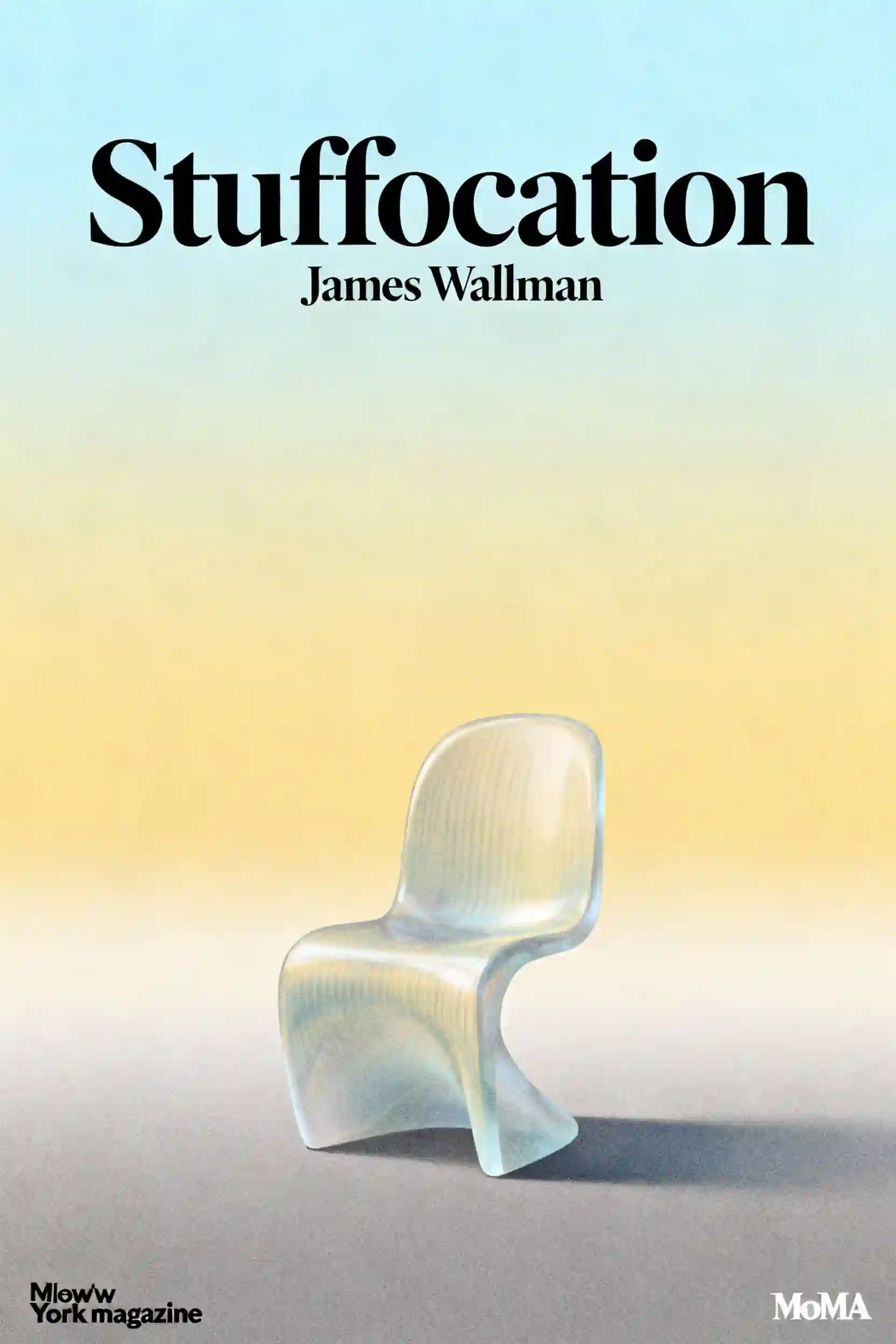
    Stuffocation
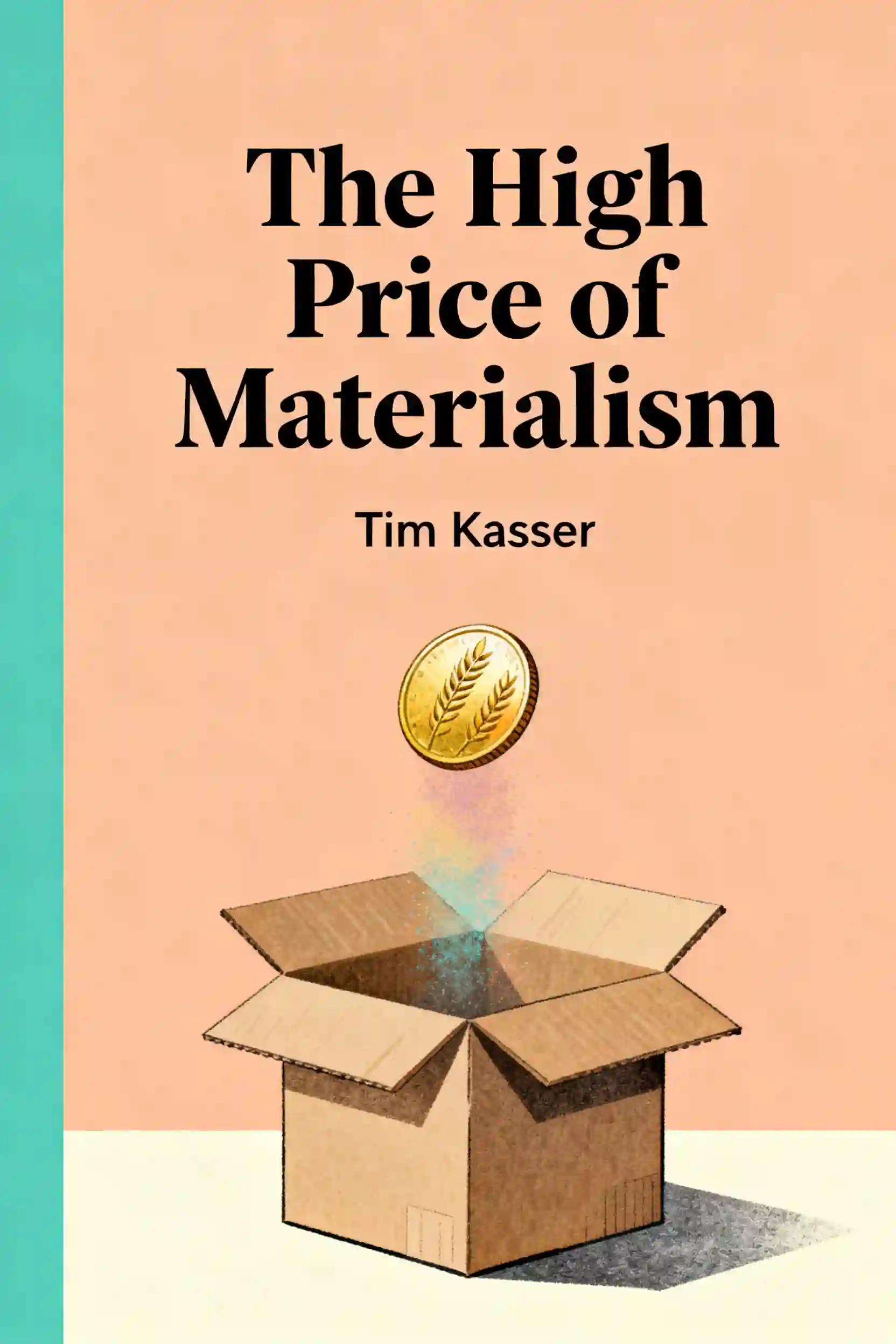
    High Price of Materialism
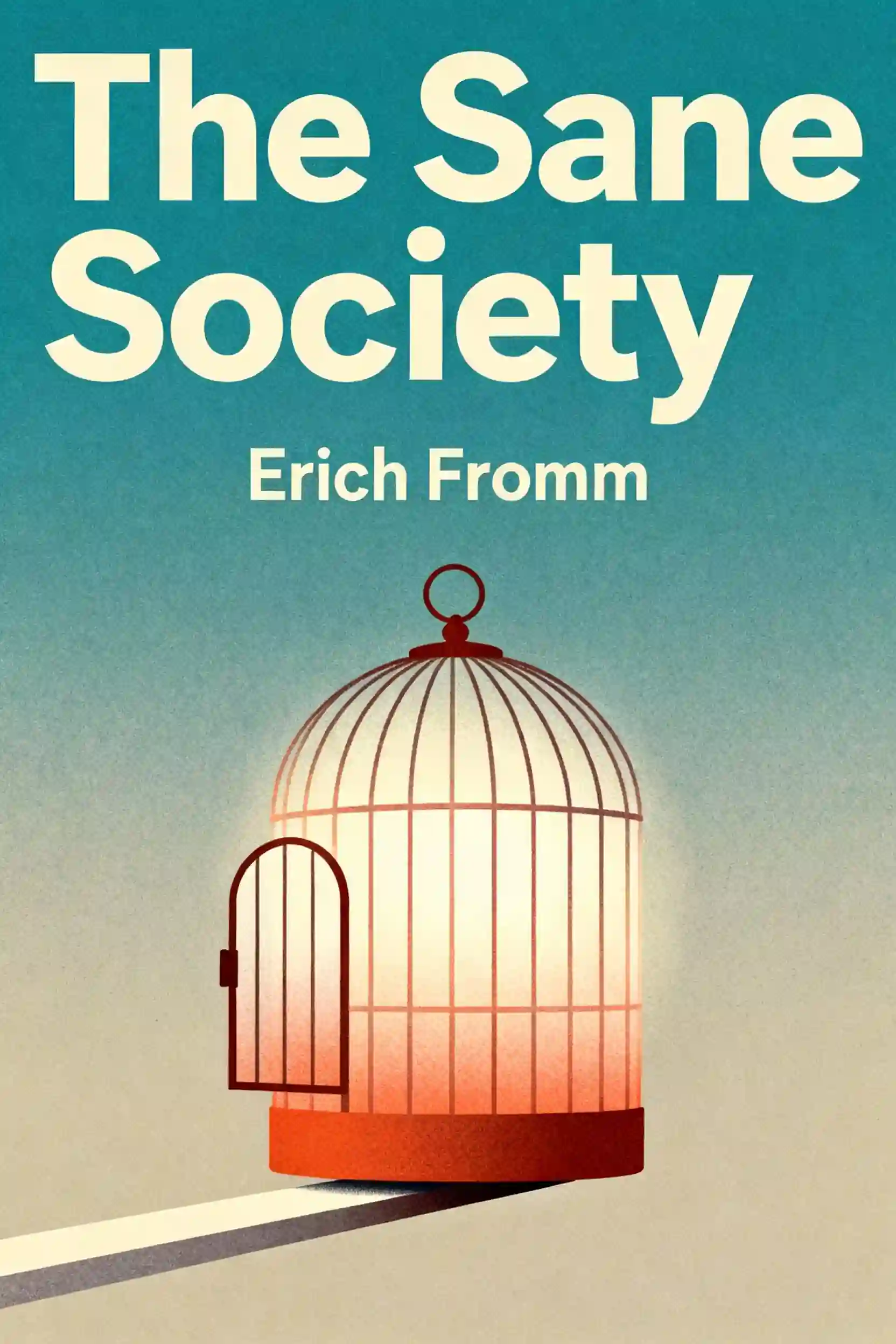
    The sane society
    Happy Ever After
    The conquest of happiness
    Capital in the Twenty-First Century

    자주 묻는 질문

    The script explains that this "manufactured dissatisfaction" is a byproduct of the post-World War II transition. To keep massive industrial factories running after the war ended, the system shifted from producing military goods to consumer goods. Because the economy would collapse if people were content with what they already owned, retail analysts and economists designed a system where consumption became a "way of life." This created a "treadmill" of constant upgrades and social signaling to ensure the gears of the economy never stop turning.

    The relative income hypothesis suggests that we do not measure our success or well-being against an absolute standard of survival, such as having food and shelter. Instead, we measure our worth against the people we see around us or on our social media feeds. This creates a "canyon" of perceived lack because we are constantly comparing our real lives to the curated, idealized lives of others. Even in impoverished communities, a significant portion of income is often spent on social signaling just to feel seen and maintain a sense of tribal belonging.

    In the script, Eli and Nia discuss a shift from measuring wealth by the quantity of goods produced to measuring it by "socially available free time." Under the current system, time is often treated as a commodity for profit, leaving individuals "unfree" regardless of their job title. By prioritizing free time through democratic socialism or collective planning, a society can focus on what is actually needed to live well—such as care, learning, and community—rather than simply making a profit line go up on a chart.

    The script suggests several strategies for reclaiming personal sovereignty from consumer culture. These include auditing social media to remove "dissatisfaction triggers," prioritizing "experiential consumption" like travel or learning over material goods, and practicing "prosocial spending" by helping others. Additionally, the speakers recommend "buying time" by trading potential raises for fewer work hours and supporting "predistributive" policies like public services and cooperatives that reduce individual material insecurity.

    컬럼비아 대학교 동문들이 제작 | 샌프란시스코에서 개발

    BeFreed는 호기심 넘치는 글로벌 커뮤니티를 하나로 연결합니다

    4.7

    평균 평점

    앱 평가 7.84천 개 이상

    BeFreed 커뮤니티

    정말이지 아직 앱을 다 써 보지도 않았는데, 며칠 써 본 것만으로도 깊은 인상을 받았어요… BeFreed는 제가 써 본 어떤 학습 앱과도 차원이 달라요. 몰입감이 엄청나고 집중력도 실제로 좋아져서, 스마트폰을 하염없이 스크롤하는 분들께 딱이에요!

    @ladyInfinity

    정확히 23일 전에 BeFreed를 구입했는데, 그날부터 하루도 빠짐없이 쓰고 있어요. 제 일상 업무 흐름과 학습 습관에 완전히 자리 잡았어요.

    @jayallen

    솔직히 이 앱은 제 기대를 전부 뛰어넘었어요. 어떤 주제든 오디오로 만들어 달라고 할 수 있고, 결과물이 놀라워요. 제 전문 분야는 심리치료 쪽이고 여러 학문이 얽혀 있는데도 답변이 아주 정확해요.

    @Raguipa

    제일 고마운 건 스크롤하는 시간이 확 줄었다는 거예요. 검색하는 시간은 줄고 흡수하는 시간은 늘었어요. 오디오북 전권, 팟캐스트, 학습 플랜의 조합이 정말 훌륭해요.

    @colonyofcreatorsNGO

    저는 24년째 PhotoReading 속진 학습 강사로 일하고 있어요… 책과 독서, 배움이 제 전문인데, BeFreed는 정보를 소화하기 쉽게 전달하는 혁신적인 방식을 정말 잘 구현했어요.

    @BeFreed user

    단순한 책 요약 앱이 아니에요. '재미' 스타일을 써 봤는데, 전통적인 방식보다 훨씬 나은 요약이고 아이디어를 이해하기도 쉬워요. 이것만으로도 값어치를 해요.

    @austinakon

    이 앱이 정말 좋아요. 며칠 써 봤는데 듣는 걸 멈출 수가 없어요. 시작하기에 이보다 좋을 수 없어요.

    @jcrules328

    정말 마음에 들어요. 한 달 정도 써 봤는데 숨은 보석을 찾은 기분이에요. BeFreed로 제가 원하는 주제를 직접 만들 수 있어서 좋고, 목소리도 훌륭한 데다 내레이션 선택지가 무궁무진해요.

    @DanielCZ

    정말이지 아직 앱을 다 써 보지도 않았는데, 며칠 써 본 것만으로도 깊은 인상을 받았어요… BeFreed는 제가 써 본 어떤 학습 앱과도 차원이 달라요. 몰입감이 엄청나고 집중력도 실제로 좋아져서, 스마트폰을 하염없이 스크롤하는 분들께 딱이에요!

    @ladyInfinity

    정확히 23일 전에 BeFreed를 구입했는데, 그날부터 하루도 빠짐없이 쓰고 있어요. 제 일상 업무 흐름과 학습 습관에 완전히 자리 잡았어요.

    @jayallen

    솔직히 이 앱은 제 기대를 전부 뛰어넘었어요. 어떤 주제든 오디오로 만들어 달라고 할 수 있고, 결과물이 놀라워요. 제 전문 분야는 심리치료 쪽이고 여러 학문이 얽혀 있는데도 답변이 아주 정확해요.

    @Raguipa

    제일 고마운 건 스크롤하는 시간이 확 줄었다는 거예요. 검색하는 시간은 줄고 흡수하는 시간은 늘었어요. 오디오북 전권, 팟캐스트, 학습 플랜의 조합이 정말 훌륭해요.

    @colonyofcreatorsNGO

    저는 24년째 PhotoReading 속진 학습 강사로 일하고 있어요… 책과 독서, 배움이 제 전문인데, BeFreed는 정보를 소화하기 쉽게 전달하는 혁신적인 방식을 정말 잘 구현했어요.

    @BeFreed user

    단순한 책 요약 앱이 아니에요. '재미' 스타일을 써 봤는데, 전통적인 방식보다 훨씬 나은 요약이고 아이디어를 이해하기도 쉬워요. 이것만으로도 값어치를 해요.

    @austinakon

    이 앱이 정말 좋아요. 며칠 써 봤는데 듣는 걸 멈출 수가 없어요. 시작하기에 이보다 좋을 수 없어요.

    @jcrules328

    정말 마음에 들어요. 한 달 정도 써 봤는데 숨은 보석을 찾은 기분이에요. BeFreed로 제가 원하는 주제를 직접 만들 수 있어서 좋고, 목소리도 훌륭한 데다 내레이션 선택지가 무궁무진해요.

    @DanielCZ

    유용한 정보와 아이디어를 8~15분짜리 팟캐스트 스타일 오디오로 압축해서 들을 수 있다는 게 정말 좋아요. 원래 팟캐스트는 군더더기가 많아서 안 좋아했는데, 여기는 그걸 싹 걷어냈어요.

    @BeFreed user

    박사 과정을 마무리하는 중이라 낯선 자료를 많이 읽어야 해요… BeFreed에서는 프롬프트만 입력하면 앱이 자료를 찾아서 오디오 팟캐스트로 만들어 줘요. BeFreed의 과정이 NotebookLM보다 더 매끄럽게 느껴져요.

    @Brad

    아침을 준비하거나 산책하거나 출퇴근할 때 들을 것을 YouTube에서 자주 찾곤 했는데, BeFreed는 광고도 군더더기도 없이 훨씬 더 딱 맞는 걸 들려줘요!

    @BeFreed user

    이 플랫폼의 가장 큰 장점은 활용도예요. 다루지 못하는 주제가 말 그대로 하나도 없어요. 무엇을 던져도 다 소화해요… 제한이 전혀 없으면서 약속을 실제로 지키는 학습 도구는 정말 드물어요.

    @jayallen

    BeFreed는 환상적이에요. 디자인이 편해서 헤매는 시간은 줄고 배우는 시간은 늘었어요. 오디오북, 팟캐스트, 학습 플랜의 조합은 천재적이에요. 제 하루가 완전히 달라졌어요.

    @BeFreed user

    처음엔 이탈리아어로 팟캐스트를 만드는 방법을 이해하는 데 시간이 좀 걸렸는데, 알고 나니까 — 와! 정말 대단해요! 어떤 주제든 설명해 달라고 하면 정말 똑똑하게 잘 설명해 줘요!

    @matteo77

    BeFreed는 제가 매일 쓰는 오디오북 앱이 됐어요… 제일 마음에 드는 건 텍스트를 넣으면 이동 중에도 들을 수 있는 오디오로 만들어 준다는 점이에요.

    @kotanzu1

    유용한 정보와 아이디어를 8~15분짜리 팟캐스트 스타일 오디오로 압축해서 들을 수 있다는 게 정말 좋아요. 원래 팟캐스트는 군더더기가 많아서 안 좋아했는데, 여기는 그걸 싹 걷어냈어요.

    @BeFreed user

    박사 과정을 마무리하는 중이라 낯선 자료를 많이 읽어야 해요… BeFreed에서는 프롬프트만 입력하면 앱이 자료를 찾아서 오디오 팟캐스트로 만들어 줘요. BeFreed의 과정이 NotebookLM보다 더 매끄럽게 느껴져요.

    @Brad

    아침을 준비하거나 산책하거나 출퇴근할 때 들을 것을 YouTube에서 자주 찾곤 했는데, BeFreed는 광고도 군더더기도 없이 훨씬 더 딱 맞는 걸 들려줘요!

    @BeFreed user

    이 플랫폼의 가장 큰 장점은 활용도예요. 다루지 못하는 주제가 말 그대로 하나도 없어요. 무엇을 던져도 다 소화해요… 제한이 전혀 없으면서 약속을 실제로 지키는 학습 도구는 정말 드물어요.

    @jayallen

    BeFreed는 환상적이에요. 디자인이 편해서 헤매는 시간은 줄고 배우는 시간은 늘었어요. 오디오북, 팟캐스트, 학습 플랜의 조합은 천재적이에요. 제 하루가 완전히 달라졌어요.

    @BeFreed user

    처음엔 이탈리아어로 팟캐스트를 만드는 방법을 이해하는 데 시간이 좀 걸렸는데, 알고 나니까 — 와! 정말 대단해요! 어떤 주제든 설명해 달라고 하면 정말 똑똑하게 잘 설명해 줘요!

    @matteo77

    BeFreed는 제가 매일 쓰는 오디오북 앱이 됐어요… 제일 마음에 드는 건 텍스트를 넣으면 이동 중에도 들을 수 있는 오디오로 만들어 준다는 점이에요.

    @kotanzu1

    웹에서 BeFreed가 어떻게 논의되고 있는지 더 보기
    129.7K19.5K
    55.2K19.2K
    154.2K10827355
    48.1K2.5K
    81.2K6.6K
    82.3K1.8K
    지금 바로 학습 여정을 시작하세요
    BeFreed 앱
    BeFreed

    무엇이든 개인화된 학습

    DiscordLinkedIn
    추천 도서 요약
    Crucial ConversationsThe Perfect MarriageInto the WildNever Split the DifferenceAttachedGood to GreatSay Nothing
    인기 카테고리
    Self HelpCommunication SkillRelationshipMindfulnessPhilosophyInspirationProductivity
    유명인 추천 도서
    Elon MuskCharlie KirkBill GatesSteve JobsAndrew HubermanJoe RoganJordan Peterson
    수상작 컬렉션
    Pulitzer PrizeNational Book AwardGoodreads Choice AwardsNobel Prize in LiteratureNew York TimesCaldecott MedalNebula Award
    추천 주제
    ManagementAmerican HistoryWarTradingStoicismAnxietySex
    연도별 베스트 도서
    2025 Best Non Fiction Books2024 Best Non Fiction Books2023 Best Non Fiction Books
    추천 저자
    Chimamanda Ngozi AdichieGeorge OrwellO. J. SimpsonBarbara O'NeillWinston ChurchillCharlie Kirk
    BeFreed vs 다른 앱
    BeFreed vs. Other Book Summary AppsBeFreed vs. ElevenReaderBeFreed vs. ReadwiseBeFreed vs. Anki
    학습 도구
    Knowledge VisualizerAI Podcast Generator
    정보
    회사 소개arrow
    가격arrow
    FAQarrow
    블로그arrow
    채용arrow
    파트너십arrow
    앰배서더 프로그램arrow
    디렉토리arrow
    BeFreed
    Try now
    © 2026 BeFreed
    이용 약관개인정보 처리방침
    BeFreed

    무엇이든 개인화된 학습

    DiscordLinkedIn
    추천 도서 요약
    Crucial ConversationsThe Perfect MarriageInto the WildNever Split the DifferenceAttachedGood to GreatSay Nothing
    인기 카테고리
    Self HelpCommunication SkillRelationshipMindfulnessPhilosophyInspirationProductivity
    유명인 추천 도서
    Elon MuskCharlie KirkBill GatesSteve JobsAndrew HubermanJoe RoganJordan Peterson
    수상작 컬렉션
    Pulitzer PrizeNational Book AwardGoodreads Choice AwardsNobel Prize in LiteratureNew York TimesCaldecott MedalNebula Award
    추천 주제
    ManagementAmerican HistoryWarTradingStoicismAnxietySex
    연도별 베스트 도서
    2025 Best Non Fiction Books2024 Best Non Fiction Books2023 Best Non Fiction Books
    학습 도구
    Knowledge VisualizerAI Podcast Generator
    추천 저자
    Chimamanda Ngozi AdichieGeorge OrwellO. J. SimpsonBarbara O'NeillWinston ChurchillCharlie Kirk
    BeFreed vs 다른 앱
    BeFreed vs. Other Book Summary AppsBeFreed vs. ElevenReaderBeFreed vs. ReadwiseBeFreed vs. Anki
    정보
    회사 소개arrow
    가격arrow
    FAQarrow
    블로그arrow
    채용arrow
    파트너십arrow
    앰배서더 프로그램arrow
    디렉토리arrow
    BeFreed
    Try now
    © 2026 BeFreed
    이용 약관개인정보 처리방침

    비슷한 콘텐츠

    Why our consumption habits feel so empty 책 표지
    AffluenzaNo LogoSmall is BeautifulCapital
    26 sources
    Why our consumption habits feel so empty
    We’re stuck in a cycle of buying that drains our resources and the planet. Explore why we overconsume and how to shift toward a more conscious life.
    22 min
    The Rest Revolution 책 표지
    RestLaziness Does Not ExistLanguishingBurnout Recovery: Rebuilding Energy Without Quitting Your Job
    18 sources
    The Rest Revolution
    Discover why we struggle to take breaks despite needing them, and learn how strategic pauses can transform your energy and productivity while preventing burnout.
    21 min
    Finding happiness by needing less from others 책 표지
    Codependent Relationship Recovery PlanLiberated LoveFacing Codependence [ABRIDGED]True to You
    26 sources
    Finding happiness by needing less from others
    Feeling drained by everyone else's expectations? Learn why being indispensable is a trap and how choosing contentment over clout leads to true freedom.
    30 min
    Stoic minimalism and the trap of more 책 표지
    The ManualPracticing StoicHow to Be a StoicLessons in Stoicism
    20 sources
    Stoic minimalism and the trap of more
    Feeling weighed down by your stuff? Discover how Stoic principles help you clear the clutter, lower stress, and finally exit the consumption treadmill.
    15 min
    Byung-Chul Han and the Burnout Society 책 표지
    Byung-Chul HanByung-Chul Han's Burnout Society: Our Only Imperative is to AchieveThe Achievement Society and Its Discontents | Church Life Journal | University of Notre DameByung-Chul Han and the Subversive Power of Contemplation | Church Life Journal | University of Notre Dame
    7 sources
    Byung-Chul Han and the Burnout Society
    Exhausted by constant self-optimization? Explore how modern freedom became a form of self-exploitation and why doing nothing is a radical act.
    1008 min
    Smarter: Escaping the Busyness Trap 책 표지
    Smarter Summary of Key Ideas and Review | Emily Austen - BlinkistSmarter: 10 Lessons for a More Productive and Less-Stressed Life by Emily M. Austen | GoodreadsTaylor Swift on Energy vs Time: A Lesson for Leaders | Emily M Austen posted on the topic | LinkedInHow to be productive without burning out | Emily M Austen posted on the topic | LinkedIn
    5 sources
    Smarter: Escaping the Busyness Trap
    Exhaustion isn't a status symbol; it's a sign of performative work. Learn to replace hustle culture with sustainable systems that prioritize energy.
    1309 min
    Stop Saving the Ocean. Save Yourself First. 책 표지
    source 1source 2Why Is Personal Well Being Key to Environmental Action? -> Questionsource 4
    6 sources
    Stop Saving the Ocean. Save Yourself First.
    Discover why environmental advocates must prioritize their own well-being to create lasting change. Learn how self-care becomes radical resistance against burnout culture.
    11 min
    The Essentialist Entrepreneur: Beyond Overcommitment 책 표지
    [cc8d8ce0-d4d8-4f08-b449-97f6adf5f427:c0000] Analyze the key ideas from: * Essentialism by Greg McKeow… p1-1
    1 source
    The Essentialist Entrepreneur: Beyond Overcommitment
    When success leads to burnout, more effort isn't the answer. Learn to set boundaries and master delegation to protect your highest potential.
    976 min

    Recommended Learning Plans

    From Overwhelmed to Intentional
    학습 계획

    From Overwhelmed to Intentional

    This plan is designed for professionals and creatives struggling with burnout and the paralysis of choice. It provides a science-backed framework to transition from reactive survival mode to a state of calm, intentional productivity.

    2 h 18 m•3 섹션
    The Art of Not Giving a Fuck
    학습 계획

    The Art of Not Giving a Fuck

    In an era of constant connectivity, many individuals suffer from decision fatigue and social burnout caused by over-valuing the opinions of others. This plan is essential for professionals and creatives who want to reclaim their mental energy by aligning their actions with internal values rather than external validation.

    1 h 30 m•3 섹션
    Breaking the Bargain Cycle
    학습 계획

    Breaking the Bargain Cycle

    This plan is essential for anyone who feels their spending is driven by impulse or emotional stress rather than necessity. It provides a psychological deep dive and practical toolkit for individuals looking to regain financial autonomy and break the cycle of compulsive shopping.

    1 h 12 m•3 섹션
    The Radical Self-Worth Blueprint
    학습 계획

    The Radical Self-Worth Blueprint

    This blueprint is essential for high-achievers who struggle with chronic self-criticism and burnout. It provides a structured path to decouple identity from output, benefiting anyone seeking a more resilient and compassionate relationship with themselves.

    1 h 12 m•3 섹션
    End self-help and success obsession
    학습 계획

    End self-help and success obsession

    Modern culture often traps us in a cycle of endless self-improvement that leads to burnout rather than fulfillment. This plan is essential for high-achievers and wellness enthusiasts who feel exhausted by the pressure to constantly optimize every aspect of their lives.

    5 h 40 m•4 섹션
    Rhythm of Existence: Sustainable Daily Flow
    학습 계획

    Rhythm of Existence: Sustainable Daily Flow

    In an era of constant burnout, mastering sustainable productivity is essential for long-term success. This plan is designed for overwhelmed professionals and creatives who need to transition from chaotic reactivity to a structured yet flexible daily rhythm.

    2 h 41 m•3 섹션
    Minimalist Living for Peace and Health Guide
    학습 계획

    Minimalist Living for Peace and Health Guide

    In an era of constant consumption, this guide provides a roadmap for reclaiming your time and mental energy. It is ideal for individuals feeling overwhelmed by clutter or stress who seek a sustainable balance between physical simplicity and emotional well-being.

    4 h 54 m•4 섹션
    Lifestyle Design for the Overwhelmed
    학습 계획

    Lifestyle Design for the Overwhelmed

    This plan is designed for high-achievers and professionals struggling with burnout and decision fatigue. It provides a structured roadmap to transition from reactive survival mode to intentional, proactive living through systems rather than willpower.

    1 h 36 m•4 섹션