Master negotiator Clive Rich reveals game-changing techniques from his 10 billion deal-making experience with Sony, Apple, and Simon Cowell. Did you know poor negotiation costs UK businesses 17 billion yearly? Transform confrontation into collaboration and unlock win-win outcomes in every conversation.
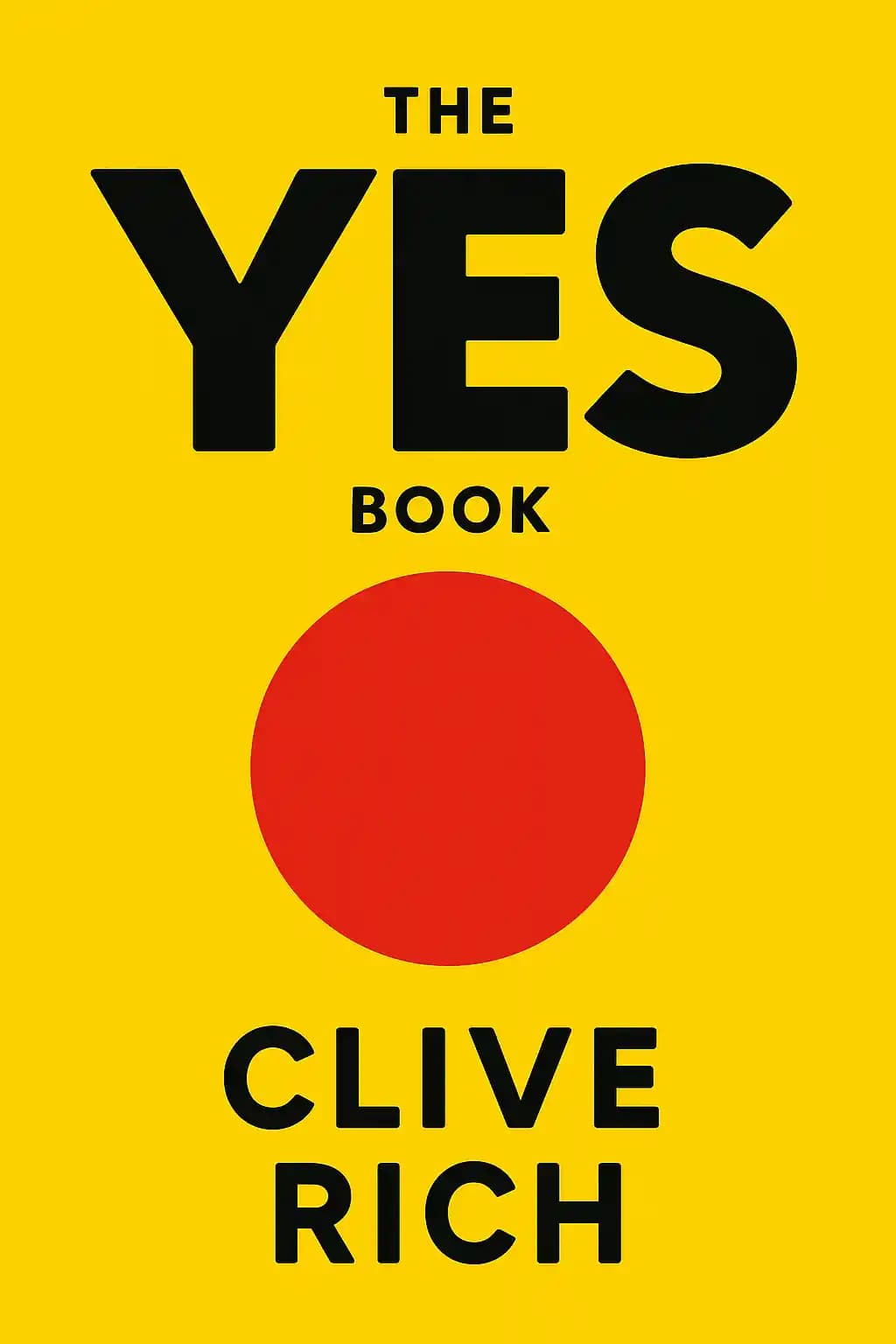
Clive Rich, author of The Yes Book: The Art of Better Negotiation, is a renowned negotiator, mediator, and entertainment lawyer with over 30 years of expertise in brokering high-stakes deals for global brands like Sony, Apple, and the BBC.
A graduate of Lincoln College, Oxford, and the Inns of Court School of Law, Rich combines his legal acumen with practical negotiation strategies in this business and self-help guide, which distills his framework for achieving mutually beneficial outcomes. His career includes negotiating over £10bn in agreements, from Pop Idol’s recording rights to partnerships with Universal and Virgin.
He also designed the negotiation app Close My Deal to democratize deal-making skills. Rich’s other works, including Law for Small Business For Dummies - UK, solidify his authority in legal and entrepreneurial circles.
A Tech London Advocate and seasoned arbitrator, he has been featured in industry talks and corporate training programs worldwide. The Yes Book draws from his billion-dollar negotiations, offering readers actionable insights honed through decades of real-world deal-making.
The Yes Book teaches collaborative negotiation strategies for achieving win-win outcomes in business and life. Clive Rich, a negotiator with over £10 billion in deals, breaks the process into Attitude, Behavior, and Process, emphasizing empathy, adaptability, and structured deal-making. The book highlights how poor negotiation costs businesses £9 million hourly and offers modern frameworks to replace outdated confrontational tactics.
Professionals, entrepreneurs, and anyone seeking to improve negotiation skills will benefit. It’s ideal for leaders handling pay discussions, sales deals, or family compromises. Clive Rich’s insights are particularly valuable for those in high-stakes industries like tech, media, or finance.
Yes, for its actionable strategies like “giving coinage” (trading low-cost concessions) and reframing inner dialogue to boost confidence. Rich’s blend of real-world examples (e.g., deals with Apple, Sony) and tools like the FUSER negotiation style makes it a practical guide for modern collaboration.
Rich cites YouGov data showing UK businesses lose £17 billion annually from ineffective negotiations. He advises avoiding “Confuser” tactics (distorting facts) and “User” behaviors (self-interest) in favor of transparency and shared-value creation.
“Coinage” involves trading concessions that are low-cost to you but high-value to the other party. For example, offering flexible deadlines in exchange for budget adjustments. This builds goodwill and keeps deals moving forward.
Start with low-risk scenarios like bargaining at a farmer’s market. This builds confidence without corporate consequences. Rich also suggests role-playing “worst-case” outcomes to reduce anxiety.
Some readers find the advice overly simplistic for complex negotiations, while others note repetitive examples. However, most praise its focus on collaboration over traditional “win-lose” tactics.
Unlike older models focused on conquest (e.g., The Art of War), Rich emphasizes interdependence. Modern deals, like tech partnerships, require long-term relationships, not one-time victories.
Fusers collaborate to merge agendas, ensuring both sides win. This contrasts with “Losers” (avoiding conflict), “Users” (self-serving), and “Confusers” (manipulative). Rich advocates FUSER tactics for sustainable outcomes.
Use “We” language to align interests (e.g., “How can we structure this to reflect my contributions?”). Prepare “coinage” like taking on extra projects in exchange for a raise, and set a positive climate by acknowledging your employer’s constraints.
It teaches framing requests as mutual gains (e.g., “If I handle chores, could we allocate time for my hobby?”). Techniques like active listening (“You” behavior) and visualizing shared goals reduce conflict in partnerships.
저자의 목소리로 책을 느껴보세요
지식을 흥미롭고 예시가 풍부한 인사이트로 전환
핵심 아이디어를 빠르게 캡처하여 신속하게 학습
재미있고 매력적인 방식으로 책을 즐기세요
Negotiation transforms from confrontation to collaboration.
Our interconnected world demands a collaborative approach.
You have to be totally connected to anyone who touches your brand.
Poor negotiation skills often lead to damaged business relationships.
Fusers believe both parties should benefit from negotiations.
Yes Book의 핵심 아이디어를 이해하기 쉬운 포인트로 분해하여 혁신적인 팀이 어떻게 창조하고, 협력하고, 성장하는지 이해합니다.
Yes Book을 빠른 기억 단서로 압축하여 솔직함, 팀워크, 창의적 회복력의 핵심 원칙을 강조합니다.

생생한 스토리텔링을 통해 Yes Book을 경험하고, 혁신 교훈을 기억에 남고 적용할 수 있는 순간으로 바꿉니다.
무엇이든 물어보고, 목소리를 선택하고, 진정으로 공감되는 인사이트를 함께 만들어보세요.

샌프란시스코에서 컬럼비아 대학교 동문들이 만들었습니다
"Instead of endless scrolling, I just hit play on BeFreed. It saves me so much time."
"I never knew where to start with nonfiction—BeFreed’s book lists turned into podcasts gave me a clear path."
"Perfect balance between learning and entertainment. Finished ‘Thinking, Fast and Slow’ on my commute this week."
"Crazy how much I learned while walking the dog. BeFreed = small habits → big gains."
"Reading used to feel like a chore. Now it’s just part of my lifestyle."
"Feels effortless compared to reading. I’ve finished 6 books this month already."
"BeFreed turned my guilty doomscrolling into something that feels productive and inspiring."
"BeFreed turned my commute into learning time. 20-min podcasts are perfect for finishing books I never had time for."
"BeFreed replaced my podcast queue. Imagine Spotify for books — that’s it. 🙌"
"It is great for me to learn something from the book without reading it."
"The themed book list podcasts help me connect ideas across authors—like a guided audio journey."
"Makes me feel smarter every time before going to work"
샌프란시스코에서 컬럼비아 대학교 동문들이 만들었습니다

Yes Book 요약을 무료 PDF 또는 EPUB으로 받으세요. 인쇄하거나 오프라인에서 언제든 읽을 수 있습니다.
Picture a business deal where you've crushed the competition, squeezed every dollar from the table, and walked away triumphant. Six months later, that same partner refuses to return your calls. Your "win" just cost you millions in future opportunities. This scenario plays out thousands of times daily in boardrooms worldwide, revealing a fundamental misunderstanding about modern negotiation. We're living through a seismic shift-from negotiation as warfare to negotiation as partnership-and those who haven't noticed are bleeding money and relationships. The world has fundamentally changed. With 5 billion mobile phones connecting us, social media giving voice to billions, and supply chains spanning continents, we're no longer isolated players. We're deeply interdependent. Technology has blurred industry lines so completely that hardware makers, software developers, and content creators now find themselves "in the same boat," forced to row together or sink separately. Meanwhile, economic power has shifted dramatically eastward, with BRICS nations driving nearly half of global growth. This isn't just background noise-it's the new reality where collaboration isn't noble, it's necessary for survival. Here's a staggering truth: the UK alone loses 17 billion annually through poor negotiation-roughly 9 million every working hour. Globally, that number balloons to $500 billion. Yet when executives are asked about improving profitability, better negotiation ranks only sixth in importance, trailing cost-cutting and marketing. This disconnect reveals what we might call the negotiation gap-a chasm between how critical negotiation has become and how little systematic training most people receive.