The Captain Class: The Hidden Force That Creates the World's Greatest Teams

The Captain Class 개요
What makes elite teams unstoppable? In "The Captain Class," Sam Walker reveals the seven traits of history-making team captains - qualities that transformed Tom Brady's Patriots and shocked the business world. Mitchell Trubisky's verdict? "There's no cookie-cutter way to lead."
- Sustained team success hinges on captains with relentless grit over raw talent.
- Elite captains lead through aggressive play and thankless tasks, not personal glory.
- Sam Walker’s Tier One Teams redefine leadership beyond charisma to hidden consistency.
- Water carrier captains prioritize team execution over individual stardom for dynastic victories.
- Emotional control separates great leaders—passion channels effort, outbursts destroy cohesion.
- Underdog captains outperform superstars by welding teams through nonverbal conviction and sacrifice.
- The seven traits of historic captains include doggedness, rule-testing, and ironclad focus.
- Leading from behind works: humility earns moral authority to drive team breakthroughs.
- Captains like Tim Brady win by doing their job so others can excel.
- Walker’s research proves boring, democratic communicators often outlast flashy leaders long-term.
- Task conflict fuels Tier One Teams when captains depersonalize criticism for growth.
- Embrace obscurity to build legacy: unseen work sustains winning cultures for decades.
The Captain Class의 저자 소개
Sam Walker is the bestselling author of The Captain Class: The Hidden Force That Creates the World’s Greatest Teams and a globally recognized authority on leadership and team dynamics. A former Wall Street Journal sports columnist and founding editor of its award-winning sports section, Walker spent 11 years researching elite sports dynasties to decode the secrets of transformative leadership.
His work blends rigorous data analysis with insights from consulting roles with NFL franchises, U.S. military special forces, and Fortune 500 companies.
Walker’s expertise in organizational culture stems from his career at the intersection of journalism and leadership strategy. He has delivered keynote talks for TED, Harvard Business School, and the FBI, and his ideas are taught in MBA programs worldwide. His previous book, Fantasyland, explores the obsessive world of fantasy baseball and was hailed by The New York Times as “a modern classic of sports literature.” The Captain Class became a Wall Street Journal bestseller, translated into 18 languages, and is required reading for executives at Google, Goldman Sachs, and NASA.
The Captain Class에 대한 자주 묻는 질문
What is The Captain Class by Sam Walker about?
The Captain Class challenges traditional leadership theories by analyzing elite sports teams' captains, identifying seven unconventional traits driving historic dominance. Through case studies like the New Zealand All Blacks and 1990s U.S. Women’s Soccer, Walker argues true leadership stems from gritty, selfless captains—not coaches or stars—who embody qualities like relentless work ethic, emotional control, and tactical aggression.
Who should read The Captain Class?
This book suits leaders, coaches, and sports enthusiasts seeking data-driven insights into team dynamics. It’s particularly valuable for executives, military personnel, and educators interested in fostering resilience, cohesion, and understated leadership styles validated by championship teams.
Is The Captain Class worth reading?
Yes—it combines rigorous research with gripping sports narratives, offering actionable frameworks for leadership development. Praised by CEOs, athletes, and the FBI, it redefines success beyond charisma, emphasizing humility and consistency.
What are the seven traits of Tier One captains in The Captain Class?
- Extreme doggedness: Relentless focus on incremental progress.
- Emotional control: Calm under pressure.
- Tactical aggression: Strategic intensity.
- The “water carrier” mindset: Prioritizing team needs over personal glory.
- Low-key persuasion: Leading by example, not speeches.
- Courage to stand apart: Making unpopular decisions.
- Ironclad integrity: Uncompromising ethical standards.
How does The Captain Class redefine leadership compared to books like Good to Great?
Unlike traditional models emphasizing charisma or top-down vision, Walker’s research shows elite captains operate “in the trenches,” using quiet persistence and emotional stability. Where Good to Great highlights systemic strategies, The Captain Class prioritizes middle-management leadership’s role in executing vision.
What real-world examples does Sam Walker use in The Captain Class?
Case studies include the 1980s New York Yankees (captained by Ron Guidry), the 1991-2000 Australian Women’s Hockey Team (Rechelle Hawkes), and the 2007-2016 New England Patriots (Tom Brady). Walker dissects how their captains’ unglamorous habits fueled dynasties.
Are there critiques of The Captain Class’s theories?
Some argue Walker underestimates coaches’ roles or overindexes on sports-specific contexts. The “Tier Two captains” section addresses leaders like Alex Rodriguez, whose self-interest limited team success despite talent.
How does The Captain Class apply to non-sports environments?
Walker’s principles are used by Fortune 500 companies and the U.S. Navy to build resilient teams. For example, “water carrier” traits align with servant leadership models in corporate settings, emphasizing support roles over flashy achievements.
What research methodology did Sam Walker use for The Captain Class?
Walker analyzed 1,200+ teams across 37 sports, identifying 16 “Tier One” dynasties. He conducted 150+ interviews and used statistical models to isolate captain-specific contributions beyond talent or coaching.
Why does The Captain Class emphasize “unexceptional” leaders?
Walker found elite captains often lacked superstar talent but excelled in consistency and cultural stewardship. Examples include the San Antonio Spurs’ Tim Duncan, whose quiet demeanor stabilized the team during crises.
How does The Captain Class address failure?
Part III analyzes “Tier Two” captains like Diego Maradona, whose individual brilliance couldn’t offset poor emotional control. These cautionary tales highlight the necessity of balancing skill with the seven core traits.
What leadership quotes from The Captain Class are most cited?
- “Leadership isn’t about speeches. It’s about moments when everyone else is losing their minds.”
- “The best captains never carried themselves like giants. They acted like custodians.”
How has The Captain Class influenced modern leadership training?
Organizations like the FBI and Olympic teams use its frameworks to identify leaders based on grit over pedigree. Its emphasis on “below-the-radar” traits reshaped talent development programs in the NFL and Premier League.
Is The Captain Class relevant in 2025?
Yes—its focus on adaptive, humble leadership aligns with remote-work and Gen-Z workplace trends. Updated editions analyze Tom Brady’s late-career success, reinforcing timeless principles in evolving team environments.
What books complement The Captain Class?
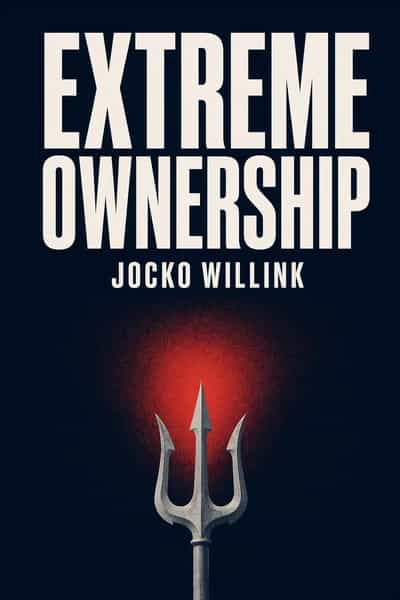
Pair with Legacy (James Kerr) for sports leadership insights, Dare to Lead (Brené Brown) for emotional resilience, or Extreme Ownership (Jocko Willink) for military-applied team strategies.
저자의 목소리로 책을 느껴보세요
지식을 흥미롭고 예시가 풍부한 인사이트로 전환
핵심 아이디어를 빠르게 캡처하여 신속하게 학습
재미있고 매력적인 방식으로 책을 즐기세요
The Captain Class의 등장인물
- Sam WalkerAuthor and Wall Street Journal columnist
- Bill RussellCaptain of the 1956-69 Boston Celtics
- Buck ShelfordTough and determined captain of the All Blacks
- Joe DiMaggioSuperstar player for the New York Yankees
- Tom BradyElite quarterback and GOAT candidate
The Captain Class의 핵심 주제
- informal leadership
- team chemistry
- sports dynasties
- unconventional leadership
- sustained excellence
The Captain Class의 명언
The captains of elite teams rarely fit our mental image of charismatic, articulate leaders.
Elite teams typically have hierarchies where the leader operates from the shadows.
Most Tier One teams actually thrived during periods of relative poverty.
Winning culture must have had another source-perhaps their captains.
These traits emerged consistently, regardless of the sport, era, or cultural context.
나만의 학습 방법 탐색하기
 빠른 요약 모드
The Captain Class 요약을 9분 만에 읽거나 듣기
The Captain Class의 핵심 아이디어를 이해하기 쉬운 포인트로 분해하여 혁신적인 팀이 어떻게 창조하고, 협력하고, 성장하는지 이해합니다.

 재미있게 모드
The Captain Class의 교훈을 23분 스토리로
생생한 스토리텔링을 통해 The Captain Class을 경험하고, 혁신 교훈을 기억에 남고 적용할 수 있는 순간으로 바꿉니다.
 개인화 모드
The Captain Class을 나만의 학습 스타일로 경험하기
무엇이든 묻고, 학습 스타일을 선택하고, 나에게 맞는 인사이트를 함께 만들어보세요.
샌프란시스코에서 컬럼비아 대학교 동문들이 만들었습니다
"Instead of endless scrolling, I just hit play on BeFreed. It saves me so much time."


"I never knew where to start with nonfiction—BeFreed’s book lists turned into podcasts gave me a clear path."


"Perfect balance between learning and entertainment. Finished ‘Thinking, Fast and Slow’ on my commute this week."
"Crazy how much I learned while walking the dog. BeFreed = small habits → big gains."
"Reading used to feel like a chore. Now it’s just part of my lifestyle."

"Feels effortless compared to reading. I’ve finished 6 books this month already."
"BeFreed turned my guilty doomscrolling into something that feels productive and inspiring."

"BeFreed turned my commute into learning time. 20-min podcasts are perfect for finishing books I never had time for."
"BeFreed replaced my podcast queue. Imagine Spotify for books — that’s it. 🙌"

"It is great for me to learn something from the book without reading it."
"The themed book list podcasts help me connect ideas across authors—like a guided audio journey."
"Makes me feel smarter every time before going to work"
샌프란시스코에서 컬럼비아 대학교 동문들이 만들었습니다
"Instead of endless scrolling, I just hit play on BeFreed. It saves me so much time."
"I never knew where to start with nonfiction—BeFreed’s book lists turned into podcasts gave me a clear path."
"Perfect balance between learning and entertainment. Finished ‘Thinking, Fast and Slow’ on my commute this week."
"Crazy how much I learned while walking the dog. BeFreed = small habits → big gains."
"Reading used to feel like a chore. Now it’s just part of my lifestyle."
"Feels effortless compared to reading. I’ve finished 6 books this month already."
"BeFreed turned my guilty doomscrolling into something that feels productive and inspiring."
"BeFreed turned my commute into learning time. 20-min podcasts are perfect for finishing books I never had time for."
"BeFreed replaced my podcast queue. Imagine Spotify for books — that’s it. 🙌"
"It is great for me to learn something from the book without reading it."
"The themed book list podcasts help me connect ideas across authors—like a guided audio journey."
"Makes me feel smarter every time before going to work"
"Instead of endless scrolling, I just hit play on BeFreed. It saves me so much time."
"I never knew where to start with nonfiction—BeFreed’s book lists turned into podcasts gave me a clear path."
"Perfect balance between learning and entertainment. Finished ‘Thinking, Fast and Slow’ on my commute this week."
"Crazy how much I learned while walking the dog. BeFreed = small habits → big gains."
"Reading used to feel like a chore. Now it’s just part of my lifestyle."
"Feels effortless compared to reading. I’ve finished 6 books this month already."
"BeFreed turned my guilty doomscrolling into something that feels productive and inspiring."
"BeFreed turned my commute into learning time. 20-min podcasts are perfect for finishing books I never had time for."
"BeFreed replaced my podcast queue. Imagine Spotify for books — that’s it. 🙌"
"It is great for me to learn something from the book without reading it."
"The themed book list podcasts help me connect ideas across authors—like a guided audio journey."
"Makes me feel smarter every time before going to work"
"Instead of endless scrolling, I just hit play on BeFreed. It saves me so much time."
"I never knew where to start with nonfiction—BeFreed’s book lists turned into podcasts gave me a clear path."
"Perfect balance between learning and entertainment. Finished ‘Thinking, Fast and Slow’ on my commute this week."
"Crazy how much I learned while walking the dog. BeFreed = small habits → big gains."
"Reading used to feel like a chore. Now it’s just part of my lifestyle."
"Feels effortless compared to reading. I’ve finished 6 books this month already."
"BeFreed turned my guilty doomscrolling into something that feels productive and inspiring."
"BeFreed turned my commute into learning time. 20-min podcasts are perfect for finishing books I never had time for."
"BeFreed replaced my podcast queue. Imagine Spotify for books — that’s it. 🙌"
"It is great for me to learn something from the book without reading it."
"The themed book list podcasts help me connect ideas across authors—like a guided audio journey."
"Makes me feel smarter every time before going to work"

The Captain Class 요약 다운로드
The Captain Class 요약을 무료 PDF 또는 EPUB으로 받으세요. 인쇄하거나 오프라인에서 언제든 읽을 수 있습니다.