When Men Behave Badly: The Hidden Roots of Sexual Deception, Harassment, and Assault by David M. Buss Summary

Overview of When Men Behave Badly
Evolutionary psychologist David Buss exposes the dark roots of sexual misconduct through science. Endorsed by Steven Pinker and Jonathan Haidt as "the long lost operating manual" for human mating, this unflinching guide reveals why "attractive" Dark Triad traits often mask dangerous predators.
- Sexual conflict theory explains male deception, control, and violence as evolved mating strategies.
- Dark Triad traits predict higher rates of sexual coercion, infidelity, and intimate partner violence.
- Men assess women’s “sexual exploitability” through subconscious cues like gait and vulnerability.
- Evolutionary mismatches amplify modern dating conflicts through outdated mating psychology adaptations.
- Mate value discrepancies drive manipulation, jealousy, and mate-guarding behaviors in relationships.
- Sexual over-perception bias leads men to misinterpret women’s friendliness as sexual interest.
- Women with Dark Triad traits use strategic promiscuity and mate-poaching tactics for resource gain.
- Stalking and revenge porn stem from evolved mate-retention strategies gone maladaptive.
- Predatory men target vulnerable women using alcohol, emotional manipulation, and isolation tactics.
- Jealousy functions as mate-protection insurance but escalates to violence when unchecked.
- Sexual conflict arises from biological asymmetries in parental investment and reproductive strategies.
- David Buss reveals how evolutionary psychology explains #MeToo-era power dynamics and gender conflicts.
About the Author of When Men Behave Badly
David Michael Buss, renowned evolutionary psychologist and author of When Men Behave Badly: The Hidden Roots of Sexual Deception, Harassment, and Assault, is a leading authority on human mating strategies and evolutionary psychology.
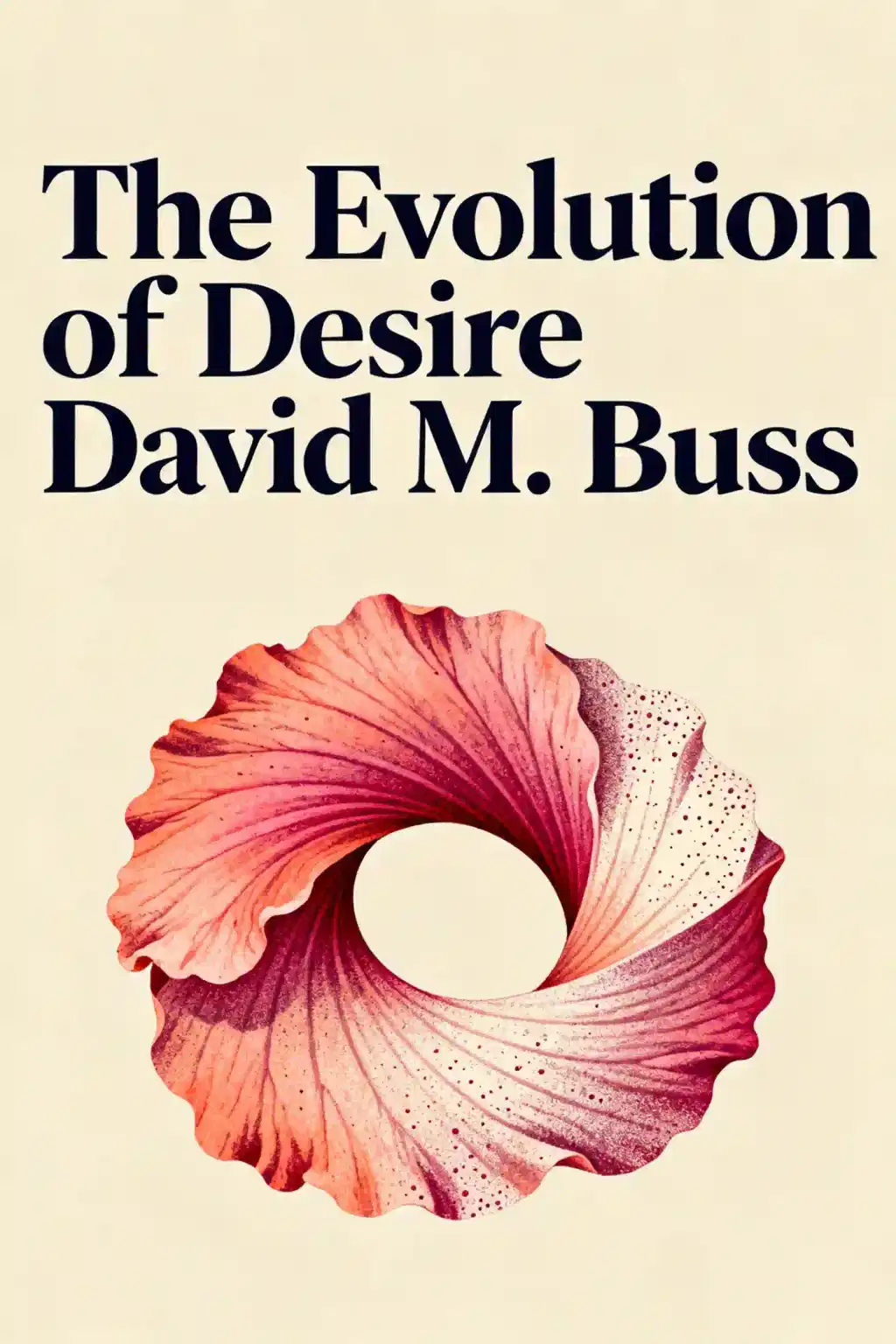
A professor at the University of Texas at Austin with a PhD from UC Berkeley, Buss has shaped the field through seminal works like The Evolution of Desire and Evolutionary Psychology: The New Science of the Mind, which won the Robert W. Hamilton Book Award.
His research on sex differences, jealousy, and conflict between genders spans 37 cultures, cementing his status as a pioneer in cross-cultural psychology. Buss’s work has earned accolades including the APA Distinguished Scientific Award and influenced academic curricula worldwide.
When Men Behave Badly builds on his decades of groundbreaking studies, offering evolutionary insights into modern sexual dynamics. His frameworks are cited in over 200 scientific articles and applied in disciplines from forensic psychology to organizational behavior.
Buss’s research collaborations extend across six continents, with findings featured in major media outlets and keynote lectures at institutions like Harvard and the Sorbonne.
FAQs About When Men Behave Badly
What is When Men Behave Badly by David M. Buss about?
When Men Behave Badly explores the evolutionary roots of harmful male behaviors like sexual deception, harassment, infidelity, and intimate partner violence. Using evolutionary psychology, David Buss argues these actions stem from conflicts in reproductive strategies between sexes, backed by cross-cultural studies, animal analogies, and real-world anecdotes.
Who should read When Men Behave Badly?
This book suits readers interested in psychology, gender dynamics, or relationships. It’s valuable for professionals in counseling, sociology, or law enforcement seeking insights into male aggression and strategies to mitigate interpersonal conflict. Fans of evolutionary psychology or books like The Evolution of Desire will appreciate Buss’s research-driven approach.
Is When Men Behave Badly worth reading?
Yes, for its rigorous analysis of sexual conflict through an evolutionary lens. Buss combines academic studies with relatable stories, offering actionable advice to reduce harmful behaviors. Critics praise its bold challenge to social science dogmas, though some note its focus on male culpability over systemic factors.
What is the Sexual Conflict Theory in When Men Behave Badly?
Buss’s theory posits that men and women face inherent conflicts in mating strategies: men often prioritize short-term sexual access, while women seek long-term resource provision. These mismatched goals drive deception, jealousy, and coercion, perpetuating costly interpersonal struggles.
How does When Men Behave Badly explain male deception?
Men may feign emotional commitment or financial status to attract partners, a tactic evolutionarily tied to maximizing reproductive success. Buss highlights studies showing men with Dark Triad traits (narcissism, Machiavellianism, psychopathy) are more likely to exploit women through dishonesty.
What does When Men Behave Badly say about infidelity?
Infidelity triggers intense conflict due to evolutionary risks: men fear paternal uncertainty, while women risk losing resources. Buss cites cross-cultural data on secret affairs, mate-guarding behaviors, and revenge tactics like revenge porn post-breakup.
How does David Buss address intimate partner violence (IPV)?
Buss links IPV to evolutionary triggers like mate value discrepancies (e.g., older men with younger partners) and suspicions of infidelity. He argues controlling behaviors, from surveillance to physical abuse, often stem from perceived threats to reproductive interests.
What practical advice does When Men Behave Badly offer?
- For women: Recognize “exploitability signals” (e.g., low self-esteem) that predatory men target.
- For men: Channel competitive instincts into non-harmful domains (e.g., career).
- For couples: Align on long-term goals to reduce strategic mismatches.
How does When Men Behave Badly critique feminist and Red Pill perspectives?
Buss rejects feminist claims that patriarchy alone explains male aggression, arguing evolutionary roots predate culture. Conversely, he dismisses Red Pill ideologies that glorify manipulation, emphasizing their costs to women and men’s long-term reputations.
What criticisms exist about When Men Behave Badly?
Some scholars argue Buss overstates evolutionary explanations while underplaying cultural factors like media or economic inequality. Others note the book’s heteronormative focus and limited discussion of female-initiated conflict.
How does When Men Behave Badly use cross-cultural examples?
Buss compares stalking rates in the U.S. vs. Japan, bride-kidnapping in Central Asia, and honor killings in patriarchal societies to demonstrate universal vs. culturally specific manifestations of sexual conflict.
What awards has David M. Buss won?
Buss received the APA Distinguished Scientific Award (1988), G. Stanley Hall Lectureship (1990), and Robert W. Hamilton Book Award (2000) for Evolutionary Psychology. His work is cited in over 200 articles and six books.
Feel the book through the author's voice
Turn knowledge into engaging, example-rich insights
Capture key ideas in a flash for fast learning
Enjoy the book in a fun and engaging way
Key Themes in When Men Behave Badly
Quotes from When Men Behave Badly
Understanding the evolutionary roots of sexual violence doesn't excuse it-it gives us the tools to prevent it.
The battle of the sexes isn't merely a modern phenomenon-it traces back 1.3 billion years.
Women's bodies have become battlegrounds for sexual conflict throughout human history.
Men comprise 99% of prostitution customers.
The male-female pair-bond remains afflicted by suspicions, jealousies, deceptions, and quiet desperation.
Characters in When Men Behave Badly
Quick Summary Mode - Read or listen to When Men Behave Badly Summary in 12 Minutes

Break down key ideas from When Men Behave Badly into bite-sized takeaways to understand how innovative teams create, collaborate, and grow.

Flash Card Mode - Top 10 Insights from When Men Behave Badly in a Nutshell

Distill When Men Behave Badly into rapid-fire memory cues that highlight key principles of candor, teamwork, and creative resilience.

Fun Mode - When Men Behave Badly Lessons Told Through 23-Min Stories

Experience When Men Behave Badly through vivid storytelling that turns innovation lessons into moments you'll remember and apply.
Personalize Mode - Read or listen to When Men Behave Badly Summary in 0 Minutes

Ask anything, pick the voice, and co-create insights that truly resonate with you.

From Columbia University alumni built in San Francisco
"Instead of endless scrolling, I just hit play on BeFreed. It saves me so much time."


"I never knew where to start with nonfiction—BeFreed’s book lists turned into podcasts gave me a clear path."


"Perfect balance between learning and entertainment. Finished ‘Thinking, Fast and Slow’ on my commute this week."
"Crazy how much I learned while walking the dog. BeFreed = small habits → big gains."
"Reading used to feel like a chore. Now it’s just part of my lifestyle."

"Feels effortless compared to reading. I’ve finished 6 books this month already."
"BeFreed turned my guilty doomscrolling into something that feels productive and inspiring."

"BeFreed turned my commute into learning time. 20-min podcasts are perfect for finishing books I never had time for."
"BeFreed replaced my podcast queue. Imagine Spotify for books — that’s it. 🙌"

"It is great for me to learn something from the book without reading it."
"The themed book list podcasts help me connect ideas across authors—like a guided audio journey."
"Makes me feel smarter every time before going to work"
From Columbia University alumni built in San Francisco
"Instead of endless scrolling, I just hit play on BeFreed. It saves me so much time."
"I never knew where to start with nonfiction—BeFreed’s book lists turned into podcasts gave me a clear path."
"Perfect balance between learning and entertainment. Finished ‘Thinking, Fast and Slow’ on my commute this week."
"Crazy how much I learned while walking the dog. BeFreed = small habits → big gains."
"Reading used to feel like a chore. Now it’s just part of my lifestyle."
"Feels effortless compared to reading. I’ve finished 6 books this month already."
"BeFreed turned my guilty doomscrolling into something that feels productive and inspiring."
"BeFreed turned my commute into learning time. 20-min podcasts are perfect for finishing books I never had time for."
"BeFreed replaced my podcast queue. Imagine Spotify for books — that’s it. 🙌"
"It is great for me to learn something from the book without reading it."
"The themed book list podcasts help me connect ideas across authors—like a guided audio journey."
"Makes me feel smarter every time before going to work"
"Instead of endless scrolling, I just hit play on BeFreed. It saves me so much time."
"I never knew where to start with nonfiction—BeFreed’s book lists turned into podcasts gave me a clear path."
"Perfect balance between learning and entertainment. Finished ‘Thinking, Fast and Slow’ on my commute this week."
"Crazy how much I learned while walking the dog. BeFreed = small habits → big gains."
"Reading used to feel like a chore. Now it’s just part of my lifestyle."
"Feels effortless compared to reading. I’ve finished 6 books this month already."
"BeFreed turned my guilty doomscrolling into something that feels productive and inspiring."
"BeFreed turned my commute into learning time. 20-min podcasts are perfect for finishing books I never had time for."
"BeFreed replaced my podcast queue. Imagine Spotify for books — that’s it. 🙌"
"It is great for me to learn something from the book without reading it."
"The themed book list podcasts help me connect ideas across authors—like a guided audio journey."
"Makes me feel smarter every time before going to work"
"Instead of endless scrolling, I just hit play on BeFreed. It saves me so much time."
"I never knew where to start with nonfiction—BeFreed’s book lists turned into podcasts gave me a clear path."
"Perfect balance between learning and entertainment. Finished ‘Thinking, Fast and Slow’ on my commute this week."
"Crazy how much I learned while walking the dog. BeFreed = small habits → big gains."
"Reading used to feel like a chore. Now it’s just part of my lifestyle."
"Feels effortless compared to reading. I’ve finished 6 books this month already."
"BeFreed turned my guilty doomscrolling into something that feels productive and inspiring."
"BeFreed turned my commute into learning time. 20-min podcasts are perfect for finishing books I never had time for."
"BeFreed replaced my podcast queue. Imagine Spotify for books — that’s it. 🙌"
"It is great for me to learn something from the book without reading it."
"The themed book list podcasts help me connect ideas across authors—like a guided audio journey."
"Makes me feel smarter every time before going to work"

Get the When Men Behave Badly summary as a free PDF or EPUB. Print it or read offline anytime.