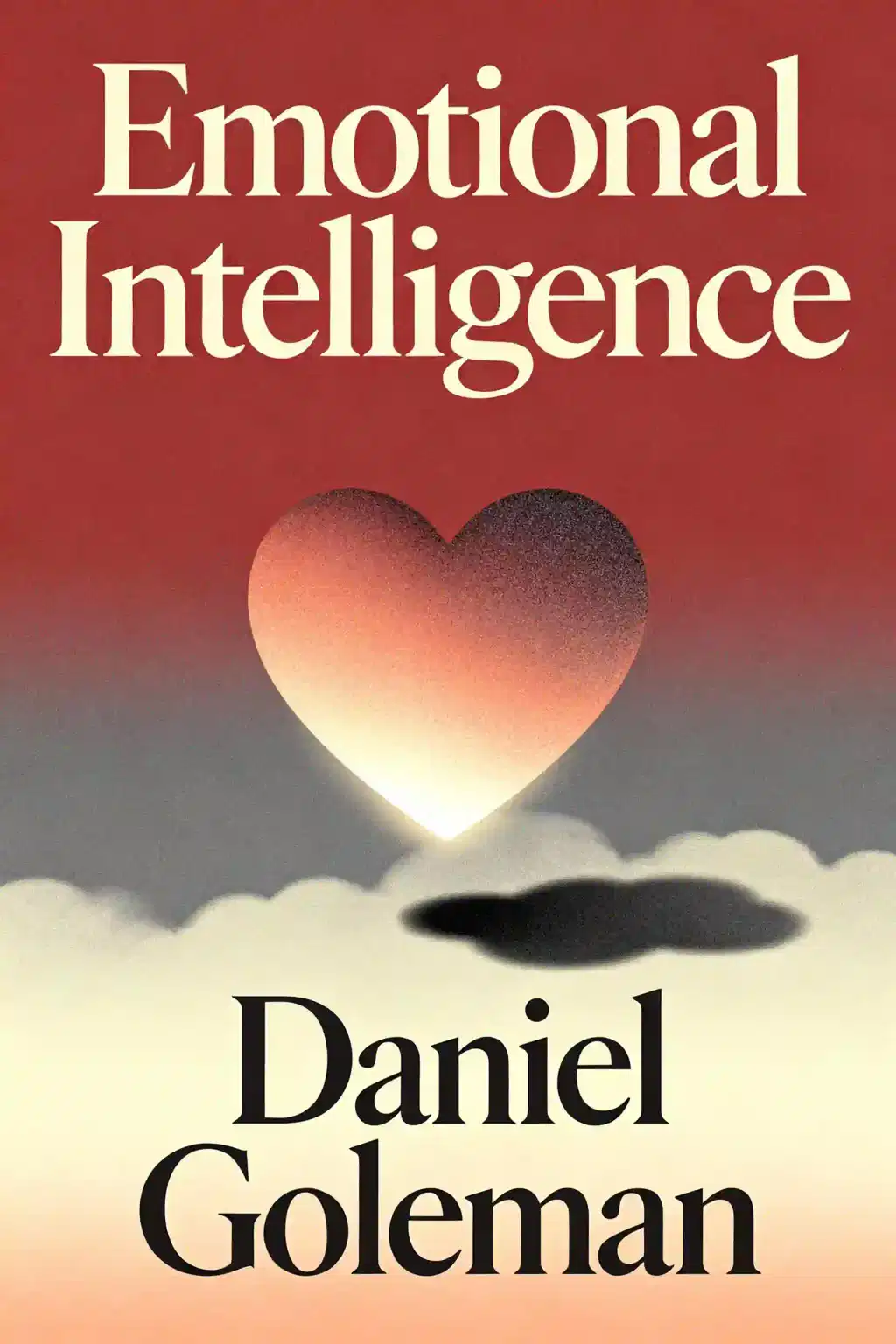
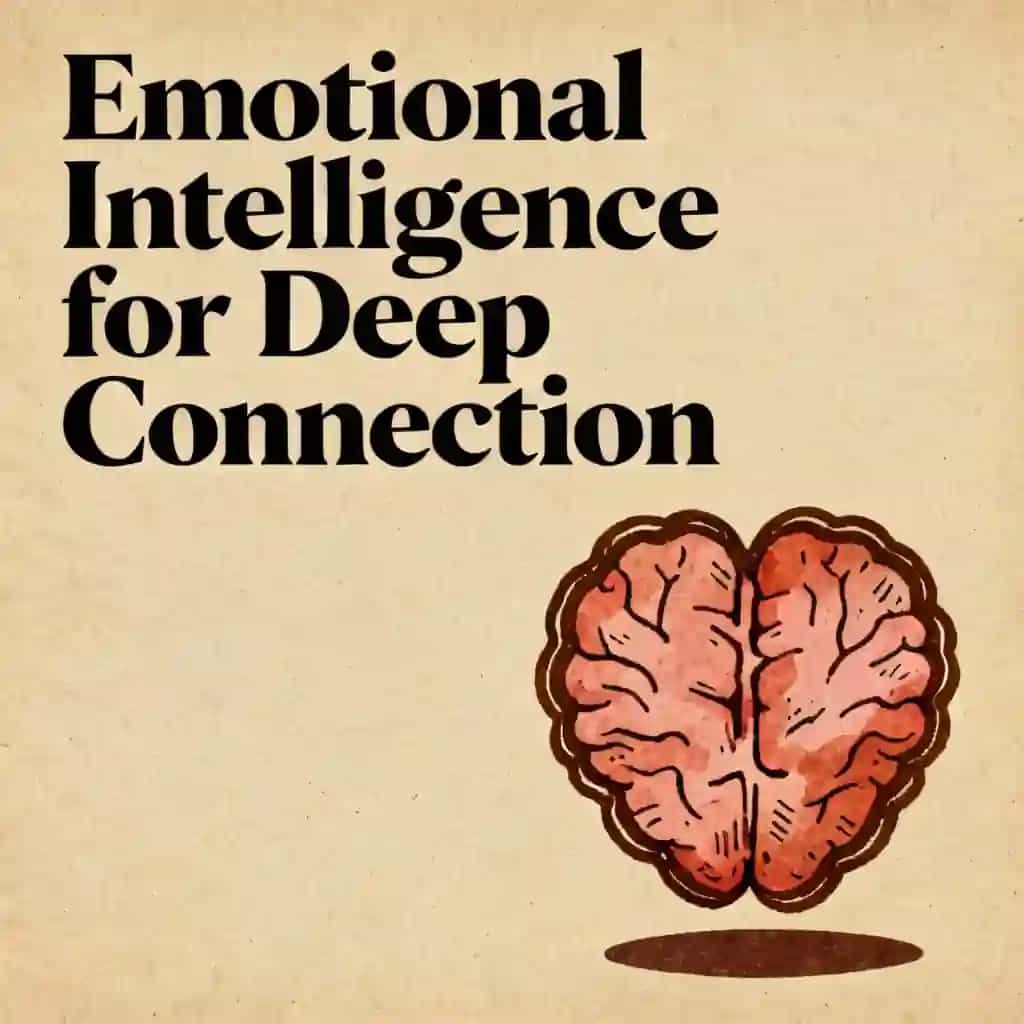
Emotional intelligence: why it can matter more than IQ by Daniel Goleman Summary

Overview of Emotional intelligence
Discover why EQ trumps IQ in Daniel Goleman's revolutionary bestseller that transformed business leadership, education, and psychology. The book that made "emotional hijacking" part of everyday language and convinced corporations worldwide that self-awareness predicts success better than raw intelligence ever could.
- EQ outweighs IQ in determining life success by 80% to 20%.
- Self-awareness shifts brain activity from amygdala reactions to neocortex control.
- Emotional hijackings last seconds but require intentional pauses to prevent harm.
- Empathy strengthens leadership through understanding others' unspoken emotions.
- Self-regulation balances moods and impulses to sustain motivation during setbacks.
- Chronic stress impairs emotional control and decision-making capacity over time.
- Social skills resolve conflicts by blending emotion and logic strategically.
- Temperaments are innate but emotional responses can be rewired through practice.
- Daniel Goleman redefines success around self-awareness over raw intellect.
- Relationships thrive when emotional attunement replaces isolation or miscommunication.
- Emotional impulses evolve from survival instincts but demand modern self-management.
- High EQ fosters resilience by reframing setbacks as solvable challenges.
About the Author of Emotional intelligence
Daniel Goleman, psychologist and internationally bestselling author of Emotional Intelligence: Why It Can Matter More Than IQ, revolutionized the understanding of human behavior through his pioneering work in emotional intelligence (EI). A Harvard-trained clinical psychologist and former science journalist for The New York Times, Goleman bridges academic research and practical application, exploring themes like self-awareness, empathy, and leadership effectiveness. His expertise extends to related works such as Working with Emotional Intelligence and Social Intelligence, which further examine EI’s role in professional and personal success.
Goleman’s insights stem from decades of research, including his role as co-director of the Consortium for Research on Emotional Intelligence in Organizations at Rutgers University. A frequent TED speaker and contributor to Harvard Business Review, his frameworks are taught in business schools and implemented by Fortune 500 companies. Recognized with two Pulitzer Prize nominations, his books have sold over 5 million copies globally and been translated into 40 languages, solidifying Emotional Intelligence as a cornerstone of modern psychology and leadership development.
FAQs About Emotional intelligence
What is Emotional Intelligence by Daniel Goleman about?
Emotional Intelligence explores why emotional intelligence (EQ)—the ability to manage emotions, build relationships, and make empathetic decisions—often matters more than IQ for success. Daniel Goleman details five core components: self-awareness, self-regulation, motivation, empathy, and social skills, backed by neuroscience on how the brain’s emotional and rational systems interact.
Who should read Emotional Intelligence?
Leaders, managers, educators, and anyone seeking personal growth will benefit. The book offers tools for improving workplace dynamics, leadership effectiveness, and interpersonal relationships, making it ideal for those navigating team management, career advancement, or self-improvement.
Is Emotional Intelligence worth reading?
Yes—it’s a groundbreaking work that reshaped how we view human behavior. Over 25 years, its insights on EQ’s impact on health, relationships, and career success remain relevant, especially in today’s digitally driven world where empathy and social skills are critical.
What are the five components of emotional intelligence?
Goleman’s framework includes self-awareness (recognizing emotions), self-regulation (managing reactions), motivation (aligning goals with passion), empathy (understanding others’ feelings), and social skills (building relationships). These skills can be learned and improved over time.
How does emotional intelligence impact leadership?
Leaders with high EQ foster trust, resolve conflicts, and inspire teams. Goleman argues that self-awareness and empathy help managers create inclusive environments, improve communication, and drive productivity—key traits for effective leadership.
What is “emotional hijacking”?
Emotional hijacking occurs when the amygdala (the brain’s emotional center) overrides rational thought, triggering impulsive reactions like anger or fear. Goleman explains how mindfulness and self-regulation can prevent these episodes.
How does emotional intelligence differ from IQ?
IQ measures cognitive abilities, while EQ assesses emotional management and social skills. Goleman shows EQ better predicts life success, as it enables resilience, collaboration, and adaptive decision-making—traits less tied to raw intellect.
Can emotional intelligence be improved?
Yes. Goleman emphasizes EQ is malleable through practices like mindfulness, feedback reflection, and empathy exercises. Strengthening these skills enhances personal and professional outcomes over time.
What are common criticisms of Emotional Intelligence?
Some argue Goleman oversimplifies EQ’s role in success or conflates it with personality traits. Others note the book focuses more on theory than actionable steps, though later editions address practical applications.
How is emotional intelligence used in marketing?
Marketers with high EQ craft campaigns that resonate emotionally. Goleman’s principles help teams understand audience needs, build authentic messaging, and foster brand loyalty through empathetic storytelling.
Why is Emotional Intelligence relevant in 2025?
As AI and automation grow, uniquely human skills like creativity and empathy become irreplaceable. The 25th-anniversary edition highlights EQ’s role in navigating digital communication, remote work, and mental health challenges.
How does Emotional Intelligence compare to similar books?
Unlike purely theoretical psychology texts, Goleman blends neuroscience with practical advice, offering a foundational guide for applying EQ daily. It complements mindset-focused books like Atomic Habits by addressing the emotional drivers behind behavior change.
Feel the book through the author's voice
Turn knowledge into engaging, example-rich insights
Capture key ideas in a flash for fast learning
Enjoy the book in a fun and engaging way
Key Themes in Emotional intelligence
Quotes from Emotional intelligence
While IQ gets you hired, EQ determines how far you'll rise.
Emotional habits can be rewired through conscious effort and practice.
Self-awareness means recognizing our emotions as they arise.
Anger provides a perfect case study in emotional regulation.
It's the foundation upon which all other emotional skills are built.
Characters in Emotional intelligence
Quick Summary Mode - Read or listen to Emotional intelligence Summary in 9 Minutes

Break down key ideas from Emotional intelligence into bite-sized takeaways to understand how innovative teams create, collaborate, and grow.

Flash Card Mode - Top 11 Insights from Emotional intelligence in a Nutshell

Distill Emotional intelligence into rapid-fire memory cues that highlight key principles of candor, teamwork, and creative resilience.

Fun Mode - Emotional intelligence Lessons Told Through 27-Min Stories

Experience Emotional intelligence through vivid storytelling that turns innovation lessons into moments you'll remember and apply.
Personalize Mode - Read or listen to Emotional intelligence Summary in 0 Minutes

Ask anything, pick the voice, and co-create insights that truly resonate with you.

From Columbia University alumni built in San Francisco
"Instead of endless scrolling, I just hit play on BeFreed. It saves me so much time."


"I never knew where to start with nonfiction—BeFreed’s book lists turned into podcasts gave me a clear path."


"Perfect balance between learning and entertainment. Finished ‘Thinking, Fast and Slow’ on my commute this week."
"Crazy how much I learned while walking the dog. BeFreed = small habits → big gains."
"Reading used to feel like a chore. Now it’s just part of my lifestyle."

"Feels effortless compared to reading. I’ve finished 6 books this month already."
"BeFreed turned my guilty doomscrolling into something that feels productive and inspiring."

"BeFreed turned my commute into learning time. 20-min podcasts are perfect for finishing books I never had time for."
"BeFreed replaced my podcast queue. Imagine Spotify for books — that’s it. 🙌"

"It is great for me to learn something from the book without reading it."
"The themed book list podcasts help me connect ideas across authors—like a guided audio journey."
"Makes me feel smarter every time before going to work"
From Columbia University alumni built in San Francisco
"Instead of endless scrolling, I just hit play on BeFreed. It saves me so much time."
"I never knew where to start with nonfiction—BeFreed’s book lists turned into podcasts gave me a clear path."
"Perfect balance between learning and entertainment. Finished ‘Thinking, Fast and Slow’ on my commute this week."
"Crazy how much I learned while walking the dog. BeFreed = small habits → big gains."
"Reading used to feel like a chore. Now it’s just part of my lifestyle."
"Feels effortless compared to reading. I’ve finished 6 books this month already."
"BeFreed turned my guilty doomscrolling into something that feels productive and inspiring."
"BeFreed turned my commute into learning time. 20-min podcasts are perfect for finishing books I never had time for."
"BeFreed replaced my podcast queue. Imagine Spotify for books — that’s it. 🙌"
"It is great for me to learn something from the book without reading it."
"The themed book list podcasts help me connect ideas across authors—like a guided audio journey."
"Makes me feel smarter every time before going to work"
"Instead of endless scrolling, I just hit play on BeFreed. It saves me so much time."
"I never knew where to start with nonfiction—BeFreed’s book lists turned into podcasts gave me a clear path."
"Perfect balance between learning and entertainment. Finished ‘Thinking, Fast and Slow’ on my commute this week."
"Crazy how much I learned while walking the dog. BeFreed = small habits → big gains."
"Reading used to feel like a chore. Now it’s just part of my lifestyle."
"Feels effortless compared to reading. I’ve finished 6 books this month already."
"BeFreed turned my guilty doomscrolling into something that feels productive and inspiring."
"BeFreed turned my commute into learning time. 20-min podcasts are perfect for finishing books I never had time for."
"BeFreed replaced my podcast queue. Imagine Spotify for books — that’s it. 🙌"
"It is great for me to learn something from the book without reading it."
"The themed book list podcasts help me connect ideas across authors—like a guided audio journey."
"Makes me feel smarter every time before going to work"
"Instead of endless scrolling, I just hit play on BeFreed. It saves me so much time."
"I never knew where to start with nonfiction—BeFreed’s book lists turned into podcasts gave me a clear path."
"Perfect balance between learning and entertainment. Finished ‘Thinking, Fast and Slow’ on my commute this week."
"Crazy how much I learned while walking the dog. BeFreed = small habits → big gains."
"Reading used to feel like a chore. Now it’s just part of my lifestyle."
"Feels effortless compared to reading. I’ve finished 6 books this month already."
"BeFreed turned my guilty doomscrolling into something that feels productive and inspiring."
"BeFreed turned my commute into learning time. 20-min podcasts are perfect for finishing books I never had time for."
"BeFreed replaced my podcast queue. Imagine Spotify for books — that’s it. 🙌"
"It is great for me to learn something from the book without reading it."
"The themed book list podcasts help me connect ideas across authors—like a guided audio journey."
"Makes me feel smarter every time before going to work"

Get the Emotional intelligence summary as a free PDF or EPUB. Print it or read offline anytime.