Introducing Selfesteem A Practical Guide by David Bonham-Carter Summary

Overview of Introducing Selfesteem A Practical Guide
Unlock your potential with this practical CBT-based guide to self-esteem. Since 2012, it's been quietly revolutionizing how people overcome inadequacy and improve communication. Ever wondered why therapists recommend it? Discover the accessible techniques that transform self-doubt into unstoppable confidence.
- David Bonham-Carter's five-point system rebuilds self-worth through actionable cognitive-behavioral techniques
- Balance self-acceptance with growth by challenging negative core beliefs from childhood
- Worksheets and exercises provide structured steps to break free from self-doubt
- Low self-esteem roots in critical parenting require acknowledgment and proactive reframing
- Replace self-criticism with compassionate self-talk to foster sustainable confidence boosts
- Reasonable self-esteem blends humility with recognizing personal strengths and achievements
- Cognitive-behavioral strategies dismantle irrational thoughts fueling inadequacy and social anxiety
- Building self-worth involves daily practices of self-validation and boundary setting
- Childhood messages shape self-image – audit and update outdated narratives
- Practical self-esteem tools help assert needs without guilt or overexplaining
- Bonham-Carter's method bridges therapeutic insights with DIY mindset transformation techniques
- Healthy self-esteem requires embracing imperfection while pursuing continuous personal growth
About the Author of Introducing Selfesteem A Practical Guide
David Bonham-Carter is the acclaimed author of Introducing Self-Esteem: A Practical Guide and a seasoned life coach specializing in cognitive-behavioral techniques for self-improvement. A self-help expert with decades of experience, he empowers readers through actionable strategies rooted in psychological principles, particularly his five-step system for building self-worth. His work blends clinical insights with practical exercises, making complex concepts accessible to both individuals and mental health professionals.
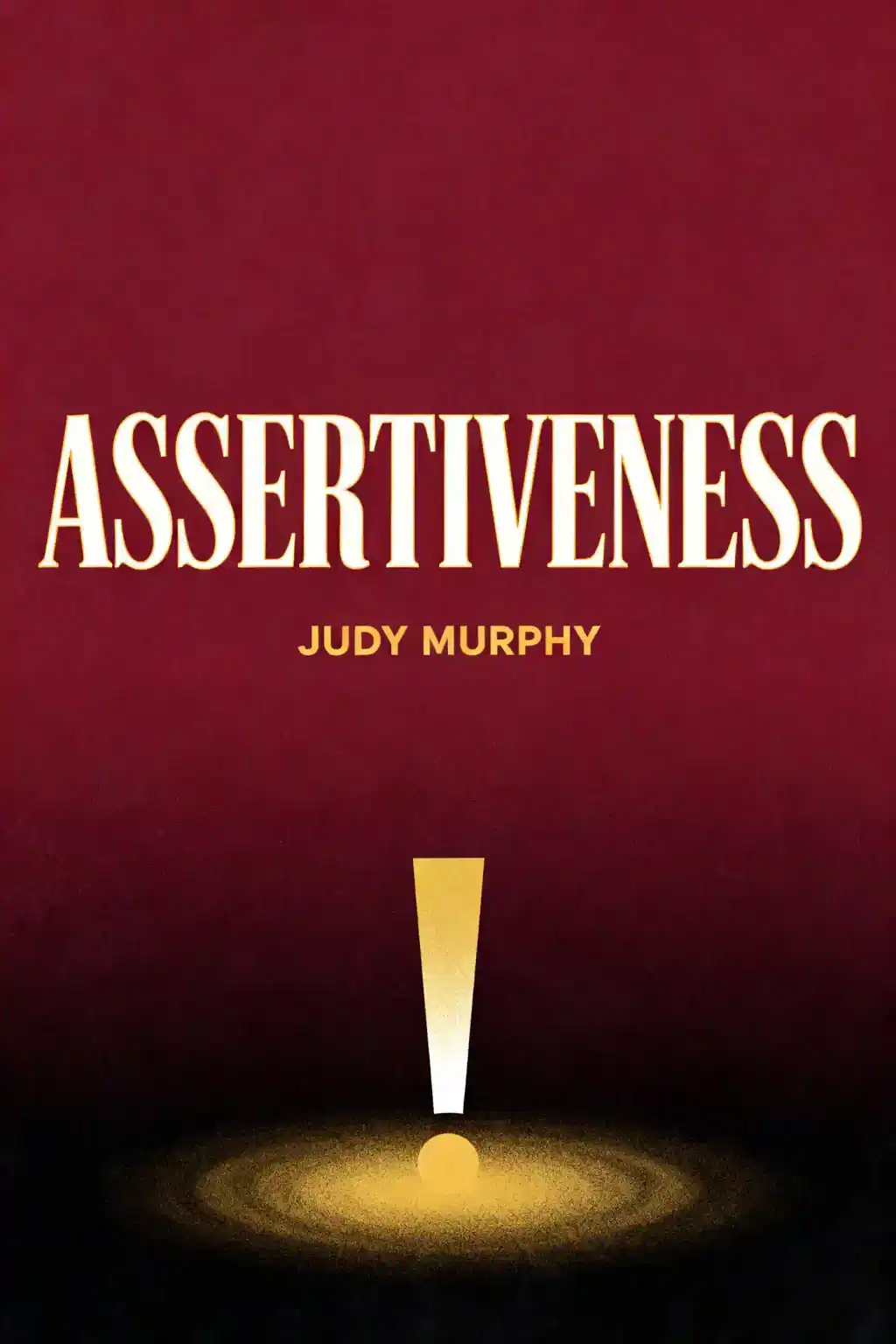
Bonham-Carter is also the author of A Practical Guide to Assertiveness, which expands on his methods for fostering confidence and effective communication. His writing style—direct, evidence-based, and solution-focused—reflects his background in applied psychology and coaching. Through books, worksheets, and online resources, he bridges therapeutic frameworks with real-world challenges.
Praised for its structured yet adaptable approach, Introducing Self-Esteem has become a trusted resource in personal development circles, cited for its integration of CBT principles and hands-on tools. Bonham-Carter’s techniques continue to resonate globally, helping readers transform self-doubt into empowerment.
FAQs About Introducing Selfesteem A Practical Guide
What is A Practical Guide to Building Self-Esteem about?
A Practical Guide to Building Self-Esteem by David Bonham-Carter offers evidence-based strategies from cognitive behavioral therapy (CBT) and practical exercises like journaling to help readers overcome self-doubt, cultivate self-acceptance, and improve relationships. It focuses on identifying core values, challenging negative thought patterns, and creating actionable plans for personal growth.
Who should read A Practical Guide to Building Self-Esteem?
This book suits individuals struggling with low confidence, life coaches seeking structured tools, or anyone interested in self-improvement. Its exercises are particularly helpful for those navigating career transitions, relationship challenges, or seeking to build resilience against criticism.
Is A Practical Guide to Building Self-Esteem worth reading?
Yes—it combines CBT principles with step-by-step worksheets and real-life applications, making it more actionable than theoretical self-help guides. Readers praise its focused approach to addressing specific insecurities while providing measurable progress tracking.
What are the main techniques used in the book?
Key methods include:
- CBT-based thought records to reframe negativity
- Journaling prompts to uncover hidden strengths
- Self-assessment quizzes to identify growth areas
- Scenario exercises to practice assertiveness
How does the book help with overcoming inadequacy?
It teaches readers to recognize distorted self-perceptions and replace them with balanced, evidence-based views. Techniques like “strength-spotting” and goal-setting encourage incremental confidence-building through achievable wins.
What practical exercises are included?
The book features:
- Daily gratitude and achievement logs
- Worksheets mapping personal values vs. societal expectations
- Role-playing templates for difficult conversations
- Checklists to identify self-sabotaging behaviors
How does the author’s expertise shape the book?
David Bonham-Carter’s background as a life coach ensures strategies are pragmatic and client-tested. His focus on customizable solutions—rather than one-size-fits-all advice—reflects deep understanding of individual psychological barriers.
Can this book improve workplace confidence?
Yes. Modules address imposter syndrome, public speaking anxiety, and negotiating promotions. Readers learn to articulate their value clearly while managing feedback or setbacks constructively.
What makes this guide unique?
Its emphasis on personalized action plans stands out. Instead of generic advice, the book helps readers tailor techniques to their specific insecurities—whether rooted in body image, career challenges, or social interactions.
Are there critiques of the book’s approach?
Some may find the journaling requirements time-intensive. However, this structured method ensures deeper introspection than quick-fix alternatives, making it ideal for committed self-improvers.
How does it compare to The Gifts of Imperfection?
While Brené Brown’s work focuses on embracing vulnerability, Bonham-Carter’s guide provides tactical tools for systemic change. It’s ideal for readers seeking a workbook-style companion to theoretical concepts.
Why is this book relevant in 2025?
As mental health awareness grows, its blend of psychological rigor and adaptability meets modern needs for self-directed, stigma-free personal development. The CBT framework aligns with trends in workplace wellness and proactive mental fitness.
Feel the book through the author's voice
Capture key ideas in a flash for fast learning
Key Themes in Introducing Selfesteem A Practical Guide
Quotes from Introducing Selfesteem A Practical Guide
Self-esteem is the foundation of our mental well-being.
Self-esteem is not fixed.
Think about self-esteem as a muscle.
Assertiveness is not aggression.
Building self-esteem is a journey, not a destination.
Characters in Introducing Selfesteem A Practical Guide
Quick Summary Mode - Read or listen to Introducing Selfesteem A Practical Guide Summary in 5 Minutes

Break down key ideas from Introducing Selfesteem A Practical Guide into bite-sized takeaways to understand how innovative teams create, collaborate, and grow.

Flash Card Mode - Top 7 Insights from Introducing Selfesteem A Practical Guide in a Nutshell

Distill Introducing Selfesteem A Practical Guide into rapid-fire memory cues that highlight key principles of candor, teamwork, and creative resilience.

Personalize Mode - Read or listen to Introducing Selfesteem A Practical Guide Summary in 0 Minutes

Ask anything, pick the voice, and co-create insights that truly resonate with you.

From Columbia University alumni built in San Francisco
"Instead of endless scrolling, I just hit play on BeFreed. It saves me so much time."


"I never knew where to start with nonfiction—BeFreed’s book lists turned into podcasts gave me a clear path."


"Perfect balance between learning and entertainment. Finished ‘Thinking, Fast and Slow’ on my commute this week."
"Crazy how much I learned while walking the dog. BeFreed = small habits → big gains."
"Reading used to feel like a chore. Now it’s just part of my lifestyle."

"Feels effortless compared to reading. I’ve finished 6 books this month already."
"BeFreed turned my guilty doomscrolling into something that feels productive and inspiring."

"BeFreed turned my commute into learning time. 20-min podcasts are perfect for finishing books I never had time for."
"BeFreed replaced my podcast queue. Imagine Spotify for books — that’s it. 🙌"

"It is great for me to learn something from the book without reading it."
"The themed book list podcasts help me connect ideas across authors—like a guided audio journey."
"Makes me feel smarter every time before going to work"
From Columbia University alumni built in San Francisco
"Instead of endless scrolling, I just hit play on BeFreed. It saves me so much time."
"I never knew where to start with nonfiction—BeFreed’s book lists turned into podcasts gave me a clear path."
"Perfect balance between learning and entertainment. Finished ‘Thinking, Fast and Slow’ on my commute this week."
"Crazy how much I learned while walking the dog. BeFreed = small habits → big gains."
"Reading used to feel like a chore. Now it’s just part of my lifestyle."
"Feels effortless compared to reading. I’ve finished 6 books this month already."
"BeFreed turned my guilty doomscrolling into something that feels productive and inspiring."
"BeFreed turned my commute into learning time. 20-min podcasts are perfect for finishing books I never had time for."
"BeFreed replaced my podcast queue. Imagine Spotify for books — that’s it. 🙌"
"It is great for me to learn something from the book without reading it."
"The themed book list podcasts help me connect ideas across authors—like a guided audio journey."
"Makes me feel smarter every time before going to work"
"Instead of endless scrolling, I just hit play on BeFreed. It saves me so much time."
"I never knew where to start with nonfiction—BeFreed’s book lists turned into podcasts gave me a clear path."
"Perfect balance between learning and entertainment. Finished ‘Thinking, Fast and Slow’ on my commute this week."
"Crazy how much I learned while walking the dog. BeFreed = small habits → big gains."
"Reading used to feel like a chore. Now it’s just part of my lifestyle."
"Feels effortless compared to reading. I’ve finished 6 books this month already."
"BeFreed turned my guilty doomscrolling into something that feels productive and inspiring."
"BeFreed turned my commute into learning time. 20-min podcasts are perfect for finishing books I never had time for."
"BeFreed replaced my podcast queue. Imagine Spotify for books — that’s it. 🙌"
"It is great for me to learn something from the book without reading it."
"The themed book list podcasts help me connect ideas across authors—like a guided audio journey."
"Makes me feel smarter every time before going to work"
"Instead of endless scrolling, I just hit play on BeFreed. It saves me so much time."
"I never knew where to start with nonfiction—BeFreed’s book lists turned into podcasts gave me a clear path."
"Perfect balance between learning and entertainment. Finished ‘Thinking, Fast and Slow’ on my commute this week."
"Crazy how much I learned while walking the dog. BeFreed = small habits → big gains."
"Reading used to feel like a chore. Now it’s just part of my lifestyle."
"Feels effortless compared to reading. I’ve finished 6 books this month already."
"BeFreed turned my guilty doomscrolling into something that feels productive and inspiring."
"BeFreed turned my commute into learning time. 20-min podcasts are perfect for finishing books I never had time for."
"BeFreed replaced my podcast queue. Imagine Spotify for books — that’s it. 🙌"
"It is great for me to learn something from the book without reading it."
"The themed book list podcasts help me connect ideas across authors—like a guided audio journey."
"Makes me feel smarter every time before going to work"

Get the Introducing Selfesteem A Practical Guide summary as a free PDF or EPUB. Print it or read offline anytime.