How to Retire: Wise Financial Strategies to Help You Make Your Money Last

Overview of How to Retire
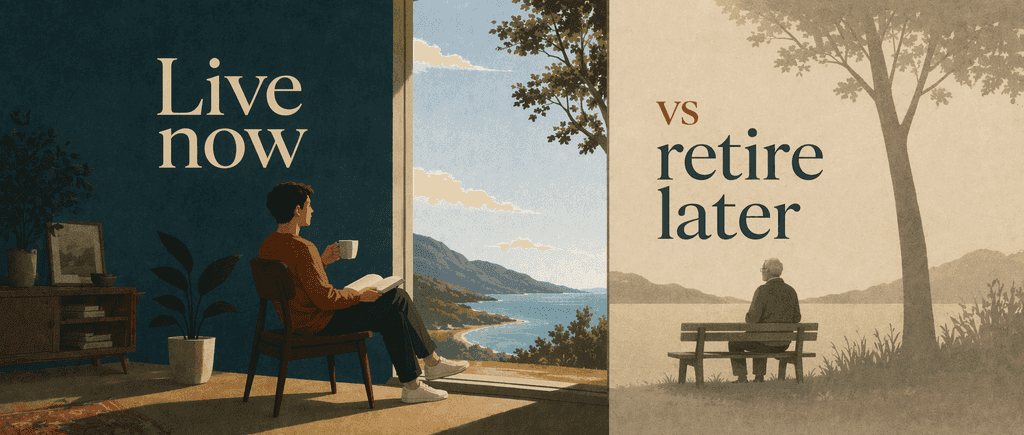
Christine Benz's "How to Retire" transcends typical financial advice, revealing retirement isn't "just a math problem." Endorsed by Jonathan Clements, this guide tackles identity loss, relationships, and purpose beyond money. What shocking truth about retirement planning are most experts missing?
- Christine Benz’s three-bucket strategy ensures tax-efficient retirement withdrawals and portfolio longevity
- The 4% rule is a baseline—flexibility allows higher spending in early retirement
- Envision daily purpose and nurture relationships to ease the transition into retirement
- Optimize Social Security timing to maximize lifetime benefits and minimize tax burdens
- Phase into retirement with part-time work to reduce financial and emotional stress
- Morningstar’s 5% withdrawal rate prioritizes early-retirement spending without sacrificing safety
- Set a “worry-free number” for guilt-free daily spending on meaningful experiences
- Allocate 10 years of expenses to bonds before investing surplus in stocks
- Women require specific planning for longer lifespans and higher healthcare costs
- Balance growth investments with secure income streams to mitigate market volatility risks
- Conduct annual retirement check-ins to adjust spending for market shifts and goals
- Prioritize experiential spending over possessions to boost retirement fulfillment and happiness
About the Author of How to Retire
Christine Benz, Director of Personal Finance and Retirement Planning at Morningstar and author of How to Retire: 20 Lessons for a Happy, Successful, and Wealthy Retirement, is a leading voice in personal finance and retirement strategy. With over three decades at Morningstar, Benz combines academic rigor with practical insights, addressing tax-efficient decumulation, dynamic spending, and purpose-driven retirement planning.
Her expertise stems from roles as Morningstar’s director of mutual fund analysis and editor of Morningstar Mutual Funds and Morningstar FundInvestor.
Benz’s earlier works, including the bestselling 30-Minute Money Solutions: A Step-by-Step Guide to Managing Your Finances and Morningstar® Guide to Mutual Funds: 5-Star Strategies for Success, established her as a trusted resource for investors. She co-hosts Morningstar’s The Long View podcast and contributes to The New York Times, The Wall Street Journal, and CNBC.
Named to Barron’s 100 Most Influential Women in Finance (2020–2021) and Top 10 in Wealth Management (2021), Benz also chairs the John C. Bogle Center for Financial Literacy. Her latest book distills 30+ years of research into actionable retirement frameworks used by financial advisors nationwide.
FAQs About How to Retire
What is How to Retire by Christine Benz about?
How to Retire by Christine Benz blends financial planning with lifestyle advice, offering 20 lessons from retirement experts. It covers strategies like the "bucket approach" for managing savings, adapting spending habits, and prioritizing emotional well-being. The book emphasizes balancing financial security with fulfilling activities, lifelong learning, and maintaining relationships to create a holistic retirement plan.
Who should read How to Retire?
This book is essential for pre-retirees, recent retirees, and financial advisors seeking actionable insights. It caters to those prioritizing both financial stability (e.g., tax planning, portfolio management) and personal fulfillment (e.g., relationship-building, purposeful living). Readers appreciate its dual focus on practical money strategies and psychological readiness for retirement.
Is How to Retire worth reading?
Yes. Christine Benz’s expertise as Morningstar’s retirement director and interviews with 20 thought leaders provide diverse, credible perspectives. Reviewers praise its actionable frameworks, like spending optimization and Social Security timing, alongside non-financial guidance on health and happiness. The companion podcast adds ongoing value.
What is the "bucket approach" in How to Retire?
The bucket approach divides retirement savings into short-, medium-, and long-term "buckets" based on when funds are needed. This minimizes market-risk exposure for near-term expenses while allocating growth-oriented investments for later years. Experts like William Bernstein endorse this method for balancing liquidity and portfolio longevity.
How does How to Retire address emotional well-being?
Benz highlights mental health as critical to retirement success, urging readers to cultivate hobbies, social connections, and purposeful routines. Lessons from Laura Carstensen and Jordan Grumet stress avoiding regrets by aligning spending with values and nurturing relationships.
Does How to Retire offer international financial advice?
Primarily U.S.-focused, the book’s tax and Social Security strategies cater to American audiences. However, non-U.S. readers still benefit from its universal themes: adaptive planning, happiness-centric spending, and psychological preparation for retirement.
What makes How to Retire different from other retirement guides?
Unlike purely financial handbooks, Benz integrates软技能 like relationship-building and mindset shifts. It combines Morningstar’s data-driven insights with wisdom from diverse experts, offering a roadmap for both wealth and well-being.
How does How to Retire suggest managing spending in retirement?
David Blanchett’s research shows retirees often underspend early on. Benz advises dynamic budgeting, aligning withdrawals with evolving needs and market conditions. Ramit Sethi contributes strategies to spend on experiences that boost happiness without compromising savings.
What is the key takeaway from How to Retire’s ending?
The conclusion reinforces retirement as an evolving journey, not a fixed destination. Benz urges regular financial check-ins and intentional goal-setting to adapt to life changes, ensuring plans stay aligned with personal values.
Does How to Retire include a podcast companion?
Yes. Benz’s podcast features bonus interviews on topics like working longer, tax efficiency, and long-term care planning. Episodes with Kerry Hannon and Michelle Singletary deepen the book’s lessons with real-world examples.
How does How to Retire compare to The Googlization of Everything?
While The Googlization of Everything critiques tech’s societal impact, Benz’s book is a practical guide focused on personal retirement success. Both emphasize adaptability, but How to Retire prioritizes actionable steps over theoretical analysis.
What criticisms exist about How to Retire?
Some note its U.S.-centric financial examples and dense expert interviews. However, reviewers highlight its balance of breadth and depth, making it a valuable resource despite niche sections.
Feel the book through the author's voice
Turn knowledge into engaging, example-rich insights
Capture key ideas in a flash for fast learning
Enjoy the book in a fun and engaging way
Characters in How to Retire
- Christine BenzAuthor and expert on holistic retirement planning
- Michael FinkeWealth management professor and happiness researcher
- Fritz GilbertRetirement blogger and charity founder
- Jonathan ClementsFinancial expert sharing semi-retirement insights
Key Themes in How to Retire
- non-financial retirement planning
- post-career identity
- lifestyle design
- social isolation prevention
- phased retirement
Quotes from How to Retire
Money itself doesn't create happiness.
Leisure only feels special when it provides relief from work.
Retirement isn't what I thought it was.
Choice affects happiness.
Social relationships and happiness are powerful predictors of a long life.
Explore Your Way of Learning
 Quick Summary Mode
Read or listen to How to Retire Summary in 8 Minutes
Break down key ideas from How to Retire into bite-sized takeaways to understand how innovative teams create, collaborate, and grow.

 Fun Mode
How to Retire Lessons Told Through 25-Min Stories
Experience How to Retire through vivid storytelling that turns innovation lessons into moments you'll remember and apply.
 Personalize Mode
Experience How to Retire in your own learning style
Ask anything, choose your learning style, and co-create insights that truly resonate with you.
From Columbia University alumni built in San Francisco
"Instead of endless scrolling, I just hit play on BeFreed. It saves me so much time."


"I never knew where to start with nonfiction—BeFreed’s book lists turned into podcasts gave me a clear path."


"Perfect balance between learning and entertainment. Finished ‘Thinking, Fast and Slow’ on my commute this week."
"Crazy how much I learned while walking the dog. BeFreed = small habits → big gains."
"Reading used to feel like a chore. Now it’s just part of my lifestyle."

"Feels effortless compared to reading. I’ve finished 6 books this month already."
"BeFreed turned my guilty doomscrolling into something that feels productive and inspiring."

"BeFreed turned my commute into learning time. 20-min podcasts are perfect for finishing books I never had time for."
"BeFreed replaced my podcast queue. Imagine Spotify for books — that’s it. 🙌"

"It is great for me to learn something from the book without reading it."
"The themed book list podcasts help me connect ideas across authors—like a guided audio journey."
"Makes me feel smarter every time before going to work"
From Columbia University alumni built in San Francisco
"Instead of endless scrolling, I just hit play on BeFreed. It saves me so much time."
"I never knew where to start with nonfiction—BeFreed’s book lists turned into podcasts gave me a clear path."
"Perfect balance between learning and entertainment. Finished ‘Thinking, Fast and Slow’ on my commute this week."
"Crazy how much I learned while walking the dog. BeFreed = small habits → big gains."
"Reading used to feel like a chore. Now it’s just part of my lifestyle."
"Feels effortless compared to reading. I’ve finished 6 books this month already."
"BeFreed turned my guilty doomscrolling into something that feels productive and inspiring."
"BeFreed turned my commute into learning time. 20-min podcasts are perfect for finishing books I never had time for."
"BeFreed replaced my podcast queue. Imagine Spotify for books — that’s it. 🙌"
"It is great for me to learn something from the book without reading it."
"The themed book list podcasts help me connect ideas across authors—like a guided audio journey."
"Makes me feel smarter every time before going to work"
"Instead of endless scrolling, I just hit play on BeFreed. It saves me so much time."
"I never knew where to start with nonfiction—BeFreed’s book lists turned into podcasts gave me a clear path."
"Perfect balance between learning and entertainment. Finished ‘Thinking, Fast and Slow’ on my commute this week."
"Crazy how much I learned while walking the dog. BeFreed = small habits → big gains."
"Reading used to feel like a chore. Now it’s just part of my lifestyle."
"Feels effortless compared to reading. I’ve finished 6 books this month already."
"BeFreed turned my guilty doomscrolling into something that feels productive and inspiring."
"BeFreed turned my commute into learning time. 20-min podcasts are perfect for finishing books I never had time for."
"BeFreed replaced my podcast queue. Imagine Spotify for books — that’s it. 🙌"
"It is great for me to learn something from the book without reading it."
"The themed book list podcasts help me connect ideas across authors—like a guided audio journey."
"Makes me feel smarter every time before going to work"
"Instead of endless scrolling, I just hit play on BeFreed. It saves me so much time."
"I never knew where to start with nonfiction—BeFreed’s book lists turned into podcasts gave me a clear path."
"Perfect balance between learning and entertainment. Finished ‘Thinking, Fast and Slow’ on my commute this week."
"Crazy how much I learned while walking the dog. BeFreed = small habits → big gains."
"Reading used to feel like a chore. Now it’s just part of my lifestyle."
"Feels effortless compared to reading. I’ve finished 6 books this month already."
"BeFreed turned my guilty doomscrolling into something that feels productive and inspiring."
"BeFreed turned my commute into learning time. 20-min podcasts are perfect for finishing books I never had time for."
"BeFreed replaced my podcast queue. Imagine Spotify for books — that’s it. 🙌"
"It is great for me to learn something from the book without reading it."
"The themed book list podcasts help me connect ideas across authors—like a guided audio journey."
"Makes me feel smarter every time before going to work"

Download Summary of How to Retire
Get the How to Retire summary as a free PDF or EPUB. Print it or read offline anytime.