The Good News About Bad Behavior: Why Kids Are Less Disciplined Than Ever And What to Do About It

Overview of The Good News About Bad Behavior
Discover why Katherine Reynolds Lewis's groundbreaking approach to discipline went viral with 4 million views. Her "Apprenticeship Model" replaces punishment with connection, transforming behavior in homes and schools worldwide. What if bad behavior isn't the problem - but our response to it is?
- The modern parenting crisis stems from children’s eroded self-regulation skills.
- Discipline should focus on teaching capabilities, not punishments or rewards.
- Katherine Reynolds Lewis redefines discipline as connection-driven skill-building, not control.
- The apprenticeship model uses connection, communication, and capability for lasting change.
- Related and respectful consequences work better than arbitrary punishments.
- Empathetic listening before correction strengthens parent-child relationships long-term.
- Modern kids need practice with failure to build resilience naturally.
- Overprotection undermines children’s ability to solve problems independently.
- Parental self-regulation modeling is critical for teaching emotional management.
- “Bad behavior” often signals unmet needs, not defiance.
- Collaborative problem-solving beats authoritarian rules for lasting behavior shifts.
- The book reframes discipline as a neuroscience-backed developmental partnership.
About the Author of The Good News About Bad Behavior
Katherine Reynolds Lewis, author of The Good News About Bad Behavior: Why Kids Are Less Disciplined Than Ever—And What to Do About It, is an award-winning science journalist and certified parent educator specializing in child development, mental health, and family dynamics. A Harvard physics graduate turned journalist, Lewis combines rigorous research with practical insights honed through decades of reporting for The Atlantic, The Washington Post, and The New York Times.
Her work on education, behavioral science, and social justice has earned fellowships from MIT’s Knight Science Journalism Program and the Education Writers Association, along with adjunct roles at Northwestern and American Universities.
Lewis’s expertise stems from her tenure as a national correspondent for Bloomberg News and Newhouse News Service, as well as her founding of the Institute for Independent Journalists, which supports diverse freelance voices. She frequently appears on CNN, NPR, and international media to discuss innovative parenting strategies like her “Apprenticeship Model” of discipline. The Good News About Bad Behavior, born from her viral Mother Jones investigation into school discipline, has shaped conversations in parenting circles since its 2018 publication, reflecting Lewis’s ability to translate complex scientific findings into actionable guidance for families.
FAQs About The Good News About Bad Behavior
What is The Good News About Bad Behavior about?
The book explores why modern children struggle with self-regulation and offers evidence-based strategies to replace punitive discipline with skill-building. Author Katherine Reynolds Lewis presents the Apprenticeship Model, emphasizing connection, communication, and capability development to foster independence and emotional resilience in kids facing today's unique challenges.
Who should read The Good News About Bad Behavior?
This book is essential for parents, educators, and caregivers seeking science-backed approaches to child behavior. It’s particularly valuable for those grappling with frequent power struggles, school disruptions, or concerns about screens and mental health, offering tools to strengthen family dynamics and nurture lifelong self-discipline.
Is The Good News About Bad Behavior worth reading?
Yes, it provides actionable insights rooted in psychology and neuroscience, such as the “when-then” technique and empathy-driven discipline. Parents praise its shift from outdated punishment-reward systems to collaborative problem-solving, making it a transformative resource for addressing contemporary behavioral challenges.
What is the Apprenticeship Model in The Good News About Bad Behavior?
Lewis’s framework prioritizes three pillars: building emotional connection, fostering open communication, and developing problem-solving capability. Unlike authoritarian or permissive approaches, it treats children as apprentices learning self-regulation through guided practice and age-appropriate autonomy.
How does The Good News About Bad Behavior redefine discipline?
The book advocates teaching over punishment, emphasizing natural consequences and empathetic engagement. Lewis suggests addressing underlying needs (like hunger or boredom) before correcting behavior, and using “related, reasonable, respectful” consequences instead of arbitrary penalties.
What research supports The Good News About Bad Behavior?
Lewis draws on psychology, neuroscience, and real-world case studies. She cites programs like the PAX Good Behavior Game and experts like Ross Greene, showing that skill-building—not motivation—is key to improving behavior. Over 40% of modern children face mental health or addiction issues, underscoring the urgency of her approach.
Who is Katherine Reynolds Lewis and what are her credentials?
An award-winning science journalist and certified parent educator, Lewis combines Harvard physics training with reporting on education and behavior. Her work in The Atlantic and Washington Post, plus decades studying family dynamics, grounds the book’s blend of rigor and practicality.
How does The Good News About Bad Behavior differ from traditional parenting books?
It rejects both strict authoritarianism and passive permissiveness, offering a third way focused on collaboration. Unlike reward-punishment systems, Lewis’s model helps kids internalize self-control through practiced skills and democratic decision-making.
What practical strategies does The Good News About Bad Behavior offer?
Key tools include reflective listening, “when-then” scaffolding (e.g., “When you finish homework, then you can play”), and family problem-solving sessions. These methods reduce power struggles by aligning expectations with children’s developmental capabilities.
Why is The Good News About Bad Behavior relevant for modern parents?
With rising rates of ADHD, anxiety, and screen addiction, Lewis’s approach addresses 21st-century stressors. Her emphasis on emotional connection over control helps families navigate technology, academic pressure, and social challenges while rebuilding trust.
How does The Good News About Bad Behavior address school-related behavior issues?
Lewis highlights classroom strategies like the PAX Good Behavior Game, where students collectively earn rewards through self-regulation. This reduces disruptions by teaching impulse control as a shared skill, not an individual failing.
What role does community play in The Good News About Bad Behavior?
The book urges parents to seek supportive networks, as isolation exacerbates discipline challenges. Lewis argues that collective efforts—like parent education courses—create environments where children consistently practice empathy and responsibility.
Feel the book through the author's voice
Turn knowledge into engaging, example-rich insights
Capture key ideas in a flash for fast learning
Enjoy the book in a fun and engaging way
Characters in The Good News About Bad Behavior
- Katherine Reynolds LewisAuthor and journalist investigating discipline
- Jean TwengePsychologist documenting trends in youth anxiety
- Ethan KrossPsychologist studying social media and well-being
- Jim CoanResearcher studying empathy and brain stress
Key Themes in The Good News About Bad Behavior
- childhood self-regulation
- modern discipline methods
- digital age parenting
- arousal-relief cycles
- youth mental health
Quotes from The Good News About Bad Behavior
What if everything we thought we knew about discipline was wrong?
Our traditional discipline methods are actually undermining the very skills children need to succeed.
Teens describe maintaining their Snapchat 'streaks' as 'like a job'.
Modern children are essentially 'unemployed'.
Research shows harsh discipline damages children's development.
Explore Your Way of Learning
 Quick Summary Mode
Read or listen to The Good News About Bad Behavior Summary in 11 Minutes
Break down key ideas from The Good News About Bad Behavior into bite-sized takeaways to understand how innovative teams create, collaborate, and grow.

 Fun Mode
The Good News About Bad Behavior Lessons Told Through 19-Min Stories
Experience The Good News About Bad Behavior through vivid storytelling that turns innovation lessons into moments you'll remember and apply.
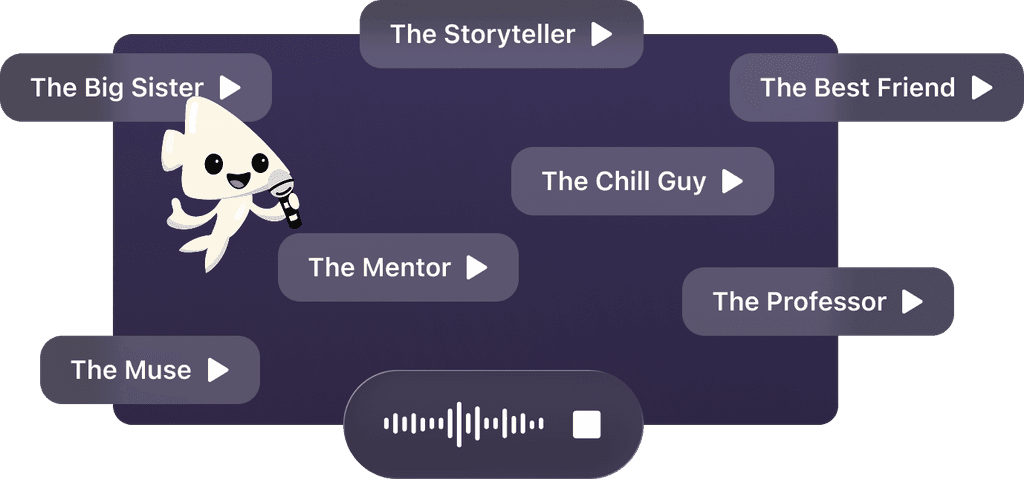
 Personalize Mode
Experience The Good News About Bad Behavior in your own learning style
Ask anything, choose your learning style, and co-create insights that truly resonate with you.
From Columbia University alumni built in San Francisco
"Instead of endless scrolling, I just hit play on BeFreed. It saves me so much time."


"I never knew where to start with nonfiction—BeFreed’s book lists turned into podcasts gave me a clear path."


"Perfect balance between learning and entertainment. Finished ‘Thinking, Fast and Slow’ on my commute this week."
"Crazy how much I learned while walking the dog. BeFreed = small habits → big gains."
"Reading used to feel like a chore. Now it’s just part of my lifestyle."

"Feels effortless compared to reading. I’ve finished 6 books this month already."
"BeFreed turned my guilty doomscrolling into something that feels productive and inspiring."

"BeFreed turned my commute into learning time. 20-min podcasts are perfect for finishing books I never had time for."
"BeFreed replaced my podcast queue. Imagine Spotify for books — that’s it. 🙌"

"It is great for me to learn something from the book without reading it."
"The themed book list podcasts help me connect ideas across authors—like a guided audio journey."
"Makes me feel smarter every time before going to work"
From Columbia University alumni built in San Francisco
"Instead of endless scrolling, I just hit play on BeFreed. It saves me so much time."
"I never knew where to start with nonfiction—BeFreed’s book lists turned into podcasts gave me a clear path."
"Perfect balance between learning and entertainment. Finished ‘Thinking, Fast and Slow’ on my commute this week."
"Crazy how much I learned while walking the dog. BeFreed = small habits → big gains."
"Reading used to feel like a chore. Now it’s just part of my lifestyle."
"Feels effortless compared to reading. I’ve finished 6 books this month already."
"BeFreed turned my guilty doomscrolling into something that feels productive and inspiring."
"BeFreed turned my commute into learning time. 20-min podcasts are perfect for finishing books I never had time for."
"BeFreed replaced my podcast queue. Imagine Spotify for books — that’s it. 🙌"
"It is great for me to learn something from the book without reading it."
"The themed book list podcasts help me connect ideas across authors—like a guided audio journey."
"Makes me feel smarter every time before going to work"
"Instead of endless scrolling, I just hit play on BeFreed. It saves me so much time."
"I never knew where to start with nonfiction—BeFreed’s book lists turned into podcasts gave me a clear path."
"Perfect balance between learning and entertainment. Finished ‘Thinking, Fast and Slow’ on my commute this week."
"Crazy how much I learned while walking the dog. BeFreed = small habits → big gains."
"Reading used to feel like a chore. Now it’s just part of my lifestyle."
"Feels effortless compared to reading. I’ve finished 6 books this month already."
"BeFreed turned my guilty doomscrolling into something that feels productive and inspiring."
"BeFreed turned my commute into learning time. 20-min podcasts are perfect for finishing books I never had time for."
"BeFreed replaced my podcast queue. Imagine Spotify for books — that’s it. 🙌"
"It is great for me to learn something from the book without reading it."
"The themed book list podcasts help me connect ideas across authors—like a guided audio journey."
"Makes me feel smarter every time before going to work"
"Instead of endless scrolling, I just hit play on BeFreed. It saves me so much time."
"I never knew where to start with nonfiction—BeFreed’s book lists turned into podcasts gave me a clear path."
"Perfect balance between learning and entertainment. Finished ‘Thinking, Fast and Slow’ on my commute this week."
"Crazy how much I learned while walking the dog. BeFreed = small habits → big gains."
"Reading used to feel like a chore. Now it’s just part of my lifestyle."
"Feels effortless compared to reading. I’ve finished 6 books this month already."
"BeFreed turned my guilty doomscrolling into something that feels productive and inspiring."
"BeFreed turned my commute into learning time. 20-min podcasts are perfect for finishing books I never had time for."
"BeFreed replaced my podcast queue. Imagine Spotify for books — that’s it. 🙌"
"It is great for me to learn something from the book without reading it."
"The themed book list podcasts help me connect ideas across authors—like a guided audio journey."
"Makes me feel smarter every time before going to work"

Download Summary of The Good News About Bad Behavior
Get the The Good News About Bad Behavior summary as a free PDF or EPUB. Print it or read offline anytime.