Take Your Time: How to Find Patience, Peace and Meaning

Overview of Take Your Time
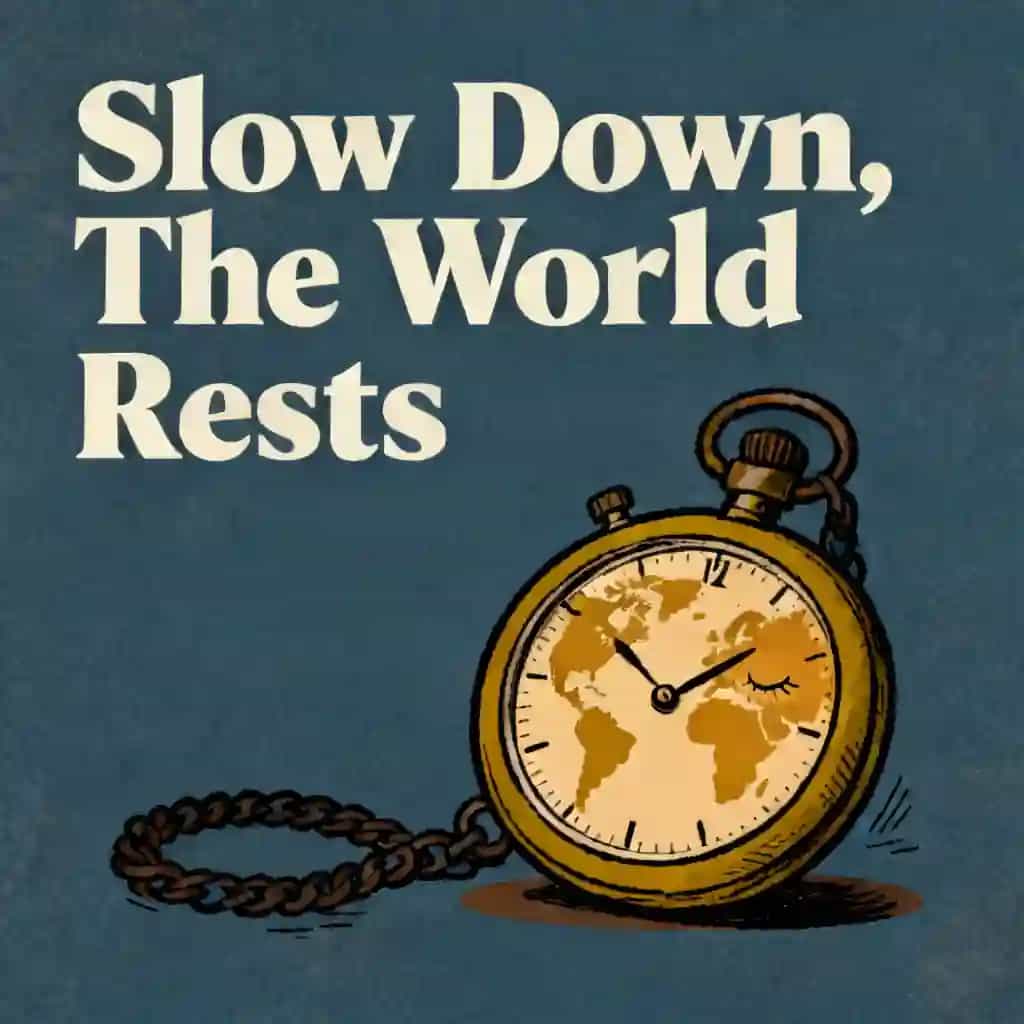
In a world of digital frenzy, Easwaran's "Take Your Time" offers ancient wisdom for modern exhaustion. His eight-point program - embraced by mindfulness communities worldwide - teaches the counterintuitive power of slowing down. What if your productivity actually increases when you stop rushing?
- Eknath Easwaran’s Eight Point Program simplifies achieving mindfulness through daily intention.
- How to transform daily chores into mindfulness rituals using meditative attention.
- Why slowing down increases effectiveness in work and deepens personal relationships.
- Three steps to replace multitasking with single-focus productivity from Take Your Time.
- How Eknath Easwaran’s “breathe and release” technique disarms impatience in stressful moments.
- The hidden cost of hurry: Why speed drains creativity and emotional connection.
- Take Your Time philosophy: Making space for reflection strengthens decision-making clarity.
- How to build “slowing down” micro-habits through meal pacing and walking meditation.
- Why Easwaran advocates substituting urgency with deliberate presence in parenting and leadership.
- Five unexpected benefits of mindfully waiting in lines and traffic jams.
- How Easwaran’s grandmother inspired his anti-hurry approach to spiritual growth.
- Take Your Time’s counterintuitive premise: Calmness accelerates long-term goal achievement.
About the Author of Take Your Time
Eknath Easwaran (1910–1999), author of Take Your Time: Finding Balance in a Hurried World, was a renowned spiritual teacher and pioneer of passage meditation. Born in Kerala, India, he served as chair of English literature at the University of Nagpur before bringing his insights on mindfulness and contemplative practices to the West through a Fulbright scholarship.
His book, blending spirituality with practical self-help, reflects his lifelong mission to address modern hurriedness through timeless wisdom.
Easwaran founded the Blue Mountain Center of Meditation in 1961 and authored over 40 works, including the bestselling The Bhagavad Gita for Daily Living and Meditation, which introduced his Eight-Point Program for inner peace.
His teachings gained academic recognition through the first accredited university meditation course at UC Berkeley in 1968. Easwaran’s works have been translated into 26 languages and remain foundational texts in mindfulness studies, with his methods validated by 30+ peer-reviewed research studies on meditation’s transformative effects.
FAQs About Take Your Time
What is Take Your Time: The Wisdom of Slowing Down about?
Take Your Time by Eknath Easwaran advocates mindfulness and deliberate living to counter modern haste, offering practical strategies like focused breathing and meditative task engagement. It emphasizes transforming daily routines through patience, presence, and appreciating small moments, framed by Easwaran’s accessible storytelling and spiritual insights.
Who should read Take Your Time: The Wisdom of Slowing Down?
This book suits overwhelmed professionals, mindfulness beginners, and anyone seeking work-life balance. Its simplicity appeals to those intimidated by complex spiritual texts, while its actionable advice helps readers cultivate calm without drastic lifestyle changes.
Is Take Your Time: The Wisdom of Slowing Down worth reading?
Yes, for its gentle, practical guidance on slowing down. While seasoned meditation practitioners may find concepts familiar, newcomers benefit from its relatable examples and absence of jargon. Critics note it prioritizes accessibility over philosophical depth, making it ideal for foundational mindfulness learning.
What are the main ideas in Take Your Time: The Wisdom of Slowing Down?
Key ideas include rejecting multitasking, embracing single-task focus, and reframing impatience as opportunities for growth. Easwaran stresses that slowing down enhances effectiveness, enriches relationships, and fosters joy through mindful reflection.
How does Take Your Time suggest dealing with stress?
Easwaran recommends pausing to breathe deeply, adopting a meditative mindset during chores, and reframing frustrating moments (e.g., waiting in line) as chances to practice patience. He ties stress reduction to consistent, small shifts in perspective rather than grand gestures.
What is Eknath Easwaran’s 8-Point Program mentioned in Take Your Time?
Though not detailed in the book, Easwaran’s broader teachings include an 8-Point Program: meditation on passages, mantram repetition, slowing down, one-pointed attention, training the senses, putting others first, spiritual companionship, and inspirational reading. These principles underpin the book’s advice.
What are notable quotes from Take Your Time: The Wisdom of Slowing Down?
- “A slower life is not an ineffective life… It gives you time to pause, reflect, and decide.”
- “Differences are part of any relationship—you open Pandora’s Box expecting doves and out come bats!”
These quotes encapsulate Easwaran’s blend of wisdom and wit, advocating mindfulness with humility.
How does Take Your Time compare to other mindfulness books?
Unlike theory-heavy texts, Take Your Time focuses on daily application over abstract concepts. It shares themes with The Power of Now but stands out for its simplicity and anecdotal style, making it a pragmatic entry point.
What are criticisms of Take Your Time: The Wisdom of Slowing Down?
Some readers find its advice too basic, particularly if familiar with mindfulness. It avoids deep dives into meditation mechanics or metaphysical debates, which may disappoint those seeking rigorous spiritual frameworks.
Why is Take Your Time relevant in today’s fast-paced world?
The book addresses burnout, digital overload, and societal pressure to hustle—timeless issues amplified by remote work and always-on culture. Its emphasis on intentional living offers a counterbalance to 2025’s accelerated norms.
How does Eknath Easwaran’s background influence Take Your Time?
As a Fulbright scholar and meditation pioneer, Easwaran blends academic rigor with spiritual warmth. His Indian roots and cross-cultural experiences inform the book’s universal themes, bridging Eastern philosophy and Western practicality.
Can Take Your Time help improve relationships?
Yes, by advocating active listening, patience during conflicts, and prioritizing quality time. Easwaran uses humor to illustrate how embracing differences—like “bats instead of doves”—strengthens connections through mindful presence.
Feel the book through the author's voice
Turn knowledge into engaging, example-rich insights
Capture key ideas in a flash for fast learning
Enjoy the book in a fun and engaging way
Characters in Take Your Time
- Eknath EaswaranAuthor and teacher of mindfulness and meditation
- Easwaran's GrandmotherVillage matriarch and the author's spiritual mentor
Key Themes in Take Your Time
- unhurried productivity
- present moment awareness
- inner stillness
- intentional pace
- mental mastery
Quotes from Take Your Time
Hurry is not a requirement for productivity but rather its enemy.
Constant hurrying serves as anesthesia, preventing us from asking life's important questions.
Gandhi demonstrated how to face immense pressure without losing inner peace.
A calm mind sees deeply, opening doors to rich relationships, excellence in work, and quiet joy.
Explore Your Way of Learning
 Quick Summary Mode
Read or listen to Take Your Time Summary in 9 Minutes
Break down key ideas from Take Your Time into bite-sized takeaways to understand how innovative teams create, collaborate, and grow.

 Fun Mode
Take Your Time Lessons Told Through 20-Min Stories
Experience Take Your Time through vivid storytelling that turns innovation lessons into moments you'll remember and apply.
 Personalize Mode
Experience Take Your Time in your own learning style
Ask anything, choose your learning style, and co-create insights that truly resonate with you.

From Columbia University alumni built in San Francisco
"Instead of endless scrolling, I just hit play on BeFreed. It saves me so much time."


"I never knew where to start with nonfiction—BeFreed’s book lists turned into podcasts gave me a clear path."


"Perfect balance between learning and entertainment. Finished ‘Thinking, Fast and Slow’ on my commute this week."
"Crazy how much I learned while walking the dog. BeFreed = small habits → big gains."
"Reading used to feel like a chore. Now it’s just part of my lifestyle."

"Feels effortless compared to reading. I’ve finished 6 books this month already."
"BeFreed turned my guilty doomscrolling into something that feels productive and inspiring."

"BeFreed turned my commute into learning time. 20-min podcasts are perfect for finishing books I never had time for."
"BeFreed replaced my podcast queue. Imagine Spotify for books — that’s it. 🙌"

"It is great for me to learn something from the book without reading it."
"The themed book list podcasts help me connect ideas across authors—like a guided audio journey."
"Makes me feel smarter every time before going to work"
From Columbia University alumni built in San Francisco
"Instead of endless scrolling, I just hit play on BeFreed. It saves me so much time."
"I never knew where to start with nonfiction—BeFreed’s book lists turned into podcasts gave me a clear path."
"Perfect balance between learning and entertainment. Finished ‘Thinking, Fast and Slow’ on my commute this week."
"Crazy how much I learned while walking the dog. BeFreed = small habits → big gains."
"Reading used to feel like a chore. Now it’s just part of my lifestyle."
"Feels effortless compared to reading. I’ve finished 6 books this month already."
"BeFreed turned my guilty doomscrolling into something that feels productive and inspiring."
"BeFreed turned my commute into learning time. 20-min podcasts are perfect for finishing books I never had time for."
"BeFreed replaced my podcast queue. Imagine Spotify for books — that’s it. 🙌"
"It is great for me to learn something from the book without reading it."
"The themed book list podcasts help me connect ideas across authors—like a guided audio journey."
"Makes me feel smarter every time before going to work"
"Instead of endless scrolling, I just hit play on BeFreed. It saves me so much time."
"I never knew where to start with nonfiction—BeFreed’s book lists turned into podcasts gave me a clear path."
"Perfect balance between learning and entertainment. Finished ‘Thinking, Fast and Slow’ on my commute this week."
"Crazy how much I learned while walking the dog. BeFreed = small habits → big gains."
"Reading used to feel like a chore. Now it’s just part of my lifestyle."
"Feels effortless compared to reading. I’ve finished 6 books this month already."
"BeFreed turned my guilty doomscrolling into something that feels productive and inspiring."
"BeFreed turned my commute into learning time. 20-min podcasts are perfect for finishing books I never had time for."
"BeFreed replaced my podcast queue. Imagine Spotify for books — that’s it. 🙌"
"It is great for me to learn something from the book without reading it."
"The themed book list podcasts help me connect ideas across authors—like a guided audio journey."
"Makes me feel smarter every time before going to work"
"Instead of endless scrolling, I just hit play on BeFreed. It saves me so much time."
"I never knew where to start with nonfiction—BeFreed’s book lists turned into podcasts gave me a clear path."
"Perfect balance between learning and entertainment. Finished ‘Thinking, Fast and Slow’ on my commute this week."
"Crazy how much I learned while walking the dog. BeFreed = small habits → big gains."
"Reading used to feel like a chore. Now it’s just part of my lifestyle."
"Feels effortless compared to reading. I’ve finished 6 books this month already."
"BeFreed turned my guilty doomscrolling into something that feels productive and inspiring."
"BeFreed turned my commute into learning time. 20-min podcasts are perfect for finishing books I never had time for."
"BeFreed replaced my podcast queue. Imagine Spotify for books — that’s it. 🙌"
"It is great for me to learn something from the book without reading it."
"The themed book list podcasts help me connect ideas across authors—like a guided audio journey."
"Makes me feel smarter every time before going to work"

Download Summary of Take Your Time
Get the Take Your Time summary as a free PDF or EPUB. Print it or read offline anytime.