Making Good Habits, Breaking Bad Habits: Fourteen New Behaviours That Will Energise Your Life by Joyce Meyer Summary

Overview of Making Good Habits, Breaking Bad Habits
Transform your life with Joyce Meyer's practical guide to building 14 empowering habits. This Christian bestseller blends spiritual wisdom with actionable steps, resonating with thousands seeking intentional living. What daily "God Habit" do influential believers practice that revolutionizes their entire approach to personal growth?
- Start each day with the “God Habit” to anchor spiritual discipline and purpose.
- Replace bad habits with deliberate positive actions rather than fighting urges.
- Progress requires celebrating daily wins while accepting imperfections.
- Words shape habits—declare empowering truths to reprogram behavioral patterns.
- Build confidence through decisive action instead of overanalyzing decisions.
- Small consistent efforts outperform overwhelming overhauls for lasting change.
- Foster generosity as a lifestyle habit to break scarcity mindsets.
- Environmental triggers dictate habits—alter contexts to support new routines.
- Pair accountability with faith practices to overcome ingrained addictions.
- Transform stress through habitual gratitude lists and blessing inventories.
- Excellence becomes automatic when framed as worship, not perfectionism.
- Break procrastination by linking tasks to identity-level values.
About the Author of Making Good Habits, Breaking Bad Habits
Joyce Meyer, bestselling author of Making Good Habits, Breaking Bad Habits, is a globally influential Christian teacher, speaker, and founder of Joyce Meyer Ministries.
With a focus on practical biblical principles for personal growth, Meyer draws from her own journey of overcoming trauma and addiction to guide readers in transforming mindset and behavior. A leader in the self-help Christian genre, she has authored nearly 100 books, including Battlefield of the Mind and Living Beyond Your Feelings, which emphasize spiritual resilience and emotional healing.
Her daily TV and radio program, Enjoying Everyday Life, reaches millions worldwide, reinforcing her authority in faith-based habit formation. Meyer’s nonprofit ministry, established in 1985, hosts international conferences and distributes humanitarian aid across 120 countries.
Her works have been translated into 150 languages, with over 100 million copies sold, cementing her legacy as a trusted voice in Christian personal development.
FAQs About Making Good Habits, Breaking Bad Habits
What is Making Good Habits, Breaking Bad Habits by Joyce Meyer about?
Making Good Habits, Breaking Bad Habits provides actionable strategies to replace destructive behaviors with positive routines. Joyce Meyer emphasizes habit formation through repetition, environmental cues, and faith-based discipline, highlighting that habits take ~66 days to solidify. The book combines biblical principles with practical tools like “implementation intentions” (if-then planning) to address health, productivity, and relationships. A New York Times bestseller, it’s rooted in Meyer’s Christian teachings.
Who should read Making Good Habits, Breaking Bad Habits?
This book suits anyone seeking faith-aligned habit transformation, particularly Christians valuing biblical integration. It’s ideal for those struggling with procrastination, overspending, or emotional detachment from harmful routines. Professionals, parents, and personal development enthusiasts will find actionable frameworks for excellence, responsibility, and generosity.
Is Making Good Habits, Breaking Bad Habits worth reading?
Yes—it offers research-backed techniques (e.g., 66-day habit formation) paired with spiritual guidance, making it unique among self-help guides. Meyer’s emphasis on incremental progress (“one day at a time”) and resilience after setbacks provides a compassionate roadmap for lasting change. Critics note its heavy religious focus, but secular readers can adapt core strategies.
What are the key habit-forming strategies in Making Good Habits, Breaking Bad Habits?
- 66-Day Rule: Habits require ~2 months of consistent practice to become automatic.
- Environmental Cues: Modify surroundings to trigger desired behaviors (e.g., placing gym clothes nearby).
- Implementation Intentions: Create “if-then” plans (e.g., “If I feel stressed, I’ll meditate for 5 minutes”).
- The God Habit: Start each day with prayer or Scripture to anchor discipline.
How does Joyce Meyer define a habit?
Meyer defines habits as automatic behaviors triggered by contextual cues (time, location, emotions) that operate with minimal conscious effort. Unlike deliberate actions, habits often lack emotional engagement, making them harder to change without intentional strategy.
What is the “God Habit” in Making Good Habits, Breaking Bad Habits?
The “God Habit” involves daily spiritual practices like prayer, gratitude journaling, or Bible study to build discipline. Meyer argues this foundation strengthens resolve to adopt other positive habits, as divine guidance provides motivation and accountability.
How long does it take to form a habit according to Joyce Meyer?
Meyer cites research indicating an average of 66 days for habit formation, stressing patience and celebrating small daily wins. This timeframe varies based on habit complexity and individual consistency.
Can Making Good Habits, Breaking Bad Habits help with procrastination?
Yes. Meyer advises breaking tasks into micro-steps (e.g., writing one paragraph) and pairing them with rewards. Using “implementation intentions” (e.g., “If it’s 9 AM, I’ll work on my project”) reduces decision fatigue, a key procrastination driver.
What are the best quotes from Making Good Habits, Breaking Bad Habits?
- “Celebrate every day of success”: Acknowledge progress, no matter how small.
- “You can’t conquer what you won’t confront”: Identify bad habits candidly to dismantle them.
- “Discipline is the bridge between goals and accomplishment”: Consistent effort trumps motivation.
How does Making Good Habits, Breaking Bad Habits compare to Atomic Habits?
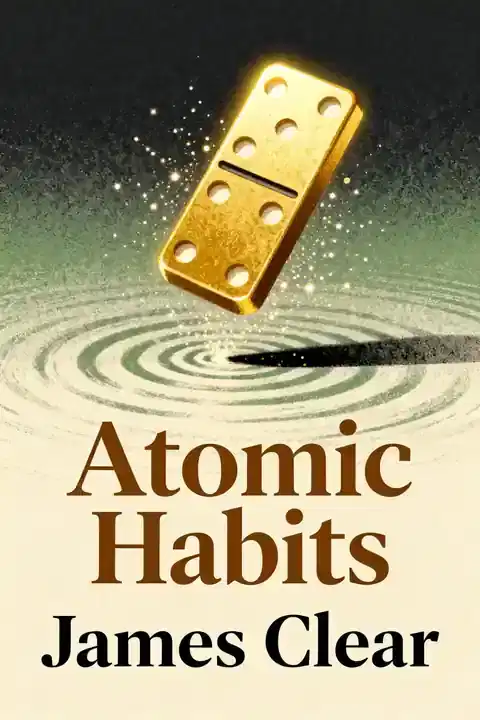
While both stress environmental cues and incremental change, Meyer’s work integrates Christian theology, whereas James Clear’s Atomic Habits relies on behavioral science. Meyer prioritizes spiritual discipline (“God Habit”), while Clear focuses on identity-based habits. Both are practical, but audiences differ.
What are criticisms of Making Good Habits, Breaking Bad Habits?
Some critics argue the book’s heavy religious framing may alienate non-Christian readers. Others desire more empirical data on the 66-day rule, though Meyer balances this with scriptural references. The emphasis on self-reliance (“choose one habit at a time”) may undersell systemic barriers to change.
How to use “implementation intentions” from Making Good Habits, Breaking Bad Habits?
- Identify a trigger: “When I wake up…”
- Link to action: “…I’ll read one Bible verse.”
- Repeat daily: Strengthens the cue-behavior connection. Apply this to fitness (“If it’s 7 PM, I’ll walk for 20 minutes”) or productivity (“If I open social media, I’ll close it after 5 minutes”).
Feel the book through the author's voice
Turn knowledge into engaging, example-rich insights
Capture key ideas in a flash for fast learning
Enjoy the book in a fun and engaging way
Key Themes in Making Good Habits, Breaking Bad Habits
Quotes from Making Good Habits, Breaking Bad Habits
Self-criticism is itself a bad habit that needs breaking.
Procrastination may be the single greatest obstacle to forming good habits.
Don't divide your life into sacred and secular compartments.
The more time we spend with Jesus, the more we become like Him.
Characters in Making Good Habits, Breaking Bad Habits
Quick Summary Mode - Read or listen to Making Good Habits, Breaking Bad Habits Summary in 8 Minutes

Break down key ideas from Making Good Habits, Breaking Bad Habits into bite-sized takeaways to understand how innovative teams create, collaborate, and grow.

Flash Card Mode - Top 7 Insights from Making Good Habits, Breaking Bad Habits in a Nutshell

Distill Making Good Habits, Breaking Bad Habits into rapid-fire memory cues that highlight key principles of candor, teamwork, and creative resilience.

Fun Mode - Making Good Habits, Breaking Bad Habits Lessons Told Through 22-Min Stories

Experience Making Good Habits, Breaking Bad Habits through vivid storytelling that turns innovation lessons into moments you'll remember and apply.
Personalize Mode - Read or listen to Making Good Habits, Breaking Bad Habits Summary in 0 Minutes

Ask anything, pick the voice, and co-create insights that truly resonate with you.

From Columbia University alumni built in San Francisco
"Instead of endless scrolling, I just hit play on BeFreed. It saves me so much time."


"I never knew where to start with nonfiction—BeFreed’s book lists turned into podcasts gave me a clear path."


"Perfect balance between learning and entertainment. Finished ‘Thinking, Fast and Slow’ on my commute this week."
"Crazy how much I learned while walking the dog. BeFreed = small habits → big gains."
"Reading used to feel like a chore. Now it’s just part of my lifestyle."

"Feels effortless compared to reading. I’ve finished 6 books this month already."
"BeFreed turned my guilty doomscrolling into something that feels productive and inspiring."

"BeFreed turned my commute into learning time. 20-min podcasts are perfect for finishing books I never had time for."
"BeFreed replaced my podcast queue. Imagine Spotify for books — that’s it. 🙌"

"It is great for me to learn something from the book without reading it."
"The themed book list podcasts help me connect ideas across authors—like a guided audio journey."
"Makes me feel smarter every time before going to work"
From Columbia University alumni built in San Francisco
"Instead of endless scrolling, I just hit play on BeFreed. It saves me so much time."
"I never knew where to start with nonfiction—BeFreed’s book lists turned into podcasts gave me a clear path."
"Perfect balance between learning and entertainment. Finished ‘Thinking, Fast and Slow’ on my commute this week."
"Crazy how much I learned while walking the dog. BeFreed = small habits → big gains."
"Reading used to feel like a chore. Now it’s just part of my lifestyle."
"Feels effortless compared to reading. I’ve finished 6 books this month already."
"BeFreed turned my guilty doomscrolling into something that feels productive and inspiring."
"BeFreed turned my commute into learning time. 20-min podcasts are perfect for finishing books I never had time for."
"BeFreed replaced my podcast queue. Imagine Spotify for books — that’s it. 🙌"
"It is great for me to learn something from the book without reading it."
"The themed book list podcasts help me connect ideas across authors—like a guided audio journey."
"Makes me feel smarter every time before going to work"
"Instead of endless scrolling, I just hit play on BeFreed. It saves me so much time."
"I never knew where to start with nonfiction—BeFreed’s book lists turned into podcasts gave me a clear path."
"Perfect balance between learning and entertainment. Finished ‘Thinking, Fast and Slow’ on my commute this week."
"Crazy how much I learned while walking the dog. BeFreed = small habits → big gains."
"Reading used to feel like a chore. Now it’s just part of my lifestyle."
"Feels effortless compared to reading. I’ve finished 6 books this month already."
"BeFreed turned my guilty doomscrolling into something that feels productive and inspiring."
"BeFreed turned my commute into learning time. 20-min podcasts are perfect for finishing books I never had time for."
"BeFreed replaced my podcast queue. Imagine Spotify for books — that’s it. 🙌"
"It is great for me to learn something from the book without reading it."
"The themed book list podcasts help me connect ideas across authors—like a guided audio journey."
"Makes me feel smarter every time before going to work"
"Instead of endless scrolling, I just hit play on BeFreed. It saves me so much time."
"I never knew where to start with nonfiction—BeFreed’s book lists turned into podcasts gave me a clear path."
"Perfect balance between learning and entertainment. Finished ‘Thinking, Fast and Slow’ on my commute this week."
"Crazy how much I learned while walking the dog. BeFreed = small habits → big gains."
"Reading used to feel like a chore. Now it’s just part of my lifestyle."
"Feels effortless compared to reading. I’ve finished 6 books this month already."
"BeFreed turned my guilty doomscrolling into something that feels productive and inspiring."
"BeFreed turned my commute into learning time. 20-min podcasts are perfect for finishing books I never had time for."
"BeFreed replaced my podcast queue. Imagine Spotify for books — that’s it. 🙌"
"It is great for me to learn something from the book without reading it."
"The themed book list podcasts help me connect ideas across authors—like a guided audio journey."
"Makes me feel smarter every time before going to work"

Get the Making Good Habits, Breaking Bad Habits summary as a free PDF or EPUB. Print it or read offline anytime.