Leading the AI-First HR Tech Transformation
Learn how to bridge the AI skills gap by integrating Copilot and Agile rituals into your team's DNA to drive strategic productivity and seamless technical delivery.

Mejor cita de Leading the AI-First HR Tech Transformation
The common mistake is treating AI like a typical IT rollout where you just buy licenses and hope for the best. But for an HR tech team, it’s not just about the tools; it’s a total 'AI-first' mindset shift.
Generated by Morgan
How to have an AI first mindset in managing an HR technology team to drive internal productivity of tech deliver and strategic transformation. Incorporate usage of tools like co pilot, jira and agile ways of working.


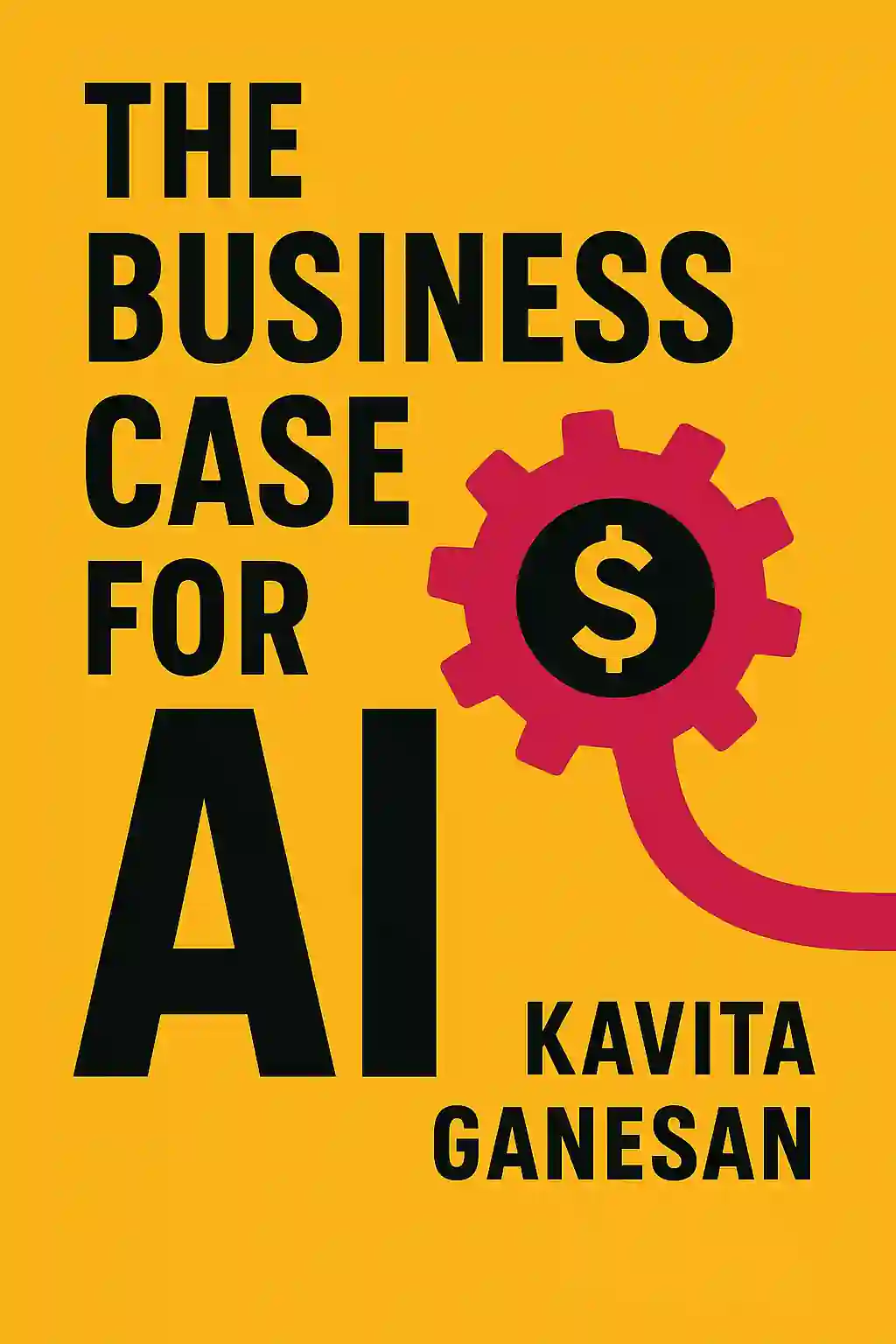
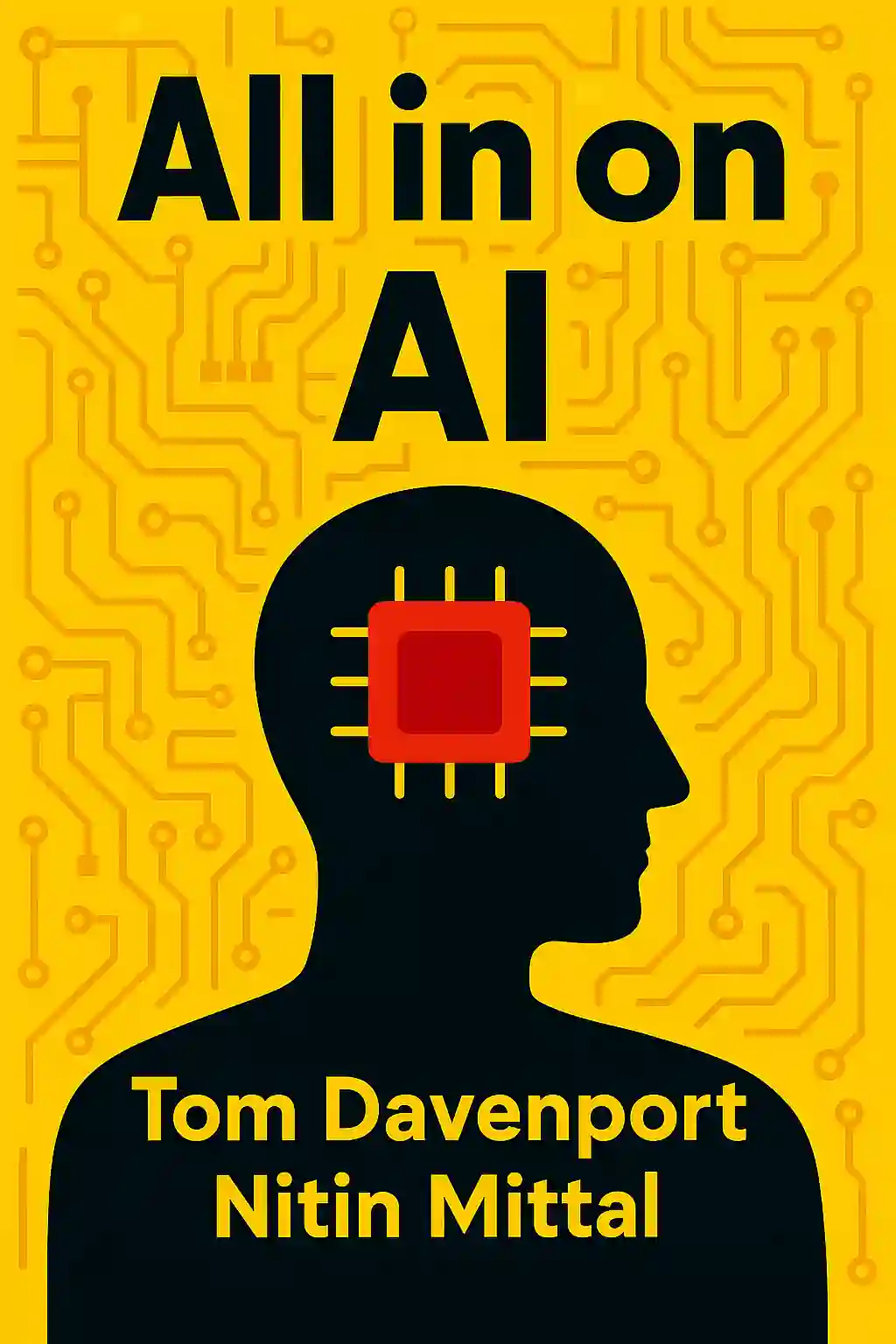
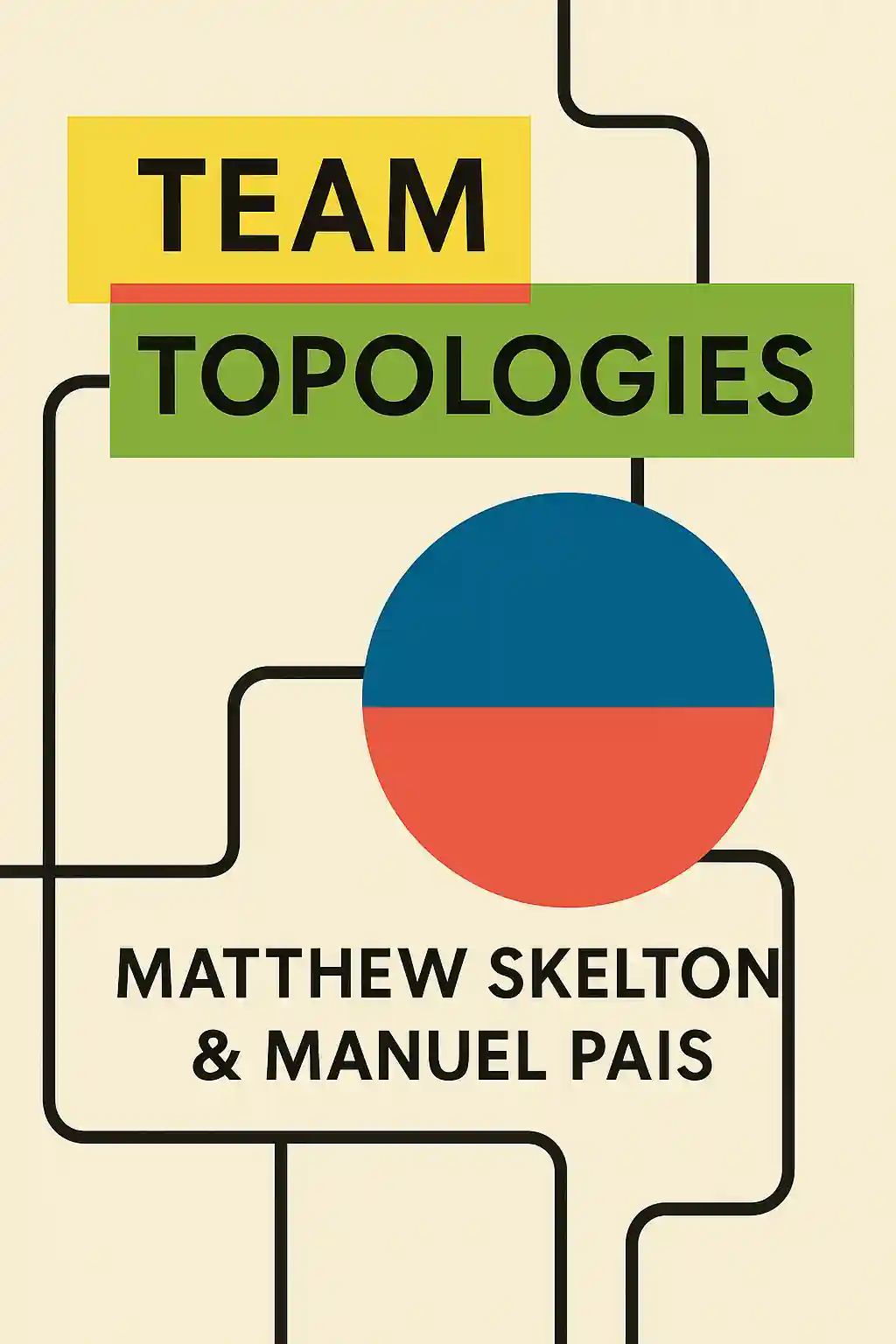
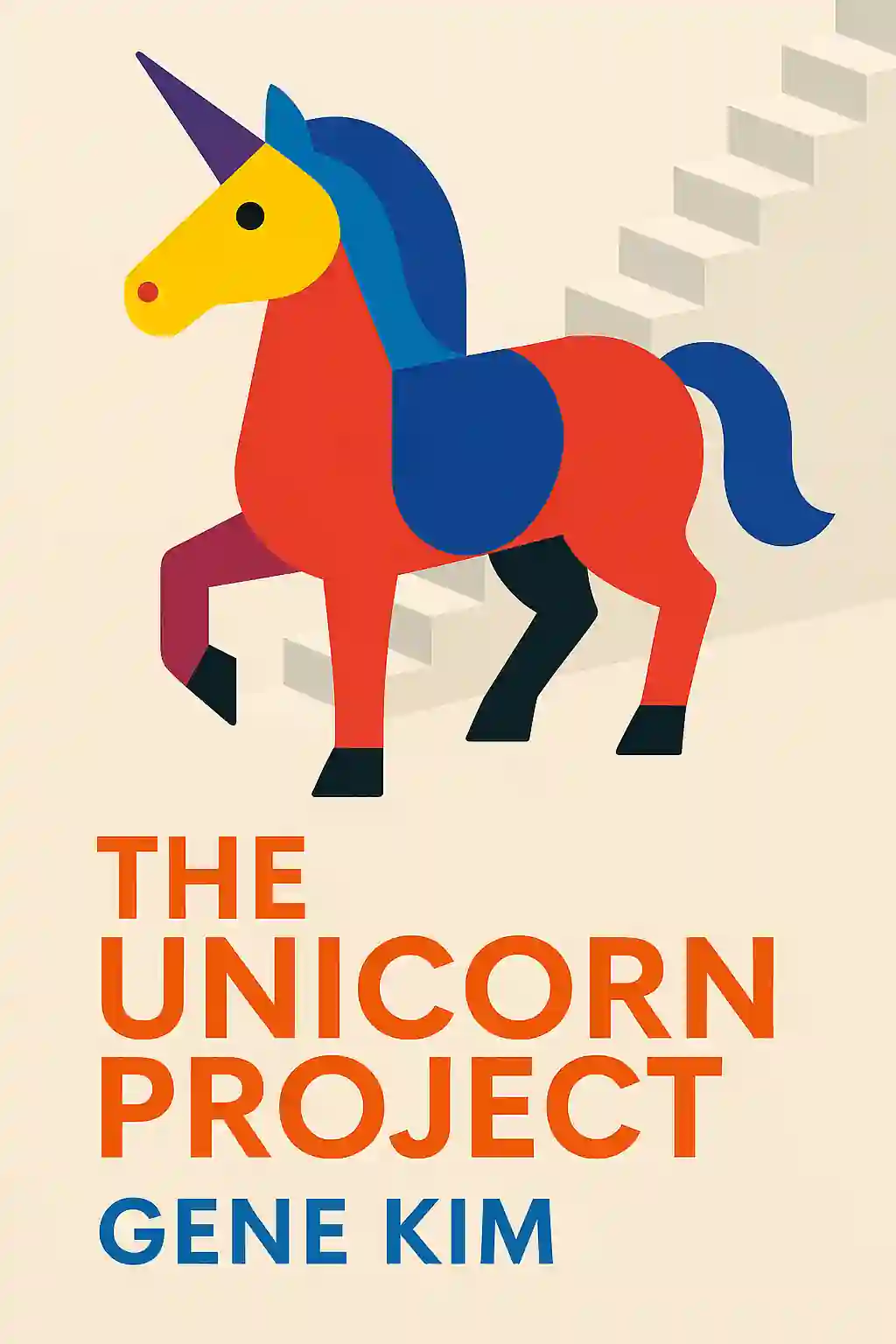
Preguntas frecuentes
According to the script, only about 4% of companies are seeing a real return on investment because many organizations treat AI as a simple technical "patch" or IT rollout rather than a cultural transformation. ROI remains elusive when leaders over-index on the technology and under-invest in people. To see results, companies must move beyond simply purchasing licenses and focus on building psychological safety, shifting employee mindsets, and redesigning workflows to incorporate AI as a "brainstorm teammate" rather than a mere tool.
This framework defines the evolving relationship between humans and machines in the workplace. It posits that humans are essential at the beginning of a process to articulate the problem and at the end to verify the results and ensure technical soundness. The AI excels at the "middle" phase, which is the execution or drafting of work. However, this shift can create new bottlenecks in "verification capacity," where the speed of AI-generated output outpaces the human ability to review and validate it.
AI can be integrated into daily rituals to reduce "administrative sludge" and improve data-driven decision-making. In Sprint Planning, tools like Copilot can draft Jira user stories and acceptance criteria from high-level strategic themes. During daily stand-ups, AI can summarize the last 24 hours of Jira activity to highlight blockers. For Retrospectives, AI can perform sentiment analysis on team communications to identify frustrations or friction points in the workflow, moving the team from reactive management to proactive orchestration.
Technical debt refers to the "hidden work" required to make an organization's data ready for AI. If an organization has inconsistent job titles, messy organizational structures, or fragmented data silos, the AI will produce "garbage in, garbage out" results. The script suggests that many companies may need two to three years of infrastructure refactoring—standardizing data and modernizing documentation—to build the necessary "scaffolding" for AI to deliver its full strategic value.
Success should be measured through a three-step ladder: Adoption, Behaviors, and Outcomes. Adoption tracks initial engagement, such as training completion and active users. Behaviors measure how deeply AI is integrated into daily workflows, such as the number of "AI actions" performed by "Super Users." Finally, Outcomes focus on high-level business impacts like "Cycle-Time Reduction" (how much faster work is completed), "Quality Scores" of AI-assisted output, and the "Shift in Focus" of human employees toward more strategic, high-value work.
Creado por exalumnos de la Universidad de Columbia en San Francisco
"Instead of endless scrolling, I just hit play on BeFreed. It saves me so much time."


"I never knew where to start with nonfiction—BeFreed’s book lists turned into podcasts gave me a clear path."


"Perfect balance between learning and entertainment. Finished ‘Thinking, Fast and Slow’ on my commute this week."
"Crazy how much I learned while walking the dog. BeFreed = small habits → big gains."
"Reading used to feel like a chore. Now it’s just part of my lifestyle."

"Feels effortless compared to reading. I’ve finished 6 books this month already."
"BeFreed turned my guilty doomscrolling into something that feels productive and inspiring."

"BeFreed turned my commute into learning time. 20-min podcasts are perfect for finishing books I never had time for."
"BeFreed replaced my podcast queue. Imagine Spotify for books — that’s it. 🙌"

"It is great for me to learn something from the book without reading it."
"The themed book list podcasts help me connect ideas across authors—like a guided audio journey."
"Makes me feel smarter every time before going to work"
Creado por exalumnos de la Universidad de Columbia en San Francisco
"Instead of endless scrolling, I just hit play on BeFreed. It saves me so much time."
"I never knew where to start with nonfiction—BeFreed’s book lists turned into podcasts gave me a clear path."
"Perfect balance between learning and entertainment. Finished ‘Thinking, Fast and Slow’ on my commute this week."
"Crazy how much I learned while walking the dog. BeFreed = small habits → big gains."
"Reading used to feel like a chore. Now it’s just part of my lifestyle."
"Feels effortless compared to reading. I’ve finished 6 books this month already."
"BeFreed turned my guilty doomscrolling into something that feels productive and inspiring."
"BeFreed turned my commute into learning time. 20-min podcasts are perfect for finishing books I never had time for."
"BeFreed replaced my podcast queue. Imagine Spotify for books — that’s it. 🙌"
"It is great for me to learn something from the book without reading it."
"The themed book list podcasts help me connect ideas across authors—like a guided audio journey."
"Makes me feel smarter every time before going to work"
"Instead of endless scrolling, I just hit play on BeFreed. It saves me so much time."
"I never knew where to start with nonfiction—BeFreed’s book lists turned into podcasts gave me a clear path."
"Perfect balance between learning and entertainment. Finished ‘Thinking, Fast and Slow’ on my commute this week."
"Crazy how much I learned while walking the dog. BeFreed = small habits → big gains."
"Reading used to feel like a chore. Now it’s just part of my lifestyle."
"Feels effortless compared to reading. I’ve finished 6 books this month already."
"BeFreed turned my guilty doomscrolling into something that feels productive and inspiring."
"BeFreed turned my commute into learning time. 20-min podcasts are perfect for finishing books I never had time for."
"BeFreed replaced my podcast queue. Imagine Spotify for books — that’s it. 🙌"
"It is great for me to learn something from the book without reading it."
"The themed book list podcasts help me connect ideas across authors—like a guided audio journey."
"Makes me feel smarter every time before going to work"
"Instead of endless scrolling, I just hit play on BeFreed. It saves me so much time."
"I never knew where to start with nonfiction—BeFreed’s book lists turned into podcasts gave me a clear path."
"Perfect balance between learning and entertainment. Finished ‘Thinking, Fast and Slow’ on my commute this week."
"Crazy how much I learned while walking the dog. BeFreed = small habits → big gains."
"Reading used to feel like a chore. Now it’s just part of my lifestyle."
"Feels effortless compared to reading. I’ve finished 6 books this month already."
"BeFreed turned my guilty doomscrolling into something that feels productive and inspiring."
"BeFreed turned my commute into learning time. 20-min podcasts are perfect for finishing books I never had time for."
"BeFreed replaced my podcast queue. Imagine Spotify for books — that’s it. 🙌"
"It is great for me to learn something from the book without reading it."
"The themed book list podcasts help me connect ideas across authors—like a guided audio journey."
"Makes me feel smarter every time before going to work"