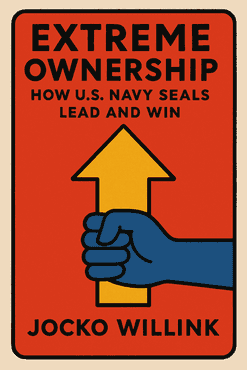
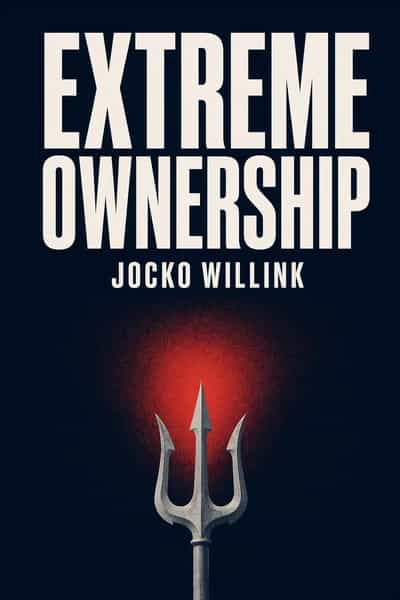
Extreme Ownership: Lessons from Ramadi
When leadership fails, the instinct is to blame the 'fog of war.' Learn how Jocko Willink’s philosophy of total accountability turns failure into victory.

Mejor cita de Extreme Ownership: Lessons from Ramadi
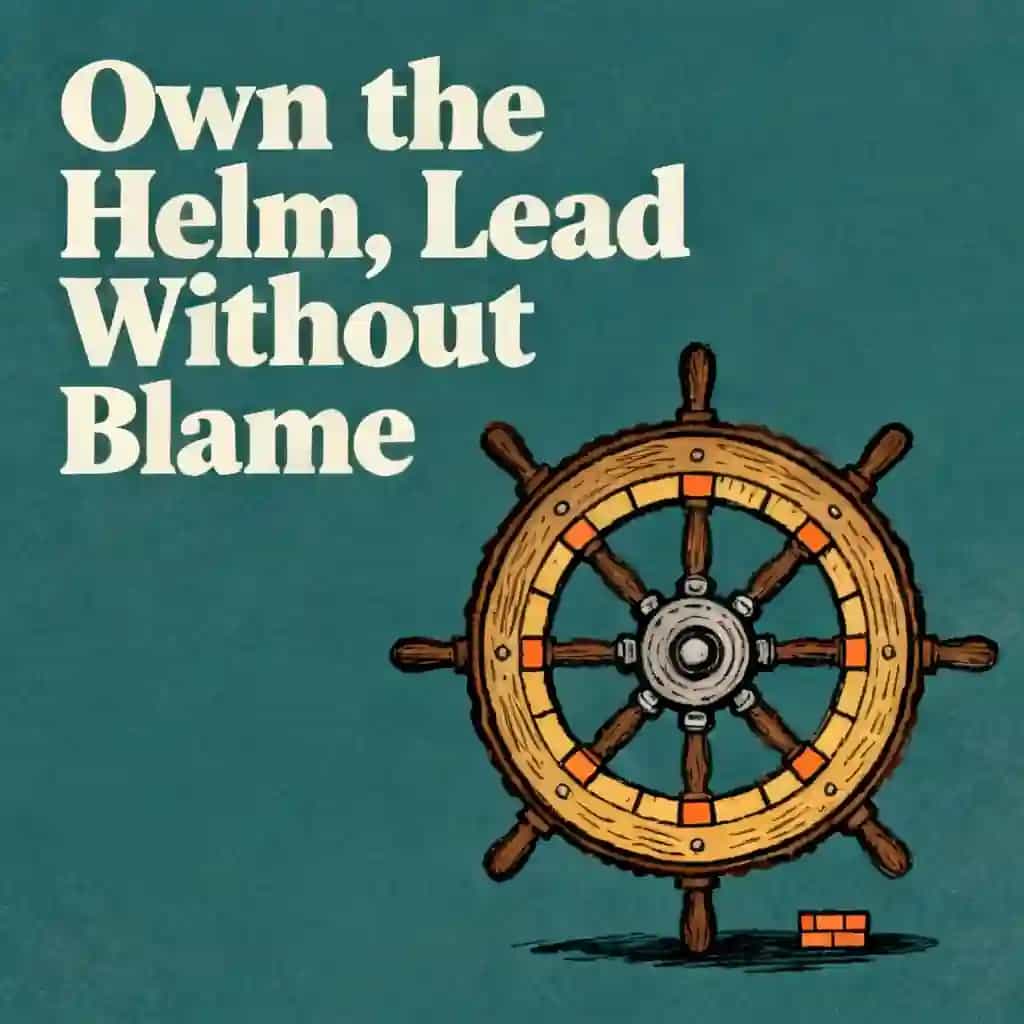
There are no bad teams, only bad leaders. When you stop looking at the map for someone to blame and start looking in the mirror, you gain the power to actually fix the problem.
Generated with BeFreed
An audio lesson about the book Extreme Ownership, covering its key ideas and takeaways.


Preguntas frecuentes
Extreme Ownership is the philosophy that a leader is responsible for every aspect of a mission, including the failures of their subordinates. Instead of blaming external factors like the "fog of war," poor intelligence, or unmotivated staff, a leader must look in the mirror and accept total accountability. By admitting that they failed to train their team properly or communicate the mission clearly, a leader gains the power to actually fix the problem rather than making hollow excuses.
According to the concept that "there are no bad teams, only bad leaders," a team's performance is a direct reflection of the leader's standards and energy. In a study of SEAL training boat crews, swapping the leader of a failing team with the leader of a winning team caused the failing team to start winning immediately. This demonstrates that when a leader stops blaming their "bad hand" of employees and instead sets clear standards and takes ownership of results, the team’s performance will rise to meet that leader's expectations.
It is impossible to lead with genuine conviction if you do not believe in the mission. When Jocko Willink was ordered to work with unreliable Iraqi forces, he initially resisted until he understood the strategic goal: building a self-sustaining Iraqi nation. Once a leader understands the "why" behind a difficult or unpopular decision, they can explain it to their team. If a leader doesn't understand the purpose of a task, it is their responsibility to ask their superiors for clarification until they do, because a team will never fully commit to a mission their leader doesn't believe in.
In chaotic situations, a leader can become overwhelmed by a multitude of problems occurring simultaneously. The principle of "Prioritize and Execute" requires a leader to detach from the immediate chaos, identify the single highest-priority task, and focus all resources on solving it before moving to the next issue. Trying to tackle too many priorities at once leads to failure; success comes from addressing the most critical threat first and then moving down the list.
While discipline is often viewed as restrictive, it actually provides the structure necessary for efficiency and creativity. For example, by implementing highly disciplined, role-based procedures for searching rooms, SEAL teams were able to reduce their search time from forty-five minutes to ten. This increased efficiency gave them the "freedom" to accomplish more in a single night. In any organization, disciplined habits and procedures create the mental space and time needed to adapt and innovate when things go wrong.
Creado por exalumnos de la Universidad de Columbia en San Francisco
"Instead of endless scrolling, I just hit play on BeFreed. It saves me so much time."


"I never knew where to start with nonfiction—BeFreed’s book lists turned into podcasts gave me a clear path."


"Perfect balance between learning and entertainment. Finished ‘Thinking, Fast and Slow’ on my commute this week."
"Crazy how much I learned while walking the dog. BeFreed = small habits → big gains."
"Reading used to feel like a chore. Now it’s just part of my lifestyle."

"Feels effortless compared to reading. I’ve finished 6 books this month already."
"BeFreed turned my guilty doomscrolling into something that feels productive and inspiring."

"BeFreed turned my commute into learning time. 20-min podcasts are perfect for finishing books I never had time for."
"BeFreed replaced my podcast queue. Imagine Spotify for books — that’s it. 🙌"

"It is great for me to learn something from the book without reading it."
"The themed book list podcasts help me connect ideas across authors—like a guided audio journey."
"Makes me feel smarter every time before going to work"
Creado por exalumnos de la Universidad de Columbia en San Francisco
"Instead of endless scrolling, I just hit play on BeFreed. It saves me so much time."
"I never knew where to start with nonfiction—BeFreed’s book lists turned into podcasts gave me a clear path."
"Perfect balance between learning and entertainment. Finished ‘Thinking, Fast and Slow’ on my commute this week."
"Crazy how much I learned while walking the dog. BeFreed = small habits → big gains."
"Reading used to feel like a chore. Now it’s just part of my lifestyle."
"Feels effortless compared to reading. I’ve finished 6 books this month already."
"BeFreed turned my guilty doomscrolling into something that feels productive and inspiring."
"BeFreed turned my commute into learning time. 20-min podcasts are perfect for finishing books I never had time for."
"BeFreed replaced my podcast queue. Imagine Spotify for books — that’s it. 🙌"
"It is great for me to learn something from the book without reading it."
"The themed book list podcasts help me connect ideas across authors—like a guided audio journey."
"Makes me feel smarter every time before going to work"
"Instead of endless scrolling, I just hit play on BeFreed. It saves me so much time."
"I never knew where to start with nonfiction—BeFreed’s book lists turned into podcasts gave me a clear path."
"Perfect balance between learning and entertainment. Finished ‘Thinking, Fast and Slow’ on my commute this week."
"Crazy how much I learned while walking the dog. BeFreed = small habits → big gains."
"Reading used to feel like a chore. Now it’s just part of my lifestyle."
"Feels effortless compared to reading. I’ve finished 6 books this month already."
"BeFreed turned my guilty doomscrolling into something that feels productive and inspiring."
"BeFreed turned my commute into learning time. 20-min podcasts are perfect for finishing books I never had time for."
"BeFreed replaced my podcast queue. Imagine Spotify for books — that’s it. 🙌"
"It is great for me to learn something from the book without reading it."
"The themed book list podcasts help me connect ideas across authors—like a guided audio journey."
"Makes me feel smarter every time before going to work"
"Instead of endless scrolling, I just hit play on BeFreed. It saves me so much time."
"I never knew where to start with nonfiction—BeFreed’s book lists turned into podcasts gave me a clear path."
"Perfect balance between learning and entertainment. Finished ‘Thinking, Fast and Slow’ on my commute this week."
"Crazy how much I learned while walking the dog. BeFreed = small habits → big gains."
"Reading used to feel like a chore. Now it’s just part of my lifestyle."
"Feels effortless compared to reading. I’ve finished 6 books this month already."
"BeFreed turned my guilty doomscrolling into something that feels productive and inspiring."
"BeFreed turned my commute into learning time. 20-min podcasts are perfect for finishing books I never had time for."
"BeFreed replaced my podcast queue. Imagine Spotify for books — that’s it. 🙌"
"It is great for me to learn something from the book without reading it."
"The themed book list podcasts help me connect ideas across authors—like a guided audio journey."
"Makes me feel smarter every time before going to work"