

Overview of The First Conspiracy
Discover the shocking plot to assassinate George Washington that birthed American counterintelligence. Brad Meltzer's historical thriller, praised by historian Joseph Ellis, transforms a forgotten 1776 conspiracy into a page-turning "real life treasure hunt" that reveals how close our nation came to collapse before it began.
- George Washington’s survival hinged on uncovering a secret Loyalist assassination plot.
- Counterintelligence origins trace to Washington’s handling of traitors in his own ranks.
- The Hickey plot revealed how vulnerable the Revolutionary War effort truly was.
- New York’s royal governor secretly orchestrated the treason within Washington’s inner circle.
- Washington’s leadership was tested by betrayal from his own elite bodyguards.
- Forgotten figures like Mayor David Mathews played pivotal roles in the conspiracy.
- The plot’s exposure marked America’s first major counterespionage success.
- Brad Meltzer redefines Revolutionary history by spotlighting this near-catastrophic event.
- Capturing Washington alive was strategically more valuable than outright assassination.
- The conspiracy’s failure solidified Washington’s reputation as an indispensable leader.
- Meltzer’s research reveals how close America came to losing the Revolution.
- Loyalist networks used counterfeit money and spies to destabilize the colonies.
About the Author of The First Conspiracy
Brad Meltzer and Josh Mensch are New York Times bestselling authors renowned for their gripping historical nonfiction. Meltzer is also a #1 Times bestselling thriller novelist and host of History Channel’s Brad Meltzer’s Decoded, while Mensch is a documentary producer and historian. Together, they untangle clandestine plots in American history.
Their collaboration, The First Conspiracy: The Secret Plot to Kill George Washington, blends meticulous research with thriller-style pacing, exploring the little-known 1776 scheme to assassinate Washington. This partnership birthed the acclaimed “Conspiracy” series, including The Lincoln Conspiracy, The Nazi Conspiracy, and The JFK Conspiracy, all dissecting pivotal moments where shadowy plots nearly altered history.
Meltzer’s background in suspense fiction and Mensch’s expertise in historical narratives converge to revive forgotten crises, earning praise for transforming archival details into page-turning drama. Beyond writing, Meltzer’s discovery of the missing 9/11 firefighters’ flag underscores his dedication to historical preservation. Their debut collaboration, The First Conspiracy, became a New York Times top-five bestseller, solidifying their reputation as masters of narrative history that resonates with both scholars and general readers.
FAQs About The First Conspiracy
What is The First Conspiracy by Brad Meltzer about?
The First Conspiracy reveals a clandestine 1776 plot to assassinate or capture George Washington, orchestrated by British loyalists and members of his own security detail. The book blends historical analysis with thriller-like pacing, uncovering how counterfeit currency, jailhouse confessions, and early American counterintelligence efforts thwarted the scheme. It highlights Washington’s leadership during the Revolutionary War’s precarious early months.
Who should read The First Conspiracy?
History enthusiasts, fans of political thrillers, and readers interested in espionage origins will find this book compelling. Its narrative-driven style appeals to those who enjoy David McCullough’s works or Brad Meltzer’s signature blend of fact and suspense. The book also suits educators seeking immersive Revolutionary War accounts.
Is The First Conspiracy worth reading?
Yes, particularly for its gripping exploration of a rarely documented historical episode. Meltzer and co-author Josh Mensch balance scholarly rigor with accessible storytelling, earning praise from figures like Bill Clinton. The book’s revelation about early U.S. counterintelligence ties to modern agencies adds contemporary relevance.
What was the true goal of the conspiracy against George Washington?
While often described as an assassination plot, evidence suggests the conspirators aimed to capture Washington alive. British loyalists, including New York’s Governor William Tryon, sought to destabilize the Continental Army by taking its leader prisoner—a strategic move to demoralize colonists and negotiate surrender.
How does The First Conspiracy portray George Washington?
The book depicts Washington as a pragmatic leader facing immense pressure, both militarily and politically. It emphasizes his ability to inspire loyalty while navigating betrayal, showcasing his role in developing counterintelligence tactics that protected the Revolution.
What sources did Brad Meltzer use for The First Conspiracy?
Meltzer and Mensch drew from archival materials, including trial transcripts, letters, and British military records. Key sources include testimonies from convicted conspirator Thomas Hickey and documents detailing Washington’s creation of a spy network to root out treason.
How does The First Conspiracy compare to Brad Meltzer’s other works?
Unlike Meltzer’s fiction thrillers (The Escape Artist), this non-fiction account retains his trademark suspense but grounds it in meticulous research. It parallels his investigative approach in The Nazi Conspiracy while focusing on America’s foundational era.
What role did counterfeit money play in the plot?
Counterfeit Continental currency was used to finance the conspiracy and undermine the colonial economy. British operatives distributed fake bills to destabilize faith in the Revolution’s financial system, a tactic Washington countered by tracking the money’s origins.
Were there criticisms of The First Conspiracy’s historical accuracy?
Some scholars note the speculative dialogue and dramatized scenes common in narrative non-fiction. However, the authors clarify where primary sources are scarce, and the core account aligns with documented events like Hickey’s trial.
How does the book explain the origins of U.S. counterintelligence?
Washington’s response to the plot—creating a secret committee to investigate treason—laid groundwork for intelligence practices later formalized by agencies like the CIA. The book frames this as a pivotal moment in institutionalizing espionage defenses.
What happened to the conspirators after the plot was uncovered?
Thomas Hickey, a Continental Army soldier and bodyguard, was executed publicly to deter further treason. Other accomplices, including New York Mayor David Mathews, faced arrest but avoided severe punishment due to political complexities.
Why is The First Conspiracy relevant to modern readers?
The book underscores timeless themes of leadership during crisis and the fragility of democratic movements. Its insights into disinformation and loyalty resonate in contemporary discussions about governance and security.
Feel the book through the author's voice
Turn knowledge into engaging, example-rich insights
Capture key ideas in a flash for fast learning
Enjoy the book in a fun and engaging way
Characters in The First Conspiracy
- William TryonLoyalist Governor of New York
- Lawrence WashingtonGeorge's half-brother and mentor
- Philip SchuylerGeneral instructed to watch Governor Tryon
Key Themes in The First Conspiracy
- revolutionary war espionage
- assassination plots
- american counterintelligence origins
- george washington leadership
- loyalist sabotage
Quotes from The First Conspiracy
Order from chaos-this was Washington's guiding principle.
"I do not think myself equal to the command I am honored with."
What made Washington exceptional wasn't brilliance or eloquence but his unimpeachable character.
"keep a watchful eye upon Governor Tryon"
Washington possessed what Benjamin Rush called "the gift of silence,"
Explore Your Way of Learning
 Quick Summary Mode
Read or listen to The First Conspiracy Summary in 9 Minutes
Break down key ideas from The First Conspiracy into bite-sized takeaways to understand how innovative teams create, collaborate, and grow.

 Fun Mode
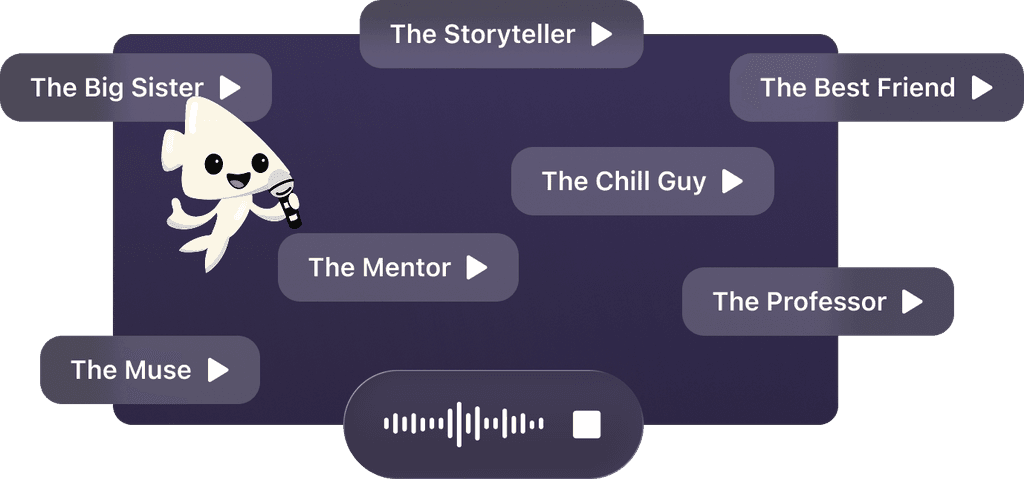
The First Conspiracy Lessons Told Through 23-Min Stories
Experience The First Conspiracy through vivid storytelling that turns innovation lessons into moments you'll remember and apply.
 Personalize Mode
Experience The First Conspiracy in your own learning style
Ask anything, choose your learning style, and co-create insights that truly resonate with you.
From Columbia University alumni built in San Francisco
"Instead of endless scrolling, I just hit play on BeFreed. It saves me so much time."


"I never knew where to start with nonfiction—BeFreed’s book lists turned into podcasts gave me a clear path."


"Perfect balance between learning and entertainment. Finished ‘Thinking, Fast and Slow’ on my commute this week."
"Crazy how much I learned while walking the dog. BeFreed = small habits → big gains."
"Reading used to feel like a chore. Now it’s just part of my lifestyle."

"Feels effortless compared to reading. I’ve finished 6 books this month already."
"BeFreed turned my guilty doomscrolling into something that feels productive and inspiring."

"BeFreed turned my commute into learning time. 20-min podcasts are perfect for finishing books I never had time for."
"BeFreed replaced my podcast queue. Imagine Spotify for books — that’s it. 🙌"

"It is great for me to learn something from the book without reading it."
"The themed book list podcasts help me connect ideas across authors—like a guided audio journey."
"Makes me feel smarter every time before going to work"
From Columbia University alumni built in San Francisco
"Instead of endless scrolling, I just hit play on BeFreed. It saves me so much time."
"I never knew where to start with nonfiction—BeFreed’s book lists turned into podcasts gave me a clear path."
"Perfect balance between learning and entertainment. Finished ‘Thinking, Fast and Slow’ on my commute this week."
"Crazy how much I learned while walking the dog. BeFreed = small habits → big gains."
"Reading used to feel like a chore. Now it’s just part of my lifestyle."
"Feels effortless compared to reading. I’ve finished 6 books this month already."
"BeFreed turned my guilty doomscrolling into something that feels productive and inspiring."
"BeFreed turned my commute into learning time. 20-min podcasts are perfect for finishing books I never had time for."
"BeFreed replaced my podcast queue. Imagine Spotify for books — that’s it. 🙌"
"It is great for me to learn something from the book without reading it."
"The themed book list podcasts help me connect ideas across authors—like a guided audio journey."
"Makes me feel smarter every time before going to work"
"Instead of endless scrolling, I just hit play on BeFreed. It saves me so much time."
"I never knew where to start with nonfiction—BeFreed’s book lists turned into podcasts gave me a clear path."
"Perfect balance between learning and entertainment. Finished ‘Thinking, Fast and Slow’ on my commute this week."
"Crazy how much I learned while walking the dog. BeFreed = small habits → big gains."
"Reading used to feel like a chore. Now it’s just part of my lifestyle."
"Feels effortless compared to reading. I’ve finished 6 books this month already."
"BeFreed turned my guilty doomscrolling into something that feels productive and inspiring."
"BeFreed turned my commute into learning time. 20-min podcasts are perfect for finishing books I never had time for."
"BeFreed replaced my podcast queue. Imagine Spotify for books — that’s it. 🙌"
"It is great for me to learn something from the book without reading it."
"The themed book list podcasts help me connect ideas across authors—like a guided audio journey."
"Makes me feel smarter every time before going to work"
"Instead of endless scrolling, I just hit play on BeFreed. It saves me so much time."
"I never knew where to start with nonfiction—BeFreed’s book lists turned into podcasts gave me a clear path."
"Perfect balance between learning and entertainment. Finished ‘Thinking, Fast and Slow’ on my commute this week."
"Crazy how much I learned while walking the dog. BeFreed = small habits → big gains."
"Reading used to feel like a chore. Now it’s just part of my lifestyle."
"Feels effortless compared to reading. I’ve finished 6 books this month already."
"BeFreed turned my guilty doomscrolling into something that feels productive and inspiring."
"BeFreed turned my commute into learning time. 20-min podcasts are perfect for finishing books I never had time for."
"BeFreed replaced my podcast queue. Imagine Spotify for books — that’s it. 🙌"
"It is great for me to learn something from the book without reading it."
"The themed book list podcasts help me connect ideas across authors—like a guided audio journey."
"Makes me feel smarter every time before going to work"

Download Summary of The First Conspiracy
Get the The First Conspiracy summary as a free PDF or EPUB. Print it or read offline anytime.


