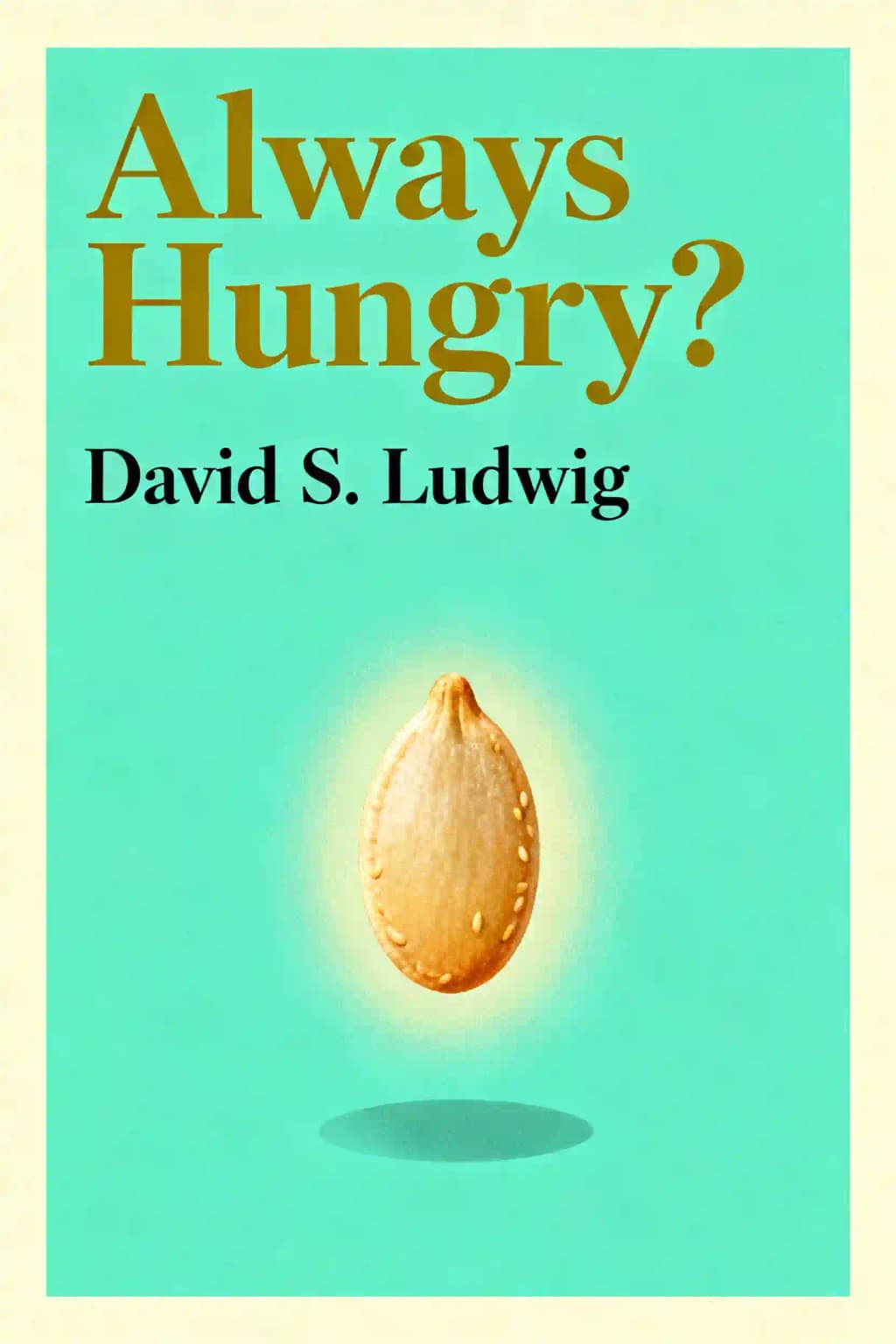
Always Hungry?
Conquer Cravings, Retrain Your Fat Cells, and Lose Weight Permanently
Overview of Always Hungry?
Harvard endocrinologist Dr. Ludwig reveals why calories don't matter - your fat cells do. "Always Hungry?" flips traditional dieting wisdom, offering a science-backed eating plan endorsed by health experts who praise it as revolutionary. Forget hunger; reprogram your metabolism without counting calories.

Key Themes in Always Hungry?
- insulin signaling
- metabolic reprogramming
- refined carbohydrate restriction
- biological hunger
- fat cell regulation
Quotes from Always Hungry?
Hunger isn't a willpower issue-it's biological.
Obesity represents a form of internal starvation.
Changing behavior causes biology to fight back, but changing biology allows behavior to adapt naturally.
The type of calories we consume matters tremendously.
Characters in Always Hungry?
- David S. LudwigAuthor, Harvard endocrinologist and specialist
- William TaftU.S. President used as a weight loss case study
About the Author
About the Author of Always Hungry?
David S. Ludwig, MD, PhD, bestselling author of Always Hungry? Conquer Cravings, Retrain Your Fat Cells, and Lose Weight Permanently, is a Harvard Medical School professor and leading obesity researcher.
A founding director of Boston Children’s Hospital’s Optimal Weight for Life (OWL) program, Ludwig blends over 25 years of clinical practice and NIH-funded research on diet, metabolism, and chronic disease. His work on the carbohydrate-insulin model of obesity underpins the book’s science-based approach to sustainable weight loss through low-glycemic nutrition.
Ludwig’s expertise extends to Ending the Food Fight, a guide for childhood obesity prevention, and the cookbook Always Delicious. A frequent contributor to JAMA and associate editor of the American Journal of Clinical Nutrition, he has been featured in Time Magazine and major media outlets.
Recognized with the Samuel J. Fomon Nutrition Award and E.V. McCollum Award, his #1 New York Times bestseller has empowered millions worldwide to rethink dieting myths.
Download Summary of Always Hungry?
Get the Always Hungry? summary as a free PDF or EPUB. Print it or read offline anytime.
FAQs About This Book
Always Hungry? challenges traditional calorie-counting diets by arguing that obesity stems from dysfunctional fat cells, not overeating. Dr. David S. Ludwig, a Harvard endocrinologist, presents a three-phase plan emphasizing whole foods rich in healthy fats, proteins, and natural carbs to retrain fat cells, reduce cravings, and promote sustainable weight loss. The book combines scientific research with practical meal plans and recipes.
This book is ideal for individuals frustrated by yo-yo dieting, nutritionists seeking evidence-based strategies, and anyone interested in metabolic health. It’s particularly relevant for those open to ditching calorie restriction in favor of nutrient-dense, satisfying meals. Critics of low-fat diets or readers curious about hormonal influences on weight will find it insightful.
The program’s phases include:
- Phase 1 (Reset): Eliminates processed carbs and added sugars to reduce insulin spikes and jumpstart fat-cell retraining.
- Phase 2 (Transition): Reintroduces whole grains and starchy vegetables while monitoring cravings.
- Phase 3 (Maintenance): Focuses on long-term habits with flexible food choices to sustain weight loss.
Unlike calorie-focused diets, Ludwig’s approach prioritizes food quality over quantity. It encourages high-fat foods like avocados and nuts to stabilize blood sugar, suppress hunger hormones, and reprogram fat cells to release stored calories. This method aims to eliminate deprivation and constant hunger.
Ludwig cites clinical studies showing low-glycemic diets improve metabolic health and weight loss compared to low-fat alternatives. His research at Harvard highlights insulin’s role in fat storage and how processed carbs trigger hormonal imbalances that drive overeating.
Yes, the book provides structured meal plans, shopping lists, and recipes featuring ingredients like full-fat dairy, dark chocolate, and savory proteins. These tools help readers transition to Ludwig’s anti-inflammatory, satiety-focused eating style.
Some reviewers note the plan’s strict Phase 1 may be challenging for beginners, and the emphasis on behavioral changes (mindful eating, stress management) requires significant effort. Others critique Ludwig’s brief foray into food-industry politics as tangential.
The book integrates mindfulness techniques, stress reduction strategies, and sleep optimization to help readers break cycles of cravings and emotional eating. Ludwig argues that stabilizing blood sugar reduces reliance on food for emotional comfort.
Yes, Ludwig connects his dietary approach to improved energy, reduced inflammation, and better management of type 2 diabetes. By targeting insulin resistance, the plan may benefit metabolic syndrome and cardiovascular health.
Unlike keto’s ultra-low-carb regimen, Ludwig’s plan allows moderate carbs from whole foods. It shares paleo’s focus on unprocessed ingredients but emphasizes fat-cell biology over ancestral eating patterns. Both approaches reject calorie counting but differ in carb restrictions.
Exercise is framed as a tool for metabolic health rather than weight loss. Ludwig advises moderate activity to reduce stress and improve insulin sensitivity, complementing dietary changes without demanding intense workouts.
Full-fat dairy’s saturated fats are shown to enhance satiety and slow carbohydrate absorption, stabilizing blood sugar. Ludwig argues low-fat alternatives often replace fats with sugars, exacerbating insulin spikes and hunger.