
Power of Choice: Embracing Efficacy to Drive Your Career

Overview of Power of Choice
In "The Power of Choice," Korn Ferry's former Chief Diversity Officer Michael C. Hyter reveals how underrepresented professionals can create their own opportunities. Endorsed by PepsiCo's former CEO, this guide challenges readers: What if your career advancement depends not on circumstances, but on strategic efficacy?
- Michael C. Hyter redefines career success as consistent, deliberate choices over time
- Embracing efficacy means taking ownership of workplace challenges rather than blaming systems
- Strategic relationship-building outperforms raw talent in breaking through leadership ceilings
- Underrepresented professionals must choose between cultural assimilation and authentic self-representation
- Career advancement requires mapping daily actions to long-term legacy goals
- The power of choice framework transforms workplace obstacles into leadership development opportunities
- Hyter's "deliberate choices" method replaces passive career hoping with intentional growth
- Building cross-cultural fluency strengthens influence more than technical expertise alone
- Successful professionals architect opportunities through visible problem-solving rather than waiting
- The efficacy mindset turns microaggressions into strategic relationship-building moments
- Hyter advocates measuring career progress through skill acquisition, not just promotions
- Personal branding emerges from consistent choice patterns, not self-promotion tactics
About the Author of Power of Choice
Michael C. Hyter, author of The Power of Choice: Embracing Efficacy to Drive Your Career, is a renowned leadership development expert and CEO of The Executive Leadership Council (ELC), the premier organization for Black executives in Fortune 1000 companies. With over 25 years advising Fortune 500 leaders, Hyter specializes in talent strategy, CEO succession, and diversity-driven corporate growth.
His book merges professional development with equity advocacy, offering underrepresented professionals actionable strategies to navigate workplace challenges through informed self-advocacy and deliberate career choices.
Hyter co-authored the influential The Power of Inclusion: Unlock the Potential and Productivity of Your Workforce (Wiley, 2005), a foundational text on inclusive leadership. As former Chief Diversity Officer at Korn Ferry and current board member of Dine Brands Global (NYSE:DIN), he bridges corporate governance with practical equity frameworks. Recognized by Savoy Magazine as one of corporate America’s most influential Black leaders, Hyter’s work has shaped talent management strategies across industries while advancing The ELC’s mission to expand global Black executive representation.
FAQs About Power of Choice
What is The Power of Choice by Michael C. Hyter about?
The Power of Choice provides strategies for underrepresented professionals to advance their careers through efficacy—making deliberate decisions to take ownership of their growth. It emphasizes personal responsibility, self-confidence, and leveraging relationships in challenging workplace cultures, offering actionable steps to overcome systemic barriers.
Who should read The Power of Choice?
This book is ideal for professionals from underrepresented groups navigating corporate challenges, managers aiming to foster inclusive leadership, and individuals focused on self-driven career development. It’s also valuable for executives seeking insights into equitable talent management.
Is The Power of Choice worth reading?
Yes—the book combines practical advice with real-world examples from Hyter’s career as a Fortune 1000 advisor and Chief Diversity Officer. It’s particularly impactful for those seeking actionable frameworks to turn workplace adversity into opportunities.
What is efficacy in The Power of Choice?
Efficacy here means strategically investing time and energy into actions that maximize career impact. Hyter outlines it as a four-part process: self-awareness, deliberate choice-making, consistent execution, and accountability.
How does The Power of Choice address workplace inequality?
Hyter argues that underrepresented professionals must proactively open doors through relationship-building, skill mastery, and visibility-seeking—while acknowledging systemic barriers. The book balances personal agency with calls for organizational change.
What are key quotes from The Power of Choice?
- “Your career is a series of choices, not a series of chances.”
- “Efficacy isn’t about working harder—it’s about working with clarity.”
These emphasize intentionality over luck and strategic effort over mere busyness.
How does The Power of Choice compare to Hyter’s The Power of Inclusion?
While The Power of Inclusion focuses on organizational strategies for diversity, The Power of Choice targets individual empowerment. Together, they provide a dual perspective on systemic and personal approaches to equitable career growth.
What frameworks does Hyter propose for career decisions?
- The Efficacy Matrix: Prioritize tasks by impact vs. effort.
- The Choice Continuum: Evaluate decisions based on short-term sacrifices vs. long-term gains.
- The Relationship Pyramid: Cultivate mentors, sponsors, and allies strategically.
What criticisms exist about The Power of Choice?
Some reviewers note the book places significant onus on individuals to overcome systemic barriers, potentially underemphasizing organizational accountability. However, Hyter balances this by acknowledging structural inequities.
How is The Power of Choice relevant in 2025?
With ongoing debates about equity in AI-driven workplaces and remote work dynamics, Hyter’s principles of adaptability, strategic networking, and self-advocacy remain critical for navigating modern career landscapes.
Can The Power of Choice help with career pivots?
Yes—the book’s emphasis on transferable skills, reinvention, and leveraging existing networks provides a roadmap for professionals transitioning industries or roles.
What books complement The Power of Choice?
- Atomic Habits by James Clear (habit-building for success)
- Lean In by Sheryl Sandberg (gender-specific career strategies)
- The Memo by Minda Harts (intersectional career advice)
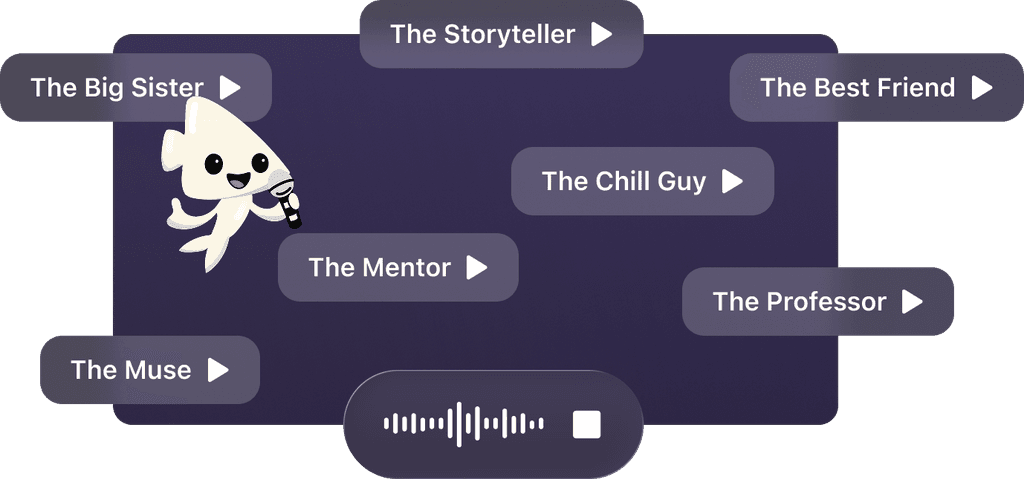
Feel the book through the author's voice
Turn knowledge into engaging, example-rich insights
Capture key ideas in a flash for fast learning
Enjoy the book in a fun and engaging way
Characters in Power of Choice
- Michael C. HyterAuthor and expert in leadership development
- JoyTax consultant used as a case study
- Anders EricssonResearcher cited for studies on practice and effort
Key Themes in Power of Choice
- career efficacy
- relational influence
- capacity building mindset
- underrepresented talent development
- strategic career design
Quotes from Power of Choice
Technical skills may get you in the door, but relational and influential capabilities determine how far you'll go.
Failure transforms from something shameful into useful guidance.
What if the greatest barrier to your professional growth isn't external obstacles but your own beliefs about your capabilities?
Success stories often feature professionals who deliberately worked to strengthen their relational and influential skills.
Explore Your Way of Learning
 Quick Summary Mode
Read or listen to Power of Choice Summary in 9 Minutes
Break down key ideas from Power of Choice into bite-sized takeaways to understand how innovative teams create, collaborate, and grow.

 Fun Mode
Power of Choice Lessons Told Through 19-Min Stories
Experience Power of Choice through vivid storytelling that turns innovation lessons into moments you'll remember and apply.
 Personalize Mode
Experience Power of Choice in your own learning style
Ask anything, choose your learning style, and co-create insights that truly resonate with you.
From Columbia University alumni built in San Francisco
"Instead of endless scrolling, I just hit play on BeFreed. It saves me so much time."


"I never knew where to start with nonfiction—BeFreed’s book lists turned into podcasts gave me a clear path."


"Perfect balance between learning and entertainment. Finished ‘Thinking, Fast and Slow’ on my commute this week."
"Crazy how much I learned while walking the dog. BeFreed = small habits → big gains."
"Reading used to feel like a chore. Now it’s just part of my lifestyle."

"Feels effortless compared to reading. I’ve finished 6 books this month already."
"BeFreed turned my guilty doomscrolling into something that feels productive and inspiring."

"BeFreed turned my commute into learning time. 20-min podcasts are perfect for finishing books I never had time for."
"BeFreed replaced my podcast queue. Imagine Spotify for books — that’s it. 🙌"

"It is great for me to learn something from the book without reading it."
"The themed book list podcasts help me connect ideas across authors—like a guided audio journey."
"Makes me feel smarter every time before going to work"
From Columbia University alumni built in San Francisco
"Instead of endless scrolling, I just hit play on BeFreed. It saves me so much time."
"I never knew where to start with nonfiction—BeFreed’s book lists turned into podcasts gave me a clear path."
"Perfect balance between learning and entertainment. Finished ‘Thinking, Fast and Slow’ on my commute this week."
"Crazy how much I learned while walking the dog. BeFreed = small habits → big gains."
"Reading used to feel like a chore. Now it’s just part of my lifestyle."
"Feels effortless compared to reading. I’ve finished 6 books this month already."
"BeFreed turned my guilty doomscrolling into something that feels productive and inspiring."
"BeFreed turned my commute into learning time. 20-min podcasts are perfect for finishing books I never had time for."
"BeFreed replaced my podcast queue. Imagine Spotify for books — that’s it. 🙌"
"It is great for me to learn something from the book without reading it."
"The themed book list podcasts help me connect ideas across authors—like a guided audio journey."
"Makes me feel smarter every time before going to work"
"Instead of endless scrolling, I just hit play on BeFreed. It saves me so much time."
"I never knew where to start with nonfiction—BeFreed’s book lists turned into podcasts gave me a clear path."
"Perfect balance between learning and entertainment. Finished ‘Thinking, Fast and Slow’ on my commute this week."
"Crazy how much I learned while walking the dog. BeFreed = small habits → big gains."
"Reading used to feel like a chore. Now it’s just part of my lifestyle."
"Feels effortless compared to reading. I’ve finished 6 books this month already."
"BeFreed turned my guilty doomscrolling into something that feels productive and inspiring."
"BeFreed turned my commute into learning time. 20-min podcasts are perfect for finishing books I never had time for."
"BeFreed replaced my podcast queue. Imagine Spotify for books — that’s it. 🙌"
"It is great for me to learn something from the book without reading it."
"The themed book list podcasts help me connect ideas across authors—like a guided audio journey."
"Makes me feel smarter every time before going to work"
"Instead of endless scrolling, I just hit play on BeFreed. It saves me so much time."
"I never knew where to start with nonfiction—BeFreed’s book lists turned into podcasts gave me a clear path."
"Perfect balance between learning and entertainment. Finished ‘Thinking, Fast and Slow’ on my commute this week."
"Crazy how much I learned while walking the dog. BeFreed = small habits → big gains."
"Reading used to feel like a chore. Now it’s just part of my lifestyle."
"Feels effortless compared to reading. I’ve finished 6 books this month already."
"BeFreed turned my guilty doomscrolling into something that feels productive and inspiring."
"BeFreed turned my commute into learning time. 20-min podcasts are perfect for finishing books I never had time for."
"BeFreed replaced my podcast queue. Imagine Spotify for books — that’s it. 🙌"
"It is great for me to learn something from the book without reading it."
"The themed book list podcasts help me connect ideas across authors—like a guided audio journey."
"Makes me feel smarter every time before going to work"

Download Summary of Power of Choice
Get the Power of Choice summary as a free PDF or EPUB. Print it or read offline anytime.


